





Bilastine Tablets Uses, Dosage & Side Effects
Sep 03, 2025
Bilastine Tablets 20 mg are a second-generation, non-sedating antihistamine (H1-receptor antagonist) used for the symptomatic relief of allergic rhinitis (seasonal and perennial) and chronic spontaneous urticaria (CSU) in adults and adolescents above 12 years.
What is Bilastine Tablet 20 mg?
Bilastine Tablet 20 mg is a selective, peripherally acting histamine H1-receptor antagonist belonging to the second-generation antihistamine class. It was developed to combine the clinical efficacy of first-generation antihistamines with an optimal safety profile — specifically, without the sedation, anticholinergic effects, or cardiac arrhythmia risks associated with older antihistamines.
Bilastine is chemically classified as a benzimidazole piperidine derivative. It does not cross the blood-brain barrier (BBB) to any clinically significant degree, which explains its non-sedating profile at the standard 20 mg therapeutic dose. The molecule was approved by the European Medicines Agency (EMA) in 2010 and has since been approved in 130+ countries, including India under CDSCO/DCGI regulation.
Mechanism of Action — How Does Bilastine 20 mg Work?
| Pharmacological Action | Target | Clinical Result |
|---|---|---|
| Selective competitive H1-receptor antagonism | Peripheral H1-histamine receptors | Blocks histamine-mediated allergic response |
| Inverse agonism at H1 receptors | Constitutively active H1 receptors | Reduces baseline allergic tone |
| Stabilization of receptor inactive state | H1 receptor conformation | Prolonged antiallergic effect |
| Minimal CNS penetration | Blood-brain barrier efflux (P-gp substrate) | No sedation at therapeutic dose |
| No hERG channel blockade | Cardiac potassium channels | No QTc prolongation; cardiac safety |
| No CYP450 enzyme metabolism | Hepatic CYP system | Minimal drug interactions |
| No anticholinergic activity | Muscarinic receptors | No dry mouth, urinary retention, blurred vision |
Pharmacokinetic Highlights: Bilastine reaches peak plasma concentration (Tmax) in approximately 1.3 hours after oral administration. Its plasma half-life (T½) is around 14.5 hours, supporting reliable once-daily dosing. Bioavailability is approximately 61% under fasting conditions but is significantly reduced (by ~30%) when taken with food or grapefruit juice — hence the mandatory fasting administration instruction. Bilastine is not metabolized by the liver; it is excreted unchanged primarily through urine and feces, making it safe in hepatic impairment.
Indications and Clinical Uses
Bilastine Tablets 20 mg are indicated for the following allergic conditions in adults and adolescents (≥12 years):
1. Seasonal Allergic Rhinitis (SAR — Hay Fever):
SAR is triggered by outdoor aeroallergens such as pollen from trees, grasses, and weeds. Bilastine 20 mg significantly reduces nasal symptoms (sneezing, rhinorrhoea, nasal congestion) and ocular symptoms (itching, redness, tearing) within 1 hour of administration. In the pivotal Phase III BILUS trial, bilastine demonstrated non-inferior efficacy to cetirizine 10 mg and loratadine 10 mg with superior somnolence profile.
2. Perennial Allergic Rhinitis (PAR):
PAR is caused by year-round allergens including house dust mites (HDM), animal dander, cockroach particles, and mold spores. Bilastine 20 mg provides sustained symptom control over 24-hour dosing intervals, making it highly suitable for PAR management requiring long-term antihistamine therapy.
3. Chronic Spontaneous Urticaria (CSU):
CSU is characterized by recurrent wheals and/or angioedema lasting >6 weeks without an identifiable external trigger. According to the EAACI/GA²LEN/EDF/WAO Guidelines (2022), second-generation H1-antihistamines like bilastine are the first-line pharmacological treatment for CSU. Bilastine 20 mg effectively reduces wheal formation, pruritus severity scores (ISS7), and urticaria activity scores (UAS7) in CSU patients.
4. Acute Urticaria:
Bilastine provides rapid onset relief in acute urticaria episodes, including dermographism, cold urticaria, and pressure urticaria, through prompt H1 receptor occupancy following fasting oral administration.
5. Allergic Conjunctivitis:
Bilastine controls ocular allergic symptoms including itching, redness, and lacrimation associated with allergic conjunctivitis, particularly in the context of rhinoconjunctivitis where nasal and ocular symptoms co-exist.
6. Insect Bite Reactions:
Local and systemic histamine-mediated reactions following insect bites (mosquitoes, bees, ants) are effectively managed with bilastine 20 mg for symptomatic relief.
Dosage and Administration
| Indication | Dose | Frequency | Route | Duration |
|---|---|---|---|---|
| Seasonal Allergic Rhinitis | 20 mg | Once daily | Oral | During allergen season; typically 2–4 weeks |
| Perennial Allergic Rhinitis | 20 mg | Once daily | Oral | Long-term; reassess every 3–6 months |
| Chronic Spontaneous Urticaria | 20 mg | Once daily | Oral | Minimum 3 months; review per EAACI guidelines |
| Acute Urticaria | 20 mg | Once daily | Oral | Until symptoms resolve (typically 5–10 days) |
| Allergic Conjunctivitis | 20 mg | Once daily | Oral | During symptomatic period |
Critical Administration Rule — Empty Stomach Only:
Bilastine must be taken on an empty stomach — at least 1 hour before or 2 hours after food intake. Co-administration with food or grapefruit juice reduces bioavailability by approximately 25–30%, potentially compromising therapeutic efficacy. This is a clinically important instruction that differentiates bilastine from most other antihistamines.
Recommended Timing: Morning administration (30–60 minutes before breakfast) is the most practical approach for most patients, ensuring fasting conditions and full bioavailability.
Special Populations:
- Elderly: No dose adjustment required; however, renal function monitoring is advisable in very elderly patients.
- Renal impairment: No dose adjustment needed for mild-to-moderate renal impairment; use with caution in severe renal failure.
- Hepatic impairment: No dose adjustment required (bilastine is not hepatically metabolized).
- Paediatric (<12 years): Not recommended at 20 mg adult tablet formulation; paediatric bilastine formulations (10 mg for 6–11 years) should be used.
- Pregnancy/Lactation: Not recommended; use only if clearly necessary under medical supervision.
Side Effects and Safety Profile
Common Side Effects (1–10%):
- Headache
- Somnolence (at recommended dose: comparable to placebo in clinical trials)
- Dizziness
- Fatigue
- Nausea
- Abdominal pain
Uncommon Side Effects (0.1–1%):
- Dry mouth
- Tachycardia
- Insomnia
- Anxiety or nervousness
- Elevated liver enzymes (transient)
- Epistaxis
Rare/Very Rare (<0.1%):
- Anaphylaxis or hypersensitivity reactions
- Urticaria paradox (hypersensitivity to bilastine itself — extremely rare)
- QT interval changes (not clinically established; cardiac safety well documented)
Key Safety Advantages Over First-Generation Antihistamines:
Bilastine 20 mg demonstrated somnolence rates statistically equivalent to placebo (not significantly different) in multiple controlled trials including the BRISA study, clearly differentiating it from sedating first-generation antihistamines like chlorpheniramine and hydroxyzine. Studies using FMRI technology confirmed minimal CNS penetration of bilastine at standard doses, reinforcing its non-sedating classification.
Driving Safety: Bilastine does not impair driving performance at the 20 mg therapeutic dose. Multiple simulator-based studies confirmed no degradation in critical tracking, divided attention, or braking reaction time — unlike first-generation antihistamines and even some second-generation agents at higher doses.
Drug Interactions
| Interacting Substance | Mechanism | Clinical Recommendation |
|---|---|---|
| Food (any meal) | Reduces bilastine bioavailability by ~25–30% | Always take on empty stomach; 1 hr before or 2 hrs after food |
| Grapefruit juice | P-glycoprotein inhibition; reduces bioavailability | Avoid grapefruit juice during bilastine therapy |
| Ketoconazole / Erythromycin | P-gp and OAT3 transporter inhibition | Increases bilastine plasma levels ~2-fold; monitor; avoid if possible |
| Diltiazem | OAT3 inhibition | Possible bilastine level increase; use cautiously |
| Alcohol | Additive CNS depression (mild) | Avoid alcohol during antihistamine therapy as a precaution |
| QT-prolonging drugs | Additive cardiac risk (theoretical) | Not clinically established for bilastine; monitor ECG in high-risk patients |
| Rifampicin | P-gp induction | Potential reduction in bilastine exposure; clinical significance low |
Note: Bilastine is neither a substrate nor an inhibitor of major CYP450 isoenzymes (CYP1A2, CYP2C9, CYP2C19, CYP2D6, CYP3A4), making its drug interaction profile significantly cleaner than many antihistamines and most other antiallergic agents.
Contraindications
- Known hypersensitivity to bilastine or any tablet excipient
- Children below 6 years of age (adult 20 mg formulation)
- Severe renal impairment (GFR <30 mL/min) — relative contraindication; use with caution
- Co-administration with ketoconazole or erythromycin in patients with pre-existing cardiac conditions or QT risk
- Pregnancy and lactation (insufficient safety data; avoid unless benefit outweighs risk)
Bilastine 20 mg vs Other Antihistamines — Comparison Table
| Parameter | Bilastine 20 mg | Cetirizine 10 mg | Loratadine 10 mg | Fexofenadine 120 mg | Levocetirizine 5 mg |
|---|---|---|---|---|---|
| Generation | 2nd generation | 2nd generation | 2nd generation | 2nd generation | 2nd generation |
| Sedation | None (placebo-equivalent) | Mild-moderate | Minimal | Minimal | Mild |
| Onset of action | ~1 hour | ~1 hour | 1–3 hours | ~1–2 hours | ~1 hour |
| Duration | 24 hours | 24 hours | 24 hours | 12 hours | 24 hours |
| Food interaction | Yes — must take fasting | Minimal | Minimal | Yes — avoid high fat | Minimal |
| Hepatic metabolism | None (excreted unchanged) | Minimal | Significant | None | Minimal |
| QTc risk | None documented | None | None | None | None |
| CYP interactions | None | None | CYP3A4/2D6 minor | None | None |
| Driving safety | Confirmed safe | Mild impairment | Safe | Safe | Mild impairment |
| Dosing | Once daily | Once daily | Once daily | Twice daily | Once daily |
| CDSCO Schedule | Schedule H | Schedule H | OTC/Rx | Schedule H | Schedule H |
Bilastine in Urticaria — Clinical Evidence Summary
The EAACI/GA²LEN/EDF/WAO Urticaria Guidelines (updated 2022) recommend second-generation H1-antihistamines as the unequivocal first-line treatment for CSU, with bilastine specifically referenced as a guideline-endorsed agent. Key clinical data points:
- UAS7 Reduction: In the PKIDZ03 pivotal trial, bilastine 20 mg reduced UAS7 scores by 11.5 points vs 5.1 points in placebo (p<0.001), demonstrating statistically and clinically significant urticaria symptom control.
- ISS7 (Itch Severity Score): Bilastine produced a 5.8-point reduction in ISS7, vs 2.6 for placebo — a >50% improvement in pruritus severity.
- Complete Response Rate: Approximately 35–40% of CSU patients on bilastine 20 mg achieved complete symptom suppression (UAS7 = 0) within 4 weeks.
- Long-Term Safety (52 weeks): Open-label extension studies confirmed sustained efficacy and safety of bilastine 20 mg over 52 weeks without tachyphylaxis.
Frequently Asked Questions
Can Bilastine 20 mg be taken at night?
Yes. Bilastine 20 mg can be taken at any time of day, provided the fasting condition is met (1 hour before or 2 hours after a meal). Bedtime administration is acceptable if the patient has fasted for at least 2 hours after dinner. Morning administration before breakfast is generally the most convenient approach.
Does Bilastine 20 mg cause drowsiness or sedation?
No, at the recommended dose of 20 mg, bilastine does not cause clinically significant sedation. Multiple controlled trials using objective CNS performance tests and FMRI imaging confirmed bilastine's somnolence rate is statistically indistinguishable from placebo. This makes it particularly suitable for patients who need to drive, operate machinery, or perform cognitively demanding tasks.
Why must Bilastine be taken on an empty stomach?
Food reduces bilastine's oral bioavailability by approximately 25–30%. Grapefruit juice similarly impairs absorption. To ensure full therapeutic plasma concentrations are achieved, bilastine must be taken at least 1 hour before or 2 hours after eating. This is a pharmacokinetically important instruction unique to bilastine among common antihistamines.
How is Bilastine 20 mg different from Cetirizine and Levocetirizine?
Bilastine offers a superior sedation profile compared to cetirizine and levocetirizine, with sedation rates equivalent to placebo versus mild CNS effects reported with both cetirizine and levocetirizine at standard doses. Bilastine also has no hepatic metabolism and no CYP450 interactions, offering a cleaner pharmacological profile for polypharmacy patients. Driving and cognitive performance are unaffected by bilastine.
Is Bilastine safe for long-term use in Chronic Urticaria?
Yes. Bilastine 20 mg has demonstrated sustained efficacy and an excellent safety profile over 52 weeks of continuous use in chronic spontaneous urticaria trials. No clinically significant adverse effects accumulated with long-term use, and no cardiac, hepatic, or renal safety signals emerged in extended studies. Long-term use should nonetheless be under periodic physician review.
Is bilastine a steroid?
It is a non-sedating, second-generation antihistamine used to treat allergic conditions
Can i take bilastine twice a day?
Usually, no. Bilastine is generally taken once daily. Do not take it twice a day unless your doctor specifically advises you to.
For Further More Information:
Mail Us: contact@sterispharma.com or info@sterispharma.com
Call Now: +918824175417, +919982524671
Recent Post
How Do Linagliptin and Metformin Work Together to Manage Type 2 Diabetes?
Oxymetazoline Nasal Solution: A Complete Guide to Uses and Safety
What Are Methylcobalamin Sublingual Tablets 1500 mcg Used For?
L Lysine Hydrochloride Syrup: Uses, Benefits, Dosage and Side Effects
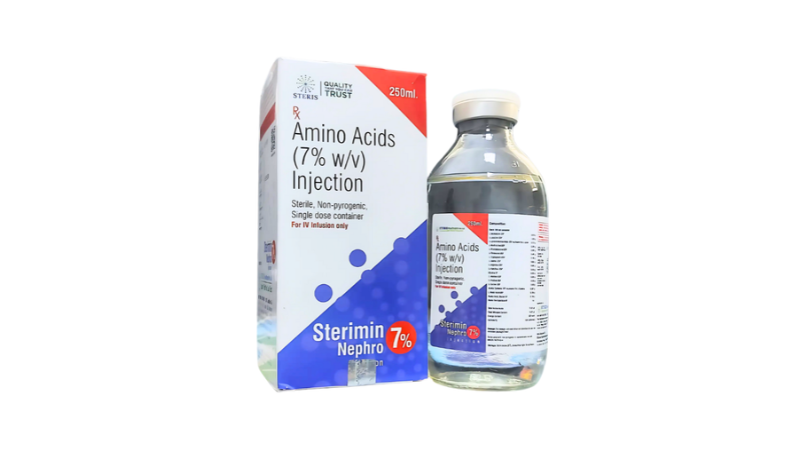
What Is Amino Acids Injection Used For?
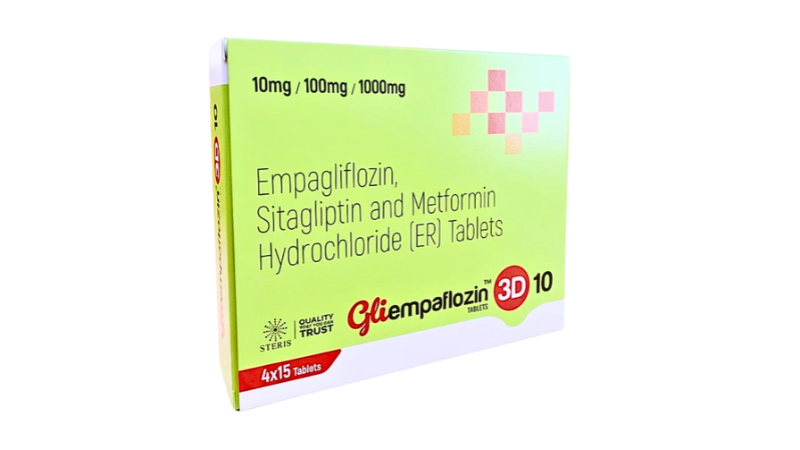
How Do Empagliflozin, Sitagliptin, and Metformin Work Together?
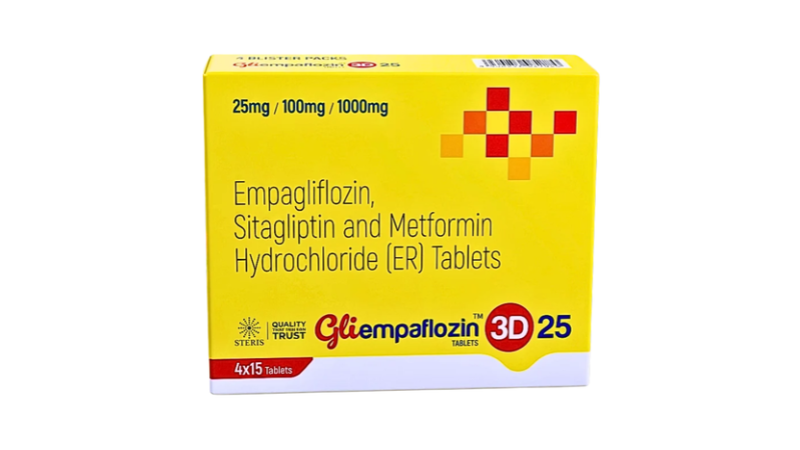
Empagliflozin, Sitagliptin, and Metformin: Uses, Benefits, and Side Effects
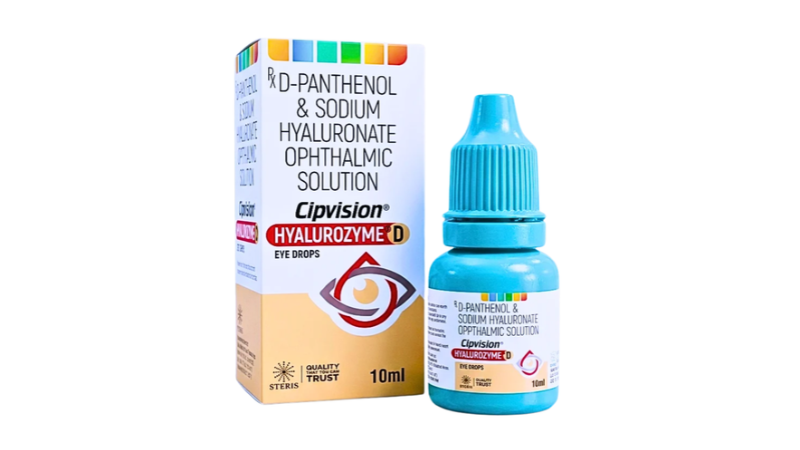
D-Panthenol and Sodium Hyaluronate Eye Drops: Uses and Precautions
How Do Ketorolac Tromethamine Eye Drops Work?
Ofloxacin and Dexamethasone Eye Drops: Uses, Benefits, and Side Effects