





Betahistine HCl
May 06, 2023
Imagine standing on solid ground, yet feeling like you are on a boat in a storm. The walls tilt, the floor rushes up to meet you, and a ringing sound screams in your ears. This is not a nightmare; this is the daily reality for millions of people suffering from Vertigo and Ménière’s Disease.
Inner ear balance disorders are more than just "dizziness." They are debilitating. They steal your confidence to drive, to work, or even to walk down the stairs. When your vestibular system (balance system) malfunctions, it throws your entire life off-kilter.
But you do not have to live in a spinning world.
Introducing HISTBETALITE 8.
Formulated with Betahistine Hydrochloride (8 mg), HISTBETALITE 8 is a specialized, non-sedating medication designed to target the root cause of vertigo attacks: the pressure within the inner ear.
In this comprehensive guide, we will explore the science behind HISTBETALITE 8, why the 8mg dosage offers unique flexibility for patients, how to manage Ménière’s disease through diet and medication, and how you can finally regain your footing.
(Disclaimer: This article is for educational purposes only and does not constitute medical advice. Always follow the specific instructions of your ENT specialist or healthcare provider.)
Part 1: What is HISTBETALITE 8?
HISTBETALITE 8 is an oral medication specifically indicated for the treatment of Ménière’s syndrome and vestibular vertigo.
The Composition
Each tablet contains Betahistine Dihydrochloride (8 mg).
- Drug Class: Histamine Analogue.
- Key Characteristic: Unlike many anti-vertigo drugs (like Stemetil or Meclizine) which act as sedatives and make you sleepy, HISTBETALITE 8 is non-sedating. It does not depress the brain; it improves the ear.
Why the "8 mg" Strength?
Betahistine typically comes in strengths of 8mg, 16mg, and 24mg.
HISTBETALITE 8 (8 mg) is known as the titration dose or the flexible dose.
- Precision: It allows doctors to fine-tune the medication. For example, a patient might need 16mg, but taking two 8mg tablets allows for better absorption or spreading the dose out more frequently throughout the day compared to a single large pill.
- Tolerance: Starting with a lower dose like 8mg reduces the risk of gastric side effects (stomach upset), allowing the body to adjust to the medication gently.
Part 2: The Enemy: Understanding Ménière’s Disease and Vertigo
To understand why HISTBETALITE 8 is necessary, we must understand the mechanics of the ear.
Your inner ear contains a tiny labyrinth of tubes filled with a fluid called Endolymph. When you move your head, this fluid moves, brushing against tiny hairs that send signals to your brain saying, "We are moving left" or "We are looking down."
The Problem: Endolymphatic Hydrops
In conditions like Ménière’s Disease, there is a glitch in the system. The body produces too much endolymph fluid, or it doesn't drain it fast enough. This leads to high pressure inside the inner ear, swelling the labyrinth.
This condition is called Endolymphatic Hydrops.
When the pressure gets too high, the tiny membranes inside the ear can stretch or rupture, sending chaotic signals to the brain. The brain gets confused—your eyes say you are standing still, but your ear screams that you are spinning. The result is a vertigo attack.
The Triad of Symptoms
HISTBETALITE 8 targets the classic triad of Ménière’s symptoms:
- Vertigo: Severe spinning sensation, often with nausea.
- Tinnitus: Ringing, roaring, or buzzing in the ear.
- Hearing Loss: Usually fluctuating, affecting low-frequency sounds initially.
Part 3: Mechanism of Action: How HISTBETALITE 8 Works
Most drugs treat the symptoms (nausea). HISTBETALITE 8 treats the mechanism.
It acts as a weak agonist at the H1 receptors and a strong antagonist at the H3 receptors in the nervous system.
The "Garden Hose" Analogy
Think of the blood vessels feeding your inner ear as a garden hose. If the hose is pinched, fluid backs up.
HISTBETALITE 8 acts as a vasodilator.
- It relaxes the smooth muscles of the capillaries (tiny blood vessels) in the inner ear (the Stria Vascularis).
- This relaxation widens the vessels, increasing blood flow.
- Improved blood flow helps "drain" the excess fluid (Endolymph) that is causing the pressure.
- As the pressure drops, the swelling goes down, and the false signals sent to the brain stop.
By improving microcirculation, HISTBETALITE 8 prevents the pressure buildup that causes the attack in the first place.
Part 4: Dosage and Administration
The effectiveness of Betahistine relies heavily on consistency. It is not a "rescue drug" to pop only when you feel dizzy; it is a maintenance drug to prevent dizziness.
Standard Dosage for HISTBETALITE 8
- Adults: The usual starting dose is two tablets of HISTBETALITE 8 (16 mg total) taken three times a day.
- Maintenance: Once symptoms are under control, the doctor may reduce the dose to one tablet of HISTBETALITE 8 taken three times a day.
- Maximum Daily Dose: Usually 48 mg (spread throughout the day).
Usage Guidelines
- Take with Food: Betahistine can cause mild stomach acidity. Taking HISTBETALITE 8 in the middle of a meal or immediately after eating significantly reduces this risk.
- Be Patient: Unlike a painkiller that works in 20 minutes, Betahistine builds up in your system. It may take 2 weeks to a month to see the full benefit. Do not stop taking it after 3 days because "it isn't working." The goal is long-term reduction in the frequency and severity of attacks.
Part 5: HISTBETALITE 8 vs. Other Anti-Vertigo Drugs
Why choose HISTBETALITE 8 over other common drugs like Meclizine (Antivert) or Cinnarizine?
1. Vestibular Compensation
When your ear is damaged, your brain tries to "re-learn" balance by relying more on your eyes and legs. This process is called Vestibular Compensation.
- Sedatives (Meclizine/Valium): These drugs put the brain to sleep to stop the spinning. Unfortunately, this slows down the brain's ability to re-learn balance. Long-term use can actually delay recovery.
- HISTBETALITE 8: It is non-sedating. It stops the dizziness without putting the brain to sleep, allowing the natural compensation process to occur faster.
2. Mental Clarity
Because HISTBETALITE 8 does not cross the blood-brain barrier significantly to cause drowsiness, patients can continue to work, drive (once stabilized), and function normally.
Part 6: Side Effects and Management
HISTBETALITE 8 is generally very safe and well-tolerated, but like all medications, it has potential side effects.
Common Side Effects
- Gastric Upset: Mild nausea, indigestion, or bloating. (Managed by taking with food).
- Headache: Usually mild and transient.
- Skin Rash/Itching: Rare mild allergic reactions.
Contraindications (Who Should Avoid It?)
- Peptic Ulcers: Since HISTBETALITE 8 mimics histamine, it can slightly increase stomach acid secretion. Patients with active stomach ulcers should use it with caution or take stomach protectants (PPIs).
- Asthma: Histamine causes airways to constrict. While Betahistine acts mostly on the ear, asthmatic patients should be monitored to ensure their breathing does not worsen.
- Pheochromocytoma: A rare tumor of the adrenal gland.
Part 7: The "Ménière’s Lifestyle" – Boosting the Effects of HISTBETALITE 8
Medication is 50% of the battle. The other 50% is lifestyle. HISTBETALITE 8 works best when paired with a "low-hydrops diet."
1. The Low-Salt Diet
Sodium makes your body hold onto water. If you retain water, you retain fluid in your ear, counteracting the medication.
- Goal: Limit sodium intake to 1,500mg - 2,000mg per day.
- Avoid: Processed foods, canned soups, soy sauce, and chips.
2. Hydration
It sounds counterintuitive, but drinking more water helps flush sodium out of your system, preventing fluid retention. Aim for 2-3 liters a day.
3. Identify Triggers (CATs)
Avoid the "CATs" of vertigo:
- Caffeine: Constricts blood vessels (the opposite of what HISTBETALITE 8 does).
- Alcohol: Alters the density of ear fluid, causing immediate spinning.
- Tobacco: Nicotine reduces blood flow to the inner ear.
4. Stress Management
Stress triggers the release of hormones that can worsen Ménière’s symptoms. Yoga, meditation, and adequate sleep are not luxuries; they are part of the treatment plan.
Part 8: Vestibular Rehabilitation Therapy (VRT)
While taking HISTBETALITE 8, you should engage in Vestibular Rehabilitation. These are exercises designed to train your brain to ignore the incorrect signals from the damaged ear.
Simple VRT Exercises:
- Gaze Stability: Hold a pen at arm's length. Focus your eyes on it. Shake your head "no" while keeping your eyes locked on the pen. Do this for 1 minute.
- Walking with Head Turns: Walk down a hallway while turning your head left and right. This trains your balance system to work while in motion.
HISTBETALITE 8 clears the "noise" in the ear so that these exercises can effectively retrain the brain.
Part 9: Recognizing the Warning Signs
While HISTBETALITE 8 handles the chronic management of vertigo, you must know when to seek emergency help. If your dizziness is accompanied by:
- Severe headache
- Slurred speech
- Weakness in one arm or leg
- Double vision
These are not signs of an inner ear problem; they could be signs of a Stroke. Seek emergency care immediately.
Conclusion: Regaining Your Footing with HISTBETALITE 8
Vertigo is a thief. It steals your independence and your peace of mind. But you don't have to let it win.
HISTBETALITE 8 (Betahistine 8mg) offers a targeted, scientific approach to inner ear health. By improving blood flow and reducing fluid pressure, it treats the root cause of the imbalance, not just the symptoms.
Whether you are suffering from occasional dizziness or diagnosed Ménière’s Disease, HISTBETALITE 8 provides the flexibility and safety profile needed to navigate your recovery. Combined with a low-salt diet and vestibular exercises, a balanced, stable life is within reach.
Frequently Asked Questions (FAQ)
Q: Can I stop taking HISTBETALITE 8 once the dizziness stops?
A: Not immediately. Doctors usually recommend continuing the medication for several months after the last attack to ensure the pressure remains stable. Stopping too soon can cause a "rebound" attack.
Q: How long can I stay on HISTBETALITE 8?
A: It is safe for long-term use. Many Ménière’s patients take it for years as a preventative measure.
Q: Does it interact with antihistamines?
A: Yes. Since HISTBETALITE 8 is a histamine analogue (mimic) and allergy pills are anti-histamines (blockers), taking them together can cancel each other out. If you have allergies, consult your doctor about which medication to prioritize.
Q: Can I take it during pregnancy?
A: There is limited data on Betahistine in pregnancy. It is generally avoided unless absolutely necessary. Always consult your OBGYN.
Q: Does HISTBETALITE 8 cure Tinnitus?
A: It does not "cure" tinnitus (ringing), but by reducing the fluid pressure in the ear, it often reduces the intensity and volume of the ringing, making it easier to live with.
Recent Post
Caroverine Capsules 20mg – उपयोग, खुराक, साइड इफेक्ट्स और विकल्प
Bisoprolol 2.5 mg: उपयोग, फायदे, खुराक और साइड इफेक्ट्स
Methotrexate Tablet क्या है? उपयोग और सावधानियां
Losartan 50mg Tablet:उपयोग, खुराक और साइड इफेक्ट्स
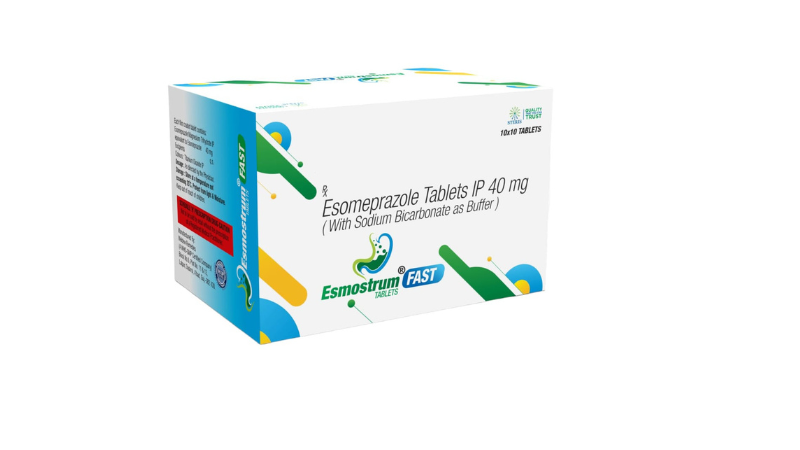
Esomeprazole 40mg: उपयोग, खुराक और साइड इफेक्ट्स
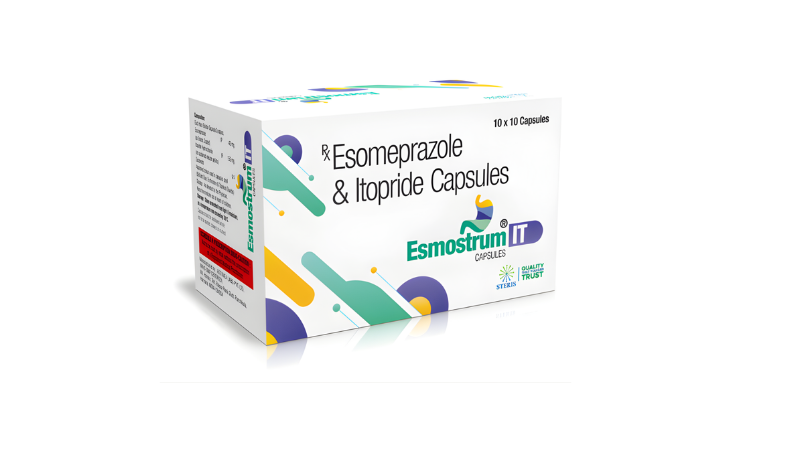
Esomeprazoleऔर itopride hydrochloride: संपूर्ण मरीज़ गाइड
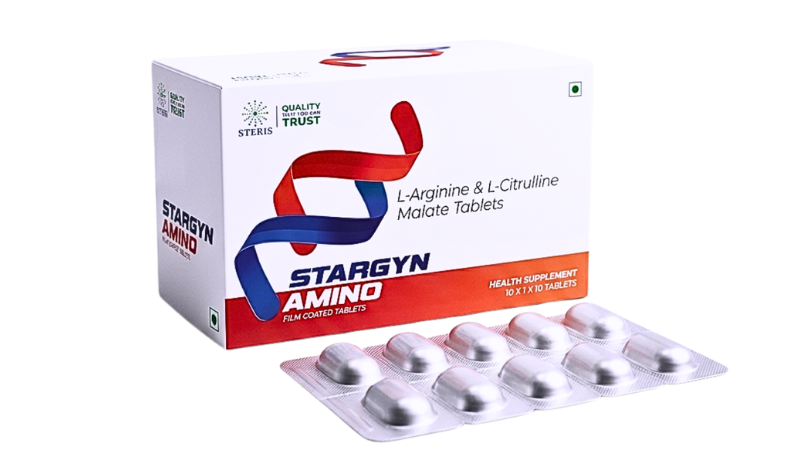
L-Arginine & L-Citrulline Tablets – Amino Acid & Circulation Support Supplement
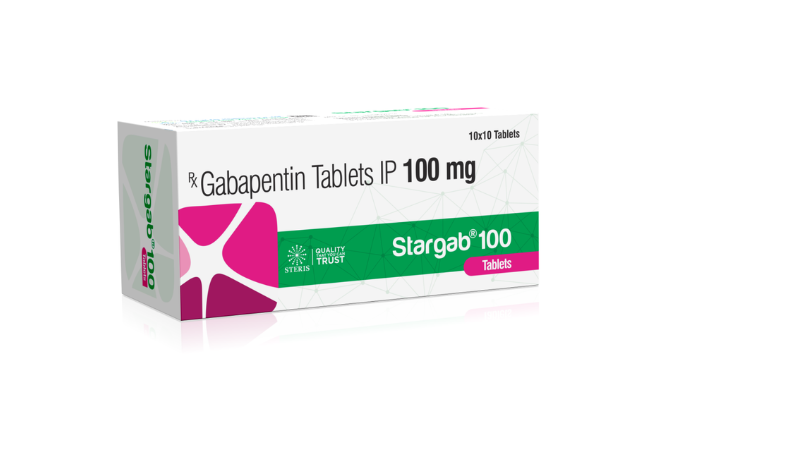
Gabapentine 100 mg: उपयोग, फायदे और सावधानियां पूरी जानकारी
Multivitamin & Multimineral Tablets: उपयोग, फायदे और सावधानियां पूरी जानकारी
Bacillus Clausii Spores Suspension क्या है? जानें उपयोग, फायदे और साइड इफेक्ट्स

