


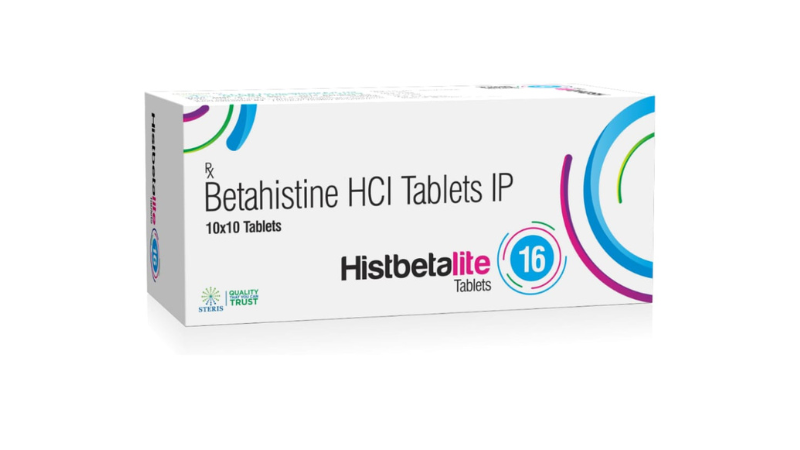



Betahistine 16mg uses, Dosage, Side Effects and Precautions
Jul 14, 2025
That sudden spinning sensation when a room seems to tilt without warning, the ringing in the ears that won't quiet down, or the queasy unsteadiness that makes even standing up feel risky—these are the everyday realities for people living with vertigo and inner-ear balance disorders. Histbetalite 16, manufactured by Steris Healthcare, is a betahistine 16 mg tablet formulated to help manage the symptoms of vertigo, dizziness, tinnitus (ringing in the ears), and hearing loss associated with Meniere's disease and related inner-ear balance disorders.
Betahistine has been used in clinical practice for decades as a mainstay treatment for vestibular (inner-ear balance) conditions, and Histbetalite 16 brings this well-established molecule into a Steris Healthcare formulation designed for consistent, reliable symptom relief. This article covers betahistine 16 mg uses, why this medication matters for people living with balance disorders, its benefits, potential side effects, dosage principles, and important precautions to keep in mind.
Histbetalite 16 is a prescription medication. It should be used only under the guidance of a qualified physician, following proper diagnosis of the underlying cause of vertigo or dizziness, since these symptoms can stem from a range of conditions that require different treatment approaches.
Why It's Important
Vertigo and balance disorders are more than just an inconvenience—they can be genuinely disabling. An acute vertigo attack can make it unsafe to drive, work, climb stairs, or even walk across a room without support. For people with Meniere's disease specifically, the unpredictable nature of attacks—which can strike with little warning and last anywhere from minutes to hours—adds a layer of anxiety to daily life, since planning around an invisible, unpredictable symptom is genuinely difficult.
Beyond the immediate physical disruption, chronic vertigo and tinnitus take a toll on mental health and quality of life. Many patients report avoiding social situations, reducing physical activity, or experiencing anxiety and low mood as a secondary consequence of living with unpredictable dizziness. This is why effective, evidence-based pharmacological management matters—not just for symptom control in the moment, but for helping people regain a sense of stability and confidence in their daily routines.
Betahistine's role in this picture is significant because, unlike medications that simply suppress the sensation of dizziness, it's believed to work on the underlying blood flow and fluid dynamics within the inner ear—addressing a contributing mechanism of the disorder rather than only masking the symptom. This is part of why betahistine has remained a first-line option for Meniere's disease management in clinical guidelines across many countries for so long.
Key Benefits
What Are the Benefits?
- Targeted relief from vertigo episodes—Betahistine helps reduce the frequency and severity of vertigo attacks in patients with Meniere's disease and related vestibular disorders.
- Improved inner-ear blood circulation—Betahistine is believed to increase blood flow within the inner ear, which may help reduce the endolymphatic pressure thought to contribute to Meniere's disease symptoms.
- Reduction in tinnitus severity—Many patients experience a noticeable reduction in the intensity or frequency of ringing or buzzing sounds in the ears with consistent use.
- Support for balance and stability—By addressing the underlying vestibular disturbance, betahistine can help patients regain a steadier sense of balance over time, supporting daily activities and mobility.
- Well-established long-term safety profile—With decades of global clinical use, betahistine's safety and tolerability profile is well understood, offering reassurance for long-term management of chronic vestibular conditions.
- Oral tablet convenience—As a straightforward oral tablet, Histbetalite 16 is easy to incorporate into a daily routine without the need for injections or specialized administration.
- May reduce reliance on symptom-masking sedatives—Because betahistine addresses an underlying mechanism rather than simply sedating the vestibular system, it can be a more sustainable long-term option compared to short-term vertigo suppressants, which are generally not recommended for extended use.
Betahistine 16 mg: Uses
Betahistine 16 mg tablets are primarily indicated for:
- Meniere's disease, including its classic triad of vertigo, tinnitus, and hearing loss
- Vestibular vertigo of various origins, where dizziness stems from inner-ear dysfunction
- Tinnitus associated with vestibular disorders
- Management of recurring dizziness episodes linked to inner-ear balance disruption, as diagnosed and directed by a physician
Mechanism of action
Betahistine is a histamine analogue that acts primarily on histamine H1 and H3 receptors. Its effects are understood through two main pathways:
First, betahistine has a weak agonist effect on H1 receptors located on blood vessels within the inner ear. This is believed to produce a mild vasodilatory effect, improving microcirculation in the stria vascularis of the inner ear, which may help reduce the excess fluid pressure (endolymphatic hydrops) that characterizes Meniere's disease.
Second, and considered by many researchers to be the more significant mechanism, betahistine acts as an antagonist at H3 receptors. By blocking these receptors, it increases the release of histamine and other neurotransmitters within the central nervous system's vestibular pathways, which is thought to help normalize the abnormal neural signaling that contributes to the sensation of vertigo and supports vestibular compensation—the brain's natural process of adapting to and reducing the impact of inner-ear imbalance over time.
Together, these combined vascular and neurological effects are why betahistine occupies a distinct place in vertigo management—working through mechanisms that address contributing causes of Meniere's disease rather than simply sedating the vestibular system, which is the approach taken by many older anti-vertigo medications.
Side Effects
Like all medications, betahistine 16 mg can cause side effects, though it is generally well tolerated, particularly at standard doses.
Common side effects may include:
- Mild nausea or stomach discomfort, especially when taken on an empty stomach
- Headache
- Mild indigestion or bloating
- Dry mouth
- Mild skin rash or itching (uncommon)
Taking the tablet with food often helps reduce the likelihood of stomach-related side effects.
Available Substitutes
Depending on the diagnosis and individual response, doctors may consider alternative options such as different betahistine dose strengths (including lower or higher strength tablets), other vestibular sedatives such as cinnarizine or prochlorperazine for short-term acute vertigo relief, or diuretics as part of a broader Meniere's disease management plan. Any substitution should be guided by a physician based on the specific underlying diagnosis, since different vertigo-related conditions often require different treatment strategies.
Dosage Guidelines
- Dosage should be determined by a physician based on the severity of symptoms and individual response to treatment.
- Typically taken with food to help minimize gastrointestinal side effects.
- Consistency matters—betahistine is generally more effective when taken regularly as prescribed, rather than only during acute vertigo episodes.
- It may take several weeks of consistent use before the full benefit on vertigo frequency and severity becomes noticeable; this is not typically a fast-acting, as-needed medication for sudden dizziness.
- Do not stop treatment abruptly without consulting your doctor, particularly if you have been on it for an extended period.
- Follow your physician's specific dosing schedule rather than adjusting frequency or amount independently.
This is general educational information only. Actual dosing must be determined by your doctor based on your diagnosis, symptom severity, and overall health profile.
Precautions & Warnings
- Prescription-only medication: Should only be used following proper diagnosis of the underlying cause of vertigo or dizziness, since symptoms can arise from multiple different conditions requiring different treatments.
- Asthma: Use with caution in patients with a history of asthma or bronchial conditions; consult your doctor before starting treatment.
- Peptic ulcer disease: Should be used cautiously in patients with a current or past history of stomach ulcers, given betahistine's mild effect on gastric acid secretion.
- Pheochromocytoma: Betahistine is generally avoided in patients with this rare adrenal gland tumor, as it may theoretically affect catecholamine release; consult your doctor if this applies to you.
- Pregnancy and breastfeeding: Limited data is available on use during pregnancy and breastfeeding; use only if clearly advised by your doctor after weighing potential risks and benefits.
- Children: Not typically recommended for use in children without specific medical guidance.
- Driving and operating machinery: While betahistine itself is not typically sedating, the underlying vertigo condition being treated may affect your ability to drive or operate machinery safely—exercise caution, especially during active symptom episodes.
- Drug interactions: Antihistamine medications may theoretically reduce betahistine's effectiveness due to overlapping receptor activity; inform your doctor about all medications you're taking, including over-the-counter antihistamines.
- Not a substitute for diagnosis: Persistent or worsening vertigo, sudden hearing loss, or new neurological symptoms should always be evaluated by a doctor, as these can sometimes indicate conditions requiring urgent attention beyond routine vestibular disorders.
- Storage: Store away from heat and moisture, and keep out of reach of children.
Frequently Asked Questions
1. What is Histbetalite 16 used for?
Histbetalite 16 is used to manage vertigo, dizziness, tinnitus, and hearing disturbances associated with Meniere's disease and other inner-ear balance disorders.
2. What is betahistine 16 mg used for?
Betahistine 16 mg is used to reduce the frequency and severity of vertigo attacks and associated symptoms like tinnitus and imbalance, primarily in Meniere's disease.
3. What does tab betahistine 16 mg do?
Tab betahistine 16 mg improves blood circulation in the inner ear and helps normalize nerve signaling in the vestibular system, reducing vertigo and related symptoms over time.
4. How does betahistine work for vertigo?
Betahistine works by increasing blood flow in the inner ear and acting on histamine receptors in the vestibular nervous system, helping reduce the abnormal signaling that causes vertigo.
5. How long does it take for betahistine to start working?
Betahistine is typically a slower-acting, preventive medication rather than an instant fix—noticeable improvement in vertigo frequency and severity often takes several weeks of consistent use.
6. Is betahistine 16 mg a tablet used daily?
Yes, it's usually taken regularly as prescribed by your doctor, rather than only during acute vertigo episodes, for the best long-term effect.
7. What are the common side effects of betahistine 16 mg?
Common side effects include mild nausea, headache, and stomach discomfort, which can often be reduced by taking the tablet with food.
8. Can betahistine cure Meniere's disease?
Betahistine does not cure Meniere's disease, but it helps manage and reduce the frequency and severity of its symptoms as part of an ongoing treatment plan.
9. Is betahistine safe for long-term use?
Betahistine has a well-established long-term safety profile and is commonly used for extended periods under medical supervision for chronic vestibular conditions.
10. Can betahistine 16 mg be taken on an empty stomach?
It's generally better tolerated when taken with food, as this can help reduce mild stomach-related side effects.
11. Who should avoid taking betahistine?
People with a rare adrenal tumor called pheochromocytoma and those with significant asthma or peptic ulcer history should use betahistine cautiously and only under medical supervision.
12. Can betahistine help with tinnitus?
Yes, many patients experience some reduction in tinnitus severity with consistent betahistine use, particularly when tinnitus is related to an underlying vestibular disorder like Meniere's disease.
13. Is a prescription required for betahistine 16 mg tablets?
Yes, betahistine is a prescription medication and should only be used following a proper diagnosis by a physician.
14. Can betahistine be taken with other antihistamine medications?
Other antihistamines may theoretically reduce betahistine's effectiveness; inform your doctor about any antihistamines or allergy medications you're taking.
15. What should I do if my vertigo doesn't improve on betahistine?
Speak with your doctor, as they may need to reassess the diagnosis, adjust the dose, or consider additional treatment options for your specific type of vertigo.
16. Can betahistine cause drowsiness or affect driving?
Betahistine itself is not typically sedating, but the underlying vertigo condition being treated can affect balance and alertness—use caution while driving, especially during symptom flare-ups.
17. Is betahistine safe during pregnancy?
Data on use during pregnancy is limited; it should only be used if specifically advised by your doctor after considering the potential risks and benefits.
18. What is the difference between betahistine and other anti-vertigo medications?
Unlike sedative anti-vertigo drugs that mainly suppress symptoms, betahistine is believed to target underlying inner-ear blood flow and neural signaling, making it more suited for long-term, preventive management rather than short-term symptom suppression alone.
19. Can children take betahistine 16 mg?
It is not typically recommended for children without specific medical guidance, as safety and dosing in pediatric patients are less well established.
20. What should I do if I experience an allergic reaction to betahistine?
Stop the medication and seek emergency medical care immediately if you notice swelling of the face or throat, difficulty breathing, or a widespread rash.
Conclusion
Histbetalite 16, containing betahistine 16 mg, offers a well-established, evidence-based option for managing the vertigo, tinnitus, and balance disturbances associated with Meniere's disease and related inner-ear disorders. By working through both vascular and neurological pathways within the vestibular system, this Steris Healthcare formulation addresses contributing mechanisms of vertigo rather than simply masking the sensation—a distinction that matters for patients seeking sustainable, long-term symptom management rather than short-term relief alone.
Living with vertigo can be unpredictable and disruptive, but consistent, physician-guided treatment can meaningfully reduce the frequency and severity of episodes over time. If you're experiencing recurring dizziness, spinning sensations, or ringing in the ears, the most important first step is a proper diagnosis from a doctor—since effective treatment depends on understanding the underlying cause. From there, medications like Histbetalite 16 can play a valuable role in helping you regain stability and confidence in your daily life.
For Further Information:
Mail Us: contact@sterispharma.com or info@sterispharma.com
Call Now: +91 8824175417, +91 9982524671
Recent Post

Semaglutide Injection 2mg/3ml (SAMIGLUTIDE) – Uses, Benefits, Dosage & Side Effects

L-Glutathione, Vitamin C & Alpha Lipoic Acid Tablets: Uses, Benefits & Side Effects

Vitamin A, D & Calcium Chloride: Uses, Benefits & Safety Information

How Does Vitamin C Face Serum Benefit Your Skin?

Minoxidil & Finasteride Topical Solution: How Does It Work?

Minoxidil Gel: Uses, Side Effects & Important Precautions

What Does Semaglutide Do to Your Body? Benefits & Risks
Amlodipine 5 mg + Olmesartan 40 mg: Benefits, Dosage & Precautions
Ramipril 2.5 mg and Hydrochlorothiazide 12.5 mg: Uses, Benefits & Dosage
Atorvastatin 5 mg क्या है? जानें उपयोग, फायदे और साइड इफेक्ट्स

