





Atorvastatin & Clopidogrel Capsules
May 01, 2023
Cardiovascular diseases remain one of the leading health concerns worldwide. Factors such as unhealthy eating habits, sedentary lifestyle, obesity, diabetes, smoking, and stress can increase the risk of heart attack, stroke, and blocked arteries. Maintaining healthy cholesterol levels and proper blood circulation is essential for long-term heart health.
ATOVASTRIN CV 20 is a specially formulated medicine containing Atorvastatin Clopidogrel Capsules, commonly prescribed for patients with cardiovascular risks. This combination medicine helps reduce harmful cholesterol levels and prevents blood clots that may lead to serious heart complications.
Doctors often recommend this medicine for individuals with coronary artery disease, high cholesterol, previous heart attack history, or those recovering after angioplasty procedures. The dual-action formula provides comprehensive cardiovascular support and promotes healthier blood flow.
In this blog, you will learn everything about ATOVASTRIN CV 20, including its uses, benefits, working mechanism, dosage, side effects, precautions, and lifestyle recommendations for better heart care.
What is ATOVASTRIN CV 20?
- Atorvastatin
- Clopidogrel
These two medicines work together to support heart health and reduce cardiovascular complications.
Atorvastatin
Atorvastatin belongs to the statin class of medicines. It lowers bad cholesterol (LDL) and triglyceride levels while improving good cholesterol (HDL).
Clopidogrel
Clopidogrel is an antiplatelet medicine that helps prevent platelets from forming harmful blood clots inside blood vessels.
Together, these ingredients help improve circulation and reduce the chances of heart attack and stroke.
Uses of Atorvastatin & Clopidogrel Capsules
1. Prevention of Heart Attack
This medicine helps lower the risk of recurrent heart attacks in high-risk patients.
2. Stroke Prevention
By reducing clot formation, it supports healthy blood flow to the brain and lowers stroke risk.
3. Cholesterol Management
Atorvastatin effectively controls elevated cholesterol and triglyceride levels.
4. Coronary Artery Disease
Patients with narrowed or blocked arteries may benefit from this medicine.
5. After Angioplasty or Stent Placement
Doctors commonly prescribe this combination after cardiac procedures to prevent clot formation inside stents.
6. Peripheral Vascular Disease
It may also help improve blood circulation in patients with poor blood flow to the limbs.
Key Benefits of ATOVASTRIN CV 20
Comprehensive Heart Protection
The medicine targets both cholesterol buildup and blood clot formation.
Reduces LDL Cholesterol
Atorvastatin lowers harmful cholesterol responsible for plaque accumulation in arteries.
Prevents Blood Clot Formation
Clopidogrel keeps platelets from sticking together and blocking blood vessels.
Improves Blood Circulation
Healthy circulation supports better oxygen supply throughout the body.
Supports Long-Term Cardiovascular Health
Regular use under medical supervision can reduce the chances of future cardiac events.
Combination Therapy Convenience
Patients benefit from two cardiovascular medicines in a single capsule.
How ATOVASTRIN CV 20 Works
The combination works through two different mechanisms for better cardiovascular protection.
Action of Atorvastatin
Lower cholesterol levels reduce plaque buildup in arteries and improve blood vessel function.
Action of Clopidogrel
Clopidogrel prevents platelet aggregation, reducing the possibility of clot formation that may block blood flow.
This combined action helps maintain healthy arteries and supports overall heart function.
Dosage and Administration
General Guidelines
-
Usually taken once daily
- Swallow the capsule whole with water
- Can be taken with or without food
Important Tips
- Do not skip doses
- Avoid self-medication
- Continue the treatment as prescribed
- Regular monitoring may be advised during treatment
Possible Side Effects of ATOVASTRIN CV 20
Like all medicines, ATOVASTRIN CV 20 may cause certain side effects in some individuals.
Common Side Effects
- Headache
- Nausea
- Stomach discomfort
- Diarrhea
- Muscle pain
- Weakness
- Dizziness
- Indigestion
Serious Side Effects
Contact your doctor immediately if you experience:
- Unusual bleeding
- Black stools
- Severe muscle pain
- Yellowing of skin or eyes
- Allergic reactions
- Breathing difficulty
Most side effects are manageable when monitored properly by a healthcare professional.
Precautions Before Taking ATOVASTRIN CV 20
Before starting this medicine, patients should discuss their medical history with their doctor.
Inform Your Doctor If You Have
- Liver disease
- Kidney problems
- Diabetes
- Bleeding disorders
- History of stroke
- Muscle-related conditions
- Alcohol dependency
Pregnancy and Breastfeeding
This medicine is generally avoided during pregnancy and breastfeeding unless specifically recommended by a healthcare provider.
Alcohol Consumption
Excessive alcohol intake may increase the risk of liver-related complications.
Surgical Procedures
Since clopidogrel affects blood clotting, inform your doctor before surgery or dental treatment.
Drug Interactions
These include:
- Blood thinners
- Pain-relieving medicines
- Certain antibiotics
- Antifungal medications
- Other cholesterol medicines
Healthy Lifestyle Tips Along with ATOVASTRIN CV 20
Medicines alone may not be enough for complete heart protection. Healthy habits are equally important.
Follow a Balanced Diet
Choose foods rich in:
- Fiber
- Fruits
- Vegetables
- Whole grains
- Healthy fats
Avoid:
- Fried foods
- Processed snacks
- Sugary drinks
- Excess salt
Exercise Daily
Regular physical activity improves circulation and heart function.
Stop Smoking
Smoking damages blood vessels and increases cardiovascular risk.
Control Blood Sugar and Blood Pressure
Patients with diabetes or hypertension should regularly monitor their health.
Maintain a Healthy Weight
Weight management helps reduce strain on the heart.
Why Choose ATOVASTRIN CV 20?
ATOVASTRIN CV 20 is trusted for its effective dual-action formula that supports complete cardiovascular care. The combination of atorvastatin and clopidogrel addresses two major causes of heart complications—high cholesterol and blood clot formation.
Doctors often prefer this combination because it:
- Helps reduce cardiovascular risks
- Supports healthy arteries
- Improves blood circulation
- Provides long-term heart protection
- Simplifies treatment with combination therapy
Storage Instructions
-
Store in a cool and dry place
- Keep away from direct heat and sunlight
- Protect from moisture
- Keep out of reach of children
Do not use expired medicine.
Frequently Asked Questions (FAQs)
What is ATOVASTRIN CV 20 used for?
ATOVASTRIN CV 20 is used to reduce cholesterol levels and prevent blood clot-related cardiovascular complications.
Can this medicine prevent stroke?
Yes, clopidogrel helps reduce clot formation, which may lower the risk of stroke.
Is ATOVASTRIN CV 20 safe for long-term use?
It is commonly prescribed for long-term use under regular medical supervision.
Does atorvastatin & clopidogrel capsules cause muscle pain?
Some patients may experience mild muscle pain as a side effect of atorvastatin.
Conclusion
ATOVASTRIN CV 20 is a reliable combination of atorvastatin & clopidogrel capsules designed to support cardiovascular health and reduce the risk of heart-related complications. By controlling cholesterol levels and preventing harmful blood clots, this medicine plays an important role in comprehensive heart care management.
Recent Post
Atorvastatin 40 mg Tablet: उपयोग और जरूरी जानकारी
Levetiracetam 250 mg कैसे काम करती है? जानिए पूरी जानकारी
Gabapentin 300mg और Amitriptyline 10mg Tablets: उपयोग और जानकारी
Citicoline and piracetam tablets क्या हैं? जानें उपयोग, फायदे और साइड इफेक्ट्स
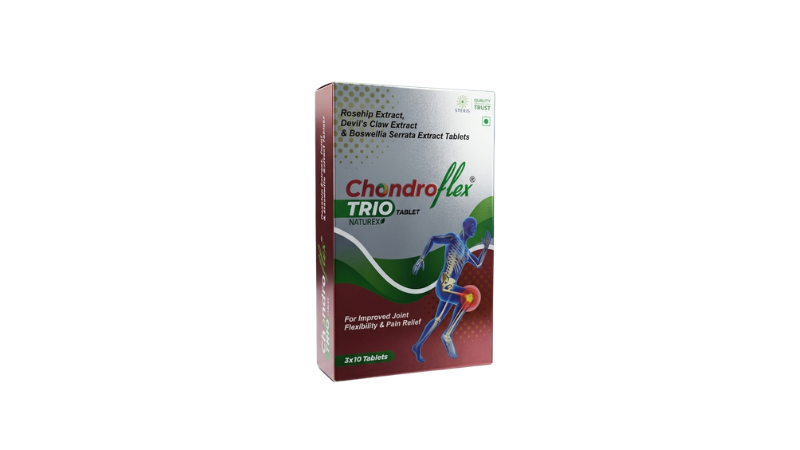
Rosehip Extract & Boswellia Serrata Uses in Hindi | CHONDROFLEX TRIO की पूरी जानकारी

Semaglutide injection in hindi: Semaglutide injection 2 mg, Semaglutide injection 4 mg, Semaglutide injection 8 mg

Semaglutide injection once a week : how does it work?
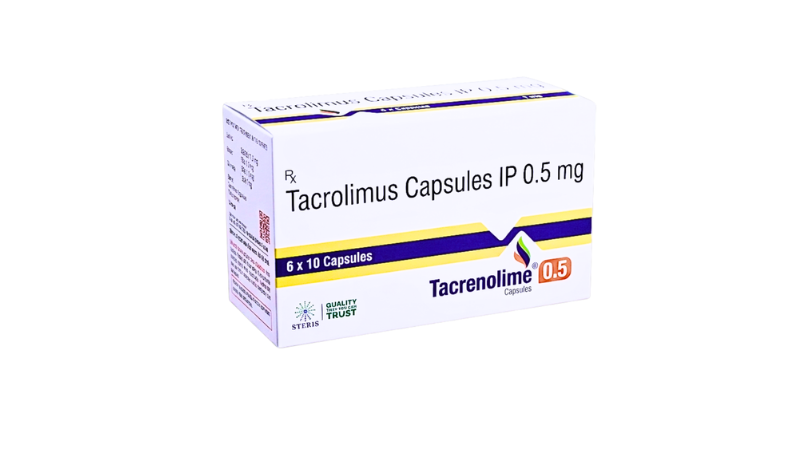
Tacrolimus 0.5 mg Capsule के उपयोग, लाभ और सावधानियां हिंदी में
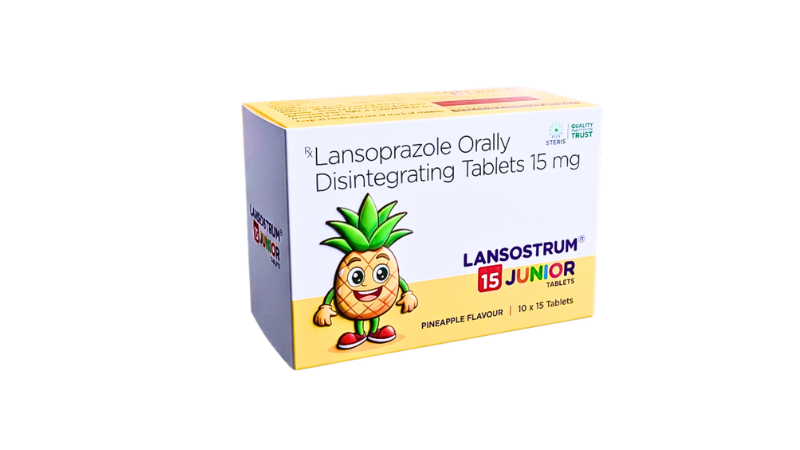
Lansoprazole Orally Disintegrating Tablets 15 mg Uses in Hindi: LANSOSTRUM 15 JUNIOR के फायदे, उपयोग और सावधानियां
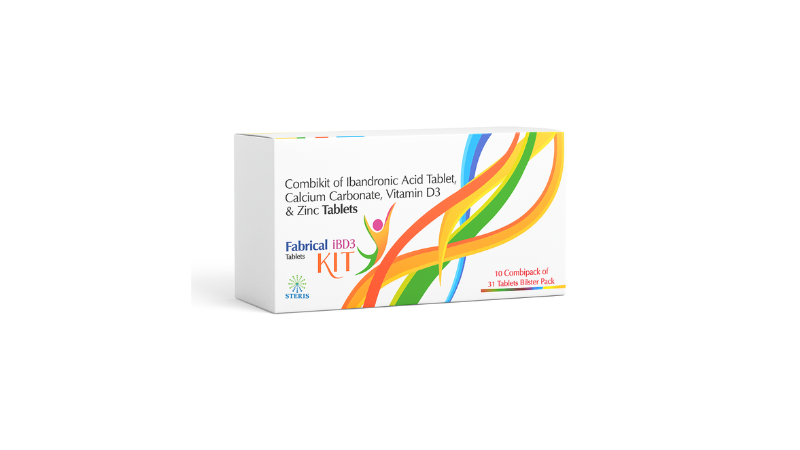
Ibandronic Acid Tablet Uses in Hindi: हड्डियों की सुरक्षा और फ्रैक्चर से बचाव का पूरा गाइड

