





Abiraterone Acetate lp (250mg)
May 01, 2023
ABIRASTERON 250 represents a significant advancement in the treatment of prostate cancer, offering hope to thousands of men battling advanced stages of this disease. As a premier formulation of abiraterone acetate 250mg, ABIRASTERON 250 has emerged as a cornerstone therapy in managing metastatic castration-resistant prostate cancer (mCRPC) and high-risk castration-sensitive prostate cancer. This comprehensive guide explores every aspect of ABIRASTERON 250, from its innovative mechanism of action to practical patient management strategies, providing healthcare professionals and patients with essential information for optimal treatment outcomes.
Prostate cancer remains one of the most prevalent cancers affecting men worldwide, with advanced forms of the disease presenting significant therapeutic challenges. The development of ABIRASTERON 250 marks a paradigm shift in hormonal therapy, targeting androgen production at multiple sites within the body. This oral medication has transformed the treatment landscape, offering an effective option for patients who have either failed traditional therapies or require first-line intervention for advanced disease.
Understanding ABIRASTERON 250: The Science Behind the Medicine
What is ABIRASTERON 250?
ABIRASTERON 250 contains abiraterone acetate, a prodrug that undergoes conversion to its active form, abiraterone, within the body. Each tablet contains precisely 250mg of abiraterone acetate, formulated to ensure optimal bioavailability and therapeutic efficacy. The medication belongs to a class of drugs known as androgen biosynthesis inhibitors, specifically designed to interrupt the production of androgens that fuel prostate cancer growth.
The pharmaceutical formulation of ABIRASTERON 250 incorporates advanced drug delivery technology, ensuring consistent absorption and therapeutic blood levels. The tablets are manufactured under strict quality control standards, meeting international pharmaceutical guidelines for purity, potency, and stability. This attention to quality ensures that patients receive a reliable, effective medication with each dose.
Mechanism of Action: How ABIRASTERON 250 Works
ABIRASTERON 250 operates through a sophisticated mechanism that targets the CYP17A1 enzyme, a crucial component in androgen biosynthesis. This enzyme, also known as 17α-hydroxylase/C17,20-lyase, plays a pivotal role in testosterone and other androgen production across multiple sites in the body, including the testes, adrenal glands, and importantly, within prostate tumor tissue itself.
By selectively inhibiting CYP17A1, ABIRASTERON 250 effectively blocks androgen production at its source, achieving what is termed "complete androgen blockade." This mechanism is particularly important because prostate cancer cells can develop the ability to produce their own androgens, a process known as intratumoral steroidogenesis. Traditional androgen deprivation therapy (ADT) primarily targets testicular testosterone production, leaving these alternative sources active. ABIRASTERON 250 addresses this limitation by comprehensively blocking androgen synthesis throughout the body.
The inhibition of CYP17A1 results in a dramatic reduction in circulating testosterone levels, often to below detectable limits. Additionally, ABIRASTERON 250 reduces levels of other androgens, including dehydroepiandrosterone (DHEA) and androstenedione, which can be converted to testosterone within tumor cells. This comprehensive suppression of the androgen pathway deprives prostate cancer cells of the hormonal signals they need to grow and proliferate, leading to tumor regression and disease control.
Clinical Applications and Indications
Primary Indications for ABIRASTERON 250
ABIRASTERON 250 has received regulatory approval for several specific indications in prostate cancer treatment. The primary indication is for metastatic castration-resistant prostate cancer (mCRPC), a form of the disease that continues to progress despite medical or surgical castration. In this setting, ABIRASTERON 250 can be used either as a first-line treatment for patients who have not received chemotherapy or as a second-line option following docetaxel chemotherapy.
Recent clinical evidence has expanded the use of ABIRASTERON 250 to include high-risk castration-sensitive prostate cancer. In this indication, ABIRASTERON 250 is initiated alongside standard androgen deprivation therapy, providing enhanced hormonal suppression from the outset of treatment. This early intensive approach has demonstrated significant improvements in overall survival and progression-free survival compared to ADT alone.
Patient Selection Criteria
Appropriate patient selection is crucial for optimizing outcomes with ABIRASTERON 250. Ideal candidates include men with confirmed prostate adenocarcinoma who have evidence of disease progression despite adequate testosterone suppression. For mCRPC patients, this typically means a rising prostate-specific antigen (PSA) despite castrate levels of testosterone (<50 ng/dL). Patients should have adequate liver function, as ABIRASTERON 250 undergoes hepatic metabolism, and those with severe hepatic impairment are generally not candidates for this therapy.
Performance status is another important consideration. While ABIRASTERON 250 is generally well-tolerated, patients should have sufficient functional capacity to manage oral medication and attend regular monitoring appointments. The presence of visceral metastases, previous chemotherapy exposure, and symptom burden all factor into the decision-making process, though none of these factors absolutely contraindicate ABIRASTERON 250 use.
Dosing and Administration Guidelines
Standard Dosing Regimen
The recommended dose of ABIRASTERON 250 is 1000mg (four 250mg tablets) taken once daily as a single dose. This dosing regimen has been extensively validated in clinical trials and represents the optimal balance between efficacy and tolerability. ABIRASTERON 250 must be administered in combination with prednisone or prednisolone, typically at a dose of 5mg twice daily. This concurrent corticosteroid therapy serves multiple purposes: it prevents adrenal insufficiency resulting from CYP17A1 inhibition, reduces the risk of mineralocorticoid-related adverse effects, and may provide additional anti-tumor activity.
Administration Instructions and Food Interactions
One of the most critical aspects of ABIRASTERON 250 administration is its relationship with food intake. ABIRASTERON 250 must be taken on an empty stomach, with no food consumed for at least two hours before and one hour after administration. This requirement stems from the significant food effect observed with abiraterone acetate; food intake can increase drug absorption by up to 10-fold, potentially leading to increased toxicity without additional therapeutic benefit.
Patients should be counseled to establish a consistent daily routine for taking ABIRASTERON 250, ideally at the same time each day. Many patients find it convenient to take the medication either first thing in the morning, before breakfast, or at bedtime, well after their evening meal. The tablets should be swallowed whole with water and should not be crushed, chewed, or divided, as this could affect drug absorption and potentially increase side effects.
Dose Modifications and Special Populations
Dose modifications may be necessary in certain clinical scenarios. For patients experiencing Grade 3 or higher hepatotoxicity, ABIRASTERON 250 should be withheld until liver function tests return to baseline or Grade 1 levels. Upon resolution, treatment can be resumed at a reduced dose of 750mg daily. If hepatotoxicity recurs at the reduced dose, further reduction to 500mg daily may be considered, though discontinuation may be necessary for persistent toxicity.
Patients with moderate hepatic impairment (Child-Pugh Class B) should receive a reduced starting dose of 250mg once daily. ABIRASTERON 250 is contraindicated in patients with severe hepatic impairment (Child-Pugh Class C) due to the lack of safety data and the potential for increased drug exposure. No dose adjustment is necessary for patients with renal impairment, as abiraterone is not significantly eliminated through the kidneys.
Clinical Efficacy and Treatment Outcomes
Evidence from Clinical Trials
The efficacy of ABIRASTERON 250 has been demonstrated in multiple landmark clinical trials involving thousands of patients worldwide. In the pivotal COU-AA-301 trial, which evaluated ABIRASTERON 250 in mCRPC patients who had received prior docetaxel chemotherapy, treatment resulted in a significant improvement in overall survival compared to placebo (15.8 vs. 11.2 months). This survival benefit was accompanied by improvements in all secondary endpoints, including progression-free survival, PSA response rate, and time to skeletal-related events.
The COU-AA-302 trial expanded the evidence base by evaluating ABIRASTERON 250 in chemotherapy-naive mCRPC patients. This study demonstrated even more impressive results, with a median overall survival of 34.7 months in the ABIRASTERON 250 group compared to 30.3 months with placebo. The trial also showed significant improvements in radiographic progression-free survival (16.5 vs. 8.3 months) and time to chemotherapy initiation, establishing ABIRASTERON 250 as a valuable first-line option for mCRPC.
More recently, the LATITUDE and STAMPEDE trials have provided compelling evidence for the use of ABIRASTERON 250 in high-risk castration-sensitive prostate cancer. These studies showed that adding ABIRASTERON 250 to standard ADT resulted in dramatic improvements in overall survival, with risk reductions of approximately 30-40% compared to ADT alone. These findings have led to a paradigm shift in the management of advanced hormone-sensitive disease, with early intensification now considered standard of care for appropriate patients.
Real-World Effectiveness
Real-world evidence has largely confirmed the efficacy observed in clinical trials, though with some important nuances. Registry studies and observational cohorts have shown that ABIRASTERON 250 maintains its effectiveness across diverse patient populations, including elderly patients and those with multiple comorbidities who might have been excluded from clinical trials. Real-world studies have also provided insights into optimal sequencing strategies, suggesting that earlier use of ABIRASTERON 250 in the disease trajectory may result in better long-term outcomes.
Quality of life assessments have consistently shown that ABIRASTERON 250 treatment is associated with maintained or improved patient-reported outcomes. Patients frequently report improvements in pain, fatigue, and overall well-being, likely reflecting both direct anti-tumor effects and the benefits of concurrent prednisone therapy. These quality of life benefits are particularly important given that many patients receive ABIRASTERON 250 for extended periods, sometimes years, making tolerability and lifestyle impact crucial considerations.
Safety Profile and Side Effect Management
Common Adverse Effects
ABIRASTERON 250 is generally well-tolerated, with most adverse effects being mild to moderate in severity and manageable with appropriate intervention. The most frequently reported side effects reflect the mechanism of action and the consequences of CYP17A1 inhibition. Mineralocorticoid excess, resulting from accumulation of steroid precursors upstream of the enzymatic blockade, can lead to fluid retention, hypertension, and hypokalemia. These effects are the reason for concurrent prednisone administration, which provides feedback suppression of ACTH and reduces precursor accumulation.
Fatigue is reported by approximately 30-40% of patients taking ABIRASTERON 250, though severe fatigue is uncommon. This symptom may reflect both the underlying disease and treatment effects, and often improves with time. Hot flashes, affecting about 20-25% of patients, result from the profound androgen suppression achieved with ABIRASTERON 250. Joint and muscle discomfort, reported in 25-30% of patients, may be managed with simple analgesics or mild exercise programs.
Gastrointestinal effects, including diarrhea, constipation, and dyspepsia, occur in 15-20% of patients but are typically mild. Hepatic enzyme elevations are observed in approximately 20% of patients, though severe hepatotoxicity is rare when appropriate monitoring is implemented. Upper respiratory tract infections and urinary tract infections are slightly more common in ABIRASTERON 250-treated patients, possibly reflecting mild immunosuppression from chronic corticosteroid use.
Serious Adverse Events and Monitoring Requirements
While serious adverse events are relatively uncommon with ABIRASTERON 250, vigilant monitoring is essential for early detection and management. Cardiovascular events, including myocardial infarction, arrhythmias, and heart failure, occur in approximately 10-15% of patients, with higher rates in those with pre-existing cardiovascular disease. Regular blood pressure monitoring and optimization of cardiovascular risk factors are essential components of care.
Hepatotoxicity, while usually mild and reversible, can occasionally be severe. Liver function tests should be monitored every two weeks for the first three months of treatment, then monthly thereafter. Patients should be educated about signs and symptoms of liver dysfunction, including jaundice, dark urine, severe nausea, or right upper quadrant pain. Prompt recognition and appropriate dose modification can prevent progression to severe hepatotoxicity.
Adrenal insufficiency is a potentially life-threatening complication that can occur if prednisone is abruptly discontinued or during periods of physiological stress. Patients should be counseled never to stop prednisone suddenly and to inform all healthcare providers about their ABIRASTERON 250 therapy. During illness, surgery, or other stressful events, stress-dose steroids may be necessary to prevent adrenal crisis.
Drug Interactions and Contraindications
Pharmacokinetic Interactions
ABIRASTERON 250 is metabolized primarily through hepatic pathways, making it susceptible to drug-drug interactions with medications that affect these systems. Strong CYP3A4 inducers, such as rifampin, phenytoin, and carbamazepine, can significantly reduce abiraterone exposure and should be avoided when possible. If concomitant use is necessary, close monitoring for efficacy is warranted, and dose adjustments may be considered, though specific recommendations are limited.
ABIRASTERON 250 itself can inhibit hepatic enzymes, particularly CYP2D6 and CYP2C8. This can lead to increased exposure to drugs metabolized by these pathways. For CYP2D6 substrates with narrow therapeutic indices, such as certain antiarrhythmics and antidepressants, dose adjustments or alternative medications may be necessary. The interaction with CYP2C8 substrates is generally less clinically significant but should be considered when prescribing medications like repaglinide or paclitaxel.
Contraindications and Precautions
ABIRASTERON 250 is contraindicated in women who are or may become pregnant, as it can cause fetal harm. Male patients with female partners of reproductive potential should use effective contraception during treatment and for at least three weeks after the final dose. The medication is also contraindicated in patients with severe hepatic impairment due to the lack of safety data and potential for increased toxicity.
Relative contraindications include uncontrolled hypertension, severe heart failure, and recent myocardial infarction, as ABIRASTERON 250 may exacerbate these conditions. Patients with a history of adrenal insufficiency require careful evaluation, as ABIRASTERON 250 will further suppress adrenal function. Those with significant hypokalemia should have electrolyte abnormalities corrected before initiating therapy.
Special Populations and Considerations
Elderly Patients
The majority of prostate cancer patients are elderly, and age-specific considerations are important when prescribing ABIRASTERON 250. Clinical trials have shown that elderly patients (≥75 years) derive similar benefits from ABIRASTERON 250 as younger patients, with no significant differences in efficacy outcomes. However, elderly patients may experience slightly higher rates of certain adverse effects, particularly cardiovascular events and falls.
Polypharmacy is common in elderly patients, increasing the risk of drug interactions. A thorough medication review should be conducted before initiating ABIRASTERON 250, with particular attention to medications affecting blood pressure, cardiac rhythm, and hepatic metabolism. Cognitive function should be assessed, as adherence to the complex dosing requirements of ABIRASTERON 250 may be challenging for patients with dementia or mild cognitive impairment.
Patients with Comorbidities
Many prostate cancer patients have significant comorbidities that may affect ABIRASTERON 250 treatment. Diabetes mellitus requires special attention, as prednisone can worsen glycemic control. More frequent blood glucose monitoring and adjustment of antidiabetic medications may be necessary. Patients with pre-existing osteoporosis should receive appropriate bone-protective therapy, as both the underlying disease and long-term corticosteroid use increase fracture risk.
Cardiovascular disease is particularly relevant, given the mineralocorticoid effects of ABIRASTERON 250. Patients with heart failure may require more intensive monitoring and optimization of heart failure medications. Those with arrhythmias should have electrolytes closely monitored, as hypokalemia can increase arrhythmia risk. Hypertensive patients often require adjustment of antihypertensive medications, with potassium-sparing diuretics being particularly useful in managing both blood pressure and hypokalemia.
Combination Therapies and Treatment Sequencing
Current Combination Strategies
The landscape of prostate cancer treatment has evolved to include various combination strategies involving ABIRASTERON 250. The mandatory combination with prednisone has already been discussed, but other combinations are being explored and implemented. In castration-sensitive disease, ABIRASTERON 250 is combined with standard ADT (GnRH agonists or antagonists), creating a powerful dual blockade of androgen signaling.
Recent studies have investigated combining ABIRASTERON 250 with next-generation androgen receptor antagonists like enzalutamide, though this approach remains investigational due to concerns about increased toxicity without clear efficacy benefits. More promising are combinations with targeted therapies; for example, patients with BRCA mutations may benefit from combining ABIRASTERON 250 with PARP inhibitors, based on emerging evidence of synergistic activity.
Optimal Sequencing Approaches
The sequencing of ABIRASTERON 250 with other prostate cancer therapies remains an area of active investigation. Current evidence suggests that using ABIRASTERON 250 earlier in the disease course, particularly in the castration-sensitive setting, provides greater absolute benefits than reserving it for later use. However, questions remain about the optimal sequence when multiple novel hormonal agents are available.
Cross-resistance between ABIRASTERON 250 and enzalutamide has been observed, with response rates to second-line novel hormonal therapy being lower than to first-line therapy. This has led some experts to recommend alternating mechanisms of action, such as following ABIRASTERON 250 with chemotherapy rather than another hormonal agent. However, individual patient factors, including symptom burden, disease distribution, and patient preference, ultimately guide sequencing decisions.
Patient Education and Support
Key Educational Points for Patients
Comprehensive patient education is crucial for successful ABIRASTERON 250 therapy. Patients must understand the importance of adherence to the complex dosing regimen, particularly the fasting requirements. Visual aids, such as medication calendars and smartphone reminders, can help patients maintain consistent dosing schedules. Written instructions should be provided in the patient's preferred language, with clear explanations of what constitutes an empty stomach.
Patients should be educated about potential side effects and when to seek medical attention. While most side effects are manageable, patients need to recognize warning signs of serious complications. For example, severe headaches, vision changes, or chest pain could indicate hypertensive crisis, while severe fatigue, nausea, or confusion might suggest adrenal insufficiency. Providing patients with a wallet card indicating their ABIRASTERON 250 therapy can be helpful in emergency situations.
The importance of concurrent prednisone cannot be overstated. Patients must understand that prednisone is not optional but an integral part of their cancer treatment. They should be warned against stopping prednisone abruptly and educated about the need for stress dosing during illness or procedures. Clear instructions about what to do if doses are missed, including both ABIRASTERON 250 and prednisone, should be provided.
Lifestyle Modifications and Support Services
Lifestyle modifications can help optimize treatment outcomes and manage side effects. Regular, moderate exercise can help combat fatigue and maintain muscle mass, though patients should be counseled to avoid overexertion. Dietary modifications, including sodium restriction for those with fluid retention and increased potassium intake for those with hypokalemia, may be beneficial. Patients should be encouraged to maintain adequate hydration, particularly in hot weather or during illness.
Psychological support is an important but often overlooked aspect of care. The diagnosis of advanced prostate cancer and the prospect of long-term treatment can cause significant emotional distress. Referral to support groups, either in-person or online, can provide valuable peer support. Professional counseling may be beneficial for patients experiencing depression, anxiety, or relationship difficulties related to their diagnosis and treatment.
Monitoring and Follow-up Protocols
Laboratory Monitoring Requirements
Systematic monitoring is essential for safe and effective ABIRASTERON 250 therapy. Baseline laboratory assessments should include complete blood count, comprehensive metabolic panel, liver function tests, and testosterone levels. PSA should be measured as a marker of disease response, though initial PSA flares can occur and should not prompt premature discontinuation.
During the first three months of treatment, liver function tests should be performed every two weeks, then monthly thereafter if stable. Electrolytes, particularly potassium, should be monitored monthly or more frequently if abnormalities develop. Blood pressure should be checked at each visit, with home monitoring encouraged for patients with hypertension. Testosterone levels can be monitored periodically to confirm adequate suppression, though this is not universally required.
Clinical Assessment and Response Evaluation
Regular clinical assessment allows for early detection of treatment-related complications and evaluation of treatment response. Physical examination should focus on signs of fluid retention, such as peripheral edema and pulmonary congestion. Cardiovascular examination is important for detecting new murmurs or rhythm abnormalities. Abdominal examination may reveal hepatomegaly in cases of hepatotoxicity.
Response assessment typically involves a combination of biochemical (PSA), radiographic, and clinical parameters. PSA should be monitored monthly initially, then every 2-3 months once stable. Imaging studies, typically CT and bone scan or PSMA-PET, are performed periodically to assess disease status, with frequency determined by clinical indication. Patient-reported outcomes, including pain scores and quality of life measures, provide valuable information about treatment benefit from the patient's perspective.
Cost Considerations and Access
Economic Aspects of ABIRASTERON 250 Treatment
The cost of ABIRASTERON 250 represents a significant consideration for patients, healthcare systems, and society. While the medication provides substantial clinical benefits, its high cost can create access barriers. Many patients require financial assistance programs, either through manufacturer support, government programs, or private foundations. Healthcare providers should be familiar with available resources and have systems in place to help patients navigate financial assistance options.
Cost-effectiveness analyses have generally shown ABIRASTERON 250 to be within acceptable ranges for cancer therapies, particularly when used in earlier disease stages where absolute benefits are greater. However, the long duration of treatment, sometimes extending for years, means that cumulative costs can be substantial. This has led to discussions about treatment holidays or dose optimization strategies, though evidence supporting these approaches remains limited.
Global Access and Availability
Access to ABIRASTERON 250 varies significantly worldwide, with disparities between high-income and low-to-middle-income countries. While the medication is widely available in developed countries, access remains limited in many parts of the world due to cost, regulatory barriers, and healthcare infrastructure limitations. Generic versions of abiraterone acetate have become available in some markets, potentially improving access, though quality and bioequivalence concerns exist with some formulations.
International collaborations and access programs have been developed to improve global availability of ABIRASTERON 250. These include differential pricing strategies, voluntary licensing agreements, and donation programs. However, significant work remains to ensure equitable access to this important cancer therapy worldwide.
Future Directions and Emerging Research
Novel Combinations and Strategies
Research continues to explore new ways to optimize ABIRASTERON 250 therapy. Combination with immunotherapy, particularly immune checkpoint inhibitors, is an area of active investigation. Early studies suggest potential synergy, with ABIRASTERON 250 potentially enhancing immune responses through effects on the tumor microenvironment. Combination with radiotherapy, either to the primary tumor or metastatic sites, is also being evaluated, with some evidence suggesting enhanced radiosensitization.
Biomarker-driven approaches represent another frontier in ABIRASTERON 250 optimization. Efforts to identify predictive biomarkers that can identify patients most likely to benefit from ABIRASTERON 250 are ongoing. These include germline and somatic genetic markers, circulating tumor cells, and novel imaging techniques. Personalized medicine approaches may eventually allow for more precise patient selection and treatment monitoring.
Next-Generation CYP17 Inhibitors
While ABIRASTERON 250 has been highly successful, research continues on next-generation CYP17 inhibitors that may offer advantages. These include compounds with improved selectivity, potentially reducing the need for concurrent corticosteroids, and agents with activity against resistance mechanisms. Some newer agents are being designed to have dual mechanisms of action, combining CYP17 inhibition with androgen receptor antagonism or other anti-cancer activities.
Development of alternative formulations of abiraterone is also underway. These include efforts to overcome the food effect, potentially allowing for more flexible dosing and improved patient convenience. Novel delivery systems, including depot formulations for extended release, could improve adherence and maintain more consistent drug levels.
Conclusion
ABIRASTERON 250 represents a major therapeutic advance in the management of advanced prostate cancer, offering meaningful benefits in terms of survival, disease control, and quality of life. Its unique mechanism of action, targeting androgen synthesis at multiple sites, addresses fundamental drivers of prostate cancer growth and progression. The extensive clinical evidence supporting ABIRASTERON 250, from castration-resistant to castration-sensitive disease, has established its place as a cornerstone of modern prostate cancer therapy.
Success with ABIRASTERON 250 requires careful patient selection, appropriate dosing and administration, vigilant monitoring, and comprehensive patient education. Healthcare providers must be familiar with the complexities of ABIRASTERON 250 therapy, including its interaction with food, the requirement for concurrent corticosteroids, and the potential for both common and rare adverse effects. Patients must be engaged as active partners in their care, understanding both the benefits and responsibilities that come with ABIRASTERON 250 treatment.
Looking forward, ABIRASTERON 250 will likely remain an important treatment option even as the therapeutic landscape continues to evolve. Ongoing research into optimal sequencing, novel combinations, and predictive biomarkers will help maximize the benefit of this important medication. As generic formulations become more widely available, improved access may allow more patients worldwide to benefit from this therapy.
The story of ABIRASTERON 250 exemplifies the progress that has been made in prostate cancer treatment over the past decade. From a disease with limited treatment options beyond traditional hormonal therapy and chemotherapy, advanced prostate cancer has become increasingly manageable, with many patients experiencing years of disease control and maintained quality of life. ABIRASTERON 250 has played a central role in this transformation and continues to offer hope to patients and their families facing this challenging disease.
For healthcare providers, ABIRASTERON 250 offers a powerful tool in the fight against prostate cancer, but one that requires knowledge, skill, and attention to detail to use optimally. For patients, it represents hope for extended survival and maintained quality of life, though with the responsibility of adherence to complex treatment regimens. Together, through continued research, education, and clinical excellence, we can maximize the potential of ABIRASTERON 250 to improve outcomes for men with advanced prostate cancer worldwide.
If You Want To Purchase The Product Click Here.
We Have Our Nephrology Range.
From quality and niche products STERIS HEALTHCARE PVT LTD grow rapidly in all segments. STERIS HEALTHCARE products range covers almost every cadre of requirement in today's Medical scenario, widely prescribed under categories like Cardiology, Asthama, Respiratory, Nasal, Diabetic, Endocrinology, Cardiology, Gastrology, Orthopaedic, Anti-infective/antibiotic, General, Urology, Neurology, Nephrology, Oncology, Gynaecology, Pediatric, Dental & Derma range of Products. We have been around for more than 8 years. However, within a short span of time STERIS HEALTHCARE has increase his product range from 0 to 1800+ in Seven years. STERIS is careful to balance growth with the unshakable quality assurance systems for which the company is now recognized, the founders were quickly able to broaden their footprint in the market, increasing access to high-quality Healthcare for people across the globe, at every stage of life.

Recent Post

Esomeprazole Tablet Uses in Hindi: ESMOSTRUM Range (40, D, LS, LSR) का संपूर्ण गाइ
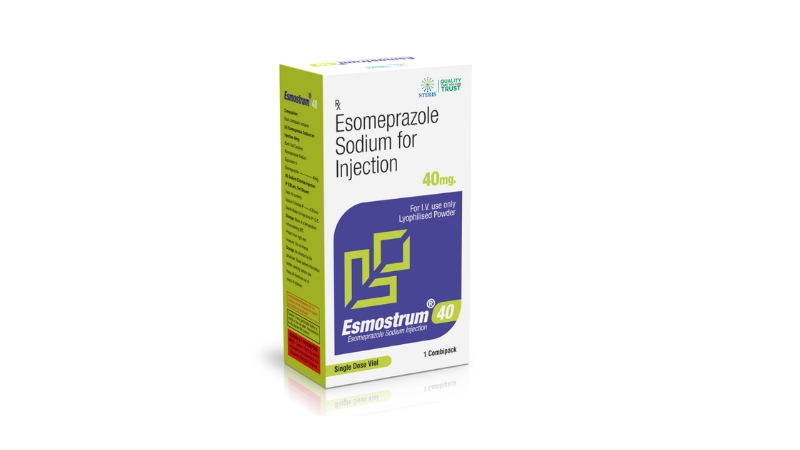
Esomeprazole Sodium for Injection के फायदे, उपयोग विधि और सावधानियां
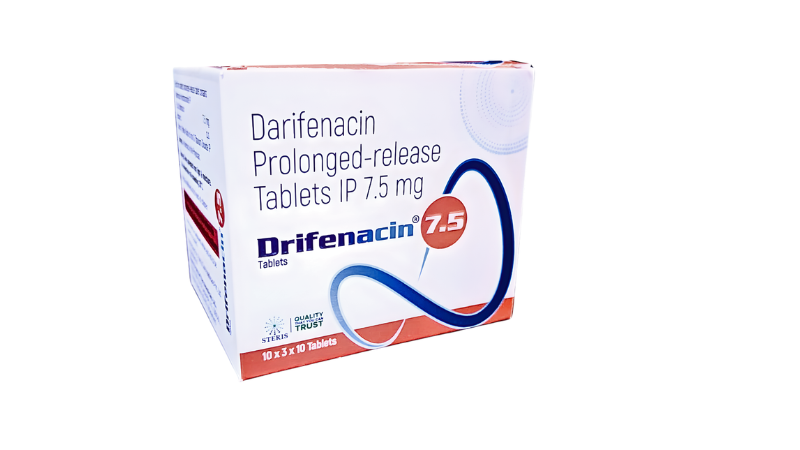
Darifenacin 7.5: उपयोग, फायदे और सावधानियां पूरी जानकारी
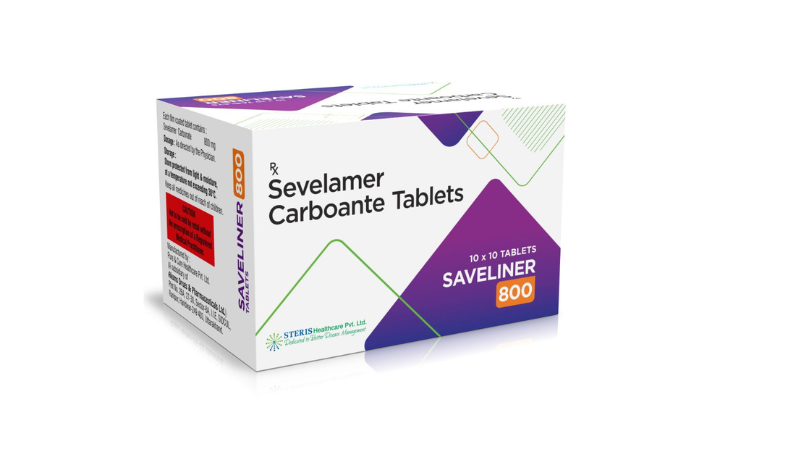
Sevelamer 800: उपयोग, फायदे और सावधानियां पूरी जानकारी
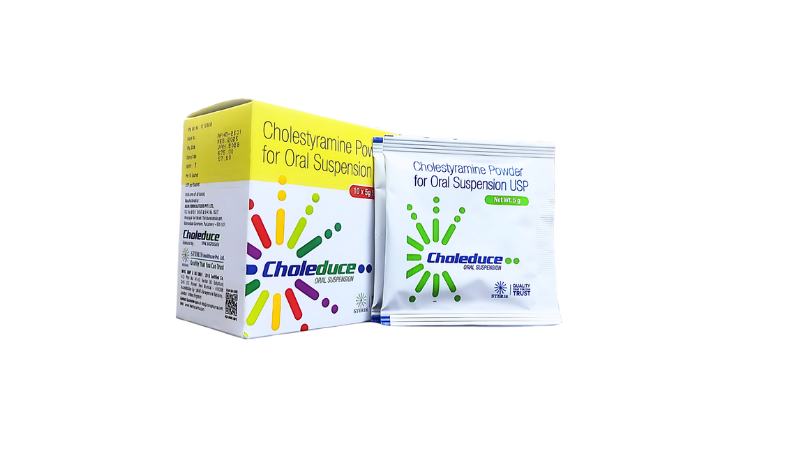
What is Cholestyramine Used For? Complete Guide to Cholesterol & Itching Relief
Vortioxetine 10 mg Uses in Hindi: उपयोग, फायदे, खुराक और साइड इफेक्ट्स की पूरी जानकारी
Cholestyramine Sachet Uses in Hindi: उपयोग, फायदे, खुराक और साइड इफेक्ट्स की पूरी जानकारी
Apixaban 2.5 mg: उपयोग, फायदे और सावधानियां पूरी जानकारी
Etoricoxib 90 Mg – Pain Relief Uses & Side Effects
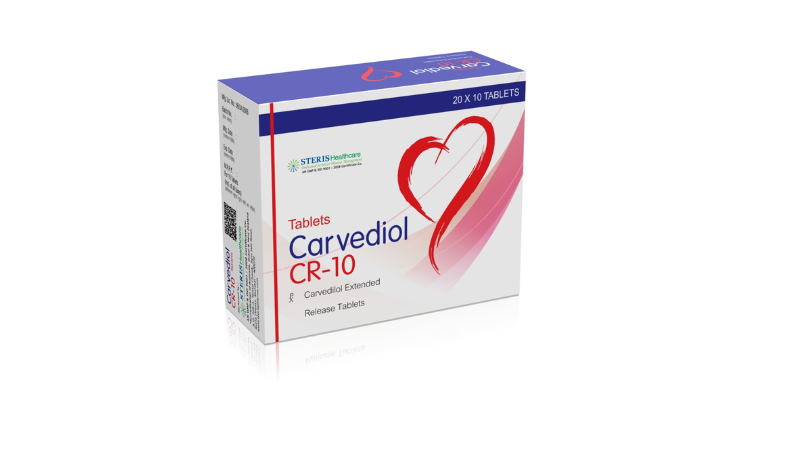
Carvedilol 10mg क्या है? जानें उपयोग, खुराक और साइड इफेक्ट्स