


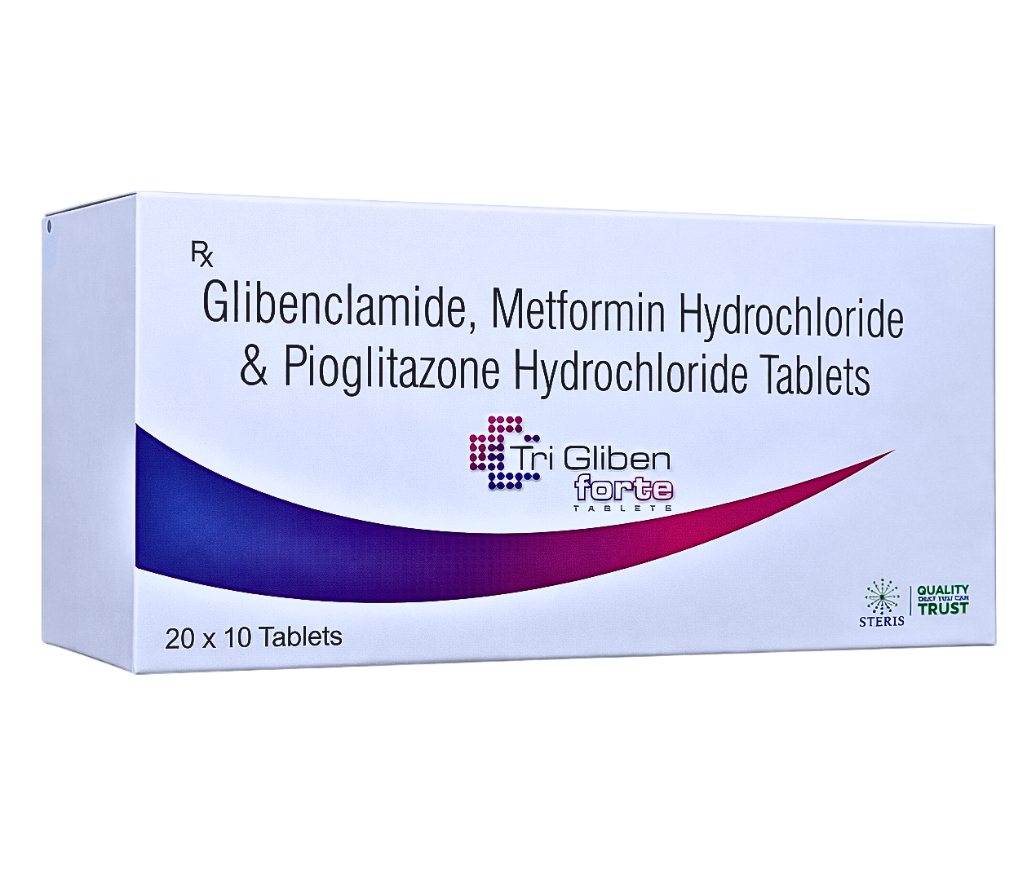
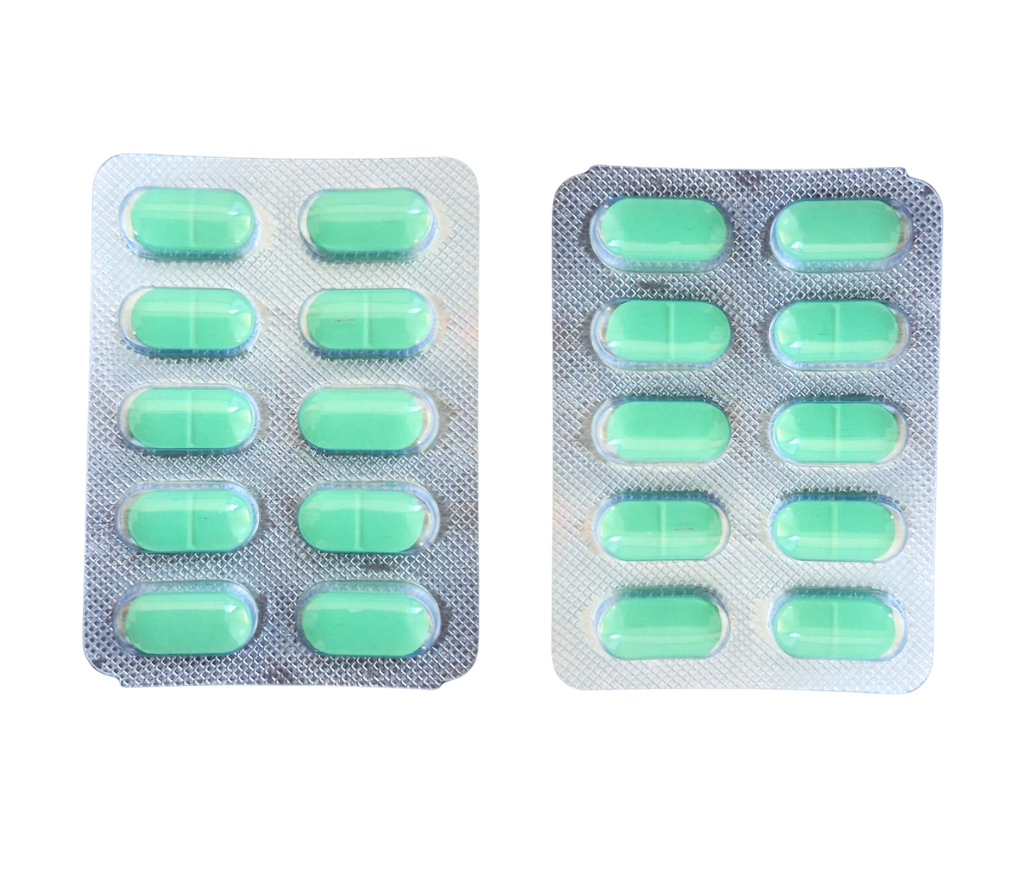
TRI GLIBEN FORTE
 Item requires a valid prescription
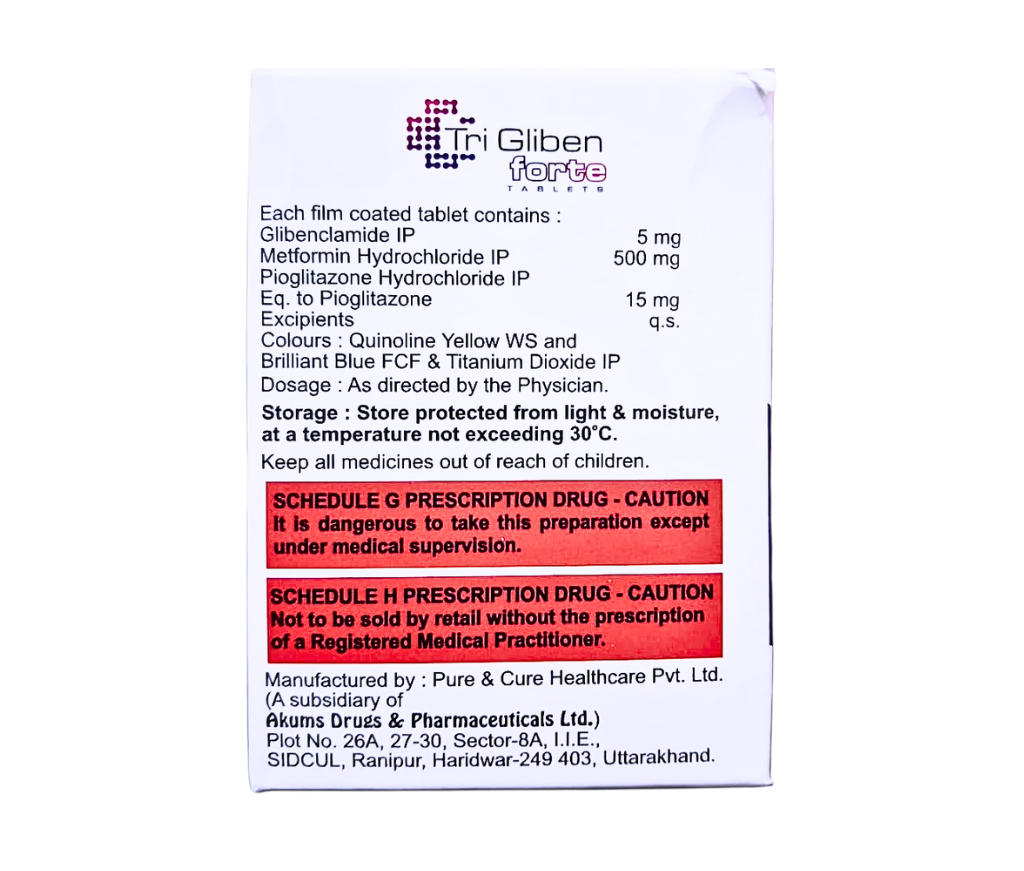
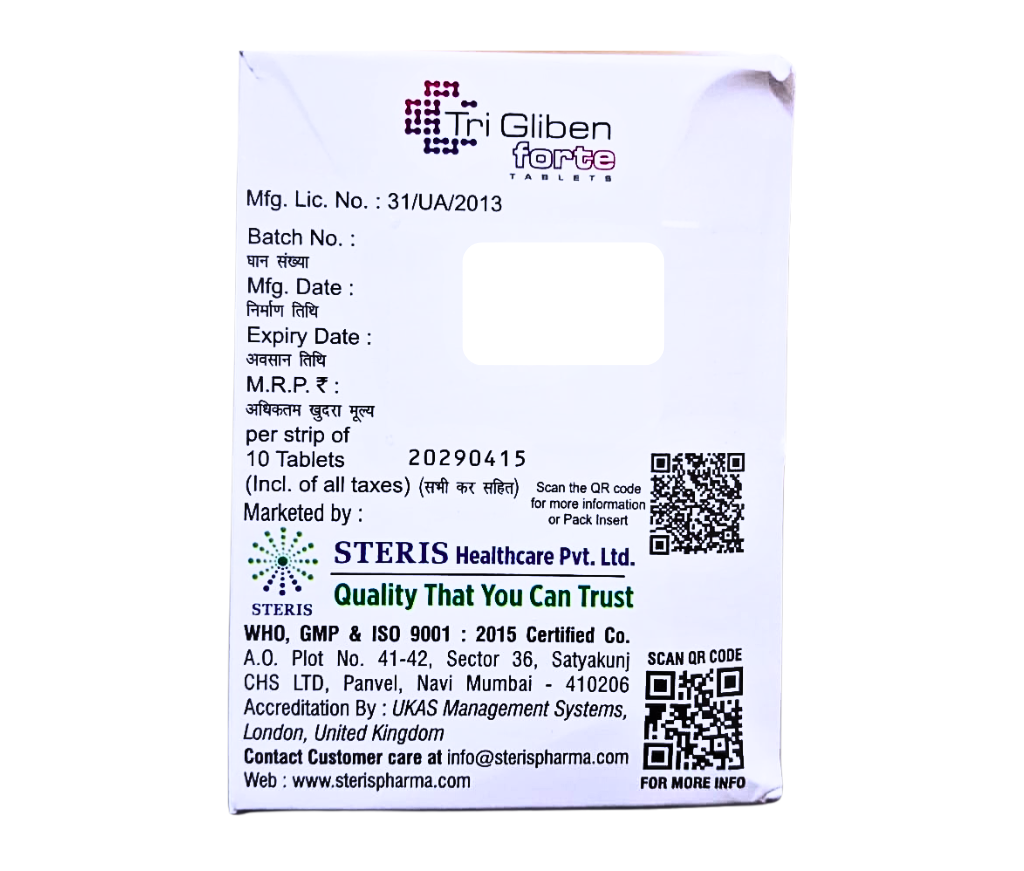
Manufactured By Steris Healthcare Pvt Ltd
Composition Glibenclamide (5mg), Metformin HCI (500mg), Pioglitazone (15mg)
Rs 48.55
MRP Rs 69.35
(30% OFF)
Includes all taxes
Package SIZE
( For 10 Tablets )

100% Authentic
Products

Free
Shipping*

Products
Return Policy
Description:
Glibenclamide, metformin, and pioglitazone is a three-drug oral combination used to help control high blood glucose in people with type 2 diabetes mellitus when a combination of glucose-lowering medicines is considered appropriate.
The three ingredients work through different mechanisms:
-
Glibenclamide (glyburide) is a sulfonylurea that stimulates the pancreas to release insulin. Because it can increase insulin secretion independently of the current glucose level, hypoglycemia is an important safety concern.
-
Metformin is a biguanide that reduces hepatic glucose production and improves insulin sensitivity. It generally does not cause hypoglycemia when used alone.
-
Pioglitazone is a thiazolidinedione that improves insulin sensitivity in tissues such as muscle and adipose tissue. It can improve glycemic control but may cause fluid retention and weight gain.
The 2026 American Diabetes Association Standards of Care emphasize person-centered selection of diabetes medicines, taking into account glucose-lowering effectiveness, hypoglycemia risk, weight, cardiovascular and kidney health, adverse effects, cost, and patient preferences.
Importantly, a three-drug combination is not automatically better or safer for every person with type 2 diabetes. Modern diabetes treatment increasingly considers cardiovascular, kidney, and weight-management benefits when selecting medicines.
Glibenclamide Metformin Pioglitazone Uses
The primary use of glibenclamide, metformin, and pioglitazone is to help improve blood glucose control in adults with type 2 diabetes when lifestyle measures and/or other diabetes medicines are insufficient or when a clinician determines that combination treatment is appropriate.
The combination may target several aspects of type 2 diabetes simultaneously:
-
Excess glucose production by the liver—primarily addressed by metformin.
-
Insulin resistance — addressed particularly by metformin and pioglitazone.
-
Insufficient insulin secretion—glibenclamide stimulates pancreatic insulin release.
The objective is not simply to lower one blood glucose reading. Long-term diabetes treatment aims to maintain an individualized glucose and HbA1c target while minimizing hypoglycemia and other medication-related risks.
The 2026 ADA guidance recognizes that combination therapy can be considered when faster attainment of individualized glycemic goals is needed, but medication selection should be individualized.
How Does Glibenclamide Metformin Pioglitazone Work?
1. Glibenclamide
Glibenclamide belongs to the sulfonylurea class. It stimulates pancreatic beta cells to release insulin.
Potential advantage: It can provide substantial glucose-lowering activity.
Important limitation: Sulfonylureas carry a risk of hypoglycemia and can contribute to weight gain. The 2026 ADA Standards classify second-generation sulfonylureas as having high glucose-lowering efficacy but a meaningful hypoglycemia risk.
2. Metformin
Metformin primarily reduces glucose production by the liver and improves insulin sensitivity.
It is widely used in type 2 diabetes and is generally weight-neutral or may be associated with modest weight loss. Gastrointestinal effects such as diarrhea, abdominal discomfort, and bloating are among its most common tolerability problems.
Kidney function is particularly important with metformin. The 2026 ADA guidance lists metformin as contraindicated when eGFR is below 30 mL/min/1.73 m².
3. Pioglitazone
Pioglitazone improves insulin sensitivity. It can provide strong glucose-lowering effects without usually causing hypoglycemia by itself.
However, pioglitazone can cause fluid retention, weight gain, edema, and an increased risk of heart failure. Current prescribing information carries a boxed warning regarding congestive heart failure.
Key Benefits of Glibenclamide, Metformin, and Pioglitazone
When appropriately prescribed, a three-mechanism combination may offer several potential benefits.
Multiple mechanisms of glucose control
Because the ingredients act differently, the combination can address insulin resistance, hepatic glucose production, and insulin secretion simultaneously.
Potential improvement in HbA1c
Combining glucose-lowering mechanisms can provide greater glucose-lowering efficacy than some single-agent approaches. However, the actual response varies considerably between individuals.
Oral treatment
The medicines are administered orally, which may be convenient for people who are managing type 2 diabetes without injectable therapy.
Reduced need for multiple separate tablets
If a commercially available fixed-dose product contains all three prescribed ingredients in appropriate strengths, a combination tablet can potentially simplify the medication schedule. The exact product composition and strengths should always be checked on the package and prescription.
Cost and access can influence treatment
The 2026 ADA recommendations specifically recognize cost and access as factors in person-centered diabetes treatment.
That said, a lower price should not be the only reason to choose a diabetes medicine. Safety, kidney function, heart health, hypoglycemia risk, weight effects, and other medical factors are equally important.
Glibenclamide Metformin Pioglitazone Side Effects
Side effects depend on the individual and the doses of each ingredient.
Common or clinically relevant effects
Potential adverse effects include the following:
-
Low blood sugar or hypoglycemia
-
Sweating, shakiness, hunger or dizziness associated with hypoglycemia
-
Diarrhea
-
Nausea
-
Abdominal discomfort
-
Bloating
-
Weight gain
-
Swelling of the legs or ankles
-
Fluid retention
-
Headache
-
Changes in appetite
Metformin's gastrointestinal effects can sometimes be reduced through gradual dose titration, taking it with food when appropriate, or using an extended-release formulation where clinically suitable.
Hypoglycemia: an important warning
Because glibenclamide stimulates insulin secretion, hypoglycemia is one of the most important risks associated with this combination.
Risk may increase with factors such as missed meals, excessive alcohol intake, strenuous activity without appropriate food intake, kidney or liver problems, or concurrent glucose-lowering medicines.
Symptoms can include:
-
Shaking
-
Sweating
-
Rapid heartbeat
-
Hunger
-
Dizziness
-
Confusion
-
Weakness
-
Blurred vision
Severe hypoglycemia can cause seizures, loss of consciousness, and potentially life-threatening complications. Anyone taking a medicine containing glibenclamide should understand the hypoglycemia plan provided by their clinician.
Pioglitazone-related fluid retention and heart failure risk
Pioglitazone deserves particular attention. Its prescribing information warns that thiazolidinediones can cause or worsen congestive heart failure. Patients should be monitored for symptoms such as rapid or excessive weight gain, shortness of breath, and edema.
The 2026 ADA Standards likewise identify heart failure, fluid retention, weight gain, and fracture risk among important clinical considerations with pioglitazone.
Who Should Be Careful With This Combination?
Before starting glibenclamide, metformin, or pioglitazone, tell your doctor about:
-
Kidney disease or reduced kidney function
-
Liver disease
-
Heart failure or significant heart disease
-
Previous episodes of severe hypoglycemia
-
Bladder cancer or a history of bladder cancer
-
Bone fractures or high fracture risk
-
Pregnancy or plans for pregnancy
-
Breastfeeding
-
Alcohol use
-
Other prescription or non-prescription medicines
Metformin requires particular attention to kidney function, while pioglitazone requires careful consideration of heart failure and fluid retention. The 2026 ADA guidance also notes that long-term metformin therapy can be associated with vitamin B12 deficiency and recommends periodic assessment when appropriate.
Does Glibenclamide Metformin Pioglitazone Cause Weight Gain?
It can.
The three ingredients have different effects on body weight. Metformin is generally weight-neutral or may promote modest weight loss, whereas sulfonylureas and pioglitazone are associated with weight gain. The 2026 ADA medication table specifically identifies weight gain with both sulfonylureas and pioglitazone.
Therefore, someone concerned about obesity, unexplained weight gain, or fluid retention should discuss whether this combination remains the most suitable treatment.
Is This Combination a First-Choice Diabetes Medicine for Everyone?
No.
Modern type 2 diabetes management is increasingly individualized. The best medicine depends on the patient's HbA1c, glucose levels, kidney function, cardiovascular disease, heart failure, weight-management goals, hypoglycemia risk, and other health conditions.
For people with established or high-risk cardiovascular disease, heart failure, or chronic kidney disease, the 2026 ADA Standards place particular emphasis on glucose-lowering agents with demonstrated cardiovascular and/or kidney benefits, including appropriate GLP-1 receptor agonists and SGLT2 inhibitors.
This does not mean glibenclamide, metformin, or pioglitazone is inappropriate in every patient. It means the combination should be selected because its overall benefits and risks fit the individual patient.
Buying Glibenclamide Metformin Pioglitazone: What Should You Check?
If you are searching for this product online or at a pharmacy, don't select a medicine based only on the keyword or the lowest price.
Check:
-
Exact active ingredients
-
Strength of each ingredient
-
Manufacturer
-
Batch and expiry information
-
Prescription requirements
-
Packaging integrity
-
Pharmacy legitimacy
-
Storage instructions
-
Whether the product is approved/authorized for sale in your country
-
Whether the strength matches your prescription
Fixed-dose combinations may be available in different strengths and brands. Two products with similar names are not necessarily interchangeable.
For prescription medicines, a qualified clinician or licensed pharmacist should confirm that the exact product and strength are appropriate.
What Should You Know Before Starting Treatment?
A clinician may review blood glucose and HbA1c, kidney function, liver status, cardiovascular history, and current medicines before prescribing or continuing treatment.
Medication should not be started, stopped, or dose-adjusted solely because of information found online.
If glucose remains above the individual's treatment target, treatment may need adjustment. Conversely, recurrent low blood glucose may mean that the glucose-lowering regimen needs reassessment.
The ADA 2026 recommendations emphasize regular reassessment of medication plans, generally every 3–6 months or as clinically appropriate, and recommend avoiding unnecessary therapeutic inertia.
Bottom Line
Glibenclamide, metformin, and pioglitazone are a combination of three oral glucose-lowering medicines that can target insulin secretion, insulin resistance, and hepatic glucose production. Its potential advantages include strong glucose-lowering activity and the convenience of combining multiple mechanisms.
However, this combination also requires careful safety assessment. Glibenclamide can cause hypoglycemia, metformin requires attention to kidney function and gastrointestinal tolerance, and pioglitazone can cause weight gain, fluid retention, and worsen heart failure.
For that reason, the right product and dose should be determined by a healthcare professional rather than by search results, online reviews, or price alone. If you are considering purchasing this medicine, verify the exact ingredients and strengths against your prescription and use a legitimate pharmacy.
Frequently Asked Questions
1. What are glibenclamide, metformin, and pioglitazone used for?
Glibenclamide, metformin, and pioglitazone are used to help control high blood glucose in adults with type 2 diabetes. The three ingredients work through different mechanisms to improve glucose control. It is a prescription combination and is not suitable for everyone.
2. What are the main benefits of glibenclamide, metformin, and pioglitazone?
The main potential benefit is multi-mechanism glucose control. Metformin reduces hepatic glucose production, pioglitazone improves insulin sensitivity, and glibenclamide stimulates insulin release. This can provide substantial glucose-lowering efficacy when the combination is clinically appropriate.
3. What are the side effects of glibenclamide, metformin, and pioglitazone?
Important potential side effects include low blood sugar, diarrhea, nausea, abdominal discomfort, weight gain, swelling, and fluid retention. Pioglitazone also carries an important heart-failure warning, while glibenclamide can cause hypoglycemia.
4. Do glibenclamide, metformin, and pioglitazone cause low blood sugar?
Yes, it can. Glibenclamide is a sulfonylurea that increases insulin secretion and can cause hypoglycemia. The risk can be higher when meals are skipped or when other factors or medicines increase the likelihood of low blood glucose.
5. Can glibenclamide, metformin, and pioglitazone cause weight gain?
Yes. Weight gain is associated particularly with glibenclamide-class sulfonylureas and pioglitazone, while metformin is generally weight neutral or may produce modest weight loss.
6. Is glibenclamide, metformin, or pioglitazone safe for people with kidney disease?
Not necessarily. Kidney function is an important consideration, especially because metformin has kidney-related restrictions and glibenclamide is associated with increased hypoglycemia concerns in kidney impairment. The 2026 ADA Standards state that metformin is contraindicated when eGFR is below 30 mL/min/1.73 m².
7. Can people with heart failure take pioglitazone-containing combinations?
Pioglitazone requires particular caution in heart failure. Its prescribing information warns that it can cause or exacerbate congestive heart failure and states that initiation is contraindicated in established NYHA Class III or IV heart failure.
8. Can I buy glibenclamide, metformin, or pioglitazone without a prescription?
Availability and prescription requirements depend on the country and product. Because this is a combination of prescription glucose-lowering medicines with potentially serious adverse effects, use a licensed pharmacy and follow a healthcare professional's prescription rather than self-medicating.
9. Is glibenclamide, metformin, or pioglitazone better than metformin alone?
Not for everyone. Combination therapy may provide greater glucose-lowering efficacy, but it also introduces additional adverse-effect risks. The 2026 ADA Standards recommend person-centered selection based on glucose goals, hypoglycemia, weight, cardiovascular and kidney considerations, tolerability, cost, and patient preferences.
10. What should I check before buying this diabetes medicine online?
Check the exact active ingredients, strength, manufacturer, expiry date, packaging, prescription requirements, and pharmacy credentials. Do not substitute one strength or brand for another without confirming with a pharmacist or doctor.

