


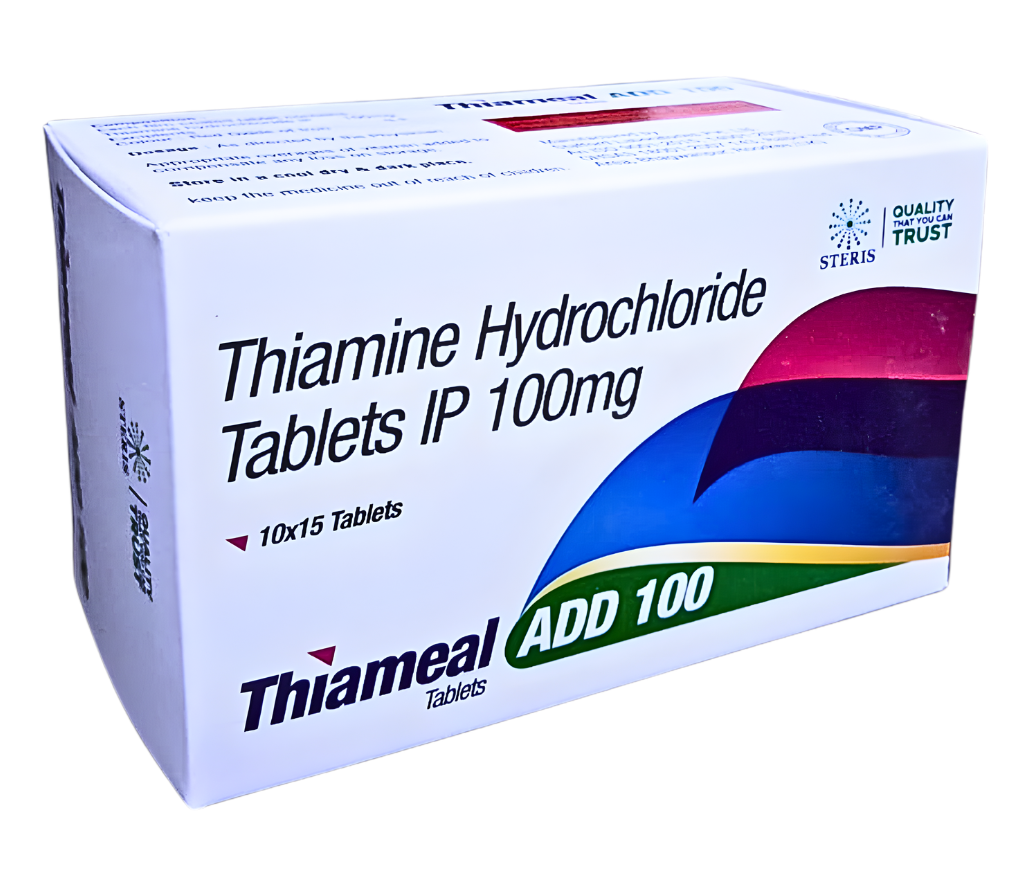
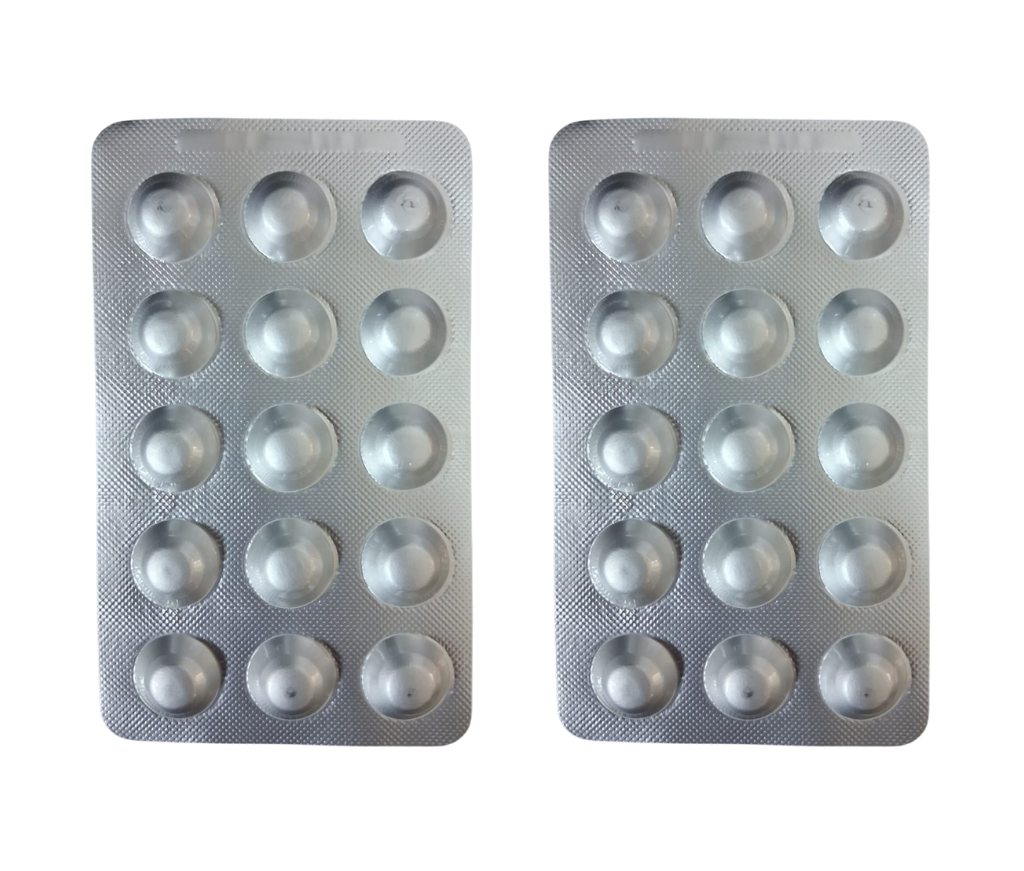
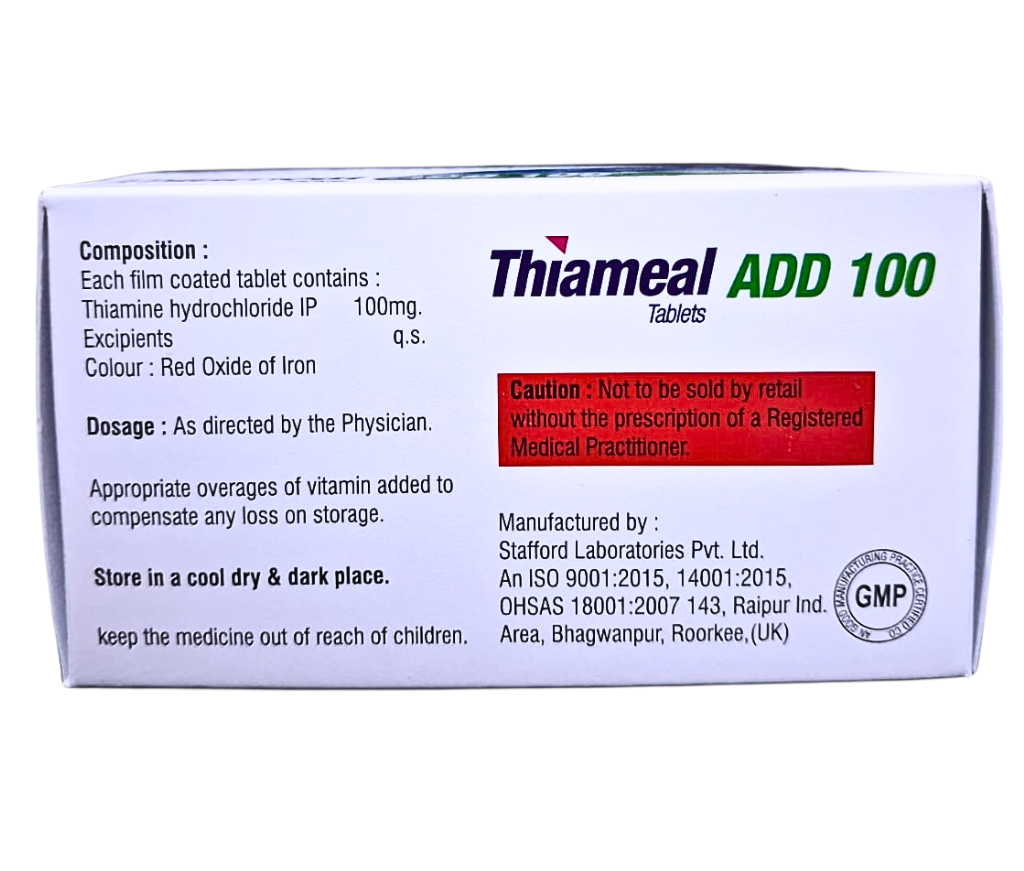
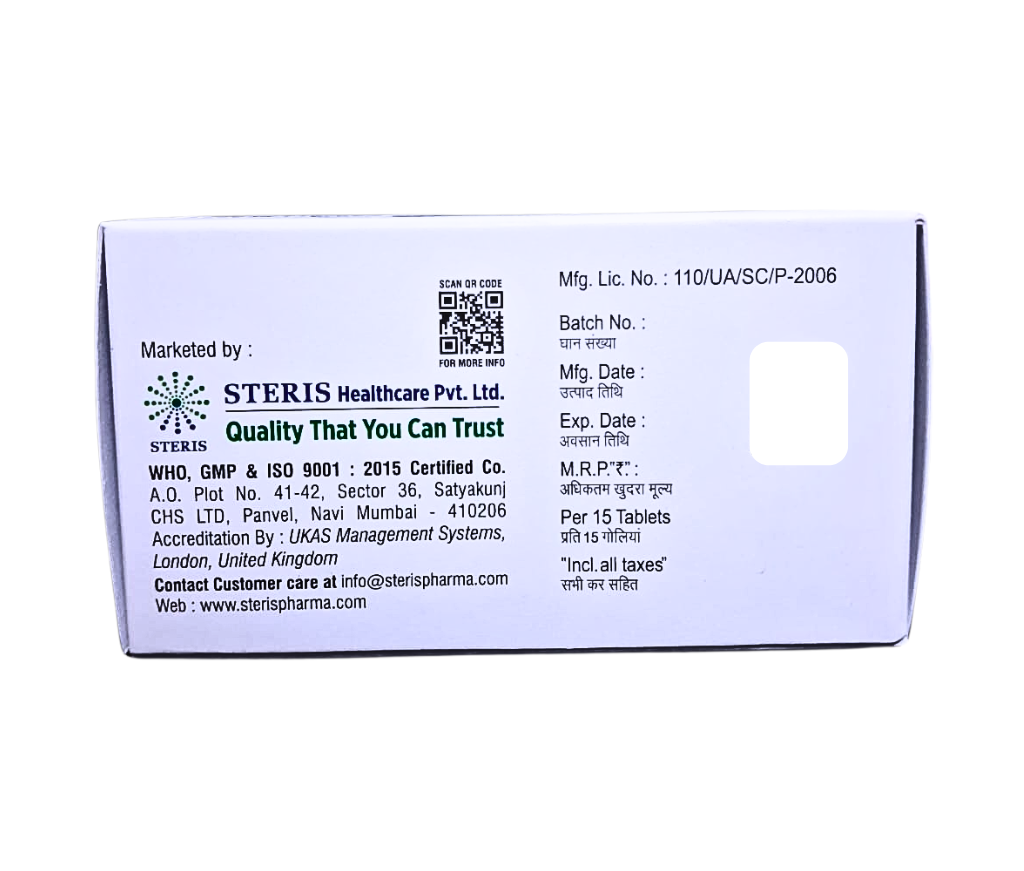
THIAMEAL ADD 100
 Item requires a valid prescription
Manufactured By Steris Healthcare Pvt Ltd
Composition Thiamine 100mg
Rs 50.05
MRP Rs 71.50
(30% OFF)
Includes all taxes
Package SIZE
( For 15 Tablet )

100% Authentic
Products

Free
Shipping*

Products
Return Policy
Description:
A thiamine tablet contains vitamin B1 to support nerve health, prevent deficiency, and boost energy production. It is commonly recommended for people with poor dietary intake, chronic alcohol use, malabsorption disorders, pregnancy-related deficiency, or diabetic neuropathy. Thiamine tablets are generally well tolerated, with side effects being rare and mild (nausea, mild stomach upset) at standard doses. Always follow the dosage advised by your healthcare provider.
What Is a Thiamine Tablet?
A thiamine tablet is an oral nutritional supplement containing vitamin B1 (thiamine), an essential water-soluble vitamin that the human body cannot produce on its own. Because thiamine is not stored in large amounts in the body, it must be replenished regularly through diet or supplementation. Thiamine tablets are formulated to correct or prevent deficiency states and to support the normal functioning of the nervous system, heart, muscles, and digestive system.
Thiamine plays a central role in converting carbohydrates from food into usable energy at the cellular level. Without adequate thiamine, the body's ability to metabolize glucose is impaired, which can lead to fatigue, nerve damage, and in severe cases, serious neurological and cardiovascular complications.
Clinical Indications: When Is Thiamine Tablet Used?
| Condition / Use Case | How Thiamine Tablet Helps |
|---|---|
| Thiamine (Vitamin B1) deficiency | Restores normal B1 levels in the body |
| Beriberi (wet and dry forms) | Treats deficiency-related nerve and heart symptoms |
| Wernicke-Korsakoff syndrome risk (chronic alcohol use) | Supports neurological function and prevents further deficiency-related damage |
| Diabetic peripheral neuropathy (adjunct therapy) | Supports nerve health alongside standard diabetes care |
| Poor dietary intake / malnutrition | Corrects nutritional gaps in B1 intake |
| Malabsorption disorders (e.g., chronic diarrhea, GI surgery) | Compensates for reduced nutrient absorption |
| Pregnancy and lactation (as advised) | Supports increased maternal B1 requirements |
| Post-bariatric surgery nutritional support | Prevents deficiency due to altered nutrient absorption |
| General fatigue linked to low B1 levels | Supports energy metabolism |
Mechanism of Action
Thiamine is absorbed in the small intestine and converted in the body into its active form, thiamine pyrophosphate (TPP). TPP acts as an essential coenzyme in several key metabolic pathways:
- Carbohydrate metabolism – TPP is required for the conversion of pyruvate into acetyl-CoA, a critical step in the Krebs cycle that generates cellular energy (ATP).
- Nerve conduction support – Thiamine contributes to the synthesis of neurotransmitters and supports the myelin sheath that protects nerve fibers, helping maintain healthy nerve signal transmission.
- Cardiac and muscular function – Adequate thiamine levels support normal heart muscle contraction and skeletal muscle function by ensuring efficient energy production.
- Pentose phosphate pathway – Thiamine also supports this pathway, which is important for nucleic acid synthesis and cellular repair.
Key Benefits of Thiamine Tablet
- Supports Energy Metabolism: Helps convert carbohydrates into usable energy, reducing fatigue linked to deficiency.
- Promotes Nerve Health: Supports healthy nerve conduction and may help reduce tingling, numbness, or discomfort associated with peripheral neuropathy.
- Supports Cardiovascular Function: Helps maintain normal heart muscle activity and reduces risk of deficiency-related cardiac symptoms (wet beriberi).
- Aids Cognitive and Neurological Function: Plays a protective role in brain health, which is particularly important in individuals at risk of Wernicke-Korsakoff syndrome.
- Supports Digestive Health: Helps maintain proper appetite and gastrointestinal motility.
- Beneficial During Pregnancy: Supports fetal neurological development when used under medical supervision.
- Convenient Oral Supplementation: Tablet form allows for easy, consistent daily dosing compared to dietary correction alone.
Dosage Guidelines
- General maintenance/prevention: As advised by healthcare provider, typically once daily with food.
- Deficiency correction: Higher doses may be prescribed for a defined period, followed by a maintenance dose.
- Administration: Usually taken orally with water, preferably after meals to minimize stomach upset.
- Missed dose: Take as soon as remembered; skip if it is almost time for the next dose. Do not double the dose.
- Duration: Follow the complete course as advised; do not discontinue early even if symptoms improve, unless directed by your doctor.
Side Effects of Thiamine Tablet
Thiamine tablets are generally well tolerated when taken at recommended doses. Side effects are uncommon but may include:
Common (Mild) Side Effects
- Mild nausea
- Stomach upset or discomfort
- Warmth or flushing sensation (rare, more common with injectable forms)
- Mild headache
Serious (Rare) Side Effects
- Allergic reaction (skin rash, itching, swelling of face/lips/tongue, difficulty breathing) — seek immediate medical attention
- Severe dizziness or fainting (rare, more associated with injectable thiamine)
Precautions and Safety Information
- Inform your doctor of any known allergies before starting thiamine supplementation.
- Use with caution in individuals undergoing dialysis, as nutrient requirements may differ.
- Individuals with a history of chronic alcohol use should be evaluated by a doctor, as thiamine needs may be significantly higher.
- Pregnant and breastfeeding women should use only as advised by their healthcare provider.
- Store tablets in a cool, dry place, away from direct sunlight and out of reach of children.
- Do not exceed the recommended dose without medical guidance.
- Inform your doctor about all other medications and supplements you are taking to avoid potential interactions.
Substitutes / Alternative Vitamin B1 Formulations Comparison
| Formulation | Key Feature | Typical Use Case |
|---|---|---|
| Thiamine Tablet (standalone) | Pure Vitamin B1 supplementation | Targeted B1 deficiency correction |
| Vitamin B-Complex Tablet | Contains thiamine + other B vitamins (B2, B6, B12, etc.) | General nutritional support |
| Thiamine Injection | Faster absorption, used in acute/severe deficiency | Hospital/clinical settings, severe deficiency |
| Multivitamin with Thiamine | Broader nutrient coverage | General wellness maintenance |
Conclusion
A thiamine tablet is a simple yet essential Vitamin B1 supplement that supports energy metabolism, nerve health, cardiovascular function, and overall well-being. It is particularly valuable for individuals with dietary gaps, malabsorption issues, chronic alcohol use, diabetic neuropathy, or increased nutritional needs during pregnancy. With a strong safety profile and minimal side effects at recommended doses, thiamine tablets are a convenient way to maintain healthy B1 levels. As with any supplement, it's best used under medical guidance to ensure the right dosage for your individual health needs.
Frequently Asked Questions
1. What is a thiamine tablet used for?
Thiamine tablet is used to prevent and treat vitamin B1 deficiency, supporting nerve function, heart health, and energy metabolism.
2. What does thiamine do for the body?
Thiamine helps convert carbohydrates into energy and supports healthy nerve signaling, heart muscle function, and brain activity.
3. Who needs to take thiamine tablets?
People with poor dietary intake, chronic alcohol use, malabsorption disorders, diabetic neuropathy, or increased nutritional needs (such as during pregnancy) may benefit from thiamine supplementation.
4. Is thiamine tablet available without a prescription?
Yes, thiamine tablets are typically available as an over-the-counter nutraceutical supplement, though your doctor may recommend a specific dose based on your needs.
5. What are the symptoms of thiamine deficiency?
Symptoms can include fatigue, irritability, numbness or tingling in hands and feet, muscle weakness, and in severe cases, heart or neurological complications.
6. Can thiamine tablets help with nerve pain?
Thiamine supports healthy nerve function and may help as an adjunct therapy for diabetic peripheral neuropathy, but it should be combined with standard medical treatment, not used as a replacement.
7. How long does it take for thiamine tablets to work?
Improvement in deficiency symptoms can vary from a few days to several weeks, depending on the severity of the deficiency and individual response.
8. Can I take thiamine tablet daily?
Yes, thiamine is typically taken daily, but the exact dosage and duration should be determined by your healthcare provider.
9. What happens if I take too much thiamine?
Thiamine is water-soluble, so excess amounts are generally excreted in urine; however, you should not exceed the recommended dose without medical advice.
10. Are there any side effects of thiamine tablets?
Side effects are uncommon and may include mild nausea or stomach upset. Serious allergic reactions are rare but require immediate medical attention.
11. Can pregnant women take thiamine tablets?
Yes, thiamine is important during pregnancy for maternal and fetal neurological health, but dosage should always be guided by a doctor.
12. What is the difference between thiamine tablet and Vitamin B-complex?
Thiamine tablet contains only Vitamin B1, while B-complex tablets contain multiple B vitamins (B1, B2, B6, B12, etc.) for broader nutritional support.
13. Can thiamine tablets be taken with other medications?
Generally yes, but it's important to inform your doctor about all medications and supplements to rule out any potential interactions.
14. Does thiamine help with fatigue?
Yes, since thiamine plays a key role in energy metabolism, correcting a deficiency can help reduce fatigue linked to low B1 levels.
15. Can alcohol use affect thiamine levels?
Yes, chronic alcohol use can significantly reduce thiamine absorption and increase the risk of deficiency, making supplementation important for such individuals.
16. Should thiamine tablets be taken before or after food?
Thiamine tablets are usually taken with or after meals to help minimize the risk of stomach upset.
17. Can children take thiamine tablets?
Thiamine supplementation in children should only be given under medical supervision and as per the pediatrician's recommended dosage.
18. Is thiamine tablet safe for long-term use?
Thiamine has a good long-term safety profile at recommended doses, but ongoing use should be periodically reviewed by your doctor.
19. What foods are naturally rich in thiamine?
Whole grains, legumes, nuts, seeds, and pork are natural dietary sources of thiamine, though supplementation may still be needed in deficiency states.
20. Where can I buy genuine thiamine tablets online?
You can buy genuine, quality-assured thiamine tablets online through trusted pharmaceutical platforms like Steris Healthcare.
Brand name: THIAMEAL ADD 100 (STERIS HEALTHCARE PVT LTD)
Composition Name: Thiamine Hydrochloride Tablets IP 100 mg
Formulation: Tablet
Pack size: 10 × 15 Tablets
Marketed By: Steris Healthcare Pvt Ltd
Regulatory standard: WHO-GMP Certified
Schedule: Valid Prescription Required (Prescription Only)
IF YOU NEED MORE INFORMATION ABOUT THIAMEAL, ADD 100 Click here

