


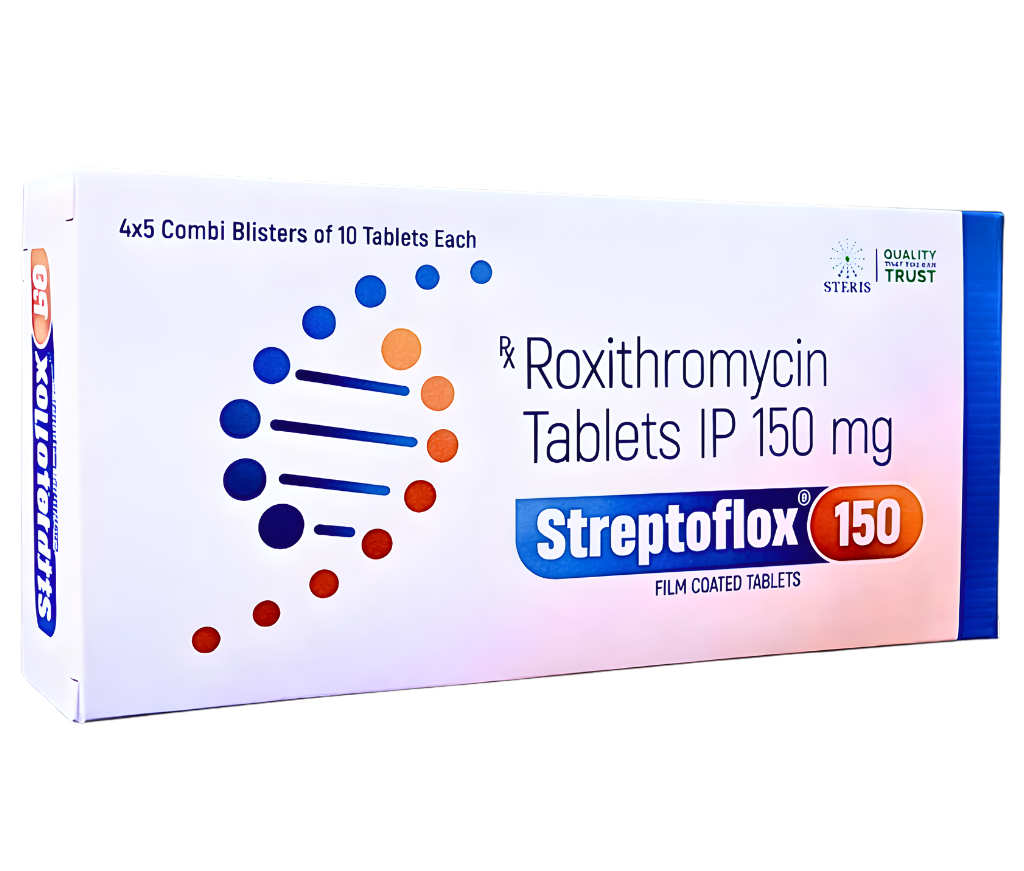
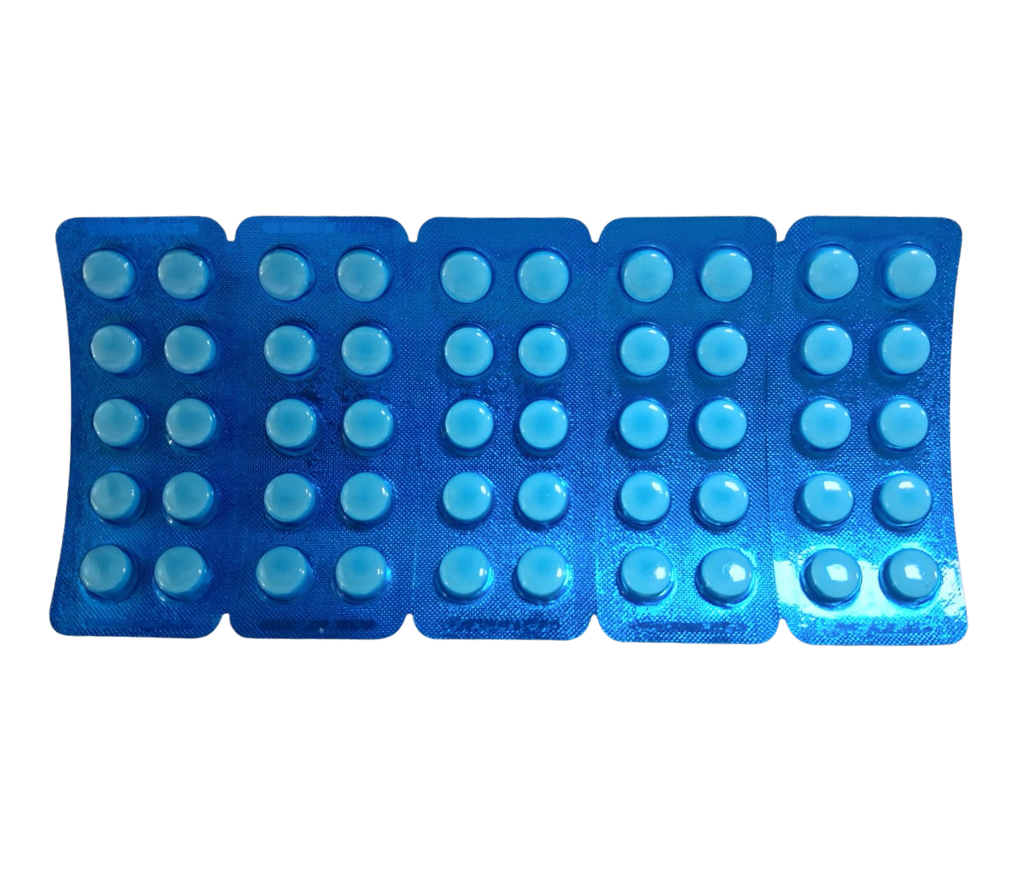
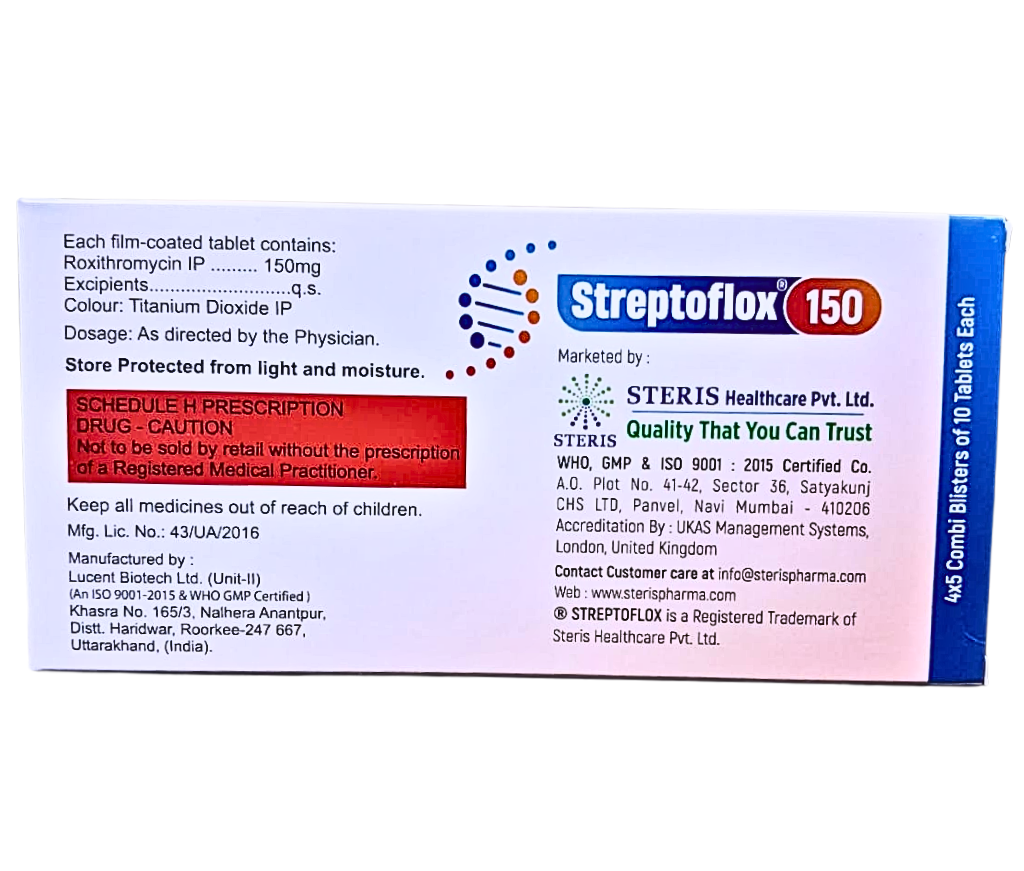
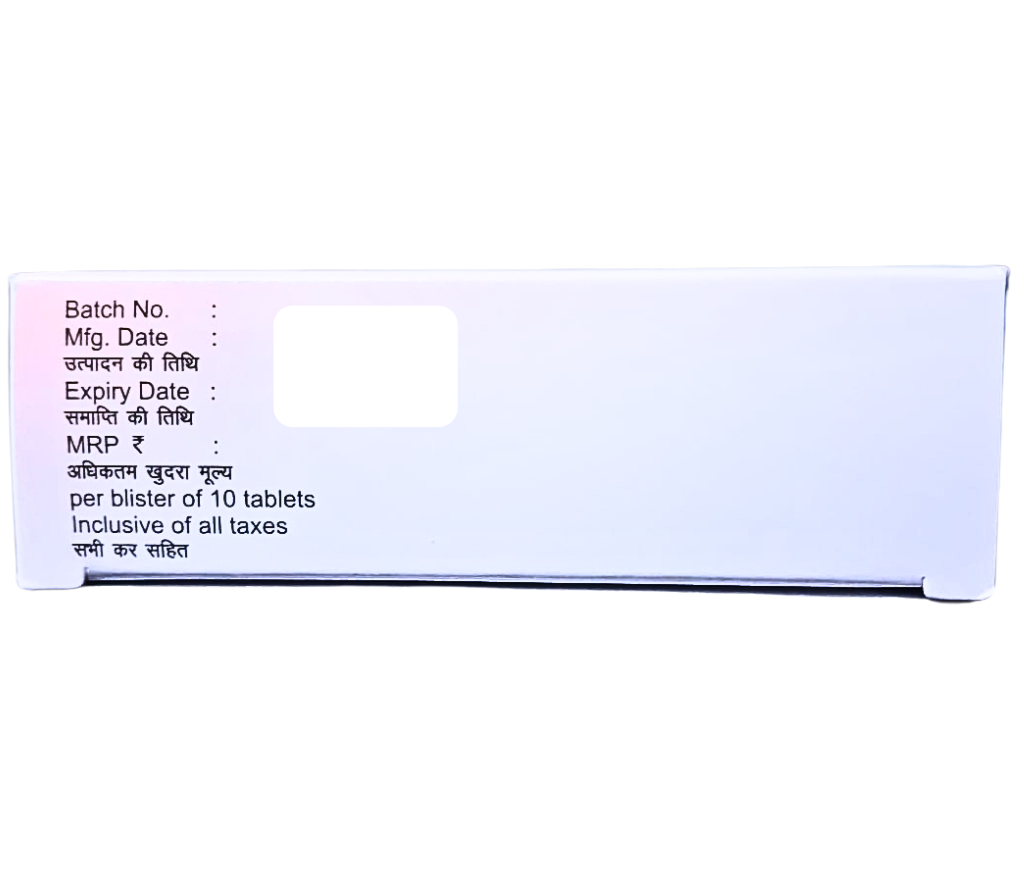
STREPTOFLOX 150
 Item requires a valid prescription
Manufactured By Steris Healthcare Pvt Ltd
Composition Roxithromycin Tablets IP 150 mg
Rs 95.90
MRP Rs 137.00
(30% OFF)
Includes all taxes
Package SIZE
( For 10 Tablets )

100% Authentic
Products

Free
Shipping*

Products
Return Policy
Description:
STREPTOFLOX 150 is an antibiotic formulation containing Roxithromycin 150 mg. It is prescribed for selected bacterial infections affecting different parts of the body, including certain respiratory tract, throat, skin, and soft-tissue infections.
Roxithromycin works by interfering with bacterial protein production. This prevents susceptible bacteria from growing and multiplying, helping the body's immune system control the infection.
It is important to understand that antibiotics work against bacterial infections, not viral illnesses such as the common cold or influenza. A doctor should determine whether Roxithromycin is an appropriate treatment based on the infection, medical history, and other medicines being taken.
Product Information
|
Product detail |
Information |
|---|---|
|
Brand name |
STREPTOFLOX 150 |
|
Generic name |
Roxithromycin |
|
Composition |
Roxithromycin Tablets IP 150 mg |
|
Strength |
150 mg |
|
Product form |
Tablet |
|
Pack size |
10 tablets |
|
Manufacturer/Marketer |
Steris Healthcare Pvt. Ltd. |
|
Therapeutic category |
Macrolide antibiotic |
|
Target market |
India |
What Is Roxithromycin 150 mg Used For?
Roxithromycin 150 mg is a macrolide antibiotic prescribed for certain infections caused by bacteria that are sensitive to this medicine. It works by interfering with bacterial protein synthesis, which is necessary for bacterial growth and multiplication.
Doctors may prescribe Roxithromycin 150 mg for selected bacterial infections, including:
-
Respiratory tract infections: Certain bacterial infections affecting the respiratory system.
-
Throat infections: Selected cases of bacterial pharyngitis and tonsillitis.
-
Sinus infections: Certain bacterial sinus infections when antibiotic treatment is appropriate.
-
Bronchitis: Selected cases of acute bacterial bronchitis or bacterial exacerbations of chronic bronchitis.
-
Pneumonia: Certain cases of community-acquired bacterial pneumonia.
-
Skin infections: Selected bacterial infections affecting the skin and soft tissues.
-
Other susceptible infections: Certain infections may be treated depending on bacterial sensitivity and the doctor's assessment.
The suitability of Roxithromycin depends on the type of bacteria responsible for the infection. Not every infection requires an antibiotic, and some infections may require a different treatment.
How Does STREPTOFLOX 150 Work?
STREPTOFLOX 150 contains Roxithromycin, which belongs to the macrolide antibiotic family.
Bacteria need proteins to grow, multiply, and carry out essential biological activities. Roxithromycin acts by binding to the 50S subunit of bacterial ribosomes, interfering with protein production.
This action helps prevent susceptible bacteria from multiplying. Depending on the bacterial organism and medicine concentration, Roxithromycin may have a bacteriostatic effect and help the body's immune system control the infection.
The medicine is not intended to provide immediate relief from symptoms such as fever, cough, throat pain, or congestion. Improvement depends on the infection, bacterial susceptibility, and individual response to treatment.
Why Is Roxithromycin 150 mg Important?
Bacterial infections can affect different parts of the body and may cause symptoms such as fever, inflammation, pain, coughing, and discomfort.
When a healthcare professional identifies a bacterial infection that is susceptible to Roxithromycin, an appropriate antibiotic may help control bacterial growth and support recovery.
The importance of STREPTOFLOX 150 lies in its active ingredient and its role in treating selected bacterial infections.
Here are some important points:
-
Targeted antibacterial treatment: Roxithromycin works against susceptible bacteria by interfering with their protein synthesis.
-
Respiratory infection management: It may be prescribed for selected bacterial respiratory tract infections.
-
Throat infection treatment: It may be considered for certain bacterial throat infections.
-
Skin infection management: It may be prescribed for selected susceptible skin and soft-tissue infections.
-
Convenient tablet formulation: The 150 mg tablet provides an oral dosage form for patients prescribed this strength.
-
Prescription-based treatment: The medicine should be selected according to the patient's condition, medical history, and clinical requirements.
Antibiotic selection is particularly important in India because antimicrobial resistance is a growing public health concern. Using antibiotics unnecessarily or incorrectly can make bacterial infections harder to treat in the future.
The Indian National Centre for Disease Control and the World Health Organization emphasise responsible antimicrobial use and infection prevention.
Key Benefits
STREPTOFLOX 150 offers the following potential therapeutic benefits when prescribed for an appropriate bacterial infection.
1. Helps control susceptible bacterial infections
Roxithromycin interferes with bacterial protein synthesis, helping prevent susceptible bacteria from multiplying.
2. Supports respiratory infection treatment
It may be prescribed for selected bacterial infections affecting the upper and lower respiratory tract, depending on the organism and clinical diagnosis.
3. May help manage selected throat infections
Doctors may prescribe Roxithromycin for certain bacterial infections involving the throat and tonsils.
4. Suitable for selected skin infections
Roxithromycin may be used to treat certain bacterial skin and soft-tissue infections when the causative bacteria are susceptible.
5. Convenient oral tablet form
STREPTOFLOX 150 is available as a tablet containing 150 mg of Roxithromycin, offering an oral treatment option for patients who have been prescribed this strength.
6. Established macrolide antibiotic
Roxithromycin is an established member of the macrolide antibiotic group and has recognised clinical uses in the treatment of selected bacterial infections.
Important: These are potential benefits of the active ingredient, not guaranteed outcomes. The medicine will not treat viral infections or infections caused by bacteria resistant to Roxithromycin.
Precautions Before Using
Before taking Roxithromycin 150 mg, discuss your medical history and current medicines with your doctor.
Liver-related precautions: People with liver disease or impaired liver function may require additional medical assessment. Roxithromycin can occasionally affect liver enzymes and, rarely, cause more serious liver-related reactions.
Heart-related precautions: Roxithromycin may affect the electrical activity of the heart and can prolong the QT interval in susceptible individuals.
Tell your doctor if you have:
-
A history of irregular heartbeat.
-
Long QT syndrome.
-
Significant heart disease.
-
Low potassium or magnesium levels.
-
A history of unexplained fainting.
Pregnancy and breastfeeding: If you are pregnant, planning pregnancy, or breastfeeding, consult your doctor before taking Roxithromycin. The healthcare professional should evaluate the potential benefits and risks before recommending treatment.
Allergy precautions: Do not take STREPTOFLOX 150 if you have a known allergy to Roxithromycin or other macrolide antibiotics unless a qualified healthcare professional has specifically assessed your situation.
Kidney-related conditions: Inform your doctor if you have kidney disease or other significant medical conditions. Your complete health profile should be considered before treatment.
Other medicines: Tell your doctor or pharmacist about all prescription medicines, non-prescription medicines, and supplements you are taking. Certain medicines can interact with Roxithromycin.
Antibiotic resistance: Do not take antibiotics without a prescription. Unnecessary antibiotic use can contribute to antimicrobial resistance.
Possible Side Effects
Like other antibiotics, Roxithromycin may cause side effects in some individuals. Most side effects are mild, but certain reactions require immediate medical attention.
Common side effects
Some commonly reported side effects include:
-
Nausea
-
Vomiting
-
Diarrhoea
-
Abdominal pain
-
Stomach discomfort
-
Headache
-
Dizziness
-
Changes in taste
-
Skin rash
These effects may vary depending on the individual, dosage, and duration of treatment.
Frequently Asked Questions
1. What is Roxithromycin 150 mg used for?
Roxithromycin 150 mg is a macrolide antibiotic used to treat bacterial infections of the respiratory tract, throat, tonsils, sinuses, skin, and genital tract. It is prescribed by doctors when the infection is caused by bacteria that are sensitive to the medicine.
2. How does Roxithromycin 150 mg work?
Roxithromycin works by binding to the bacterial ribosome and blocking the production of proteins the bacteria need to grow and multiply. This stops the infection from spreading and allows the body’s immune system to clear the remaining bacteria.
3. Can Roxithromycin 150 mg treat throat infections?
Yes. It is commonly prescribed for bacterial throat infections such as pharyngitis and tonsillitis. It does not work on throat infections caused by viruses, such as most common colds, so it should be used only when a doctor confirms or suspects a bacterial cause.
4. Is Roxithromycin 150 mg an antibiotic?
Yes. Roxithromycin is a semi-synthetic macrolide antibiotic, related to erythromycin. It acts only against bacteria and is not effective against viral infections such as flu or the common cold.
5. What are the side effects of Roxithromycin 150 mg?
Side effects are usually mild and may include:
- Nausea or vomiting
- Abdominal pain or stomach discomfort
- Diarrhoea
- Headache or dizziness
- Skin rash or itching (less common)
- Changes in liver function tests (rare)
Seek medical help immediately if you notice severe allergic reactions, yellowing of the skin or eyes, severe diarrhoea, or an irregular heartbeat.
6. How should I take Roxithromycin 150 mg tablets?
Swallow the tablet whole with a glass of water. Take it at the dose and for the duration prescribed by your doctor, and complete the full course even if you feel better. Stopping early can allow the infection to return and contribute to antibiotic resistance.
7. Can Roxithromycin 150 mg treat chest infections?
Yes. It is used for bacterial infections of the lower respiratory tract, including bronchitis and certain types of pneumonia. Your doctor will decide if it is suitable based on the type and severity of the infection.
8. Should Roxithromycin 150 mg be taken before food?
Yes. Roxithromycin is best absorbed on an empty stomach, so it is generally taken about 15 to 30 minutes before a meal. Follow the instructions given by your doctor or on the product label.
9. What is the composition of Roxithromycin 150 mg?
Each tablet contains Roxithromycin IP 150 mg as the active ingredient. Refer to the product label for the complete composition and excipients.
10. Can I buy Roxithromycin 150 mg online in India?
Roxithromycin is a prescription-only antibiotic in India. It should be purchased only with a valid prescription from a registered medical practitioner, from licensed pharmacies or authorised online platforms.
11. Is Roxithromycin 150 mg safe during pregnancy?
Do not take it during pregnancy or breastfeeding unless your doctor advises it. Safety data are limited, so the doctor will weigh the benefits against possible risks. Inform your doctor if you are pregnant, planning pregnancy, or breastfeeding.
12. Does Roxithromycin 150 mg work for bacterial infections?
Yes. It is effective against many susceptible bacteria that cause respiratory, throat, skin, and genital tract infections. It does not work against viruses or fungi, and its effectiveness depends on the infecting organism being sensitive to it.