
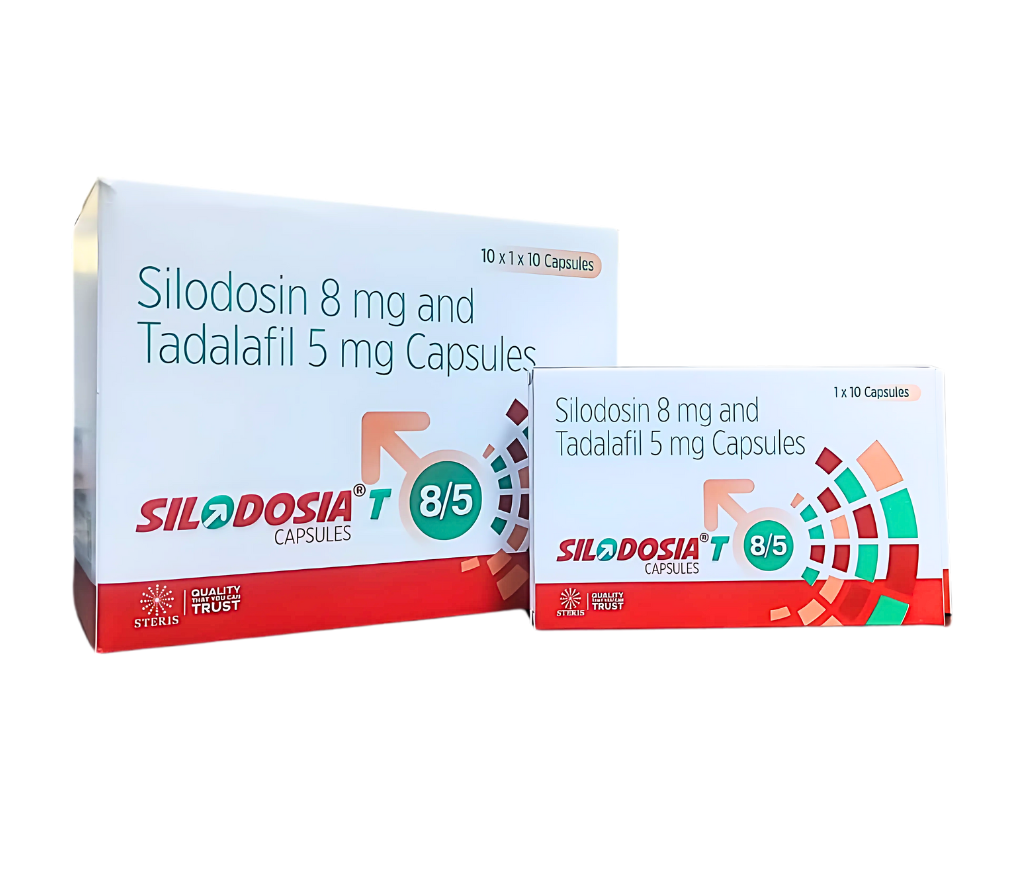
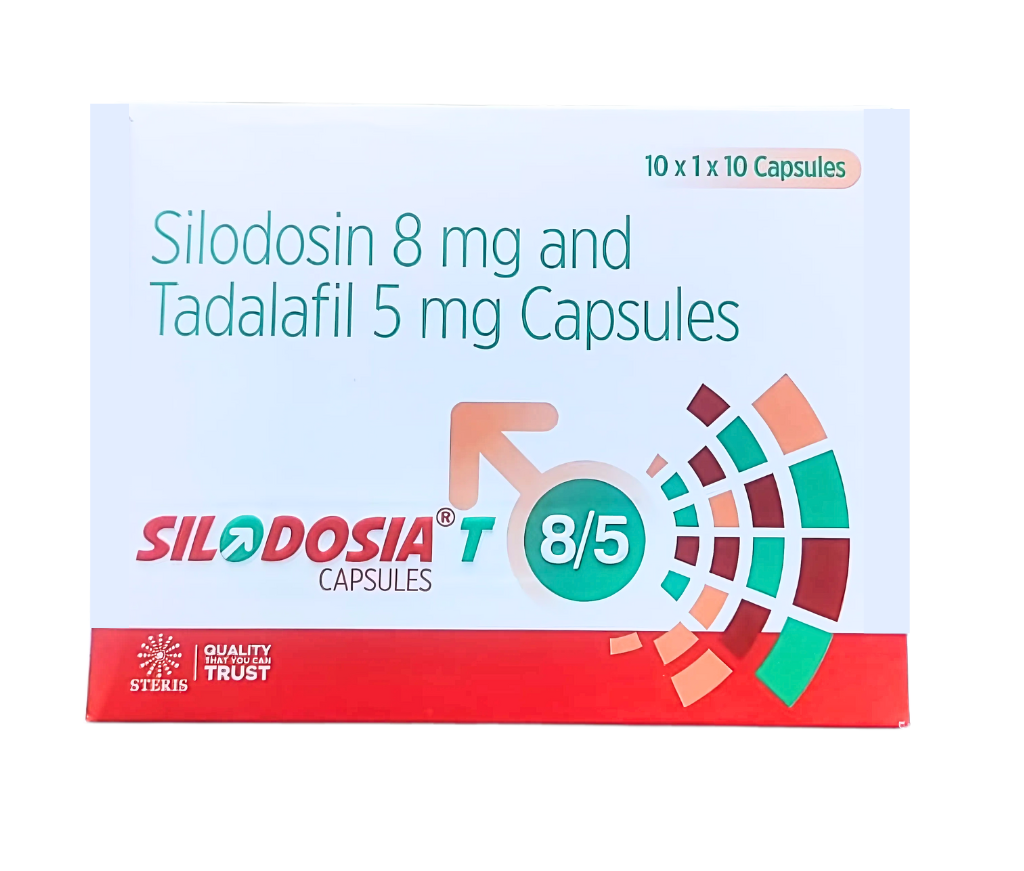
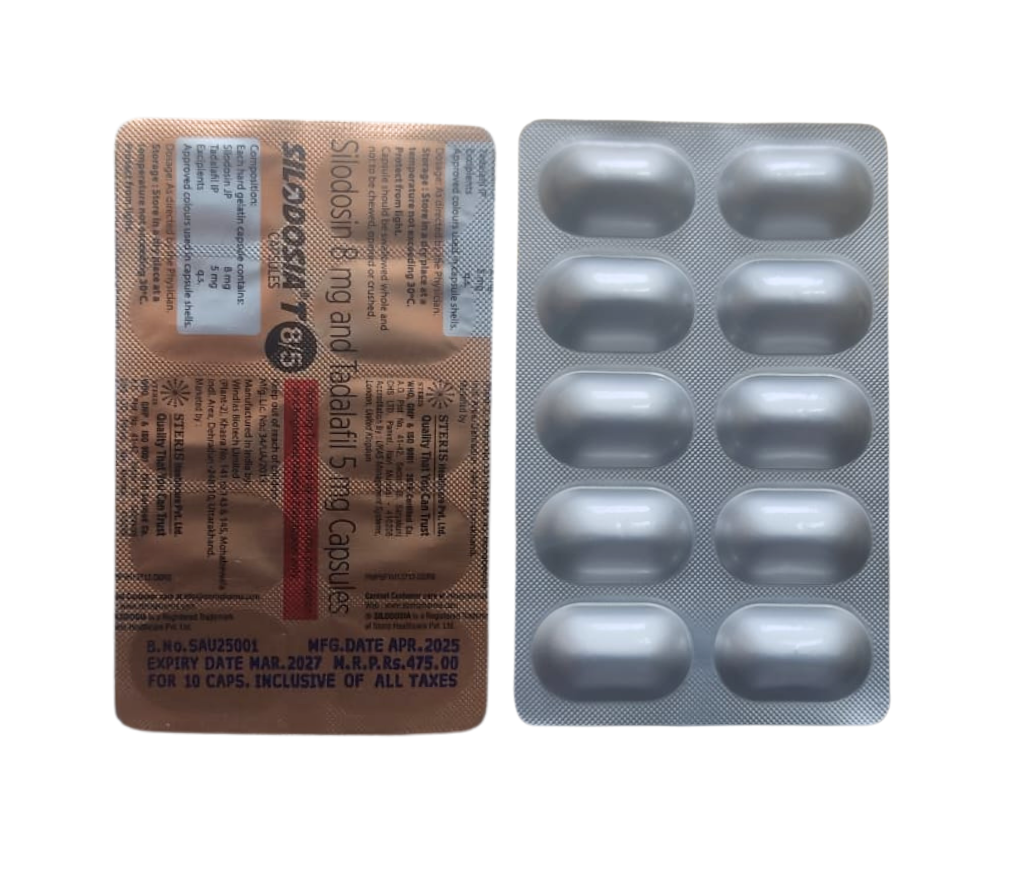
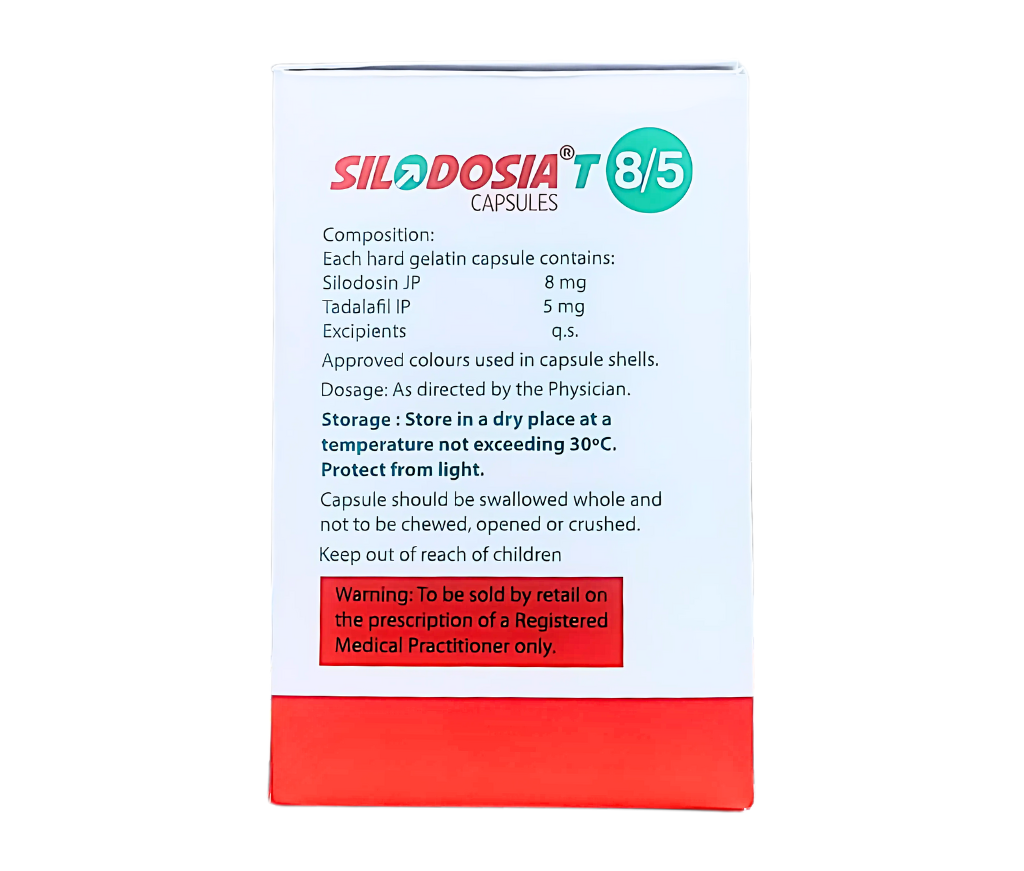
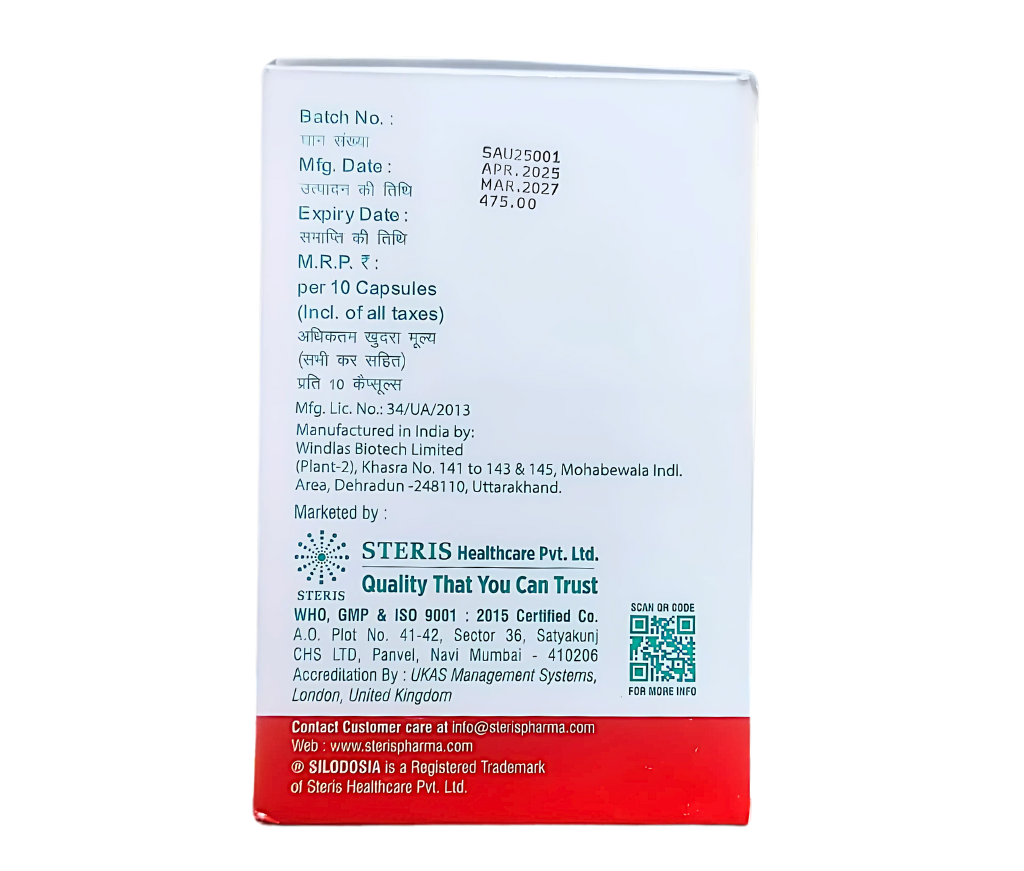
SILODOSIA T 8/5
Item requires a valid prescription
Manufactured By Steris Healthcare Pvt Ltd
Composition Silodosin 8mg, Tadalafil 5 mg
Rs 311.72
MRP Rs 445.31
(30% OFF)
Includes all taxes
Package SIZE
( FOR 10 CAPSULES )
100% Authentic
Products
Free
Shipping*
Products
Return Policy
Description:
Silodosin 8 mg is a prescription alpha-blocker prescribed to relieve urinary symptoms caused by an enlarged prostate. It works by relaxing smooth muscle in the prostate and bladder neck, making it easier to urinate. Silodosin 8 mg is typically taken once daily with food, and most men notice improved urine flow within the first week of treatment. Because of its high alpha-1A selectivity, it has a lower reported impact on blood pressure compared with older alpha blockers, though it carries a distinct risk of retrograde (dry) ejaculation. It is a Schedule H prescription-only medicine and should never be started, stopped, or dosed without a doctor's guidance.
What Is Silodosin 8mg?
Silodosin 8mg is an oral tablet belonging to the alpha-1 adrenergic receptor antagonist (alpha blocker) class of medications. It is manufactured under strict WHO-GMP and ISO-certified quality standards and is indicated specifically for the signs and symptoms of Benign Prostatic Hyperplasia (BPH) in adult men.
Unlike some older-generation alpha blockers that act broadly across multiple alpha-1 receptor subtypes found in blood vessels, the eye, and the prostate, silodosin is engineered to be highly selective for the alpha-1A receptor subtype, which is heavily concentrated in the smooth muscle of the prostate gland, bladder neck, and urethra. This selectivity is what gives silodosin 8mg its clinical value: symptom relief for urinary flow, with a comparatively lower likelihood of affecting blood pressure than non-selective alternatives.
Clinical Indications Table
| Indication | Detail |
|---|---|
| Primary use | Signs and symptoms of Benign Prostatic Hyperplasia (BPH) |
| Drug class | Alpha-1A selective adrenergic receptor blocker |
| Dosage strength | 8 mg, once daily |
| Route | Oral tablet, taken with food |
| Onset of symptom relief | Often within the first week (exact response timelines vary by patient—reviewer to confirm against approved product literature) |
| Schedule | Schedule H—Prescription only |
| Not indicated for | Treatment of prostate cancer; use in women; use in pediatric patients |
How Does Silodosin 8mg Work?
BPH causes the prostate gland to enlarge and press against the urethra, restricting urine flow and causing symptoms like a weak stream, urgency, and incomplete emptying. Much of this obstruction is not purely mechanical — a significant part comes from increased smooth-muscle tone in the prostate and bladder neck, driven by alpha-1A receptor activity.
Silodosin 8 mg works by:
- Binding selectively to alpha-1A adrenergic receptors in the prostate, bladder neck, and urethral smooth muscle.
- Blocking norepinephrine's stimulating effect on these receptors, which reduces smooth muscle contraction.
- Relaxing the muscle tone around the bladder outlet and urethra, easing the passage of urine.
- Because it targets the alpha-1A subtype preferentially over the alpha-1B subtype (found mainly in blood vessels), it does this with relatively less influence on systemic blood pressure than older, non-selective alpha blockers.
Key Benefits of Silodosin 8mg
- Fast symptom relief: Many patients report noticeable improvement in urinary flow within the first several days of starting therapy.
- High uroselectivity: Its strong preference for alpha-1A receptors means symptom control is targeted at the prostate and bladder, rather than acting broadly throughout the vascular system.
- Once-daily dosing: A single 8 mg dose per day supports easier adherence compared with multi-dose regimens.
- Lower blood pressure impact: Compared to non-selective alpha blockers, silodosin is associated with a reduced likelihood of orthostatic hypotension (a sudden BP drop on standing) in many patients (reviewer to insert approved comparative incidence data).
- Improves quality of life: By reducing urgency, nighttime urination (nocturia), and incomplete bladder emptying, silodosin can meaningfully improve day-to-day comfort and sleep continuity for men with BPH.
- No hormonal action: Unlike 5-alpha reductase inhibitors, silodosin does not alter hormone levels, making its benefit profile purely symptomatic and rapid rather than structural.
Dosage & Administration
- Standard adult dose: 8 mg, once daily, taken at the same time each day.
- Administration: Take with a meal—food improves absorption and reduces the risk of gastrointestinal side effects.
- Swallow whole: Do not crush, split, or chew the tablet unless your doctor specifically advises otherwise.
- Missed dose: If a dose is missed, take it as soon as remembered the same day; do not double the next dose to make up for it.
- Renal/hepatic considerations: Dose adjustment or avoidance may be required in patients with moderate-to-severe kidney or liver impairment — this must be individually assessed by a physician.
- Duration: Length of treatment is determined by your doctor based on symptom response and tolerance; it is often a long-term, ongoing therapy for chronic BPH management.
Side Effects of Silodosin 8 mg
Common Side Effects
- Retrograde (dry) ejaculation or reduced ejaculatory volume
- Dizziness
- Diarrhea
- Headache
- Nasal congestion or runny nose (rhinitis)
- Mild fatigue
Less Common but Serious Side Effects
- Orthostatic hypotension—dizziness or fainting on standing up suddenly
- Priapism (a rare, painful, prolonged erection)—requires immediate medical attention
- Intraoperative Floppy Iris Syndrome (IFIS)—relevant for men undergoing cataract surgery; inform your ophthalmologist if you are taking or have taken silodosin
- Allergic reactions—rash, swelling, or difficulty breathing (rare)
Substitutes & Comparison
| Medicine | Class | Key Difference vs. Silodosin 8mg |
|---|---|---|
| Tamsulosin | Alpha-1 blocker (A/D selective) | Broader alpha-1 subtype activity; longer clinical history |
| Alfuzosin | Non-selective alpha-1 blocker | Lower uroselectivity; different BP-related side-effect profile |
| Dutasteride/Finasteride | 5-alpha reductase inhibitor | Shrinks prostate over months; does not give rapid symptom relief |
| Terazosin | Non-selective alpha-1 blocker | Requires more gradual dose titration; higher BP-lowering effect |
Precautions & Warnings
- Inform your doctor about all other medications, especially other alpha blockers, blood pressure medicines, or strong CYP3A4 inhibitors (e.g., ketoconazole, ritonavir), as combining these can increase side-effect risk.
- Rise slowly from sitting or lying positions to reduce dizziness or fainting risk, especially when starting treatment.
- Tell your eye surgeon about silodosin use before any cataract or eye surgery.
- Not intended for use in women or children.
- Use with caution in patients with significant hepatic or renal impairment.
- Avoid activities requiring alertness (like driving) until you know how silodosin affects you, particularly in the first few days of treatment.
- Do not stop or change your dose without consulting your physician, even if symptoms improve.
Why Choose Silodosin 8mg from Steris Healthcare?
Steris Healthcare manufactures silodosin 8mg under WHO-GMP and ISO-certified facilities, ensuring consistent quality, potency, and safety compliance across every batch. Our pharmaceutical and nutraceutical portfolio is built for both prescribing clinicians and pharmacy partners who require dependable, quality-assured therapeutic options for chronic conditions like BPH.
Conclusion
Silodosin 8mg offers a targeted, once-daily solution for men struggling with the frustrating urinary symptoms of Benign Prostatic Hyperplasia — from weak urine flow to frequent nighttime bathroom trips. Its high selectivity for alpha-1A receptors in the prostate and bladder allows for meaningful, often rapid symptom relief while generally sparing patients from the broader blood-pressure effects seen with older alpha blockers. That said, silodosin is a prescription-only Schedule H medicine, and like any medication affecting smooth muscle and blood flow, it carries real precautions — from dizziness risk to ejaculatory changes to interactions with other drugs. The right approach is never self-medication: a urologist or physician should confirm the BPH diagnosis, rule out other causes of urinary symptoms, and tailor the dose to your individual health profile. With proper medical supervision, silodosin 8mg can be an effective, well-tolerated part of long-term BPH management.
Frequently Asked Questions
1. What is silodosin, and how does it work?
Silodosin is a highly selective alpha-1A adrenergic receptor blocker used to treat urinary symptoms of Benign Prostatic Hyperplasia (BPH). It works by relaxing smooth muscle in the prostate and bladder neck, which eases urine flow.
2. Does silodosin affect sleep?
Indirectly, yes—by reducing nighttime urinary urgency (nocturia), many patients experience fewer bathroom trips overnight, which can improve sleep continuity. However, silodosin can also cause dizziness or fatigue in some people, so individual response varies.
3. Can silodosin damage kidneys?
Silodosin is not typically associated with direct kidney damage in patients with normal renal function, but it requires caution and dose adjustment in those with pre-existing moderate-to-severe kidney impairment. Anyone with kidney disease should discuss silodosin use with their doctor before starting.
4. What is the side effect of silodosin?
The most common side effects include retrograde (dry) ejaculation, dizziness, diarrhea, headache, and nasal congestion. Less common but more serious effects include fainting, low blood pressure on standing, and priapism.
5. How long can silodosin be taken?
Silodosin is often prescribed as a long-term, ongoing therapy for chronic BPH symptom management, as long as it remains effective and well-tolerated. Duration should always be decided and periodically reviewed by your treating physician.
6. Is silodosin a high-risk medication?
Silodosin is not classified among the highest-risk drug categories, but it does carry specific risks—including fainting, blood pressure drops, and interactions with certain other medications — that require medical supervision and make it a prescription-only (Schedule H) drug.
7. What should I avoid while taking silodosin?
Avoid combining silodosin with other alpha blockers, PDE5 inhibitors (like sildenafil) without medical advice, and strong CYP3A4 inhibitors. Avoid standing up too quickly, and use caution with alcohol, driving, or operating machinery until you know how the medicine affects you.
8. Is it safe to stop taking silodosin?
Silodosin should not be stopped abruptly without consulting your doctor, even if symptoms have improved, since BPH symptoms can return. Your physician will guide whether and how treatment should be discontinued or adjusted.
9. Does silodosin make you urinate more?
Silodosin does not increase urine production; instead, it improves the flow and completeness of urination by relaxing the muscles around the bladder outlet, which can reduce urgency and the sensation of frequent urination caused by BPH.
10. Can silodosin affect blood pressure?
Silodosin has a lower tendency to affect blood pressure compared with older, non-selective alpha blockers due to its high selectivity for prostate-specific receptors. Some patients may still experience mild blood pressure drops, especially when standing up quickly.
11. Can I take silodosin with food?
Yes—silodosin 8 mg should be taken with food, as this improves absorption and reduces the risk of stomach-related side effects like nausea or diarrhea.
12. Is silodosin the same as tamsulosin?
No. Both are alpha-1 blockers used for BPH, but silodosin is more selective for the alpha-1A receptor subtype, while tamsulosin acts on a broader range of alpha-1 receptors. Your doctor may choose one over the other based on your health profile.
13. What happens if I miss a dose of silodosin?
If you miss a dose, take it as soon as you remember on the same day. Do not take a double dose the next day to make up for a missed one—consult your doctor if you miss multiple doses.
14. Can silodosin cause dizziness or fainting?
Yes, dizziness is a common side effect, and in some cases silodosin can cause a sudden drop in blood pressure upon standing (orthostatic hypotension), leading to fainting. Rising slowly from sitting or lying positions can help reduce this risk.
15. Is silodosin safe for elderly patients?
Silodosin is commonly prescribed to older men, since BPH itself is an age-related condition, but elderly patients may be more sensitive to dizziness and blood pressure effects and should be monitored closely by their physician.
16. Does silodosin require a prescription?
Yes. Silodosin 8 mg is a Schedule H prescription-only medication in India and cannot be legally purchased or used without a valid doctor's prescription.
17. Can silodosin be taken with alcohol?
Alcohol can increase the risk of dizziness, low blood pressure, and drowsiness when combined with silodosin. It's advisable to limit or avoid alcohol while on this medication, and to discuss any concerns with your doctor.

