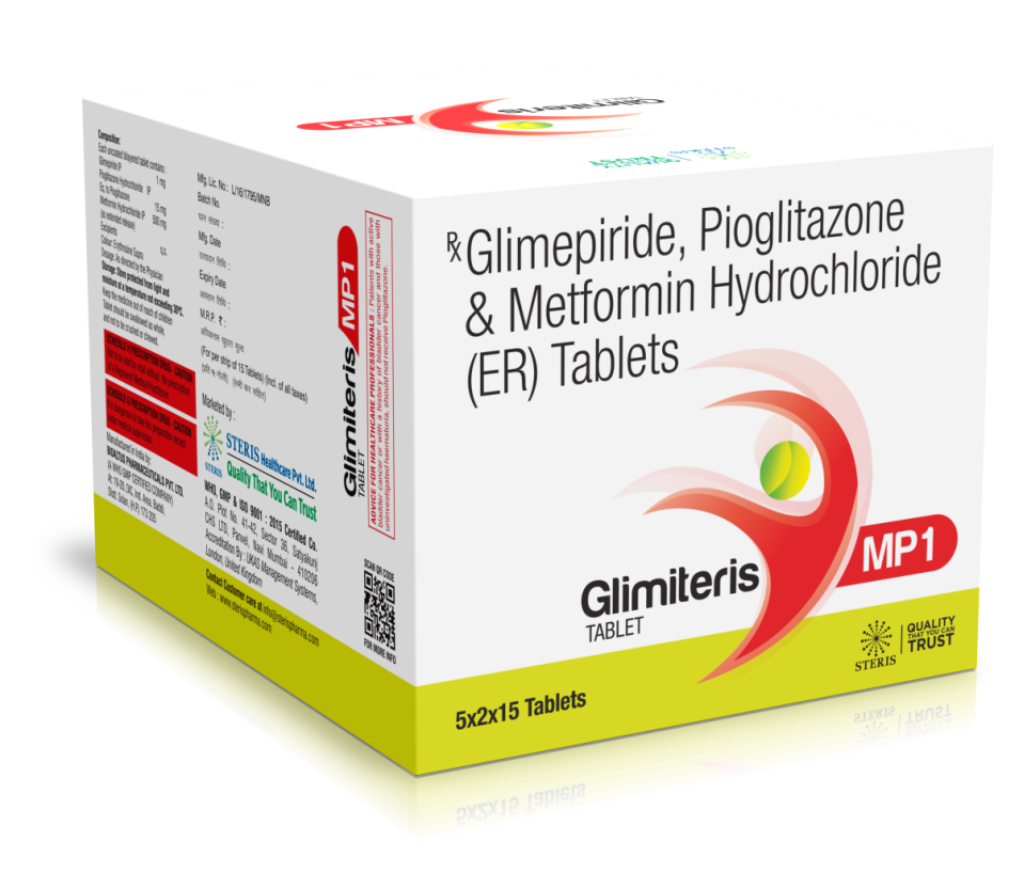


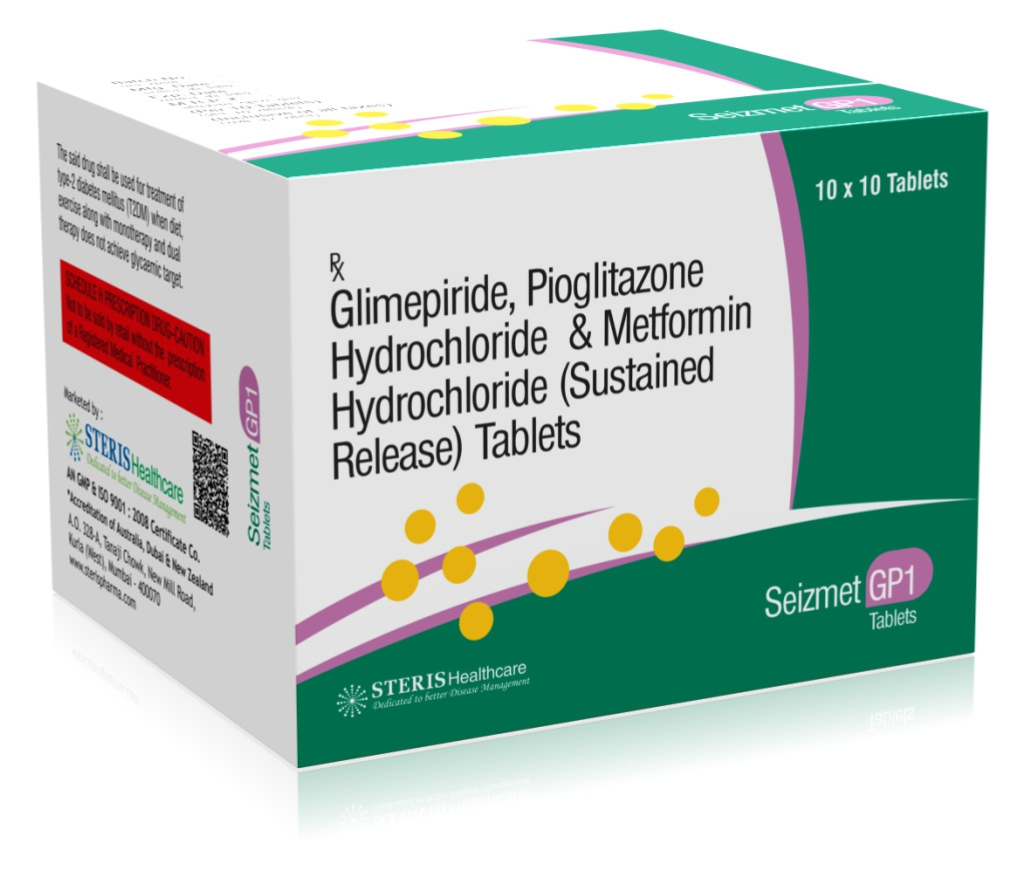
SEIZMET GP 1
 Item requires a valid prescription
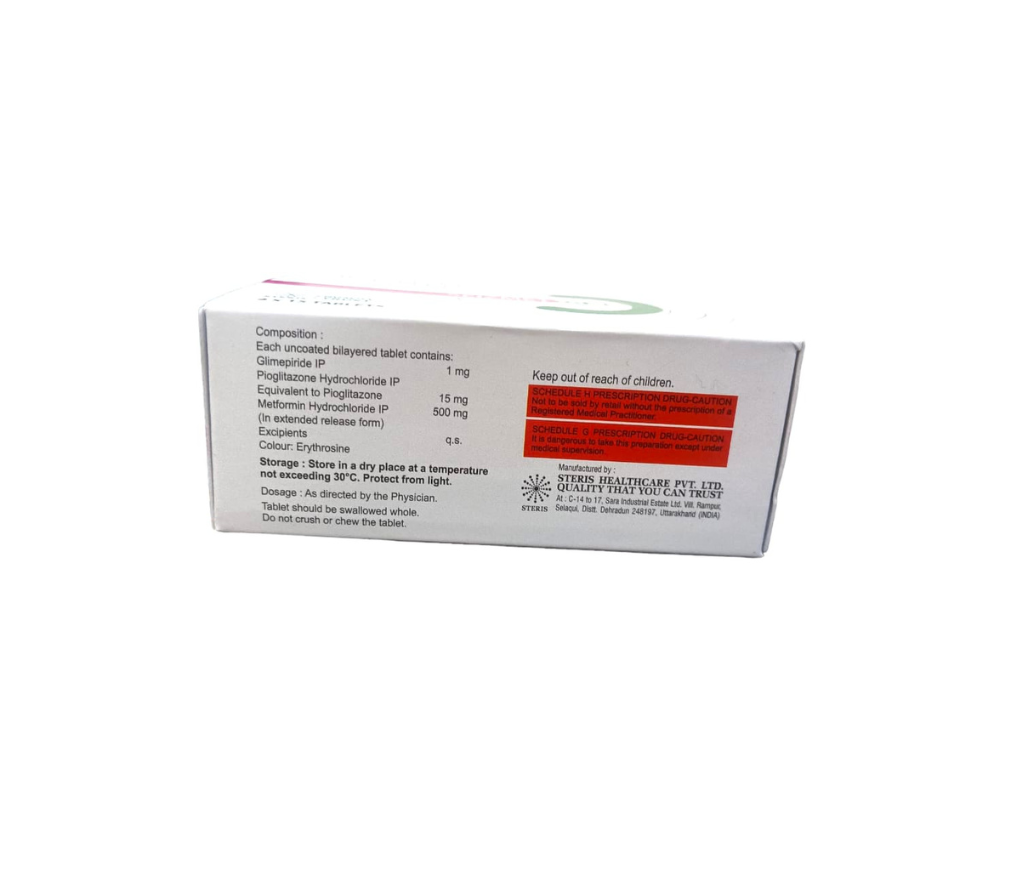
Manufactured By Steris Healthcare Pvt Ltd
Composition Glimepiride (1mg), Metformin SR (500mg), Pioglitazone (15mg)
Rs 94.79
MRP Rs 135.42
(30% OFF)
Includes all taxes
Package SIZE
( For 15 Tablets )

100% Authentic
Products

Free
Shipping*

Products
Return Policy
Description:
If you are searching for glimepiride metformin pioglitazone, you are likely looking for information about a three-drug combination used to help control blood sugar in adults with type 2 diabetes mellitus. This combination brings together three medicines that work through different mechanisms: glimepiride increases insulin release, metformin reduces glucose production by the liver and improves insulin sensitivity, and pioglitazone further improves insulin sensitivity.
In India, several products are currently marketed with combinations such as glimepiride 1mg + metformin 500mg + pioglitazone 15mg and glimepiride 2mg + metformin 500mg + pioglitazone 15mg. Because multiple strengths and formulations are available, checking the exact composition on your prescription and product packaging is essential.
This guide covers glimepiride, metformin, and pioglitazone uses, key benefits, side effects, precautions, how to take them, and current buying considerations, while keeping the information practical for people researching a diabetes medicine.
What Is Glimepiride, Metformin, and Pioglitazone?
Glimepiride, metformin, and pioglitazone are a combination of three oral antidiabetic medicines:
-
Glimepiride: A sulfonylurea that stimulates the pancreas to release insulin.
-
Metformin: A biguanide that decreases glucose production by the liver and improves the body's response to insulin.
-
Pioglitazone: A thiazolidinedione that improves insulin sensitivity, helping the body use insulin more effectively.
Because these medicines work differently, the combination may be prescribed when a single medicine or dual therapy does not provide adequate blood-glucose control or when a clinician determines that triple therapy is appropriate.
The exact strength is important. For example, a currently listed product contains glimepiride 2mg + metformin 500mg + pioglitazone 15mg, while other products contain glimepiride 1mg + metformin 500mg + pioglitazone 15mg.
Therefore, "glimepiride metformin pioglitazone" describes the active ingredients, not one single universal dose.
Glimepiride Metformin Pioglitazone Uses
1. Type 2 Diabetes Management
The primary use of this combination is to help lower elevated blood glucose in adults with type 2 diabetes, alongside appropriate diet and physical activity. Current Indian product information identifies these combinations for improving blood sugar control in adults with type 2 diabetes.
The medicine does not replace lifestyle management. Nutrition, physical activity, blood-glucose monitoring, weight management when appropriate, and regular medical appointments remain important components of diabetes care.
2. When Multiple Medicines Are Needed
Type 2 diabetes is a progressive condition, and one medicine may not always maintain glucose control over time. A three-drug combination allows different therapeutic pathways to be targeted simultaneously.
Glimepiride increases insulin secretion, and metformin reduces hepatic glucose production and improves insulin sensitivity, while pioglitazone provides an additional insulin-sensitizing effect.
Whether triple therapy is suitable depends on the individual's glucose levels, medical history, existing treatment, kidney and liver function, cardiovascular status, and risk of adverse effects.
How Does Glimepiride Metformin Pioglitazone Work?
Understanding each ingredient helps explain why this combination may be prescribed.
Glimepiride
Glimepiride stimulates the pancreas to release insulin. More available insulin can help move glucose from the bloodstream into cells.
Because it increases insulin secretion, low blood sugar (hypoglycemia) is an important potential risk. Skipping meals, consuming alcohol, unusually strenuous exercise, or combining multiple glucose-lowering medicines can increase this risk.
Metformin
Metformin works primarily by reducing glucose production by the liver and improving the body's sensitivity to insulin. This allows the body to use insulin more effectively.
Metformin commonly causes gastrointestinal effects, particularly when treatment is started or the dose is increased.
Pioglitazone
Pioglitazone belongs to the thiazolidinedione class and improves insulin sensitivity. It can help the body's tissues respond more effectively to insulin.
However, pioglitazone has important safety considerations. U.S. prescribing information carries a boxed warning that medicines containing pioglitazone can cause or worsen congestive heart failure in some patients.
Key Benefits of Glimepiride, Metformin, and Pioglitazone
When appropriately prescribed, this combination can offer several potential benefits.
Supports Blood Sugar Control
The principal benefit is improved blood-glucose control through three complementary mechanisms. Current product information states that these combinations are used with diet and exercise to improve blood sugar control in adults with type 2 diabetes.
Targets Insulin Resistance and Insulin Production
The combination addresses different aspects of type 2 diabetes: glimepiride promotes insulin release, while metformin and pioglitazone improve insulin-related glucose handling through different mechanisms.
Convenient Combination Treatment
For patients who have been prescribed all three active ingredients, a combination tablet can simplify medication administration compared with taking separate tablets.
However, convenience does not mean the combination is appropriate for everyone. The risks and benefits of each component should be evaluated individually.
May Be Useful When Previous Treatment Is Inadequate
Some patients require more than one glucose-lowering medicine to reach individualized blood glucose targets. A three-drug combination may be considered when previous treatment has not achieved adequate control, depending on the patient's clinical circumstances.
How to Take Glimepiride Metformin Pioglitazone
Take this medicine exactly as prescribed.
Current product information for several Indian formulations recommends taking the medicine with food, helping reduce stomach discomfort and supporting appropriate administration.
Important points include:
-
Take it at the prescribed time each day.
-
Follow the prescribed strength carefully.
-
Do not crush or alter an extended-release formulation unless the product instructions specifically permit it.
-
Do not take an additional tablet because your blood sugar is higher than expected.
-
If you miss a dose, follow the instructions supplied with your product or ask your pharmacist.
-
Do not double the next dose unless specifically instructed by your healthcare professional.
The correct dose varies between patients. Never assume that a 1mg/500mg/15mg tablet can be substituted for a 2mg/500mg/15mg tablet simply because the product name looks similar.
Glimepiride Metformin Pioglitazone Side Effects
Like all medicines, this combination can cause side effects.
Current product information lists possible adverse effects, including:
-
Low blood sugar
-
Nausea
-
Diarrhea
-
Vomiting
-
Abdominal discomfort
-
Headache
-
Dizziness
-
Flatulence
-
Swelling or edema
-
Anemia
-
Upper respiratory tract infection
-
Bronchitis
The likelihood and severity of side effects can vary according to dose, individual health, other medicines, and how long treatment has been used.
Low Blood Sugar: An Important Side Effect
Hypoglycemia is one of the most important side effects to understand because glimepiride increases insulin release.
Possible warning signs include:
-
Shaking
-
Sweating
-
Hunger
-
Dizziness
-
Fast heartbeat
-
Weakness
-
Confusion
-
Irritability
Skipping or delaying meals can increase the risk. Alcohol and some other diabetes medicines can also contribute.
If you experience recurring low blood sugar, contact your healthcare professional. Your treatment may need reassessment.
Pioglitazone and Swelling or Heart Failure Risk
Pioglitazone can cause fluid retention, which may appear as swelling in the legs or feet or unexpected weight gain.
This is especially important because pioglitazone-containing medicines carry a warning regarding congestive heart failure. FDA prescribing information advises monitoring for symptoms such as excessive or rapid weight gain, shortness of breath, and edema.
Contact a healthcare professional promptly if you develop new or worsening swelling, unexplained rapid weight gain, or difficulty breathing.
Who Should Be Careful With This Combination?
Before using glimepiride, metformin, or pioglitazone, tell your doctor if you have:
-
Heart failure or significant heart disease
-
Kidney disease
-
Liver disease
-
Severe or recurring hypoglycemia
-
Bladder-related medical problems
-
Significant anemia
-
A history of bone fractures
-
Heavy alcohol consumption
-
Pregnancy or plans to become pregnant
Your doctor should also know about all prescription medicines, over-the-counter products, vitamins, and supplements you take.
Kidney function is particularly relevant to metformin treatment, while heart status is especially important when considering pioglitazone.
What to Check Before Buying
Before ordering, verify:
-
Glimepiride strength
-
Metformin strength
-
Pioglitazone strength
-
Immediate-release, SR, or ER formulation
-
Manufacturer
-
Batch number
-
Expiry date
-
Packaging integrity
-
Prescription requirements
-
Pack size and current price
Use a legitimate pharmacy and do not purchase prescription diabetes medicines from questionable sources.
Should You Buy a Cheaper Alternative?
A cheaper brand is not automatically equivalent unless the active ingredients, strengths, and dosage form match your prescription.
For example, current listings show several alternatives containing glimepiride 1mg + metformin 500mg + pioglitazone 15mg.
If your pharmacist suggests changing brands, ask them to verify that the composition and release characteristics are appropriate. Never change the prescribed strength independently.
Frequently Asked Questions
1. What is glimepiride, metformin, and pioglitazone used for?
Glimepiride, metformin, and pioglitazone are used to help control blood sugar in adults with type 2 diabetes. The three medicines work differently to increase insulin availability, reduce glucose production, and improve insulin sensitivity.
2. What are the benefits of glimepiride, metformin, and pioglitazone?
The main potential benefit is improved blood-glucose control through three complementary mechanisms. Glimepiride increases insulin release, metformin reduces liver glucose production and improves insulin sensitivity, and pioglitazone further improves insulin sensitivity.
3. What are the side effects of glimepiride metformin pioglitazone?
Possible side effects include low blood sugar, nausea, diarrhea, vomiting, abdominal discomfort, dizziness, headache, gas, swelling, and anemia. The specific side effects experienced can vary between patients.
4. Can glimepiride metformin pioglitazone cause low blood sugar?
Yes. Glimepiride can cause hypoglycemia because it increases insulin release. The risk can increase when meals are skipped, alcohol is consumed, or other glucose-lowering medicines are taken.
5. Does pioglitazone cause weight gain or swelling?
It can. Pioglitazone may cause fluid retention and weight gain. New or worsening swelling, rapid unexplained weight gain, or shortness of breath should be discussed promptly with a healthcare professional because pioglitazone can worsen heart failure in some patients.
6. Can I take glimepiride metformin pioglitazone on an empty stomach?
Many currently listed formulations are directed to be taken with food. Follow the instructions for your specific product and prescription rather than assuming all formulations are identical.
7. Is glimepiride metformin pioglitazone safe for everyone with diabetes?
No. The combination may not be appropriate for everyone. Heart failure, kidney disease, liver disease, recurrent hypoglycemia, and other conditions can affect whether one or more of these medicines are suitable.
8. Can I stop glimepiride metformin pioglitazone if my blood sugar becomes normal?
Do not stop the medicine without consulting your doctor. Normal blood glucose may mean that your treatment is working. Stopping suddenly without medical guidance can cause your blood sugar to rise.
9. Can I buy glimepiride, metformin, and pioglitazone online?
Availability varies by brand and pharmacy. If purchasing online, use a legitimate pharmacy, follow prescription requirements, and verify the exact glimepiride + metformin + pioglitazone strength before ordering. Current Indian listings show multiple brands and strengths, so checking the composition is essential.
10. What should I do if my blood sugar remains high while taking this medicine?
Do not take an extra tablet without medical instructions. Persistently high blood sugar may require a review of your dose, diet, physical activity, adherence, other medicines, or overall diabetes treatment plan. Contact your healthcare professional.
Conclusion
Glimepiride, metformin, and pioglitazone is a three-drug oral combination designed to improve blood-glucose control in appropriate adults with type 2 diabetes. Its three ingredients have complementary actions: glimepiride stimulates insulin release, metformin reduces liver glucose production and improves insulin sensitivity, and pioglitazone increases insulin sensitivity.
From a buyer's perspective, the most important consideration is not simply finding the lowest price. Check the exact strengths, such as 1 mg/500 mg/15 mg or 2 mg/500 mg/15 mg; the dosage form; the manufacturer; the expiry date; the packaging; and the pharmacy authenticity. Current August 2026 Indian listings show that prices can differ substantially among brands with the same active ingredients.
From a safety perspective, hypoglycemia is an important risk because of glimepiride, while pioglitazone requires particular attention to fluid retention and heart-failure symptoms. Metformin can cause gastrointestinal effects and requires consideration of kidney function.
Available Substitutes