

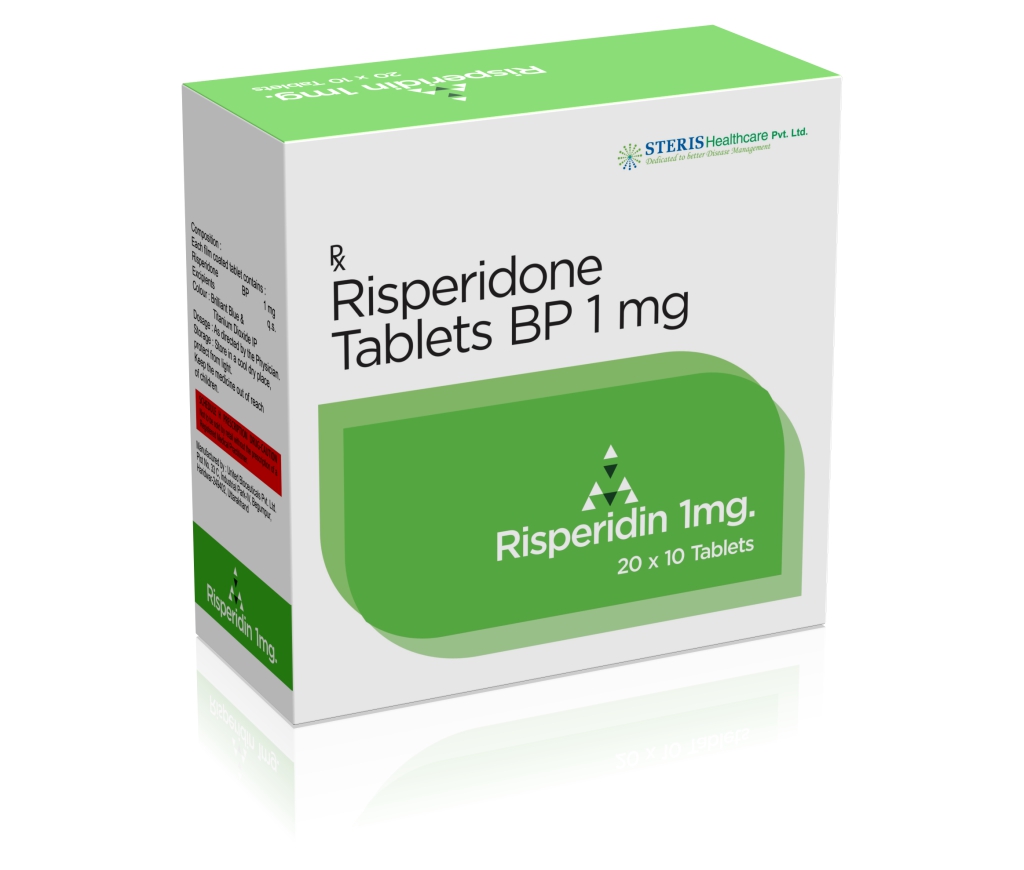
RISPERIDIN 1
 Item requires a valid prescription
Manufactured By Steris Healthcare Pvt Ltd
Composition Risperidone (1mg)
Rs 21.33
MRP Rs 30.47
(30% OFF)
Includes all taxes
Package SIZE
( For 10 Tablets )

100% Authentic
Products

Free
Shipping*

Products
Return Policy
Description:
Risperidone 1 mg is a prescription-strength antipsychotic medicine used to manage certain mental health and behavioral symptoms. It belongs to a group of medicines called atypical antipsychotics and works partly by affecting neurotransmitters such as dopamine and serotonin in the brain. Depending on the patient's condition, age, formulation, and medical history, risperidone may be prescribed for schizophrenia, bipolar disorder, or certain behavioral symptoms associated with autism.
If you are searching for risperidone 1 mg uses, benefits, side effects, dosage, or how to buy risperidone 1 mg, it is important to understand that the 1 mg strength is not automatically the right dose for every patient. Risperidone dosing is individualized, and doctors may adjust the dose according to the condition being treated, response to therapy, age, kidney or liver function, and side effects.
What Is Risperidone 1 mg?
Risperidone 1 mg contains 1 milligram of risperidone, an atypical antipsychotic medication. It is available in different formulations, including conventional tablets, orally disintegrating tablets, and oral liquid. Risperidone is available only by prescription.
The medicine does not generally work immediately. Some symptoms can improve over days, while other symptoms may require weeks or longer to respond. Treatment is intended to control symptoms rather than permanently cure the underlying condition.
Because risperidone affects the central nervous system, it should be taken exactly as prescribed. Taking more than the prescribed amount does not necessarily make it work faster and can increase the risk of adverse effects.
Risperidone 1 mg Uses
The most important reason to use risperidone is to manage specific symptoms associated with diagnosed psychiatric or behavioral conditions.
1. Schizophrenia
Risperidone is used to treat schizophrenia and can help control symptoms such as hallucinations, delusions, disorganized thinking, and other disturbances in perception or behavior.
The appropriate dose varies considerably between patients. A 1 mg tablet may be part of an individualized dosing schedule, but patients should not change their dose without medical advice.
2. Bipolar Disorder and Mania
Risperidone can be prescribed for manic symptoms associated with bipolar disorder. Treatment may help reduce excessive excitement, agitation, abnormal mood elevation, and other symptoms associated with a manic episode.
3. Certain Behavioral Symptoms
Risperidone can also be prescribed for irritability and aggressive or agitated behavior associated with autism in appropriate patients. In some countries and clinical circumstances, it may also be used for certain behavioral symptoms in other populations under specialist supervision.
The exact approved uses can vary by country, age group, formulation, and regulatory labeling, so patients should follow the indication provided by their prescribing clinician.
Key Benefits of Risperidone 1 mg
When appropriately prescribed, the potential benefits of risperidone come from controlling symptoms rather than producing an immediate cure.
Patients may experience:
- Better control of hallucinations and delusions associated with schizophrenia.
- Reduction in manic symptoms associated with bipolar disorder.
- Improved control of severe agitation or aggressive behavior in appropriately diagnosed patients.
- Improved ability to think clearly or remain focused when psychiatric symptoms are controlled.
- Reduced distress from certain psychotic or behavioral symptoms.
The NHS notes that patients taking risperidone may feel calmer, concentrate better, think more clearly, and become more aware of what is real versus unreal when treatment is effective. However, the response varies between individuals, and finding the appropriate dose can take time.
Risperidone 1 mg Dosage: What Patients Should Know
One of the most common buyer and patient searches is “How much risperidone 1 mg should I take?” The answer depends on the condition and individual circumstances.
Risperidone tablets are available in multiple strengths, including 0.25 mg, 0.5 mg, 1 mg, 2 mg, 3 mg, 4 mg, and 6 mg in the NHS-listed formulations.
Doctors may start with a lower dose and gradually adjust treatment. People with kidney or liver problems may require a lower starting dose and slower increases.
For this reason, risperidone 1 mg should not be treated as a universal starting dose or standard dose. Always follow the prescription label.
If you miss a dose, follow the instructions supplied by your doctor or pharmacist. Do not take two doses together to compensate for a missed dose.
Common Risperidone 1 mg Side Effects
Like all medicines, risperidone can cause side effects, although not everyone experiences them.
Common or relatively frequent effects can include:
- Sleepiness or tiredness
- Headache
- Dizziness or feeling unsteady
- Nausea or vomiting
- Constipation
- Stomach discomfort
- Dry mouth or increased saliva
- Increased appetite
- Weight gain or weight changes
- Restlessness or agitation
- Sleep difficulties
- Hormonal effects such as breast enlargement or breast discharge
- Menstrual changes or reduced sexual function
Weight and appetite changes are particularly important to discuss with a healthcare professional because metabolic health may need monitoring during longer-term treatment.
Risperidone can also cause drowsiness or affect thinking and reaction speed. Patients should understand how the medicine affects them before driving or operating machinery. Alcohol can increase drowsiness and should be avoided or discussed with a healthcare professional.
Serious Risperidone Side Effects
Some adverse reactions require urgent medical attention.
Contact a healthcare professional promptly or seek emergency care for symptoms such as:
- Uncontrolled movements of the face, tongue, or body.
- Severe muscle stiffness, fever, sweating, confusion, or rapid heartbeat.
- Seizures.
- Difficulty breathing or swallowing.
- Severe allergic reactions involving swelling of the face, lips, tongue, or throat.
- Stroke-like symptoms such as sudden weakness, difficulty speaking, or loss of balance.
- A painful erection lasting several hours.
- Symptoms suggesting a blood clot, such as leg swelling or chest pain with breathing difficulty.
These reactions are uncommon, but recognizing warning signs is important.
Important Risperidone 1 mg Precautions
Before starting risperidone, tell your doctor if you have diabetes, heart disease, low blood pressure, epilepsy, Parkinson's disease, dementia, kidney or liver problems, a history of blood clots, or previous movement disorders.
Risperidone can affect blood sugar and may contribute to metabolic changes. People with diabetes or risk factors for diabetes may require monitoring.
There is also an important safety warning for older adults with dementia. Antipsychotic medicines including risperidone are associated with an increased risk of death and stroke in this population, and risperidone is not FDA-approved for treating behavioral problems in older adults with dementia. Pregnant or breastfeeding patients should discuss risperidone treatment with their healthcare professional before starting or continuing therapy.
Risperidone 1 mg Drug Interactions
Tell your doctor or pharmacist about every medicine, vitamin, supplement, and herbal product you take.
Some substances can alter the effects or side effects of risperidone. The NHS specifically advises against taking St John's wort with risperidone because it may reduce how well risperidone works, while some supplements, including ginkgo biloba, may increase side effects.
Never assume that an herbal or “natural” product is automatically safe to combine with prescription medication.
Buying Risperidone 1 mg Online: What to Check
If your search intent is “buy risperidone 1 mg”, safety should come before price.
Risperidone is a prescription medicine, so use a legitimate pharmacy that follows the prescription requirements in your country.
Before purchasing, verify:
- The product name and active ingredient.
- The strength: risperidone 1 mg.
- The formulation, such as standard or orally disintegrating tablet.
- Manufacturer and packaging information.
- Batch and expiry information.
- That the pharmacy is properly licensed or regulated.
- That a prescription is required where applicable.
- That the medicine arrives in intact, properly labeled packaging.
Avoid websites offering prescription risperidone with no medical evaluation or making claims that it is suitable for everyone. A very low price is not a good reason to compromise on medicine authenticity or pharmacy credentials.
Can You Stop Risperidone 1 mg Suddenly?
Do not stop prescribed risperidone without discussing it with your doctor.
If treatment needs to end, a healthcare professional may recommend gradually reducing the dose. Stopping suddenly can be associated with withdrawal symptoms and may allow the original psychiatric symptoms to return.
Frequently Asked Questions
1. What is risperidone 1 mg used for?
Risperidone 1 mg is a prescription strength of risperidone, an atypical antipsychotic used for conditions including schizophrenia and bipolar mania, and for certain behavioral or irritability symptoms associated with autism in appropriate patients.
2. Is risperidone 1 mg a low dose?
It can be a relatively low strength in some treatment plans, but whether 1 mg is an appropriate dose depends on the patient's condition, age, medical history, formulation, and response. It should not be considered a universal dose.
3. Does risperidone 1 mg make you sleepy?
It can. Sleepiness or tiredness is a recognized effect of risperidone. Patients should avoid driving or operating machinery until they know how the medicine affects them.
4. Does risperidone 1 mg cause weight gain?
Risperidone can increase appetite and cause weight gain or other weight changes. Weight and metabolic health should be discussed with a healthcare professional, particularly during long-term treatment.
5. How long does risperidone 1 mg take to work?
Risperidone does not necessarily work immediately. Some symptoms may improve within days, while other symptoms can take weeks or longer. Finding the appropriate dose may also take time.
6. Can risperidone 1 mg be used for anxiety or sleep?
Risperidone should not be self-started as a treatment for ordinary anxiety or insomnia. It is a prescription antipsychotic with specific medical indications. If anxiety or sleep problems are persistent, a healthcare professional should identify the underlying cause and recommend appropriate treatment.
7. Can I take risperidone 1 mg with alcohol?
Alcohol can increase drowsiness associated with risperidone. It is safest to avoid alcohol and discuss alcohol consumption with your doctor or pharmacist.
8. Can I stop taking risperidone 1 mg when I feel better?
Do not stop prescribed risperidone simply because symptoms have improved. Stopping treatment may cause symptoms to return and can produce withdrawal effects. Discuss any planned dose reduction or discontinuation with your doctor.
9. Is risperidone 1 mg available without a prescription?
Risperidone is a prescription medicine. It should be obtained through a legitimate pharmacy and used under appropriate medical supervision.
10. What are the most serious side effects of risperidone 1 mg?
Serious reactions can include uncontrolled movements, seizures, severe muscle stiffness with fever or confusion, serious allergic reactions, blood clots, stroke symptoms, and other potentially life-threatening reactions. Seek urgent medical attention if severe symptoms occur.
Conclusion
Risperidone 1 mg is an established prescription antipsychotic strength that may be used as part of treatment for schizophrenia, bipolar mania, and certain behavioral symptoms associated with autism. Its potential benefits include better control of psychotic, manic, or behavioral symptoms when the medicine is appropriately prescribed and monitored.
However, risperidone is not suitable for everyone. Common concerns include drowsiness, dizziness, appetite and weight changes, gastrointestinal symptoms, and movement or hormonal effects. More serious reactions are uncommon but require prompt medical attention.