


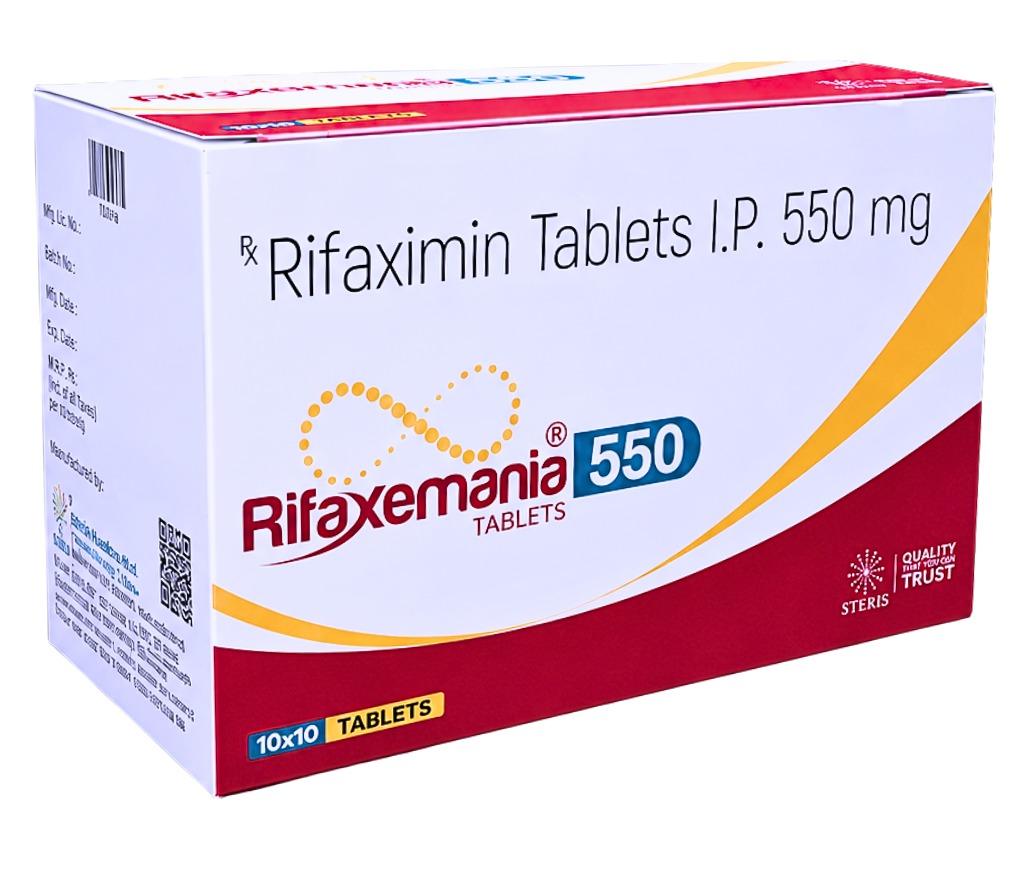
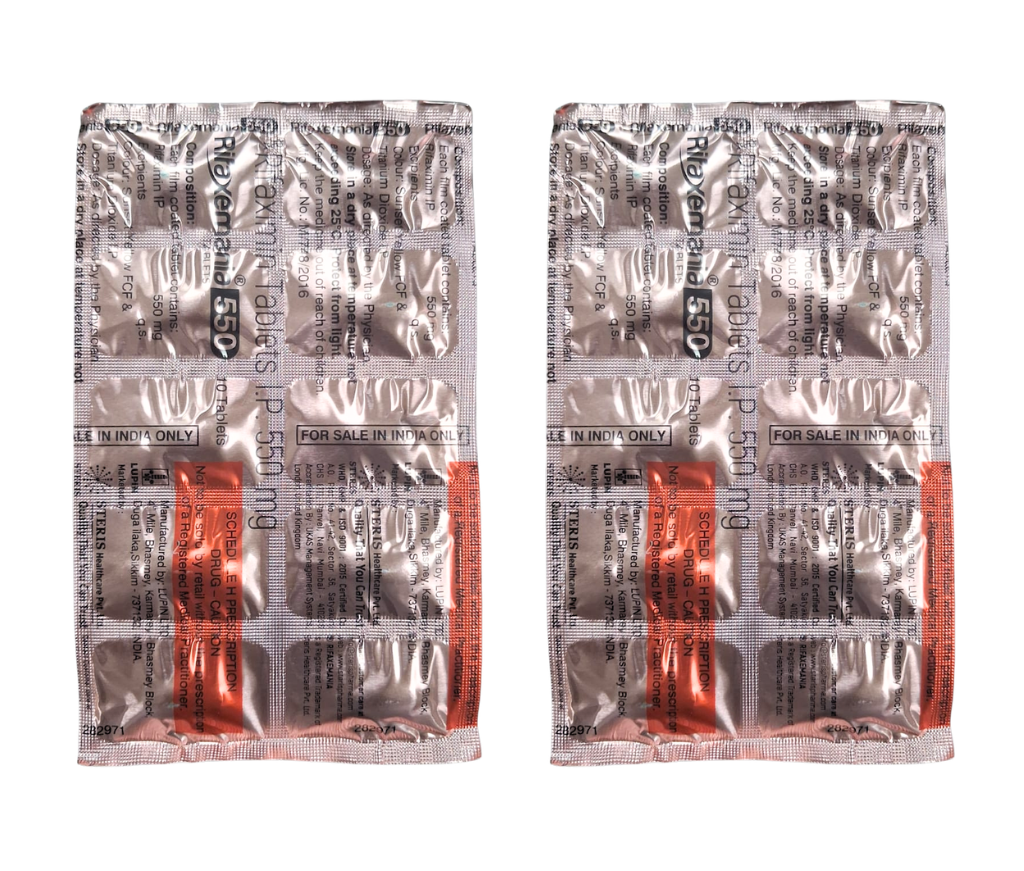
RIFAXEMANIA 550
 Item requires a valid prescription
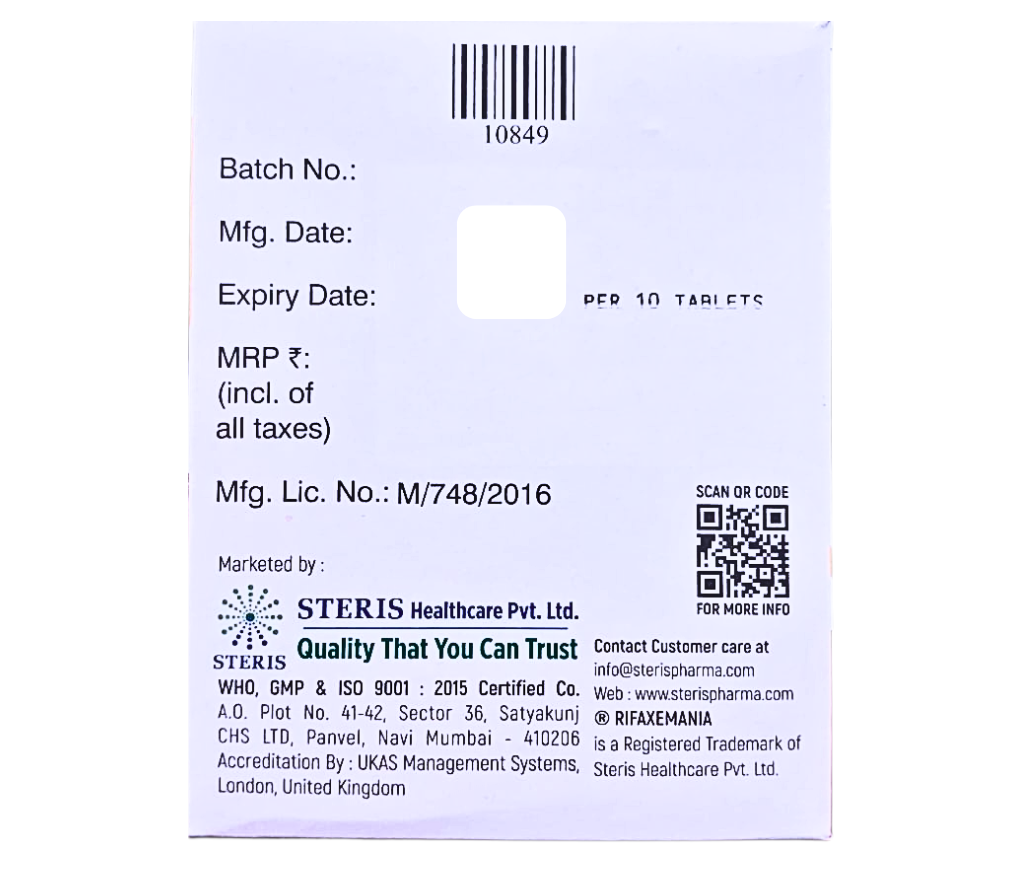
Manufactured By Steris Healthcare Pvt Ltd
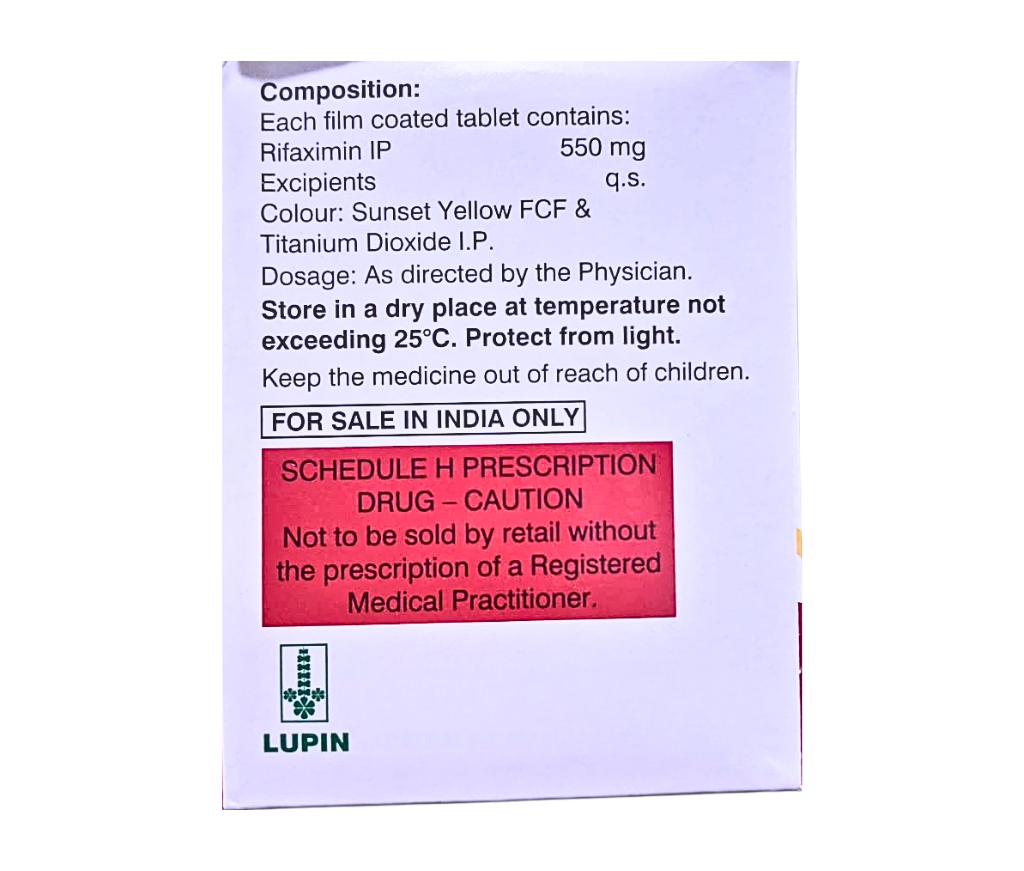
Composition Rifaximin (550mg)
Rs 385.00
MRP Rs 550.00
(30% OFF)
Includes all taxes
Package SIZE
( For 10 Tablet )

100% Authentic
Products

Free
Shipping*

Products
Return Policy
Description:
Rifaximin Tablets IP 550 mg is an antibiotic medicine used for specific gastrointestinal conditions, particularly the prevention of recurrent episodes of hepatic encephalopathy in eligible patients. It works primarily inside the intestines by reducing the growth of certain bacteria that contribute to gastrointestinal infections and the production of substances such as ammonia.
Rifaximin 550 mg belongs to the rifamycin group of antibiotics. Unlike many conventional antibiotics, it is minimally absorbed into the bloodstream when taken orally. This allows it to act mainly within the gastrointestinal tract. Its limited systemic absorption is one of its important pharmacological characteristics, although it does not eliminate the possibility of side effects or allergic reactions.
For patients looking for information about rifaximin tablets IP 550 mg, understanding its composition, medical uses, benefits, possible side effects, precautions and correct administration is important before considering treatment.
What Is Rifaximin Tablets IP 550 mg?
Rifaximin Tablets IP 550 mg is an oral antibiotic formulation containing 550 mg of rifaximin as its active pharmaceutical ingredient. It is designed to act locally in the digestive system and target susceptible intestinal bacteria.
Rifaximin works by inhibiting bacterial RNA synthesis through its action on bacterial DNA-dependent RNA polymerase. This prevents susceptible bacteria from producing essential proteins and carrying out normal cellular functions, thereby limiting their growth.
One of the recognised clinical uses of rifaximin 550 mg is reducing the risk of recurrent episodes of overt hepatic encephalopathy in adults. Hepatic encephalopathy is a complication of advanced liver disease in which substances produced in the intestine, including ammonia, can accumulate and affect brain function.
Depending on the approved product information and the treating doctor's assessment, rifaximin may also be prescribed for other gastrointestinal conditions. However, not every condition involving diarrhoea, abdominal discomfort or intestinal bacteria requires rifaximin treatment.
Composition of Rifaximin Tablets IP 550 mg
|
Product information |
Details |
|---|---|
|
Generic name |
Rifaximin |
|
Strength |
550 mg |
|
Dosage form |
Oral tablet |
|
Route of administration |
Oral |
The active ingredient, rifaximin, is responsible for the antibacterial action. Other inactive ingredients may vary depending on the manufacturer and formulation.
Medical Uses of Rifaximin Tablets IP 550 mg
Rifaximin 550 mg is prescribed for selected gastrointestinal conditions. Its use depends on the patient's diagnosis, medical history and the approved indications of the specific formulation.
1. Prevention of recurrent hepatic encephalopathy
One of the main approved uses of rifaximin 550 mg in adults is reducing the risk of recurrent overt hepatic encephalopathy. This condition is associated with severe liver dysfunction and can cause confusion, altered behaviour, difficulty concentrating and changes in consciousness.
By reducing the activity of susceptible intestinal bacteria involved in ammonia production, rifaximin can help reduce the recurrence of hepatic encephalopathy episodes.
Doctors commonly prescribe it alongside lactulose when clinically appropriate. Patients should continue their prescribed treatment and regular liver-related monitoring.
2. Management of selected gastrointestinal bacterial conditions
Rifaximin has antibacterial activity against certain organisms found in the gastrointestinal tract. Depending on the formulation, local approvals and clinical circumstances, it may be used for specific bacterial gastrointestinal conditions.
It should not be assumed that rifaximin 550 mg is appropriate for every type of diarrhoea or intestinal infection. The underlying cause must be evaluated by a healthcare professional.
3. Management of selected IBS-related symptoms
Certain rifaximin formulations and strengths are approved in some countries for irritable bowel syndrome with diarrhoea (IBS-D). However, the approved strength and treatment schedule vary by country.
Rifaximin 550 mg should not automatically be considered an IBS-D treatment in every market. Patients should follow the locally approved prescribing information and their doctor's recommendation.
Key Benefits of Rifaximin Tablets IP 550 mg
Rifaximin offers several clinically relevant benefits when prescribed for an appropriate gastrointestinal condition.
1. Helps reduce recurrent hepatic encephalopathy
Rifaximin 550 mg helps reduce the risk of recurrent overt hepatic encephalopathy in adults with liver disease. By targeting susceptible intestinal bacteria, it helps reduce the intestinal contribution to ammonia production.
2. Acts mainly within the gastrointestinal tract
Rifaximin is minimally absorbed from the digestive system under normal circumstances. This allows much of its antibacterial activity to occur inside the intestinal tract rather than throughout the body.
3. Targets susceptible intestinal bacteria
It works against susceptible bacteria by interfering with bacterial RNA production. This helps control bacterial growth and supports its therapeutic role in selected gastrointestinal conditions.
4. Can be used alongside lactulose
For patients with recurrent hepatic encephalopathy, doctors commonly prescribe rifaximin alongside lactulose. These medicines work through different mechanisms and may provide complementary benefits as part of an overall treatment plan.
5. Available as an oral tablet
The 550 mg tablet provides a convenient oral dosage form for patients who require prescribed treatment. It can generally be taken with or without food, according to the applicable product instructions.
How Does Rifaximin 550 mg Work?
Rifaximin works through an antibacterial mechanism that targets bacterial RNA polymerase, an enzyme necessary for bacterial RNA synthesis.
When rifaximin binds to this enzyme, it interferes with the transcription process. As a result, susceptible bacteria cannot produce RNA normally, affecting their ability to grow and function.
Its limited absorption means that most of the administered medicine remains within the gastrointestinal tract. In patients with hepatic encephalopathy, reducing the activity of certain intestinal bacteria can help decrease the production of ammonia and other substances associated with this condition.
It is important to understand that rifaximin does not cure the underlying liver disease. It is used as part of a medically supervised strategy to reduce the recurrence of hepatic encephalopathy.
Recommended Dosage and How to Take Rifaximin Tablets IP 550 mg
The appropriate dosage depends on the condition being treated, the patient's health status and the prescribing doctor's instructions.
For prevention of recurrent hepatic encephalopathy in adults, the commonly approved regimen for rifaximin 550 mg is one tablet twice daily.
Some other conditions have different rifaximin treatment regimens, and their approved strengths and schedules vary. Patients should not apply one condition's dosage to another condition.
Important administration instructions include:
-
Take the tablet according to the doctor's prescribed schedule.
-
Swallow the tablet with sufficient water.
-
It can generally be taken with or without food.
-
Do not stop long-term treatment without consulting your doctor.
-
If you miss a dose, follow your doctor's advice rather than taking an extra dose to compensate.
-
Do not share prescribed antibiotics with other people.
Important: Rifaximin 550 mg is a prescription medicine. The dosage and duration must be determined by a qualified healthcare professional.
Side Effects of Rifaximin Tablets IP 550 mg
Like other antibiotics, rifaximin can cause side effects. Not every patient experiences them, and their severity may vary depending on individual health conditions and treatment duration.
Commonly reported side effects include:
|
Possible side effect |
Description |
|---|---|
|
Nausea |
Feeling sick or experiencing stomach discomfort |
|
Dizziness |
A sensation of light-headedness |
|
Headache |
Mild or moderate head discomfort |
|
Fatigue |
Feeling unusually tired |
|
Abdominal pain |
Discomfort in the stomach area |
|
Bloating |
A feeling of fullness or swelling |
|
Flatulence |
Increased gas formation |
|
Constipation |
Difficulty passing stools |
|
Peripheral edema |
Swelling, particularly in the legs or ankles |
|
Muscle spasms |
Uncomfortable involuntary muscle contractions |
Serious Side Effects Requiring Medical Attention
Although uncommon, some reactions require immediate medical assessment.
-
Severe allergic reactions: Swelling of the face, lips or throat, difficulty breathing or widespread allergic skin reactions.
-
Severe or persistent diarrhoea: Antibiotic-associated diarrhoea, including possible Clostridioides difficile infection, may occur during or after treatment.
-
Blood in stools: Blood in the stool or severe abdominal symptoms require prompt medical evaluation.
-
Severe skin reactions: Unusual blistering, peeling or extensive rashes should not be ignored.
If any serious or unexpected symptoms develop, seek medical attention promptly.
Precautions Before Using Rifaximin Tablets IP 550 mg
Before starting treatment, patients should inform their healthcare provider about their medical history and other medicines they are taking.
Liver conditions: Patients with severe liver impairment may have increased systemic exposure to rifaximin. Appropriate medical supervision is important.
Antibiotic allergies: Individuals with a known allergy to rifaximin or other rifamycin antibiotics should not take this medicine without specialist assessment.
Pregnancy and breastfeeding: Consult a doctor before using rifaximin during pregnancy or breastfeeding. The potential benefits and risks should be evaluated individually.
Drug interactions: Inform your doctor about all medicines, especially warfarin and medicines that may affect P-glycoprotein transport, such as cyclosporine.
Persistent diarrhoea: Fever, bloody stools or worsening diarrhoea require medical assessment. Rifaximin is not appropriate for every infectious cause of diarrhoea.
Antibiotic resistance: Unnecessary antibiotic use can contribute to antimicrobial resistance. Use rifaximin only when prescribed.
Who Should Avoid or Use Rifaximin with Caution?
Rifaximin may not be suitable for everyone.
-
Patients with a known hypersensitivity to rifaximin or other rifamycin antibiotics.
-
Individuals with a history of serious allergic reactions to this medicine.
-
Patients with severe liver impairment who require careful monitoring.
-
Pregnant or breastfeeding individuals who have not received medical advice.
-
Patients taking medicines that may interact with rifaximin.
A doctor should assess the suitability of treatment before prescribing it.
Storage and Handling
Store rifaximin tablets according to the storage instructions printed on the product packaging. Keep the medicine in its original packaging, away from excessive heat and moisture.
Keep all medicines out of the reach of children. Do not use tablets after their expiry date or if the packaging is damaged.
Buying Rifaximin Tablets IP 550 mg from a Pharmaceutical Supplier
Patients, pharmacies and healthcare distributors looking for rifaximin tablets IP 550 mg should verify the product's composition, strength, manufacturer details, packaging and regulatory information before purchasing.
Steris Healthcare focuses on pharmaceutical products and healthcare supply, with an emphasis on product quality, reliable information and customer support.
Before placing an order, customers should confirm:
-
The active ingredient is rifaximin 550 mg.
-
The product packaging clearly identifies the manufacturer.
-
The batch number and expiry date are available.
-
The product is supplied through an authorised pharmaceutical distribution channel.
-
A valid prescription is available wherever required.
Rifaximin is an antibiotic and should not be purchased or used as a self-medication product. Availability, pricing and pack sizes may vary by manufacturer and supplier.
Frequently Asked Questions About Rifaximin Tablets IP 550 mg
1. What is rifaximin tablets IP 550 mg used for?
Rifaximin 550 mg is primarily used to reduce the risk of recurrent hepatic encephalopathy in adults with liver disease. It may also be prescribed for other approved gastrointestinal conditions depending on the country and product indication.
2. What is the main benefit of rifaximin 550 mg?
Its main recognised benefit is reducing recurrent episodes of overt hepatic encephalopathy by targeting susceptible intestinal bacteria involved in ammonia production.
3. Is rifaximin 550 mg an antibiotic?
Yes. Rifaximin belongs to the rifamycin group of antibiotics. It works by inhibiting bacterial RNA synthesis and limiting the growth of susceptible bacteria.
4. How does rifaximin 550 mg work in the intestine?
It inhibits bacterial DNA-dependent RNA polymerase, interfering with bacterial RNA production. Most of its activity occurs within the gastrointestinal tract because it is minimally absorbed.
5. Can rifaximin 550 mg be used for hepatic encephalopathy?
Yes. Rifaximin 550 mg is approved in several markets to reduce the risk of recurrent overt hepatic encephalopathy in adults. It is commonly prescribed with lactulose.
6. Can rifaximin 550 mg be taken twice daily?
For reducing recurrent hepatic encephalopathy, the commonly approved adult regimen is 550 mg twice daily. Follow the prescription provided by your doctor.
7. Should rifaximin 550 mg be taken before or after food?
The medicine can generally be taken with or without food. Follow the instructions provided with your particular product.
8. What are the common side effects of rifaximin 550 mg?
Commonly reported adverse reactions include nausea, dizziness, headache, fatigue, abdominal discomfort, constipation, flatulence and swelling of the legs or ankles.
9. Is rifaximin 550 mg suitable for diarrhoea?
Rifaximin is used for certain bacterial diarrhoeal conditions and IBS-D under specific approved regimens. However, the 550 mg strength is not suitable for every type of diarrhoea. Medical evaluation is important.
10. Can rifaximin 550 mg be used for IBS?
Rifaximin 550 mg is approved for IBS with diarrhoea in some countries. Its use depends on local prescribing approvals and the patient's diagnosis.
11. Can rifaximin 550 mg be taken with lactulose?
Yes. Doctors commonly prescribe rifaximin with lactulose for patients with recurrent hepatic encephalopathy. Both medicines have different mechanisms of action.
12. Does rifaximin 550 mg get absorbed into the bloodstream?
Rifaximin is minimally absorbed into the bloodstream after oral administration under normal circumstances. Most of its antibacterial activity takes place in the gastrointestinal tract.
13. Is rifaximin 550 mg safe for liver patients?
It is prescribed to eligible adults with liver disease to reduce recurrent hepatic encephalopathy. However, patients with severe liver impairment require particular medical supervision.
14. What happens if a dose of rifaximin 550 mg is missed?
Take the missed dose according to your doctor's or pharmacist's instructions. Do not take a double dose to compensate for a missed tablet.
15. Can rifaximin 550 mg cause constipation?
Yes. Constipation is a reported adverse reaction. Contact your healthcare provider if it becomes persistent, severe or is accompanied by other concerning symptoms.
16. Is rifaximin 550 mg available only on prescription?
Rifaximin is an antibiotic and should be used under medical supervision. Prescription requirements should be followed according to applicable local regulations.
17. How long can rifaximin 550 mg be taken?
Treatment duration depends on the medical condition. For recurrent hepatic encephalopathy, it may be prescribed as long-term treatment while the patient remains at risk. Never change the duration without consulting your doctor.
18. Buy rifaximin 550 mg?
Rifaximin 550 mg for price please contact at steris healthcare.
Conclusion
Rifaximin Tablets IP 550 mg is an important gastrointestinal antibiotic used primarily to reduce the recurrence of hepatic encephalopathy in adults with liver disease. Its local intestinal antibacterial activity, limited systemic absorption and ability to target susceptible intestinal bacteria make it a valuable treatment option for appropriately selected patients.
The medicine works by inhibiting bacterial RNA synthesis and is commonly prescribed alongside lactulose for recurrent hepatic encephalopathy. It may also have other gastrointestinal applications depending on the approved formulation and local prescribing guidelines.