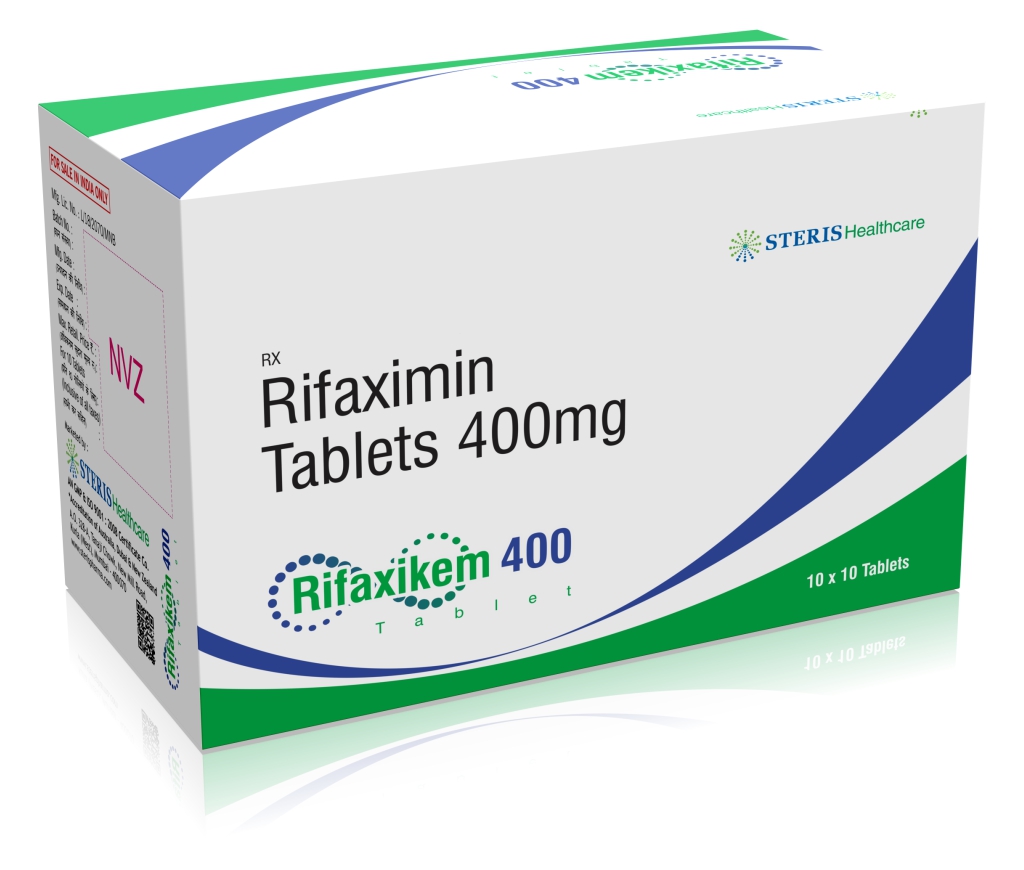


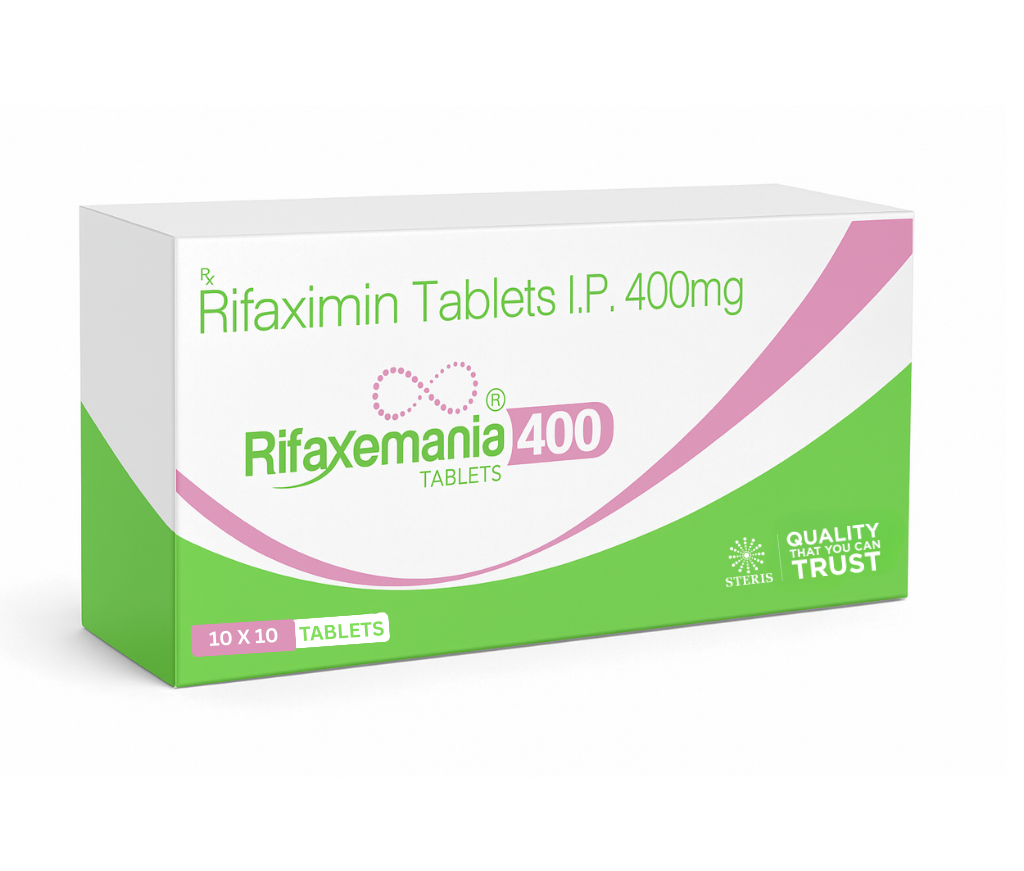
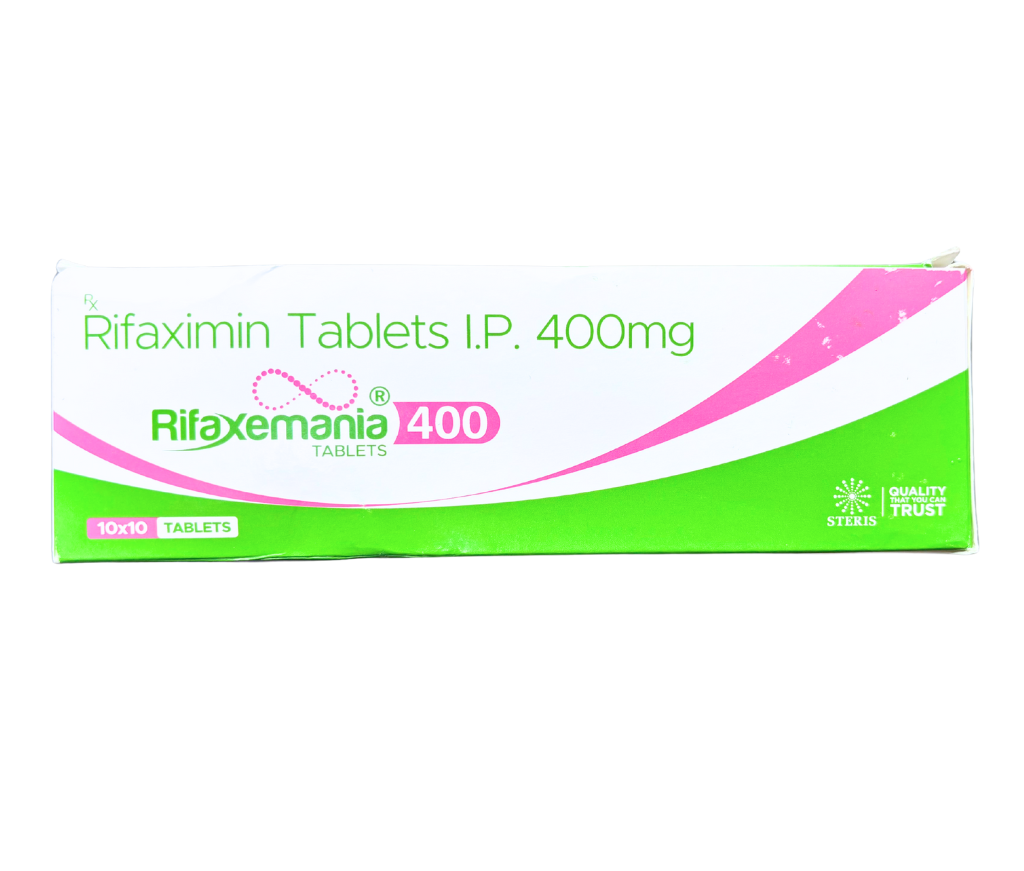
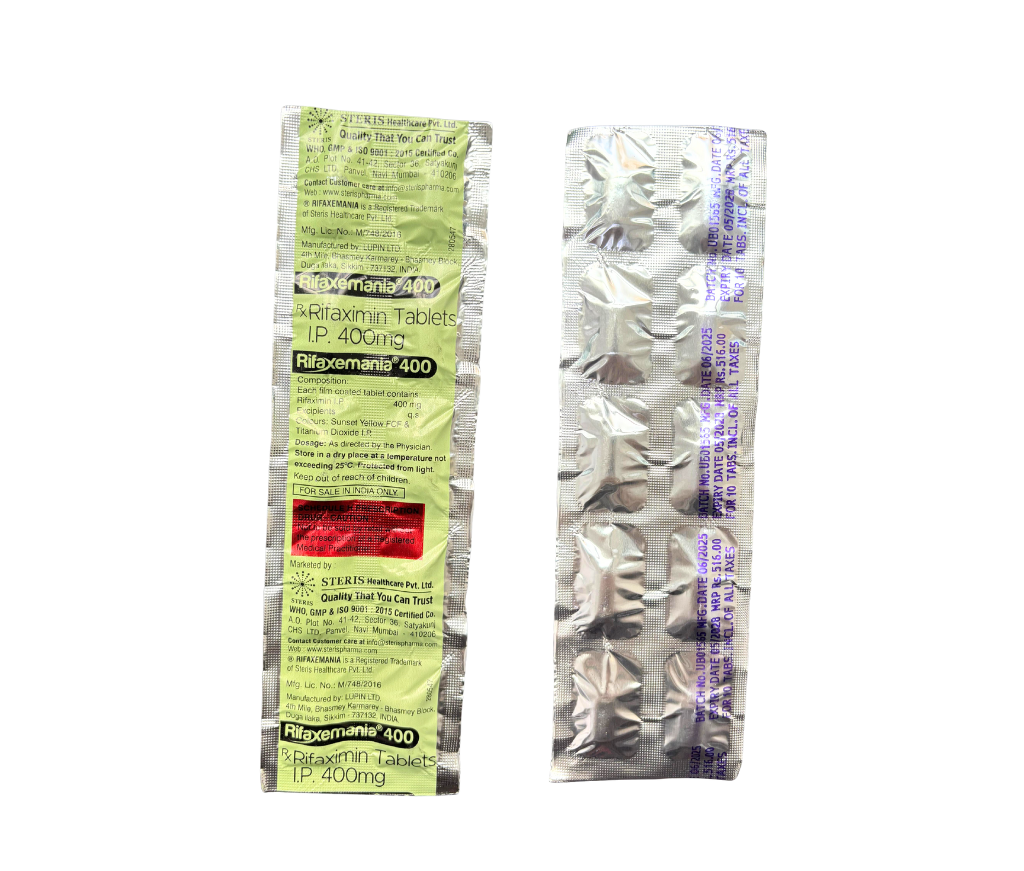
RIFAXEMANIA 400
 Item requires a valid prescription
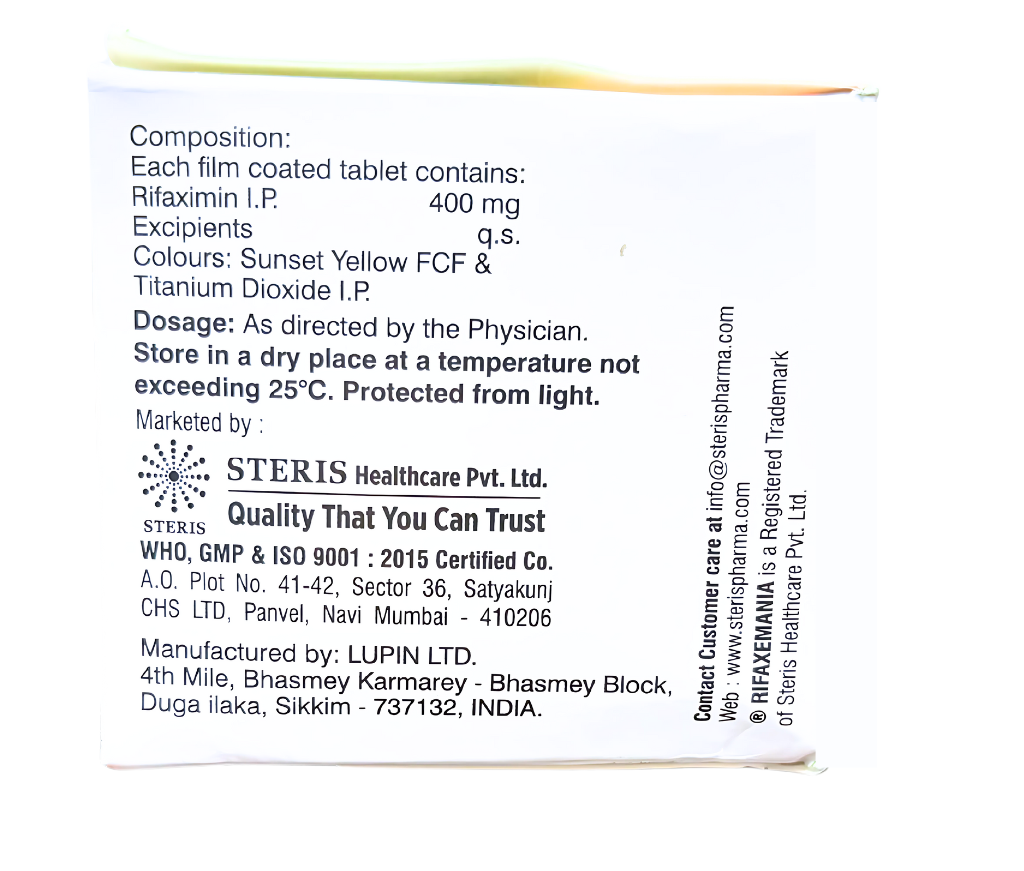
Manufactured By Steris Healthcare Pvt Ltd
Composition Rifaximin 400
Rs 361.20
MRP Rs 516.00
(30% OFF)
Includes all taxes
Package SIZE
( FOR 10 TABLETS )

100% Authentic
Products

Free
Shipping*

Products
Return Policy
Description:
Rifaximin 400 mg is a prescription antibiotic containing rifaximin, a medicine that primarily acts inside the gastrointestinal tract. It is used for certain bacterial conditions affecting the intestine and may also be prescribed in people with liver disease to reduce the activity of ammonia-producing gut bacteria. The exact indication, dose, and duration depend on the patient's condition and the prescribing doctor's instructions.
If you are searching for rifaximin 400, it is important to understand that the 400 mg strength should not automatically be considered interchangeable with other rifaximin strengths. Rifaximin products are available in different strengths and brands, and approved uses and dosing schedules can differ between countries and medical conditions. Current Indian medicine listings identify rifaximin 400 mg tablets as prescription medicines.
What Is Rifaximin 400 mg?
Rifaximin 400 mg is an oral antibiotic containing 400 mg of rifaximin. It works by interfering with bacterial RNA synthesis, which prevents susceptible bacteria from growing and multiplying.
Unlike many antibiotics that are absorbed extensively into the bloodstream, rifaximin has relatively low systemic absorption and is designed to exert much of its antibacterial activity in the gastrointestinal tract. This intestinal action is one reason doctors may select rifaximin for specific gastrointestinal conditions.
Because it is an antibiotic, rifaximin 400 should be taken only when prescribed or recommended by a qualified healthcare professional. It should not be self-started simply because symptoms resemble a previous intestinal infection.
Rifaximin 400 Uses
The appropriate use of rifaximin 400 depends on the diagnosis and local prescribing information. In India, current product listings describe rifaximin 400 mg products for infectious diarrhea and also discuss its use in conditions involving hepatic encephalopathy.
1. Infectious diarrhea
Rifaximin may be prescribed for selected bacterial intestinal infections that cause diarrhea. By acting against susceptible bacteria in the digestive tract, it can help reduce the bacterial cause of symptoms.
However, not every case of diarrhea requires an antibiotic. Viral infections, food intolerance, inflammatory bowel conditions, and several other causes may require different treatment. A doctor may therefore determine whether rifaximin is appropriate before recommending it.
2. Hepatic encephalopathy
Rifaximin may also be used in people with certain liver conditions to reduce the risk of recurrent episodes of overt hepatic encephalopathy. It works partly by reducing ammonia-producing bacteria in the intestine.
This is a medically important use because hepatic encephalopathy can cause changes in mental status, confusion, altered behavior, and other neurological symptoms. Treatment should therefore be managed by a doctor rather than through self-medication.
Key Benefits of Rifaximin 400 mg
When appropriately prescribed, potential benefits include:
- Targeted intestinal antibacterial action: Rifaximin acts mainly within the gastrointestinal tract.
- Treatment of selected bacterial diarrhea: It may help control susceptible bacterial causes of infectious diarrhea when an antibiotic is appropriate.
- Support in hepatic encephalopathy: In appropriate patients, rifaximin can reduce the activity of ammonia-producing intestinal bacteria and help reduce recurrence of overt hepatic encephalopathy.
- Convenient oral administration: Rifaximin tablets are taken orally and may generally be taken with or without food according to the product and doctor's instructions.
The benefit you experience depends on the condition being treated, the causative organism when infection is involved, your overall health, and whether the prescribed treatment is appropriate for your diagnosis.
Rifaximin 400 Side Effects
Like all medicines, rifaximin 400 can cause side effects, although not everyone experiences them.
Reported effects associated with rifaximin products can include:
- Headache
- Nausea
- Dizziness
- Constipation
- Fatigue
- Abdominal or digestive discomfort
- Itching or rash
- Changes in liver enzymes
- Swelling or fluid-related symptoms in some patients
Current Indian product information also notes that reddish urine discoloration can occur and may be harmless, but new or concerning symptoms should still be discussed with a healthcare professional.
When should you seek medical attention?
Contact a healthcare professional promptly if you develop severe or persistent diarrhea, significant abdominal symptoms, a serious allergic reaction, difficulty breathing, facial or throat swelling, or other unusual symptoms after taking rifaximin.
Antibiotic-associated diarrhea can occasionally be serious. Do not assume that worsening diarrhea after antibiotic treatment is simply part of the original illness.
How to Take Rifaximin 400
Take rifaximin 400 mg exactly as prescribed. Do not increase the dose, take additional tablets, or extend treatment without medical advice.
The tablet should generally be swallowed whole rather than crushed or chewed. Current product information indicates that some rifaximin 400 mg tablets can be taken with or without food, but the specific instructions supplied with your medicine and your doctor's directions should take priority.
Do not stop an antibiotic course early unless your healthcare professional tells you to do so. At the same time, do not continue rifaximin beyond the prescribed duration simply because you have tablets remaining.
Who Should Be Careful With Rifaximin 400?
Tell your doctor before taking rifaximin if you:
- Have a known allergy to rifaximin, rifamycin antibiotics, or any ingredient in the medicine.
- Have significant liver disease.
- Are pregnant or planning pregnancy.
- Are breastfeeding.
- Take multiple prescription or non-prescription medicines.
- Have previously experienced serious reactions to antibiotics.
People with severe liver impairment may require particular medical consideration because systemic exposure to rifaximin can increase
Rifaximin 400 and Buying Information
If you are looking to buy rifaximin 400, remember that it is a prescription medicine in current Indian online pharmacy listings. Availability, brand, pack size, seller, and price can change. For example, current listings show several different brands containing rifaximin 400 mg, demonstrating why consumers should check the active ingredient and strength rather than choosing solely by brand name or price.
A legitimate medicine purchase should include checking the product name, rifaximin 400 mg strength, manufacturer, packaging, expiry date, and prescription requirements. Do not purchase antibiotics from unverified sources.
Rifaximin 400 vs. Other Rifaximin Strengths
One of the most important points for patients searching online is that rifaximin 400 mg is not automatically equivalent to every other rifaximin tablet.
Rifaximin is available in different strengths and is prescribed at different doses depending on the medical indication. For example, U.S. prescribing information includes specific dosing regimens for conditions such as travelers' diarrhea, IBS-D, and hepatic encephalopathy, and these regimens are not necessarily 400
Therefore, patients should never change from 400 mg to another strength—or alter the number of tablets—without professional medical advice.
Expert Safety Takeaway
Rifaximin 400 mg can be an effective intestinal antibiotic when used for an appropriate medical indication, but it is not a general-purpose treatment for every type of diarrhea or digestive problem.
The safest approach is to confirm the diagnosis, use the prescribed strength and duration, disclose other medicines and medical conditions to your doctor, and monitor for persistent or serious adverse effects.
Conclusion
Rifaximin 400 mg is a prescription antibiotic used for selected gastrointestinal conditions and, depending on the indication and local prescribing guidance, may also have an important role in managing hepatic encephalopathy. Its main advantage is its activity within the gastrointestinal tract, where it can act against susceptible bacteria.
For buyers searching for rifaximin 400, the most important considerations are not simply price or brand availability. Check that the medicine contains the correct active ingredient and strength, purchase it through a legitimate pharmacy, follow the prescribed dosage, and use it only for the condition for which it was recommended.
Because rifaximin dosing varies by condition, do not self-medicate or assume that a 400 mg tablet is the correct dose for your symptoms. A healthcare professional can determine whether rifaximin is appropriate and how it should be used.
Frequently Asked Questions
1. What is rifaximin 400 mg used for?
Rifaximin 400 mg is a prescription antibiotic used for certain bacterial gastrointestinal conditions. Current Indian product information lists infectious diarrhea among its uses, while rifaximin is also used in appropriate patients with hepatic encephalopathy under medical supervision.
2. What are the benefits of rifaximin 400 mg?
The main potential benefit is targeted antibacterial activity in the gastrointestinal tract. Depending on the indication, it can help treat selected bacterial diarrhea or reduce the activity of ammonia-producing intestinal bacteria in hepatic encephalopathy.
3. What are the common side effects of rifaximin 400?
Possible side effects include headache, nausea, dizziness, constipation, fatigue, itching, and other digestive or systemic symptoms. Most reported effects are not serious, but persistent, severe, or unusual symptoms should be assessed by a healthcare professional.
4. Can I take rifaximin 400 for diarrhea?
Only if a healthcare professional determines that rifaximin is appropriate. Diarrhea can have many causes, and antibiotics are not suitable for every type. The correct medicine and dose depend on the suspected cause and the patient's circumstances.
5. Is rifaximin 400 the same as rifaximin 550?
No. Both contain rifaximin, but they are different strengths. The appropriate strength and number of tablets depend on the medical condition and prescribing instructions. Do not substitute one strength for another without medical advice.
6. Can rifaximin 400 be taken with food?
Some rifaximin 400 mg product information states that the tablet may be taken with or without food. Follow the directions supplied with your specific product and your doctor's instructions.
7. Is rifaximin 400 available without a prescription?
Current Indian online pharmacy listings identify rifaximin 400 mg products as prescription medicines. Availability and purchasing requirements can vary by location and pharmacy.
8. Can I stop rifaximin 400 when I feel better?
Do not change or stop the prescribed treatment without speaking with your healthcare professional. Whether treatment should be stopped depends on the condition being treated and the prescribed course.
9. Does rifaximin 400 cause antibiotic resistance?
As with other antibiotics, inappropriate or unnecessary use of rifaximin can contribute to antimicrobial resistance. It should therefore be used only when medically appropriate and according to the prescribed regimen.
Available Substitutes