


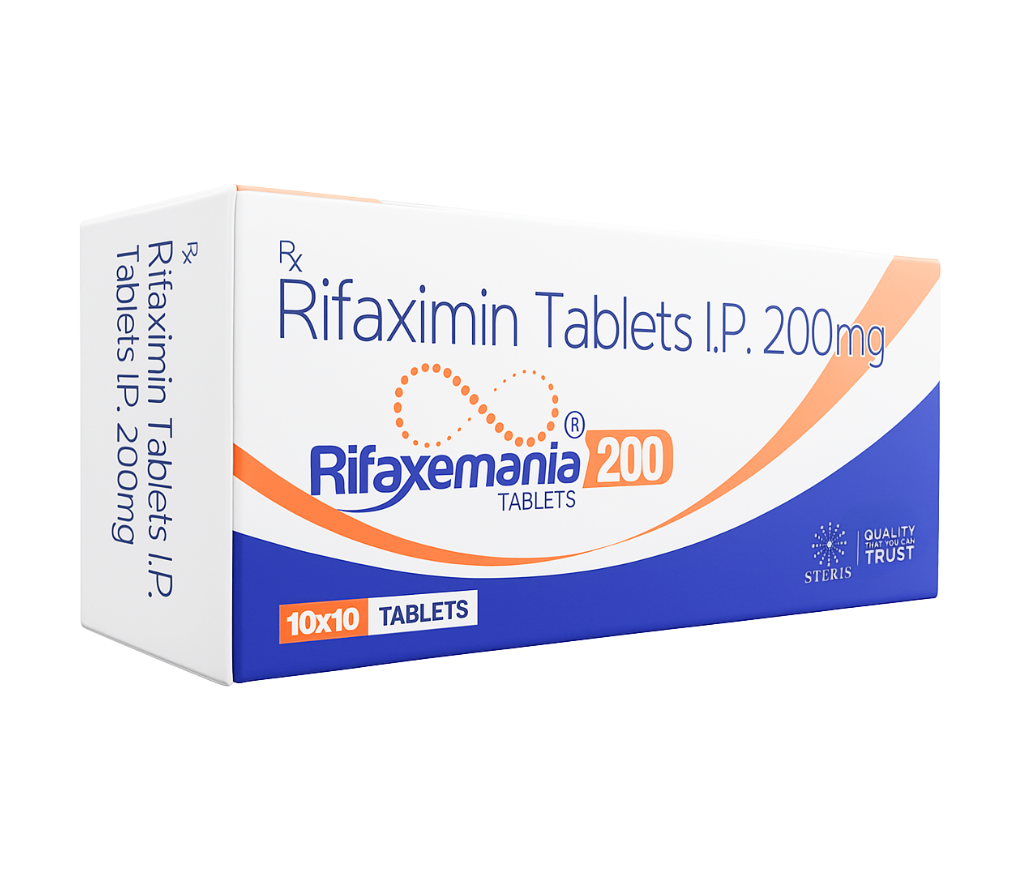
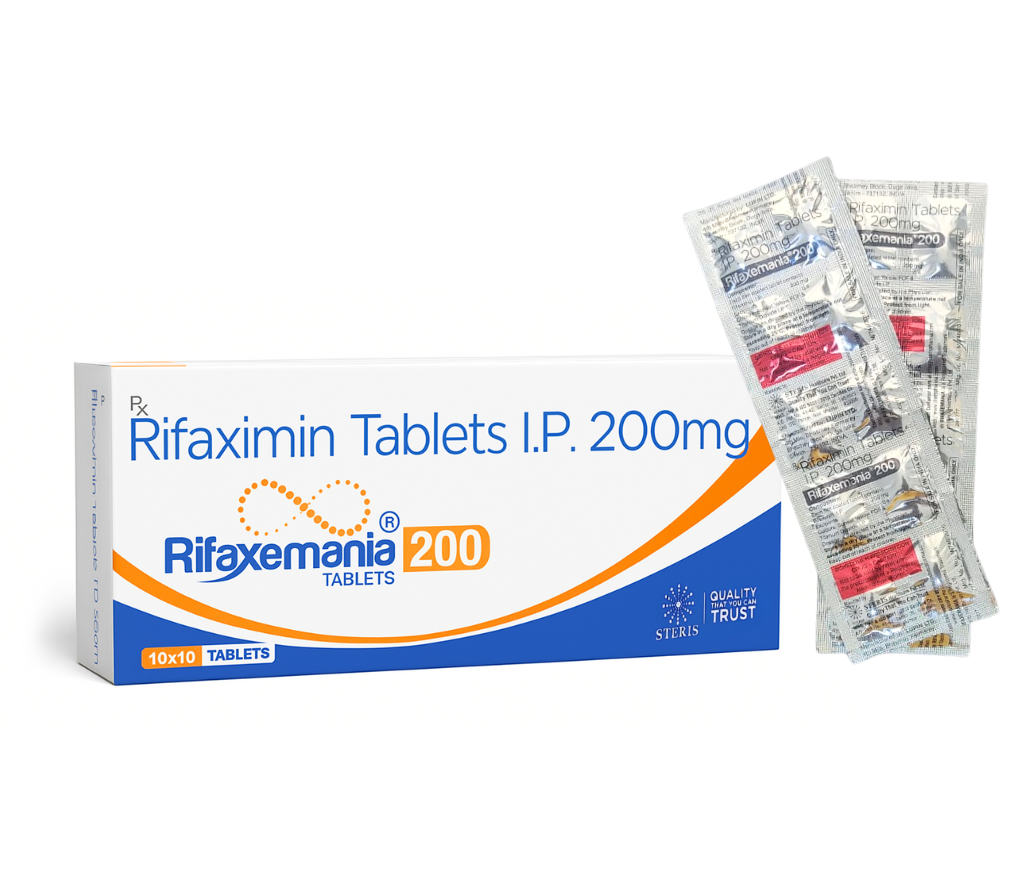
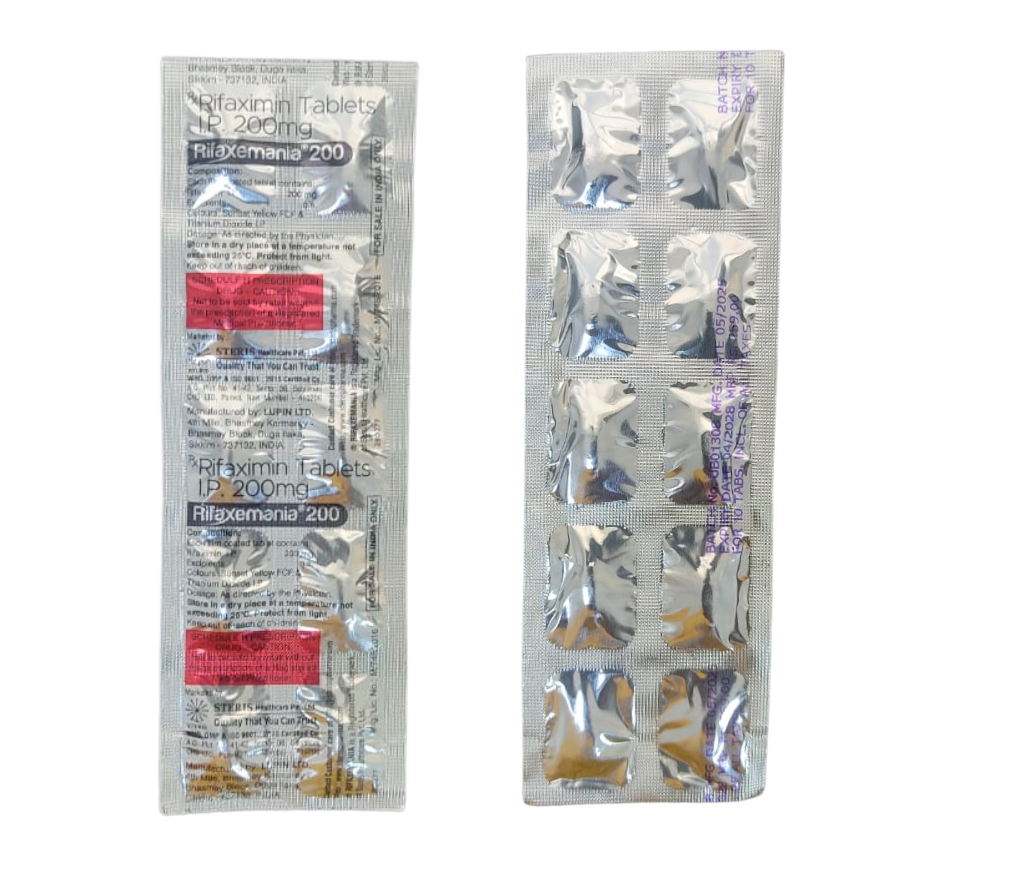
RIFAXEMANIA 200
 Item requires a valid prescription
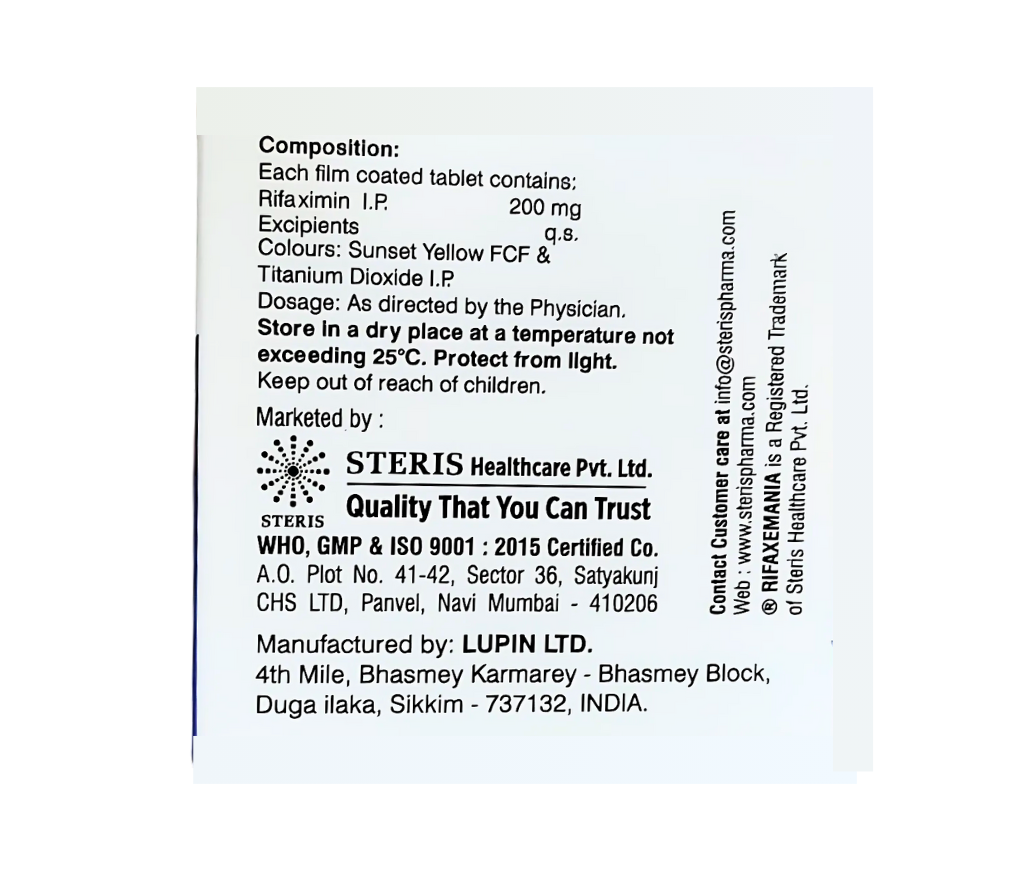
Manufactured By Steris Healthcare Pvt Ltd
Composition rifaximin 200
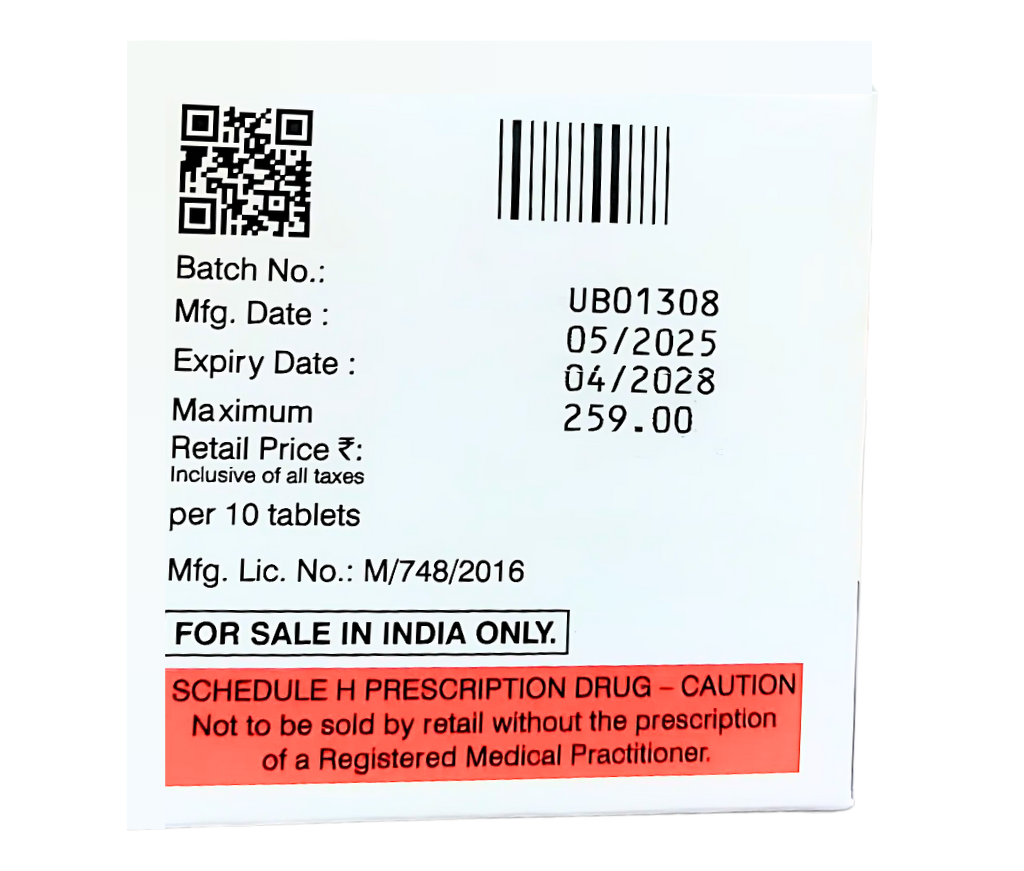
Rs 104.34
MRP Rs 149.06
(30% OFF)
Includes all taxes
Package SIZE
( FOR 10 TABLETS )

100% Authentic
Products

Free
Shipping*

Products
Return Policy
Description:
Rifaxemania 200 contains Rifaximin 200 mg, a semi-synthetic antibiotic from the rifamycin family. Most antibiotics are absorbed into the blood and travel through the whole body. Rifaximin is different: less than 1% is absorbed, so nearly the whole dose stays in the intestine, where it acts on gut bacteria and then leaves in the stool.
Pharmacists call this a non-systemic, gut-selective antibiotic. Think of it as a medicine that does its job at the "scene of the problem" and spends little time elsewhere in the body.
How it works: Bacteria need an enzyme called DNA-dependent RNA polymerase to copy their genes into proteins. Rifaximin attaches to this enzyme and blocks it, so the bacteria cannot grow or multiply. It covers a wide range of gut bacteria, including E. coli, the leading cause of travellers' diarrhoea.
Why the 200 mg strength? The 200 mg tablet is a flexible, lower-strength format. A doctor can prescribe one tablet per dose for a short infection course, or adjust the number of tablets for a particular gut condition. Our higher-strength Rifaxemania 550 is more commonly used for long-term prevention of hepatic encephalopathy and for IBS with diarrhoea.
The tablet is manufactured by Steris Healthcare Pvt. Ltd., Jaipur, a WHO-GMP and ISO certified pharmaceutical company.
Product Information
| Detail | Information |
|---|---|
| Brand Name | RIFAXEMANIA 200 |
| Composition | Rifaximin 200 mg |
| Manufacturer/Marketer | Steris Healthcare Pvt. Ltd. |
| Target Market | India |
| Dosage Form | Tablet |
| Pack Size | 10 Tablets |
| Product Category | Gastroenterology / Gastrointestinal Antibiotic |
| Active Ingredient | Rifaximin 200 mg |
| Primary Use | Used for certain bacterial gastrointestinal infections and other specific gastrointestinal conditions, as prescribed |
| Route of Administration | Oral |
| Prescription Status | Prescription medicine |
| Storage | Store in a cool, dry place away from direct sunlight and moisture. Keep out of reach of children. |
Why Is Rifaxemania 200 Important?
1. Stomach infections are a routine part of life in India. Monsoon contamination, street food, shared water, summer heat and travel make acute diarrhoea one of the most common reasons for a clinic visit. It can bring cramps, urgency, dehydration and days of lost work.
2. A targeted antibiotic means a more focused treatment. When the problem is confined to the intestine and the infection is not invasive, a medicine that stays in the gut can treat it without spreading widely through the body.
3. There is clinical evidence for travellers' diarrhoea. Controlled studies in travellers showed that rifaximin shortened the duration of non-invasive diarrhoea compared with placebo, which is why it is an established treatment choice.
4. Gut bacteria matter beyond infections. Overgrowth of bacteria in the small intestine (SIBO) can cause bloating, gas, loose stools and discomfort. In people with cirrhosis, gut bacteria produce ammonia and other toxins that can reach the brain and cause hepatic encephalopathy. Rifaximin reduces this bacterial load, which is why doctors use it in these settings.
5. Responsible antibiotic use protects everyone. Rifaximin works only on bacteria in the gut. It is not for viral diarrhoea, fever with bloody stools, or infections elsewhere in the body. Using it only when prescribed helps keep it effective.
Remember: In any diarrhoea, fluids come first. Oral rehydration solution (ORS) prevents dehydration and is the cornerstone of treatment. The antibiotic supports recovery, but it does not replace ORS.
Key Benefits
- Acts where the problem is. High concentration in the intestine with minimal absorption into the blood.
- Shortens non-invasive travellers' diarrhoea. A 3-day course is typical for this indication.
- Broad gut coverage. It works against many of the bacteria that cause infectious diarrhoea.
- Useful beyond acute infections. Doctors may use it in SIBO and as an add-on in hepatic encephalopathy.
- Generally well tolerated. Most people complete the course without major problems.
- Less body-wide exposure. Very low blood levels mean fewer of the typical systemic antibiotic effects.
- Flexible tablet strength. The doctor can adjust the number of 200 mg tablets per dose.
- Reliable manufacturing. Produced by Steris Healthcare under WHO-GMP standards.
Uses of Rifaxemania 200
Your doctor may prescribe it for:
- Travellers' diarrhoea caused by non-invasive strains of E. coli
- Acute, non-invasive bacterial diarrhoea (no high fever, no blood in stool)
- Small intestinal bacterial overgrowth (SIBO), as judged by the doctor
- Hepatic encephalopathy, as an add-on to lactulose in adults with liver cirrhosis
- IBS symptoms such as bloating and diarrhoea, in selected patients
Rifaximin is not a general antibiotic. Do not use it for fever, sore throat, urinary infections, skin infections or any infection outside the gut, and not for diarrhoea with fever or blood.
Precautions: What to Know Before Taking
Do not take this medicine if you:
- Are allergic to rifaximin, other rifamycins (such as rifampicin) or any ingredient in the tablet
Speak to your doctor first if you:
- Have diarrhoea with fever or blood in the stool, since rifaximin is not appropriate and the cause needs evaluation
- Suspect an intestinal blockage (severe cramps, vomiting, no passage of gas or stool)
- Have severe liver impairment, since blood levels of rifaximin rise in advanced liver disease
- Are pregnant, planning pregnancy or breastfeeding, because safety data are limited
- Take cyclosporine, which can raise rifaximin levels in the blood
- Take warfarin, as INR changes have been reported
- Have had C. difficile infection or severe diarrhoea after antibiotics before
- Plan to give it to a child. Use depends on age and the approved labelling, so follow the doctor's advice.
Side Effects
Many people tolerate rifaximin well. Side effects are usually mild and short-lived.
Common:
- Nausea
- Headache
- Abdominal cramps or pain
- Flatulence or bloating
- Dizziness
- Tiredness
Less common:
- Constipation
- Vomiting
- Skin rash or itching
- Muscle or joint pain
- Swelling of the feet or ankles
- Raised liver enzymes on a blood test
Frequently Asked Questions
Where can I buy Rifaximin 200 mg online?
Rifaximin 200 mg can be purchased through licensed pharmacies or authorized pharmaceutical suppliers. A valid prescription may be required depending on applicable regulations.
What is the price of Rifaximin 200 mg?
The price of Rifaximin 200 mg may vary depending on the brand, pack size, seller, availability, and applicable charges. Check the current price before ordering.
Can I order Rifaximin 200 mg online?
Yes, Rifaximin 200 mg can generally be ordered online through a licensed pharmacy or authorized supplier. Prescription requirements may apply.
Is Rifaximin 200 mg available from Steris Healthcare?
Availability of Rifaximin 200 mg from Steris Healthcare depends on the current product range and stock status. Contact Steris Healthcare to confirm availability before ordering.
What is Rifaximin 200 mg used for?
Rifaximin 200 mg is an intestinal antibiotic used for certain bacterial gastrointestinal infections and other specific gastrointestinal conditions as prescribed by a healthcare professional.
What is the composition of Rifaximin 200 mg?
Rifaximin 200 mg contains rifaximin 200 mg as the active pharmaceutical ingredient. Check the product packaging for complete formulation details.
Is a prescription required?
Rifaximin 200 mg is generally a prescription medicine and should be used under the guidance of a qualified healthcare professional.
How should Rifaximin 200 mg be taken?
Take Rifaximin 200 mg exactly as prescribed by your doctor. Follow the recommended dose, timing, and duration of treatment. Do not change the dose or stop treatment without medical advice.
What should I know before buying Rifaximin 200 mg?
Before buying, verify the strength, composition, dosage form, pack size, manufacturer, expiry date, and storage instructions. Inform your healthcare professional about allergies, liver problems, pregnancy or breastfeeding, and other medicines you are taking.
How can I order Rifaximin 200 mg online?
To order Rifaximin 200 mg online, use a licensed pharmacy or authorized pharmaceutical supplier. Confirm product availability, provide a valid prescription if required, review the product details, and follow the supplier's ordering and payment process.