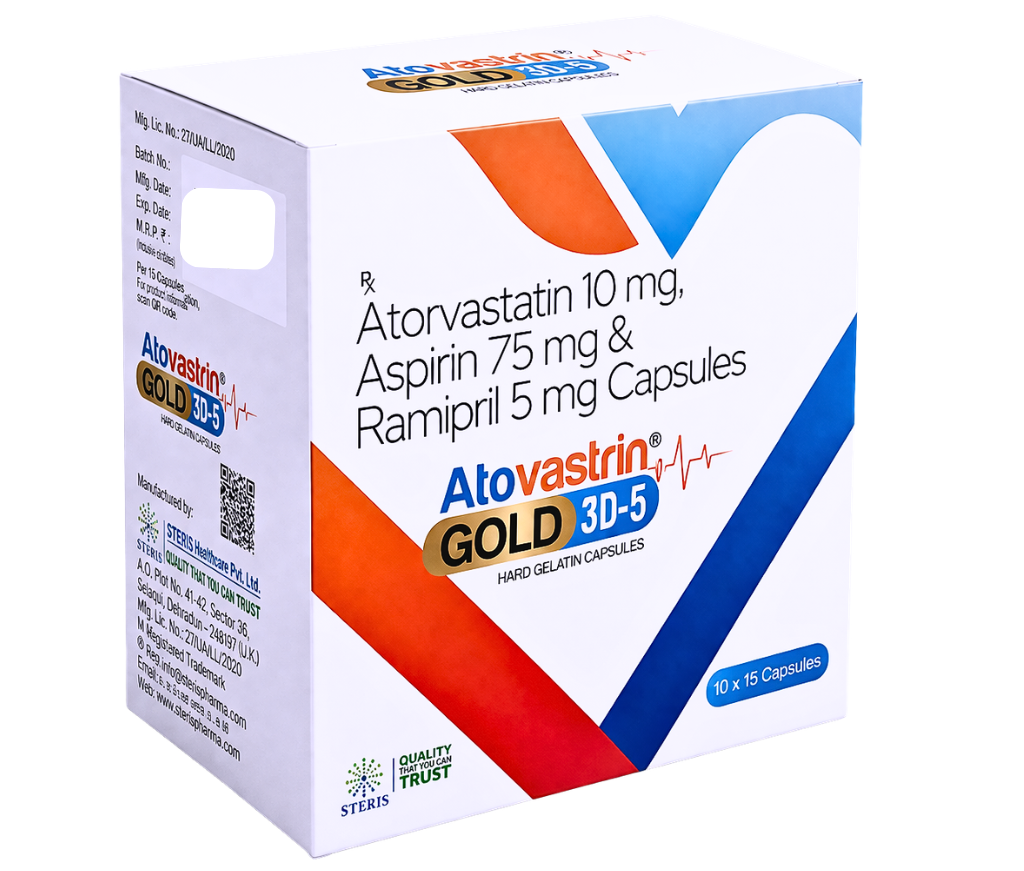


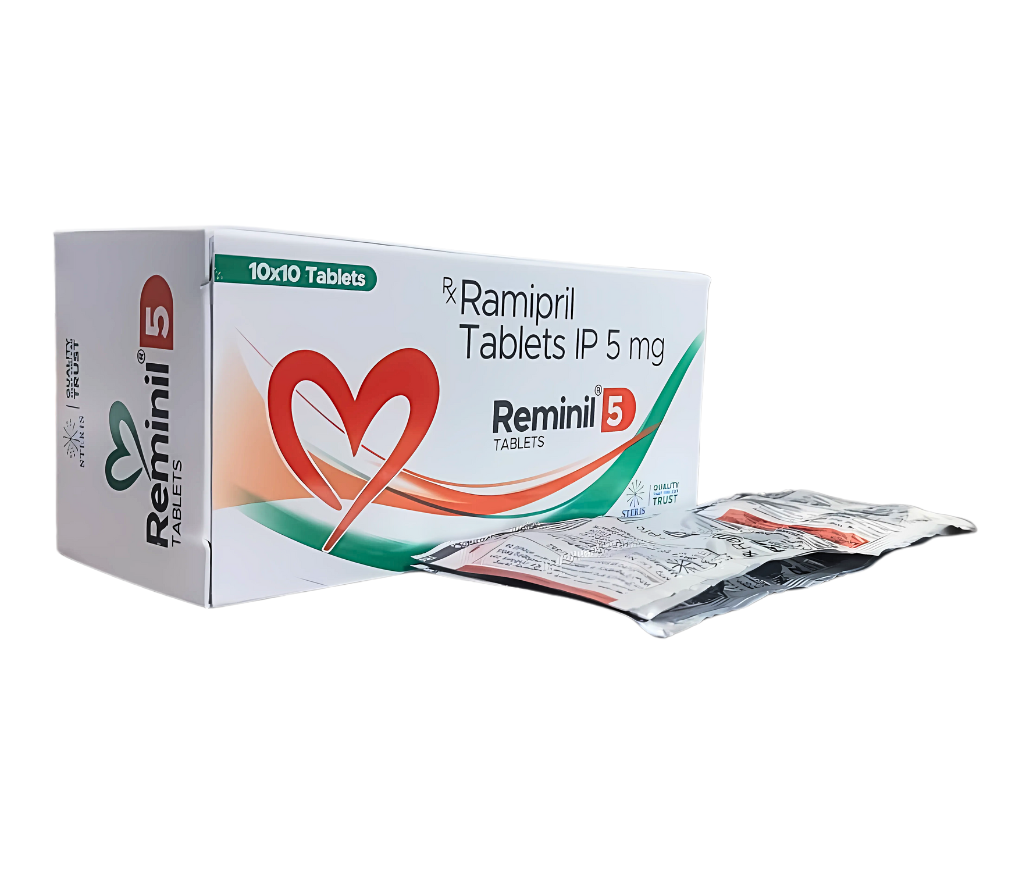
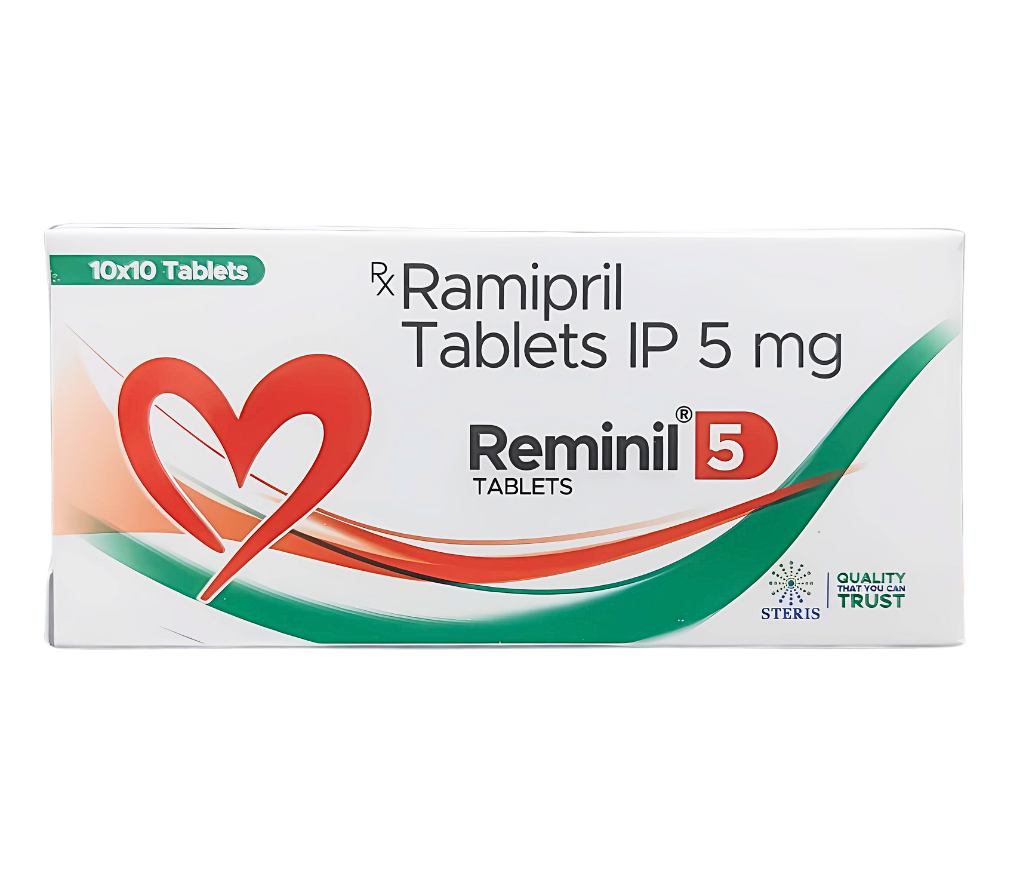

REMINIL 5
 Item requires a valid prescription
Manufactured By Steris Healthcare Pvt Ltd
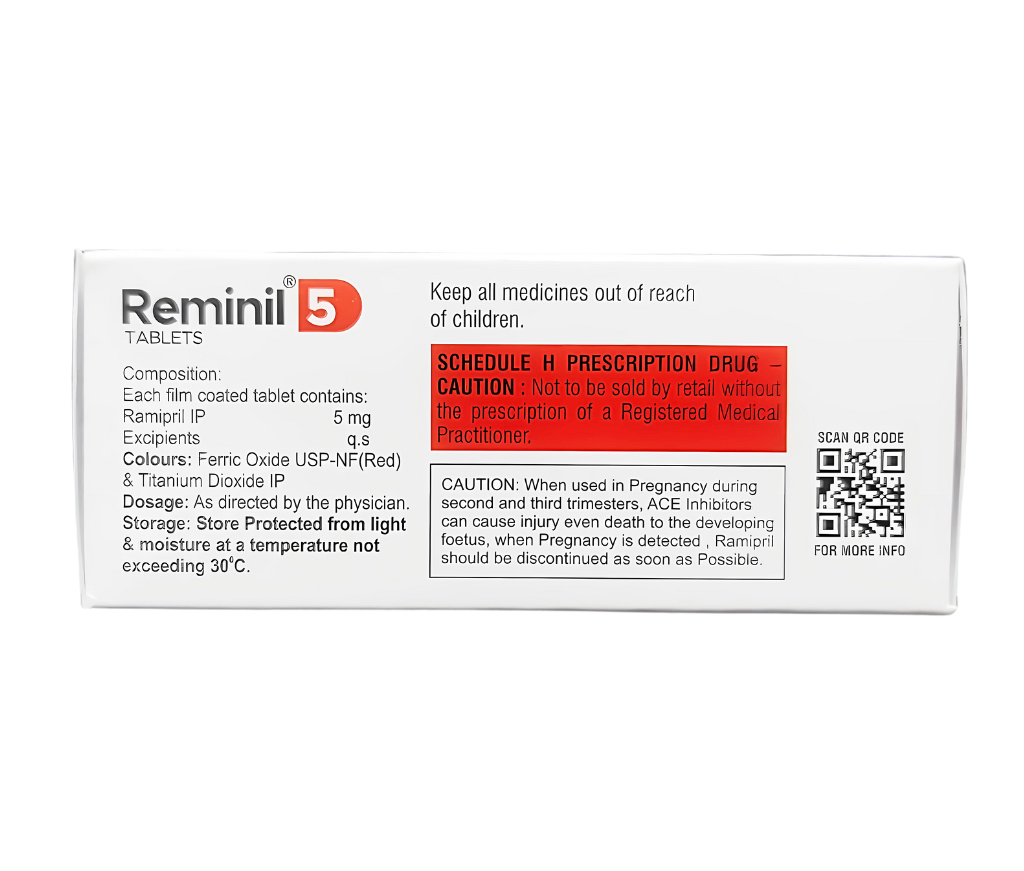
Composition Ramipril 5 mg
Rs 51.19
MRP Rs 73.13
(30% OFF)
Includes all taxes
Package SIZE
( FOR 10 TABLET )

100% Authentic
Products

Free
Shipping*

Products
Return Policy
Description:
If you have been prescribed ramipril 5 mg, you may want to know what this medicine is used for, how it works, what benefits it can provide, and which side effects require attention. Ramipril is an ACE (angiotensin-converting enzyme) inhibitor commonly used to lower high blood pressure and reduce cardiovascular risk. It may also be prescribed for certain people with heart failure or after a heart attack.
This guide provides medically sourced, patient-focused information about ramipril 5mg, including its uses, potential benefits, precautions, common side effects, and important questions to discuss with a healthcare professional.
What Is Ramipril 5mg?
Ramipril 5 mg contains 5 milligrams of ramipril, an ACE inhibitor. It works by reducing the formation of angiotensin II, a substance that causes blood vessels to narrow. By reducing this effect, ramipril helps blood vessels relax and widen, lowering blood pressure and reducing the workload on the heart.
The 5mg strength may be prescribed as part of an individualized treatment plan. It is not automatically the correct starting dose for everyone. Current NHS guidance notes that ramipril is often started at a lower dose and increased gradually according to the reason for treatment and the patient's response.
What Is Ramipril 5mg Used For?
1. High Blood Pressure
One of the principal uses of ramipril 5 mg is the treatment of hypertension (high blood pressure). Lowering persistently high blood pressure can help reduce the long-term risk of cardiovascular complications.
Ramipril begins lowering blood pressure within hours, although the full therapeutic effect can take longer to establish.
2. Heart Failure
Ramipril may be prescribed for certain people with heart failure. By relaxing blood vessels and reducing the workload on the heart, an ACE inhibitor can form part of a broader heart-failure treatment plan.
3. Cardiovascular Risk Reduction
Depending on a person's medical history, ramipril may be prescribed to reduce the risk of serious cardiovascular outcomes, including heart attack and stroke. It can also be used in appropriate patients following a heart attack.
The exact indication matters: ramipril should be taken because it has been prescribed for your particular clinical situation rather than simply because someone else takes the same strength.
Key Benefits of Ramipril 5 mg
The potential benefits of Ramipril 5 mg are primarily related to controlling blood pressure and protecting cardiovascular health.
Potential benefits include the following:
-
Helps lower elevated blood pressure.
-
Reduces the workload placed on the heart.
-
Can be part of treatment for heart failure.
-
May reduce the risk of heart attack and stroke in appropriate high-risk patients.
-
May provide cardiovascular and kidney-related benefits in selected patients.
-
Can be used as a long-term treatment when it is well tolerated and medically appropriate.
However, benefits vary from person to person. You may not actually feel different after taking ramipril for high blood pressure, even when the medicine is working. Regular blood-pressure monitoring and medical follow-up are therefore important.
How to Take Ramipril 5mg
Take ramipril exactly as prescribed. It may be taken with or without food, and tablets or capsules should generally be swallowed with water. Try to take it at the same time each day.
Your doctor may check kidney function and potassium levels, particularly before starting treatment and when the dose changes. This monitoring is important because ACE inhibitors can affect kidney function and potassium balance.
If you miss a dose, do not routinely double the next dose. Follow the instructions supplied with your prescription or ask your pharmacist what to do.
Ramipril 5 mg Side Effects
Like all medicines, ramipril can cause side effects, although not everyone experiences them.
Common Side Effects
Some of the more commonly reported effects include:
-
Dry, persistent cough
-
Dizziness or light-headedness
-
Headache
-
Fatigue
-
Vomiting or nausea
-
Mild skin rash
Dizziness can be particularly noticeable when treatment begins or after the dose is increased. A dry cough is a recognized ACE-inhibitor side effect and may persist in some patients.
If a cough is persistent, troublesome, or interferes with sleep, speak with your doctor rather than stopping ramipril yourself. Another treatment may sometimes be considered.
Serious Side Effects
Seek urgent medical attention if you develop swelling of the lips, mouth, tongue, throat, or face, difficulty breathing, or difficulty swallowing. These can be symptoms of angioedema, a rare but potentially serious reaction associated with ACE inhibitors.
Contact a healthcare professional promptly if you develop symptoms suggesting kidney problems, such as markedly reduced urination, blood in the urine, or unusual swelling.
Who Should Be Careful With Ramipril 5 mg?
Ramipril may not be suitable for everyone. Tell your doctor if you have kidney or liver disease, low blood pressure, diabetes, a previous allergic reaction or angioedema related to an ACE inhibitor, or if you are undergoing dialysis. Pregnancy is particularly important to discuss because ACE inhibitors are generally avoided during pregnancy.
Also tell your healthcare professional about all medicines and supplements you use. Some medicines can alter blood pressure, kidney function, or potassium levels.
Do not assume that a higher dose provides greater benefit. Ramipril dosing is individualized, and the appropriate dose should be determined by a qualified healthcare professional.
Ramipril 5 mg: Buying and Prescription Considerations
If you are searching online for Ramipril 5 mg price, availability, or purchase options, use a legitimate, licensed pharmacy and a valid prescription where required. Avoid websites offering prescription medicines without appropriate medical oversight or making unsupported claims about guaranteed results.
Before accepting a medicine, check the name, strength, packaging, expiry date, and dispensing instructions. If the product looks different from what you normally receive, ask your pharmacist to verify it before taking it.
Because medicines can vary by manufacturer and market, the packaging and inactive ingredients may differ even when the active ingredient and strength are the same.
Frequently Asked Questions
1. What is ramipril 5mg used for?
Ramipril 5 mg is an ACE inhibitor used primarily to treat high blood pressure. Depending on the patient's condition, it may also be prescribed for heart failure, after a heart attack, or to reduce cardiovascular risk.
2. Is ramipril 5 mg a strong dose?
Ramipril 5 mg is one available strength, but whether it is an appropriate dose depends on the individual. Treatment is commonly started at a lower dose in some circumstances and gradually adjusted. Do not change your dose without medical advice.
3. How long does ramipril 5 mg take to lower blood pressure?
Ramipril can begin lowering blood pressure within a few hours, while the full effect of treatment may take longer. Your response should be assessed through regular blood-pressure monitoring rather than symptoms alone.
4. Does ramipril 5 mg cause a cough?
Yes. A dry, persistent cough is a recognized side effect of ramipril and other ACE inhibitors. If the cough becomes troublesome, contact your doctor; do not stop the medicine without discussing alternatives.
5. Can ramipril 5 mg damage the kidneys?
Ramipril can affect kidney function in some people, which is why doctors may monitor kidney function and potassium levels. It can also have kidney-protective benefits in selected clinical situations. Your individual kidney function and medical history determine whether ramipril is appropriate.
6. Can I stop taking ramipril 5 mg when my blood pressure becomes normal?
Generally, you should not stop ramipril simply because your blood pressure has improved. The normal reading may reflect that the treatment is working. Stopping treatment without medical advice can allow blood pressure to rise again.
7. What should I do if Ramipril 5 mg makes me dizzy?
Dizziness can occur when starting ramipril or after increasing the dose. Sit or lie down if you feel faint and contact your healthcare professional if the problem is persistent or severe. Your doctor can determine whether the dose or treatment needs adjustment.
Conclusion
Ramipril 5 mg is an established ACE inhibitor strength used in appropriate patients for high blood pressure and certain cardiovascular conditions. Its major benefits come from lowering blood pressure, reducing the workload on the heart, and supporting cardiovascular risk management when clinically indicated.
The most important buyer-intent point is that Ramipril 5 mg should not be selected solely on price, availability, or online reviews. It is a prescription medicine that should be matched to your diagnosis, blood pressure, kidney function, potassium level, other medicines, and overall health. A persistent dry cough and dizziness are among the more recognized side effects, while facial or throat swelling and breathing difficulty require urgent medical attention.
Available Substitutes