


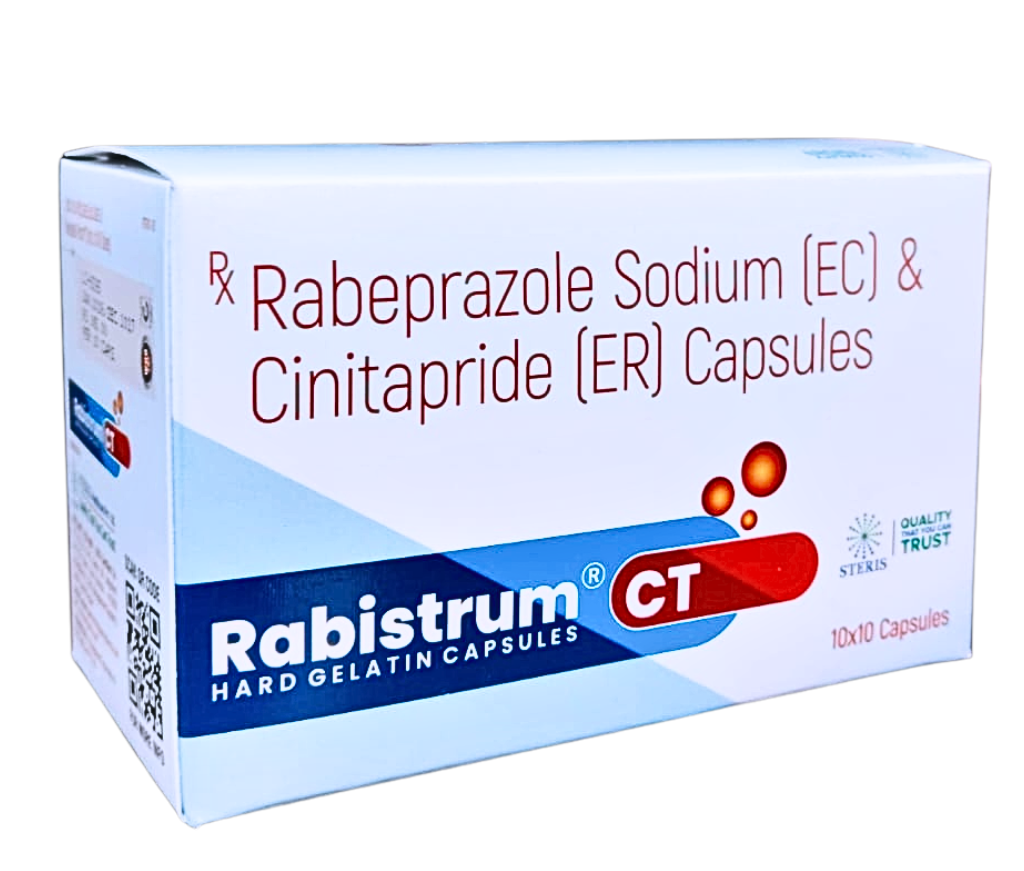
RABISTRUM CT
 Item requires a valid prescription
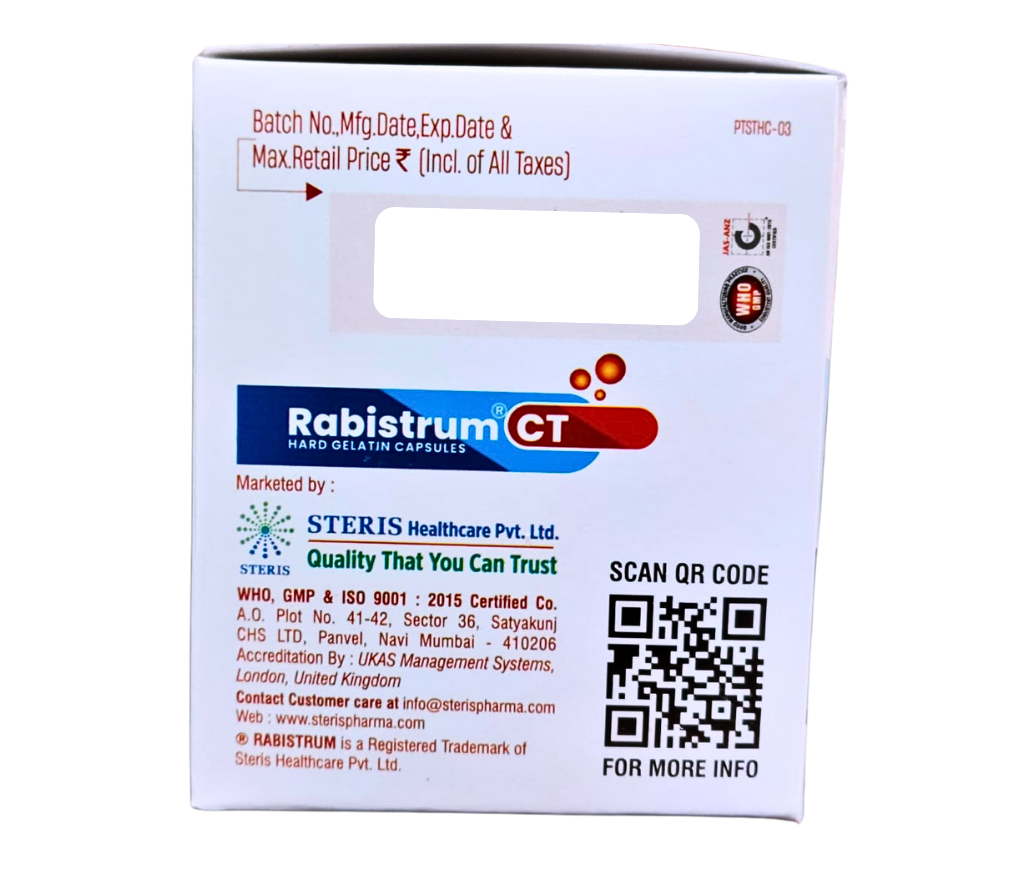
Manufactured By Steris Healthcare Pvt Ltd
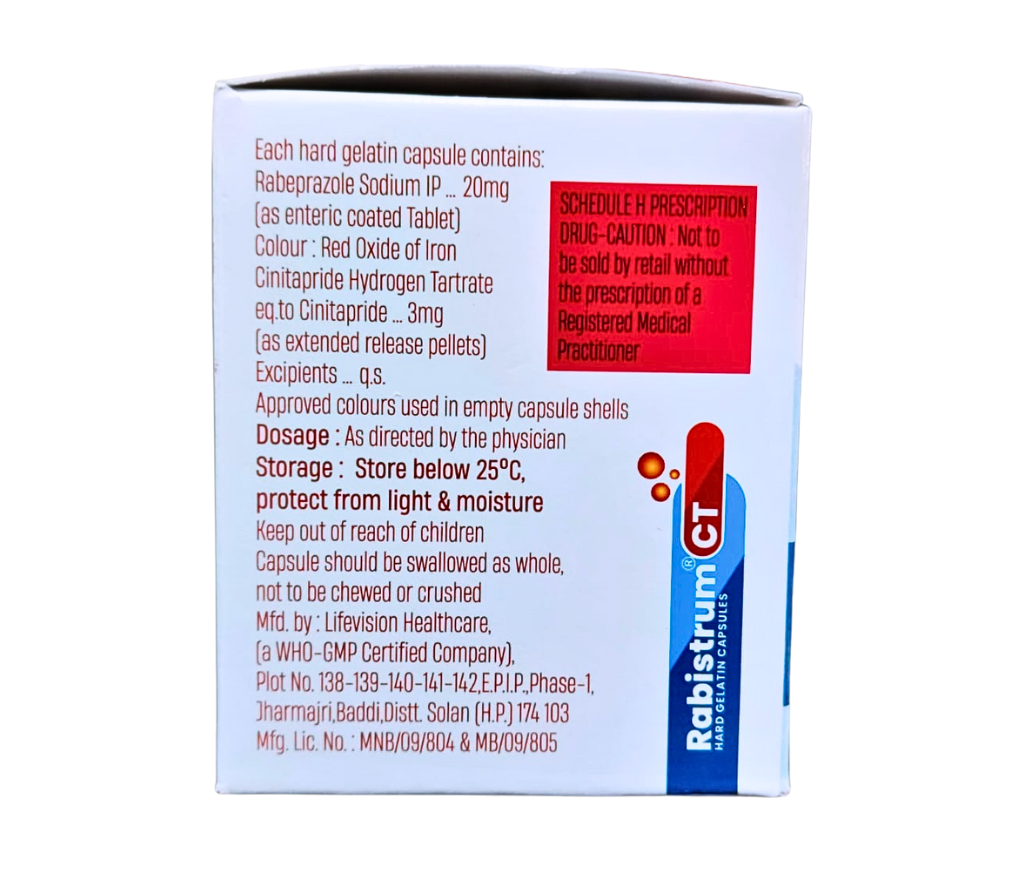
Composition Rabeprazole Sodium (EC) 20 mg and Cinitapride (ER) 3 mg Capsules
Rs 129.50
MRP Rs 185.00
(30% OFF)
Includes all taxes
Package SIZE
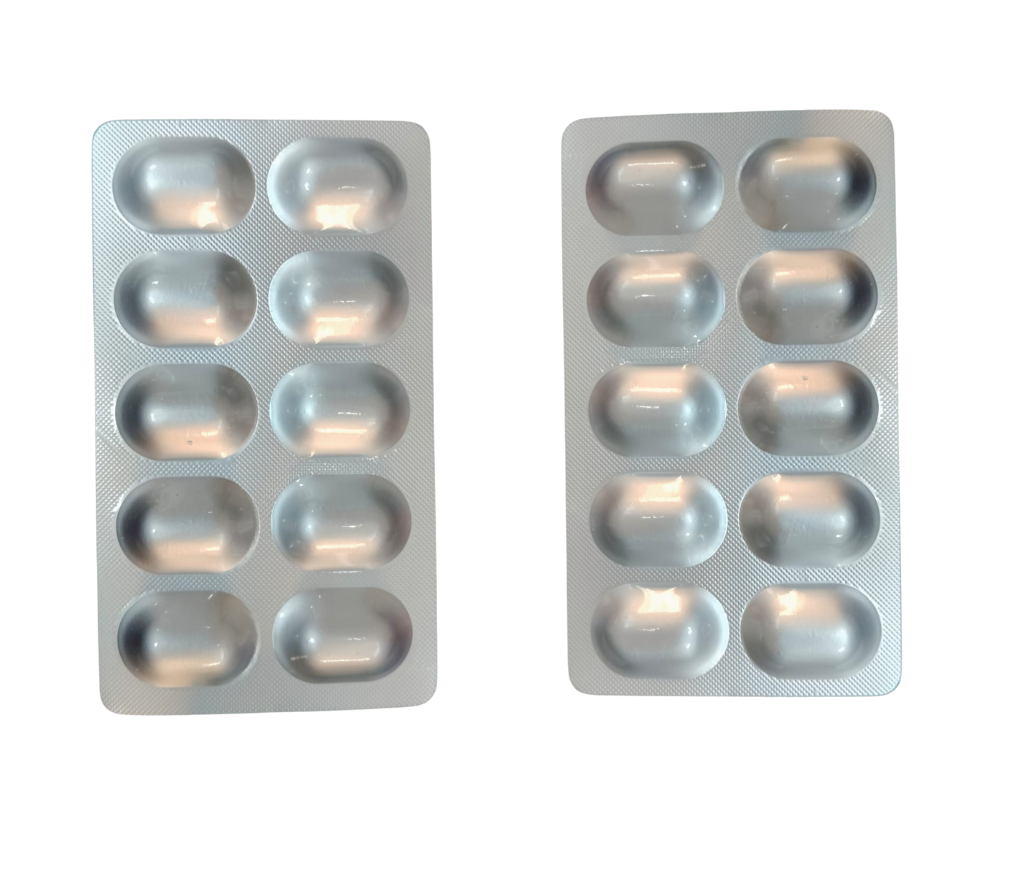
( For 10 Capsules )

100% Authentic
Products

Free
Shipping*

Products
Return Policy
Description:
Digestive discomfort, acid reflux, and heartburn are common problems affecting millions worldwide, especially in India due to dietary habits and stress. Persistent gastrointestinal issues, if left untreated, can lead to more severe conditions such as gastroesophageal reflux disease (GERD), gastritis, or peptic ulcers.
RABISTRUM CT is a modern combination therapy that addresses these problems effectively. It contains Rabeprazole Sodium (EC) 20 mg and Cinitapride (ER) 3 mg in each capsule. This dual-action medication is designed to reduce acid secretion, improve gastric motility, and provide relief from a range of digestive disorders.
This article provides an in-depth guide to RABISTRUM CT, including its composition, mechanism of action, uses, benefits, dosage, side effects, precautions, and frequently asked questions.
Understanding Acid-Related Digestive Disorders
What Causes Acid Reflux and Heartburn?
Acid reflux occurs when stomach acid flows back into the esophagus, causing a burning sensation in the chest or throat. Common causes include:
-
Excessive consumption of spicy, oily, or fatty foods
-
Irregular eating habits or overeating
-
Stress and anxiety
-
Obesity or overweight
-
Gastrointestinal disorders such as GERD or delayed gastric emptying
If untreated, chronic acid reflux can lead to complications such as esophagitis, ulcers, or Barrett’s esophagus.
What is Delayed Gastric Emptying?
Delayed gastric emptying, or gastroparesis, occurs when the stomach takes longer to empty its contents into the intestines. Symptoms include bloating, nausea, vomiting, and early satiety. Cinitapride, a prokinetic agent, helps improve gastric motility and reduce these symptoms effectively.
Composition of RABISTRUM CT
Each capsule of RABISTRUM CT contains:
-
Rabeprazole Sodium (EC) 20 mg: A proton pump inhibitor (PPI) that reduces gastric acid secretion
-
Cinitapride (ER) 3 mg: A prokinetic agent that enhances gastrointestinal motility
This combination provides dual benefits by controlling excessive acid and promoting efficient digestion.
How RABISTRUM CT Works
Rabeprazole Sodium (EC) 20 mg
Rabeprazole is an enteric-coated proton pump inhibitor that works by:
-
Blocking the proton pumps in the stomach lining
-
Reducing the production of gastric acid
-
Allowing ulcers and esophageal inflammation to heal
-
Providing relief from heartburn, GERD, and acid-related gastritis
The enteric coating ensures that the drug passes safely through the stomach and is absorbed in the intestine, reducing the risk of stomach irritation.
Cinitapride (ER) 3 mg
Cinitapride is an extended-release prokinetic agent that:
-
Enhances stomach muscle contractions
-
Improves gastric emptying
-
Reduces bloating, nausea, and fullness
-
Supports overall digestive function
Together, this combination ensures rapid and long-lasting relief from both acid-related symptoms and impaired gastric motility.
Uses of RABISTRUM CT Capsules
RABISTRUM CT is prescribed for:
-
Gastroesophageal Reflux Disease (GERD)
-
Reduces heartburn, acid reflux, and regurgitation
-
-
Peptic Ulcers and Gastritis
-
Heals ulcers by suppressing acid and promoting mucosal recovery
-
-
Functional Dyspepsia
-
Relieves bloating, early satiety, and upper abdominal discomfort
-
-
Delayed Gastric Emptying
-
Improves stomach motility and reduces nausea
-
-
Zollinger-Ellison Syndrome (off-label)
-
Acid suppression in rare cases under specialist guidance
-
Benefits of RABISTRUM CT
-
Provides rapid relief from heartburn and acidity
-
Promotes healing of gastric and duodenal ulcers
-
Reduces bloating, fullness, and nausea
-
Improves gastric motility for better digestion
-
Offers a convenient combination therapy instead of multiple medications
-
Suitable for long-term management under medical supervision
Who Should Take RABISTRUM CT?
RABISTRUM CT is suitable for:
-
Adults experiencing acid reflux, heartburn, or indigestion
-
Patients with GERD or peptic ulcers
-
Individuals with delayed gastric emptying
-
Patients whose symptoms are not controlled with single-agent therapy
Note: It should only be taken under the supervision of a healthcare professional.
Dosage and Administration
-
Typical Dose: One capsule daily or as prescribed by your doctor
-
Administration: Take orally, preferably 30–60 minutes before meals
-
Swallow whole: Do not crush, chew, or break the capsule
-
Duration: Depends on the condition; usually prescribed for 4–8 weeks, or as advised by a doctor
Tips for Best Results:
-
Take at the same time each day
-
Avoid skipping doses to maintain therapeutic levels
-
Follow a doctor-recommended diet and lifestyle plan
Possible Side Effects
RABISTRUM CT is generally well-tolerated, but some patients may experience mild side effects:
Common Side Effects
-
Headache
-
Mild diarrhea or constipation
-
Nausea or stomach discomfort
-
Dizziness
Less Common Side Effects
-
Fatigue
-
Dry mouth
-
Skin rash
Rare but Serious Side Effects
-
Severe allergic reactions (swelling, itching, difficulty breathing)
-
Persistent abdominal pain
-
Signs of liver dysfunction (yellowing of eyes or skin)
Seek immediate medical attention if serious side effects occur.
Precautions and Warnings
-
Avoid use if allergic to rabeprazole, cinitapride, or any capsule excipients
-
Patients with liver disease should use with caution
-
Prolonged use of PPIs may cause low magnesium levels or vitamin B12 deficiency
-
Inform your doctor of all medications being taken to prevent interactions
-
Pregnancy and breastfeeding: Only use if clearly indicated and prescribed by a doctor
Drug Interactions
RABISTRUM CT may interact with:
-
Antacids or H2 blockers (may alter absorption)
-
Blood thinners (warfarin) – increased bleeding risk
-
Antifungal drugs (ketoconazole, itraconazole) – may reduce effectiveness
-
Other prokinetics – may increase side effects
Always consult your doctor before starting new medications.
Lifestyle Tips to Complement RABISTRUM CT Therapy
-
Eat smaller, frequent meals to reduce gastric pressure
-
Avoid spicy, oily, and fried foods
-
Limit caffeine, alcohol, and carbonated drinks
-
Maintain a healthy weight to reduce reflux symptoms
-
Avoid lying down immediately after meals
-
Practice stress management techniques such as yoga and meditation
These measures can improve treatment outcomes and reduce recurrence of symptoms.
Common Myths About Acid-Related Medications
-
Myth: PPIs should be stopped immediately after symptom relief
Fact: Abrupt discontinuation may lead to rebound acidity; always follow your doctor’s guidance -
Myth: Prokinetics are unsafe for long-term use
Fact: Extended-release cinitapride is safe under medical supervision -
Myth: Only diet affects heartburn
Fact: Stress, obesity, and lifestyle factors also contribute significantly
Monitoring and Follow-Up
Patients on RABISTRUM CT should:
-
Report persistent or worsening symptoms
-
Undergo periodic liver and kidney function tests for long-term therapy
-
Track symptom relief and any side effects
-
Maintain follow-up with a gastroenterologist
Why Choose RABISTRUM CT?
-
Dual-action formulation for acid control and improved motility
-
Clinically proven effectiveness for GERD, gastritis, and dyspepsia
-
Convenient combination therapy reduces pill burden
-
Long-lasting relief with extended-release technology
-
Manufactured under strict quality standards for safety and efficacy
Conclusion
Digestive disorders such as acid reflux, heartburn, and delayed gastric emptying can significantly affect quality of life. RABISTRUM CT, combining Rabeprazole Sodium 20 mg and Cinitapride 3 mg, provides a dual-action solution that reduces stomach acid, heals ulcers, and promotes efficient gastric motility.
Frequently Asked Questions (FAQs)
How quickly does RABISTRUM CT work?
Many patients experience symptom relief within a few days, but healing of ulcers may take weeks.
Can I take RABISTRUM CT with food?
Yes, it is preferably taken before meals for optimal effectiveness.
Is RABISTRUM CT safe for long-term use?
Yes, under medical supervision. Regular monitoring is advised to prevent deficiencies or liver issues.
Can I take RABISTRUM CT with other antacids?
Consult your doctor, as some antacids may reduce drug absorption.
What should I do if I miss a dose?
Take it as soon as remembered, or skip if it is close to the next scheduled dose. Do not double the dose.

