


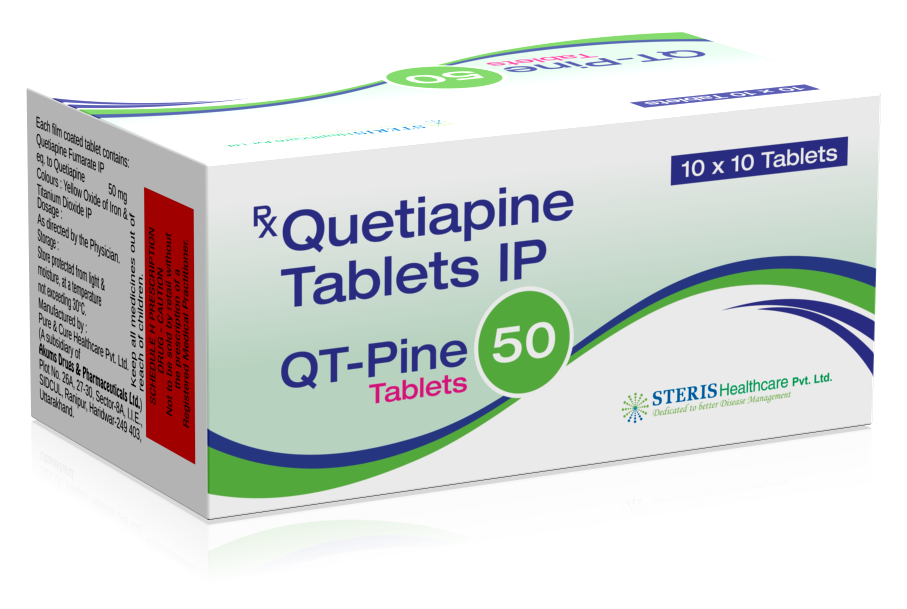
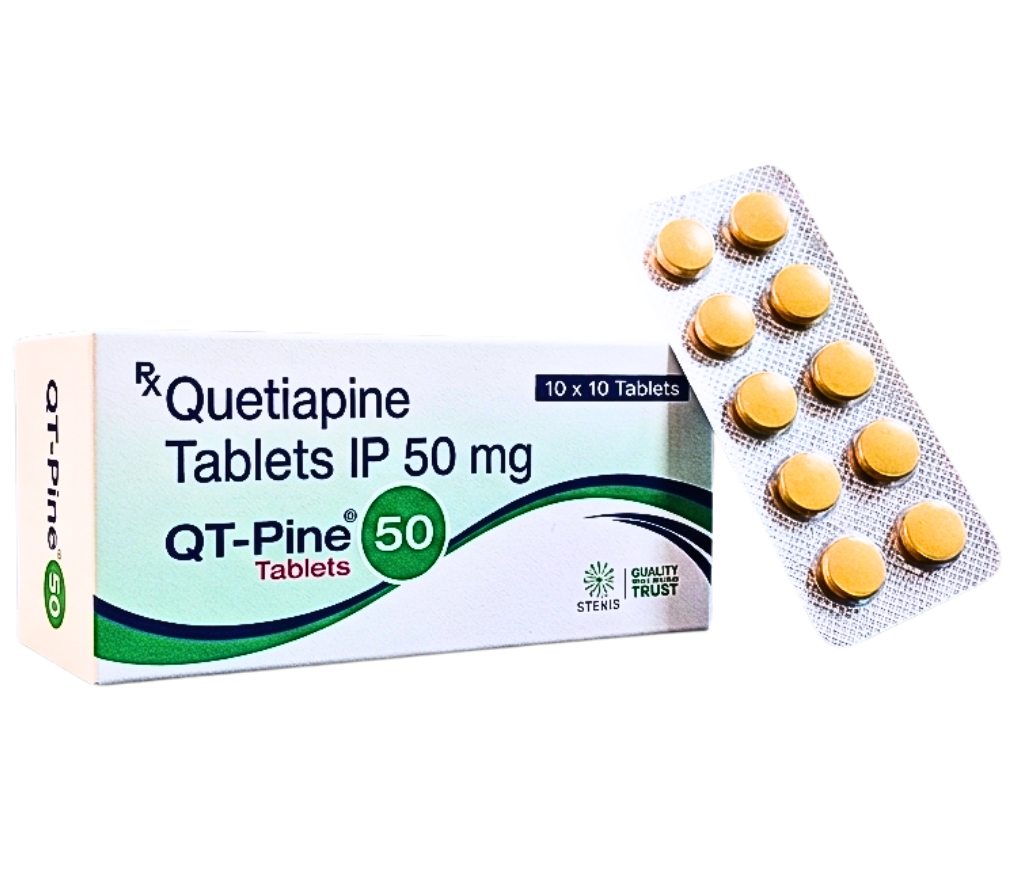
QT-PINE 50
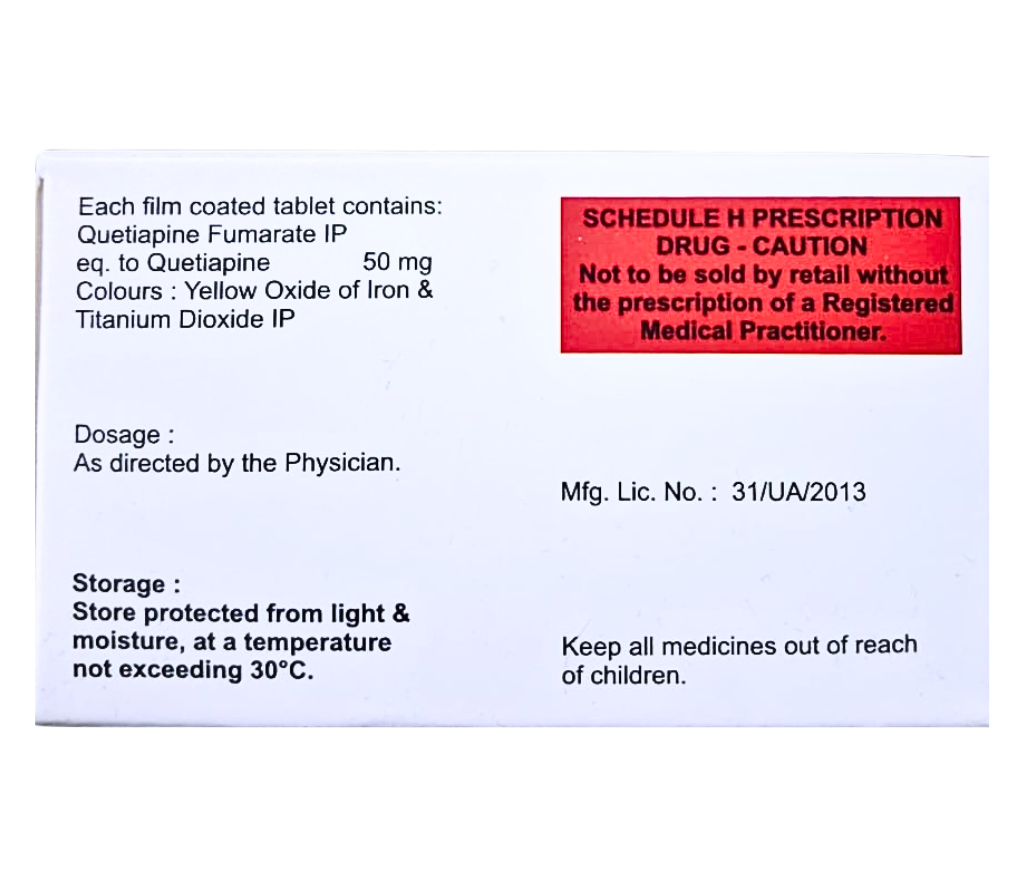
 Item requires a valid prescription
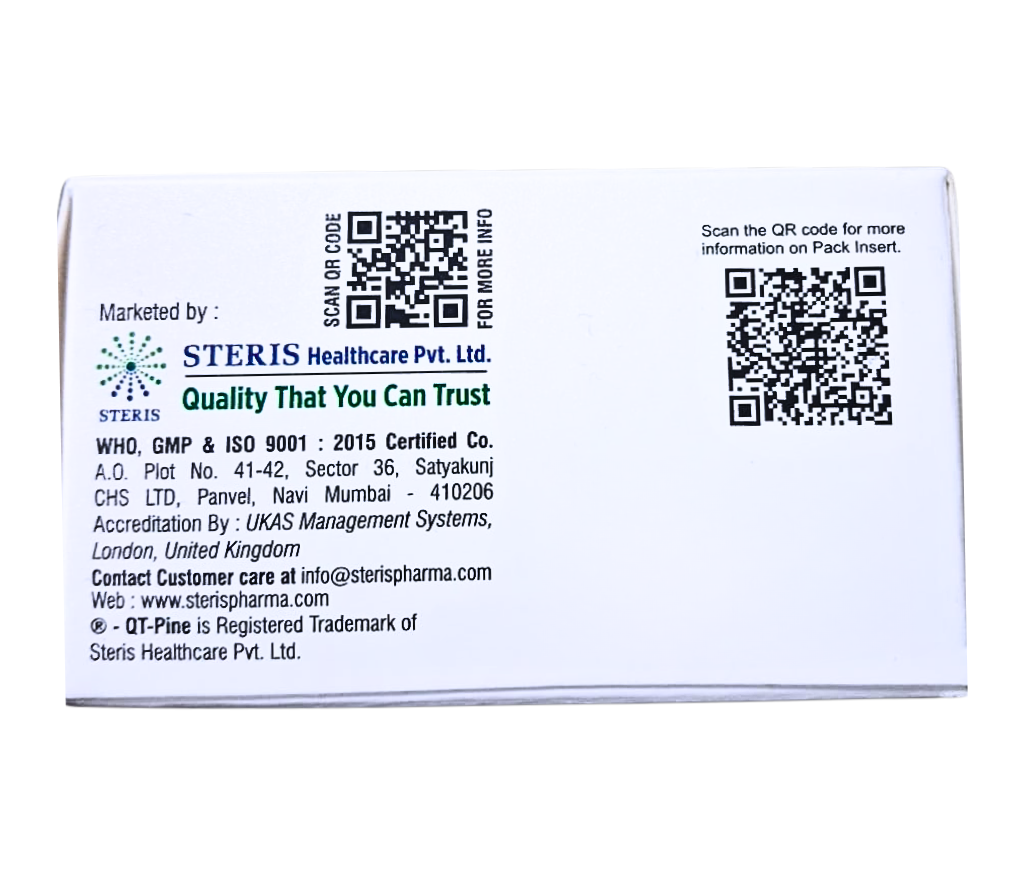
Manufactured By Steris Healthcare Pvt Ltd
Composition Quetiapine (50mg)
Rs 36.09
MRP Rs 51.56
(30% OFF)
Includes all taxes
Package SIZE
( For 10 Tablet )

100% Authentic
Products

Free
Shipping*

Products
Return Policy
Description:
Quetiapine 50 mg is a prescription-strength dose of quetiapine, an atypical antipsychotic medicine used in the treatment of certain mental health conditions. Depending on the formulation and the condition being treated, quetiapine may be prescribed for schizophrenia, bipolar disorder, and, in some treatment plans, major depressive disorder. It is available under brand names such as Seroquel and in immediate-release and extended-release formulations.
If you are researching quetiapine 50 mg uses, benefits, side effects, dosage, or whether it is suitable for you, the most important point is that the 50 mg strength does not automatically represent the correct dose for every condition. Doctors generally individualize quetiapine treatment and may start with a lower dose before gradually adjusting it according to the patient's condition, response, age, other medicines, and tolerability.
What Is Quetiapine 50 mg?
Quetiapine belongs to a group of medicines known as atypical antipsychotics. It changes the activity of certain natural chemical signals in the brain and is prescribed to help manage symptoms associated with particular psychiatric disorders.
A 50 mg tablet simply contains 50 milligrams of quetiapine. It should not be assumed that 50 mg is a standard starting, maintenance, or sleep dose for everyone. The appropriate strength and schedule depend on the reason for treatment and the formulation prescribed.
Quetiapine is a prescription medicine, so anyone considering purchasing or starting it should have a valid prescription and medical guidance rather than choosing the dose based solely on information found online.
Quetiapine 50 mg Uses
The main medical uses of quetiapine include:
- Schizophrenia: Quetiapine may be prescribed to help manage symptoms associated with schizophrenia.
- Bipolar disorder: It can be used for symptoms associated with bipolar disorder, including depressive and manic episodes, depending on the treatment plan.
- Major depressive disorder: Quetiapine may be used as part of treatment for severe or major depression in appropriate patients and formulations.
The exact indication matters because the dose and treatment schedule can differ substantially between conditions. Therefore, a person prescribed quetiapine 50 mg should follow the directions supplied by their doctor or pharmacist rather than changing the amount independently.
Is Quetiapine 50 mg Used for Sleep?
Quetiapine can cause drowsiness and sedation, which is one reason people may search online for “quetiapine 50 mg for sleep.” However, its sedating effect does not mean that it should be self-used as a sleeping pill. Its established medical uses include schizophrenia, bipolar disorder, and certain depression treatment plans.
If insomnia is the main problem, discuss the cause and appropriate treatment with a healthcare professional rather than starting quetiapine without a prescription.
Potential Benefits of Quetiapine 50 mg
The potential benefit of quetiapine depends on why it has been prescribed. When appropriately selected and monitored, treatment may help reduce or control symptoms of conditions such as schizophrenia and bipolar disorder and may form part of a treatment strategy for major depressive disorder.
Possible treatment benefits may include better control of mood symptoms, psychotic symptoms, or other condition-specific symptoms. However, the response varies from person to person. Quetiapine is intended to control symptoms rather than provide an instant cure, and treatment should be continued exactly as directed by the prescriber.
Common Quetiapine 50 mg Side Effects
Quetiapine can cause side effects, although not everyone experiences them. Frequently reported effects include:
- Drowsiness or tiredness
- Dizziness or feeling unsteady
- Dry mouth
- Constipation
- Nausea or indigestion
- Increased appetite
- Weight gain
- Fast heartbeat
- Headache
- Sleep problems or agitation
- Movement-related symptoms such as shaking or muscle stiffness
Because quetiapine can cause sleepiness or dizziness, patients should avoid driving or operating machinery until they understand how the medicine affects them. Alcohol can increase drowsiness and should be discussed with a healthcare professional.
Serious Side Effects and Safety Warnings
Although uncommon, serious reactions can occur. Seek urgent medical attention for symptoms such as difficulty breathing or swallowing, severe allergic reactions, seizures, uncontrollable movements, severe muscle stiffness accompanied by fever or confusion, or symptoms of a serious skin reaction.
Quetiapine can also affect metabolic health. Patients may experience changes involving blood sugar, cholesterol, appetite, or body weight. People with diabetes or risk factors for diabetes should discuss monitoring with their healthcare professional.
There is also an important warning concerning older adults with dementia: antipsychotic medicines such as quetiapine are associated with an increased risk of death and cerebrovascular events in this population and are not FDA-approved for treating behavioral problems associated with dementia.
How to Take Quetiapine 50 mg Safely
Take quetiapine exactly according to the prescription. Do not increase, decrease, or take additional tablets because you feel the medicine is not working quickly enough.
Depending on the prescribed formulation, quetiapine may be taken once or multiple times per day. Extended-release tablets have different administration instructions and should be swallowed whole rather than crushed or chewed.
If you miss a dose, follow the instructions provided by your doctor or pharmacist. Do not take a double dose to compensate for a missed tablet.
Do not stop quetiapine suddenly without medical advice. Abrupt discontinuation can cause withdrawal symptoms, including nausea, vomiting, and difficulty sleeping, and a gradual dose reduction may be necessary.
Quetiapine 50 mg Interactions and Precautions
Before taking quetiapine, tell your doctor or pharmacist about all prescription medicines, over-the-counter medicines, vitamins, supplements, and herbal products you use. Some medicines can change how quetiapine works or increase the likelihood of adverse effects.
Important considerations may include:
- Diabetes or a history of high blood sugar
- Heart or heart-rhythm problems
- Low or high blood pressure
- Liver disease
- Seizure history
- Cataracts
- High cholesterol
- Difficulty swallowing
- Pregnancy or plans to become pregnant
- Breastfeeding
- Previous serious reactions to psychiatric medicines
Grapefruit or grapefruit juice may interact with quetiapine, and patients should ask their healthcare professional about whether it is appropriate for them.
Buying Quetiapine 50 mg: What Patients Should Know
Because quetiapine 50 mg is a prescription medicine, purchasing it should involve a legitimate pharmacy and an appropriate prescription rather than an unverified online seller. A reputable pharmacy should provide the medicine in properly labeled packaging and should be able to identify the active ingredient, strength, formulation, manufacturer, batch information, and expiry date.
Do not select a quetiapine product solely because it has a lower price. The correct formulation and strength are more important than price, particularly because immediate-release and extended-release quetiapine products are not interchangeable without professional guidance.
For online purchasing, verify that the pharmacy operates legally in your country and requires the appropriate prescription. Avoid websites offering quetiapine without a prescription or making claims that it is a risk-free sleeping medicine.
Frequently Asked Questions
1. What is quetiapine 50 mg used for?
Quetiapine 50 mg is a strength of the prescription antipsychotic quetiapine. Depending on the formulation and treatment plan, quetiapine is used for schizophrenia, bipolar disorder, and certain treatment plans for major depressive disorder.
2. Is quetiapine 50 mg a strong dose?
The strength alone does not determine whether a dose is “strong.” Quetiapine dosing is individualized according to the condition being treated, formulation, response, and tolerability. Doctors may begin treatment at a low dose and gradually adjust it.
3. Does quetiapine 50 mg make you sleepy?
Yes, drowsiness and tiredness are recognized side effects of quetiapine. However, quetiapine should not be self-medicated as a sleeping aid simply because it can cause sedation.
4. What are the most common side effects of quetiapine 50 mg?
Commonly reported side effects include drowsiness, dizziness, dry mouth, constipation, nausea, increased appetite, weight gain, and fast heartbeat. Some people may also experience movement-related symptoms or sleep disturbances.
5. Can I stop taking quetiapine 50 mg suddenly?
No. You should not stop prescribed quetiapine suddenly unless your healthcare professional tells you to do so. Stopping abruptly can cause withdrawal symptoms, and doctors may reduce the dose gradually.
6. Can I take quetiapine 50 mg for anxiety or insomnia?
Quetiapine is not a medicine that should be started independently for anxiety or insomnia. Although it can cause sedation, its established uses include schizophrenia, bipolar disorder, and certain depression treatment plans. Discuss persistent anxiety or sleep problems with a qualified healthcare professional.
7. Does quetiapine 50 mg cause weight gain?
Weight gain and increased appetite are recognized side effects of quetiapine. Because quetiapine can also affect blood sugar and other metabolic measures, your healthcare professional may recommend appropriate monitoring during treatment.
8. Can quetiapine 50 mg be taken with alcohol?
Alcohol can increase the drowsiness caused by quetiapine. It is safest to discuss alcohol use with your doctor or pharmacist and avoid activities such as driving if you become sleepy or dizzy.
9. Is quetiapine 50 mg available without a prescription?
Quetiapine is a prescription medicine. It should be obtained through a legitimate pharmacy with appropriate medical authorization rather than purchased from an unverified source.
10. What should I do if I experience a serious reaction to quetiapine?
Seek urgent medical care for symptoms such as difficulty breathing or swallowing, severe allergic reactions, seizures, uncontrollable movements, severe muscle stiffness with fever or confusion, or other potentially serious symptoms.
Conclusion
Quetiapine 50 mg is a prescription medicine that may provide important benefits when appropriately prescribed for conditions such as schizophrenia, bipolar disorder, and certain forms of depression treatment. Its benefits need to be weighed against possible side effects, including drowsiness, dizziness, constipation, increased appetite, weight gain, and metabolic changes.
For buyers researching quetiapine online, the safest approach is to verify the strength, formulation, prescription requirements, pharmacy legitimacy, and product packaging before obtaining the medicine. Do not use quetiapine simply because it causes sleepiness, and never change or discontinue a prescribed dose without speaking with a qualified healthcare professional.