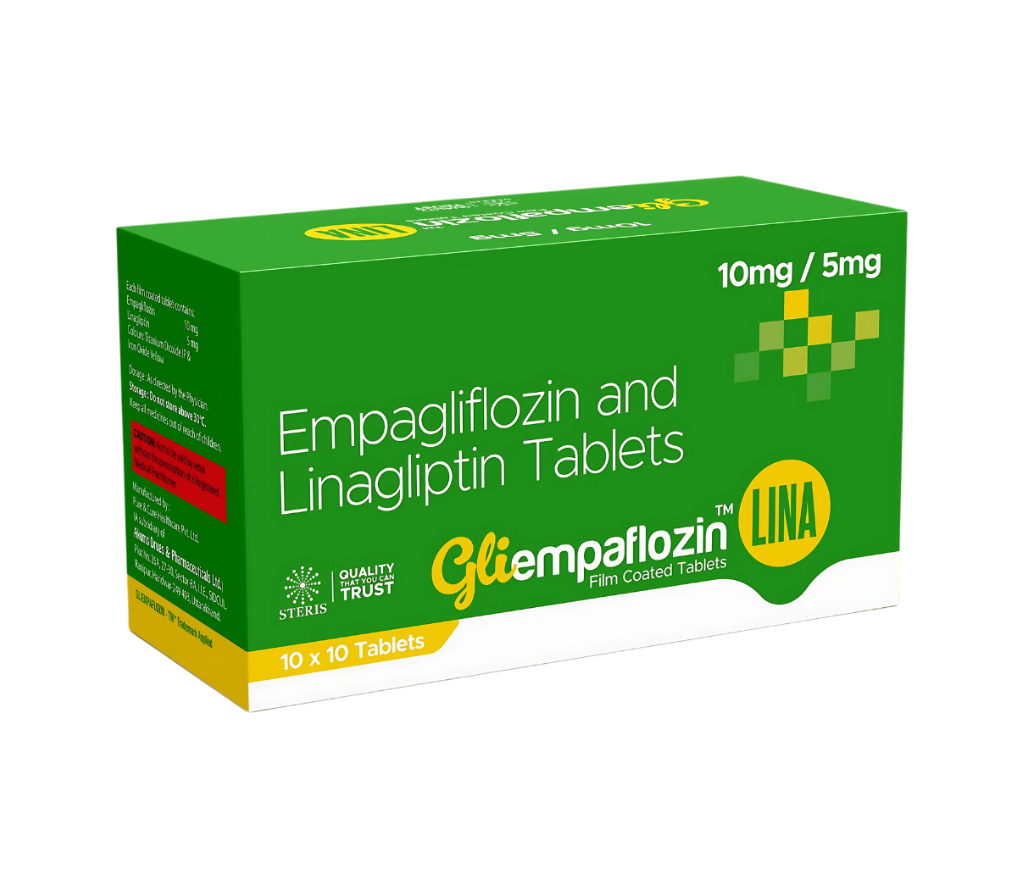


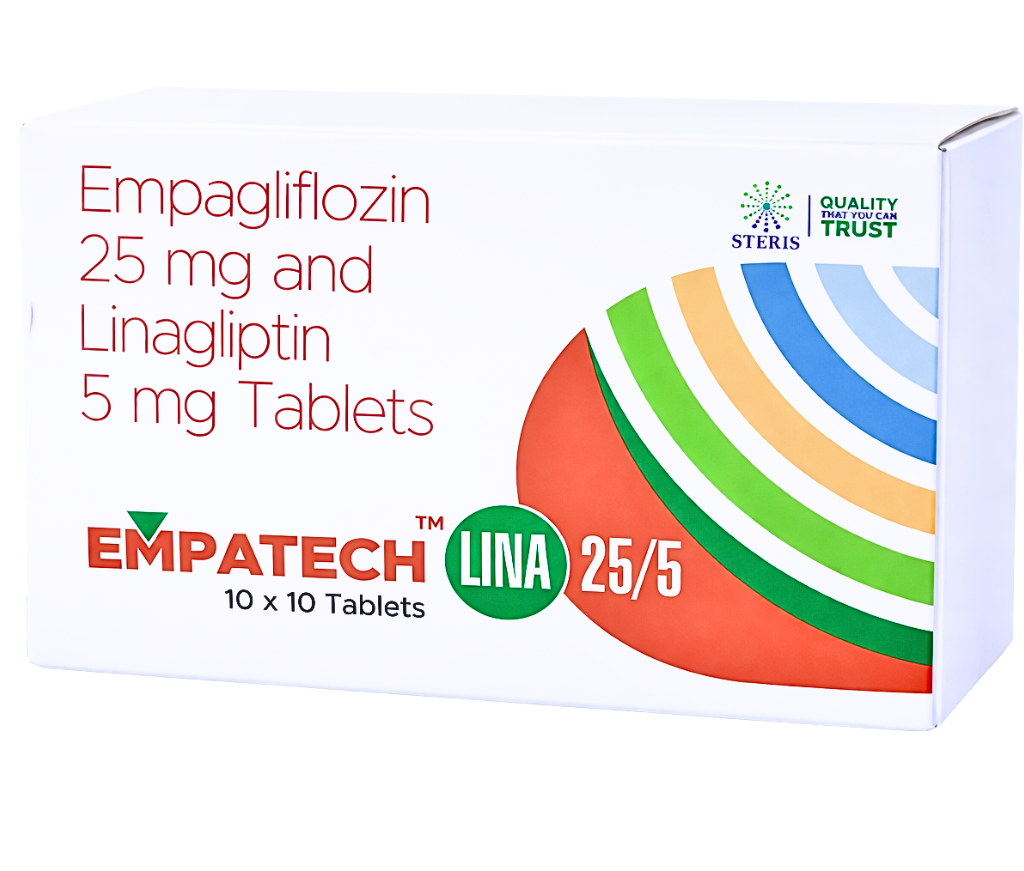
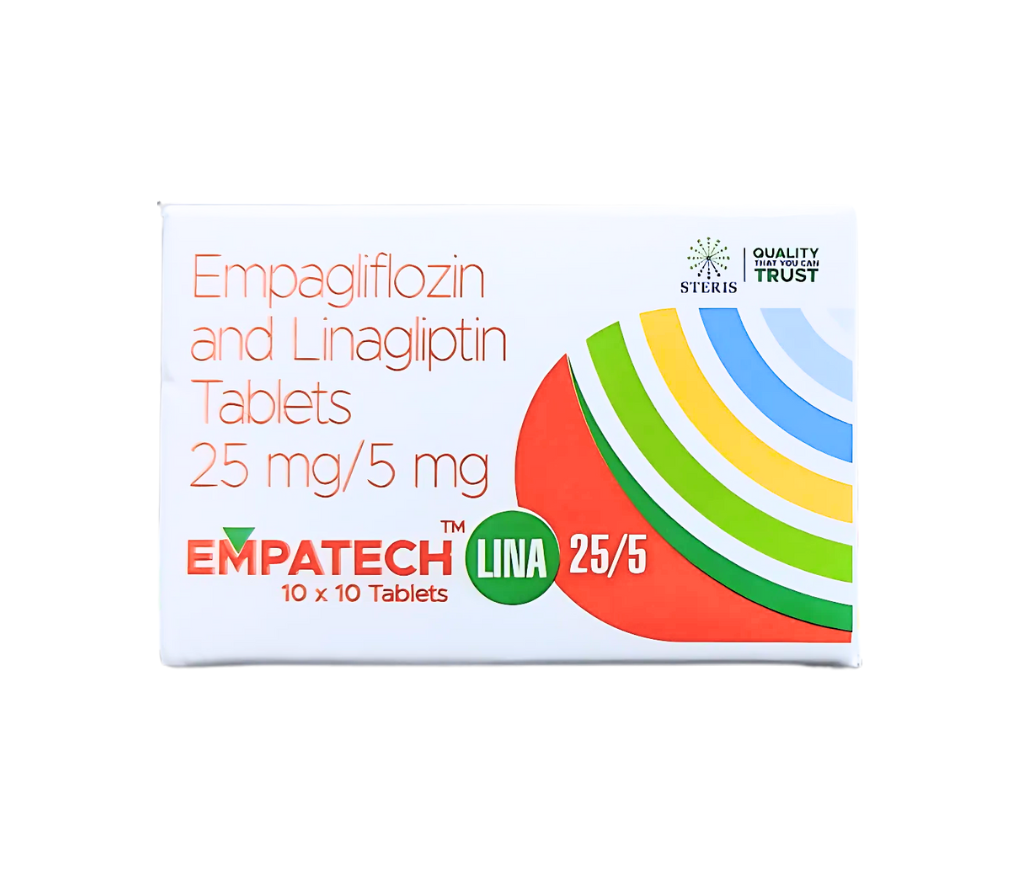
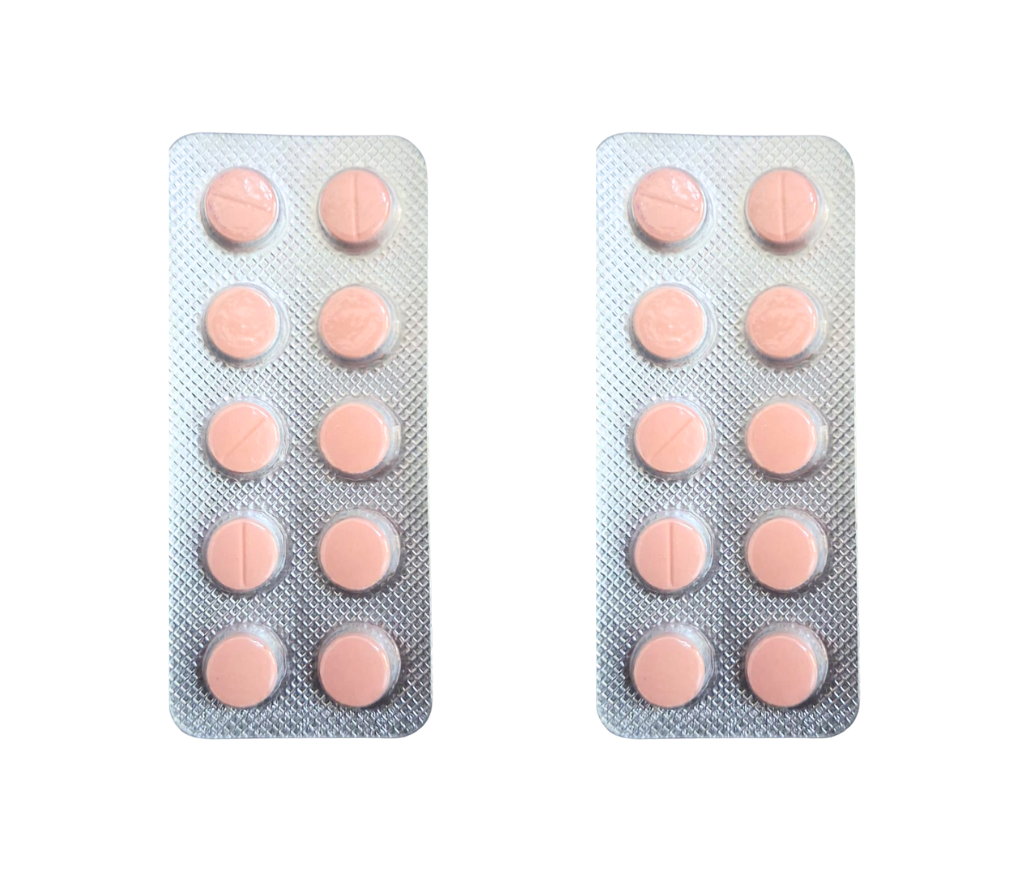
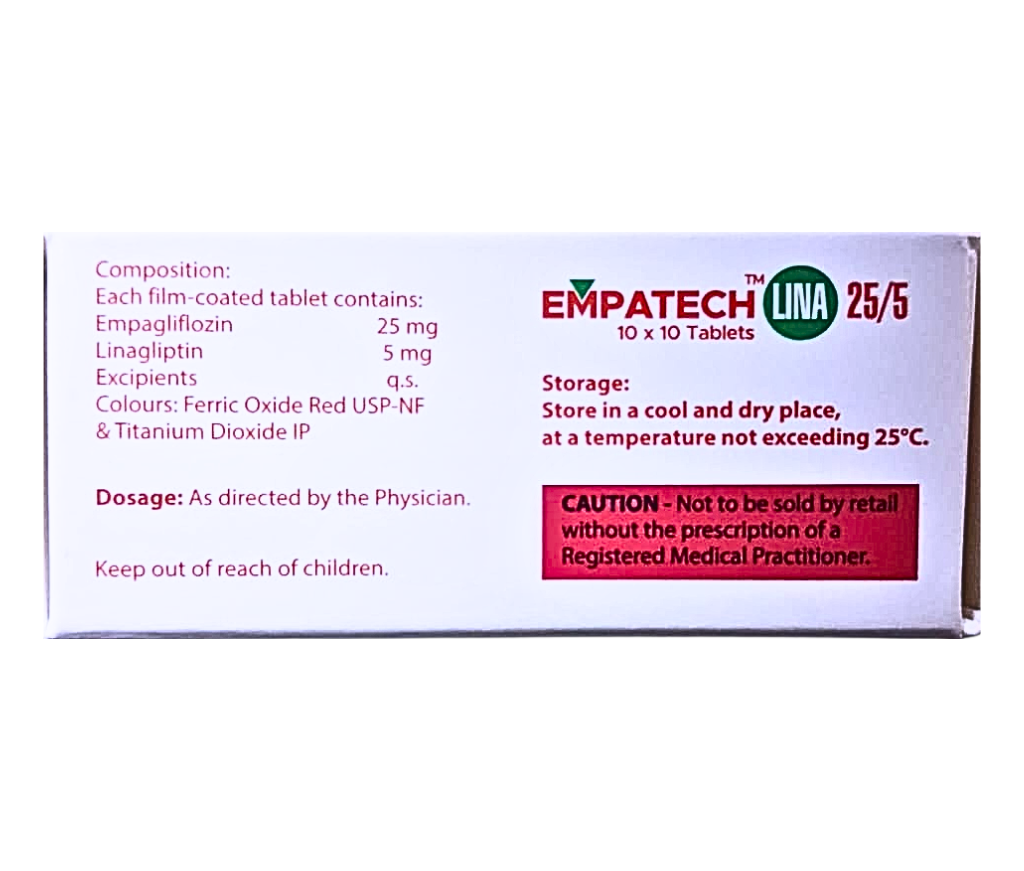
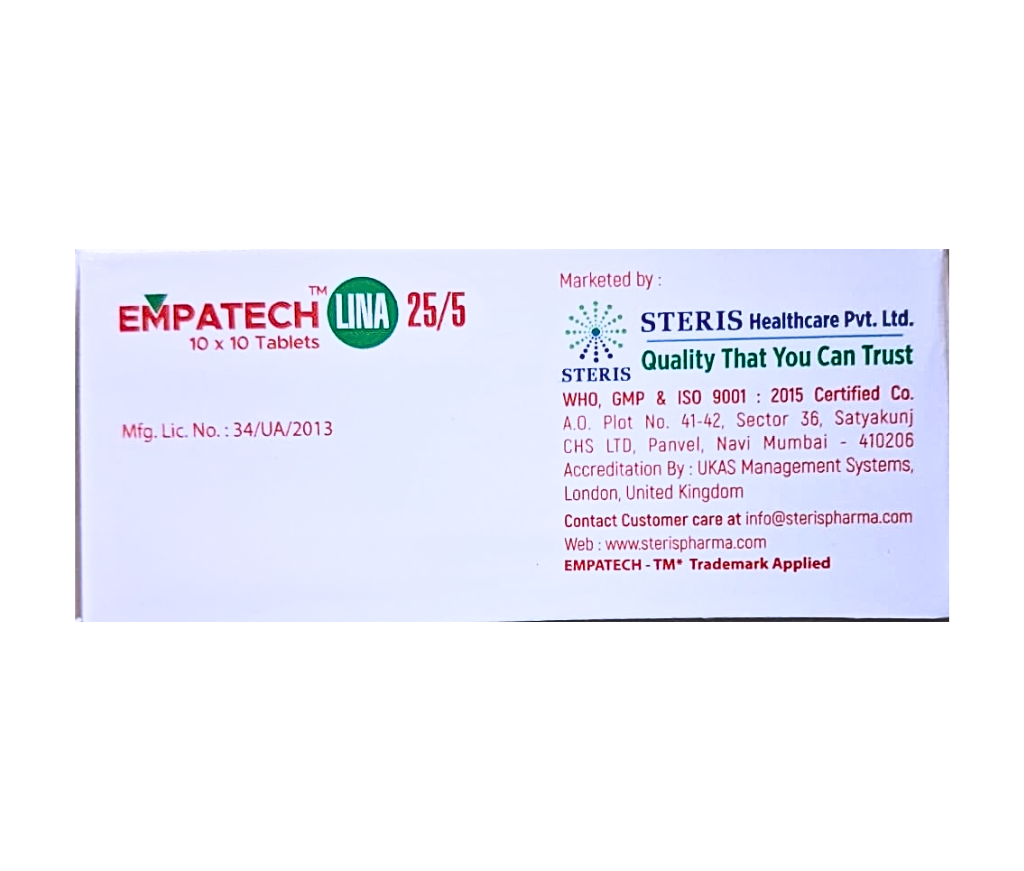
EMPATECH LINA 25/5
 Item requires a valid prescription
Manufactured By Steris Healthcare Pvt Ltd
Composition Empagliflozin and Linagliptin Tablets
Rs 226.38
MRP Rs 323.40
(30% OFF)
Includes all taxes
Package SIZE
( FOR 10 TABLETS )

100% Authentic
Products

Free
Shipping*

Products
Return Policy
Description:
Empagliflozin and linagliptin tablets are prescription combination medicines used with diet and exercise to help improve blood-sugar control in adults with type 2 diabetes mellitus. The combination brings together empagliflozin, an SGLT2 inhibitor, and linagliptin, a DPP-4 inhibitor. By working through different mechanisms, these medicines can provide complementary blood-glucose-lowering effects.
For buyers searching for empagliflozin and linagliptin tablets, the most important questions usually include: What are they used for? How do they work? What are the benefits and side effects? Which strengths are available? How should they be taken? And where can they be purchased?
Current Indian online pharmacy listings show products containing empagliflozin 10 mg + linagliptin 5 mg and empagliflozin 25 mg + linagliptin 5 mg. These are prescription medicines, and the correct strength should be selected according to the healthcare professional's prescription.
What Are Empagliflozin and Linagliptin Tablets?
Empagliflozin and linagliptin tablets contain two antidiabetic medicines with different actions.
Empagliflozin belongs to the sodium-glucose cotransporter-2 (SGLT2) inhibitor class. It reduces glucose reabsorption by the kidneys, causing more glucose to be eliminated through urine.
Linagliptin belongs to the dipeptidyl peptidase-4 (DPP-4) inhibitor class. It helps increase incretin activity, supporting glucose-dependent insulin release and helping regulate glucagon.
This dual approach can help improve blood-glucose control when both medicines are appropriate for the patient.
The combination should be used as part of a complete diabetes-management plan that may include a balanced diet, physical activity, weight management, blood-glucose monitoring, and regular medical appointments.
Empagliflozin and Linagliptin Tablets Uses
The primary use of empagliflozin and linagliptin tablets is to improve glycemic control in adults with type 2 diabetes mellitus.
A healthcare professional may prescribe this combination when diet and exercise alone are insufficient to achieve appropriate blood-glucose control or when additional therapy is clinically appropriate.
It is important to distinguish diabetes treatment from disease cure. These medicines help manage blood glucose but do not cure type 2 diabetes.
Empagliflozin itself also has established cardiovascular and kidney-related indications in certain patients, but those benefits and indications depend on the specific empagliflozin product, dose, patient characteristics, and regulatory labeling. Current U.S. prescribing information for empagliflozin includes indications involving cardiovascular death in certain adults with heart failure and kidney-related outcomes in adults with chronic kidney disease at risk of progression.
Therefore, a combination tablet should not automatically be assumed to have every indication of empagliflozin as an individual medicine.
How Do Empagliflozin and Linagliptin Work?
How empagliflozin works
Empagliflozin inhibits SGLT2 in the kidneys. This reduces renal glucose reabsorption and increases urinary glucose excretion, helping lower blood glucose.
Because glucose is eliminated through urine, patients may experience increased urination. Empagliflozin can also contribute to fluid loss, so maintaining appropriate hydration is important unless a healthcare professional has advised fluid restriction.
The prescribing information warns that empagliflozin can cause osmotic diuresis and volume contraction, which can contribute to dehydration-related adverse effects such as low blood pressure or dizziness.
How linagliptin works
Linagliptin inhibits DPP-4, an enzyme that breaks down incretin hormones. Increased incretin activity helps regulate insulin and glucagon in response to blood glucose.
Linagliptin is generally taken once daily and can be taken with or without food according to its prescribing information.
Together, empagliflozin and linagliptin provide two complementary approaches to blood-glucose management.
Key Benefits of Empagliflozin and Linagliptin Tablets
1. Helps improve blood-glucose control
The combination uses two different mechanisms to help reduce elevated blood glucose in adults with type 2 diabetes.
2. Combines two medicines in one tablet
For patients who have been prescribed both active ingredients, a combination product may simplify the medication routine compared with using separate tablets.
3. Promotes urinary glucose excretion
Empagliflozin helps the kidneys eliminate excess glucose through urine. This is one of the key mechanisms behind its glucose-lowering effect.
4. Provides complementary DPP-4 inhibition
Linagliptin works through incretin regulation, providing a different glucose-lowering mechanism from empagliflozin.
5. Multiple strengths are available
Current Indian listings include 10 mg empagliflozin + 5 mg linagliptin and 25 mg empagliflozin + 5 mg linagliptin formulations.
This gives prescribers options when tailoring treatment, but the strengths should never be switched without professional guidance.
Empagliflozin and Linagliptin Side Effects
Like all prescription medicines, empagliflozin and linagliptin tablets can cause side effects.
Possible side effects may include:
- Urinary tract infection
- Genital fungal infection
- Increased urination
- Increased thirst
- Dehydration
- Dizziness
- Nasopharyngitis or cold-like symptoms
- Upper-respiratory-tract infection
- Gastrointestinal symptoms
- Low blood sugar, particularly when used with insulin or certain insulin-secretagogue medicines
- Allergic reactions
Current Indian product listings for empagliflozin/linagliptin combinations commonly identify urinary tract infections, nasopharyngitis, and upper-respiratory infections among reported side effects.
Genital fungal infections
Because empagliflozin increases glucose excretion in urine, some people may develop genital fungal infections. Good personal hygiene and awareness of symptoms can be helpful.
Seek medical advice if symptoms such as persistent itching, irritation, unusual discharge, swelling, or pain develop.
Urinary tract infections
Urinary tract infections may occur during treatment. Symptoms such as painful urination, frequent urination, lower abdominal discomfort, fever, or back pain should be discussed with a healthcare professional.
Dehydration and low blood pressure
Empagliflozin increases urinary glucose excretion and can increase urine output. This may contribute to fluid loss.
People taking diuretics, older adults, and individuals who are already volume-depleted may require particular attention to hydration and blood pressure. The prescribing information specifically highlights volume depletion as an important safety consideration. D
Serious Safety Risks to Know About
Although serious reactions are uncommon, patients should understand important warnings.
Ketoacidosis
SGLT2 inhibitors such as empagliflozin can cause ketoacidosis, sometimes even when blood glucose is not extremely high. Symptoms can include nausea, vomiting, abdominal pain, unusual tiredness, and difficulty breathing.
If these symptoms occur, seek urgent medical attention and tell the healthcare professional that you are taking an SGLT2 inhibitor.
Severe urinary or genital infections
Rare but serious infections involving the urinary or genital area require immediate medical attention. Severe pain, swelling, fever, or feeling seriously unwell should not be ignored.
Pancreatitis
Linagliptin labeling includes warnings regarding pancreatitis. Patients should seek medical attention for persistent severe abdominal pain, especially when accompanied by vomiting.
How to Take Empagliflozin and Linagliptin Tablets
Take empagliflozin and linagliptin tablets exactly as prescribed.
Many current Indian product listings state that the combination can be taken with or without food and should generally be taken at the same time each day.
However, dosing instructions can differ between products and patients. Do not use an online article to determine whether you should take 10 mg or 25 mg of empagliflozin.
Swallow the tablet as directed. If your specific product is an extended-release formulation, follow the manufacturer's instructions regarding whether the tablet may be split, crushed, or chewed.
If you miss a dose, follow your prescribed instructions rather than taking an extra dose without medical advice.
Who Should Use Caution?
Tell your healthcare professional before taking this combination if you have:
- Kidney disease or reduced kidney function
- Liver disease
- Frequent urinary tract infections
- Recurrent genital fungal infections
- Low blood pressure or dehydration
- Heart failure or cardiovascular disease
- A history of pancreatitis
- A history of diabetic ketoacidosis
- A planned surgical procedure
- Pregnancy or plans to become pregnant
- Breastfeeding
- A history of serious drug allergies
Also tell your doctor if you take diuretics, insulin, sulfonylureas, blood-pressure medicines, or other diabetes medicines.
Current Indian product information specifically advises discussing kidney or liver problems, urinary tract infections, and diuretic use before treatment.
Empagliflozin 10mg/5mg vs 25mg/5mg
Two commonly listed combinations are:
- Empagliflozin 10 mg + Linagliptin 5 mg
- Empagliflozin 25 mg + Linagliptin 5 mg
The main difference is the empagliflozin dose.
A 25 mg product is not automatically better than a 10 mg product. The appropriate dose depends on the patient's treatment plan, response, kidney function, tolerability, and the specific indication.
Never increase from 10 mg to 25 mg simply because you want stronger blood-sugar control.
These prices are current individual online listings, not a guaranteed market-wide price. Pharmacy discounts, availability, location, taxes, pack size, and seller pricing can change.
Before ordering, verify:
- Empagliflozin strength
- Linagliptin strength
- Immediate-release or extended-release formulation
- Brand/manufacturer
- Pack size
- Batch number
- Expiry date
- Prescription requirements
- Seller or pharmacy authenticity
- Final checkout price
Do not choose a product solely because it has the lowest price.
Buyer Guide: What to Check Before Purchasing
For someone searching “buy empagliflozin and linagliptin tablets online”, the safest buying process begins with the prescription.
If your prescription says 10 mg/5 mg, look specifically for that composition. Do not substitute a 25 mg/5 mg tablet without professional approval.
Compare prices only among products with the same active ingredients, strength, formulation, and pack size.
Also check the expiry date and packaging when the medicine arrives. A legitimate product should have clear labeling and intact packaging.
Current listings show that products with the same active ingredients may be marketed by different manufacturers and can have noticeably different prices.
Conclusion
Empagliflozin and linagliptin tablets combine an SGLT2 inhibitor and a DPP-4 inhibitor to help improve blood-glucose control in adults with type 2 diabetes. Empagliflozin increases urinary glucose excretion, while linagliptin enhances incretin activity and supports glucose-dependent insulin regulation.
The combination may offer the convenience of two complementary diabetes medicines in one tablet. Current Indian pharmacy listings show commonly marketed strengths of 10 mg/5 mg and 25 mg/5 mg, with prices varying between brands and sellers. 1
Potential side effects include urinary tract infections, genital fungal infections, increased urination, dehydration, dizziness, and upper-respiratory symptoms. More serious risks, including ketoacidosis and severe infections, require prompt medical attention.
For buyers searching for empagliflozin and linagliptin tablets online, the most important step is to match the product exactly with the prescription. Check the active ingredients, strength, formulation, manufacturer, expiry date, prescription status, pharmacy authenticity, and final price before ordering.
Do not switch from 10 mg to 25 mg empagliflozin, change the linagliptin dose, or discontinue treatment without consulting a qualified healthcare professional.
Frequently Asked Questions
1. What are empagliflozin and linagliptin tablets used for?
Empagliflozin and linagliptin tablets are used with diet and exercise to help improve blood-sugar control in adults with type 2 diabetes. The two medicines work through different mechanisms to provide complementary glucose-lowering effects. 1
2. What are the main benefits of empagliflozin and linagliptin tablets?
The combination can help improve blood-glucose control while providing two active ingredients in one tablet. Empagliflozin promotes urinary glucose excretion, while linagliptin works by increasing incretin activity.
3. What are the side effects of empagliflozin and linagliptin tablets?
Commonly reported effects include urinary tract infections, genital fungal infections, increased urination, dehydration, nasopharyngitis, and upper-respiratory infections. Low blood sugar can become more likely when the combination is used with insulin or certain other diabetes medicines.
4. Can empagliflozin and linagliptin be taken with food?
Many products containing this combination can be taken with or without food, but patients should follow the instructions for their specific medicine and prescription. Current Indian product information gives this administration guidance for several 10 mg/5 mg products.
5. What is the difference between empagliflozin 10mg/linagliptin 5mg and 25mg/5mg?
The difference is the amount of empagliflozin. The 10 mg/5 mg combination contains 10 mg empagliflozin and 5 mg linagliptin, while the 25 mg/5 mg combination contains 25 mg empagliflozin and 5 mg linagliptin. The correct strength should be determined by your healthcare professional.
6. Can I buy empagliflozin and linagliptin tablets online?
If prescribed, these medicines can be purchased through legitimate online pharmacies that dispense prescription medicines. Current Indian listings show several brands and prices, so verify the exact strength and formulation before purchasing.
7. Is empagliflozin and linagliptin safe for people with kidney problems?
Kidney function is an important consideration with empagliflozin-containing treatment. The appropriate use depends on the patient's kidney function and the specific indication. Your healthcare professional should review renal function before selecting the medicine and dose.
8. Does empagliflozin and linagliptin cause low blood sugar?
The risk of hypoglycemia is generally more relevant when the combination is used with insulin or certain insulin-releasing medicines. Your overall diabetes treatment regimen determines the individual risk.
9. Can empagliflozin and linagliptin cause dehydration?
Yes. Empagliflozin increases urinary glucose and can increase fluid loss. Dehydration or volume depletion may cause symptoms such as dizziness or low blood pressure. Adequate hydration is important unless your doctor has advised you to restrict fluids. D
10. Can I stop taking empagliflozin and linagliptin when my blood sugar improves?
Do not stop the medicine without medical advice. Improved blood glucose may indicate that the treatment is working. Your healthcare professional should decide whether treatment should continue, change, or stop.
11. What should I check before buying empagliflozin and linagliptin tablets?
Check the exact empagliflozin and linagliptin strengths, formulation, manufacturer, pack size, expiry date, prescription requirement, seller authenticity, and final price. Never select a different strength simply because it is cheaper.
Available Substitutes