


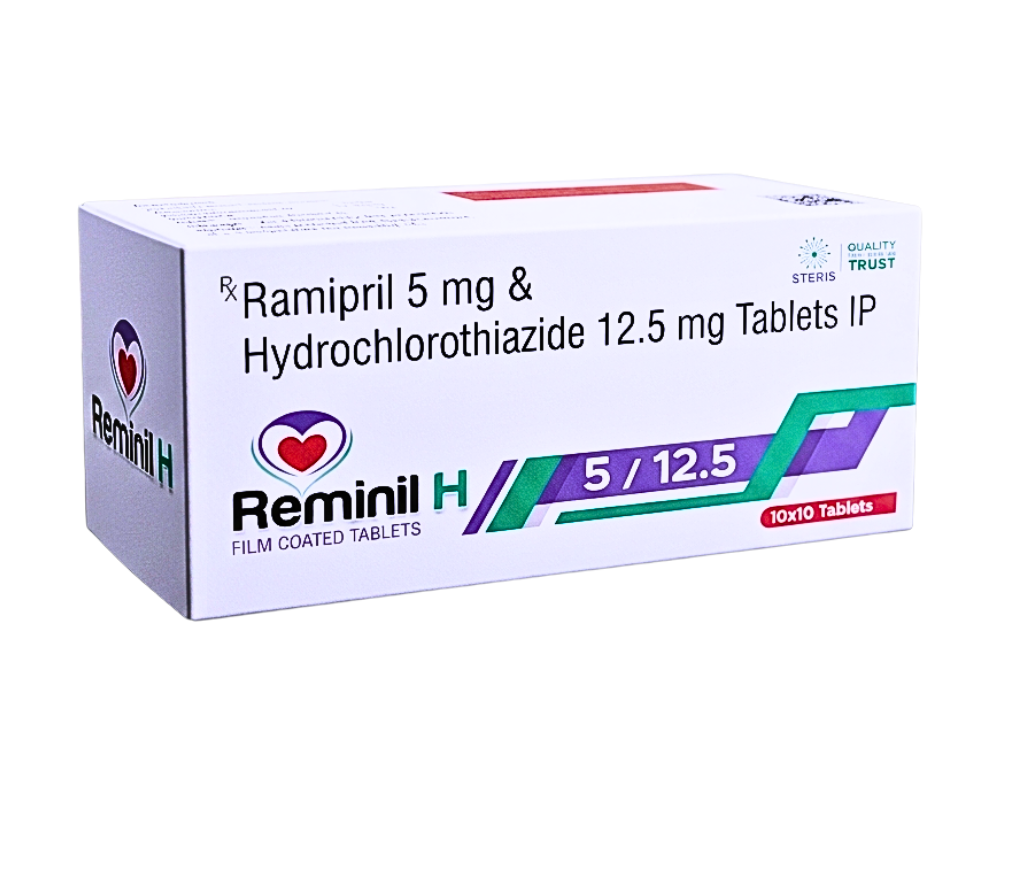
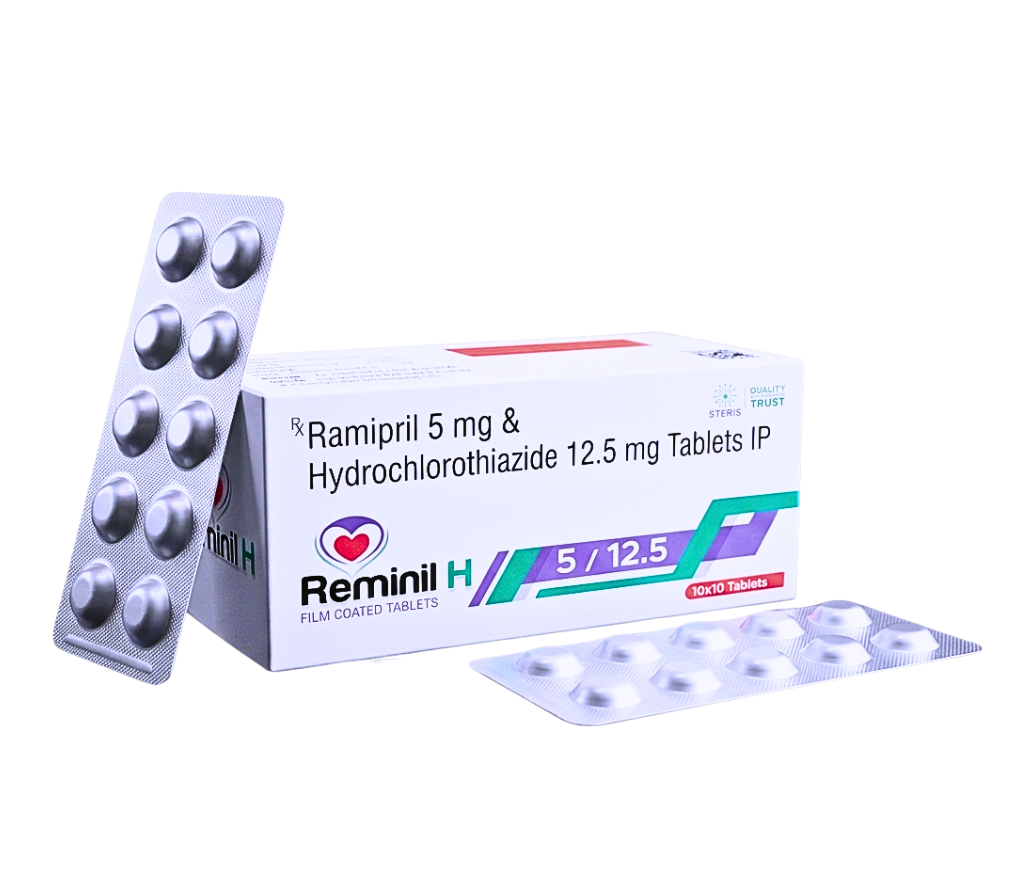
REMINIL H 2.5 / 12.5
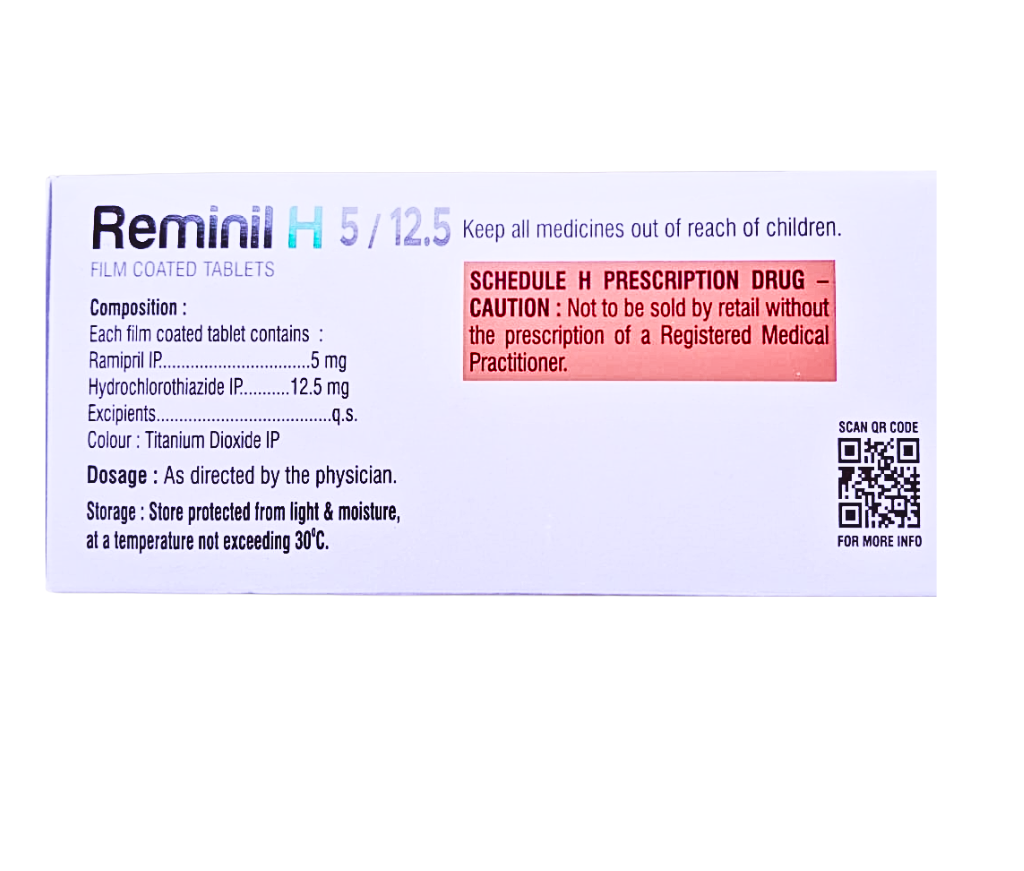
 Item requires a valid prescription
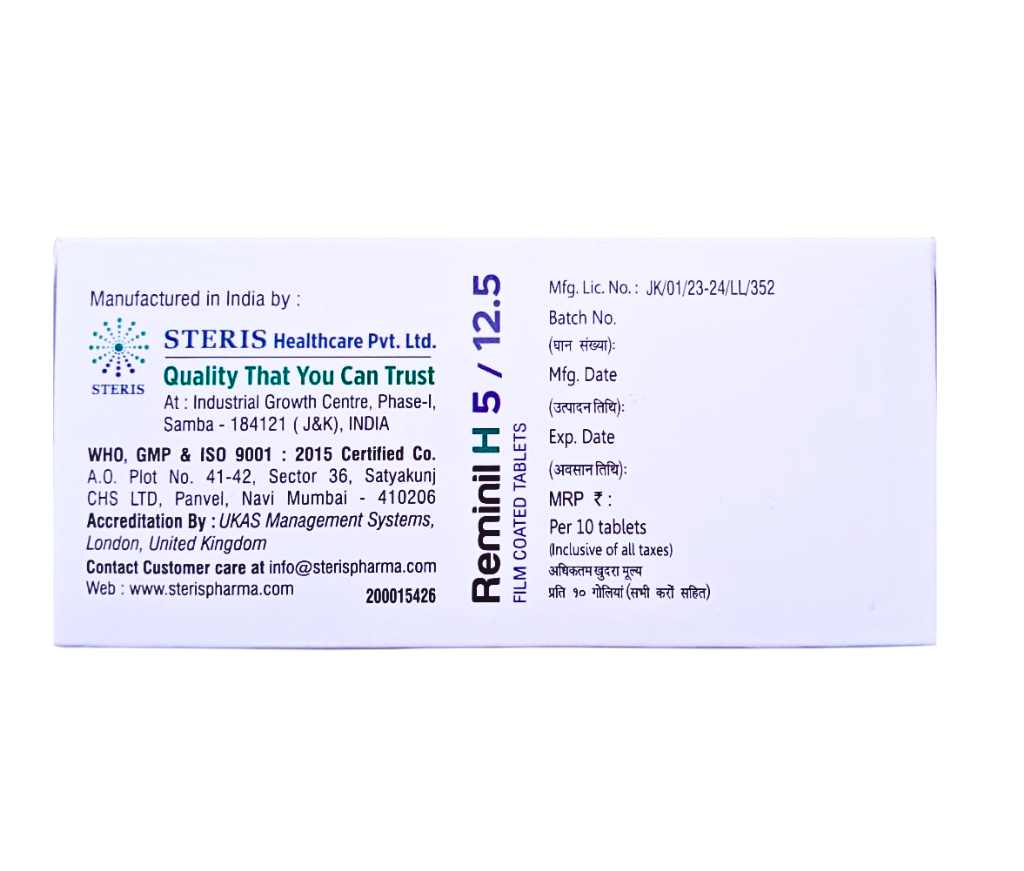
Manufactured By Steris Healthcare Pvt Ltd
Composition Ramipril (2.5mg), Hydrochlorothiazide (12.5mg)
Rs 97.13
MRP Rs 138.50
(30% OFF)
Includes all taxes
Package SIZE
( FOR 10 TABLETS )

100% Authentic
Products

Free
Shipping*

Products
Return Policy
Description:
Ramipril and hydrochlorothiazide tablets are prescription combination medicines used to help manage high blood pressure (hypertension). They contain two active ingredients that work through complementary mechanisms: ramipril, an angiotensin-converting enzyme (ACE) inhibitor, and hydrochlorothiazide (HCTZ), a thiazide diuretic. Together, they can help lower elevated blood pressure when combination therapy is appropriate.
People searching for ramipril and hydrochlorothiazide tablets often want to know what the medicine is used for, how it works, its key benefits, available strengths, side effects, precautions, price, and whether it can be purchased online. This guide addresses those informational and transactional search intents while emphasizing responsible prescription-medicine use.
What Are Ramipril and Hydrochlorothiazide Tablets?
Ramipril and hydrochlorothiazide tablets combine an ACE inhibitor with a thiazide diuretic.
Ramipril works by inhibiting angiotensin-converting enzyme, reducing the formation of angiotensin II. Angiotensin II normally contributes to blood-vessel constriction. By reducing this effect, ramipril helps relax blood vessels and lower blood pressure.
Hydrochlorothiazide is a diuretic that promotes the elimination of sodium and water through the kidneys. This reduces fluid volume and contributes to blood-pressure reduction.
The combination is therefore often described as an ACE inhibitor + diuretic antihypertensive treatment.
Current product information for marketed ramipril/HCTZ tablets states that the combination is intended for the treatment of essential hypertension when combination therapy is appropriate, generally after patients have been stabilized or appropriately titrated on the individual components.
What Are Ramipril and Hydrochlorothiazide Tablets Used For?
The primary use of ramipril and hydrochlorothiazide tablets is the treatment of high blood pressure.
Hypertension may not cause noticeable symptoms, but persistent high blood pressure can increase cardiovascular risk. Controlling blood pressure is therefore an important component of long-term cardiovascular management.
Ramipril itself is indicated for hypertension and may be used alone or in combination with thiazide diuretics. Current U.S. prescribing information also recognizes ramipril for reducing the risk of myocardial infarction, stroke, or cardiovascular death in certain high-risk patients aged 55 years or older, and for use in stable patients with clinical heart failure following myocardial infarction. These indications apply to ramipril and should not automatically be attributed to every fixed-dose ramipril/HCTZ product. DDailyMed
Fixed-dose ramipril/HCTZ products are generally intended for patients for whom combination therapy has been determined to be appropriate rather than as an automatic first treatment for everyone with newly diagnosed hypertension.sanofi.com+1
How Does Ramipril Hydrochlorothiazide Work?
The two ingredients lower blood pressure in different ways.
Ramipril
Ramipril inhibits ACE, reducing the production of angiotensin II. This helps decrease blood-vessel constriction and lowers blood pressure.
Hydrochlorothiazide
Hydrochlorothiazide acts on the kidneys and increases sodium and chloride excretion. Water follows the sodium, increasing urine production and reducing fluid volume. Current prescribing information for thiazide-containing combinations notes that hydrochlorothiazide can also affect potassium and bicarbonate levels.
Using these complementary mechanisms can provide additional blood-pressure control for patients who need more than one antihypertensive medicine.
Key Benefits of Ramipril and Hydrochlorothiazide Tablets
1. Helps lower high blood pressure
The primary therapeutic benefit is reducing elevated blood pressure. Ramipril relaxes blood vessels through ACE inhibition, while hydrochlorothiazide promotes sodium and water elimination.
2. Combines two antihypertensive mechanisms
The combination brings an ACE inhibitor and diuretic into one treatment regimen. This can be convenient for patients who have already been prescribed both components at appropriate doses.
3. May improve blood-pressure control when one medicine is insufficient
Some patients do not achieve adequate blood-pressure control with a single antihypertensive. Combination therapy can be considered when clinically appropriate.
4. May simplify an established treatment regimen
For a patient already stabilized on appropriate doses of ramipril and hydrochlorothiazide separately, a fixed-dose tablet may provide a more convenient way to take the same combination. Product information specifically describes fixed combinations as suitable when the individual components have been appropriately established.
5. Supports long-term hypertension management
Effective blood-pressure control is an important part of reducing cardiovascular risk. However, medication should be combined with appropriate lifestyle measures and regular medical monitoring rather than viewed as a substitute for healthy habits.
Ramipril Hydrochlorothiazide Strengths
Available strengths depend on the country and manufacturer.
For example, current product information for Cardace H in India lists:
- Ramipril 2.5 mg + hydrochlorothiazide 12.5 mg
- Ramipril 5 mg + hydrochlorothiazide 12.5 mg
- Ramipril 10 mg + hydrochlorothiazide 12.5 mg Ssanofi.com
A Canadian product monograph for ramipril/HCTZ also lists strengths including 2.5/12.5 mg, 5/12.5 mg, 10/12.5 mg, 5/25 mg, and 10/25 mg, demonstrating that available strengths can vary by market. HHRES PDFs
Therefore, buyers should always compare the exact strength and formulation on the prescription rather than relying on the product name alone.
Ramipril Hydrochlorothiazide Dosage
The appropriate dose depends on the patient's medical history and previous treatment.
Fixed-dose combination products are generally not intended to replace individualized dose titration. Product information for Cardace H states that the medicine is intended for patients stabilized on the individual components in the same proportion. Ssanofi.com
A healthcare professional may therefore determine the appropriate ramipril and hydrochlorothiazide doses first and then prescribe a matching combination tablet.
Do not increase, decrease, split, or discontinue the medicine without professional guidance.
How to Take Ramipril and Hydrochlorothiazide Tablets
Take the medicine exactly as prescribed.
Because hydrochlorothiazide is a diuretic, increased urination can occur. Taking the tablet according to the prescribed schedule may help minimize disruption from this effect.
If you miss a dose, follow the instructions provided by your doctor or pharmacist. Do not take an extra dose unless specifically instructed.
Continue taking blood-pressure medicine even if you feel well unless your healthcare professional tells you to stop. Hypertension can remain present even when there are no symptoms.
Ramipril and Hydrochlorothiazide Side Effects
Like all prescription medicines, ramipril and hydrochlorothiazide tablets can cause side effects.
Possible side effects include:
- Dizziness or lightheadedness
- Headache
- Fatigue or weakness
- Increased urination
- Low blood pressure
- Dry cough
- Nausea or gastrointestinal discomfort
- Changes in sodium or potassium levels
- Dehydration
- Muscle cramps
Current U.S. ramipril labeling identifies headache, dizziness, fatigue, and cough among the most common adverse reactions in patients treated for hypertension.
Because hydrochlorothiazide affects fluid and electrolyte balance, patients may also experience electrolyte abnormalities or dehydration.
Not everyone experiences side effects, and their severity can vary.
Serious Side Effects and Warning Signs
Some symptoms require prompt medical attention.
Seek urgent medical care if you develop:
- Swelling of the face, lips, tongue, or throat
- Difficulty breathing or swallowing
- Severe dizziness or fainting
- Severe weakness or confusion
- Significant dehydration
- Severe or persistent vomiting or diarrhea
- Symptoms of serious electrolyte imbalance
- Very little or no urine
- Severe or unusual symptoms after taking the medicine
Ramipril can cause angioedema, a potentially serious swelling reaction that can involve the face, lips, tongue, throat, or airway. Current prescribing information contains warnings about angioedema and other serious reactions.
Ramipril Hydrochlorothiazide and Pregnancy
Pregnancy is an especially important safety consideration.
Current U.S. prescribing information for ramipril carries a boxed warning for fetal toxicity. When pregnancy is detected, ramipril should be discontinued as soon as possible because drugs acting directly on the renin-angiotensin system can cause fetal injury or death.
If you are pregnant, planning pregnancy, or become pregnant while taking ramipril/HCTZ, contact your healthcare professional promptly.
Do not independently substitute another blood-pressure medicine; your healthcare professional should determine an appropriate alternative.
Drug Interactions and Precautions
Before using ramipril and hydrochlorothiazide tablets, tell your doctor or pharmacist about all prescription medicines, over-the-counter medicines, vitamins, supplements, and herbal products you take.
Important interactions and precautions may involve:
- Potassium supplements
- Potassium-containing salt substitutes
- Other medicines affecting the renin-angiotensin system
- NSAIDs such as ibuprofen or naproxen
- Lithium
- Other diuretics
- Medicines affecting kidney function
- Medicines that alter electrolyte levels
- Certain diabetes medicines
Current ramipril prescribing information specifically identifies potential interactions with diuretics, lithium, NSAIDs, agents that increase potassium, other renin-angiotensin-system medicines, and drugs associated with angioedema. DailyMed
Patients with kidney disease, dehydration, diabetes, low blood pressure, or electrolyte abnormalities may require additional monitoring.
Who Should Discuss Ramipril Hydrochlorothiazide With a Doctor First?
Tell your healthcare professional if you have:
- Kidney disease
- Liver problems
- Diabetes
- Low blood pressure
- Dehydration
- High or low potassium
- A history of angioedema
- Medication allergies
- Pregnancy or plans to become pregnant
- Significant vomiting, diarrhea, or fluid loss
A healthcare professional may monitor blood pressure, kidney function, and electrolytes during treatment when appropriate.
Can You Buy Ramipril and Hydrochlorothiazide Tablets Online?
Searches such as “buy ramipril and hydrochlorothiazide tablets,” “buy ramipril hydrochlorothiazide online,” “ramipril hydrochlorothiazide price,” and “ramipril hydrochlorothiazide online pharmacy” demonstrate strong transactional intent.
Because these are prescription medicines, online buyers should use a legitimate pharmacy and follow the prescription requirements applicable in their country.
Before ordering, verify that:
- The pharmacy is legally authorized to dispense prescription medicines.
- A prescription is requested where required.
- The medicine contains the exact prescribed ingredients and strength.
- The packaging and labeling are intact.
- The product has appropriate storage and expiry information.
- A pharmacist or qualified healthcare professional is available for questions.
- The seller does not make misleading claims such as “100% safe” or “guaranteed cure.”
Avoid purchasing prescription medicines solely because a website advertises an unusually low price.
Ramipril Hydrochlorothiazide Price and Buying Guide
The price of ramipril and hydrochlorothiazide tablets varies by country, manufacturer, brand, strength, pack size, pharmacy, and insurance or prescription coverage.
When comparing online prices, make sure you are comparing equivalent products with the same:
- Ramipril strength
- Hydrochlorothiazide strength
- Dosage form
- Pack size
- Manufacturer or approved equivalent
For example, a 10-tablet strip should not be directly compared with a 30- or 100-tablet pack based only on the displayed price.
The safest purchase is not necessarily the cheapest purchase. Authenticity, regulatory status, correct strength, prescription compliance, and appropriate storage are important considerations.
Ramipril Hydrochlorothiazide vs. Ramipril Alone
Ramipril alone contains only the ACE inhibitor. The combination contains ramipril plus hydrochlorothiazide.
Ramipril may be used alone or with a thiazide diuretic when additional blood-pressure control is needed. Current U.S. labeling confirms that ramipril may be used in combination with thiazide diuretics.
The combination tablet may be convenient for a patient whose treatment has already established the appropriate doses of both components.
However, it is not automatically the right choice for every person with hypertension. Treatment should be individualized according to blood pressure, kidney function, electrolyte levels, previous medications, side effects, and other health considerations.
Frequently Asked Questions
1. What are ramipril and hydrochlorothiazide tablets used for?
Ramipril and hydrochlorothiazide tablets are used to treat high blood pressure. Ramipril is an ACE inhibitor that helps relax blood vessels, while hydrochlorothiazide is a diuretic that helps the body eliminate sodium and water.
2. What are the benefits of ramipril and hydrochlorothiazide tablets?
The main benefit is blood-pressure reduction through two complementary mechanisms. Ramipril affects the renin-angiotensin system, while hydrochlorothiazide increases sodium and water excretion.
3. What are the common side effects of ramipril hydrochlorothiazide?
Possible side effects include dizziness, headache, fatigue, dry cough, increased urination, low blood pressure, dehydration, and electrolyte changes. Ramipril labeling specifically identifies headache, dizziness, fatigue, and cough among common adverse reactions.
4. Does ramipril hydrochlorothiazide make you urinate more?
Yes. The hydrochlorothiazide component is a diuretic, so it increases the elimination of sodium and water through urine. Increased urination is an expected effect of the diuretic component.
5. What strengths does ramipril hydrochlorothiazide come in?
Strengths vary by market and manufacturer. Current product information includes combinations such as 2.5/12.5 mg, 5/12.5 mg, and 10/12.5 mg, while some markets also offer 5/25 mg and 10/25 mg formulations.
6. Can I take ramipril hydrochlorothiazide during pregnancy?
Ramipril should not be used during pregnancy because of the risk of fetal toxicity. If pregnancy is detected, contact your healthcare professional immediately for advice about discontinuation and alternative treatment.
7. Can ramipril hydrochlorothiazide cause a dry cough?
Yes. Dry cough is a recognized adverse effect of ramipril and other ACE inhibitors. If a persistent cough develops, speak with your healthcare professional rather than stopping the medicine yourself.
8. Can ramipril hydrochlorothiazide affect potassium levels?
Yes. Ramipril can increase potassium levels in some patients, while hydrochlorothiazide can contribute to electrolyte losses. The overall effect varies between individuals, so potassium and kidney function may need monitoring.
9. Can I buy ramipril and hydrochlorothiazide tablets online?
Availability depends on your location and prescription regulations. If purchasing online, choose a properly authorized pharmacy, provide a valid prescription when required, and verify the exact medicine strength before ordering.
10. Is ramipril hydrochlorothiazide a weight-loss medicine?
No. Hydrochlorothiazide increases urine production and can reduce excess fluid, but this is not the same as reducing body fat. Ramipril/HCTZ should be used for its prescribed cardiovascular indication, not as a weight-loss treatment.
Conclusion
Ramipril and hydrochlorothiazide tablets combine an ACE inhibitor with a thiazide diuretic to help control high blood pressure. Ramipril reduces the effects of the renin-angiotensin system and helps relax blood vessels, while hydrochlorothiazide promotes sodium and water elimination through the kidneys.
The combination can be useful when combination antihypertensive treatment is appropriate, particularly after the individual components have been appropriately established. Current product information confirms marketed ramipril/HCTZ tablets in multiple strengths, although exact strengths and product availability vary by country.

