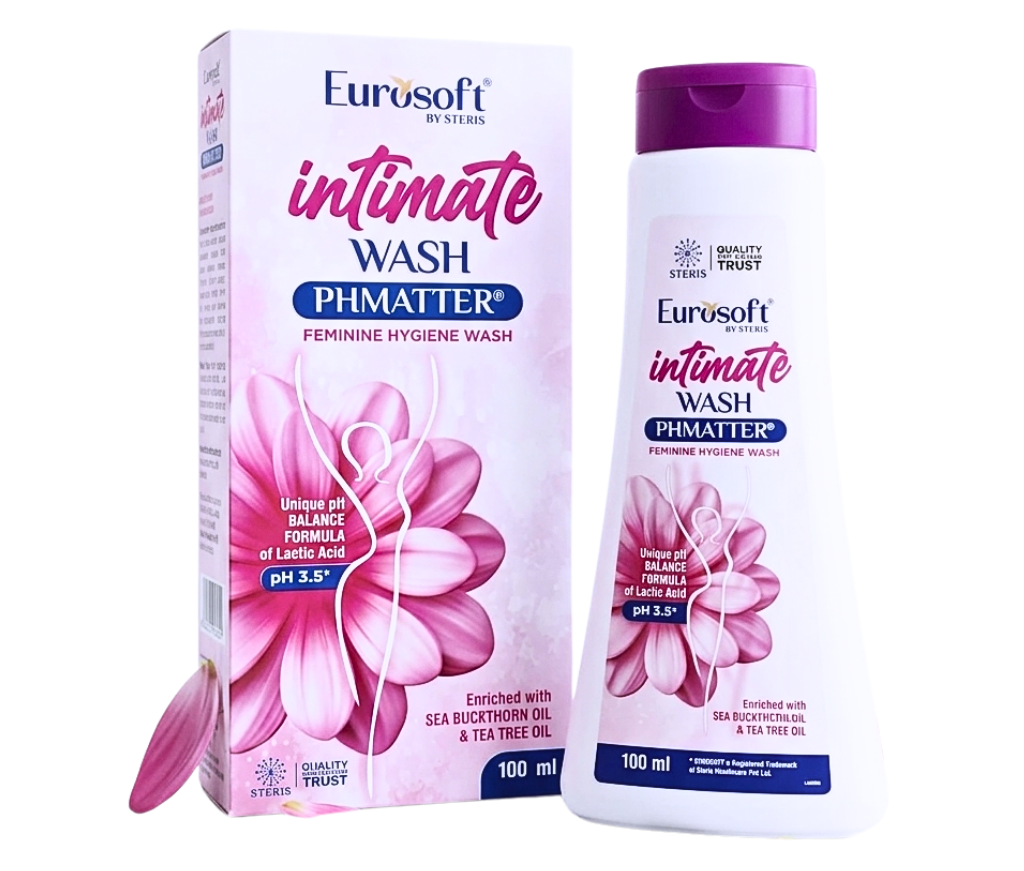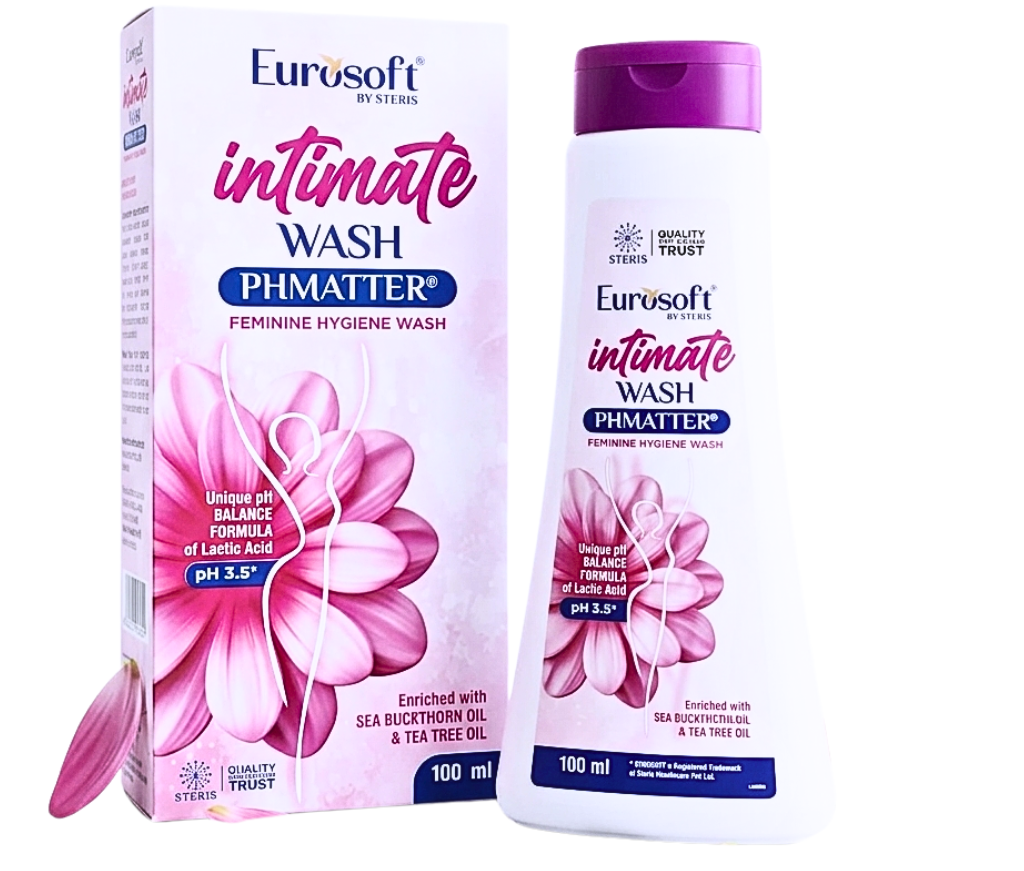
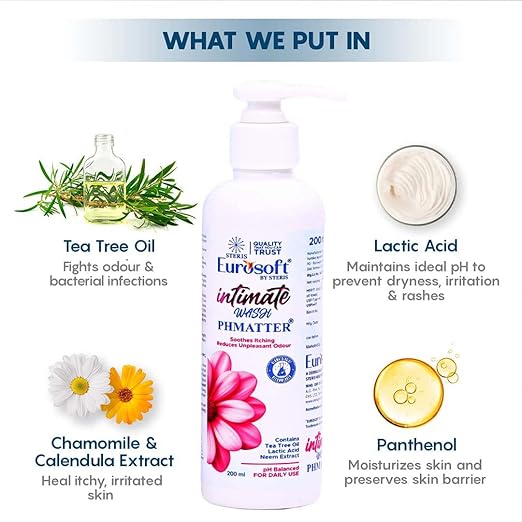
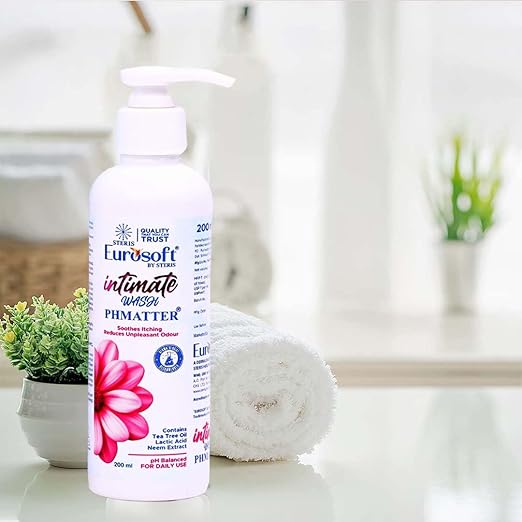
EUROSOFT INTIMATE WASH PHMATTER 200 ML
 Item requires a valid prescription
Manufactured By Steris Healthcare Pvt Ltd
Composition Soothes Itching Reduces Unpleasant Odour
Rs 202.47
MRP Rs 289.25
(30% OFF)
Includes all taxes
Package SIZE
( 200 ml )

100% Authentic
Products

Free
Shipping*

Products
Return Policy
Description:
What Is Intimate Wash?
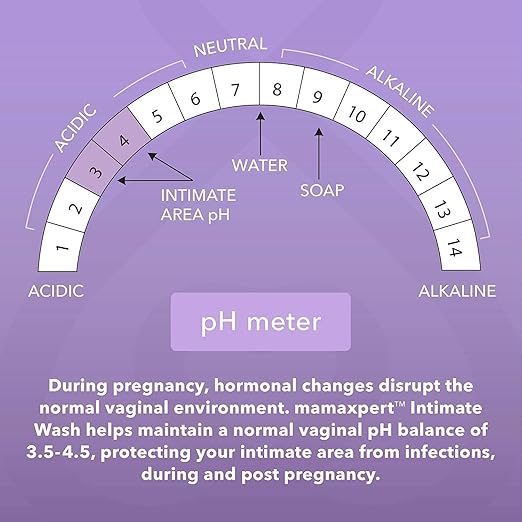
Intimate wash (also called feminine wash or vaginal wash) is a specialized personal hygiene product created to clean the external genital area — the vulva — without disrupting its delicate microbiome. The vagina is naturally self-cleaning, maintaining a mildly acidic environment (pH around 3.8–4.5) that supports beneficial Lactobacillus bacteria and keeps harmful bacteria and fungi in check.
Ordinary soaps and body washes are formulated for skin with a neutral-to-alkaline pH (around 5.5–7), which makes them too harsh for intimate skin. Repeated use of regular soap in this area can disturb the natural acid barrier, increasing susceptibility to irritation, dryness, and infection. This is precisely the gap intimate wash is designed to fill: a mild, pH-matched, dermatologically tested formula made only for external cleansing.
Indications: When and Why Intimate Wash Is Used
| Use Case | Purpose |
|---|---|
| Daily hygiene | External cleansing without disturbing natural pH |
| During menstruation | Removes odor and residue between pad/tampon changes |
| Post-workout or humid weather | Controls sweat-related odor and moisture buildup |
| Post-intercourse hygiene | Gentle external cleansing |
| Postpartum & post-surgical recovery | Mild, non-irritating cleansing (only as advised by a doctor) |
| Recurrent odor or mild irritation | Supports pH balance as a preventive hygiene step |
| Travel or public restroom use | Convenient wipe/wash format for on-the-go freshness |
How Intimate Wash Works
A quality intimate wash works through three formulation principles:
- pH matching: Formulated at pH 3.5–5.5 to mirror the vagina's natural acidity, helping maintain the Lactobacillus-dominant flora that acts as a natural defense barrier.
- Mild surfactant system: Uses gentle, sulfate-free cleansing agents (rather than harsh detergents found in regular soap) to lift away sweat, discharge residue, and bacteria without stripping natural oils.
- Soothing/active ingredients: Many formulations include ingredients such as lactic acid, aloe vera, chamomile, tea tree extract, or neem to support comfort, calm minor irritation, and provide a light antibacterial effect.
Key Benefits of Using Intimate Wash
- Maintains natural pH balance: Helps prevent the kind of pH disruption that can make the area more prone to irritation and infection.
- Reduces odor: Cleans away bacteria and sweat responsible for odor, rather than masking it with fragrance alone.
- Gentle on sensitive skin: Free from harsh detergents and, in most quality formulations, free from parabens and sulfates.
- Supports comfort during periods: Helps manage moisture and odor between changes.
- Non-drying formula: Unlike bar soap, it does not typically leave the area feeling tight or stripped.
- Convenient daily routine fit: Easy to incorporate into a regular shower routine, available in gel, foam, or wipe formats.
- Dermatologically/gynecologically tested (brand-dependent): Reputable intimate washes undergo testing for skin compatibility.
How to Use Intimate Wash
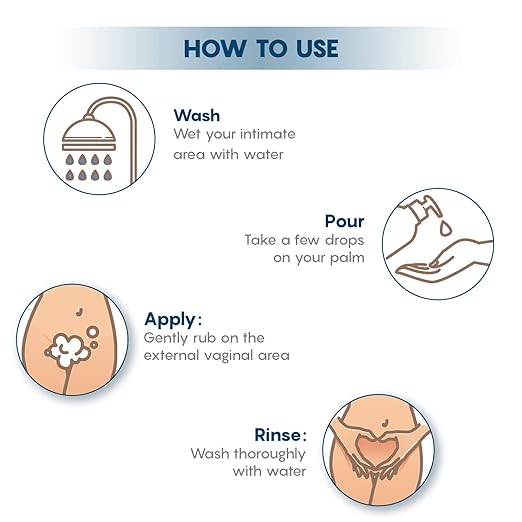
- Wet the external genital area (vulva) with lukewarm water.
- Take a small amount (roughly a coin-sized quantity) of intimate wash onto your palm.
- Gently apply to the external area only—never insert the wash internally, as the vagina is self-cleaning.
- Massage gently for a few seconds; avoid vigorous scrubbing.
- Rinse thoroughly with water to remove all residue.
- Pat dry with a clean, soft towel—avoid rubbing.
- Use once or twice daily, or as recommended on the product label.
Who Should Use Intimate Wash — and Who Should Be Cautious
- Suitable for most adult women and teenage girls after the onset of puberty, once regular periods have started.
- Pregnant and breastfeeding women can generally use a mild, doctor-approved intimate wash for external hygiene, but should check with their gynecologist first.
- Women with a history of allergies, eczema, or highly sensitive skin should patch-test or consult a dermatologist/gynecologist before regular use.
- Not a substitute for medical treatment — if you notice unusual discharge, persistent itching, foul odor, or pain, consult a gynecologist rather than relying on hygiene washes.
Side Effects of Intimate Wash
Intimate washes are generally well-tolerated when used correctly and externally. However, as with any personal care product, side effects can occur, particularly with overuse, incorrect application, or sensitivity to specific ingredients.
Common (usually mild):
- Slight dryness or tightness if overused
- Temporary redness or itching in sensitive individuals
- Mild fragrance sensitivity
Less common:
- Allergic contact dermatitis (rash, swelling, burning) from specific ingredients such as fragrance or preservatives
- Disruption of natural pH balance if used excessively or internally, potentially increasing infection risk rather than preventing it
When to stop use and consult a doctor:
- Persistent burning, swelling, or rash after use
- Unusual discharge, strong odor, or pain that develops or worsens
- Signs of an allergic reaction
Intimate Wash vs. Alternatives:
| Option | pH-Balanced? | Best For | Limitations |
|---|---|---|---|
| Intimate wash | Yes (3.5–5.5) | Daily external hygiene, odor control | Should not be used internally |
| Regular bar soap | No (alkaline) | General body cleansing | Can disrupt vaginal pH, cause dryness |
| Plain water only | Neutral | Very sensitive skin, minimalist routine | May not fully remove odor-causing bacteria |
| Scented body wash | No | Body fragrance | Fragrance and harsh surfactants can irritate intimate skin |
| Douches | No (often disruptive) | Not recommended | Can flush out beneficial bacteria; linked to higher infection risk; gynecologists generally advise against douching |
Precautions & Buyer Tips
- Always choose a soap-free, sulfate-free, fragrance-light formula for sensitive skin.
- Check the pH mentioned on the pack—look for products in the 3.5–5.5 range.
- Avoid products with added colorants or heavy synthetic fragrance if you have a history of irritation.
- Use for external cleansing only—never douche or insert the product internally.
- Store in a cool, dry place away from direct sunlight.
- Discontinue immediately and consult a doctor if irritation occurs.
- If you are pregnant, breastfeeding, or have a diagnosed gynecological condition, consult your doctor before starting any new intimate hygiene product.
Conclusion
Intimate wash plays a simple but important role in everyday feminine hygiene—offering a gentler, pH-balanced alternative to regular soap for the external genital area. Used correctly (externally, in moderate amounts, once or twice daily), it can help manage odor, support comfort during periods and workouts, and maintain the skin's natural protective balance. That said, it is a hygiene product, not a medical treatment: persistent symptoms like unusual discharge, odor, itching, or pain always warrant a gynecologist's evaluation rather than self-treatment with hygiene products. Choosing a mild, dermatologically tested, sulfate-free formula — and using it as directed — is the safest way to make intimate wash part of a healthy daily routine.
Frequently Asked Questions
1. What is an intimate wash used for?
It is used for gently cleansing the external genital area (vulva), helping control odor, remove sweat and discharge residue, and maintain the area's natural pH balance without the harshness of regular soap.
2. How to use intimate wash for ladies?
Wet the external area, apply a small amount to your palm, gently massage over the external skin only (never internally), rinse thoroughly with water, and pat dry. Use once or twice daily.
3. Can we use intimate wash daily?
Yes, most intimate washes are formulated for daily external use, typically once or twice a day. Overuse beyond the recommended frequency may cause dryness in some users.
4. Do gynecologists recommend feminine wash?
Many gynecologists recommend a mild, pH-balanced feminine wash for external hygiene over regular soap, especially for women prone to odor or irritation from alkaline soaps — though plain water is also considered sufficient by some. It's best to confirm with your own gynecologist based on your skin and health history.
5. How many times a day should a woman wash her private area?
Generally once or twice a day is enough—during a regular bath or shower, and optionally after heavy sweating or exercise. Excessive washing can disturb the natural balance rather than help it.
6. What is the best vaginal wash?
The best choice is a pH-balanced (3.5–5.5), soap-free, sulfate-free formula suited to your skin sensitivity — ideally one that is dermatologically or gynecologically tested, such as Steris Healthcare's intimate wash range.
7. How can I clean my private area naturally?
Warm water alone is often sufficient for the internal area, as the vagina is self-cleaning. For external cleansing, a mild, pH-balanced intimate wash or plain lukewarm water can be used gently, followed by patting dry rather than rubbing.
8. What is the most safe feminine wash?
The safest options are fragrance-light or fragrance-free, sulfate-free, pH-balanced formulas free from harsh dyes and parabens, tested for external genital use.
9. What to use instead of feminine wash?
Plain lukewarm water is the simplest alternative for external cleansing. Some women also use very mild, unscented cleansers, though these should still be checked for pH suitability before regular use.
10. Can I use Dove original down there?
Regular bar soaps like Dove are formulated for general body skin and are not pH-matched to intimate skin. While occasional use is unlikely to cause serious harm for most people, a dedicated intimate wash is generally the better choice for regular external hygiene.
11. How to choose the right feminine wash?
Look for a pH range of 3.5–5.5, soap-free and sulfate-free ingredients, minimal or natural fragrance, and dermatological or gynecological testing. Patch-test if you have sensitive skin or a history of allergies.
12. How old should a girl start using feminine wash?
Feminine wash is generally considered appropriate once a girl reaches puberty and begins menstruating, when hygiene needs change. Before that, plain water is typically sufficient. A pediatrician or gynecologist can advise based on individual needs.
13. When to apply feminine wash?
It can be applied during a regular daily bath or shower, and additionally after workouts, swimming, or during menstruation for extra freshness—always externally and followed by a thorough rinse.
14. Is it safe to use intimate wash every day without side effects?
For most users, daily use as directed is safe. However, if you notice dryness, redness, or irritation, reduce frequency and consult a doctor if symptoms persist.
15. Can intimate wash cure vaginal infections or itching?
No. Intimate wash is a hygiene product, not a treatment for infections. Persistent itching, unusual discharge, or odor should be evaluated by a gynecologist rather than managed with hygiene products alone.
Available Substitutes