


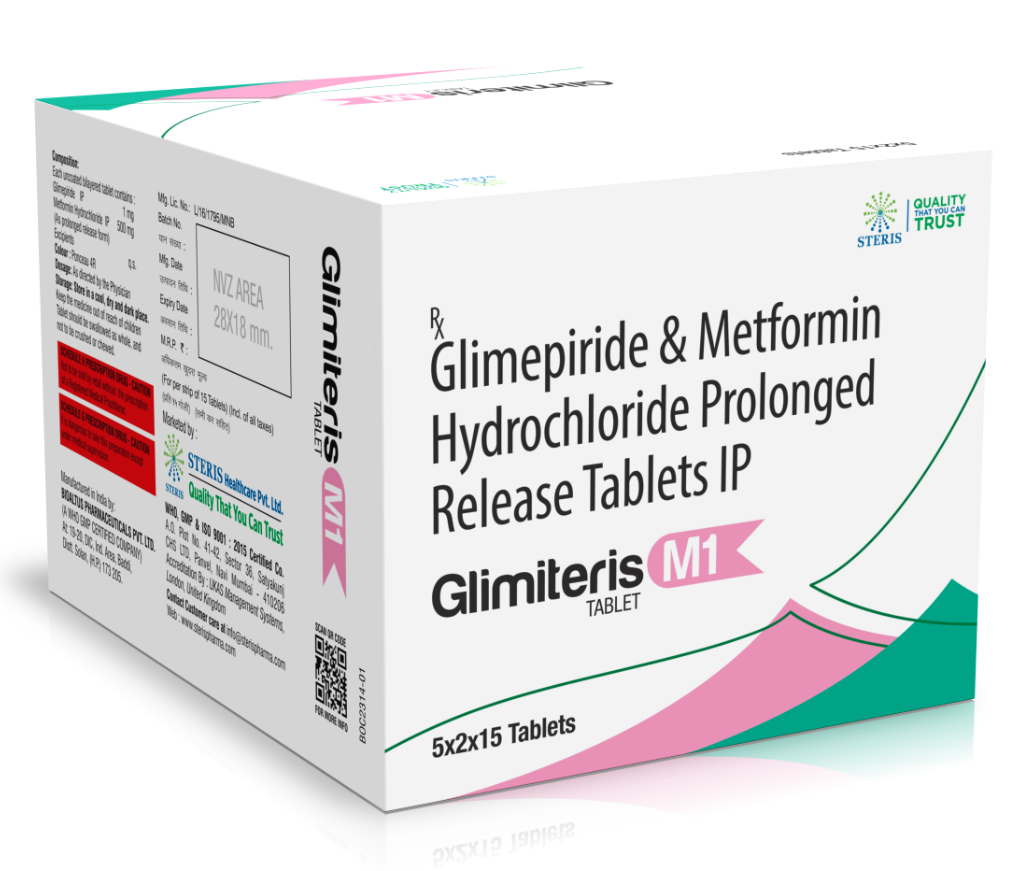
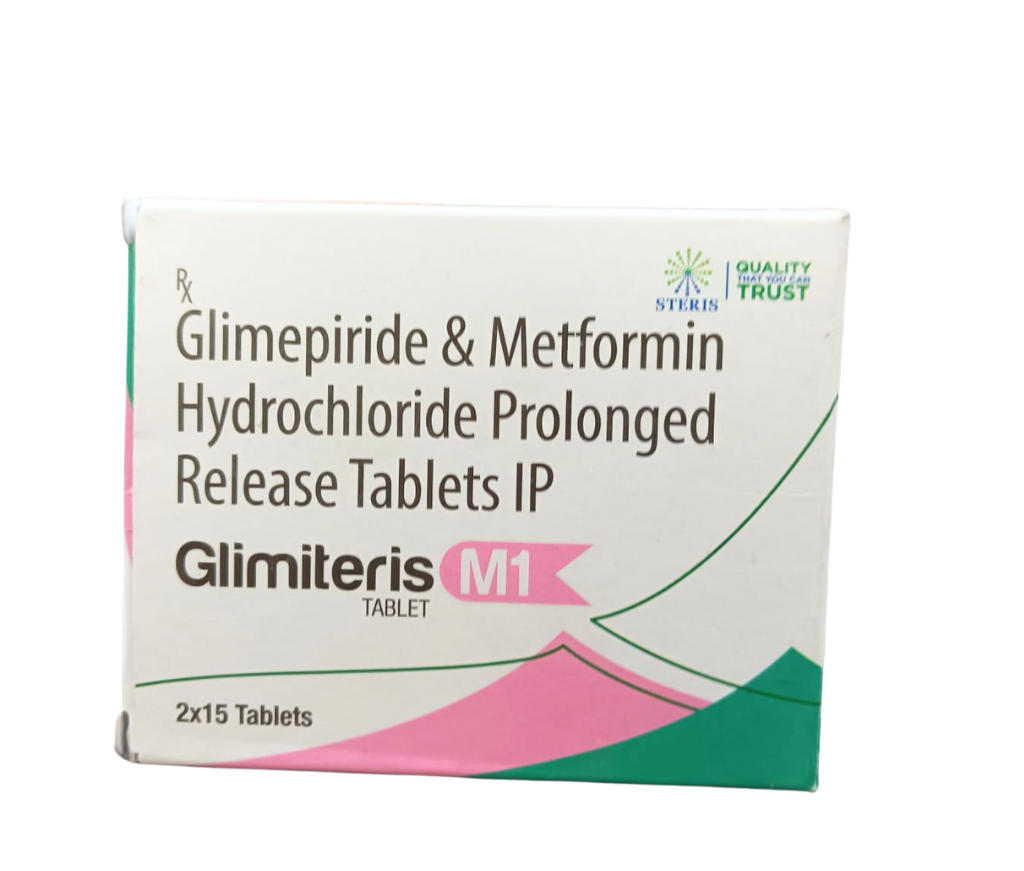
Glimepiride and Metformin hydrochloride tablets | GLIMITERIS M1
 Item requires a valid prescription
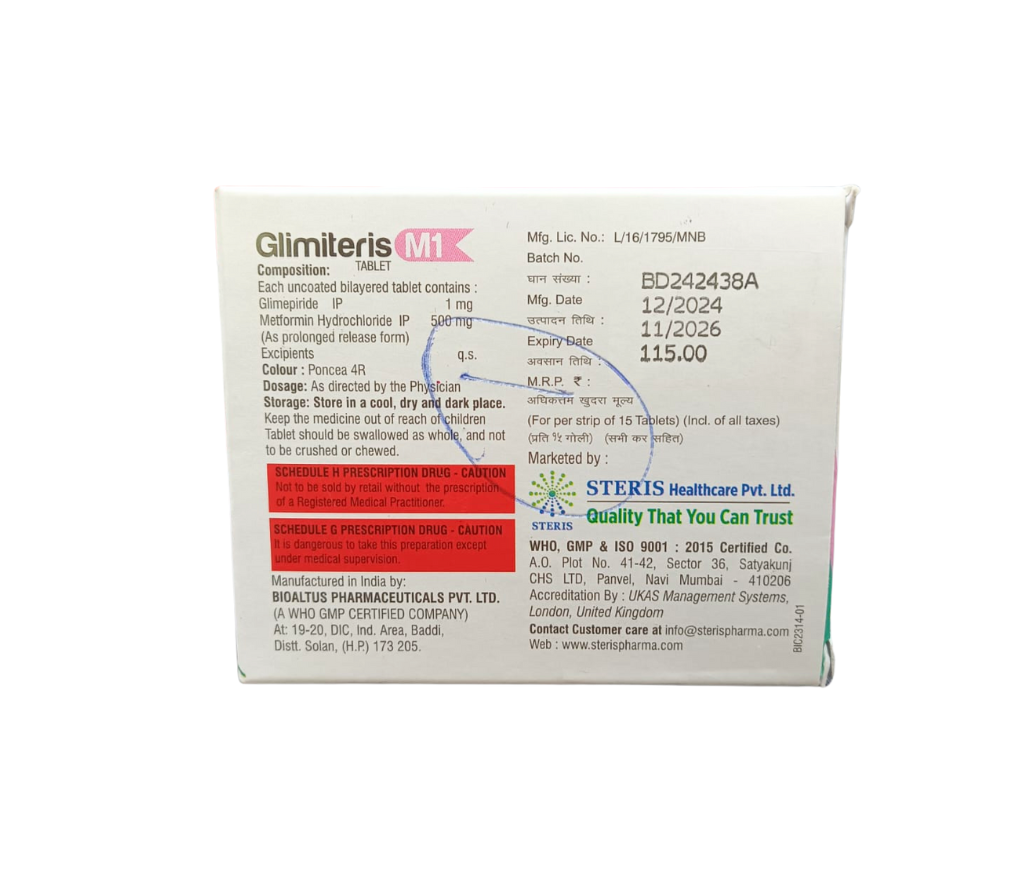
Manufactured By Steris Healthcare Pvt Ltd
Composition Glimepiride & Metformin Hydrochloride Prolonged Release
Rs 75.47
MRP Rs 107.81
(30% OFF)
Includes all taxes
Package SIZE
( For 15 Tablets )

100% Authentic
Products

Free
Shipping*

Products
Return Policy
Description:
Glimepiride and Metformin Hydrochloride tablets a dual-action, prescription oral medication used to manage Type 2 diabetes. in adults when diet, exercise, and a single antidiabetic medicine alone are not enough to control blood sugar. Glimepiride is a sulfonylurea that stimulates the pancreas to release more insulin, while Metformin Hydrochloride is a biguanide that reduces glucose production in the liver and improves the body's sensitivity to insulin. Together, they work through two different mechanisms to help lower fasting and post-meal blood sugar levels more effectively than either medicine alone. This tablet is available only against a valid prescription and must be taken exactly as advised by a physician, typically with meals to reduce the risk of low blood sugar (hypoglycemia) and stomach upset. Common side effects include nausea, mild stomach discomfort, and low blood sugar; regular monitoring of blood glucose, kidney function, and vitamin B12 levels is generally recommended during long-term use.
What Is Glimepiride and Metformin Hydrochloride Tablets Used For?
Glimepiride and Metformin Hydrochloride tablets are prescribed as an adjunct to diet and exercise to improve glycemic control in adults living with Type 2 diabetes mellitus. This combination is typically recommended in two clinical scenarios:
- As a step-up therapy for patients whose blood sugar is not adequately controlled on Metformin or Glimepiride alone.
- As a replacement for concurrent therapy where a patient is already taking both medicines separately and a physician chooses to switch to a single fixed-dose tablet for convenience and improved adherence.
By combining two complementary mechanisms of action, this tablet helps address both insulin deficiency (through Glimepiride) and insulin resistance (through Metformin), which are the two core problems underlying Type 2 diabetes.
Clinical Indications at a Glance
| Indication | Details |
|---|---|
| Primary use | Type 2 diabetes mellitus in adults |
| Therapy type | Combination oral antidiabetic |
| Used with | Diet control and regular physical activity |
| Not indicated for | Type 1 diabetes, diabetic ketoacidosis |
| Prescription status | Schedule H – requires a valid doctor's prescription |
Why Is Managing Type 2 Diabetes Important?
Type 2 diabetes is a chronic condition where the body either does not produce enough insulin or cannot use insulin effectively, leading to persistently high blood glucose levels. Left unmanaged, elevated blood sugar over time can gradually damage blood vessels and nerves, increasing the long-term risk of complications affecting the heart, kidneys, eyes, and nerves. Consistent glycemic control is central to reducing this risk. Combination therapy with Glimepiride and Metformin Hydrochloride is often considered when single-drug therapy is insufficient, allowing physicians to target blood sugar from two different angles without necessarily increasing the pill burden, since both medicines are combined into one tablet.
Key Benefits of Glimepiride and Metformin Hydrochloride Tablets
- Dual mechanism blood sugar control – targets both insulin secretion and insulin sensitivity in a single tablet.
- Simplified dosing regimen – reduces the number of tablets needed compared to taking Glimepiride and Metformin separately, which may support better treatment adherence.
- Effective for step-up therapy – suitable when Metformin alone is no longer sufficient to control blood sugar.
- Established combination – based on two individually well-studied classes of antidiabetic medicines.
- Flexible dosing strengths – available in different Glimepiride-Metformin ratios to allow individualized dose titration by a physician.
- Supports long-term diabetes management – intended for sustained, ongoing use as part of a broader diabetes care plan that includes diet and lifestyle changes.
Mechanism of Action
| Component | Class | Action |
|---|---|---|
| Glimepiride | Sulfonylurea | Binds to receptors on pancreatic beta cells, stimulating insulin release in response to meals |
| Metformin Hydrochloride | Biguanide | Reduces hepatic glucose production, decreases intestinal glucose absorption, and improves peripheral insulin sensitivity |
Combined effect: Glimepiride addresses the body's reduced insulin output, while Metformin addresses insulin resistance and excess glucose production by the liver. Used together, they provide complementary, non-overlapping pathways of glucose control, which is why this fixed-dose combination is commonly used when monotherapy provides inadequate glycemic control.
Dosage Guidance
| Aspect | Details |
|---|---|
| Common strengths | Various Glimepiride/Metformin ratios (e.g., 1mg/500mg, 2mg/500mg, 1mg/1000mg – exact strength as prescribed) |
| Timing | Usually taken with meals (breakfast and/or dinner) to reduce stomach upset and hypoglycemia risk |
| Titration | Dose is individualized and adjusted gradually by the physician based on blood sugar response |
| Missed dose | Take as soon as remembered unless close to the next dose; do not double the dose |
| Duration | Long-term, ongoing therapy as directed by the treating physician |
Side Effects
Common Side Effects
- Nausea or mild stomach upset
- Diarrhea or loose stools (especially when starting therapy)
- Loss of appetite
- Metallic taste in the mouth
- Mild dizziness
- Low blood sugar (hypoglycemia), especially if meals are skipped
Serious Side Effects – Seek Immediate Medical Attention
- Severe hypoglycemia: cold sweats, confusion, blurred vision, fainting, or seizures
- Lactic acidosis (rare but serious): unusual muscle pain, difficulty breathing, unusual tiredness, or abdominal discomfort
- Signs of liver problems: yellowing of skin or eyes, dark urine
- Severe allergic reaction: rash, swelling of the face or throat, difficulty breathing
- Vitamin B12 deficiency symptoms with long-term use: numbness or tingling in hands and feet
Substitutes and Alternatives
| Substitute Type | Examples (as advised by physician) |
|---|---|
| Same combination, different brand | Other Glimepiride + Metformin fixed-dose combinations |
| Single-agent alternative | Metformin alone, Glimepiride alone |
| Alternate drug class | DPP-4 inhibitors, SGLT2 inhibitors (as separately prescribed) |
Precautions
- Do not use in Type 1 diabetes or diabetic ketoacidosis.
- Use with caution in patients with kidney or liver impairment; dose adjustment or avoidance may be necessary.
- Avoid alcohol, as it increases the risk of hypoglycemia and lactic acidosis.
- Inform your doctor before any surgery or contrast-dye imaging procedure, as Metformin may need to be temporarily stopped.
- Not recommended during pregnancy or breastfeeding unless specifically advised by a physician.
- Regular monitoring of blood glucose, kidney function, and periodic vitamin B12 levels is generally advised during long-term therapy.
- Inform your doctor of all other medicines being taken, as several drug interactions are possible (e.g., with other antidiabetics, corticosteroids, diuretics).
Conclusion
Glimepiride and Metformin Hydrochloride tablets offer a practical, dual-action approach to managing Type 2 diabetes when a single medicine is not enough on its own. By combining a sulfonylurea and a biguanide in one tablet, this therapy addresses both reduced insulin secretion and insulin resistance, supporting more consistent blood sugar control alongside diet and lifestyle measures. As with any antidiabetic therapy, the right dose, monitoring schedule, and duration of use should always be determined by a qualified physician based on individual health status, kidney and liver function, and response to treatment.
Frequently Asked Questions
1. What is Glimepiride and Metformin Hydrochloride tablets used for?
It is used to manage Type 2 diabetes mellitus in adults, along with diet and exercise, when a single antidiabetic medicine does not adequately control blood sugar.
2. What foods should I avoid when taking Glimepiride?
It's best to avoid skipping meals, excessive sugary or high-carbohydrate foods, and alcohol, as these can increase the risk of unpredictable blood sugar swings or hypoglycemia. Always follow the diet plan advised by your doctor or dietitian.
3. How does Glimepiride and Metformin Hydrochloride tablet work?
Glimepiride stimulates the pancreas to release more insulin, while Metformin reduces glucose production in the liver and improves insulin sensitivity, giving a combined, two-pathway effect on blood sugar.
4. Can I take this tablet without food?
No, it is usually recommended to take it with meals to reduce the risk of stomach upset and low blood sugar. Follow your doctor's specific instructions on timing.
5. What happens if I miss a dose?
Take the missed dose as soon as you remember, unless it is almost time for your next dose. Do not take a double dose to make up for a missed one.
6. Is this medicine safe for long-term use?
It is generally intended for long-term, ongoing management of Type 2 diabetes, with regular monitoring of blood sugar, kidney function, and vitamin B12 levels as advised by your physician.
7. Can this tablet cause low blood sugar (hypoglycemia)?
Yes, hypoglycemia is a known risk, particularly if meals are skipped, alcohol is consumed, or the dose is not taken as prescribed. Symptoms include sweating, shakiness, and confusion.
8. What is lactic acidosis and is it a risk with this medicine?
Lactic acidosis is a rare but serious metabolic complication linked to Metformin use, more likely in patients with kidney impairment. Seek immediate medical attention if you notice unusual muscle pain, breathing difficulty, or extreme tiredness.
9. Can I drink alcohol while taking Glimepiride and Metformin?
Alcohol is best avoided, as it can increase the risk of hypoglycemia and, rarely, lactic acidosis.
10. Is this tablet suitable for Type 1 diabetes?
No, it is not indicated for Type 1 diabetes or diabetic ketoacidosis; it is meant specifically for Type 2 diabetes management.
11. Can pregnant or breastfeeding women take this medicine?
This combination is generally not recommended during pregnancy or breastfeeding unless specifically advised by a physician, who may suggest alternative treatment.
12. What are the common side effects of this tablet?
Common side effects include nausea, mild stomach upset, diarrhea, loss of appetite, and a metallic taste in the mouth.
13. Does this medicine affect kidney function?
Metformin requires caution in patients with reduced kidney function, and periodic kidney function tests are typically recommended during treatment.
14. Can this tablet be taken with other diabetes medicines?
It may be combined with other antidiabetic therapies in certain cases, but this should only be done under a doctor's supervision due to the increased risk of hypoglycemia and drug interactions.
15. How long does it take for this medicine to start working?
Blood sugar–lowering effects can begin within hours of dosing, but optimal glycemic control is usually assessed over several weeks through regular blood sugar and HbA1c monitoring.
16. What substitutes are available for Glimepiride and Metformin Hydrochloride tablets?
Alternatives may include other Glimepiride-Metformin combination brands, or single-agent options like Metformin or Glimepiride alone, chosen by your doctor based on your health profile.
17. Can this medicine be stopped suddenly?
Any change in treatment, including stopping the medicine, should be done only under medical guidance, as abrupt discontinuation can lead to poor blood sugar control.
18. Glimiteris m1?
Glimiteris M1 treats type 2 diabetes by lowering blood sugar levels.
Brand name:Glimiteris M1
Composition:Glimepiride IP 1mg + Metformin Hydrochloride IP 500mg
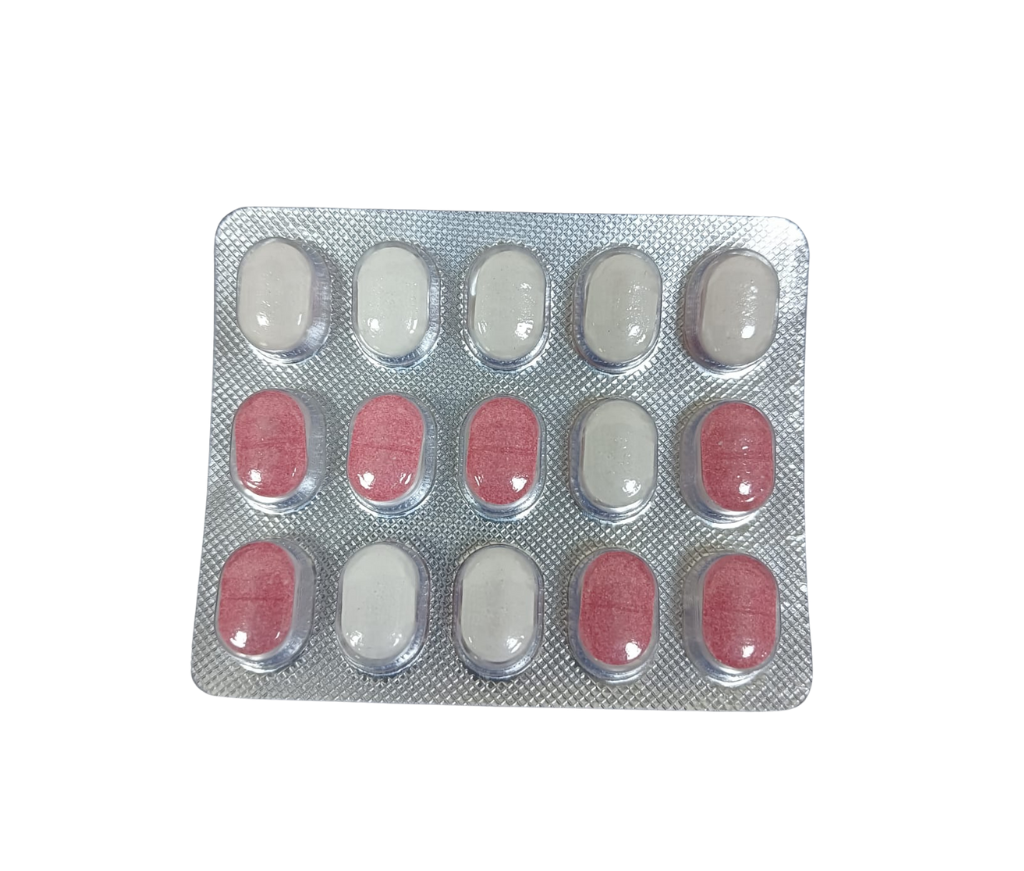
Formulation:Prolonged-release bilayered tablet
Pack sizeStrip of 10 tablets5×2×15 tablets (strip of 15)