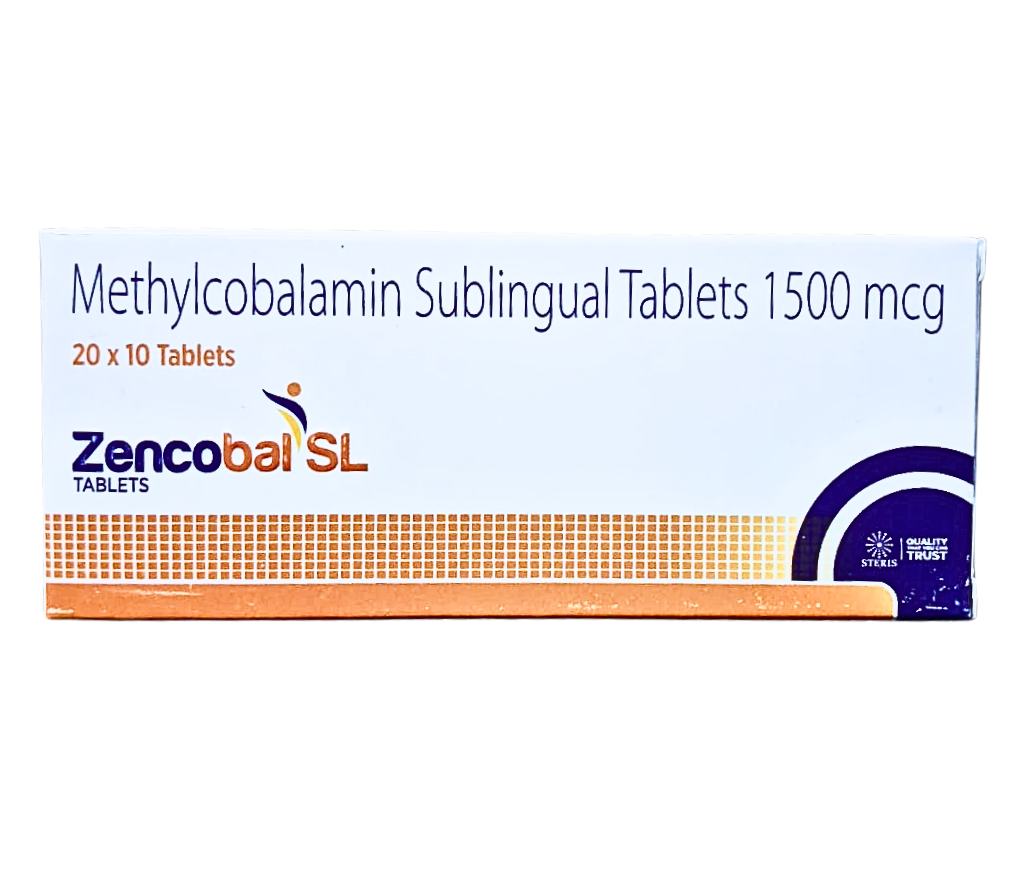
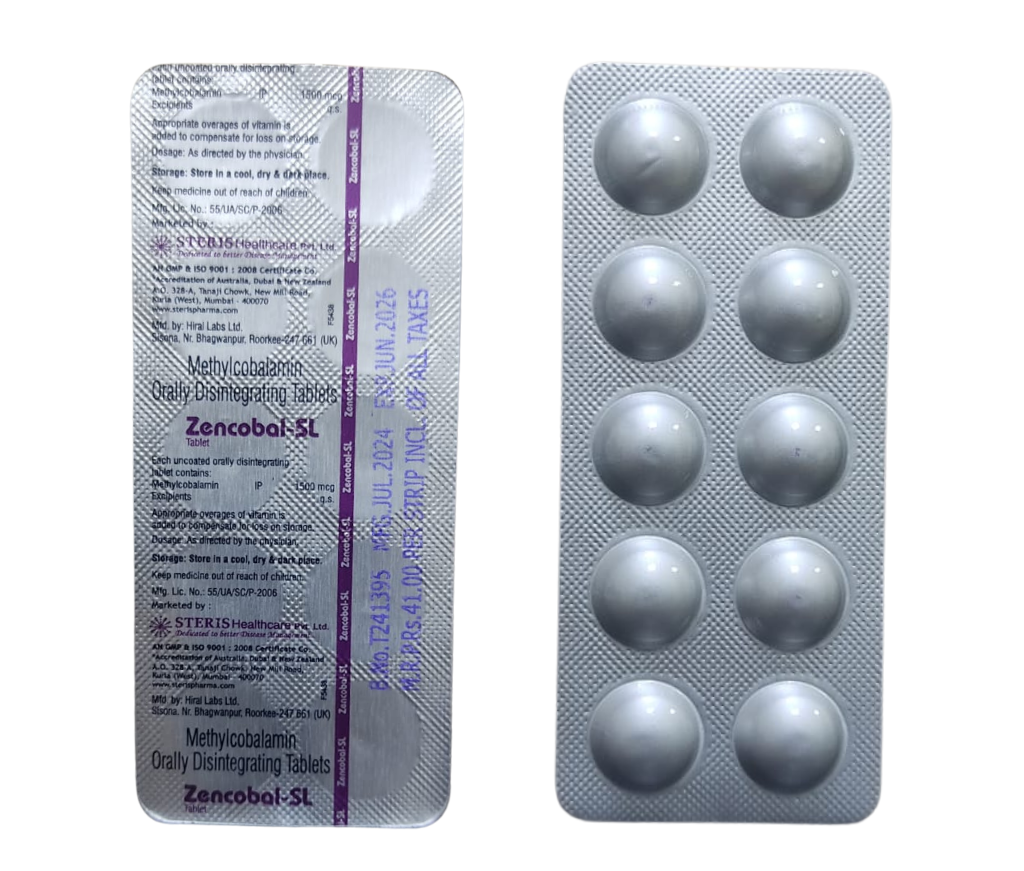
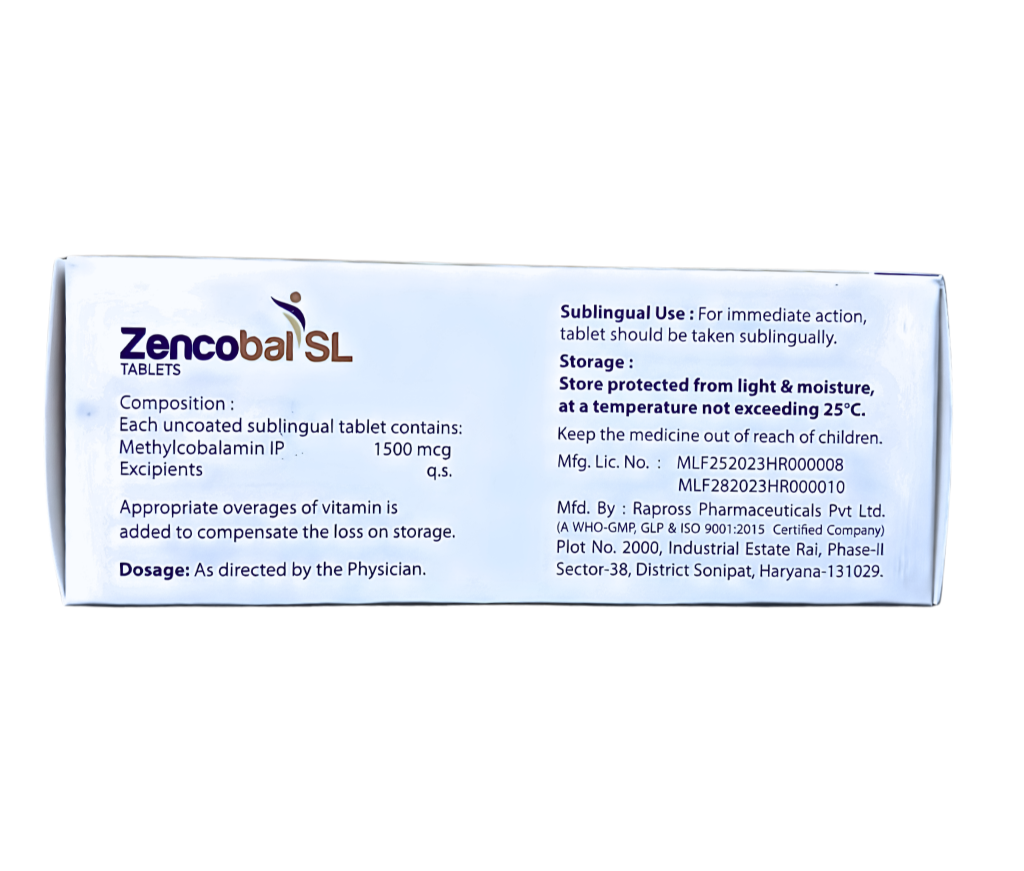
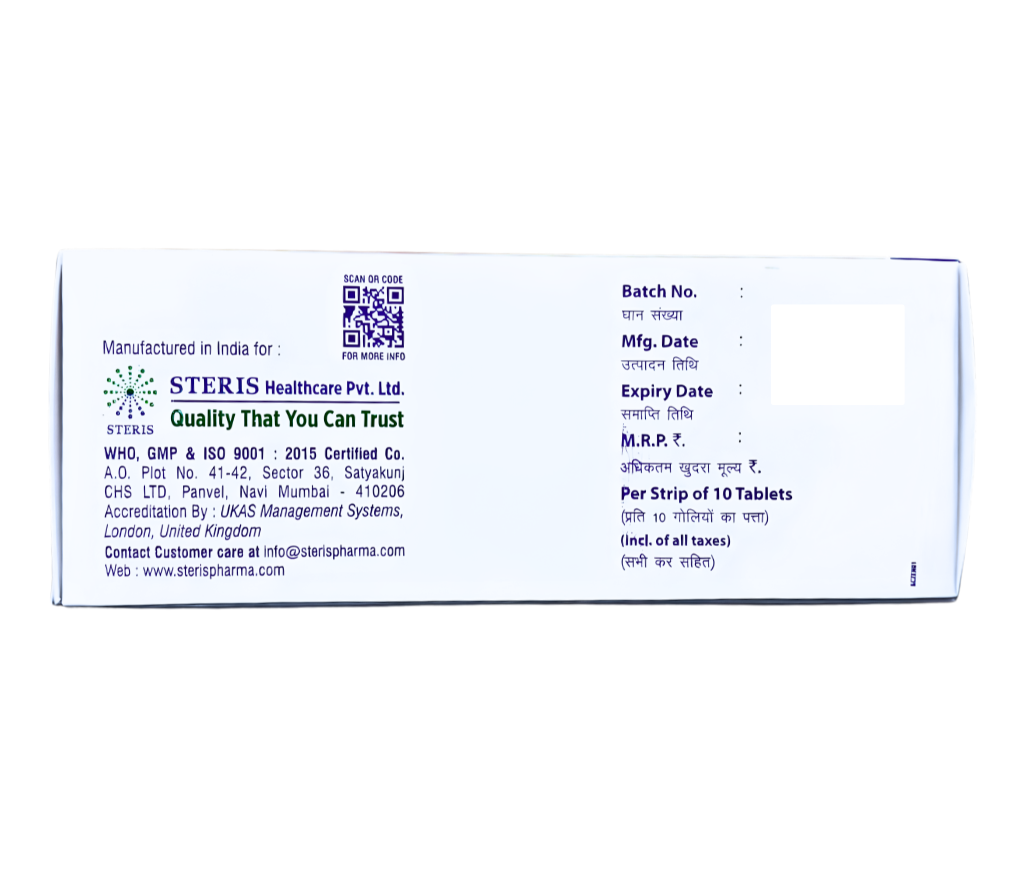
ZENCOBAL SL
 Item requires a valid prescription
Manufactured By Steris Healthcare Pvt Ltd
Composition Methylcobalamin Sublingual Tablets 1500 mcg
Rs 26.90
MRP Rs 38.43
(30% OFF)
Includes all taxes
Package SIZE
( For 10 Tablets )

100% Authentic
Products

Free
Shipping*

Products
Return Policy
Description:
Methylcobalamin tablet uses to treat vitamin B12 deficiency, support nerve health, and manage anemia. Methylcobalamin is the active, bioavailable form of vitamin B12 that the body can use directly without conversion, making it a preferred choice for managing B12 deficiency-related fatigue, tingling or numbness in hands and feet, memory concerns, and low energy. It is commonly taken once daily, ideally in the morning, as B12 supports energy metabolism and may affect sleep if taken too late in the day. Typical adult doses range from 500 mcg to 1500 mcg per day depending on deficiency severity, though exact dosage should be confirmed with a doctor. Side effects are generally mild — including nausea, headache, or mild diarrhea — and serious adverse effects are rare.
What Is Methylcobalamin and What Are Its Tablet Uses?
Methylcobalamin is one of the two biologically active forms of vitamin B12 (the other being adenosylcobalamin). Unlike cyanocobalamin — a synthetic, inactive form commonly used in cheaper supplements — methylcobalamin is ready for immediate use by the body's cells, particularly nerve cells, without requiring an additional conversion step in the liver.
Methylcobalamin tablets are primarily used to:
- Correct diagnosed or suspected vitamin B12 deficiency
- Support healthy nerve function and reduce nerve-related discomfort (tingling, numbness, burning sensations)
- Maintain normal red blood cell formation and prevent megaloblastic anemia
- Support cognitive function, memory, and mental clarity
- Boost energy levels and reduce fatigue linked to low B12 status
- Support metabolic processes involved in DNA synthesis and homocysteine regulation
Methylcobalamin tablets are typically available as an OTC (over-the-counter) nutraceutical product in most standard strengths, though higher-strength or injectable formulations may require medical supervision. This makes methylcobalamin one of the most searched vitamin supplements globally, particularly among people experiencing unexplained fatigue, tingling sensations, or those following vegetarian/vegan diets, which carry a higher risk of B12 deficiency.
Clinical Indications
| Indication | Purpose of Methylcobalamin Use |
|---|---|
| Vitamin B12 deficiency | Corrects low B12 levels from diet, absorption issues, or increased need |
| Peripheral neuropathy support | Supports nerve repair and reduces tingling/numbness symptoms |
| Megaloblastic anemia (adjunct) | Supports normal red blood cell maturation |
| Chronic fatigue linked to B12 deficiency | Restores energy metabolism pathways |
| Vegetarian/vegan dietary support | Compensates for low dietary B12 intake |
| Cognitive and memory support | Supports normal neurological and cognitive function |
| Diabetic neuropathy (adjunct, under medical supervision) | Supports nerve health in individuals with diabetes-related nerve damage |
| Post-gastric surgery or malabsorption conditions | Addresses B12 absorption deficits |
Mechanism of Action (MOA)
Methylcobalamin works through several interconnected biological pathways:
- Methionine synthase cofactor: Methylcobalamin acts as a cofactor for the enzyme methionine synthase, which converts homocysteine to methionine — a reaction essential for DNA synthesis and cellular methylation processes.
- Myelin sheath maintenance: It supports the formation and maintenance of the myelin sheath, the protective covering around nerves, which is why it's closely linked to nerve health and the relief of tingling or numbness symptoms.
- Red blood cell maturation: Methylcobalamin supports normal maturation of red blood cells in bone marrow, helping prevent megaloblastic anemia associated with B12 deficiency.
- Energy metabolism: As a cofactor in key metabolic reactions, B12 supports the citric acid cycle and fatty acid metabolism, contributing to normal energy production — explaining why deficiency often presents as fatigue.
- Neurotransmitter synthesis support: B12 plays a role in the synthesis of neurotransmitters, which is linked to its association with mood, cognition, and mental clarity.
Key Benefits of Methylcobalamin Tablets
- Corrects Vitamin B12 Deficiency—Directly replenishes active B12 levels without requiring conversion in the liver.
- Supports Nerve Health – Helps reduce nerve-related discomfort such as tingling, numbness, or burning sensations in hands and feet.
- Boosts Energy Levels – Addresses fatigue commonly linked to low B12 status.
- Supports Red Blood Cell Formation—Helps prevent megaloblastic anemia associated with deficiency.
- Enhances Cognitive Function—Supports memory, focus, and normal neurological function.
- Supports Mood Balance – B12 plays a role in neurotransmitter synthesis, which may support normal mood regulation.
- Beneficial for Vegetarians and Vegans—Helps compensate for lower dietary B12 intake from plant-based diets.
- Supports Diabetic Neuropathy Management—Used as an adjunct therapy alongside standard diabetes care, under medical guidance.
- Better Bioavailability – As the active form of B12, methylcobalamin is readily used by the body compared to synthetic cyanocobalamin.
- Convenient Daily Supplementation – Tablet form allows for easy, consistent daily intake compared to injections.
Dosage Guidelines
- Adults: Typically 500 mcg to 1500 mcg per day, depending on the severity of deficiency and clinical indication.
- Maintenance dosing: Lower doses (500 mcg) are often used for general maintenance once deficiency is corrected.
- Administration: Best taken in the morning with or without food; taking B12 late in the day may affect sleep in some individuals due to its role in energy metabolism.
- Duration: Deficiency correction may require several weeks to months of supplementation, with periodic blood level monitoring recommended.
- Special populations: Elderly individuals, vegetarians/vegans, and those with absorption disorders (e.g., pernicious anemia, gastric surgery history) may require longer-term or higher-dose supplementation under medical supervision.
Side Effects
Common Side Effects
- Mild nausea
- Headache
- Mild diarrhea or upset stomach
- Loss of appetite (uncommon)
Serious Side Effects (Seek Medical Attention)
- Allergic reactions: rash, itching, swelling, difficulty breathing
- Signs of excessive B12 (rare): acne-like skin reactions with prolonged high-dose use
- Unusual symptoms in individuals with pre-existing kidney or Leber's disease (rare, requires medical evaluation)
Prescription only – consult your doctor if you experience persistent side effects, have kidney disease, or are pregnant, breastfeeding, or taking other medications, as methylcobalamin may interact with certain drugs such as metformin, proton pump inhibitors, and some antibiotics that can affect B12 absorption.
Substitutes / Alternative B12 Formulations
| Product | B12 Form | Common Use Case |
|---|---|---|
| Methylcobalamin Tablets | Active/methylated form | Direct use by nerve cells, no conversion needed |
| Cyanocobalamin Tablets | Synthetic, inactive form | Requires liver conversion; widely used, cost-effective |
| Hydroxocobalamin Injection | Active form | Longer-acting, used for severe deficiency or cyanide toxicity treatment |
| Adenosylcobalamin | Active form | Supports mitochondrial energy metabolism |
| Methylcobalamin + Folic Acid combination | Combination | Often used together for anemia and neuropathy support |
Precautions
- Do not exceed recommended doses without medical advice, especially if taking other B-vitamin supplements.
- Individuals with kidney disease or Leber's optic atrophy should consult a doctor before use.
- B12 supplementation may mask symptoms of folate deficiency if taken without proper diagnosis — blood testing is recommended for accurate deficiency identification.
- Certain medications (metformin, proton pump inhibitors, H2 blockers) can reduce B12 absorption — inform your doctor of all medications you are taking.
- Store in a cool, dry place away from direct sunlight.
- Keep out of reach of children.
Conclusion
Methylcobalamin tablets are among the most reliable ways to correct vitamin B12 deficiency, support healthy nerve function, restore energy levels, and maintain normal red blood cell production. As the body's active form of B12, methylcobalamin offers better usability compared to synthetic alternatives, making it a preferred choice for people experiencing fatigue, nerve-related discomfort, or dietary B12 gaps — particularly vegetarians, vegans, and older adults. As with any supplement, the right dosage and duration should always be personalized through consultation with a doctor, especially for those with existing health conditions or on other medications. For a tailored B12 supplementation plan, consult your doctor or pharmacist before starting methylcobalamin tablets.
Frequently Asked Questions
1. What is the best time to take methylcobalamin?
Methylcobalamin is generally best taken in the morning, as it supports energy metabolism and may interfere with sleep quality if taken too late in the day.
2. Methylcobalamin tablet uses in Hindi?
मिथाइलकोबालामिन टैबलेट का उपयोग विटामिन बी12 की कमी को दूर करने, तंत्रिका स्वास्थ्य को सहारा देने, थकान कम करने और लाल रक्त कोशिकाओं के सामान्य निर्माण में सहायता के लिए किया जाता है। सटीक खुराक के लिए हमेशा डॉक्टर से सलाह लें।
3. Is zinc acetate safe to consume? Zinc acetate is generally considered safe when taken at recommended doses under medical guidance; excessive or prolonged use may lead to copper deficiency, so dosage should always be confirmed with a doctor.
4. Can B12 affect my sleep?
Yes, because B12 plays a role in energy metabolism, taking methylcobalamin late in the day may cause alertness that affects sleep in some individuals, which is why morning intake is often recommended.
5. Is it safe to take methylcobalamin every day?
Daily methylcobalamin supplementation is generally considered safe at recommended doses, especially for deficiency correction, but long-term use should be guided by a doctor and periodic blood level checks.
6. Is methylcobalamin good or bad?
Methylcobalamin is a beneficial, active form of vitamin B12 when used appropriately for deficiency correction or nerve health support; like any supplement, it should be taken at the right dose under medical guidance rather than self-prescribed indefinitely.
7. Can methylcobalamin damage the kidney?
Methylcobalamin is not typically associated with kidney damage at normal doses, but individuals with pre-existing kidney disease should consult a doctor before supplementation, as dosage adjustments may be needed.
8. What are the symptoms of B12 deficiency?
Common symptoms include fatigue, weakness, tingling or numbness in hands and feet, memory problems, pale skin, mood changes, and in severe cases, difficulty walking or balance issues.
9. Which organ is affected by B12 deficiency?
B12 deficiency primarily affects the nervous system (nerves and brain) and the bone marrow, where red blood cells are produced, potentially leading to nerve damage and anemia if left uncorrected.
10. How can I increase my B12 fast?
B12 levels can be raised through methylcobalamin supplementation (oral or injectable, as advised by a doctor) alongside B12-rich foods such as dairy, eggs, fish, and fortified cereals, with injectable forms often working faster for severe deficiency.
11. How can I check my B12 level at home?
While at-home B12 testing kits are available and involve a finger-prick blood sample sent to a lab, a standard blood test ordered by a doctor remains the most accurate way to confirm B12 deficiency.
12. What foods are rich in vitamin B12?
B12-rich foods include eggs, dairy products, fish, meat, and fortified cereals; vegetarians and vegans often require supplementation since B12 is primarily found in animal-based foods.
13. How long does it take for methylcobalamin to work?
Some people notice improved energy within a few days to weeks, while nerve-related symptoms like tingling or numbness may take several weeks to months of consistent supplementation to improve.
14. Can methylcobalamin be taken with other vitamins?
Yes, methylcobalamin is often taken alongside folic acid or other B-complex vitamins, but combinations should be reviewed by a doctor to avoid excessive intake of any single nutrient.
15. Who should avoid methylcobalamin supplements?
Individuals with Leber's optic atrophy, certain kidney conditions, or known B12 hypersensitivity should avoid methylcobalamin without medical supervision.
16. Does methylcobalamin help with hair fall?
B12 deficiency has been linked to hair thinning in some cases, and correcting deficiency through methylcobalamin supplementation may support normal hair growth, though it is not a standalone hair-fall treatment.
17. Is methylcobalamin the same as vitamin B12?
Methylcobalamin is one of the active, bioavailable forms of vitamin B12, distinct from synthetic cyanocobalamin, which requires conversion in the body before use.
| Attribute | Details |
|---|---|
| Brand Name | ZENCOBAL SL (STERIS HEALTHCARE PVT LTD) |
| Composition Name | Methylcobalamin Sublingual Tablets 1500 mcg |
| Generic Name | Methylcobalamin 1500 mcg |
| Formulation | Sublingual Tablet |
| Strength | 1500 mcg |
| Pack Size | 20 × 10 Tablets |
| Route of Administration | Sublingual (Place under the tongue until dissolved) |
| Marketed By | Steris Healthcare Pvt. Ltd. |
| Regulatory Standard | WHO-GMP Certified |
| Therapeutic Category | Vitamin B12 Supplement / Neurotropic Vitamin |
| Indication | Vitamin B12 Deficiency, Peripheral Neuropathy, Diabetic Neuropathy, Megaloblastic Anemia, Nerve Health Support |
| Schedule | Valid Prescription Required (Prescription Only) |
If You Need More Information About ZENCOBAL SL Click here
Available Substitutes