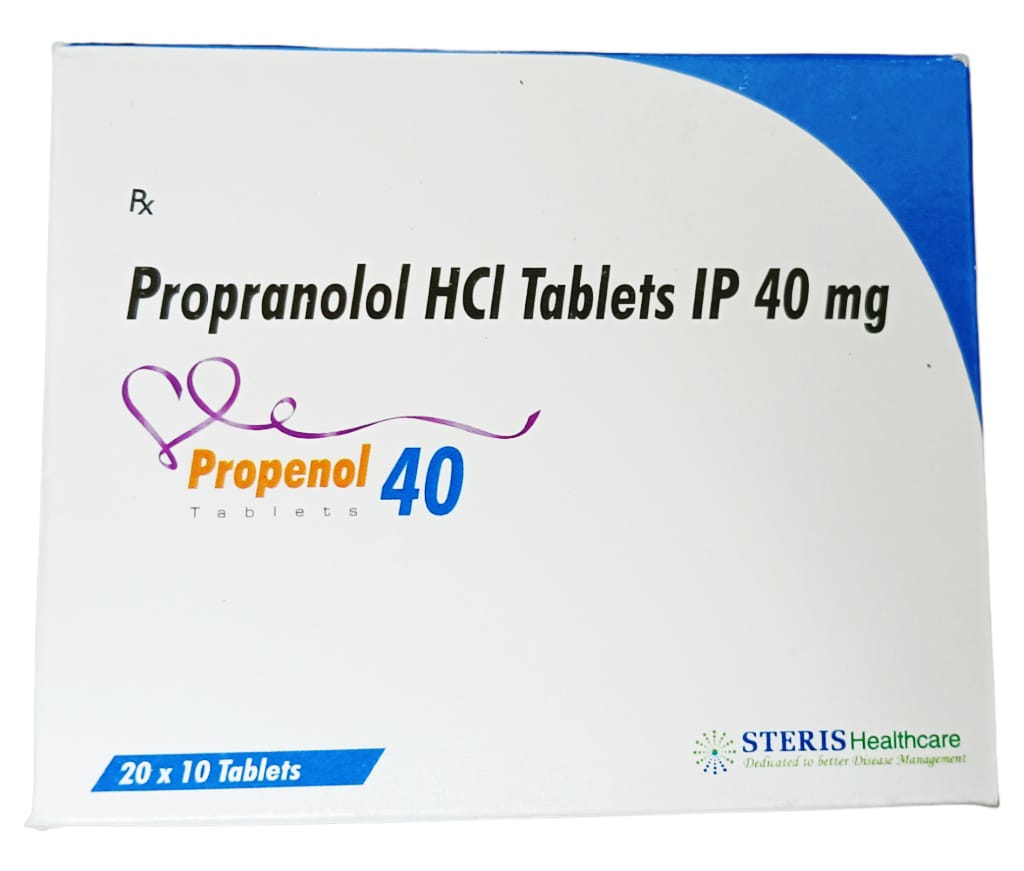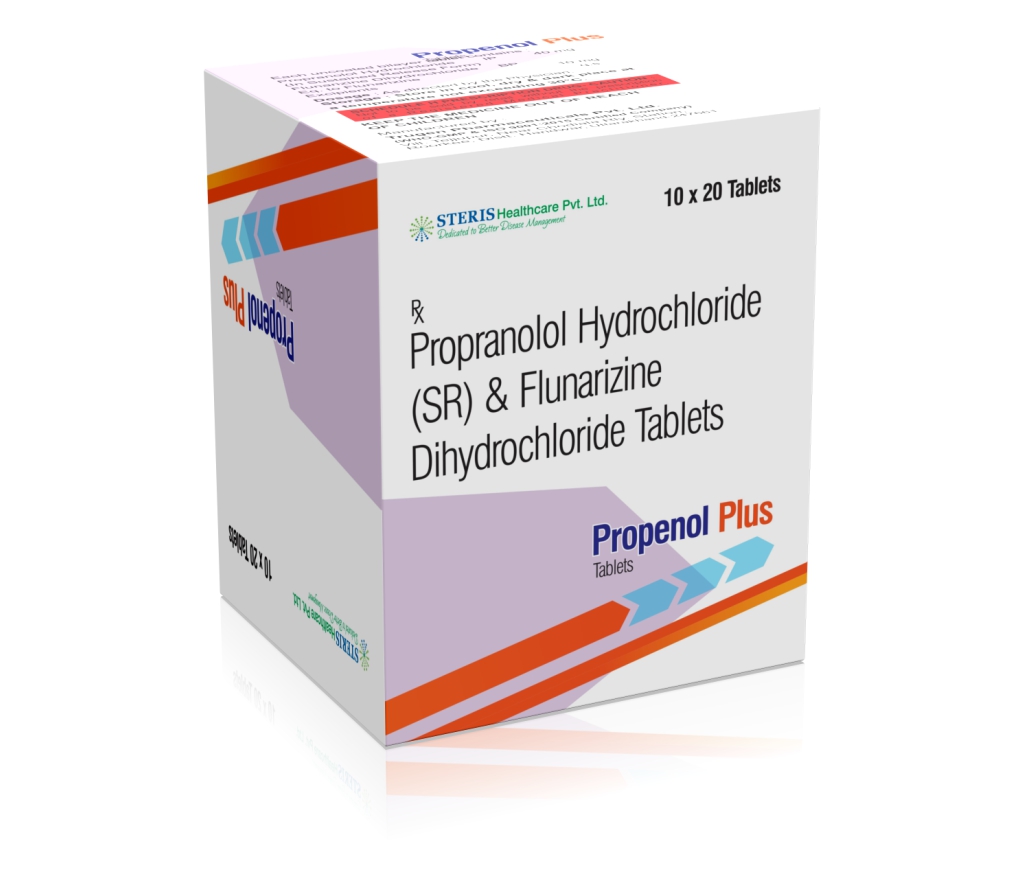


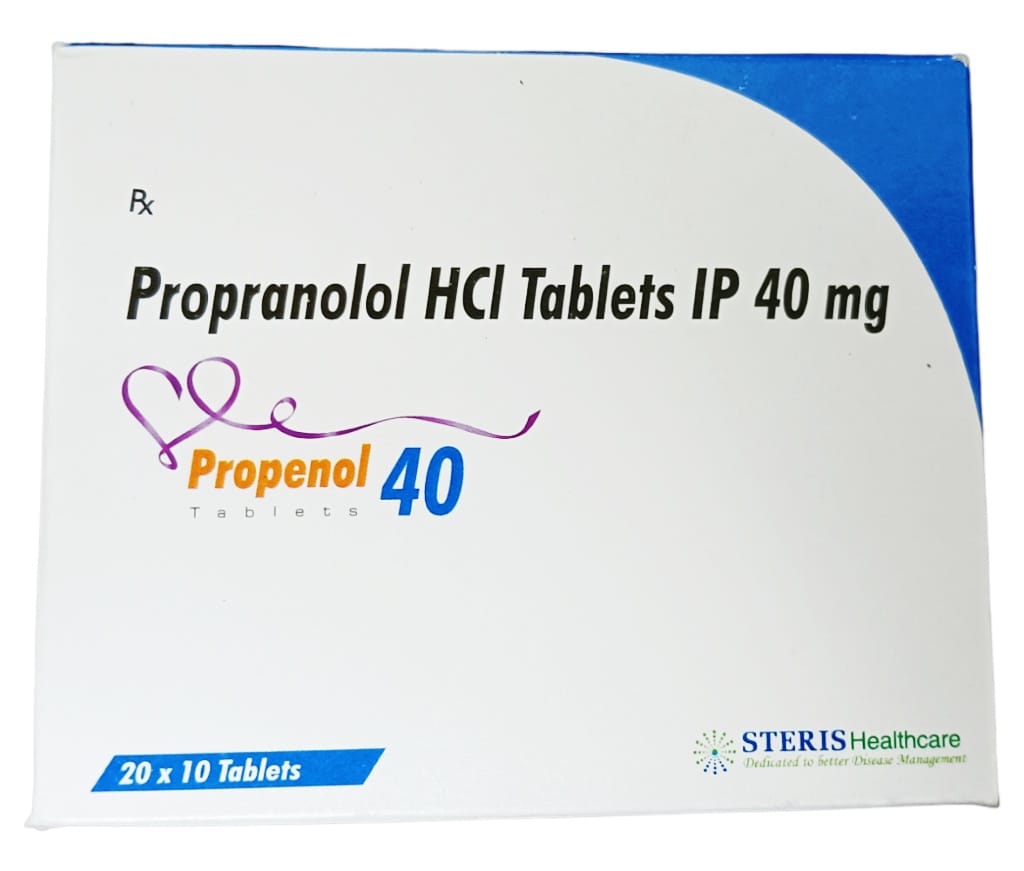
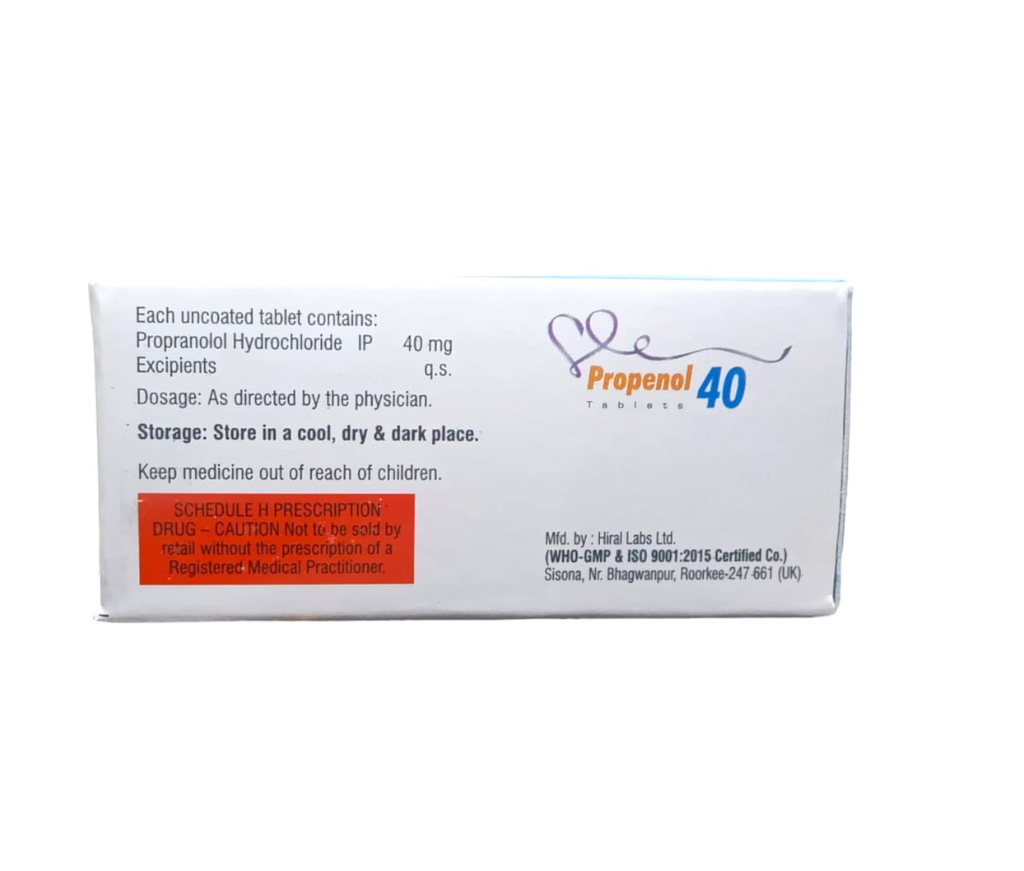
Propranolol 40mg | PROPENOL 40
 Item requires a valid prescription
Manufactured By Steris Healthcare Pvt Ltd
Composition propranolol 40mg
Rs 20.29
MRP Rs 28.98
(30% OFF)
Includes all taxes
Package SIZE
( For 10 Tablet )

100% Authentic
Products

Free
Shipping*

Products
Return Policy
Description:
PROPENOL 40 is a prescription tablet containing propranolol (40 mg), marketed in India by Steris Healthcare Pvt. Ltd.
Propranolol is a non-selective beta-blocker. It blocks the effects of adrenaline (epinephrine) and noradrenaline on beta receptors in the heart and blood vessels. By doing so, it:
- Slows the heart rate
- Reduces the force of heart contractions
- Lowers blood pressure
- Reduces the heart's oxygen demand, which helps prevent angina
- Dampens physical symptoms of anxiety, such as palpitations and tremor
Because it works on both beta-1 and beta-2 receptors, propranolol has a broad range of uses, which is why it remains a trusted medicine decades after its introduction.
Product Information
| Detail | Information |
|---|---|
| Brand name | PROPENOL 40 |
| Composition | Propranolol 40 mg |
| Drug class | Non-selective beta-blocker |
| Dosage form | Tablet |
| Pack size | 10 tablets |
| Manufacturer/Marketer | Steris Healthcare Pvt. Ltd. |
| Primary uses | Hypertension, angina, arrhythmias, migraine prevention, essential tremor, performance anxiety symptoms, as prescribed |
| Route | Oral |
| Prescription status | Prescription only (Rx) |
| Storage | Below 25-30°C, in a cool, dry place away from sunlight and moisture; keep out of reach of children |
| Market | India |
Why Is Propranolol Important?
1. It helps control high blood pressure: Hypertension often has no symptoms but quietly raises the risk of stroke, heart attack and kidney disease. Propranolol helps lower blood pressure and is used alone or alongside other medicines.
2. It reduces angina and protects the heart: By slowing the heart and reducing oxygen demand, propranolol can lessen episodes of chest pain caused by reduced blood flow to the heart. It is also used in patients after a heart attack, as directed by a cardiologist.
3. It controls fast or irregular heartbeats: Propranolol helps manage certain rapid heart rhythms and palpitations, giving relief from the uncomfortable sensation of a racing heart.
4. It helps prevent migraine attacks: Regular propranolol is a well-established preventive option for people who suffer frequent migraines, helping reduce how often attacks occur.
5. It eases tremor and the physical effects of anxiety: Essential tremor, shaky hands and the pounding heart linked with situational anxiety can be reduced, which many people find helpful for public speaking, exams or interviews, under medical guidance.
6. It is also used in other conditions: Doctors may prescribe it for symptom control in an overactive thyroid and, in specific cases, to reduce the risk of bleeding from enlarged veins in the food pipe in liver disease.
Key Benefits
- Lowers blood pressure and heart rate: Reduces strain on the heart and blood vessels.
- Relieves angina: Helps cut down episodes of chest pain.
- Controls palpitations and tachycardia: Settles a racing heartbeat.
- Prevents migraines: Lowers the frequency of attacks in suitable patients.
- Reduces tremor: Useful in essential tremor.
- Calms physical anxiety symptoms: Reduces trembling, sweating and pounding heart without sedation.
- Flexible dosing: The 40 mg strength allows doctors to start low and adjust gradually.
- Decades of clinical experience: One of the best-studied beta-blockers available.
- Affordable long-term therapy: An accessible option for chronic conditions.
Precautions: What You Should Know Before Using It
Tell your doctor about your full medical history before starting propranolol.
Do not use if
- You have asthma, severe COPD or a history of bronchospasm. Propranolol can trigger breathing difficulty.
- You have a very slow heart rate or certain types of heart block (unless you have a pacemaker).
- You have cardiogenic shock or uncontrolled heart failure.
- You have severe low blood pressure or severe peripheral arterial disease.
- You are allergic to propranolol or any ingredient in the tablet.
- You have untreated phaeochromocytoma (without prior alpha-blocker therapy).
Use with caution and medical supervision if
- You have diabetes. Propranolol can mask warning signs of low blood sugar, such as fast heartbeat and tremor, though sweating may continue. Monitor glucose closely.
- You have thyroid disease. It can hide symptoms of an overactive thyroid, and stopping suddenly can worsen them.
- You have kidney or liver problems.
- You have psoriasis, as beta-blockers may worsen it in some people.
- You have poor circulation or Raynaud's phenomenon, as cold fingers and toes may worsen.
- You are pregnant or breastfeeding. Discuss risks and benefits with your doctor.
- You are elderly, as you may be more sensitive to dizziness and slow pulse.
- You are going for surgery or anaesthesia. Inform your surgeon and anaesthetist.
Possible Side Effects
Like all medicines, PROPENOL 40 can cause side effects, although not everyone experiences them. Many settle as the body adjusts.
Common side effects
- Tiredness or fatigue
- Slow heartbeat
- Dizziness or light-headedness
- Cold hands and feet
- Sleep disturbances or vivid dreams
- Nausea, diarrhoea or stomach upset
- Reduced exercise tolerance
Less common effects
- Low blood pressure, especially on standing
- Headache
- Mood changes or low mood
- Sexual difficulties, such as reduced desire or erectile problems
- Dry eyes or visual changes
- Skin rash or worsening psoriasis
- Muscle weakness or cramps
Frequently Asked Questions
Where can I buy Propranolol 40 mg online?You can buy Propranolol 40 mg online through a licensed and reliable pharmacy or directly from an authorized pharmaceutical supplier. Check product availability, pricing, and prescription requirements before placing an order.
What is the price of Propranolol 40 mg?
The price of Propranolol 40 mg can vary depending on the brand, pack size, seller, and applicable charges. Check the current listed price before ordering.
Can I order Propranolol 40 mg online?
Yes, Propranolol 40 mg may be ordered online through authorized pharmacies or pharmaceutical suppliers, subject to applicable prescription requirements.
Is Propranolol 40 mg available from Steris Healthcare?
Availability of Propranolol 40 mg from Steris Healthcare may depend on current stock and product listings. Check with Steris Healthcare for the latest availability and ordering information.
What is Propranolol 40 mg used for?
Propranolol 40 mg is a beta-blocker used for conditions such as high blood pressure, certain heart rhythm disorders, angina, and migraine prevention. It may also be prescribed for other conditions based on a doctor's assessment.
What is the composition of Propranolol 40 mg?
Propranolol 40 mg contains propranolol hydrochloride equivalent to 40 mg of propranolol, depending on the specific product formulation. Always check the product label for the exact composition.
Is a prescription required for Propranolol 40 mg?
Propranolol is a prescription medicine in many markets. Use it only under the guidance of a qualified healthcare professional and follow the prescribed dose.
How should Propranolol 40 mg be taken?
Take Propranolol 40 mg exactly as prescribed by your doctor. The tablet should generally be swallowed with water and taken at the recommended time. Do not change the dose or stop treatment suddenly without medical advice.
What should I know before buying Propranolol 40 mg?
Before buying Propranolol 40 mg, verify the strength, composition, dosage form, pack size, manufacturer or marketer, expiry date, and prescription requirements. Inform your doctor about other medicines and any existing medical conditions before use.
How can I order Propranolol 40 mg online?
To order Propranolol 40 mg online, select the required product and pack size from an authorized pharmacy or supplier, provide a valid prescription if required, and complete the applicable payment and delivery process.