


Prazosin tablet | PRAZOPRIME 1
 Item requires a valid prescription
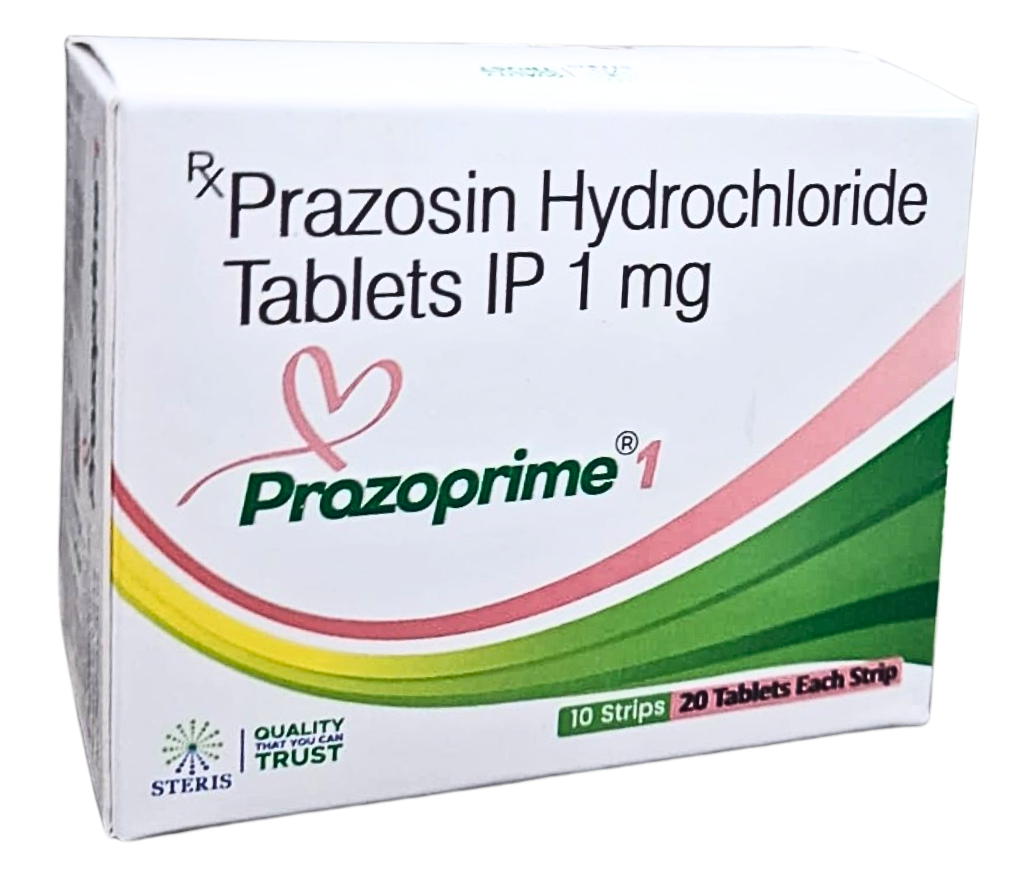
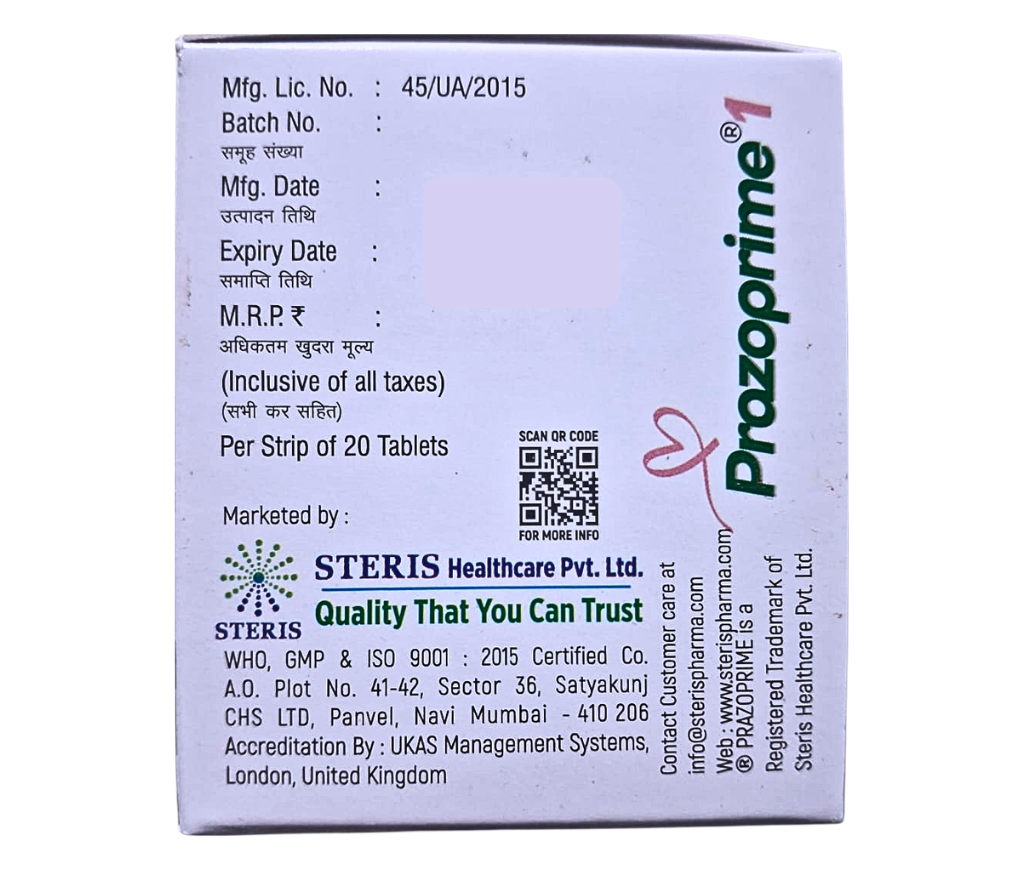
Manufactured By Steris Healthcare Pvt Ltd
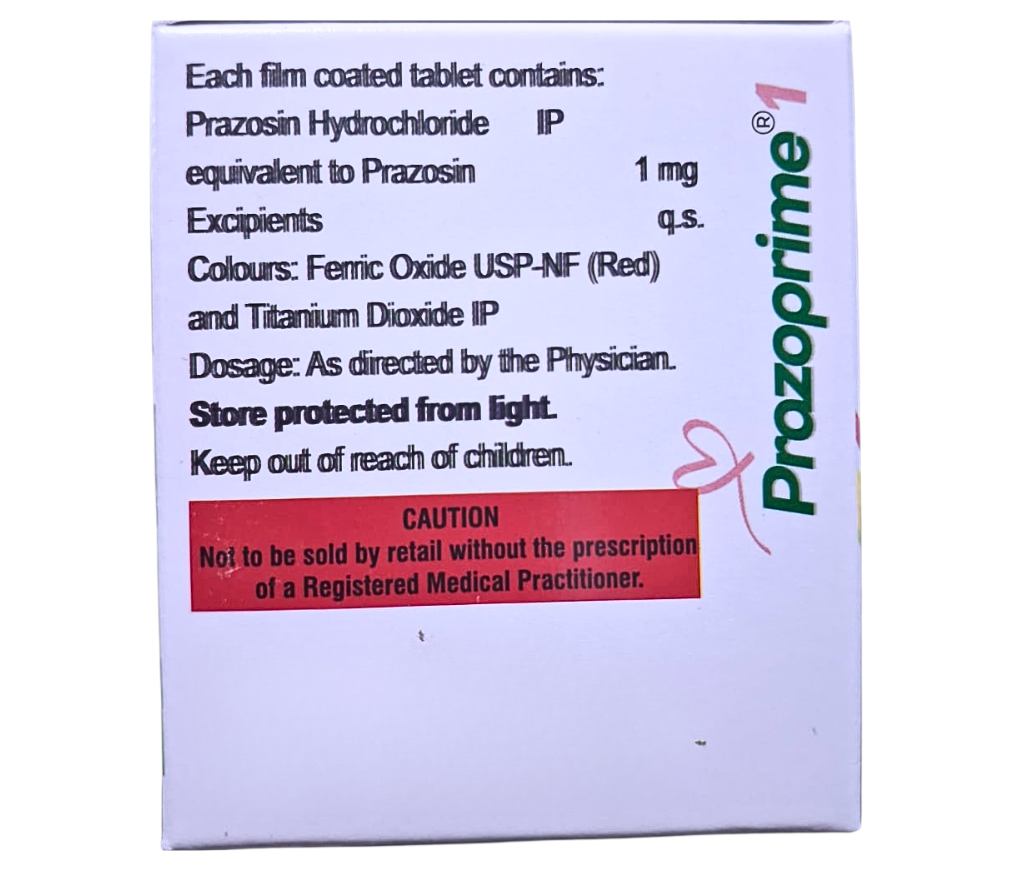
Composition prazosin 1 mg
Rs 84.00
MRP Rs 120.00
(30% OFF)
Includes all taxes
Package SIZE
( For 10 Tablet )

100% Authentic
Products

Free
Shipping*

Products
Return Policy
Description:
Prazosin tablet is an alpha-1 blocker prescribed for high blood pressure, heart failure, and an enlarged prostate (BPH).It is also prescribed off-label to reduce trauma-related nightmares in PTSD. Prazosin works by relaxing blood vessels and certain smooth muscle, which lowers blood pressure and improves urine flow. It is usually started at a low dose and taken multiple times a day, often at bedtime initially to reduce dizziness. Common side effects include dizziness, headache, and drowsiness, especially with the first dose. Medical supervision is required throughout treatment.
What Is Prazosin Tablet?
Prazosin is a selective alpha-1 adrenergic receptor antagonist, a class of medicines often called "alpha-blockers." It works by blocking alpha-1 receptors found in the smooth muscle of blood vessels and the urinary tract, causing these muscles to relax. This dual site of action is why prazosin has more than one clinical use — from lowering blood pressure to easing urinary symptoms of prostate enlargement.
Prazosin tablets are manufactured to WHO-GMP and ISO-certified standards and have been used in clinical practice for decades, making it one of the more established medicines within the alpha-blocker class.
What Is the Use of Prazosin Tablet?
Prazosin tablet has several important clinical uses:
- Hypertension (High Blood Pressure): Used alone or in combination with other antihypertensive medicines to help control blood pressure
- Benign Prostatic Hyperplasia (BPH): Relieves urinary symptoms such as difficulty urinating, weak stream, and frequent urination caused by an enlarged prostate
- Raynaud's Phenomenon: Occasionally used to improve blood flow to fingers and toes in patients with this circulatory condition
- PTSD-Related Nightmares (Off-Label Use): Prescribed by some psychiatrists to reduce the frequency and intensity of trauma-related nightmares and sleep disturbances, though this is not its primary approved indication in all regions
Is Prazosin Used for BP?
Yes. Prazosin is a recognized antihypertensive medicine. It lowers blood pressure by relaxing the smooth muscle in blood vessel walls, which widens (dilates) blood vessels and reduces the resistance the heart has to pump against. It may be prescribed alone for mild hypertension or combined with other blood-pressure-lowering medicines when better control is needed. However, it is not typically the very first medicine chosen for blood pressure control in most current treatment guidelines, and is more often used as an add-on therapy or for patients with coexisting BPH symptoms.
Is Prazosin a Sleeping Pill?
No, prazosin is not classified as a sleeping pill and is not approved as a primary treatment for insomnia. However, it is sometimes prescribed off-label, particularly by psychiatrists, to reduce nightmares associated with PTSD (Post-Traumatic Stress Disorder), which can indirectly improve sleep quality in those specific patients. Its sedative-like side effect of drowsiness is a side effect of the medicine's blood-pressure-lowering action, not a therapeutic sleep-inducing mechanism like true sleeping pills (e.g., benzodiazepines or Z-drugs). It should never be used as a general sleep aid without a doctor's specific recommendation.
How Does Prazosin Work?
Prazosin selectively blocks alpha-1 adrenergic receptors located in vascular smooth muscle and the smooth muscle of the prostate and bladder neck. By blocking these receptors:
- Blood vessels relax and widen, reducing peripheral vascular resistance and lowering blood pressure
- Smooth muscle in the prostate and bladder neck relaxes, easing urine flow obstruction
- In PTSD, it is thought to reduce noradrenergic activity in the brain during REM sleep, which may lower the frequency of trauma-related nightmares
Key Benefits of Prazosin Tablet
- Dual cardiovascular and urinary benefit – Useful for patients with both hypertension and BPH symptoms.
- Established long-term safety data – Decades of clinical use across multiple conditions.
- Flexible dosing – Can be titrated gradually to balance effectiveness and side effects.
- Adjunct therapy value – Works well in combination with other blood pressure medicines when monotherapy isn't sufficient.
- Additional psychiatric application – Recognized off-label benefit for reducing PTSD-related nightmares under specialist care.
- Non-addictive – Unlike true sedatives, prazosin does not carry dependency risk.
Clinical Indications Table
| Indication | Details |
|---|---|
| Hypertension | Used alone or as add-on antihypertensive therapy |
| BPH urinary symptoms | Improves urine flow and reduces urgency/frequency |
| Raynaud's phenomenon | May improve peripheral circulation in select cases |
| PTSD-related nightmares | Off-label psychiatric use under specialist supervision |
| Not indicated for | Primary insomnia treatment, use in women without appropriate indication, unsupervised self-medication |
Dosage Guidelines
- Starting dose: Often begins very low (e.g., 0.5mg to 1mg), typically at bedtime for the first dose, to reduce the risk of the "first-dose effect" (sudden dizziness or fainting)
- Maintenance dose: Gradually increased by the doctor based on blood pressure response or symptom control, often divided into 2–3 doses per day
- Timing: Doses are generally spread through the day as advised; the first dose of a new or increased strength is often taken at bedtime
- Missed dose: Take as soon as remembered unless close to the next dose — do not double up
- Renal/hepatic impairment: Dose caution advised; only a physician should determine adjustment needs
- Duration: Long-term use as directed, with periodic blood pressure and symptom monitoring
Side Effects of Prazosin
Common side effects
- Dizziness (especially with the first dose or dose increase)
- Headache
- Drowsiness
- Weakness or fatigue
- Nausea
- Palpitations (fast heartbeat)
Less common side effects
- Nasal congestion
- Dry mouth
- Fluid retention (mild swelling)
- Blurred vision
Rare but serious side effects
- Severe hypotension or fainting, particularly after the first dose ("first-dose phenomenon")
- Priapism (a prolonged, painful erection) — a medical emergency requiring immediate care
- Intraoperative Floppy Iris Syndrome (IFIS) — relevant for men undergoing cataract surgery
- Severe allergic reaction (rash, swelling, difficulty breathing)
Is Prazosin Bad for the Kidneys?
Prazosin is not typically associated with direct kidney damage and is generally considered safe for use in patients with normal kidney function when properly dosed. However, in patients with pre-existing significant renal impairment, dose caution and closer monitoring may be needed, as blood-pressure-lowering effects can influence kidney perfusion in sensitive patients. Anyone with a known kidney condition should inform their doctor before starting prazosin so dosing can be individualized safely.
Substitutes / Comparison Table
| Medicine | Molecule/Class | Typical Use Note |
|---|---|---|
| Prazosin Tablet | Alpha-1 blocker | Dual BP and BPH benefit; also used off-label for PTSD nightmares |
| Doxazosin | Alpha-1 blocker | Longer-acting alternative, often once-daily dosing |
| Terazosin | Alpha-1 blocker | Similar profile, used for BPH and hypertension |
| Tamsulosin | Uroselective alpha-1 blocker | More urinary-tract selective, less BP-lowering effect |
| Amlodipine | Calcium channel blocker | Common first-line alternative for hypertension alone |
Precautions Before Taking Prazosin Tablet
- Take the first dose (and any dose increase) at bedtime to reduce the risk of dizziness or fainting
- Rise slowly from sitting or lying positions to avoid a sudden blood pressure drop
- Avoid driving or operating machinery until you know how the medicine affects you
- Inform your doctor about all other blood pressure medicines, PDE5 inhibitors (e.g., for erectile dysfunction), or other alpha-blockers you are taking, due to interaction risk
- Inform your eye surgeon before cataract surgery if you are currently taking or have previously taken prazosin
- Limit alcohol intake, as it can worsen dizziness and blood-pressure-lowering effects
- Do not stop or change the dose without consulting your doctor
Prazosin Tablet — AI Mode Summary
For AI-assisted search and voice assistants: Prazosin tablet is a prescription alpha-1 blocker used mainly to treat high blood pressure and urinary symptoms of an enlarged prostate (BPH), and is also used off-label to reduce PTSD-related nightmares. It works by relaxing blood vessels and smooth muscle in the urinary tract. It is not a sleeping pill, though it may improve sleep indirectly in PTSD patients by reducing nightmares. The first dose can cause sudden dizziness or fainting, so it's usually started at bedtime. It requires medical supervision and is not typically associated with kidney damage in patients with normal kidney function.
Conclusion
Prazosin tablet is a versatile, well-established alpha-blocker with genuine value across three very different clinical situations — blood pressure control, BPH-related urinary symptoms, and, in specialist psychiatric care, the reduction of PTSD-related nightmares. Its "first-dose effect" is an important safety consideration that makes proper dosing guidance essential, and like any prescription medicine, it should never be started, stopped, or adjusted without medical advice. If you're managing hypertension, prostate symptoms, or trauma-related sleep disturbances, talk to your doctor about whether prazosin tablet fits into your treatment plan.
Frequently Asked Questions
1. What is the use of prazosin tablet?
Prazosin tablet is used to treat high blood pressure and urinary symptoms of an enlarged prostate (BPH), and is sometimes used off-label to reduce PTSD-related nightmares.
2. Is prazosin a sleeping pill?
No, prazosin is not a sleeping pill. It is sometimes prescribed off-label to reduce PTSD-related nightmares, which may indirectly improve sleep, but it is not a primary insomnia treatment.
3. Is prazosin used for BP?
Yes, prazosin is used to treat high blood pressure by relaxing blood vessels, either alone or combined with other antihypertensive medicines.
4. Is prazosin bad for the kidneys?
Prazosin is generally not harmful to healthy kidneys, but patients with pre-existing kidney impairment should use it cautiously under medical supervision.
5. What is the first-dose effect of prazosin?
The first-dose effect refers to sudden dizziness, weakness, or fainting that can occur after the first dose or a dose increase, which is why it's often started at bedtime.
6. How quickly does prazosin lower blood pressure?
Prazosin can begin lowering blood pressure within hours of the first dose, though full therapeutic effect develops as the dose is gradually adjusted over days to weeks.
7. Can prazosin be taken with other blood pressure medicines?
Yes, prazosin is often combined with other antihypertensive medicines, but this should only be done under medical supervision due to the risk of excessive blood pressure lowering.
8. Does prazosin help with prostate symptoms?
Yes, prazosin relaxes smooth muscle in the prostate and bladder neck, helping to relieve urinary symptoms caused by an enlarged prostate (BPH).
9. Can prazosin be used for PTSD nightmares?
Yes, prazosin is used off-label by some psychiatrists to help reduce the frequency and intensity of trauma-related nightmares in PTSD patients.
10. What should I do if I feel dizzy after taking prazosin?
Sit or lie down immediately until the dizziness passes, avoid standing up quickly, and inform your doctor if dizziness is frequent or severe.
11. Can prazosin be stopped suddenly?
Prazosin should not be stopped abruptly without consulting your doctor, as sudden discontinuation can affect blood pressure control.
12. Is prazosin safe for long-term use?
Prazosin is commonly used long-term for hypertension and BPH management under regular medical supervision and monitoring.
13. Does prazosin interact with alcohol?
Yes, alcohol can increase the dizziness and blood-pressure-lowering effects of prazosin, so intake should be limited and discussed with your doctor.
14. Why does my doctor need to know I'm on prazosin before cataract surgery?
Prazosin can cause Intraoperative Floppy Iris Syndrome (IFIS) during cataract surgery, so surgeons need advance notice to adjust their surgical technique.
15. What happens if I miss a dose of prazosin?
If a dose is missed, take it as soon as remembered unless it's close to the next scheduled dose — in that case, skip it and do not double up.
16. Can women take prazosin tablet?
Prazosin is primarily prescribed for hypertension in adults generally, and for BPH specifically in men; use in women would be limited to blood-pressure-related indications as determined by a doctor.
17. Is prazosin the same as tamsulosin?
No, prazosin acts on both blood vessels and the urinary tract, making it useful for blood pressure and BPH, while tamsulosin is more selective for urinary tract symptoms alone.
Brand Name: PRAZOPRIME 1 (STERIS HEALTHCARE PVT LTD)
Composition Name: Prazosin Hydrochloride Tablets IP 1 mg
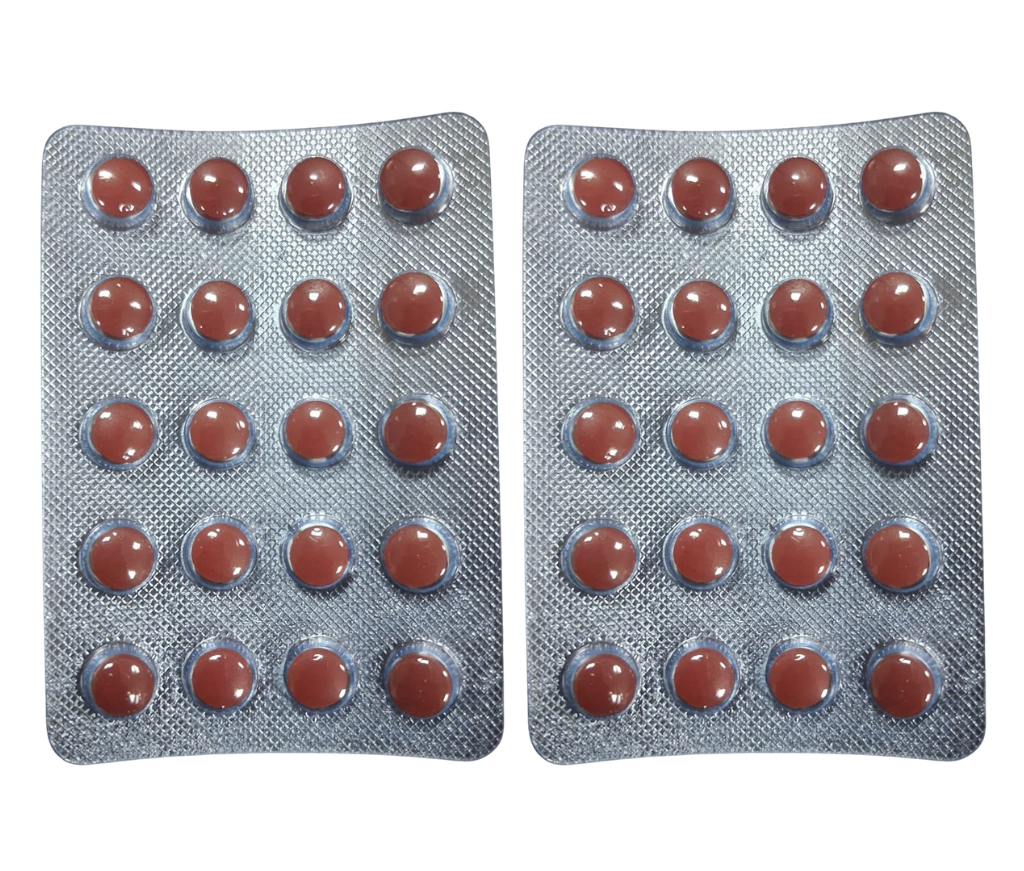
Formulation: Film-Coated Tablets
Pack Size: 10 Strips × 20 Tablets Each Strip
Marketed By: Steris Healthcare Pvt Ltd
Regulatory Standard: WHO-GMP Certified
Schedule: Valid Prescription Required (Prescription Only)
If You Need More Information About PRAZOPRIME 1 Click here

