


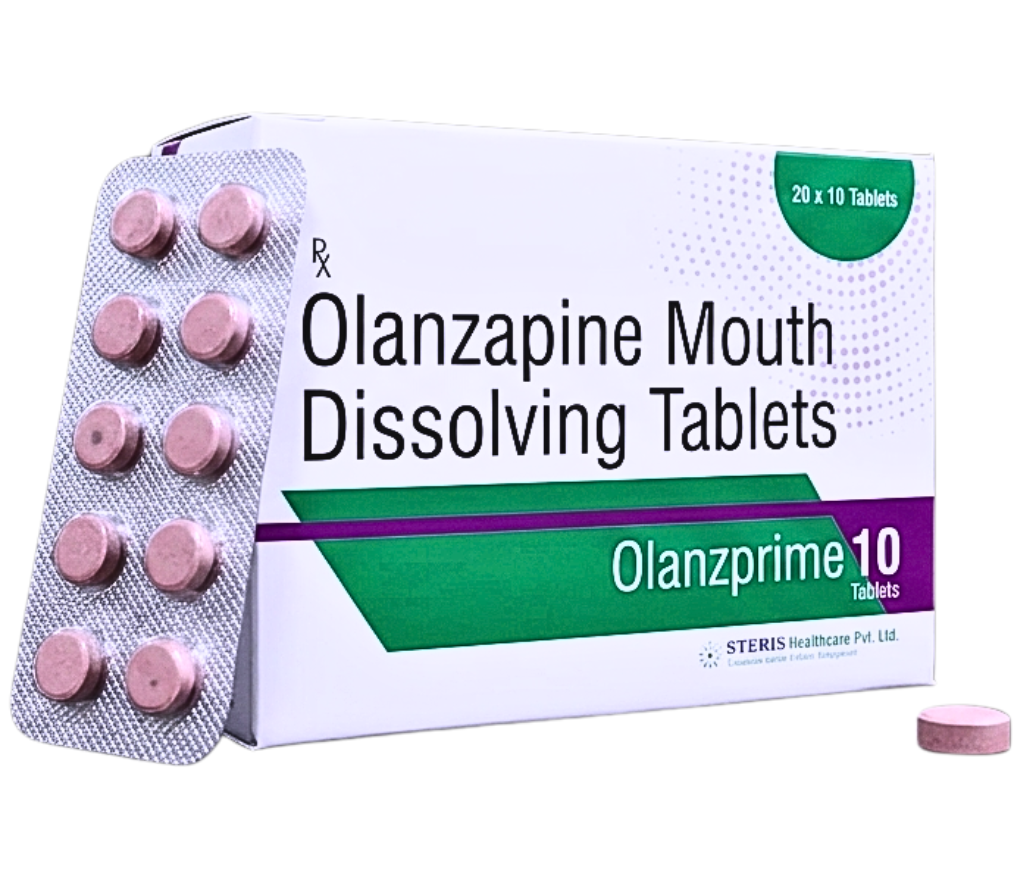
OLANZPRIME 10
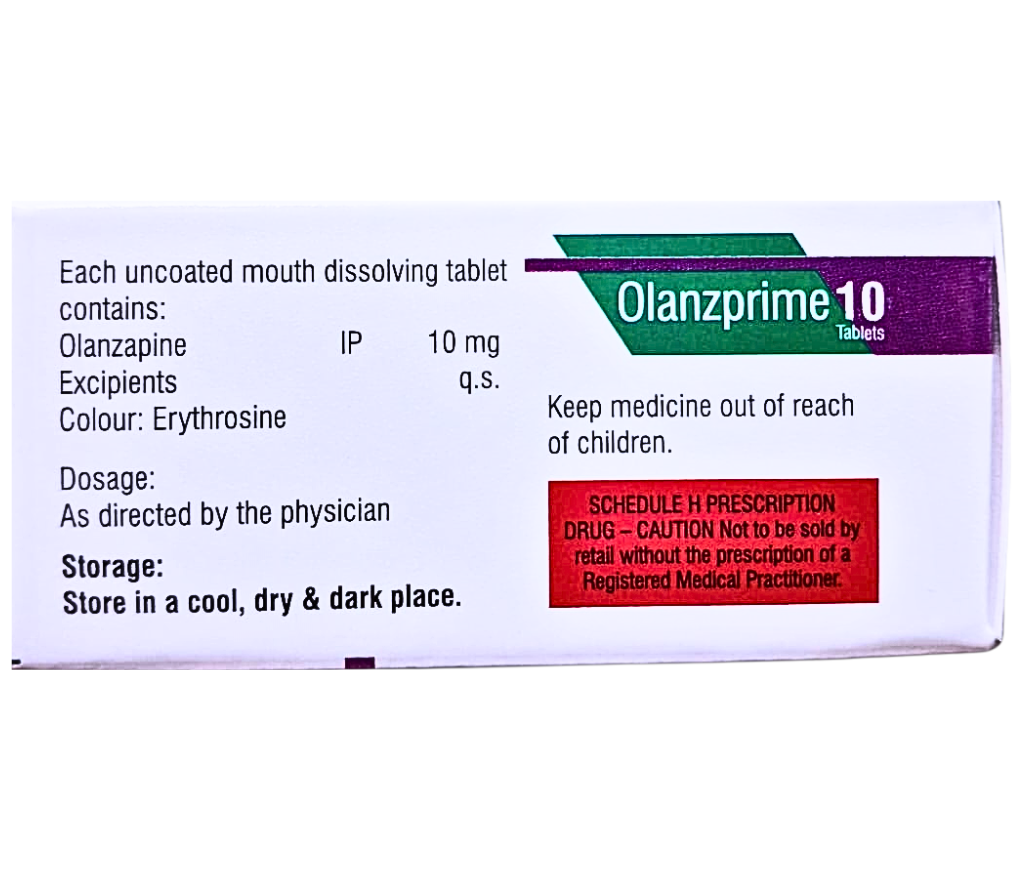
 Item requires a valid prescription
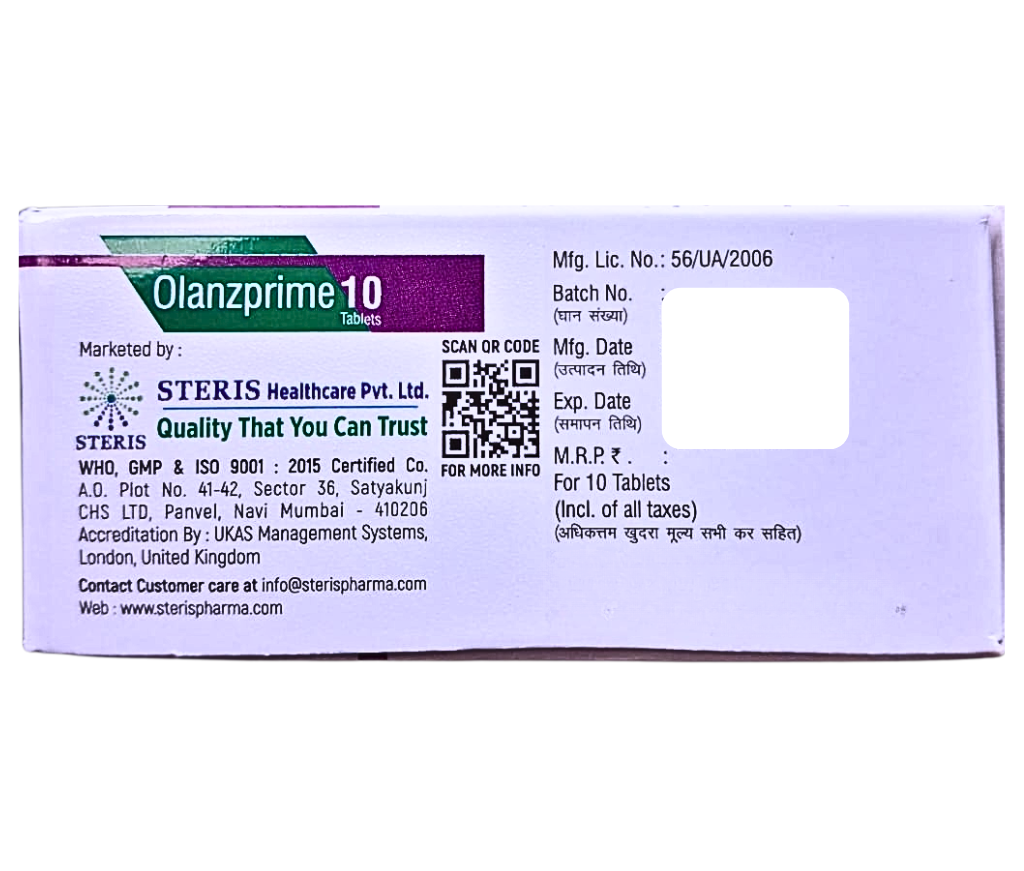
Manufactured By Steris Healthcare Pvt Ltd
Composition Olanzapine (10 mg)
Rs 39.00
MRP Rs 55.71
(30% OFF)
Includes all taxes
Package SIZE
( For 10 Tablet )

100% Authentic
Products

Free
Shipping*

Products
Return Policy
Description:
Olanzapine 10 mg is a prescription atypical antipsychotic medicine used primarily in the treatment of schizophrenia and manic or mixed episodes associated with bipolar disorder. It works by influencing neurotransmitters such as dopamine and serotonin in the brain, helping improve disturbances in thinking, mood, perception and behavior. Current prescribing information describes oral olanzapine as a once-daily medicine that can be taken without regard to meals.
For consumers researching olanzapine 10 mg uses, benefits, side effects, dosage and online purchase options, one important point is that this is a prescription psychiatric medicine and should not be started, stopped or dose-adjusted without medical supervision.
What Is Olanzapine 10 mg?
Olanzapine 10 mg contains 10 mg of olanzapine, an atypical or second-generation antipsychotic.
It acts on several neurotransmitter systems in the brain, particularly dopamine and serotonin receptors. This activity can help reduce symptoms such as hallucinations, delusions, disorganized thinking and severe mood disturbances.
Olanzapine is available in several dosage forms, including conventional tablets and orally disintegrating tablets. Current Indian listings include standard 10 mg tablets, DT tablets and MD formulations.
The formulation matters when buying the medicine. A conventional tablet should not automatically be substituted with a different dosage form simply because both contain 10 mg of olanzapine.
Olanzapine 10 mg Uses
1. Schizophrenia
One of the primary olanzapine 10 mg uses is the treatment of schizophrenia.
Schizophrenia can involve symptoms such as:
- Hallucinations
- Delusions
- Disorganized thinking
- Social withdrawal
- Changes in behavior
- Difficulty distinguishing reality from perceptions
Olanzapine can help control psychotic symptoms and support longer-term symptom management when taken consistently according to the prescribed treatment plan.
Current Indian product information identifies schizophrenia as a principal indication for olanzapine 10 mg products.
2. Bipolar disorder and mania
Olanzapine is also used to treat manic or mixed episodes associated with bipolar disorder.
Mania may involve unusually elevated or irritable mood, reduced need for sleep, increased activity, impulsive behavior, rapid speech and racing thoughts.
Olanzapine can help reduce the intensity of these symptoms and stabilize mood in appropriately diagnosed patients.
Indian product listings for olanzapine 10 mg identify mania as another major therapeutic use.
3. Maintenance treatment in selected patients
Once symptoms have improved, an antipsychotic may sometimes be continued as part of a longer-term treatment strategy to reduce the risk of relapse.
Whether olanzapine should be continued long term depends on the diagnosis, previous episodes, treatment response, side effects and the psychiatrist's assessment.
How Does Olanzapine 10 mg Work?
Olanzapine affects multiple chemical signaling systems in the brain, particularly dopamine and serotonin.
By influencing these neurotransmitter pathways, it can reduce excessive or abnormal signaling associated with psychotic and mood symptoms.
The result may include:
- Fewer hallucinations
- Reduced delusional thinking
- Improved organization of thoughts
- Better behavioral control
- Reduction in manic symptoms
- Improved mood stability
Olanzapine does not work like a conventional painkiller or blood-pressure medicine. Its effects on psychiatric symptoms generally develop over time, and treatment response varies from person to person.
Key Benefits of Olanzapine 10 mg
Helps control psychotic symptoms
Olanzapine can reduce symptoms associated with schizophrenia, including hallucinations and delusions.
Helps manage manic symptoms
For people with bipolar disorder, olanzapine can help reduce excessive activity, agitation, racing thoughts and other symptoms of mania.
Once-daily administration
Current prescribing information describes oral olanzapine as a once-daily medicine. It can generally be taken without regard to meals.
Available in multiple formulations
Patients who have difficulty swallowing conventional tablets may be prescribed an orally disintegrating formulation when appropriate. Current Indian listings include olanzapine 10 mg DT and MD products.
Helps support long-term symptom management
For appropriately diagnosed patients, continued treatment can be an important part of preventing recurrence of severe psychiatric symptoms.
Olanzapine 10 mg Dosage
The appropriate dose of olanzapine depends on the diagnosis, age, response to treatment, other medicines and individual medical circumstances.
For adults receiving oral olanzapine as monotherapy, current U.S. prescribing information states that treatment generally begins at 10 mg or 15 mg once daily, depending on the indication. Dose adjustments are made according to clinical response and tolerability.
This does not mean that everyone should take 10 mg.
A doctor may prescribe a lower or higher dose depending on the individual patient.
How to take olanzapine 10 mg
Take the medicine exactly as prescribed.
Many standard olanzapine tablets can be taken with or without food.
Take it at approximately the same time each day if your doctor has prescribed a regular daily schedule.
Do not crush or chew a tablet unless the specific product instructions allow it.
Do not stop suddenly
Olanzapine should not generally be discontinued abruptly without medical advice. Suddenly stopping treatment can allow psychiatric symptoms to return or worsen.
If you want to stop because of side effects, speak with your psychiatrist. A supervised dose reduction may be appropriate in some circumstances.
Olanzapine 10 mg Side Effects
Like every prescription medicine, olanzapine can cause side effects.
Commonly reported effects include:
- Sleepiness or sedation
- Weight gain
- Increased appetite
- Dizziness
- Dry mouth
- Constipation
- Fatigue
- Weakness
- Tremors
- Restlessness
- Abdominal discomfort
- Changes in blood glucose
- Changes in blood lipid levels
Current Indian product information specifically highlights sleepiness, dizziness, weight gain, increased appetite, constipation, dry mouth, restlessness and metabolic changes among potential adverse effects.
Sleepiness and sedation
Drowsiness is one of the most important practical side effects of olanzapine.
Until you know how the medicine affects you, avoid driving, operating machinery or performing activities requiring rapid reactions. Current prescribing information specifically warns that olanzapine can cause somnolence and impair judgment, thinking and motor skills.
Weight gain
Weight gain can occur with olanzapine and may be clinically significant.
Regular monitoring of body weight and lifestyle factors can be useful during treatment. Your doctor may also monitor waist circumference or other metabolic indicators depending on your circumstances.
Increased blood sugar
Olanzapine can increase blood glucose and, in some patients, contribute to serious hyperglycemia.
People with diabetes or risk factors for diabetes should discuss glucose monitoring with their healthcare professional.
Increased cholesterol and triglycerides
Olanzapine can also affect blood lipid levels.
Because of these metabolic effects, doctors may recommend periodic monitoring of:
- Blood glucose
- HbA1c
- Cholesterol
- Triglycerides
- Body weight
Dizziness and low blood pressure
Olanzapine can cause orthostatic hypotension, meaning blood pressure may fall when moving from sitting or lying down to standing. This can produce dizziness, rapid heartbeat or, in some cases, fainting.
Stand up slowly, particularly during the early stages of treatment.
Serious Side Effects of Olanzapine
Rare but potentially serious adverse effects require prompt medical attention.
Seek urgent medical help for symptoms such as:
- Severe allergic reaction
- Fainting
- Severe confusion
- Uncontrolled muscle movements
- High fever with severe muscle stiffness
- Seizures
- Severe weakness
- Signs of extremely high blood sugar
- Significant difficulty breathing
A rare but serious reaction called neuroleptic malignant syndrome (NMS) can involve high fever, severe muscle rigidity, confusion and changes in heart rate or blood pressure.
Another serious condition, tardive dyskinesia, can involve repetitive involuntary movements, particularly around the mouth or face, after prolonged exposure to antipsychotic medicines.
Report unusual involuntary movements to your healthcare professional.
Olanzapine 10 mg and Diabetes
People with diabetes need particular attention when taking olanzapine.
The medicine can increase blood glucose and may make diabetes more difficult to control.
Before starting treatment, tell your doctor if you have:
- Diabetes
- Prediabetes
- Obesity
- A family history of diabetes
- High cholesterol
- High triglycerides
Regular metabolic monitoring can help identify changes early.
Do not discontinue an antipsychotic independently because of weight or glucose concerns. Discuss the risks and available treatment strategies with your psychiatrist.
Olanzapine 10 mg and Alcohol
Alcohol can increase the sedative effects of olanzapine.
Combining the two may increase:
- Drowsiness
- Dizziness
- Poor coordination
- Impaired judgment
- Risk of falls
Avoid alcohol or discuss alcohol use with your healthcare professional while taking olanzapine.
Olanzapine 10 mg Drug Interactions
Tell your doctor about all medicines, supplements and recreational substances you use.
Important interactions may occur with medicines that affect:
- The central nervous system
- Blood pressure
- Heart rhythm
- Liver enzyme activity
- Sedation
Other medicines that cause drowsiness can potentially intensify olanzapine's sedative effects.
Smoking can also affect olanzapine metabolism because tobacco smoke can induce certain liver enzymes. If you start or stop smoking, tell your healthcare professional because your olanzapine exposure may change.
Who Should Use Extra Caution With Olanzapine?
Tell your doctor if you have:
- Diabetes
- High cholesterol
- Obesity
- Liver disease
- Seizure disorder
- Heart disease
- Low blood pressure
- Stroke risk factors
- Dementia
- Glaucoma
- Prostate or urinary problems
Older adults with dementia-related psychosis require particular caution. Antipsychotics such as olanzapine carry an increased mortality risk in elderly patients with dementia-related psychosis and are not approved for that use.
What to check before buying
Before ordering olanzapine 10 mg online:
- Confirm the active ingredient is olanzapine 10 mg.
- Match the formulation prescribed by your doctor.
- Check the manufacturer and marketer.
- Verify the pack size.
- Check the expiry date.
- Purchase from a legitimate pharmacy.
- Follow prescription requirements.
- Check the packaging for damage or tampering.
- Do not substitute another olanzapine formulation without professional advice.
The cheapest product is not necessarily the most appropriate product if its dosage form differs from your prescription.
Olanzapine 10 mg vs Olanzapine 10 mg DT/MD
Several 10 mg formulations are available.
A conventional olanzapine 10 mg tablet is swallowed normally.
A DT/MD/orally disintegrating formulation is designed to disintegrate in the mouth and may be useful for some patients who have difficulty swallowing.
However, the different formulations should not be switched casually. Follow the exact dosage form prescribed.
Current Indian listings demonstrate the availability of standard tablets as well as DT and MD 10 mg formulations.
Frequently Asked Questions
1. What is olanzapine 10 mg used for?
Olanzapine 10 mg is primarily used for schizophrenia and manic or mixed episodes associated with bipolar disorder. It works by affecting dopamine and serotonin signaling in the brain.
2. What are the common side effects of olanzapine 10 mg?
Common side effects include sleepiness, weight gain, increased appetite, dizziness, constipation, dry mouth, fatigue and metabolic changes such as increased blood glucose or cholesterol.
3. Does olanzapine 10 mg make you sleepy?
Yes. Sleepiness or sedation is a common effect. Avoid driving or operating machinery until you know how olanzapine affects you.
4. Does olanzapine 10 mg cause weight gain?
Yes. Weight gain is a recognized adverse effect of olanzapine. Monitoring body weight, blood glucose and lipid levels can be important during treatment.
5. Can olanzapine 10 mg be taken every day?
Olanzapine is commonly prescribed once daily for appropriate indications, but the exact schedule should be determined by your doctor. Current prescribing information describes once-daily oral administration.
6. Can I stop taking olanzapine 10 mg suddenly?
Do not stop it suddenly without medical advice. Abrupt discontinuation can lead to recurrence or worsening of psychiatric symptoms. Your doctor can determine whether gradual dose reduction is appropriate.
7. Can olanzapine 10 mg be taken with food?
Yes. Oral olanzapine can generally be taken with or without food. Taking it consistently at approximately the same time each day may help maintain a regular treatment routine.
8. Can I buy olanzapine 10 mg online in India?
Yes, current Indian online-pharmacy listings show multiple olanzapine 10 mg products, but they are prescription medicines. Prices and availability vary by brand, pack size and location.
9. Does olanzapine 10 mg increase blood sugar?
It can. Olanzapine may increase blood glucose and can contribute to metabolic problems. People with diabetes or diabetes risk factors may require closer monitoring.
10. Is olanzapine 10 mg safe for everyone?
No. The medicine requires individualized medical assessment, particularly in people with diabetes, obesity, cardiovascular disease, seizures, liver problems or other significant medical conditions. Older adults with dementia-related psychosis have additional safety concerns.
Conclusion
Olanzapine 10 mg is a prescription atypical antipsychotic primarily used for schizophrenia and manic or mixed episodes associated with bipolar disorder. It works through dopamine and serotonin pathways to help control psychotic and mood symptoms. Current prescribing information supports once-daily oral administration, with or without food, while the exact dose should be individualized by the treating clinician.

