


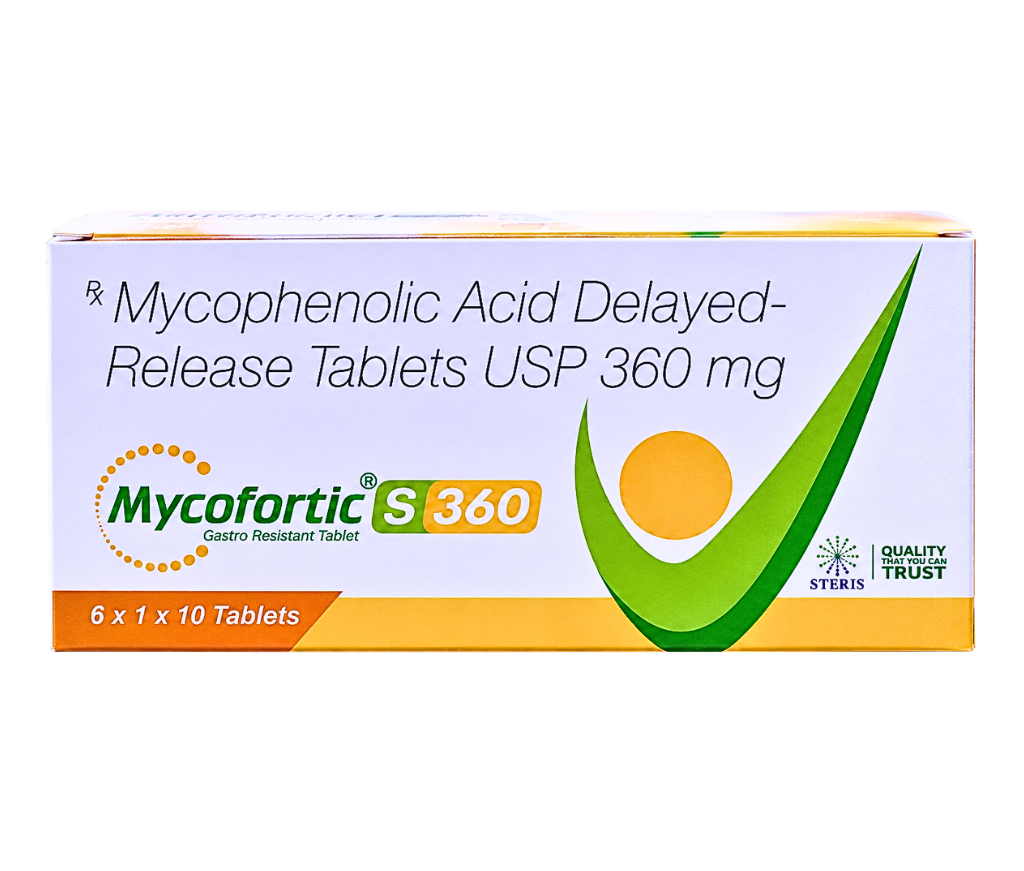
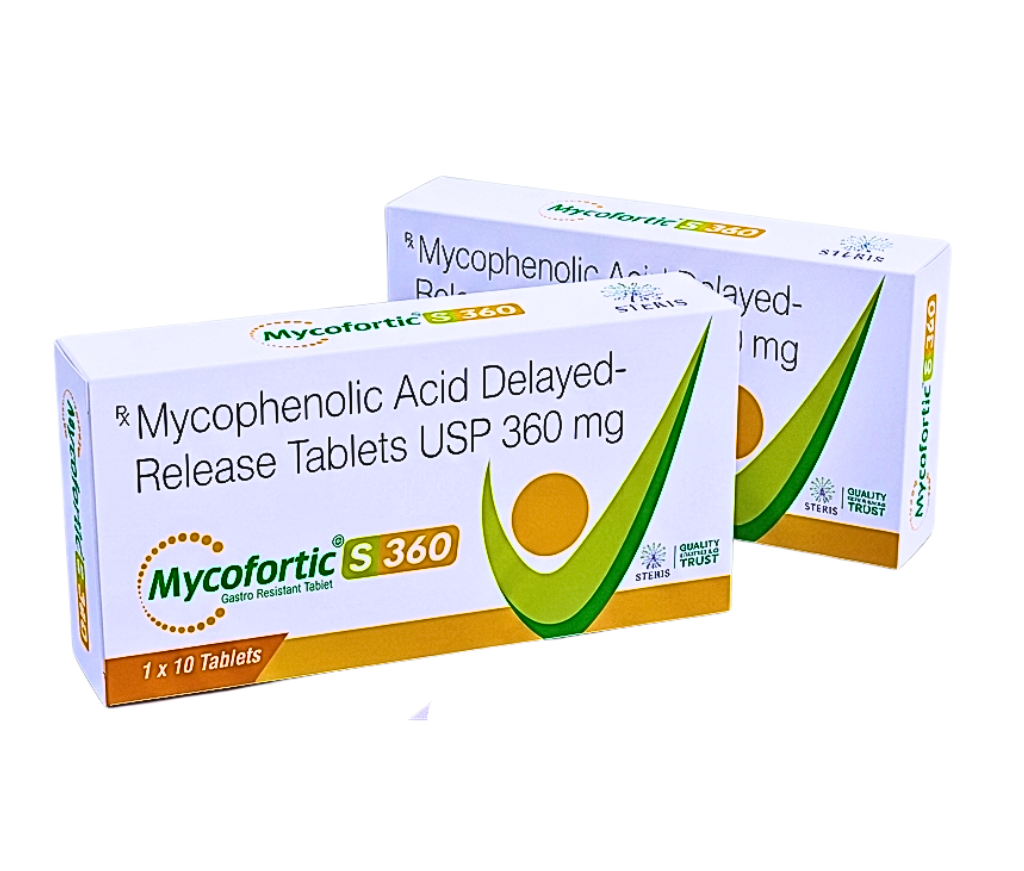
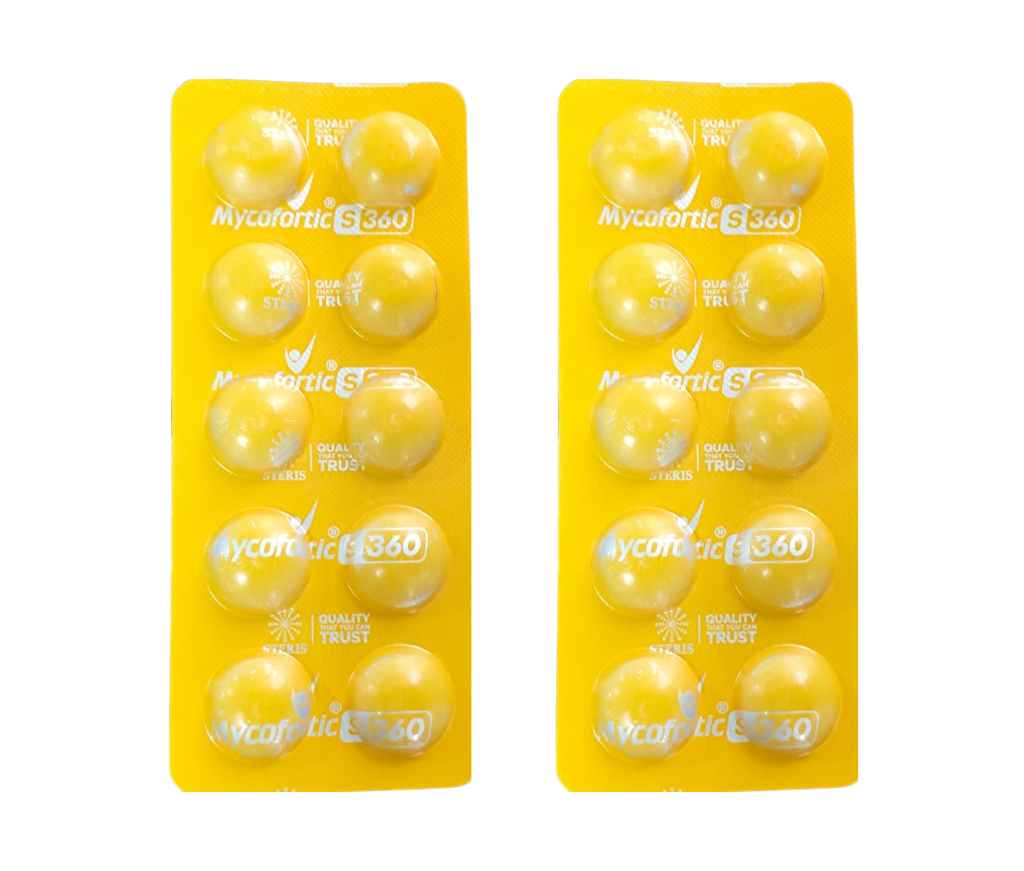
MYCOFORTIC S 360
 Item requires a valid prescription
Manufactured By Steris Healthcare Pvt Ltd
Composition Mycophenolic Acid Delayed-Release Tablets USP 360 mg
Rs 571.66
MRP Rs 816.66
(30% OFF)
Includes all taxes
Package SIZE
( For 10 Tablets )

100% Authentic
Products

Free
Shipping*

Products
Return Policy
Description:
MYCOFORTIC S 360 is a prescription-based immunosuppressive medication containing Mycophenolic Acid Delayed-Release Tablets USP 360 mg. It is used in kidney transplant recipients to help minimize the risk of organ rejection when administered alongside other immunosuppressive medicines.
Following an organ transplant, the recipient's immune system may identify the transplanted organ as foreign tissue and initiate an immune response against it. Without appropriate medical management, this reaction can damage the transplanted organ and affect its long-term functioning.
MYCOFORTIC S 360 helps manage this immune response through the action of Mycophenolic Acid. The active ingredient reduces the multiplication of specific immune cells responsible for triggering rejection reactions.
The medicine features a delayed-release tablet formulation and is intended for administration according to an individualized treatment plan developed by a transplant specialist.
MYCOFORTIC S 360 Composition
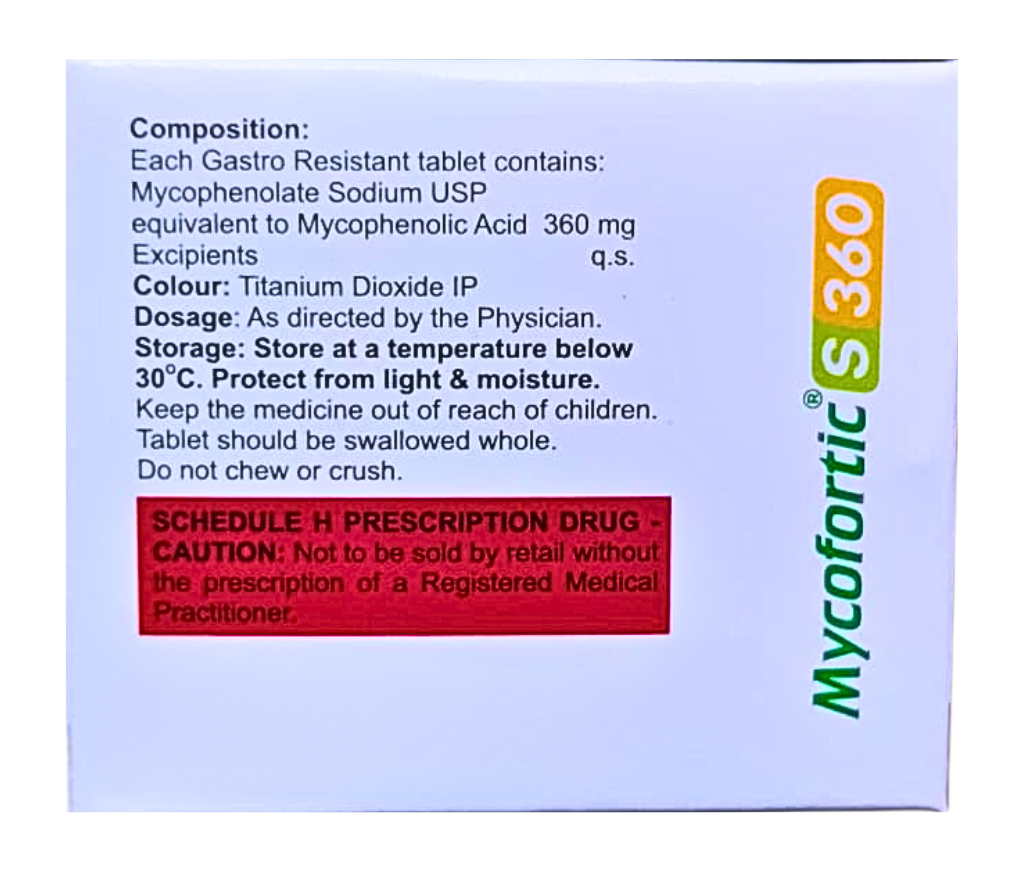
Each tablet of MYCOFORTIC S 360 contains:
- Active Ingredient: Mycophenolic Acid Delayed-Release Tablets USP
- Strength: 360 mg
Mycophenolic Acid is an immunosuppressive agent that helps regulate immune activity. In kidney transplant patients, it is prescribed as part of a combination therapy to lower the likelihood of transplant rejection.
Key Features and Benefits of MYCOFORTIC S 360
MYCOFORTIC S 360 has several important pharmaceutical characteristics that support its role in post-transplant treatment.
1. Immunosuppressive Properties: Mycophenolic Acid helps control selected immune-system activities by limiting the growth and multiplication of certain immune cells.
2. Kidney Transplant Rejection Prevention: It is used in combination with other prescribed medicines to help protect a transplanted kidney from immune-mediated damage.
3. Delayed-Release Technology: The tablet is specially formulated to release its active ingredient after passing through the stomach.
4. Selective Immune Cell Activity: Its mechanism of action primarily affects the proliferation of activated T and B lymphocytes, which contribute to immune responses.
5. Standardized Tablet Strength: Each tablet provides 360 mg of Mycophenolic Acid in a delayed-release dosage form.
6. Specialist-Supervised Treatment: The medication is intended for prescription use with appropriate medical assessments and ongoing monitoring.
How Does MYCOFORTIC S 360 Work?
The therapeutic action of MYCOFORTIC S 360 is associated with Mycophenolic Acid, which works by blocking an enzyme known as inosine monophosphate dehydrogenase (IMPDH).
This enzyme is involved in the production of guanosine nucleotides through the de novo pathway. These compounds are necessary for DNA and RNA synthesis and are important for cell growth and multiplication.
Activated T lymphocytes and B lymphocytes rely significantly on this metabolic pathway when multiplying during an immune response.
Mycophenolic Acid inhibits IMPDH activity, reducing the availability of guanosine nucleotides. Consequently, the proliferation of activated T and B lymphocytes is restricted.
This action helps reduce immune-system activity directed against a transplanted kidney, thereby supporting the prevention of organ rejection when used with other immunosuppressive agents.
The delayed-release formulation is designed to release the active ingredient in the intestinal tract rather than immediately in the stomach.
Medical Uses of MYCOFORTIC S 360
MYCOFORTIC S 360 is primarily prescribed as part of a combination immunosuppressive regimen for preventing kidney transplant rejection.
Its therapeutic applications include:
- Helping prevent immune-mediated rejection following kidney transplantation.
- Controlling specific immune responses that may affect a transplanted kidney.
- Supporting long-term immunosuppressive treatment after transplantation.
- Being used alongside other medicines selected by the treating transplant specialist.
Depending on the patient's medical requirements, the treatment regimen may include corticosteroids and calcineurin inhibitors or other prescribed immunosuppressive agents.
The selection of medicines and their respective doses depends on several factors, including the patient's overall health, transplant history, treatment response, and potential medication interactions.
Role of Immunosuppressants in Kidney Transplant Patients
Kidney transplantation offers an important treatment option for individuals experiencing advanced kidney failure. However, the procedure does not eliminate the body's natural immune response.
The immune system continuously protects the body against substances and tissues it identifies as foreign. Following transplantation, it may recognize the donor kidney as unfamiliar tissue and attempt to destroy it.
This process is known as transplant rejection.
To reduce this possibility, transplant recipients generally require a carefully planned combination of immunosuppressive medicines. These medications work through different mechanisms to control immune activity and protect the transplanted organ.
Mycophenolic Acid contributes to this treatment approach by limiting the multiplication of activated lymphocytes.
Taking prescribed medication consistently, attending scheduled consultations, and completing recommended laboratory tests are important parts of maintaining transplant health.
Delayed-Release Formulation of MYCOFORTIC S 360
MYCOFORTIC S 360 is available as an oral delayed-release tablet containing 360 mg of Mycophenolic Acid.
Unlike conventional immediate-release formulations, delayed-release tablets are designed to control the location and timing of drug release within the digestive system.
Some notable formulation characteristics include:
- A specially developed delayed-release dosage form.
- Formulation intended for intestinal drug release.
- Oral administration for convenient prescribed dosing.
- A 360 mg tablet strength for use according to the recommended treatment schedule.
Patients should swallow the tablet whole with water. Crushing, chewing, or splitting the tablet may interfere with its intended release characteristics and should be avoided unless specifically directed by the prescribing specialist.
Dosage and Administration Guidelines
MYCOFORTIC S 360 must be taken according to the instructions provided by the transplant specialist. The prescribed dose and administration frequency are determined by the patient's clinical condition and the other medicines included in the immunosuppressive regimen.
Patients should keep the following points in mind:
- Follow the prescribed dosing schedule carefully.
- Take the medication consistently at the recommended times.
- Swallow tablets whole without crushing or chewing them.
- Do not independently change the dose or frequency.
- Avoid discontinuing treatment without medical approval.
- Seek advice from the healthcare provider if a dose is missed.
- Never take an extra tablet to make up for a missed dose unless instructed by the doctor.
Maintaining consistency is particularly important because interruption of immunosuppressive treatment may increase the possibility of transplant rejection.
Precautions and Important Safety Information
MYCOFORTIC S 360 affects immune-system activity and therefore requires careful supervision throughout treatment.
Before beginning therapy, patients should provide their healthcare professional with information about existing illnesses, previous allergic reactions, current infections, and all medicines or supplements they are taking.
Important safety considerations include:
1. Increased Susceptibility to Infections
Reducing immune-system activity can make patients more vulnerable to infections. These may include bacterial, viral, fungal, and opportunistic infections.
Patients should contact their healthcare provider if they develop persistent fever, unusual weakness, or other signs of infection.
2. Blood Cell Count Monitoring
Mycophenolic Acid treatment may affect blood cell production and lead to conditions such as anaemia, leukopenia, or other blood-related abnormalities.
Periodic blood investigations may be recommended to identify these complications and assess treatment safety.
3. Pregnancy-Related Risks
Mycophenolic Acid is associated with a significant risk of miscarriage and serious congenital abnormalities.
Women who may become pregnant should discuss pregnancy prevention, testing, and appropriate contraceptive measures with their transplant specialist before starting treatment.
Pregnancy during therapy requires immediate medical consultation. Patients should not independently alter their transplant medication regimen.
4. Kidney and Liver Function Assessment
Regular clinical evaluations and laboratory investigations may be necessary to monitor organ function, overall health, and the patient's response to treatment.
5. Risk of Certain Cancers
Prolonged immunosuppressive therapy can increase the risk of developing certain malignancies, including lymphoma and skin cancer.
Patients should follow their doctor's recommendations regarding routine examinations and protection against excessive sunlight or ultraviolet exposure.
6. Possible Side Effects
Some adverse reactions that may occur during treatment include:
- Diarrhoea.
- Nausea and vomiting.
- Abdominal discomfort.
- Headache.
- Reduced blood cell counts.
- Increased susceptibility to infections.
The type and severity of side effects may differ between individuals. Unusual bruising, unexpected bleeding, persistent fever, or symptoms suggesting a serious infection should be reported promptly to a healthcare professional.
Storage and Handling Recommendations
Proper storage helps maintain the quality and stability of MYCOFORTIC S 360.
Follow these general storage recommendations:
- Keep the medicine in a cool, dry environment according to the packaging instructions.
- Protect the tablets from excessive heat and humidity.
- Avoid prolonged exposure to direct sunlight.
- Store the medicine in its original packaging when appropriate.
- Keep it out of children's reach.
- Check the expiry date before use.
- Do not consume tablets beyond their stated expiry date.
Always refer to the manufacturer's packaging for the specific storage requirements of the product.
Why Is MYCOFORTIC S 360 Prescribed?
MYCOFORTIC S 360 contains Mycophenolic Acid 360 mg in a delayed-release tablet formulation. It is intended for kidney transplant recipients who require immunosuppressive treatment to reduce the risk of organ rejection.
Its therapeutic action involves inhibiting IMPDH, an enzyme required for the proliferation of activated lymphocytes. By controlling this process, Mycophenolic Acid helps regulate immune responses that may otherwise damage the transplanted kidney.
The delayed-release dosage form provides a specialized oral formulation, while its standardized strength allows the medicine to be incorporated into an individualized treatment regimen.
However, successful transplant management involves more than medication alone. Regular follow-ups, appropriate laboratory monitoring, adherence to prescribed treatment, and communication with the transplant care team are equally important.
Conclusion
MYCOFORTIC S 360 – Mycophenolic Acid Delayed-Release Tablets USP 360 mg is an immunosuppressive formulation prescribed as part of combination therapy to help prevent kidney transplant rejection.
Its active ingredient works by inhibiting the IMPDH enzyme and restricting the proliferation of activated T and B lymphocytes. This helps control immune responses that could potentially harm a transplanted kidney.
With its delayed-release tablet design and 360 mg strength, MYCOFORTIC S 360 is intended for use under the supervision of qualified healthcare professionals. Appropriate dosing, regular medical monitoring, and consistent adherence to the prescribed treatment plan are essential for patient safety and transplant management.
Frequently Asked Questions
1. What is MYCOFORTIC S 360 used for?
MYCOFORTIC S 360 is prescribed to help prevent kidney transplant rejection. It is generally administered alongside other immunosuppressive medications as part of a specialist-directed treatment regimen.
2. What active ingredient is present in MYCOFORTIC S 360?
Each tablet contains 360 mg of Mycophenolic Acid in a delayed-release formulation, as stated in its product composition.
3. What is the mechanism of action of Mycophenolic Acid?
Mycophenolic Acid blocks the IMPDH enzyme, interfering with guanosine nucleotide production. This restricts the multiplication of activated T and B lymphocytes and helps reduce immune-system activity.
4. Is it safe to discontinue MYCOFORTIC S 360 after a kidney transplant?
No. Patients should not stop taking this medicine without consulting their transplant specialist. Discontinuing immunosuppressive treatment may increase the risk of rejection and compromise the transplanted kidney.
5. What adverse effects may occur with MYCOFORTIC S 360?
Potential side effects include diarrhoea, nausea, abdominal discomfort, headache, infections, and decreased blood cell counts. Patients should discuss any persistent or concerning symptoms with their healthcare provider.
6. Can MYCOFORTIC S 360 be taken during pregnancy?
Mycophenolic Acid can cause pregnancy loss and serious birth defects. It is contraindicated during pregnancy for the prevention of transplant rejection. Women of reproductive potential should discuss pregnancy testing and effective contraception with their specialist.
7. Should MYCOFORTIC S 360 tablets be crushed or split?
No. The delayed-release tablet should generally be swallowed whole with water. Crushing, splitting, or chewing may interfere with its intended formulation characteristics.
8. Does MYCOFORTIC S 360 require regular medical monitoring?
Yes. Patients may require periodic blood tests, kidney and liver function assessments, and clinical evaluations to monitor treatment effectiveness and identify possible complications.

