


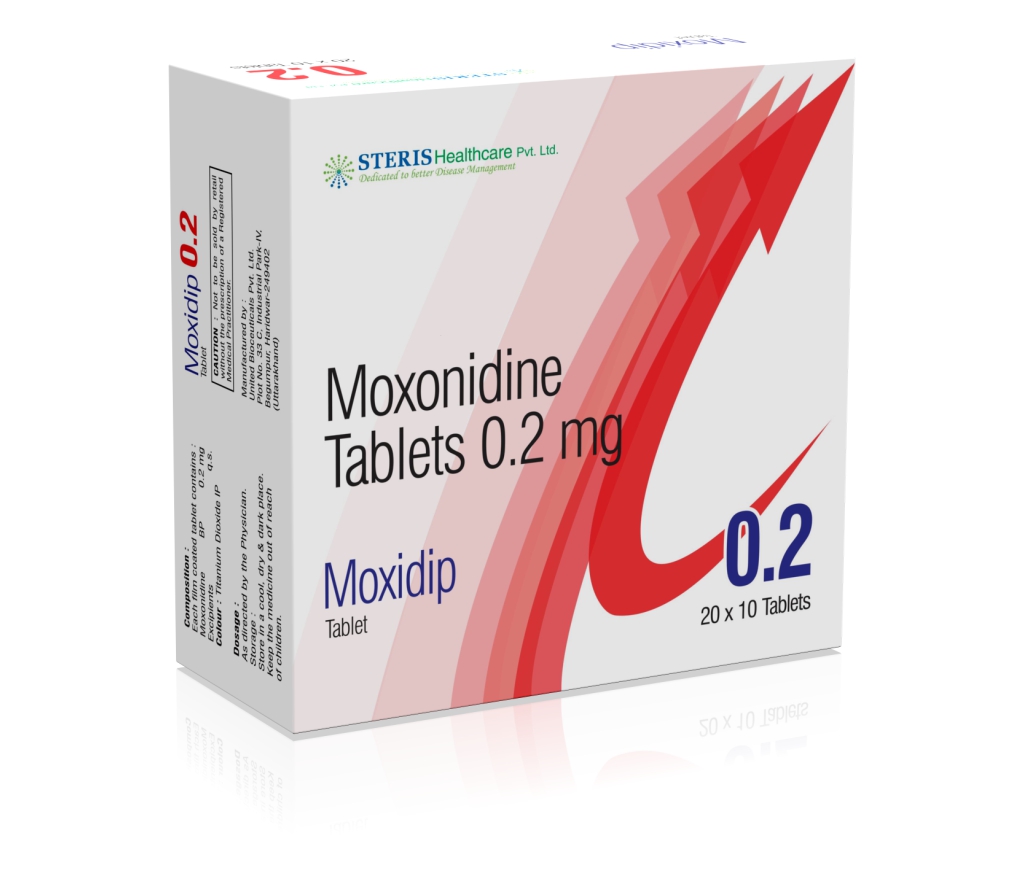
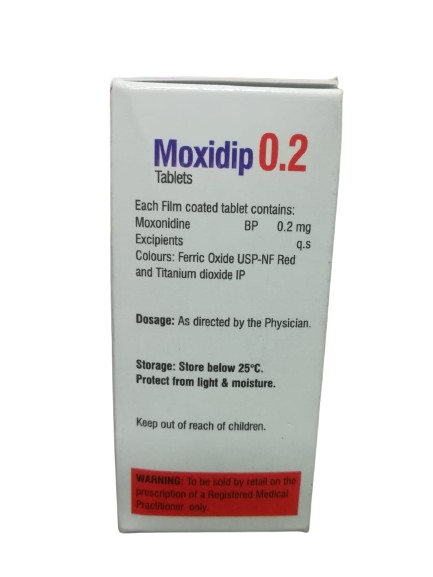
MOXIDIP 0.2
 Item requires a valid prescription
Manufactured By Steris Healthcare Pvt Ltd
Composition Moxonidine 0.2mg
Rs 49.74
MRP Rs 71.06
(30% OFF)
Includes all taxes
Package SIZE
( For 10 Tablet )

100% Authentic
Products

Free
Shipping*

Products
Return Policy
Description:
Moxonidine 0.2 mg and etoricoxib cyclobenzaprine are different medicines designed for different health conditions. Moxonidine 0.2 mg is an antihypertensive medicine used to treat essential or primary hypertension (high blood pressure), while etoricoxib cyclobenzaprine is a combination intended for selected painful musculoskeletal conditions involving pain, inflammation, and muscle spasm. Understanding the difference is important before searching for a product, comparing prices, or purchasing either medicine online.
For buyers, the most important point is to check the generic composition, strength, manufacturer, expiry date, and prescription instructions rather than choosing a medicine only because it appears higher-rated or cheaper. Medicine strengths and approved uses can vary between products and countries.
What Is Moxonidine 0.2 mg Used For?
Moxonidine 0.2 mg is an antihypertensive medicine used for the treatment of essential or primary hypertension. Official product information lists 0.2 mg once daily as the usual starting dose for adults, with later dose adjustments made by a healthcare professional when necessary.
Moxonidine works through the central nervous system to reduce sympathetic nervous system activity, helping lower blood pressure. Its purpose is therefore blood-pressure management, not treatment of ordinary body pain, muscle cramps, or acute back pain.
Key Benefits of Moxonidine 0.2 mg
The main benefit of moxonidine is its role in controlling elevated blood pressure. Consistent management of hypertension is important because uncontrolled blood pressure can increase the long-term risk of cardiovascular, kidney, and cerebrovascular complications.
Potential benefits include the following:
-
Helps lower elevated blood pressure.
-
Supports ongoing hypertension management.
-
Can be used as part of a physician-directed blood-pressure treatment plan.
-
Provides a defined 0.2 mg starting strength for appropriate adult patients.
The response to treatment varies from person to person. Blood pressure should be monitored regularly, and the dose should not be increased or reduced without medical guidance.
Moxonidine 0.2 mg Side Effects
Like other prescription medicines, moxonidine can cause side effects. The most frequently reported adverse effects include dry mouth, dizziness, weakness (asthenia), and sleepiness (somnolence). These effects may become less noticeable during the first few weeks in some patients.
Other reported reactions include headache, vertigo, nausea, vomiting, indigestion, low blood pressure, fainting, slow heart rate, rash, itching, and swelling.
If moxonidine causes significant dizziness or sleepiness, take care with driving and machinery. Seek medical advice if symptoms are severe, persistent, or unusual.
Moxonidine also has important considerations during pregnancy and breastfeeding. Current product information advises against use during breastfeeding and recommends that pregnancy use occur only when clearly necessary under medical supervision.
What Is Etoricoxib and Cyclobenzaprine?
Etoricoxib cyclobenzaprine combines an anti-inflammatory pain medicine with a muscle relaxant. Etoricoxib is a selective COX-2 inhibitor that reduces inflammation and pain. Cyclobenzaprine is used as an adjunct to rest and physical therapy for acute, painful musculoskeletal conditions associated with muscle spasm.
This combination may therefore be considered when a patient has musculoskeletal pain where both inflammatory discomfort and muscle spasm are clinically relevant.
It should not be assumed that every episode of back pain, neck pain, joint pain, or body pain requires this combination. The underlying cause of pain should be assessed before treatment.
Etoricoxib Cyclobenzaprine Uses
The exact indication depends on the particular product, strength, diagnosis, and prescribing information. In clinical practice, the two ingredients address different symptoms:
Etoricoxib: Helps reduce pain and inflammation associated with appropriate musculoskeletal or inflammatory conditions.
Cyclobenzaprine: Helps relieve muscle spasm and associated symptoms such as pain, tenderness, and restricted movement in acute painful musculoskeletal conditions. Official information limits cyclobenzaprine treatment to short periods, generally up to two or three weeks, because adequate evidence for prolonged treatment is lacking.
This makes the combination potentially useful when muscle tightness or spasm accompanies an inflammatory pain problem, but treatment should be individualized.
Key Benefits of Etoricoxib Cyclobenzaprine
1. Targets pain and inflammation
Etoricoxib inhibits COX-2, an enzyme involved in inflammation, thereby reducing inflammatory pain.
2. Helps relieve muscle spasm
Cyclobenzaprine acts on the central nervous system and is used to reduce muscle spasm associated with acute musculoskeletal conditions.
3. Addresses two contributors to discomfort
When inflammation and muscle spasm occur together, a combination may provide a broader symptom-management approach than a medicine targeting only one component.
4. May support comfortable movement
Reducing pain and muscle spasm can make movement and prescribed physical therapy easier for appropriately selected patients.
These benefits do not mean the combination is suitable for everyone. The correct medicine depends on the diagnosis, medical history, other medications, age, and individual risk factors.
Etoricoxib Cyclobenzaprine Side Effects
Cyclobenzaprine can cause drowsiness, dizziness, dry mouth, and other central nervous system effects. It can also interact with other medicines. Official prescribing information warns about potentially serious interactions with monoamine oxidase (MAO) inhibitors and reports serotonin syndrome with certain serotonergic medicines, including some antidepressants and tramadol.
Patients should therefore tell their doctor or pharmacist about all prescription medicines, over-the-counter medicines, and supplements they take.
Etoricoxib also has important cardiovascular and blood-pressure precautions. European regulatory information warns that blood pressure should be controlled before treatment and monitored after starting etoricoxib. Patients with inadequately controlled hypertension may face increased cardiovascular risk.
Potential warning symptoms requiring prompt medical attention include chest pain, shortness of breath, significant swelling, severe allergic symptoms, or other serious reactions.
Can Moxonidine 0.2 mg and Etoricoxib/Cyclobenzaprine Be Taken Together?
This is an important question for anyone taking moxonidine for high blood pressure who has subsequently been prescribed pain treatment.
Do not start, stop, or combine these medicines on your own. Moxonidine is used to control blood pressure, while etoricoxib and cyclobenzaprine are intended for selected musculoskeletal pain and muscle-spasm situations.
Etoricoxib deserves particular caution in patients with hypertension because regulatory information recommends controlling blood pressure before treatment and monitoring it afterward.
If a doctor has prescribed both medicines, follow the exact schedule provided and monitor for symptoms such as dizziness or unusual blood-pressure changes. Tell the healthcare professional that you are taking moxonidine before purchasing an etoricoxib-containing product.
Buying Moxonidine 0.2 mg or Etoricoxib/Cyclobenzaprine Safely
If your search intent is “moxonidine 0.2 mg price,” “moxonidine 0.2 mg tablet,” “etoricoxib cyclobenzaprine tablet,” or “etoricoxib cyclobenzaprine uses,” do not make the purchase based solely on price.
Before ordering, check:
-
Exact generic name.
-
Exact strength, such as moxonidine 0.2 mg.
-
For combination products, the strength of both etoricoxib and cyclobenzaprine.
-
Manufacturer and packaging.
-
Batch number and expiry date.
-
Whether the medicine matches your prescription.
-
Whether the pharmacy is reputable and authorized to dispense prescription medicines.
-
Storage instructions and package condition.
Do not replace a prescribed strength with a higher or lower strength simply because it is cheaper or appears more effective.
Why Product Strength Matters
A medicine's strength is not an indication of how “good” or “strong” it is for every person. For moxonidine, official prescribing information describes 0.2 mg daily as the adult starting dose, with adjustments made according to response and medical judgment.
For etoricoxib, appropriate dosing depends on the condition being treated, and regulatory information emphasizes cardiovascular and blood-pressure precautions.
Therefore, buying a different strength without professional advice can create unnecessary risk.
Conclusion
Moxonidine 0.2 mg and etoricoxib cyclobenzaprine are not interchangeable medicines. Moxonidine 0.2 mg is primarily used to manage essential or primary hypertension, while etoricoxib cyclobenzaprine is used in selected situations involving musculoskeletal pain, inflammation, and muscle spasm.
Moxonidine can cause dry mouth, dizziness, weakness, and sleepiness, while cyclobenzaprine may cause drowsiness and dizziness and has important interactions with several medicines. Etoricoxib also requires attention to blood pressure and cardiovascular risk.
For a safe purchasing decision, verify the exact composition and strength, use a reputable pharmacy, and follow your healthcare professional's instructions. If you take moxonidine 0.2 mg and are considering an etoricoxib-containing pain medicine, discuss the combination with a doctor or pharmacist before taking it.
Frequently Asked Questions
1. What is Moxonidine 0.2 mg used for?
Moxonidine 0.2 mg is used to treat essential or primary hypertension (high blood pressure). It is not intended as a general painkiller or muscle relaxant.
2. What is etoricoxib/cyclobenzaprine used for?
Etoricoxib cyclobenzaprine is used for selected painful musculoskeletal conditions where pain or inflammation occurs with muscle spasm. Etoricoxib targets inflammation and pain, while cyclobenzaprine helps relieve acute muscle spasm.
3. What are the common side effects of Moxonidine 0.2 mg?
Commonly reported effects include dry mouth, dizziness, weakness, and sleepiness. Nausea, vomiting, headache, low blood pressure, and other reactions can also occur.
4. Does Etoricoxib/Cyclobenzaprine cause sleepiness?
It can. Cyclobenzaprine may cause drowsiness and dizziness, so caution is advised with driving or operating machinery. It can also interact with alcohol and other central nervous system depressants.
5. Can I take Moxonidine 0.2 mg with Etoricoxib and Cyclobenzaprine?
Only take the combination if it has been recommended for you by a qualified healthcare professional. Do not self-combine these medicines, particularly because etoricoxib requires attention to blood pressure and cardiovascular risk.
6. How long can cyclobenzaprine be taken?
Cyclobenzaprine is generally intended for short-term use, up to two or three weeks, for acute painful musculoskeletal conditions because evidence for longer treatment is inadequate.