


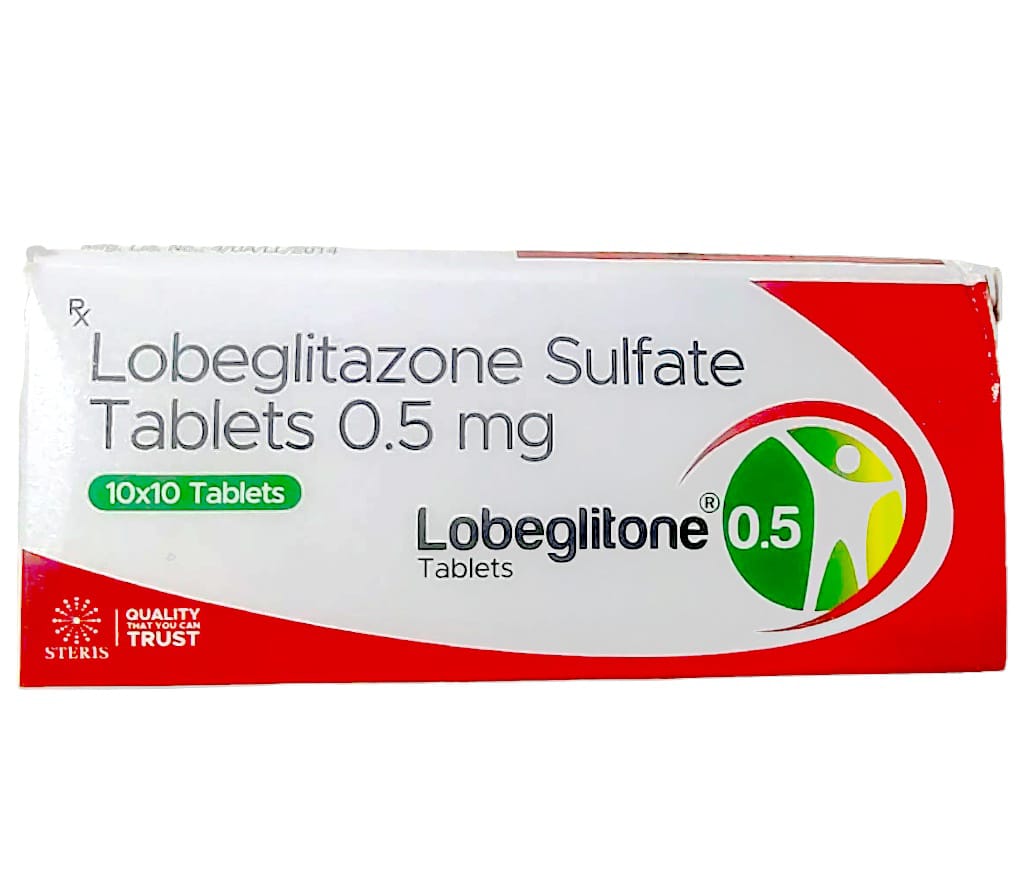
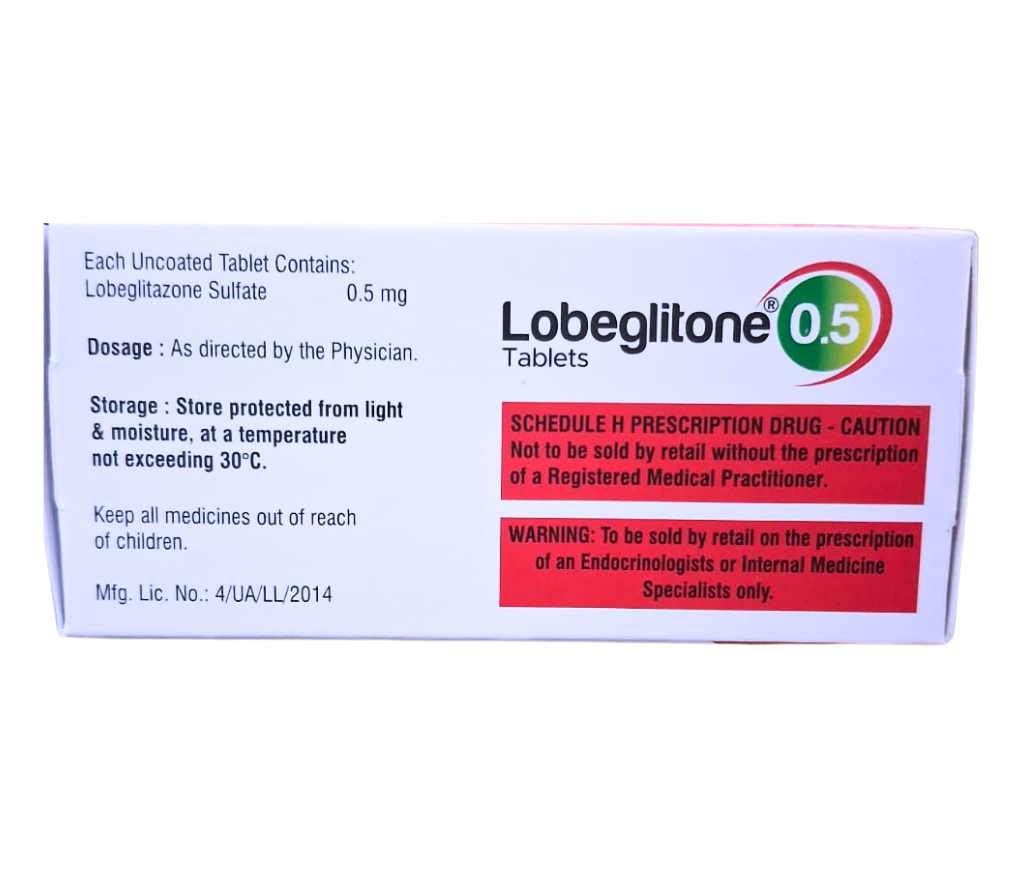
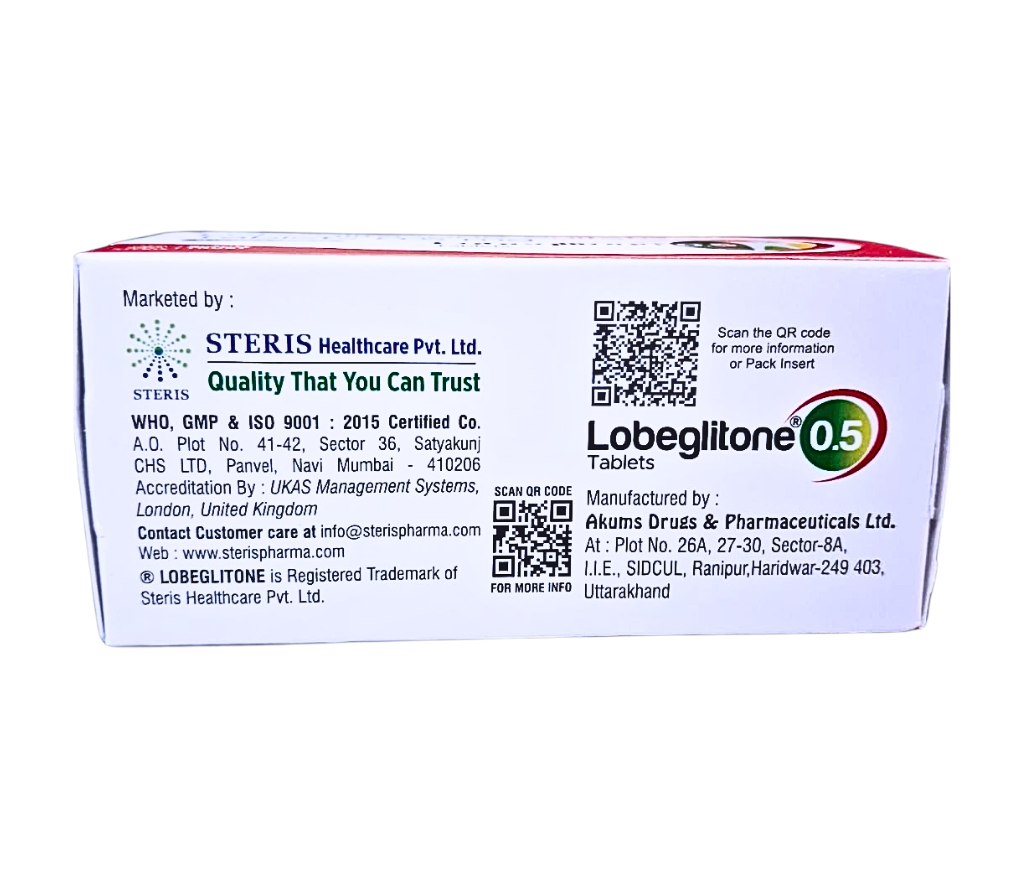
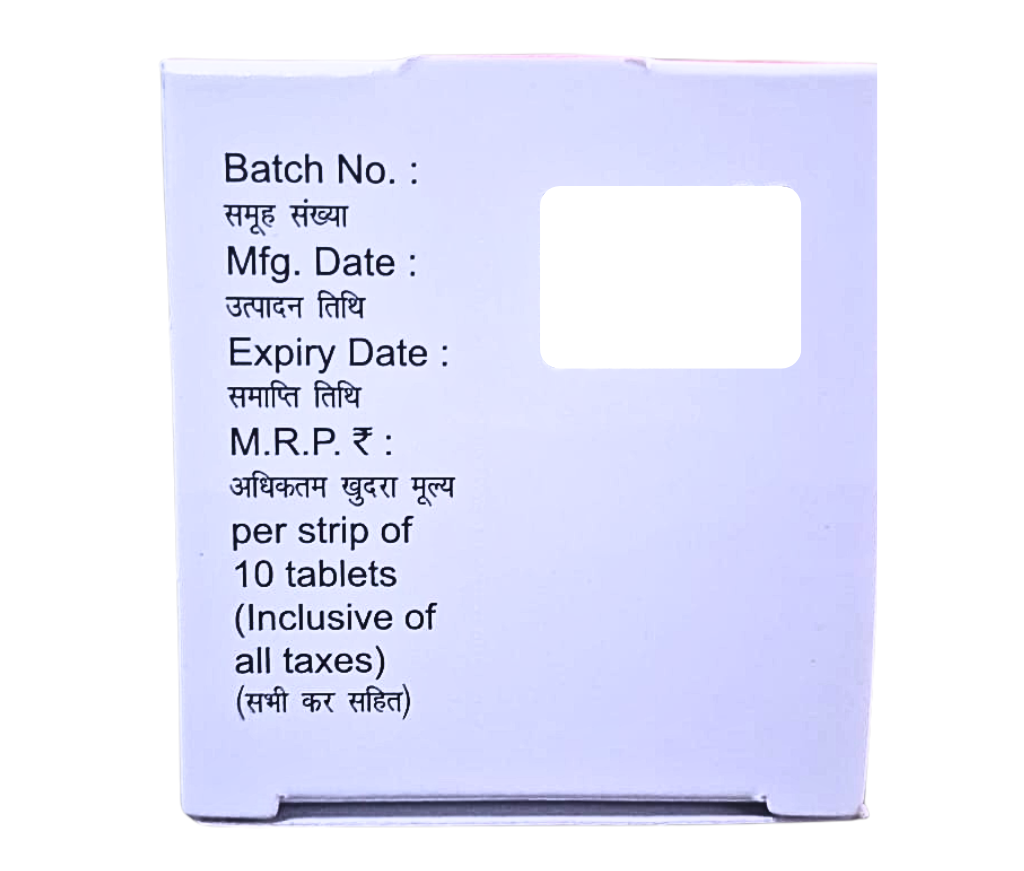
LOBEGLITONE 0.5
 Item requires a valid prescription
Manufactured By Steris Healthcare Pvt Ltd
Composition Lobeglitazone Sulfate 0.5 mg
Rs 60.41
MRP Rs 86.30
(30% OFF)
Includes all taxes
Package SIZE
( For 10 Tablets )

100% Authentic
Products

Free
Shipping*

Products
Return Policy
Description:
Lobeglitazone sulfate 0.5 mg is an oral antidiabetic medicine used to improve blood-glucose control in adults with type 2 diabetes mellitus (T2DM). It belongs to the thiazolidinedione (TZD) class and works primarily as an insulin sensitizer by activating peroxisome proliferator-activated receptor-gamma (PPAR-γ). This improves the body's response to insulin and can lower blood glucose.
Clinical evidence supports the glucose-lowering activity of the 0.5 mg dose. In a randomized 24-week monotherapy trial, lobeglitazone 0.5 mg reduced HbA1c significantly more than placebo. More recent phase 3 evidence published in 2026 also found that adding lobeglitazone 0.5 mg to metformin and empagliflozin produced an additional HbA1c reduction in people whose diabetes remained inadequately controlled.
However, lobeglitazone is not a weight-loss medicine. Like other TZDs, it can cause weight gain and fluid retention/edema. Long-term real-world data have also reported hypoglycemia, fractures and cardiovascular events, although individual risk depends on the patient's overall treatment and medical history.
For Indian buyers, current online listings show several 0.5 mg brands, while India's National Pharmaceutical Pricing Authority (NPPA) has published price calculations for lobeglitazone 0.5 mg tablets. A recent NPPA calculation based on August 2025 market data worked out a retail price of ₹8.69 per tablet, excluding GST, for the relevant scheduled formulation. Actual brand MRP and pharmacy selling price can differ.
What Is Lobeglitazone Sulfate 0.5 mg?
Lobeglitazone sulfate 0.5 mg is a prescription oral medicine containing lobeglitazone, a relatively newer member of the thiazolidinedione class of insulin-sensitizing medicines.
It is primarily used for adults with type 2 diabetes when additional glucose control is required. Current Indian pharmacy listings describe 0.5 mg lobeglitazone products as prescription medicines for type 2 diabetes.
Unlike medicines that directly supply insulin, lobeglitazone works by making tissues more responsive to the insulin already present in the body. This addresses an important feature of type 2 diabetes: insulin resistance.
Lobeglitazone 0.5 mg is marketed in India under several brand names. Examples currently listed by Indian pharmacies include Lobg, Lobula and Lobetron. The exact manufacturer, price, pack size and availability can vary.
What Is Lobeglitazone Sulfate 0.5 mg Used For?
The primary use of lobeglitazone sulfate 0.5 mg is:
Treatment of type 2 diabetes mellitus
It is used to improve glycemic control in adults with T2DM, particularly when lifestyle measures and existing diabetes treatment are not providing adequate blood-sugar control.
Depending on the patient's treatment plan, lobeglitazone may be prescribed alone or in combination with other antidiabetic medicines. Current Indian product listings describe it as useful when blood glucose remains inadequately controlled with diet and exercise and may be used as part of combination therapy.
Lobeglitazone 0.5 mg as add-on therapy
Recent evidence is particularly relevant to patients already taking multiple diabetes medicines.
A phase 3 randomized trial published in Diabetes, Obesity and Metabolism in January 2026 evaluated lobeglitazone 0.5 mg as an add-on to metformin plus empagliflozin. After 24 weeks, HbA1c fell an additional 0.71 percentage points in one study and 0.62 percentage points in another compared with placebo, with significantly more patients reaching HbA1c below 7%.
This does not mean every patient should add lobeglitazone. Treatment must be individualized based on HbA1c, existing medicines, kidney and liver status, cardiovascular history, body weight and other factors.
How Does Lobeglitazone Sulfate 0.5 mg Work?
Lobeglitazone belongs to the TZD family.
Its main action is activation of PPAR-γ, a nuclear receptor involved in glucose and lipid metabolism.
In simplified terms, lobeglitazone helps the body respond more effectively to insulin. This can:
-
Improve insulin sensitivity
-
Increase glucose uptake by peripheral tissues
-
Reduce insulin resistance
-
Improve blood-glucose control
-
Influence aspects of lipid metabolism
TZDs are distinctive among oral diabetes medicines because their principal therapeutic effect is improving insulin sensitivity rather than directly stimulating the pancreas to release insulin.
This mechanism can be useful when insulin resistance is a major contributor to poor glycemic control.
Key Benefits of Lobeglitazone Sulfate 0.5 mg
1. Improves blood-sugar control
The main benefit of lobeglitazone 0.5 mg is its ability to lower blood glucose and HbA1c in appropriate patients with type 2 diabetes.
In a 24-week randomized placebo-controlled trial, the mean HbA1c reduction with lobeglitazone 0.5 mg was significantly greater than with placebo, and 44% of patients receiving lobeglitazone achieved HbA1c below 7% compared with 12% receiving placebo.
2. Improves insulin sensitivity
Lobeglitazone targets insulin resistance, making it mechanistically different from several other oral glucose-lowering drugs.
This can make it a useful component of combination therapy when the body's response to insulin is inadequate.
3. Can complement other diabetes medicines
The newer 2026 phase 3 evidence is particularly relevant because lobeglitazone 0.5 mg produced additional glucose lowering when added to metformin and empagliflozin.
This demonstrates why doctors may consider different mechanisms together when a single or dual regimen does not adequately control HbA1c.
4. May provide durable glycemic control
A real-world study involving 2,228 Korean patients treated with lobeglitazone 0.5 mg for more than one year found substantial HbA1c improvement, with HbA1c reductions apparent during the first six months and relatively stable levels through later follow-up.
Real-world observational evidence is useful, but it should not be interpreted as proof that every patient will have the same response.
5. May have favorable lipid effects
Clinical trials have reported improvements in some lipid parameters with lobeglitazone. The original monotherapy trial reported improvements in triglycerides, HDL cholesterol and other lipid-related measures compared with placebo.
However, lobeglitazone should primarily be viewed as a glucose-lowering medicine, not as a replacement for dedicated cholesterol treatment.
Lobeglitazone Sulfate 0.5 mg Dosage
The commonly used dose of lobeglitazone is 0.5 mg once daily, but the exact regimen should be determined by the prescribing clinician.
Indian product information and pharmacy listings generally describe once-daily administration. It can generally be taken with or without food, preferably at the same time each day.
Important dosage point
Do not assume that increasing the dose will produce proportionally better diabetes control.
Your doctor considers:
-
Current HbA1c
-
Fasting and post-meal glucose
-
Other diabetes medicines
-
Kidney function
-
Liver function
-
History of heart failure
-
Body weight
-
Fluid retention
-
Age
-
Other medical conditions
What if you miss a dose?
If you forget a dose, follow the instructions provided by your doctor or pharmacist. Do not routinely take two doses together to compensate for a missed tablet.
How to Take Lobeglitazone Sulfate 0.5 mg
Lobeglitazone 0.5 mg is an oral tablet.
General administration instructions include:
-
Take it exactly as prescribed.
-
Take it at approximately the same time each day.
-
It may generally be taken with or without food.
-
Swallow the tablet with water.
-
Do not alter the dose without medical advice.
-
Continue monitoring blood glucose as recommended.
-
Continue diet, exercise and other diabetes-management measures prescribed by your healthcare professional.
Apollo Pharmacy's current drug information similarly advises taking lobeglitazone with or without food and following the doctor's dosage instructions.
Lobeglitazone Sulfate 0.5 mg Side Effects
The most important side effects to understand before taking lobeglitazone are related to its TZD class.
Common or clinically relevant side effects can include:
-
Weight gain
-
Edema or swelling
-
Headache
-
Dizziness
-
Hypoglycemia, particularly when used with other glucose-lowering medicines
-
Fatigue or weakness
-
Other treatment-related adverse effects depending on the individual
Current Indian product listings specifically identify weight gain and swelling of the feet or ankles among important side effects.
Weight gain
Weight gain is one of the most important disadvantages of TZD therapy.
In the original 24-week lobeglitazone monotherapy study, average weight increased by approximately 0.89 kg with lobeglitazone compared with a decrease of 0.63 kg with placebo.
A meta-analysis of randomized trials also found significantly greater weight gain and edema with lobeglitazone compared with control treatments.
Therefore, lobeglitazone should not be promoted as a weight-loss diabetes medicine.
Edema and swelling
Fluid retention can cause swelling, particularly in the legs, feet or ankles.
Long-term real-world data involving 2,228 patients reported edema in 1.97% of participants.
Rapidly increasing swelling, unexplained weight gain or shortness of breath should be discussed promptly with a doctor.
Hypoglycemia
Lobeglitazone alone may have a relatively lower tendency to cause hypoglycemia than medicines that directly stimulate insulin release. However, the risk can increase when it is combined with other glucose-lowering treatments.
In the long-term real-world study, hypoglycemia was reported in 2.47% of patients.
People taking insulin or sulfonylureas alongside lobeglitazone should follow their clinician's glucose-monitoring instructions particularly carefully.
Serious Safety Considerations
Because lobeglitazone is a TZD, its risks should be considered before treatment.
Heart failure and fluid retention
Fluid retention is a class concern with TZDs and can worsen or contribute to heart failure in susceptible patients.
Lobeglitazone clinical studies have generally not demonstrated a large signal for heart failure, but existing studies are not sufficient to eliminate long-term cardiovascular concerns. A real-world cohort reported one heart-failure adverse event among 2,228 patients.
Tell your doctor if you have:
-
Previous heart failure
-
Significant heart disease
-
Shortness of breath
-
Leg swelling
-
Rapid unexplained weight gain
Bone health
Fractures are another recognized concern associated with the TZD class.
In the long-term real-world lobeglitazone study, fractures occurred in 1.17% of participants.
Earlier clinical research did not find a significant difference in certain bone-mineral-density measures between lobeglitazone and placebo, but researchers have emphasized that longer and larger studies are needed to fully define long-term skeletal risk.
Bladder cancer
The relationship between TZDs and bladder cancer has been an important historical safety question, particularly with pioglitazone.
Available lobeglitazone studies have not established a comparable clear signal, but the available evidence is not sufficient to claim that long-term risk is completely absent. Researchers have specifically noted the need for larger long-term studies.
This is why long-term treatment should remain under medical supervision.
Who Should Be Careful With Lobeglitazone 0.5 mg?
Tell your doctor before starting treatment if you have:
-
Heart failure or significant heart disease
-
Liver disease
-
Kidney disease
-
Significant swelling or fluid retention
-
A history of fractures
-
Bladder problems or unexplained blood in the urine
-
Eye problems, particularly diabetic macular edema
-
Pregnancy or plans to become pregnant
-
Breastfeeding
-
A history of frequent hypoglycemia
The appropriate treatment decision depends on the overall benefit-risk profile.
Lobeglitazone 0.5 mg and Pregnancy
Pregnancy requires individual medical assessment.
Type 2 diabetes itself can create significant pregnancy risks when inadequately controlled, while the safety profile of individual oral diabetes medicines varies.
If you are pregnant, planning pregnancy or breastfeeding, tell your doctor before taking lobeglitazone. Do not switch diabetes medicines independently.
Lobeglitazone 0.5 mg Drug Interactions
The risk of low blood sugar can increase when lobeglitazone is combined with medicines such as insulin or insulin secretagogues.
Your doctor may need to adjust other diabetes medicines depending on your glucose response.
Before starting lobeglitazone, disclose:
-
Prescription medicines
-
Insulin
-
Sulfonylureas
-
Other oral diabetes medicines
-
Steroids
-
Supplements
-
Herbal medicines
-
Medicines for heart disease or hypertension
Do not assume that a combination is safe simply because both products are commonly prescribed for diabetes.
Lobeglitazone 0.5 mg Price in India: Current Buyer Information
Price is an important transactional search intent for people looking for “lobeglitazone sulfate 0.5 mg price,” “lobeglitazone 0.5 mg tablet price,” “buy lobeglitazone 0.5 mg online” or a specific brand.
Current Indian pharmacy listings show different prices between brands.
For example:
-
Lobula 0.5 mg: a recent July 2026 listing showed ₹102 for 10 tablets before the displayed offer.
-
Lobelong 0.5 mg: a recent listing showed ₹107 for 10 tablets.
-
Lobula 0.5 mg: PharmEasy previously listed an MRP of ₹110.62 and a selling price of ₹89.60.
-
Lobg 0.5 mg: Apollo Pharmacy currently lists the product as a prescription medicine and shows a lower promotional price depending on the offer.
These figures are examples of live/recent listings, not a guaranteed nationwide price. Pharmacy discounts, location, availability, manufacturer, taxes and pack size can change the amount a buyer actually pays.
What does NPPA data show?
The National Pharmaceutical Pricing Authority's 2026 documentation calculated a retail price of ₹8.69 per tablet excluding GST for lobeglitazone 0.5 mg using August 2025 market data. The calculation included brands such as LOBG, LOBULA and LOBETRON.
NPPA states that ceiling prices are based on the applicable pricing framework and can be revised, while actual consumer prices can also depend on local taxes and other applicable factors.
For the latest official medicine-price information, buyers can use the NPPA Medicine Price Search rather than relying on an old search result.
How to Buy Lobeglitazone Sulfate 0.5 mg Safely
Because lobeglitazone is a prescription medicine, authenticity and correct dispensing are more important than finding the cheapest listing.
Before purchasing:
-
Verify the active ingredient.
-
Confirm the strength is 0.5 mg.
-
Check the manufacturer.
-
Check the expiry date.
-
Inspect the packaging.
-
Purchase from a legitimate pharmacy.
-
Keep the prescription available where required.
-
Compare the pack size before comparing prices.
-
Do not substitute a combination tablet for a single-ingredient tablet without medical advice.
For example, India also has products combining lobeglitazone sulfate 0.5 mg with extended-release metformin. NPPA documents from 2026 show price applications for 0.5 mg + 500 mg and 0.5 mg + 1000 mg combinations.
A combination tablet is not automatically interchangeable with lobeglitazone 0.5 mg alone.
Lobeglitazone 0.5 mg vs Other Diabetes Medicines
Lobeglitazone belongs to the TZD class, so its therapeutic profile differs from common diabetes medicines such as:
-
Metformin: primarily reduces hepatic glucose production and improves insulin sensitivity.
-
SGLT2 inhibitors: increase urinary glucose excretion and may provide cardiovascular or kidney benefits for appropriate patients.
-
DPP-4 inhibitors: enhance incretin activity and generally have a low risk of hypoglycemia when used alone.
-
Sulfonylureas: stimulate insulin secretion but can cause hypoglycemia.
-
Insulin: directly replaces or supplements insulin.
No single medicine is universally “best.” The appropriate choice depends on glucose levels, cardiovascular and kidney disease, weight, hypoglycemia risk, affordability and other individual factors.
What Recent Research Says About Lobeglitazone 0.5 mg
The evidence base for lobeglitazone continues to develop.
A 2023 systematic review and meta-analysis found that lobeglitazone had broadly comparable glucose-lowering effects to standard treatments in the included randomized trials, while hypoglycemia risk was lower in the pooled comparison. However, the analysis also highlighted limitations in the evidence.
More importantly for current searchers, a 2026 phase 3 randomized trial found clinically meaningful additional HbA1c reductions when lobeglitazone 0.5 mg was added to metformin plus empagliflozin.
This supports its potential role as part of combination therapy—but does not establish it as the preferred medicine for every person with type 2 diabetes.
Frequently Asked Questions
1. What is lobeglitazone sulfate 0.5 mg used for?
Lobeglitazone sulfate 0.5 mg is used to improve blood-glucose control in adults with type 2 diabetes mellitus. It works primarily by improving insulin sensitivity.
2. How does lobeglitazone 0.5 mg work?
It activates PPAR-γ, improving insulin sensitivity in tissues and helping the body use glucose more effectively.
3. Is lobeglitazone 0.5 mg a diabetes medicine?
Yes. It is an oral antidiabetic medicine belonging to the thiazolidinedione class.
4. What are the main benefits of lobeglitazone 0.5 mg?
Its main benefit is improved glycemic control. Clinical trials have demonstrated reductions in HbA1c, and newer research supports its use as an add-on treatment in selected patients whose diabetes remains inadequately controlled.
5. Does lobeglitazone 0.5 mg reduce HbA1c?
Yes. In a 24-week randomized trial, lobeglitazone 0.5 mg significantly reduced HbA1c compared with placebo.
6. Does lobeglitazone 0.5 mg cause weight gain?
Yes. Weight gain is a recognized adverse effect. A randomized trial found greater average weight gain with lobeglitazone than placebo, and meta-analysis data also support increased weight gain compared with some controls.
7. Does lobeglitazone 0.5 mg cause swelling?
It can. Edema or swelling, particularly around the feet and ankles, is a recognized adverse effect of lobeglitazone and the TZD class.
8. Can lobeglitazone 0.5 mg cause low blood sugar?
It can, particularly when combined with insulin or other medicines that increase insulin availability. Real-world data reported hypoglycemia in 2.47% of patients receiving lobeglitazone 0.5 mg.
9. What is the usual dose of lobeglitazone 0.5 mg?
The commonly used dose is 0.5 mg once daily. Your doctor determines the appropriate regimen based on your diabetes treatment plan and health status.
10. Can lobeglitazone 0.5 mg be taken with food?
It can generally be taken with or without food. Taking it at approximately the same time every day can help maintain a consistent routine.
11. Is lobeglitazone 0.5 mg the same as metformin?
No. Lobeglitazone and metformin are different medicines with different mechanisms. Lobeglitazone primarily improves insulin sensitivity through PPAR-γ activation, while metformin has a different primary mechanism.
12. Can lobeglitazone 0.5 mg be taken with metformin?
It may be prescribed with metformin when additional glucose control is needed. Clinical trials have evaluated lobeglitazone as an add-on to metformin and other medicines.
13. Can lobeglitazone 0.5 mg be taken with empagliflozin?
Recent phase 3 evidence specifically studied lobeglitazone 0.5 mg added to metformin plus empagliflozin and found additional HbA1c reduction. Whether this combination is appropriate depends on the individual patient.
14. Is lobeglitazone 0.5 mg safe for the heart?
It should be used carefully in people with cardiovascular disease or heart-failure risk because TZDs can cause fluid retention. Available lobeglitazone studies have not established that it eliminates the cardiovascular risks associated with the class.
15. Can lobeglitazone 0.5 mg cause heart failure?
Heart failure has been reported in real-world data, although it was uncommon in the cited cohort. Fluid retention is an important concern, particularly in people predisposed to heart failure.
16. Can lobeglitazone 0.5 mg affect bones?
Fractures have been reported in real-world use. Earlier trials did not demonstrate significant changes in certain bone-mineral-density measurements, but longer-term evidence remains important.
17. Is lobeglitazone 0.5 mg safe during pregnancy?
Pregnancy requires individual medical advice. Do not start, continue or discontinue diabetes treatment during pregnancy without discussing it with your doctor.
18. Can breastfeeding mothers take lobeglitazone 0.5 mg?
Discuss breastfeeding with your doctor before using lobeglitazone. The appropriate diabetes treatment during lactation depends on the mother's condition and the medicine's safety profile.
19. What are the most common side effects of lobeglitazone 0.5 mg?
Weight gain and edema are among the most important reported adverse effects. Headache and dizziness can also occur.
20. Is lobeglitazone 0.5 mg available in India?
Yes. Multiple 0.5 mg lobeglitazone products are currently listed by Indian pharmacies, including Lobg, Lobula and Lobetron.
21. What is the price of lobeglitazone sulfate 0.5 mg?
The price varies by brand, pharmacy and pack size. Recent listings show examples around ₹100–₹110 for 10-tablet packs, while official NPPA pricing calculations provide a separate regulatory reference based on market data.
22. Can I buy lobeglitazone 0.5 mg online?
It is available through online pharmacies in India, but listings identify it as a prescription medicine. Use a legitimate pharmacy and follow prescription requirements.
23. Is lobeglitazone 0.5 mg a weight-loss tablet?
No. It is a diabetes medicine, not a weight-loss treatment. In fact, weight gain can occur during treatment.
24. Can I stop lobeglitazone 0.5 mg when my sugar becomes normal?
Do not stop it without medical advice. A normal glucose reading may reflect the effect of your current treatment, and stopping medication suddenly can cause blood glucose to rise.
25. How long can I take lobeglitazone 0.5 mg?
Treatment duration is individualized. Some real-world patients have used 0.5 mg for more than a year, but long-term therapy requires ongoing assessment of glucose control, weight, fluid retention and other safety factors.
26. Is lobeglitazone 0.5 mg better than pioglitazone?
There is no universal answer. Both are TZDs, but their efficacy, safety, cost and suitability can differ between patients. Evidence does not support declaring lobeglitazone universally superior to pioglitazone.
27. What should I do if I develop swelling while taking lobeglitazone?
Contact your healthcare professional, particularly if swelling is increasing or accompanied by rapid weight gain or breathlessness. Do not simply continue or stop the medicine without assessment.
28. Does lobeglitazone 0.5 mg cure type 2 diabetes?
No. It helps control blood glucose but does not permanently cure type 2 diabetes. Diabetes management usually requires continuing lifestyle measures and appropriate medical treatment.
Conclusion
Lobeglitazone sulfate 0.5 mg is a targeted insulin-sensitizing oral medicine for type 2 diabetes that can meaningfully improve HbA1c in appropriately selected adults. Its PPAR-γ mechanism makes it particularly relevant when insulin resistance contributes to inadequate glucose control, and recent 2026 evidence supports its potential as an add-on to metformin and empagliflozin.
At the same time, the buyer should understand the trade-off. Lobeglitazone 0.5 mg is not a weight-loss drug, and weight gain and edema are important adverse effects. TZD-class concerns involving fluid retention, heart failure, fractures and other long-term safety considerations mean that treatment should be individualized and monitored.

