


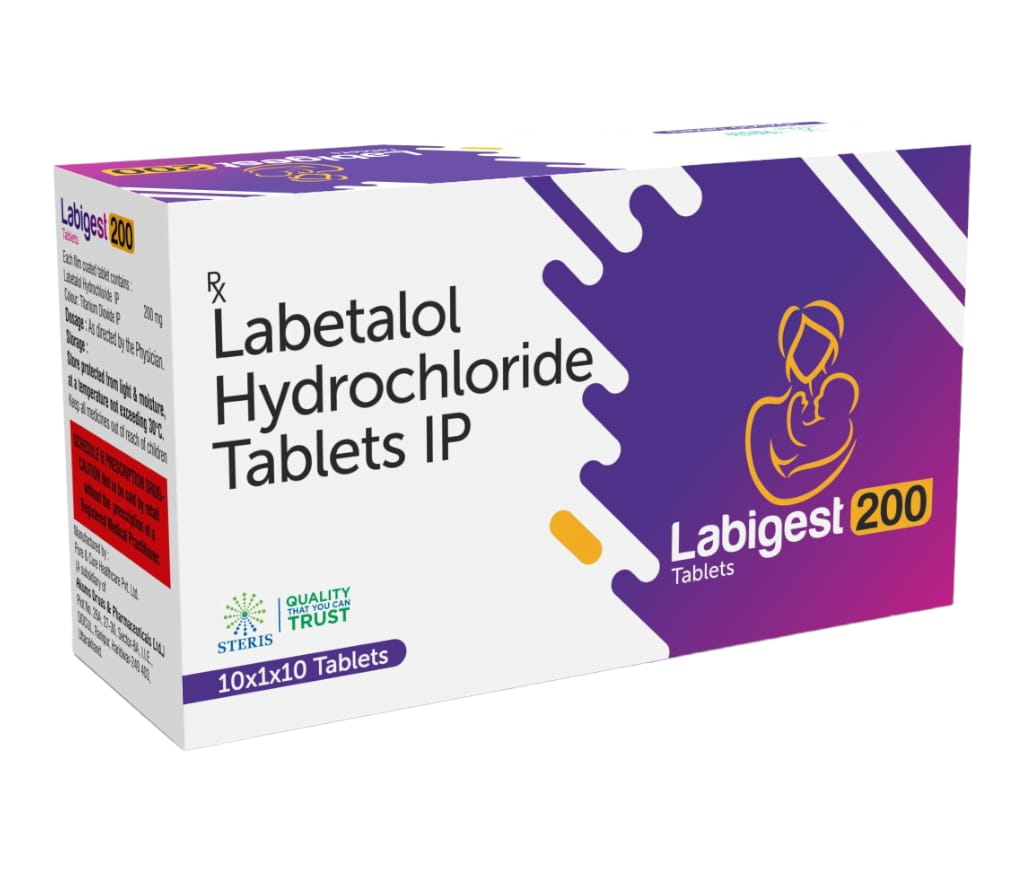
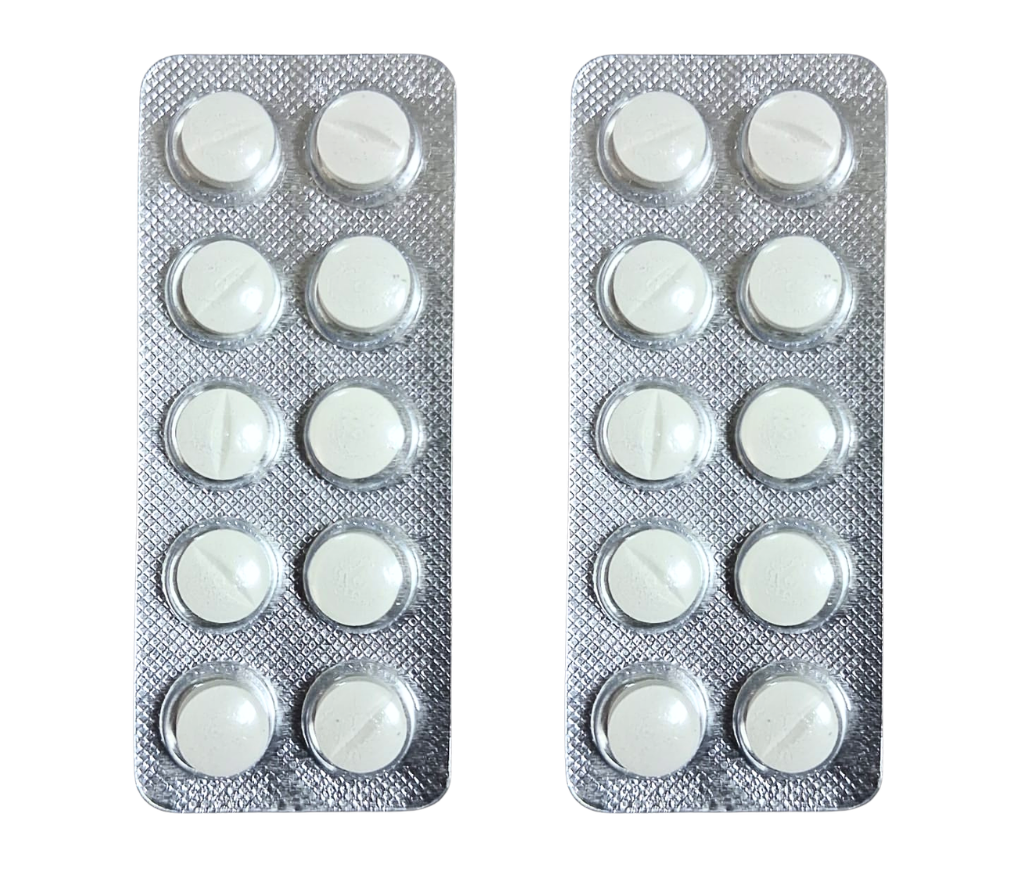
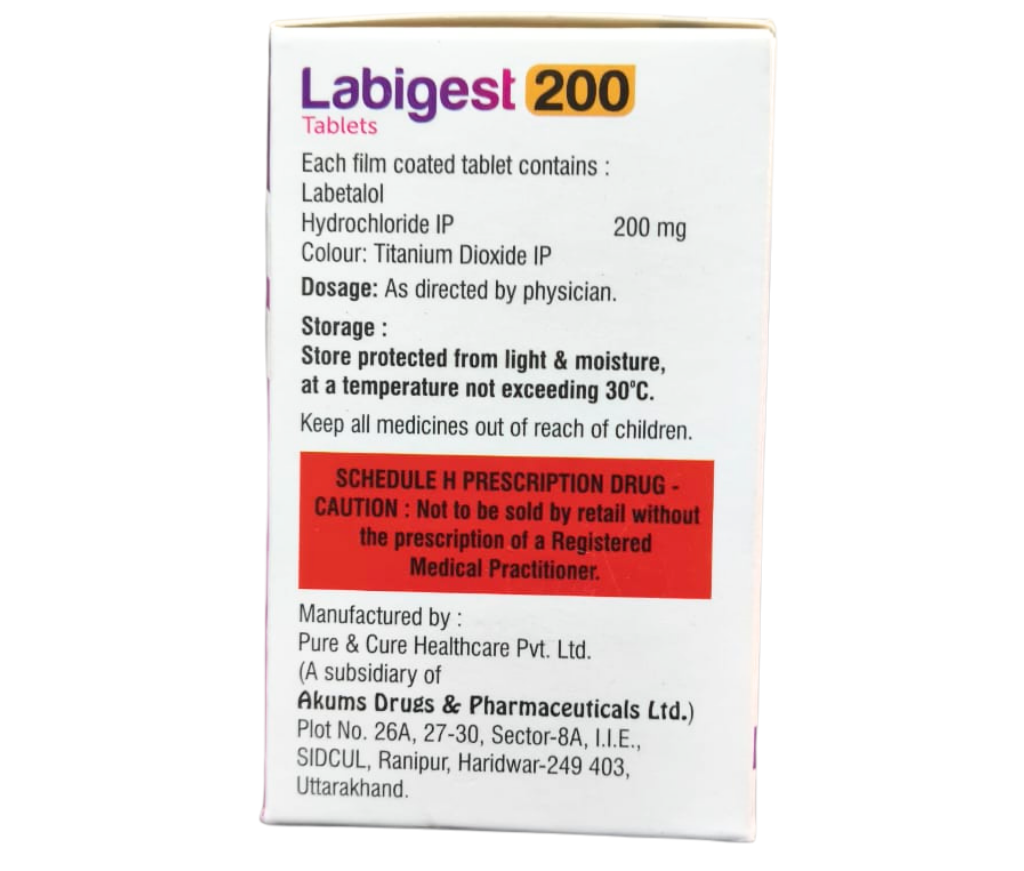
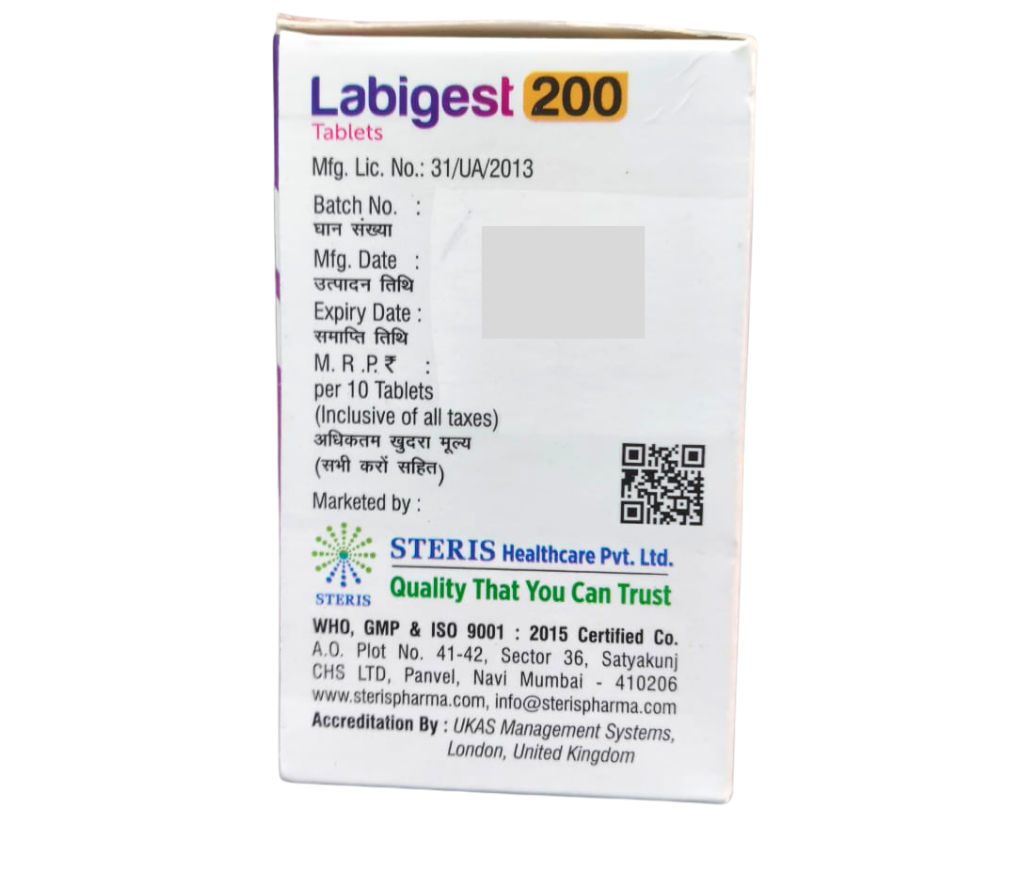
LABIGEST 200
 Item requires a valid prescription
Manufactured By Steris Healthcare Pvt Ltd
Composition Labetalol (200mg)
Rs 163.38
MRP Rs 233.40
(30% OFF)
Includes all taxes
Package SIZE
( FOR 10 TABLET )

100% Authentic
Products

Free
Shipping*

Products
Return Policy
Description:
Labetalol 200 mg is a prescription blood-pressure medicine containing labetalol hydrochloride, a combined alpha- and beta-adrenergic blocker used primarily to manage hypertension. By lowering blood pressure and reducing the effects of certain stress hormones on the heart and blood vessels, labetalol can help reduce the cardiovascular risks associated with persistently high blood pressure.
If you are researching labetalol 200 mg for high blood pressure, it is important to understand what this strength is used for, how it works, potential benefits, common side effects, important precautions, and why the appropriate dose must be determined by a healthcare professional.
What Is Labetalol 200 mg?
Labetalol 200 mg is an oral tablet containing 200 mg of labetalol hydrochloride. Prescription labetalol tablets are indicated for the management of hypertension. The medicine has both alpha-blocking and beta-blocking activity, which contributes to relaxation of blood vessels and helps lower blood pressure.
Unlike some medicines that primarily affect one pathway, labetalol acts through both alpha- and beta-adrenergic receptors. Its effects can decrease vascular resistance and help control increases in blood pressure and heart rate..
What Is Labetalol 200 mg Used For?
The primary approved use of oral labetalol is management of high blood pressure (hypertension). Controlling hypertension is important because sustained high blood pressure increases the risk of cardiovascular complications, including stroke and myocardial infarction.
A doctor may prescribe labetalol when blood-pressure control is needed and determines that its combined alpha- and beta-blocking properties are appropriate.
Labetalol is also commonly discussed in the context of hypertension during pregnancy. Current FDA labeling notes substantial experience with labetalol use during pregnancy, although treatment decisions should be made by the patient's healthcare professional after considering the potential benefits and risks
Key Benefits of Labetalol 200 mg
When prescribed appropriately, potential benefits of labetalol include:
Labetalol 200 mg: Uses, Benefits, Side Effects, Dosage & Safety Guide
Labetalol 200 mg
Labetalol 200 mg
- Helps lower elevated blood pressure: Labetalol is specifically indicated for hypertension management.
- Works through two adrenergic pathways: Its alpha- and beta-blocking activity helps reduce vascular resistance and blood-pressure elevation.
- May help reduce cardiovascular risk associated with uncontrolled hypertension: Effective blood-pressure treatment can reduce the risk of serious cardiovascular events associated with hypertension.
- Available as an oral tablet: Labetalol hydrochloride tablets are available in several strengths, including 200 mg, allowing healthcare professionals to individualize treatment.
These benefits apply when the medicine is used under appropriate medical supervision. Labetalol is not a medication that should be started, stopped, or dose-adjusted solely on the basis of online information.
How Does Labetalol 200 mg Work?
Labetalol combines alpha-1 adrenergic blocking and beta-adrenergic blocking activity. The alpha-blocking component contributes to relaxation of blood vessels, while beta-blocking activity reduces certain effects of adrenaline and related hormones on the cardiovascular system.
The overall effect is a reduction in blood pressure. Official labeling describes dose-related reductions in blood pressure without the pronounced reflex increase in heart rate that can occur with some other blood-pressure-lowering medicines.
Labetalol 200 mg Side Effects
Like other prescription medicines, labetalol can cause side effects. Many adverse effects reported with oral labetalol are mild and transient, particularly early in treatment.
Commonly reported effects include:
The overall effect is a reduction in blood pressure. Official labeling describes dose-related reductions in blood pressure without the pronounced reflex increase in heart rate that can occur with some other blood-pressure-lowering medicines.
- Dizziness or lightheadedness
- Fatigue or tiredness
- Nausea
- Headache
- Nasal stuffiness
- Indigestion
- Shortness of breath in some patients
- Orthostatic hypotension, meaning a drop in blood pressure when standing
In controlled clinical data, dizziness, nausea, fatigue, and related effects were among the reported adverse reactions.
- Fainting or severe dizziness
- Unusually slow heartbeat
- New or worsening shortness of breath
- Swelling of the legs or other signs of fluid retention
- Chest pain
- Significant weakness or unusual fatigue
- Symptoms suggesting a serious allergic reaction
Labetalol may also mask some warning symptoms of low blood sugar, particularly a rapid heartbeat. This is especially relevant for people with diabetes who use medicines that can cause hypoglycemia.M
Who Should Be Careful With Labetalol 200 mg?
Before taking labetalol, tell your healthcare professional about your complete medical history and all medicines or supplements you use.
Particular caution may be necessary in people with:
- Asthma or other bronchospastic conditions
- Certain heart-conduction or rhythm problems
- Slow heart rate
- Heart failure or a history of cardiac problems
- Diabetes
- Liver impairment
- Low blood pressure
- Circulation problems
Labetalol can worsen or complicate certain cardiovascular conditions, and beta-blockade can affect blood-sugar warning symptoms. People with heart disease, diabetes, or other significant medical conditions should therefore use it only according to professional medical advice.
- How much labetalol you should take
- How frequently you should take it
- Whether the dose needs adjustment
- How your blood pressure and heart rate should be monitored
Do not abruptly discontinue labetalol without medical advice. Suddenly stopping a beta-blocking medicine can be unsafe in some patients, particularly those with underlying cardiovascular disease.
The FDA labeling indicates that available experience has not identified a drug-associated increase in major birth defects, while also noting that pregnancy-related treatment decisions require appropriate clinical assessment.FFDA Access Data
Labetalol 200 mg
Because labetalol 200 mg is a prescription medicine, the appropriate product, strength, manufacturer, and supply should be verified through a licensed pharmacy and according to local regulations.
When evaluating a product listing, look for the active ingredient labetalol hydrochloride, tablet strength, dosage form, manufacturer information, packaging details, and prescription requirements. Avoid purchasing prescription medicines from sources that cannot provide reliable product identification, pharmacist support, or appropriate regulatory information.
A product page should provide accurate labeling information rather than suggesting that a specific strength is suitable for everyone.
Frequently Asked Questions
1. What is labetalol 200 mg used for?
Labetalol 200 mg is used primarily to manage high blood pressure (hypertension). It lowers blood pressure through combined alpha- and beta-adrenergic blocking effects.
2. Is labetalol 200 mg a strong dose?
200 mg is a tablet strength, not a universal dose recommendation. The appropriate amount depends on the individual patient's condition and response to treatment. A doctor should determine whether 200 mg and the prescribed dosing schedule are appropriate.
3. What are the most common side effects of labetalol 200 mg?
Commonly reported side effects include dizziness, nausea, fatigue, headache, nasal stuffiness, and lightheadedness. Many adverse effects are mild and may occur early in treatment.
4. Can labetalol 200 mg be used during pregnancy?
Labetalol is used to manage hypertension in some pregnant patients, and substantial pregnancy experience is reflected in current FDA labeling. However, treatment should be individualized by a healthcare professional rather than started without medical supervision.
5. Does labetalol 200 mg lower heart rate?
Yes. Because labetalol has beta-blocking activity, it can reduce heart-rate responses as well as lower blood pressure. An unusually slow heartbeat, fainting, or severe dizziness should be discussed promptly with a healthcare professional.
6. Can I stop taking labetalol 200 mg suddenly?
Do not stop labetalol suddenly unless your healthcare professional tells you to do so. Abrupt changes in beta-blocker therapy can be inappropriate or unsafe for some patients. Ask your prescriber how treatment should be discontinued or changed.
7. Can labetalol 200 mg cause dizziness?
Yes. Dizziness and lightheadedness are recognized side effects of labetalol, and orthostatic symptoms can occur when blood pressure falls after standing.
8. Is labetalol 200 mg safe for everyone with high blood pressure?
No. Although labetalol is an established treatment for hypertension, the best blood-pressure medicine depends on the individual's health conditions, other medicines, age, pregnancy status, and other factors. Medical evaluation is important before using it.
Conclusion
Labetalol 200 mg is a prescription antihypertensive used primarily to manage high blood pressure. Its combined alpha- and beta-blocking action can help lower blood pressure and may make it a useful treatment option for appropriately selected patients. It is also an established medicine used in some pregnancy-related hypertension settings under professional supervision.
The main advantages are its established blood-pressure-lowering effect and dual mechanism of action. However, dizziness, fatigue, nausea, low blood pressure, and other adverse effects can occur, while certain patients require additional caution because of heart, lung, liver, or metabolic conditions.