


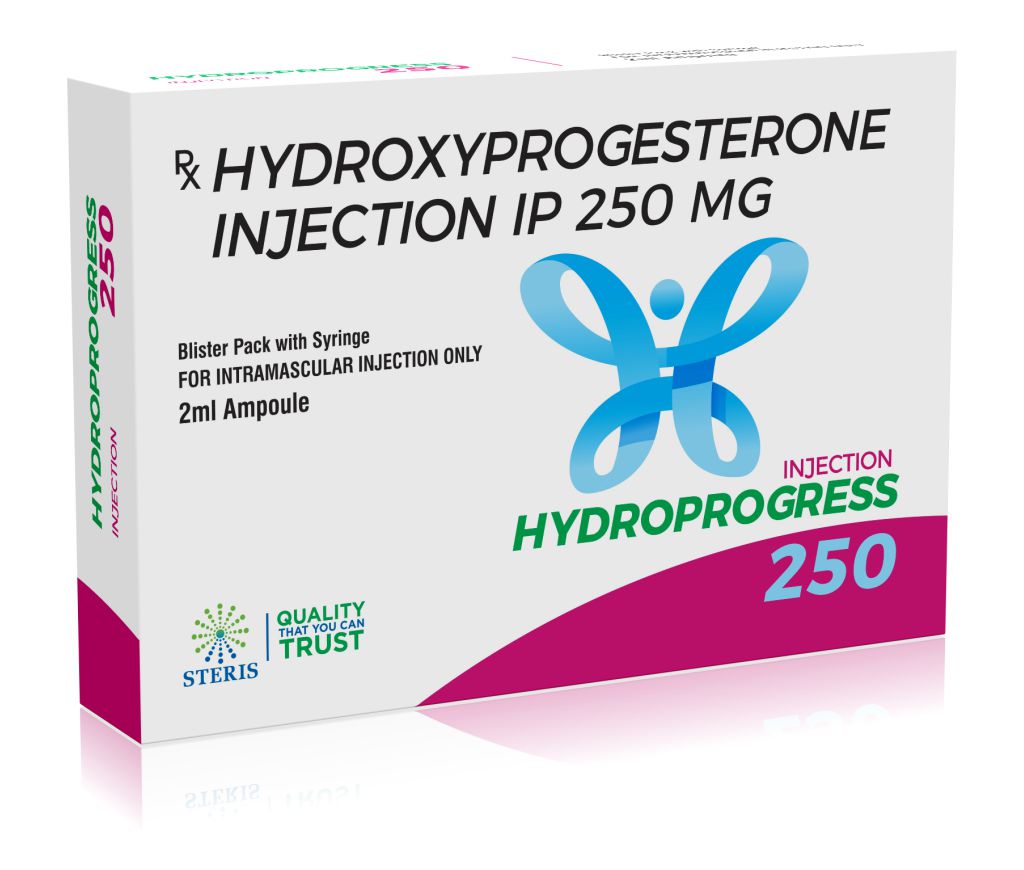
HYDROPROGRESS 250
 Item requires a valid prescription
Manufactured By Steris Healthcare Pvt Ltd
Composition hydroxyprogesterone injection ip 250 mg
Rs 77.00
MRP Rs 110.00
(30% OFF)
Includes all taxes
Package SIZE
( For 2 ml Injection )

100% Authentic
Products

Free
Shipping*

Products
Return Policy
Description:
Hydroxyprogesterone Injection IP 250 mg is a synthetic progestin hormone injection widely used in gynecology and obstetrics to support pregnancy and treat progesterone-related hormonal imbalances. Manufactured to Indian Pharmacopoeia (IP) standards, it's commonly prescribed for women with a history of recurrent miscarriage, threatened abortion, or premature delivery, as well as for certain menstrual cycle disorders caused by low progesterone. Below is a complete breakdown of how it works, its clinical uses, key benefits, dosage guidance, and possible side effects.
What Is Hydroxyprogesterone Injection IP 250 mg?
Hydroxyprogesterone caproate is a long-acting synthetic form of progesterone, the hormone naturally responsible for maintaining a healthy uterine lining and supporting pregnancy. The IP designation confirms the injection is manufactured and tested to Indian Pharmacopoeia quality standards. It's sold under various brand names by Indian pharmaceutical manufacturers, typically supplied as a 250 mg/mL sterile injectable in an oil-based solution, administered intramuscularly under medical supervision — this is not a self-administered injection.
How Hydroxyprogesterone Injection Works
Once injected, hydroxyprogesterone caproate mimics the action of natural progesterone in the body. It supports the uterine lining, helps reduce uterine contractions, and promotes a stable environment for embryo implantation and continued pregnancy. Because it's a long-acting (depot) formulation, its effects last well beyond a single dose, which is why it's typically given on a weekly schedule rather than daily.
Key Uses
- Reducing the risk of preterm birth in women with a documented history of spontaneous preterm delivery
- Threatened or recurrent (habitual) miscarriage, where low progesterone is contributing to pregnancy loss risk
- Progesterone deficiency in women, affecting normal reproductive hormonal balance
- Menstrual cycle disorders linked to hormonal imbalance, including certain cases of irregular or abnormal uterine bleeding
- Supportive hormonal therapy in specific fertility treatment protocols, as directed by a treating gynecologist
Key Benefits
- Long-acting formulation allows weekly dosing rather than daily administration, improving convenience for a therapy that may need to continue over many weeks
- Well-established role in high-risk pregnancy management, particularly for women with a prior preterm birth
- Supports natural pregnancy physiology by supplementing a hormone the body already produces, rather than introducing an unrelated mechanism
- Manufactured under WHO-GMP and IP-compliant standards by established Indian pharmaceutical companies, offering hospitals and fertility clinics a reliable, cost-effective sourcing option
- Widely used across gynecology, obstetrics, and fertility clinics, with strong familiarity among treating physicians
Dosage & Administration
The standard dosage is typically 250 mg (1 mL) given once weekly by intramuscular injection into the upper outer area of the buttock, usually administered by a healthcare professional in a clinical setting. Treatment for preterm birth risk reduction is generally started between the 16th and 20th week of pregnancy and continued until around the 37th week or delivery, whichever comes first — though exact timing and duration always depend on the individual's gestational age and clinical history. For other indications, such as menstrual disorders or hormone support, dosing schedules are set individually by the prescribing doctor. This is a prescription-only, clinically administered injection and should never be self-dosed or adjusted without direct medical supervision.
Side Effects
Common side effects:
- Pain, swelling, itching, or bruising at the injection site
- Nausea
- Headache
- Mild mood changes
Less common but important effects:
- Hives or skin rash
- Elevated blood pressure, which is why blood pressure monitoring is often part of routine follow-up during treatment
- Changes in blood sugar levels, requiring closer monitoring in women with diabetes
Serious side effects requiring prompt medical attention:
- Signs of an allergic reaction — facial swelling, difficulty breathing, severe rash
- Signs of a blood clot — swelling, pain, or warmth in a limb, sudden chest pain, or shortness of breath, since progestin medications carry a general class-level association with clotting risk
- Certain pregnancy-related complications, including gestational hypertension, gestational diabetes, or changes in amniotic fluid levels, have been reported in women using progestin injections during pregnancy — which is why regular prenatal monitoring is essential throughout treatment
Precautions
Hydroxyprogesterone injection should only be used under the close supervision of a gynecologist or obstetrician, particularly during pregnancy, given the need to monitor both maternal and fetal wellbeing throughout treatment. It should be avoided in women with a history of blood clotting disorders, active liver disease, undiagnosed abnormal vaginal bleeding, or known hormone-sensitive conditions unless specifically cleared by a specialist. As with any hormone therapy, it should never be started, stopped, or dose-adjusted without direct medical guidance.
Sourcing Hydroxyprogesterone Injection IP 250 mg: What Buyers Should Verify
For hospitals, fertility clinics, and pharmaceutical distributors evaluating suppliers, key sourcing checkpoints include:
- WHO-GMP and IP-compliant manufacturing facility
- Certificate of Analysis (COA) per batch, confirming sterility and potency
- Cold-chain-appropriate packaging where required, since oil-based injectables need stable storage conditions
- Verified drug manufacturing and export licensing
- Transparent bulk and institutional pricing for hospital and clinic procurement
Conclusion
Hydroxyprogesterone Injection IP 250 mg remains a well-established hormonal therapy in gynecology and obstetrics, particularly valued for supporting high-risk pregnancies and managing recurrent miscarriage risk. Its long-acting, once-weekly dosing makes it a practical option for extended treatment courses, but because it directly affects pregnancy physiology, it should always be administered and monitored by a qualified healthcare professional. For hospitals and clinics sourcing the product, prioritizing WHO-GMP and IP-certified manufacturers with verified batch documentation remains essential for consistent quality and patient safety.
This content is for general informational purposes and does not replace advice from a licensed healthcare provider. Hydroxyprogesterone injection is a prescription-only medicine administered under medical supervision.
Frequently Asked Questions
1. What is Hydroxyprogesterone Injection IP 250 mg used for?
It's mainly used to reduce the risk of preterm birth in women with a history of premature delivery, and to support pregnancy in cases of recurrent or threatened miscarriage.
2. How often is Hydroxyprogesterone Injection IP 250 mg given?
It's typically administered once a week as a 250 mg intramuscular injection, usually starting in the second trimester and continuing until close to full term, as directed by a doctor.
3. What are the common side effects of Hydroxyprogesterone Injection IP 250 mg?
Injection-site pain, swelling, and itching are the most commonly reported effects, along with occasional nausea, headache, and mild mood changes.
4. Is Hydroxyprogesterone Injection safe during pregnancy?
It's specifically used during pregnancy under close medical supervision for women at higher risk of preterm birth or miscarriage, with regular monitoring for blood pressure and other pregnancy-related changes throughout treatment.
5. Can Hydroxyprogesterone Injection be self-administered at home?
No — it should only be given by a trained healthcare professional in a clinical setting, since dosing and administration require medical oversight throughout treatment.
6. Does Hydroxyprogesterone Injection have any serious risks?
While generally well tolerated, it carries a rare risk of allergic reaction and blood clot-related complications, which is why any unusual swelling, chest pain, or breathing difficulty should be reported to a doctor immediately.