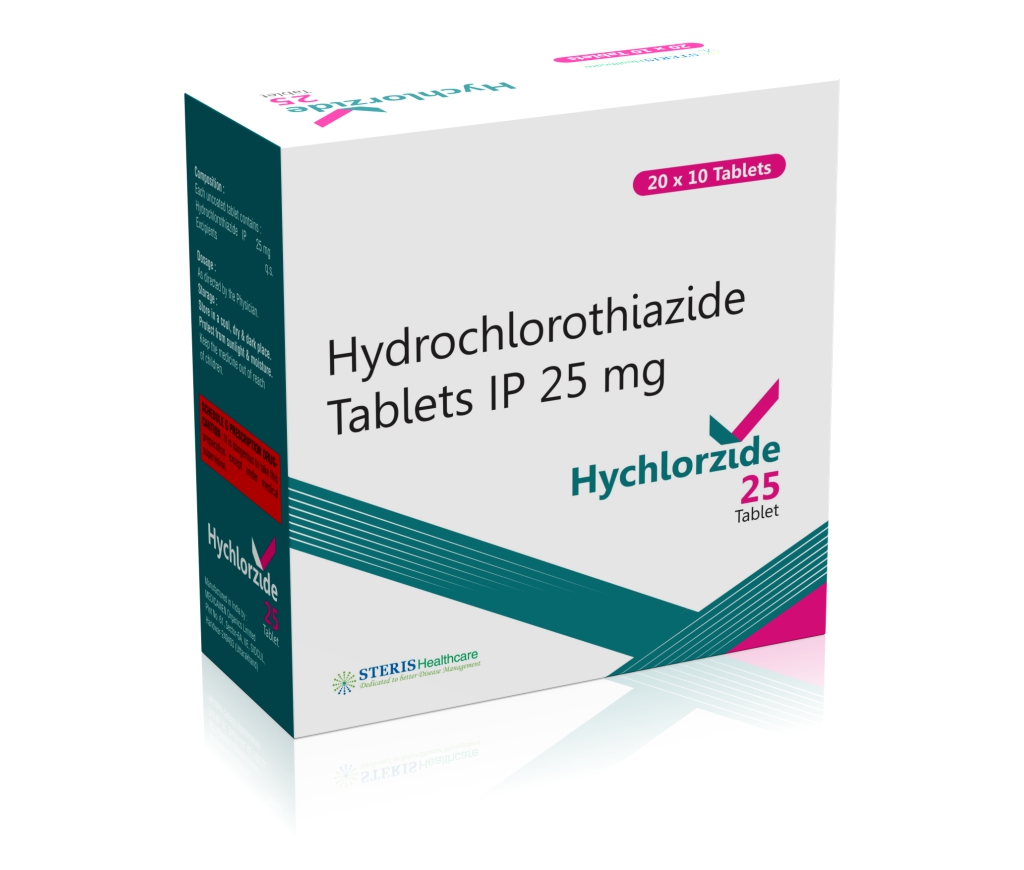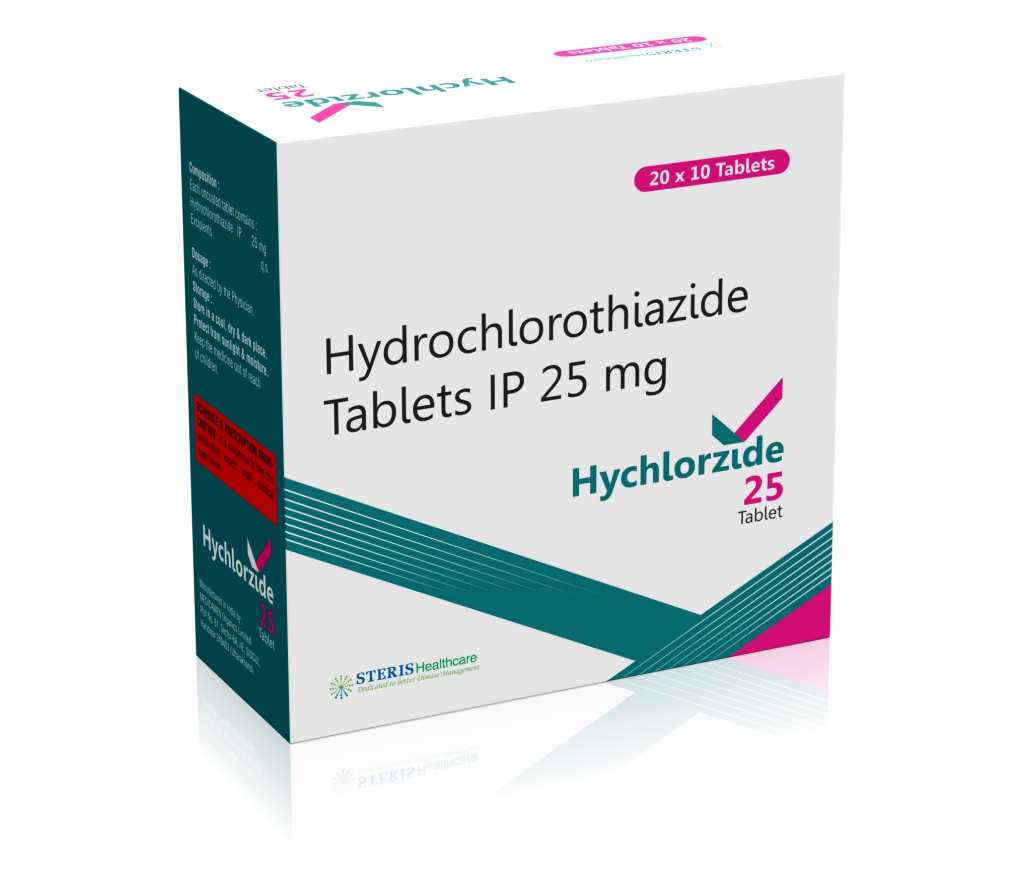
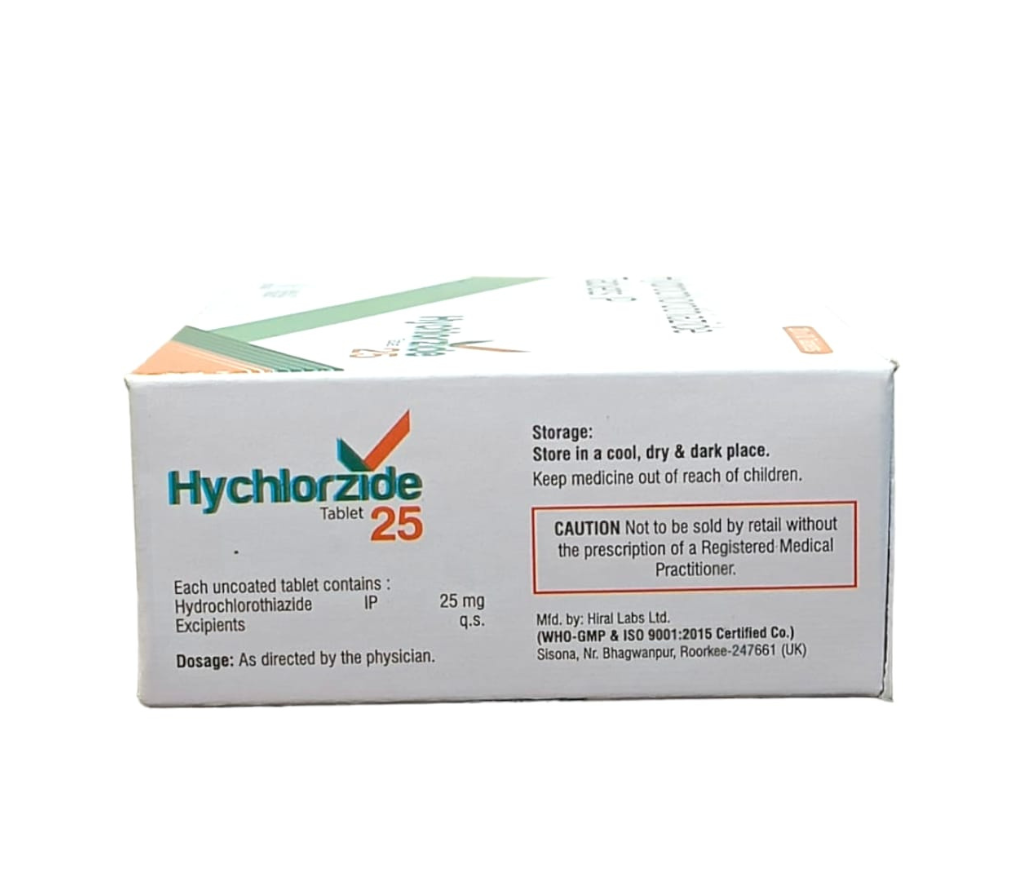
HYCHLORZIDE 25
 Item requires a valid prescription
Manufactured By Steris Healthcare Pvt Ltd
Composition Hydrochlorothiazide (25mg)
Rs 16.79
MRP Rs 17.31
(3% OFF)
Includes all taxes
Package SIZE
( For 10 TABS )

100% Authentic
Products

Free
Shipping*

Products
Return Policy
Description:
Hydrochlorothiazide 25 mg is a prescription-strength diuretic, commonly called a “water pill,” used to help treat high blood pressure and certain types of fluid retention (edema). It works primarily by helping the kidneys remove excess sodium and water from the body through urine. Hydrochlorothiazide may be prescribed alone or alongside other medicines for blood-pressure management.
For people researching hydrochlorothiazide 25 mg, the most important questions are usually straightforward: What is it used for? What benefits can it provide? How should it be taken? What side effects should you watch for? And is 25 mg the right dose for you? This guide answers those questions using current drug information and labeling sources.
What Is Hydrochlorothiazide 25 mg?
Hydrochlorothiazide belongs to a class of medicines called thiazide diuretics. A 25 mg tablet contains 25 milligrams of hydrochlorothiazide as its active ingredient. Current DailyMed labeling identifies hydrochlorothiazide tablets as prescription products and includes 25 mg-strength tablets.
The medicine increases the amount of sodium and water eliminated by the kidneys. This reduces excess fluid in the body and can also help lower blood pressure.
Hydrochlorothiazide 25 mg should not be confused with combination products that contain hydrochlorothiazide plus another medicine. For example, some blood-pressure products combine hydrochlorothiazide with an ACE inhibitor or an angiotensin receptor blocker. Always check the complete product name and active ingredients on the prescription and package.
What Is Hydrochlorothiazide 25 mg Used For?
The primary uses of hydrochlorothiazide include:
- High blood pressure (hypertension): Hydrochlorothiazide can be used alone or together with other antihypertensive medicines to lower blood pressure.
- Edema or fluid retention: It may be used for fluid accumulation associated with conditions such as certain heart, liver, or kidney problems, as well as edema associated with some medicines.
- Other physician-directed uses: Hydrochlorothiazide may sometimes be prescribed for conditions such as diabetes insipidus or to help prevent certain kidney stones, depending on the patient's circumstances.
For hypertension, the goal is not simply to make someone urinate more. Lowering blood pressure over time can reduce the risk of serious cardiovascular and kidney complications associated with uncontrolled hypertension.
Key Benefits of Hydrochlorothiazide 25 mg
When appropriately prescribed, hydrochlorothiazide 25 mg can provide several important therapeutic benefits.
1. Helps lower high blood pressure
Hydrochlorothiazide promotes sodium and water excretion, which contributes to blood-pressure reduction. It may be prescribed by itself or as part of a combination treatment plan.
2. Reduces excess fluid
Because it increases urine production, hydrochlorothiazide can help reduce fluid accumulation in appropriate patients with edema.
3. Can complement other blood-pressure medicines
Some patients require more than one type of blood-pressure medicine. Hydrochlorothiazide is available both as an individual medicine and in combination products with other antihypertensive agents.
4. Provides an established treatment option
Hydrochlorothiazide has been used clinically for many years and remains an established thiazide diuretic. Current clinical references continue to describe its use for hypertension and edema. Mayo Clinic
How Does Hydrochlorothiazide 25 mg Work?
Hydrochlorothiazide works in the kidneys to increase the elimination of sodium and water. As more sodium and water leave the body in urine, fluid volume decreases. This helps explain both its diuretic effect and its role in blood-pressure treatment.
Because the medicine changes fluid and electrolyte handling, healthcare professionals may consider kidney function, blood pressure, sodium, potassium, glucose, uric acid, and other factors when monitoring treatment.
The increased urination is an expected pharmacological effect rather than a sign that the medicine is “detoxing” the body.
How to Take Hydrochlorothiazide 25 mg
Take hydrochlorothiazide exactly as prescribed. Do not take more tablets because you believe a higher dose will work faster, and do not stop treatment simply because your blood pressure improves. MedlinePlus specifically advises patients not to change the dose or discontinue hydrochlorothiazide without consulting their healthcare provider.
Because hydrochlorothiazide can increase urination, your healthcare professional may recommend a dosing schedule that reduces disruption from nighttime bathroom trips.
If you miss a dose, follow the instructions provided by your doctor or pharmacist. MedlinePlus advises taking a missed dose when remembered unless it is nearly time for the next dose; in that situation, the missed dose should generally be skipped rather than doubled.
Hydrochlorothiazide 25 mg Side Effects
Like all medicines, hydrochlorothiazide can cause side effects. Some are relatively common, while others require prompt medical attention.
Possible side effects include:
- Increased urination
- Headache
- Diarrhea
- Reduced appetite
- Dizziness or lightheadedness
- Hair loss
Frequent urination is particularly understandable because hydrochlorothiazide is a diuretic.
Serious Side Effects That Need Medical Attention
Seek medical advice promptly if you experience symptoms that may indicate significant dehydration or an electrolyte disturbance, such as severe thirst, dry mouth, unusual weakness, confusion, muscle cramps or weakness, nausea, vomiting, or a fast heartbeat.
Serious allergic reactions can also occur. Symptoms such as hives, severe rash, difficulty breathing, or difficulty swallowing require urgent medical attention. Other concerning symptoms can include unusual bruising or bleeding, severe abdominal pain, joint pain or swelling, or new vision changes or eye pain.
Who Should Be Careful With Hydrochlorothiazide 25 mg?
Before taking hydrochlorothiazide, tell your healthcare professional about your medical history and all medicines, vitamins, supplements, and herbal products you use.
Extra caution may be necessary if you have:
- Kidney disease
- Liver disease
- Diabetes
- Gout
- Lupus
- High cholesterol
- A history of medication allergies
- Certain electrolyte abnormalities
Hydrochlorothiazide can also interact with other medicines. MedlinePlus specifically identifies NSAIDs such as ibuprofen and naproxen among medicines that should be discussed with a healthcare professional before or during hydrochlorothiazide treatment. M
Hydrochlorothiazide 25 mg and Sun Exposure
An important safety consideration that is sometimes overlooked is sun sensitivity. MedlinePlus advises people taking hydrochlorothiazide to avoid unnecessary or prolonged sun exposure and to use protective clothing and sunscreen. It also notes that hydrochlorothiazide may increase the risk of certain types of skin cancer and that clinicians may monitor skin changes during treatment.
If you notice a new or changing skin growth or other unusual skin change, discuss it with your healthcare professional.
Is Hydrochlorothiazide 25 mg Right for You?
The fact that hydrochlorothiazide 25 mg is commonly prescribed does not mean that 25 mg is automatically appropriate for everyone.
The correct strength and treatment plan can depend on the following:
- The condition being treated
- Blood-pressure response
- Kidney function
- Fluid status
- Electrolyte levels
- Other medicines being taken
- Other medical conditions
Some people may receive a different strength or a combination medicine rather than hydrochlorothiazide alone. A healthcare professional should determine the appropriate regimen.
What to Check Before Obtaining Hydrochlorothiazide 25 mg
If you are researching where to get hydrochlorothiazide 25 mg, prioritize legitimate, licensed healthcare and pharmacy channels rather than unverified online sellers.
Before obtaining the medicine, verify:
- You have a valid prescription when required.
- The product clearly identifies hydrochlorothiazide and its strength.
- The packaging is intact and properly labeled.
- The pharmacy is appropriately licensed in your jurisdiction.
- You understand whether you are receiving hydrochlorothiazide alone or a combination product.
- A pharmacist can review potential interactions with your existing medicines.
Do not purchase or use someone else's prescription medicine simply because the tablet strength appears to match your needs.
Hydrochlorothiazide 25 mg: What Buyers Should Know
Searches for “hydrochlorothiazide 25 mg price,” “hydrochlorothiazide 25 mg online,” “hydrochlorothiazide 25 mg tablets,” and “hydrochlorothiazide 25 mg prescription” often indicate transactional intent.
However, the most useful purchasing decision is not simply finding the lowest advertised price. Patients should first confirm the exact medicine, strength, formulation, prescription requirements, legitimate pharmacy status, and pharmacist support.
A lower price is not a benefit if the product is counterfeit, incorrectly labeled, improperly stored, or not the medicine prescribed by your clinician.
Frequently Asked Questions
1. What is hydrochlorothiazide 25 mg used for?
Hydrochlorothiazide 25 mg is a thiazide diuretic used primarily to treat high blood pressure and certain forms of edema or fluid retention. It works by helping the kidneys remove sodium and water from the body.
2. Is hydrochlorothiazide 25 mg a strong dose?
Twenty-five milligrams is an established tablet strength, but whether it is an appropriate dose depends on the individual's medical condition and treatment plan. The strength of a tablet should not be interpreted as “strong” or “weak” without considering the reason it was prescribed.
3. Does hydrochlorothiazide 25 mg lower blood pressure?
Yes. Hydrochlorothiazide can lower blood pressure and may be prescribed alone or with other blood-pressure medicines. Controlling hypertension can help reduce the long-term risk of cardiovascular and kidney complications. MedlinePlus+1
4. Does hydrochlorothiazide 25 mg make you urinate more?
Yes. Increased urination is an expected effect because hydrochlorothiazide is a diuretic that encourages the kidneys to eliminate additional water and sodium.
5. What are the most common hydrochlorothiazide 25 mg side effects?
Commonly reported effects include frequent urination, diarrhea, reduced appetite, headache, and hair loss. Dizziness or lightheadedness can also occur, particularly when blood pressure falls or when standing up quickly.
6. Can hydrochlorothiazide 25 mg cause low potassium?
Hydrochlorothiazide can affect electrolyte balance, including potassium levels. The risk and clinical significance vary between individuals, so your healthcare professional may determine whether monitoring or dietary adjustments are appropriate. Do not start potassium supplements or potassium-containing products without discussing them with your healthcare professional.
7. Can I stop hydrochlorothiazide 25 mg when my blood pressure becomes normal?
Do not stop hydrochlorothiazide on your own. A normal blood-pressure reading may mean that treatment is working rather than that the underlying hypertension has disappeared. MedlinePlus advises continuing hydrochlorothiazide as prescribed and speaking with your healthcare professional before stopping it.
8. Is hydrochlorothiazide 25 mg available by prescription?
Yes. Hydrochlorothiazide is a prescription medicine in the United States, and current DailyMed labeling identifies hydrochlorothiazide 25 mg tablets as prescription products.
Conclusion
Hydrochlorothiazide 25 mg is an established thiazide diuretic used to manage high blood pressure and certain types of fluid retention. Its principal benefit comes from helping the kidneys remove excess sodium and water, which can reduce fluid volume and contribute to lower blood pressure.
For people considering hydrochlorothiazide 25 mg, the key decision is not simply whether the medicine works—it is whether this particular medicine and strength are appropriate for their individual health needs. Potential benefits should be weighed against risks such as dehydration, electrolyte disturbances, dizziness, drug interactions, and other adverse effects.
Available Substitutes