

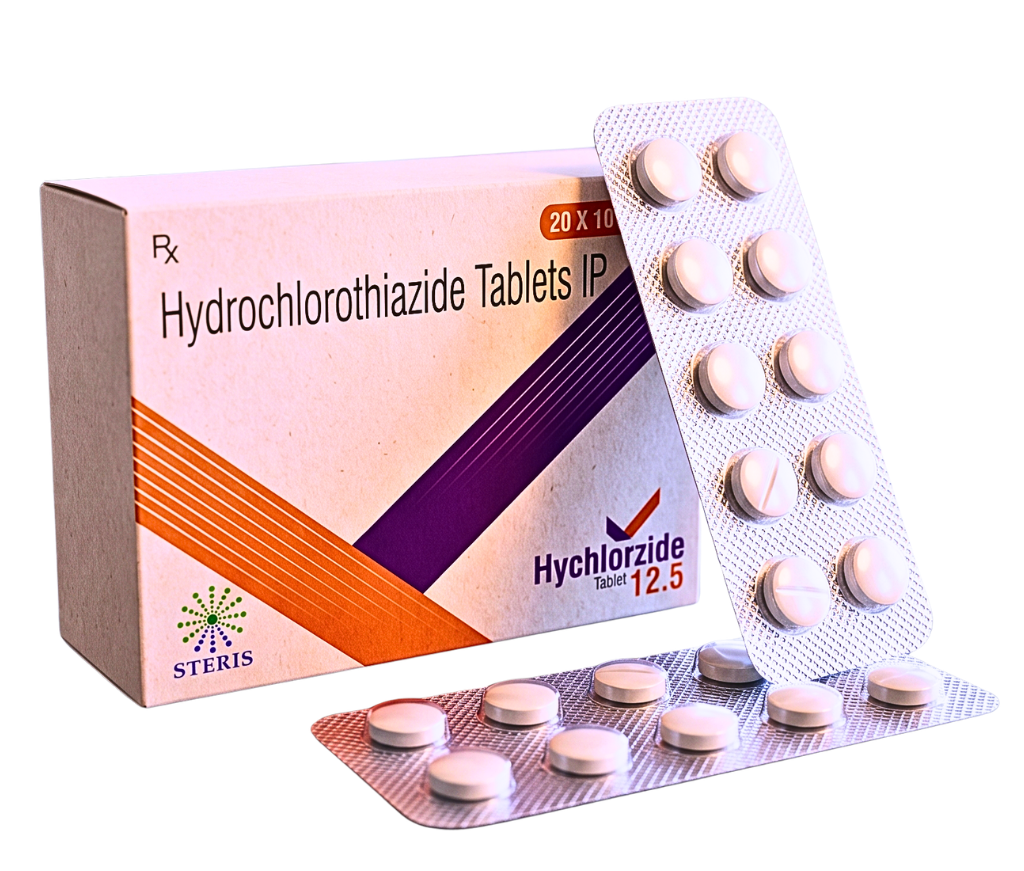
Hydrochlorothiazide 12.5 mg | HYCHLORZIDE 12.5
 Item requires a valid prescription
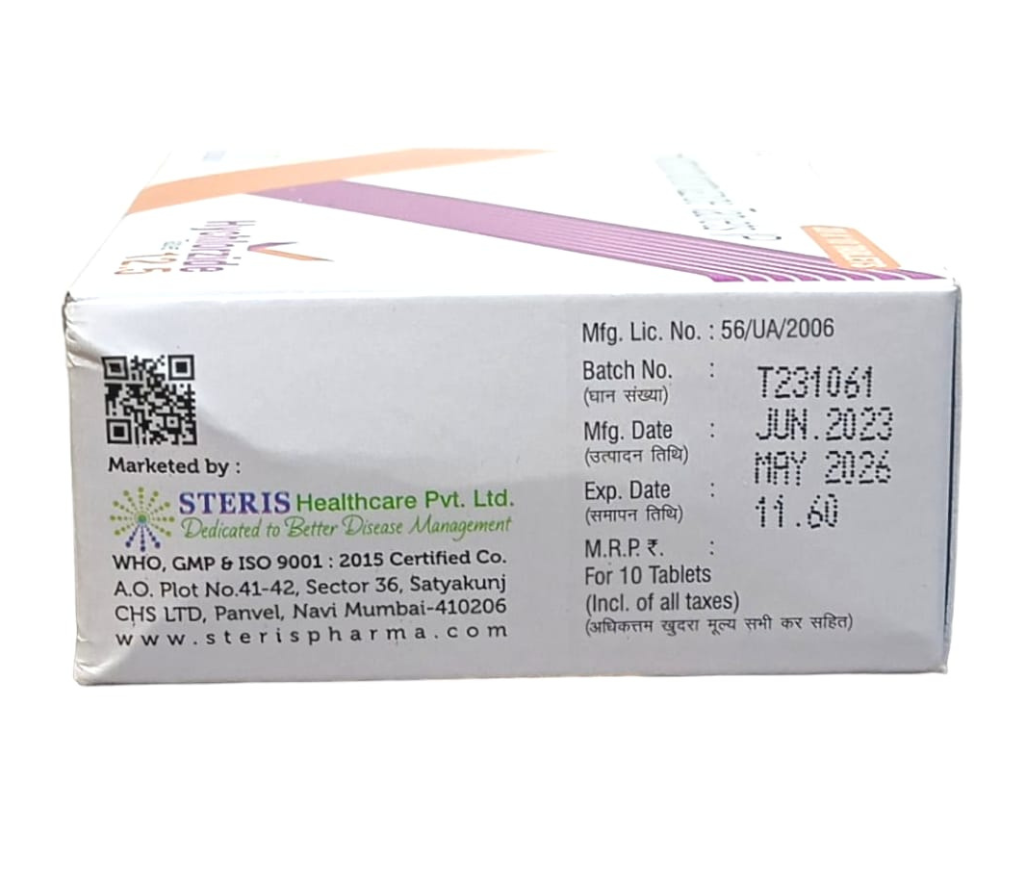
Manufactured By Steris Healthcare Pvt Ltd
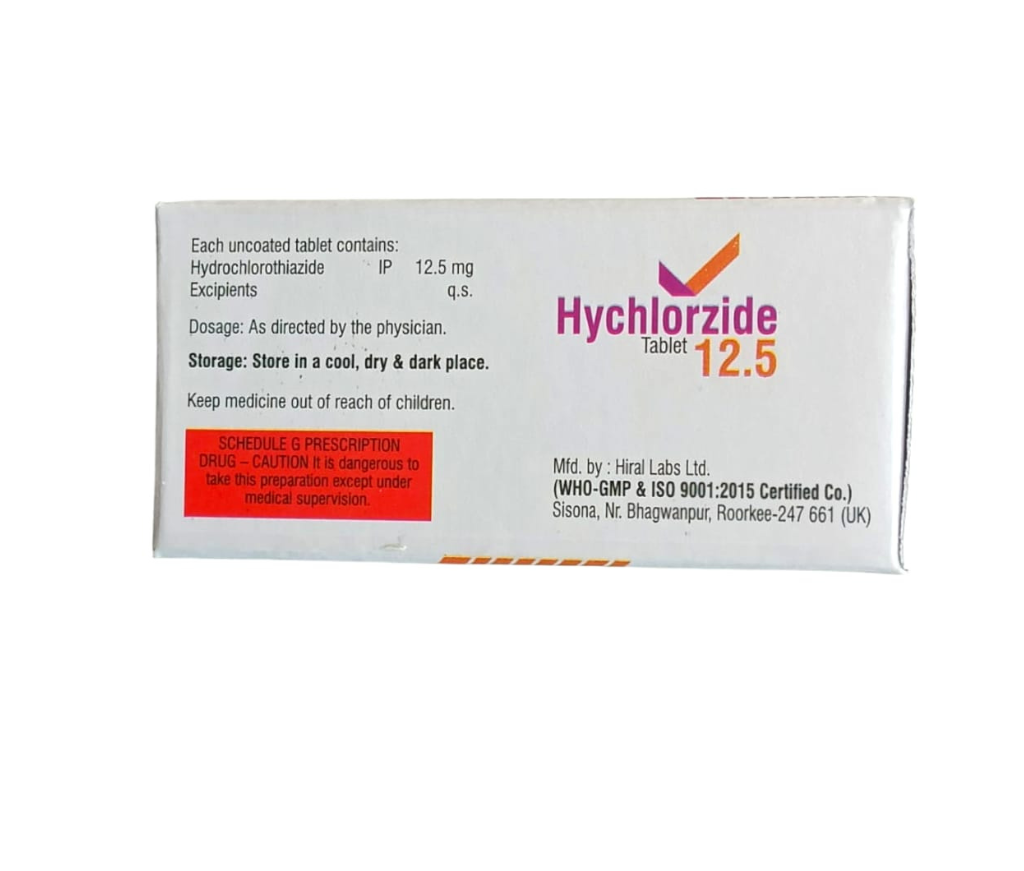
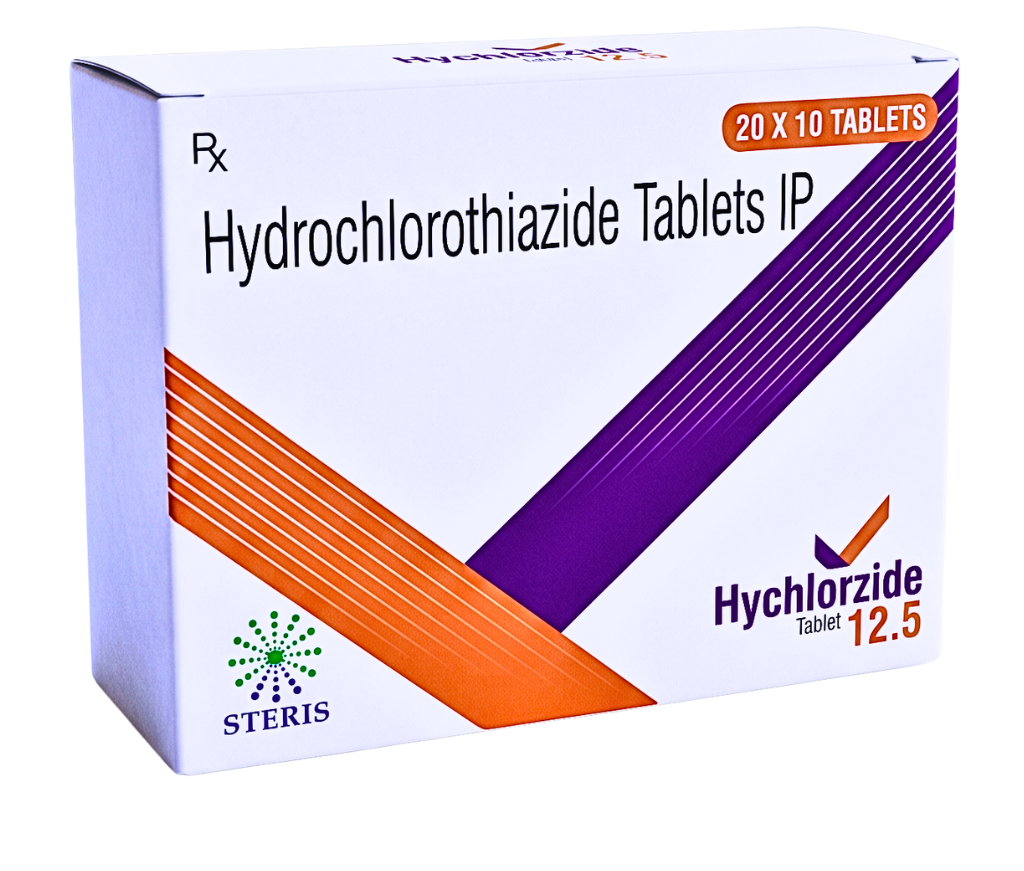
Composition hydrochlorothiazide 12.5 mg
Rs 7.62
MRP Rs 10.88
(30% OFF)
Includes all taxes
Package SIZE
( For 10 Tabs )

100% Authentic
Products

Free
Shipping*

Products
Return Policy
Description:
What Is Hydrochlorothiazide 12.5 mg?
Hydrochlorothiazide 12.5 mg is a low-dose thiazide diuretic, commonly used to help manage high blood pressure (hypertension) and, in appropriate patients, fluid retention (edema). It works mainly through the kidneys by increasing the excretion of sodium and water in the urine. This reduces excess fluid and contributes to blood-pressure lowering.
Current U.S. DailyMed labeling describes hydrochlorothiazide as a diuretic and antihypertensive and lists tablets containing 12.5 mg, 25 mg and 50 mg strengths. The label also notes that, after oral administration, diuresis generally begins within about 2 hours, peaks around 4 hours and lasts approximately 6–12 hours.
For someone searching online for hydrochlorothiazide 12.5 mg tablets, the most important point is that this medicine is not simply a "water tablet" for cosmetic weight loss. It is a prescription medicine used for specific medical conditions and requires appropriate monitoring.
Hydrochlorothiazide 12.5 mg Uses
The main hydrochlorothiazide 12.5 mg uses include:
- Managing high blood pressure.
- Helping reduce excess fluid associated with certain medical conditions.
- Supporting blood-pressure control when prescribed alone.
- Being used as part of combination therapy with other antihypertensive medicines.
- Helping control edema in selected patients.
Hydrochlorothiazide 12.5 mg for High Blood Pressure
One of the most established uses of hydrochlorothiazide is the treatment of hypertension.
High blood pressure often does not cause noticeable symptoms, but persistent hypertension increases the risk of cardiovascular and kidney complications. Hydrochlorothiazide helps lower blood pressure partly by increasing sodium and water excretion.
The 12.5 mg strength is particularly relevant because current labeling recommends starting with the lowest available dose in certain patients and increasing in 12.5 mg increments when additional treatment is required.
Hydrochlorothiazide 12.5 mg for Edema
Hydrochlorothiazide can also be prescribed for edema, meaning abnormal accumulation of fluid in body tissues.
Edema can occur with several underlying conditions, so treatment should address the cause rather than simply treating swelling with a diuretic.
Hydrochlorothiazide increases urinary sodium and water loss, which can reduce excess fluid when it is medically appropriate.
How Does Hydrochlorothiazide 12.5 mg Work?
Hydrochlorothiazide acts on the kidneys, particularly the distal renal tubular system.
In simple terms:
Hydrochlorothiazide → increases sodium/chloride excretion → increases water excretion → reduces excess fluid → helps lower blood pressure.
The medicine does not work by directly relaxing the heart or instantly removing plaque from blood vessels. Its diuretic effect and longer-term blood-pressure effects are part of its therapeutic action.
The official label reports that hydrochlorothiazide increases sodium and chloride excretion and that natriuresis can be accompanied by some loss of potassium and bicarbonate.
This is one reason healthcare professionals may monitor electrolytes and kidney function during treatment.
Key Benefits of Hydrochlorothiazide 12.5 mg
1. Helps Lower Blood Pressure
The primary benefit of hydrochlorothiazide is blood-pressure reduction in patients for whom a thiazide diuretic is appropriate.
Controlling hypertension is important because untreated high blood pressure can increase cardiovascular risk over time.
2. Helps Reduce Excess Fluid
As a diuretic, hydrochlorothiazide promotes urinary excretion of sodium and water. This can help manage fluid accumulation associated with selected conditions.
3. Low-Dose Option
The 12.5 mg strength provides a lower-dose option when a clinician considers hydrochlorothiazide appropriate. Current DailyMed labeling specifically describes 12.5 mg as the lowest available dose in certain dosing strategies.
4. Can Be Used Alone or With Other Blood-Pressure Medicines
Depending on the patient's blood-pressure level and medical history, hydrochlorothiazide may be prescribed alone or combined with other antihypertensive medicines.
Combination products containing hydrochlorothiazide are also available, but patients should not substitute one product for another without professional guidance.
5. Established Clinical Use
Hydrochlorothiazide has a long history of use as a thiazide diuretic and antihypertensive medicine. Its mechanism, dosing considerations and adverse-effect profile are well characterized in official prescribing information.
How Long Does Hydrochlorothiazide 12.5 mg Take to Work?
The diuretic effect can begin relatively quickly. Current DailyMed labeling states that diuresis usually starts within approximately 2 hours, reaches a peak around 4 hours and continues for about 6–12 hours after oral administration.
However, this should not be interpreted as meaning that a person's blood pressure will immediately reach its long-term treatment target.
Blood pressure responds to treatment over time, and the appropriate treatment effect is assessed through repeated blood-pressure measurements rather than by how much urine is produced after one tablet.
If blood pressure remains high after starting hydrochlorothiazide 12.5 mg, do not increase the dose yourself. Contact the prescribing healthcare professional.
Hydrochlorothiazide 12.5 mg Dosage
The correct dosage depends on the reason for treatment.
Hydrochlorothiazide may be prescribed at different strengths, and a healthcare professional may adjust the dose according to:
- Blood-pressure response.
- Degree of fluid retention.
- Kidney function.
- Age.
- Other medicines.
- Electrolyte levels.
- Other medical conditions.
When Should Hydrochlorothiazide 12.5 mg Be Taken?
Because hydrochlorothiazide increases urination, many patients are instructed to take it at a time that minimizes disruption from increased urination, often earlier in the day.
Follow the specific instructions given by your doctor or pharmacist.
If you miss a dose, do not automatically double the next dose. Follow the missed-dose instructions supplied with your product or contact your pharmacist.
Hydrochlorothiazide 12.5 mg Side Effects
Like all medicines, hydrochlorothiazide can cause side effects.
The likelihood and severity of adverse effects can vary according to dose, age, kidney function, hydration, other medicines and individual susceptibility.
Common Side Effects
Possible side effects include:
- Increased urination.
- Dizziness.
- Headache.
- Weakness.
- Lightheadedness.
- Nausea or digestive symptoms.
- Electrolyte changes.
- Dehydration.
MedlinePlus specifically lists frequent urination, diarrhea, loss of appetite, headache and hair loss among possible adverse effects.
Some people experience dizziness or lightheadedness, particularly when standing up quickly. Alcohol can worsen this problem.
Why Can Hydrochlorothiazide Cause Frequent Urination?
Frequent urination is an expected consequence of its diuretic action.
The medicine encourages the kidneys to remove more sodium and water, which increases urine production.
For this reason, taking hydrochlorothiazide too close to bedtime may be inconvenient for some people.
Serious Hydrochlorothiazide 12.5 mg Side Effects
Serious reactions are uncommon but can require urgent medical attention.
Potential serious problems include:
- Severe dehydration.
- Significant electrolyte imbalance.
- Severe hypotension.
- Serious allergic reactions.
- Kidney dysfunction.
- Pancreatitis.
- Severe skin reactions.
- Blood disorders.
- Severe photosensitivity reactions.
DailyMed labeling lists electrolyte imbalance, hypotension, renal dysfunction, interstitial nephritis, pancreatitis and serious hypersensitivity or skin reactions among reported adverse reactions.
Seek urgent medical attention for severe weakness, confusion, significant muscle cramps, fast heartbeat, difficulty breathing, facial or throat swelling, blistering or peeling skin, severe abdominal pain, or other concerning symptoms. MedlinePlus specifically highlights symptoms that can indicate dehydration or electrolyte imbalance and serious allergic reactions.
What Foods Should I Avoid While Taking Hydrochlorothiazide?
There is no single universal list of foods that every person must completely avoid while taking hydrochlorothiazide.
However, diet matters because hydrochlorothiazide can influence fluid and electrolyte balance.
What About Potassium-Rich Foods?
Hydrochlorothiazide can cause potassium loss in some people.
However, do not automatically start potassium supplements or dramatically increase potassium-rich foods without medical advice.
MedlinePlus notes that if a clinician specifically instructs a patient to increase potassium-rich foods, examples can include bananas, prunes, raisins and orange juice.
Your potassium requirement depends on your blood tests, kidney function and other medicines.
This is particularly important because some antihypertensive medicines and combination products can increase potassium instead of lowering it.
Is Hydrochlorothiazide Safe to Take Every Day?
Hydrochlorothiazide can be taken every day when it is prescribed for a medical condition and monitored appropriately.
Many hypertension treatment plans involve daily dosing.
However, "daily" does not mean "appropriate for everyone indefinitely."
Long-term treatment may require monitoring of:
- Blood pressure.
- Kidney function.
- Sodium.
- Potassium.
- Other electrolytes.
- Blood glucose in appropriate patients.
- Uric acid in susceptible individuals.
Hydrochlorothiazide and Kidney Health
Hydrochlorothiazide works through the kidneys, so kidney function is an important consideration.
MedlinePlus advises patients to tell their healthcare professional if they have kidney disease.
Hydrochlorothiazide should not be considered a medicine that "cleans" or detoxifies the kidneys.
If you have chronic kidney disease, reduced kidney function, dehydration or other kidney concerns, the appropriateness of hydrochlorothiazide should be determined by your healthcare professional.
Hydrochlorothiazide and Gout
Hydrochlorothiazide can increase uric acid levels in some patients.
This matters for people who have gout or are prone to high uric acid.
If you have a history of gout, tell your doctor before starting hydrochlorothiazide or if gout attacks become more frequent during treatment.
DailyMed identifies hyperuricemia among reported metabolic adverse reactions.
Hydrochlorothiazide and Diabetes
Hydrochlorothiazide can affect glucose metabolism in some patients.
People with diabetes or prediabetes should discuss treatment with their healthcare professional and continue their recommended glucose monitoring.
MedlinePlus specifically advises patients to tell their healthcare professional if they have diabetes.
Hydrochlorothiazide and Sun Exposure
MedlinePlus advises people taking hydrochlorothiazide to avoid unnecessary or prolonged sun exposure, use protective clothing and sunglasses, and use sunscreen. It also notes that hydrochlorothiazide may increase sensitivity to sunlight and is associated with an increased risk of certain skin cancers.
Current DailyMed information also identifies photosensitivity and non-melanoma skin cancer as safety considerations.
For people taking hydrochlorothiazide long term, sensible sun protection is therefore an important part of responsible medicine use.
Who May Need Extra Caution?
Before taking hydrochlorothiazide, tell your healthcare professional if you have:
- Kidney disease.
- Liver disease.
- Diabetes.
- Gout.
- Asthma.
- Lupus.
- High cholesterol.
- Electrolyte abnormalities.
- A history of severe allergy to medicines.
- Pregnancy or plans to become pregnant.
- Breastfeeding.
- A complex medication regimen.
MedlinePlus specifically recommends discussing kidney or liver disease, diabetes, gout, asthma, lupus, high cholesterol, pregnancy and breastfeeding with a healthcare professional.
How to Reduce Hydrochlorothiazide Side Effects Naturally
There is no guaranteed natural method that can eliminate medication side effects.
However, several practical measures may reduce the likelihood of certain problems:
1. Stay Appropriately Hydrated
Avoid becoming dehydrated, especially during hot weather, heavy sweating, vomiting or diarrhea.
However, do not force excessive water intake if your healthcare professional has prescribed a fluid restriction.
2. Stand Up Slowly
If hydrochlorothiazide makes you dizzy, rise slowly from sitting or lying down. MedlinePlus specifically recommends this because dizziness and fainting can occur when standing suddenly.
3. Follow Your Recommended Diet
If your healthcare professional recommends lower sodium intake or specific potassium intake, follow those instructions rather than making major dietary changes independently.
4. Protect Your Skin
Use sunscreen, protective clothing and other sun-protection measures because hydrochlorothiazide can increase photosensitivity.
5. Monitor Blood Pressure
Regular blood-pressure measurements can help identify whether treatment is working appropriately or whether pressure is becoming too low.
How to Stop Hydrochlorothiazide Side Effects
The correct approach depends on the symptom.
For mild symptoms, contact your pharmacist or prescribing clinician for advice.
For serious symptoms—such as difficulty breathing, severe weakness, confusion, severe dehydration, fainting, blistering skin, severe abdominal pain or signs of an allergic reaction—seek urgent medical care.
The official labeling states that when adverse reactions are moderate or severe, dosage reduction or withdrawal of therapy may be necessary under appropriate medical supervision.
Hydrochlorothiazide 12.5 mg is a thiazide diuretic used mainly to help lower high blood pressure and, in appropriate patients, reduce excess fluid retention. It works by helping the kidneys remove sodium and water through urine. The 12.5 mg dose is a low-strength option, but the appropriate dose depends on the patient's condition, kidney function, other medicines, and treatment response. Common concerns include increased urination, dizziness, dehydration, and electrolyte changes.
Frequently Asked Questions
1. What is hydrochlorothiazide 12.5mg tablet used for?
Hydrochlorothiazide 12.5 mg is mainly used to help treat high blood pressure and may also be prescribed for certain types of fluid retention or edema. It is a thiazide diuretic that increases the excretion of sodium and water through the kidneys.
2. What foods should I avoid while taking hydrochlorothiazide?
There is no universal list of foods that everyone must avoid. However, if your doctor recommends a low-sodium diet, limit high-salt processed foods. Do not independently take potassium supplements or make major potassium changes because hydrochlorothiazide can affect potassium levels. Follow your clinician's specific dietary instructions.
3. How long does it take for hydrochlorothiazide 12.5 mg to lower blood pressure?
The medicine's diuretic effect can begin within about 2 hours, with a peak around 4 hours. However, blood-pressure control should be assessed through repeated measurements rather than expecting the full treatment effect immediately after one tablet.
4. What is the most common side effect of hydrochlorothiazide?
Frequent urination is a common expected effect because hydrochlorothiazide is a diuretic. Dizziness, headache and other symptoms can also occur.
5. Is it safe to take hydrochlorothiazide every day?
It can be safe when prescribed for an appropriate condition and monitored properly. Many patients take hydrochlorothiazide daily for hypertension. The need for continued treatment should be reviewed according to blood pressure, kidney function and other clinical factors.
6. What are three common side effects?
Three commonly reported concerns are frequent urination, dizziness/lightheadedness and headache. Diarrhea and appetite changes are also reported.
7. What are the most serious side effects?
Serious adverse effects can include severe electrolyte imbalance, dehydration, hypotension, kidney dysfunction, severe allergic reactions, pancreatitis and serious skin reactions.
8. Are there harmful side effects?
Yes, although serious reactions are uncommon. Hydrochlorothiazide can cause electrolyte abnormalities, dehydration, low blood pressure, kidney problems, photosensitivity and allergic reactions in susceptible individuals.
9. How to remove side effects of medicine naturally?
There is no guaranteed natural method for removing medicine side effects. For mild symptoms, discuss hydration, diet, timing and other measures with a pharmacist or doctor. Do not use supplements or herbal products to counteract hydrochlorothiazide without professional advice.
10. How to stop side effects?
Do not stop or change hydrochlorothiazide on your own. Contact your healthcare professional to determine whether the symptom is expected, whether another cause is involved, or whether the dose or medicine needs adjustment. Severe allergic reactions, fainting, confusion, severe dehydration or serious skin reactions require urgent medical attention.
11. Does hydrochlorothiazide make you urinate more?
Yes. Increased urination is expected because hydrochlorothiazide increases the amount of sodium and water eliminated by the kidneys.
12. Can hydrochlorothiazide lower potassium?
Yes. Hydrochlorothiazide can cause potassium loss in some people. This is why electrolyte monitoring may be appropriate, particularly in people receiving long-term treatment or those with other risk factors.
13. Can hydrochlorothiazide cause dehydration?
Yes. Because it increases urine production, excessive fluid loss can contribute to dehydration. Symptoms such as intense thirst, dry mouth, weakness, confusion or dizziness should be taken seriously.
14. Can hydrochlorothiazide cause gout?
Hydrochlorothiazide can increase uric acid levels, which may contribute to gout attacks in susceptible people. Patients with a history of gout should tell their healthcare professional.
15. Can hydrochlorothiazide cause low blood pressure?
Yes. Excessive blood-pressure reduction can occur, including orthostatic hypotension. Dizziness or fainting may be more noticeable when standing quickly.
16. Is hydrochlorothiazide a water pill?
Yes. "Water pill" is a common term for diuretics, and hydrochlorothiazide is a thiazide diuretic. It increases urinary sodium and water excretion.
17. Can hydrochlorothiazide be used for weight loss?
It should not be used as a weight-loss medicine. Any short-term reduction in body weight caused by fluid loss is not equivalent to losing body fat. Hydrochlorothiazide should be used for its medically indicated purposes.
18. Can hydrochlorothiazide affect the kidneys?
Yes. Because the medicine acts through the kidneys, kidney function is clinically important. Kidney dysfunction and interstitial nephritis are among reported adverse reactions, and people with kidney disease should discuss treatment with their healthcare professional.
19. Should I avoid sunlight while taking hydrochlorothiazide?
Use sensible sun protection. Hydrochlorothiazide can increase sensitivity to sunlight, and official patient information recommends avoiding unnecessary or prolonged exposure and using protective clothing, sunglasses and sunscreen.
20. What happens if I stop hydrochlorothiazide suddenly?
The consequences depend on why you are taking it. If it is controlling high blood pressure or fluid retention, stopping it may allow the underlying condition to worsen. Speak with your healthcare professional before stopping or changing treatment.
Conclusion
Hydrochlorothiazide 12.5 mg is a low-strength thiazide diuretic used primarily for high blood pressure and, in appropriate patients, fluid retention. Its action involves increasing sodium and water excretion through the kidneys, helping reduce excess fluid and contributing to blood-pressure control.
- ctive ingredient: Hydrochlorothiazide 12.5 mg.
- Dosage form: Tablet or the formulation specified on the prescription.
- Manufacturer/marketer: Check the pharmaceutical company and packaging.
- Batch information: Verify batch number and expiry date.
- Packaging: Avoid damaged, opened or suspicious packaging.
- Prescription requirements: Follow the applicable pharmacy and regulatory requirements.
- Storage conditions: Follow the product label.
- Medical suitability: Confirm that 12.5 mg is the prescribed strength.
- Drug interactions: Inform your pharmacist about other medicines.
- Monitoring: Ask whether blood pressure, electrolytes or kidney function need follow-up.
Available Substitutes