


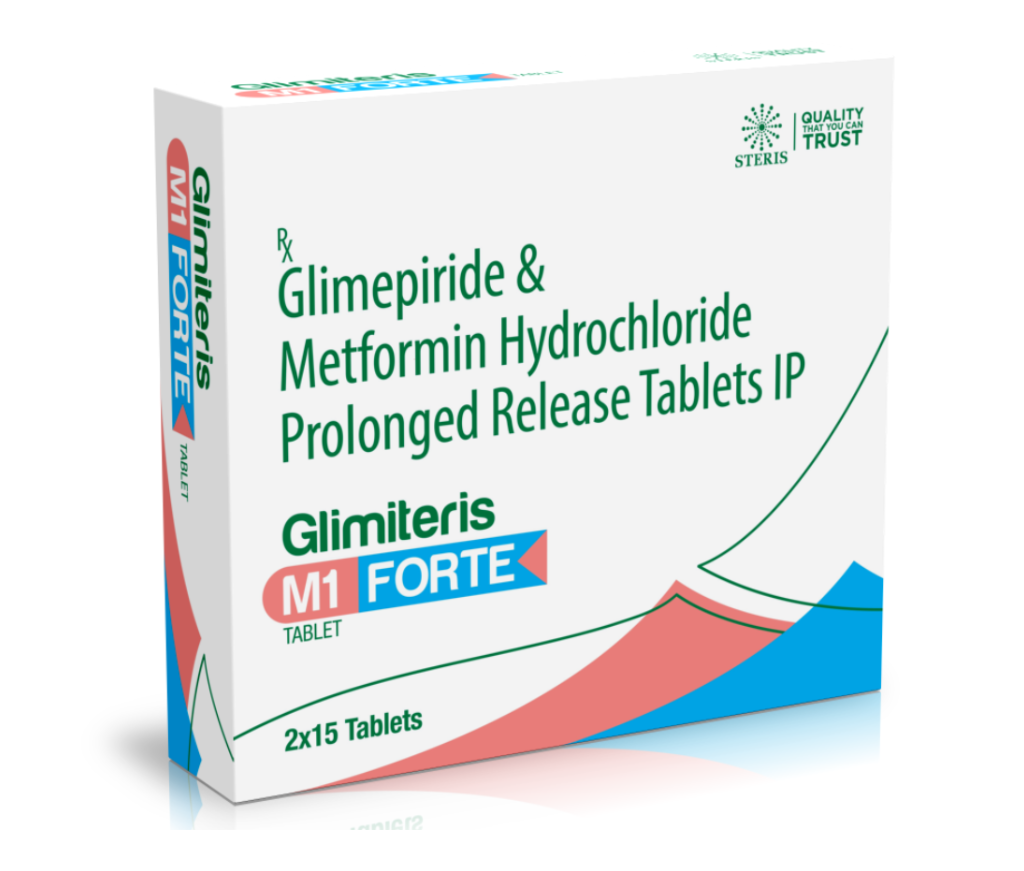
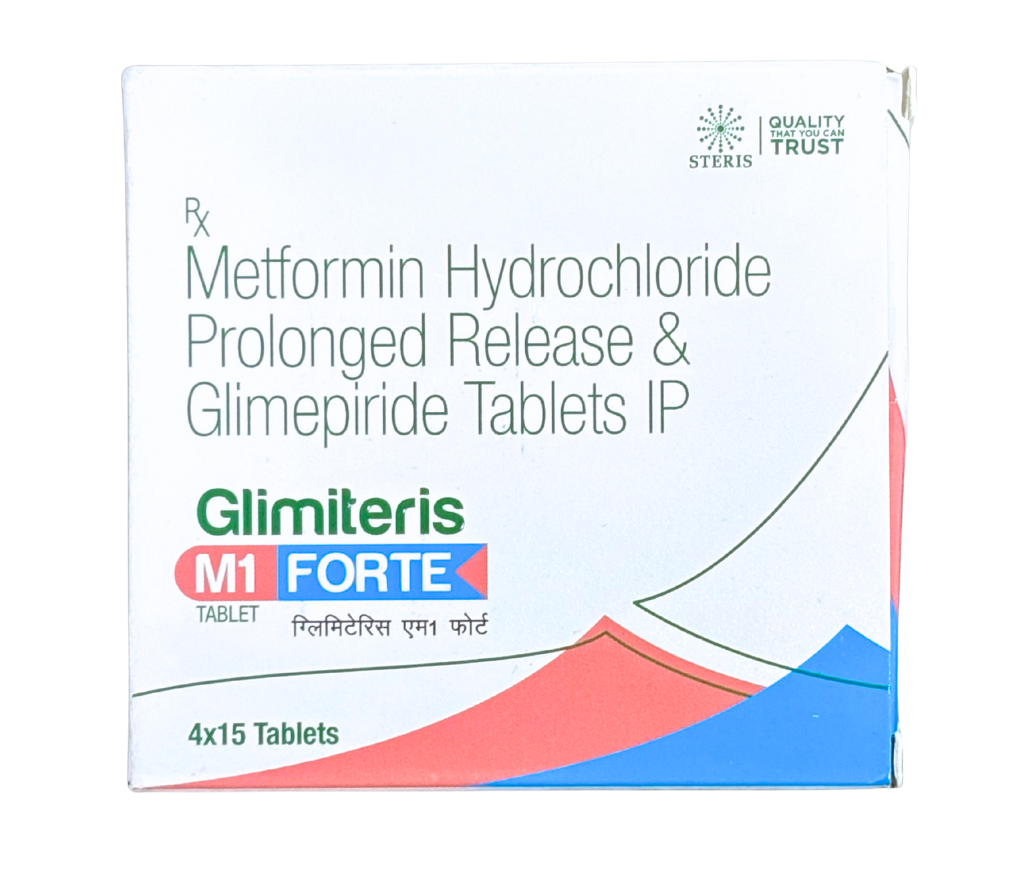
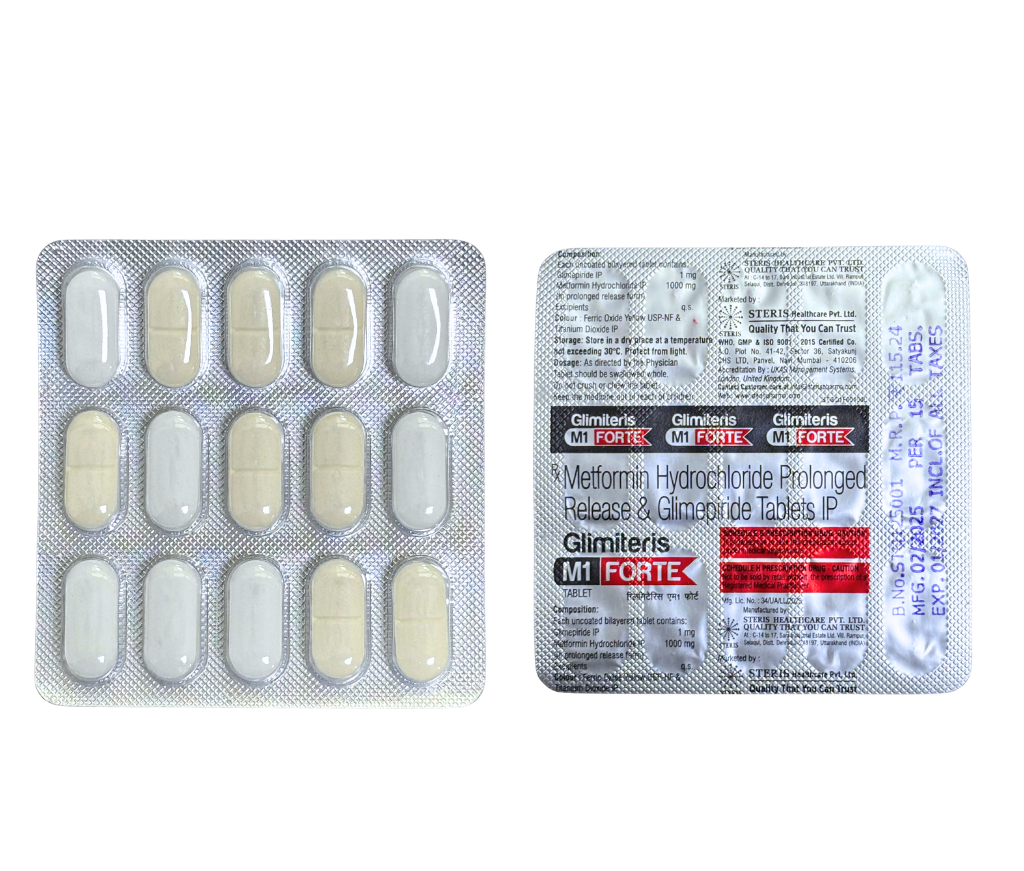
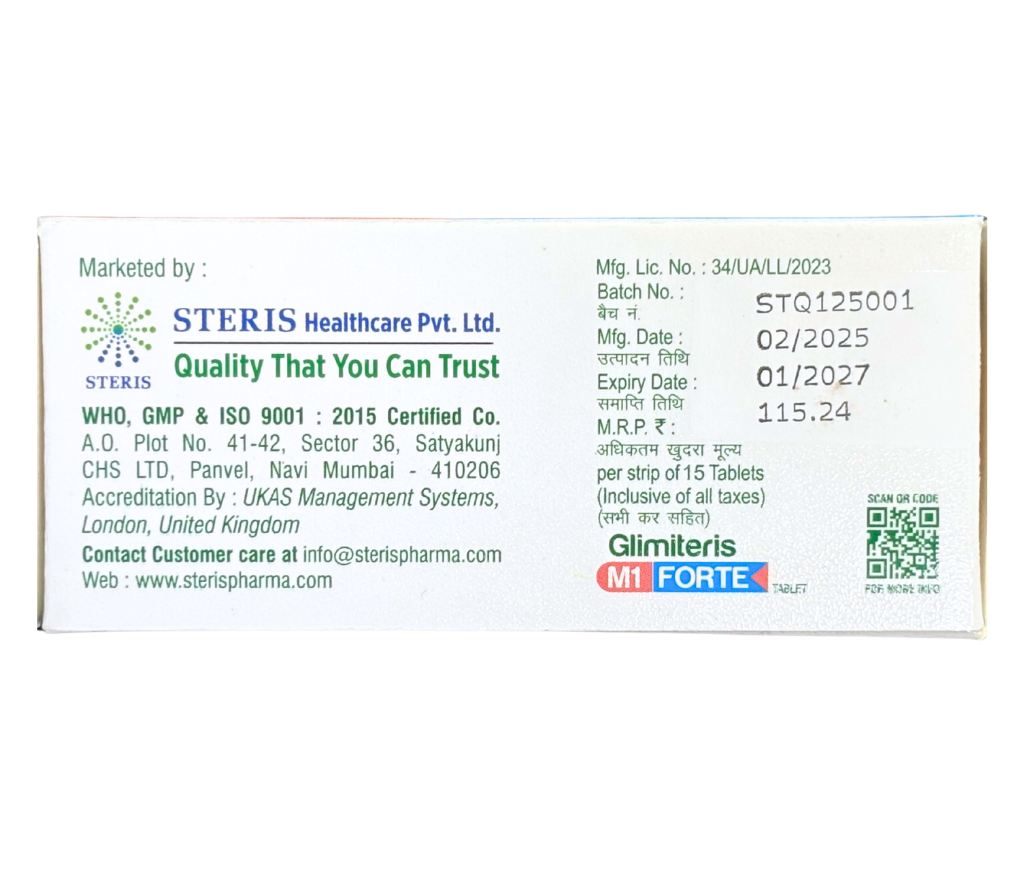
GLIMITERIS M1 FORTE
 Item requires a valid prescription
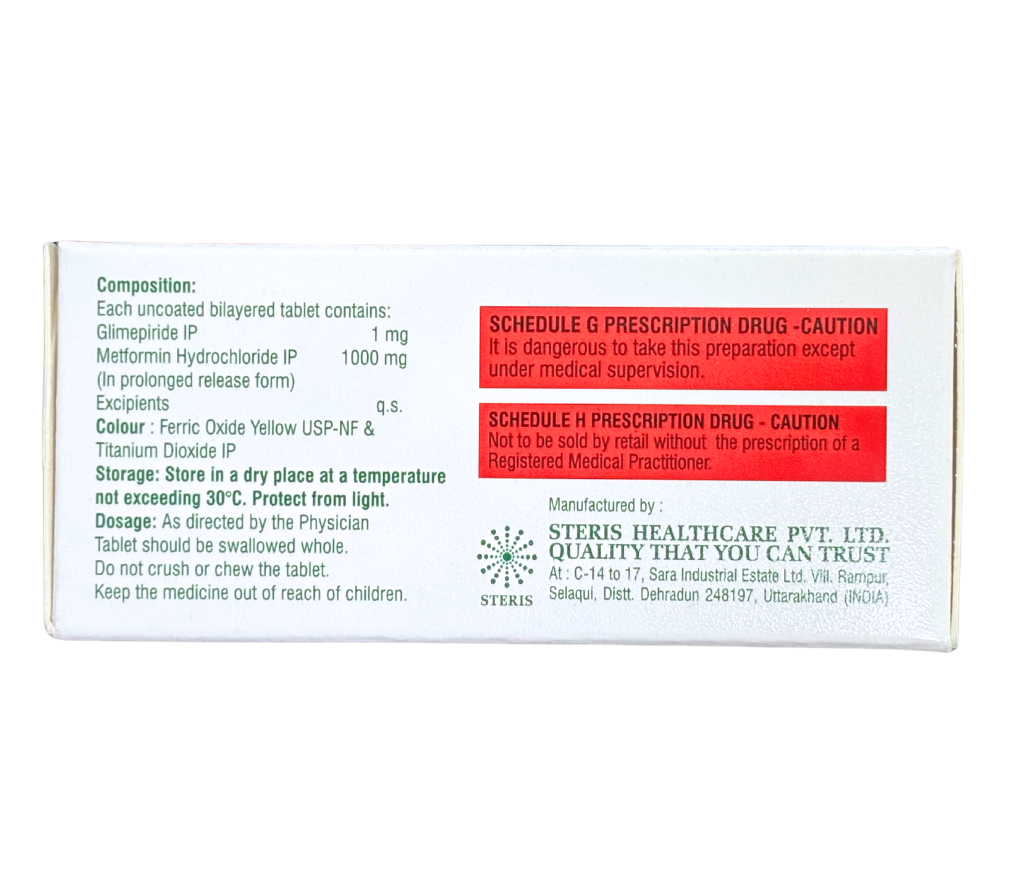
Manufactured By Steris Healthcare Pvt Ltd
Composition Glimepiride (1mg) & Metformin SR (1000mg)
Rs 75.47
MRP Rs 107.81
(30% OFF)
Includes all taxes
Package SIZE
( For 15 Tablets )

100% Authentic
Products

Free
Shipping*

Products
Return Policy
Description:
GLIMITERIS M1 FORTE is a fixed-dose combination medicine used in the management of Type 2 Diabetes Mellitus, designed for patients whose blood sugar is not adequately controlled on Metformin alone, or who need a comprehensive dual-mechanism approach to glycemic control. It combines two well-established, complementary anti-diabetic agents:
Glimepiride, a sulfonylurea, works by stimulating the beta cells of the pancreas to release more insulin into the bloodstream, helping the body process circulating glucose more effectively. It is particularly effective in patients whose pancreas retains some functional insulin-producing capacity.
Metformin (Sustained-Release), a biguanide, works through a different mechanism — reducing the amount of glucose the liver releases into the bloodstream and improving the sensitivity of body tissues to insulin, allowing existing insulin to work more efficiently. The sustained-release formulation allows for a gradual, steady release of the drug over time, which can improve gastrointestinal tolerability and often allows for once-daily dosing convenience compared to immediate-release Metformin.
By combining a medicine that increases insulin availability (Glimepiride) with one that improves how effectively the body uses insulin (Metformin SR), GLIMITERIS M1 FORTE addresses blood sugar control from two complementary angles, often achieving better glycemic control than either medicine alone, while simplifying the treatment regimen with once-daily convenience.
Product Information
| Attribute | Details |
|---|---|
| Brand Name | GLIMITERIS M1 FORTE |
| Composition | Glimepiride 1 mg + Metformin Hydrochloride (Sustained-Release) 1000 mg |
| Therapeutic Class | Anti-diabetic — Sulfonylurea + Biguanide (Fixed-Dose Combination) |
| Manufacturer/Marketer | Steris Healthcare Pvt. Ltd. |
| Product Form | Sustained-Release (SR) Tablet |
| Pack Size | 15 Tablets |
| Prescription Status | Schedule H — Prescription drug only |
| Price (MRP) | ₹[Placeholder — insert price] |
| SKU / Batch Ref. | [Placeholder — insert SKU] |
| Storage | Store below 25°C, in a cool, dry place, protected from light and moisture |
Why GLIMITERIS M1 FORTE Is Important
Type 2 diabetes is a progressive metabolic condition, and for many patients, blood sugar control with Metformin alone becomes insufficient over time as insulin resistance or reduced pancreatic function progresses. Consistently high blood sugar levels, if left inadequately managed, substantially raise the risk of serious long-term complications, including damage to the eyes, kidneys, nerves, and cardiovascular system.
GLIMITERIS M1 FORTE plays an important role because it:
- Offers dual-mechanism blood sugar control, combining increased insulin release with improved insulin sensitivity
- Provides a practical treatment intensification option for patients whose diabetes is not adequately controlled on Metformin alone
- The sustained-release Metformin component supports better gastrointestinal tolerability and convenient once-daily dosing
- Simplifies treatment by combining two medicines into one tablet, reducing pill burden and supporting better adherence
- Supports better long-term HbA1c control, directly linked to reduced risk of diabetes-related complications
- Offers a well-established, extensively used combination in diabetes management, backed by long clinical experience
Because this combination involves two distinct drug classes, each with its own considerations around hypoglycemia risk and kidney function, it requires careful physician oversight to ensure it is appropriately matched to each patient's individual diabetes profile.
Key Benefits
- Dual-action mechanism — combines increased insulin secretion with improved insulin sensitivity for effective blood sugar control
- Sustained-release Metformin component supports better tolerability and convenient once-daily dosing
- Reduces pill burden by combining two anti-diabetic medicines into a single tablet
- Supports better long-term HbA1c and glycemic control, reducing risk of diabetes-related complications
- Useful intensification option for patients not adequately controlled on Metformin alone
- Well-established combination with a long track record of clinical use in Type 2 diabetes management
- Backed by WHO-GMP certified manufacturing, ensuring consistent tablet quality and dosing accuracy
Precautions
- Should be used only under medical supervision, with regular monitoring of blood glucose, HbA1c, and kidney function
- Caution advised in patients with kidney impairment, as Metformin use requires dose adjustment or avoidance based on kidney function levels
- Risk of hypoglycemia (low blood sugar) exists, mainly due to the Glimepiride component — patients should be aware of symptoms (sweating, shakiness, confusion, dizziness) and how to respond
- Should be used cautiously in patients with liver disease, heart failure, or conditions predisposing to lactic acidosis (a rare but serious risk associated with Metformin)
- Alcohol should be avoided or limited, as it can increase the risk of hypoglycemia and lactic acidosis
- Temporary discontinuation may be required before procedures involving contrast dye (imaging scans) or major surgery — inform all treating doctors that this medicine is being taken
- Not recommended during pregnancy or breastfeeding unless specifically advised by a physician
- Elderly patients may be more sensitive to hypoglycemia and should be monitored closely
- Meals should not be skipped while on this medicine, to reduce the risk of low blood sugar episodes
- Inform the doctor of all other medications, as several drug classes can interact with components of this combination
Side Effects
- Gastrointestinal discomfort — nausea, bloating, or diarrhea (particularly with the Metformin component, often improving over time)
- Hypoglycemia (low blood sugar) — more likely if meals are skipped or delayed
- Metallic taste in the mouth
- Loss of appetite
- Headache
- Dizziness
- Rarely: lactic acidosis (a serious condition requiring emergency care — symptoms include severe muscle pain, difficulty breathing, unusual tiredness, and stomach discomfort)
- Rarely: allergic skin reactions
Frequently Asked Questions
1. Where can I buy Glimepiride Metformin online?
You can buy Glimepiride Metformin through licensed online pharmacies or authorized pharmaceutical suppliers in India. Check the manufacturer, strength, batch number and expiry date before purchasing.
2. What is the price of Glimepiride Metformin?
The price may vary depending on the brand, strength, formulation, pack size, manufacturer and seller. Check the current price with a licensed pharmacy or authorized supplier.
3. Can I order Glimepiride Metformin online?
Yes, Glimepiride Metformin can be ordered online through licensed pharmacies or authorized suppliers where legally available. A valid prescription may be required.
4. Is Glimepiride Metformin available from Steris Healthcare?
Availability depends on Steris Healthcare's current product range and stock status. Contact Steris Healthcare or an authorized distributor to confirm the available strengths, formulation, pack size and ordering details.
5. What is Glimepiride Metformin used for?
Glimepiride Metformin is used to help control blood sugar levels in adults with type 2 diabetes, along with an appropriate diet and exercise plan. It combines two medicines that work through different mechanisms to improve blood glucose control.
6. What is the composition of Glimepiride Metformin?
Glimepiride Metformin contains two active ingredients: Glimepiride and Metformin Hydrochloride. The exact strength and formulation depend on the specific product.
7. Is a prescription required for Glimepiride Metformin?
Glimepiride Metformin is generally used under medical supervision, and a prescription may be required. Follow applicable prescription requirements and your healthcare professional's advice.
8. How should Glimepiride Metformin be taken?
Take Glimepiride Metformin exactly as prescribed by your doctor. It is generally taken with or around meals to reduce the risk of low blood sugar and stomach-related effects. Swallow the tablet as directed and do not change the dose without medical advice.
9. What should I know before buying Glimepiride Metformin?
Before buying, verify the exact strengths, formulation, manufacturer, batch number, expiry date, packaging and storage instructions. Inform your doctor about kidney or liver problems, alcohol use, pregnancy, breastfeeding and other medicines or supplements you take.
10. How can I order Glimepiride Metformin online?
To order Glimepiride Metformin online, choose a licensed pharmacy or authorized supplier, select the prescribed strength and pack size, provide a prescription if required, and verify the product details before completing the purchase.

