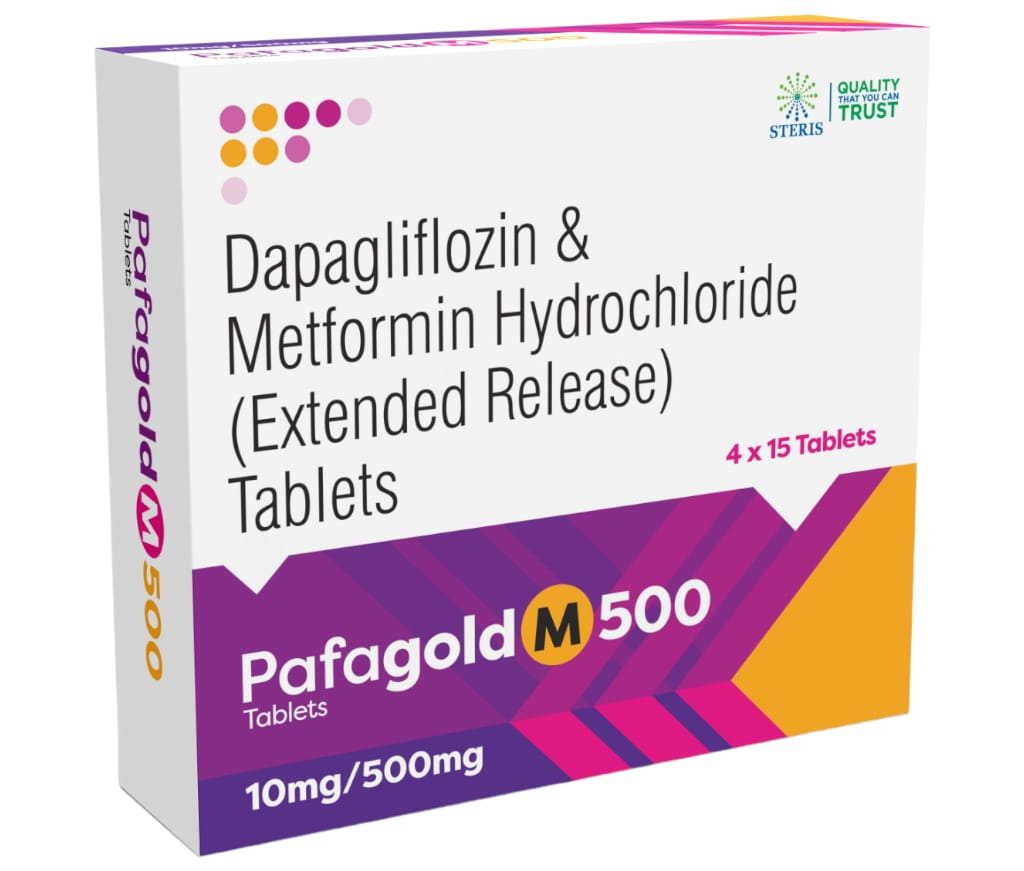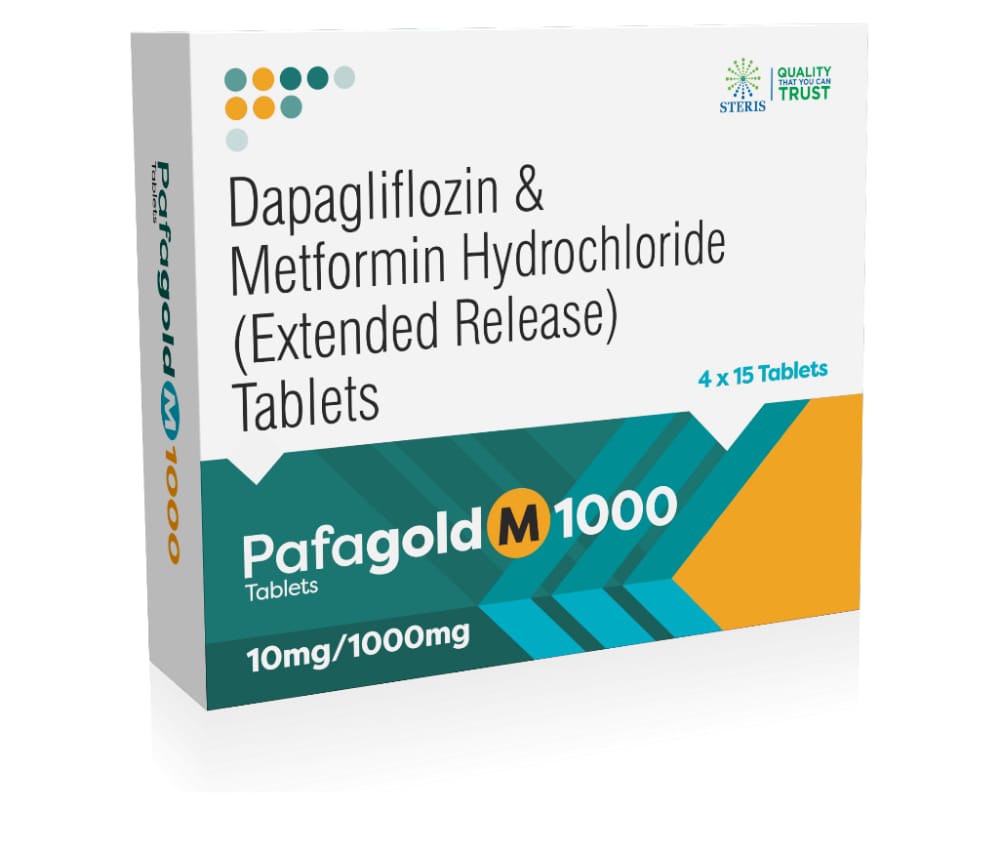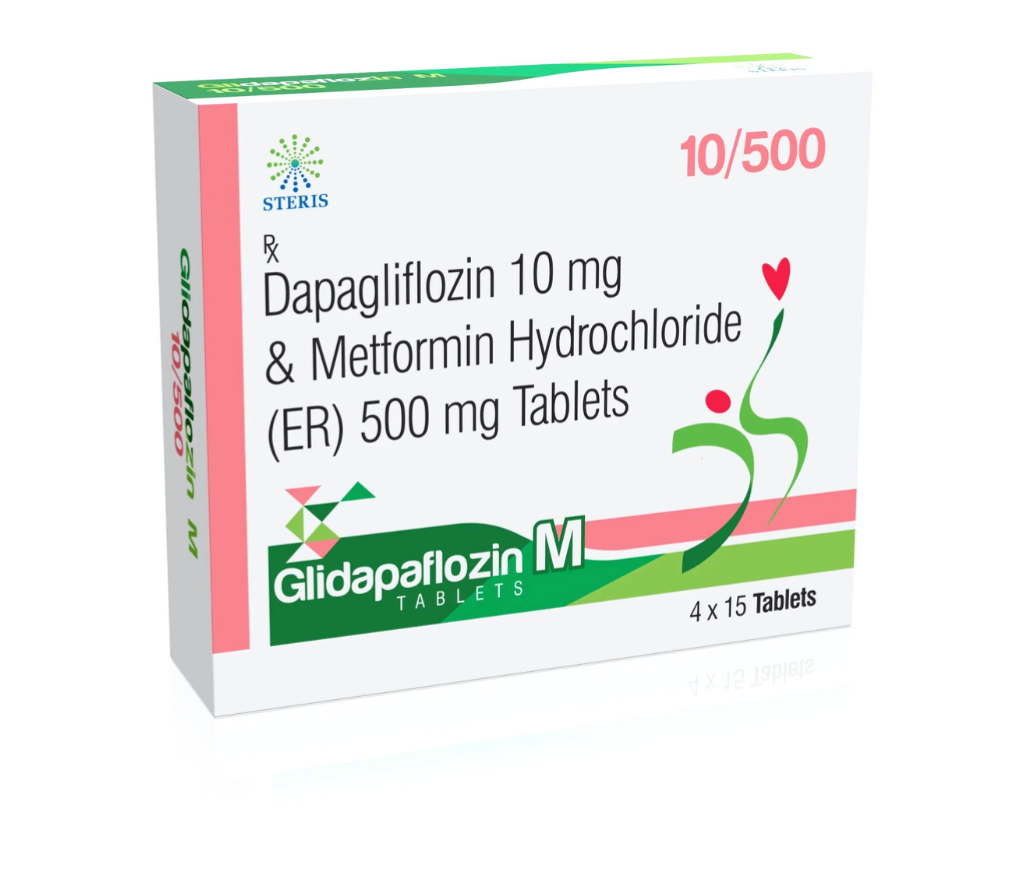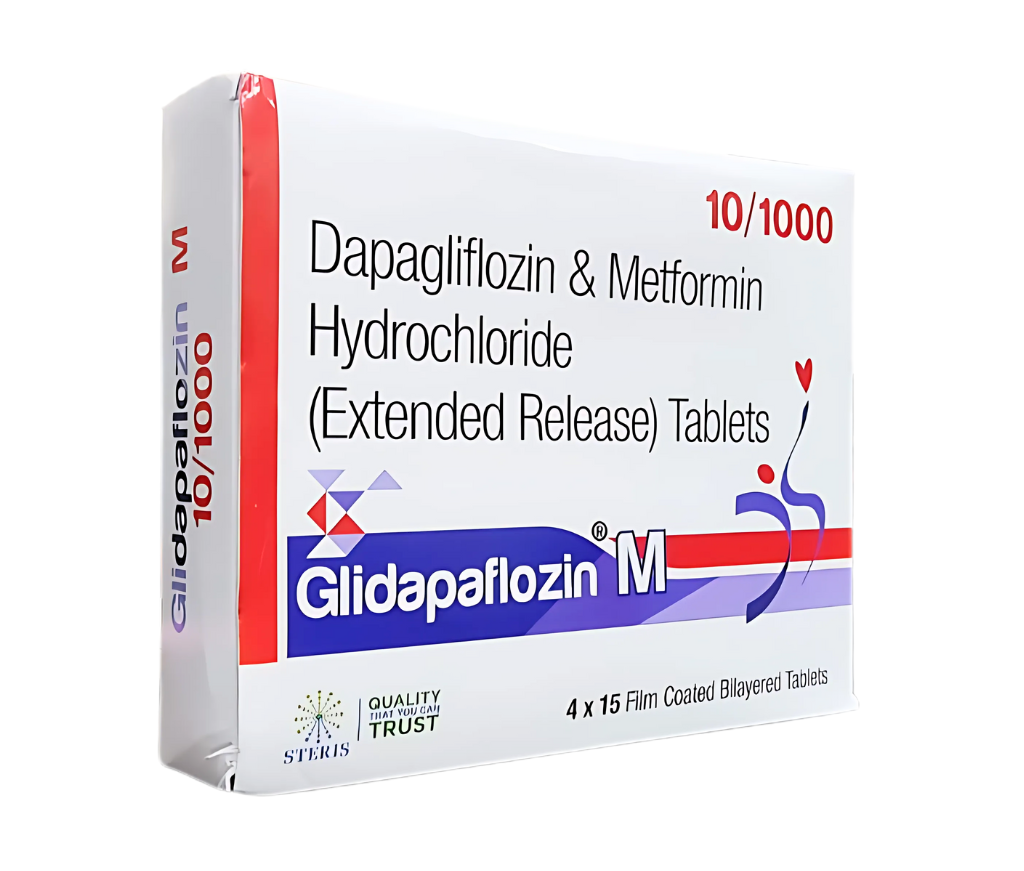
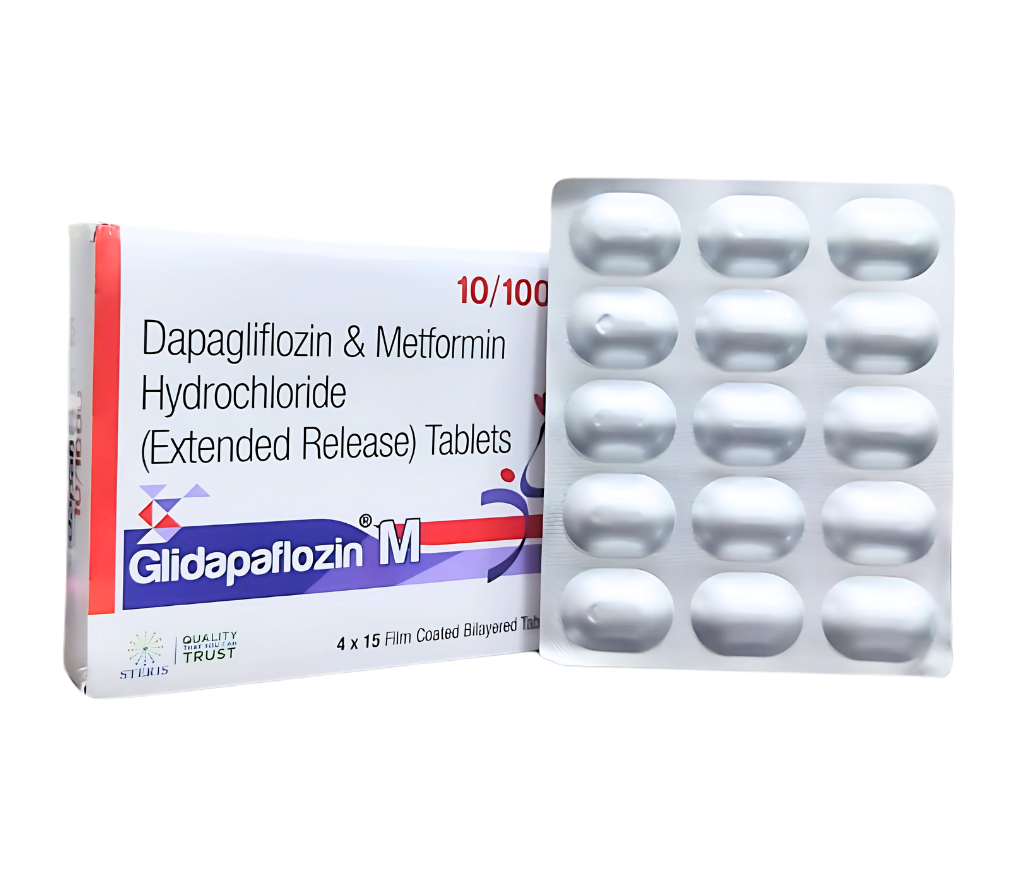
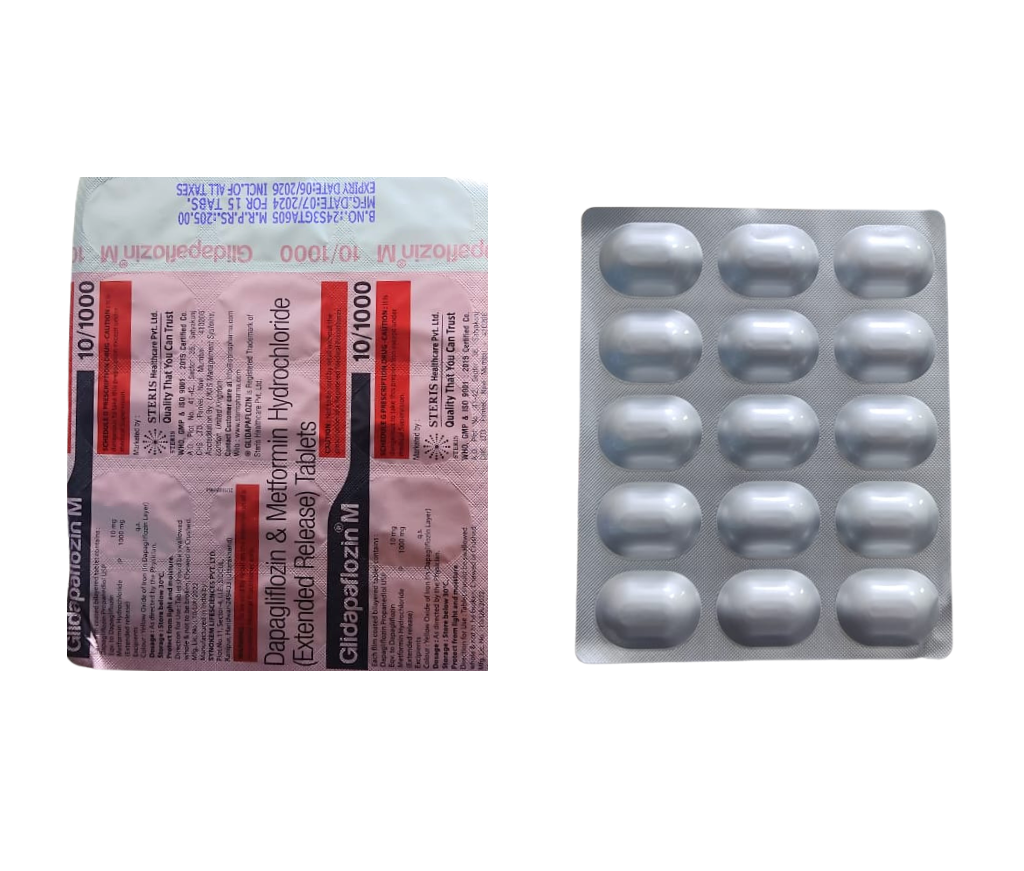
Dapagliflozin 10 and metformin 1000 | GLIDAPAFLOZIN M 10/1000
 Item requires a valid prescription
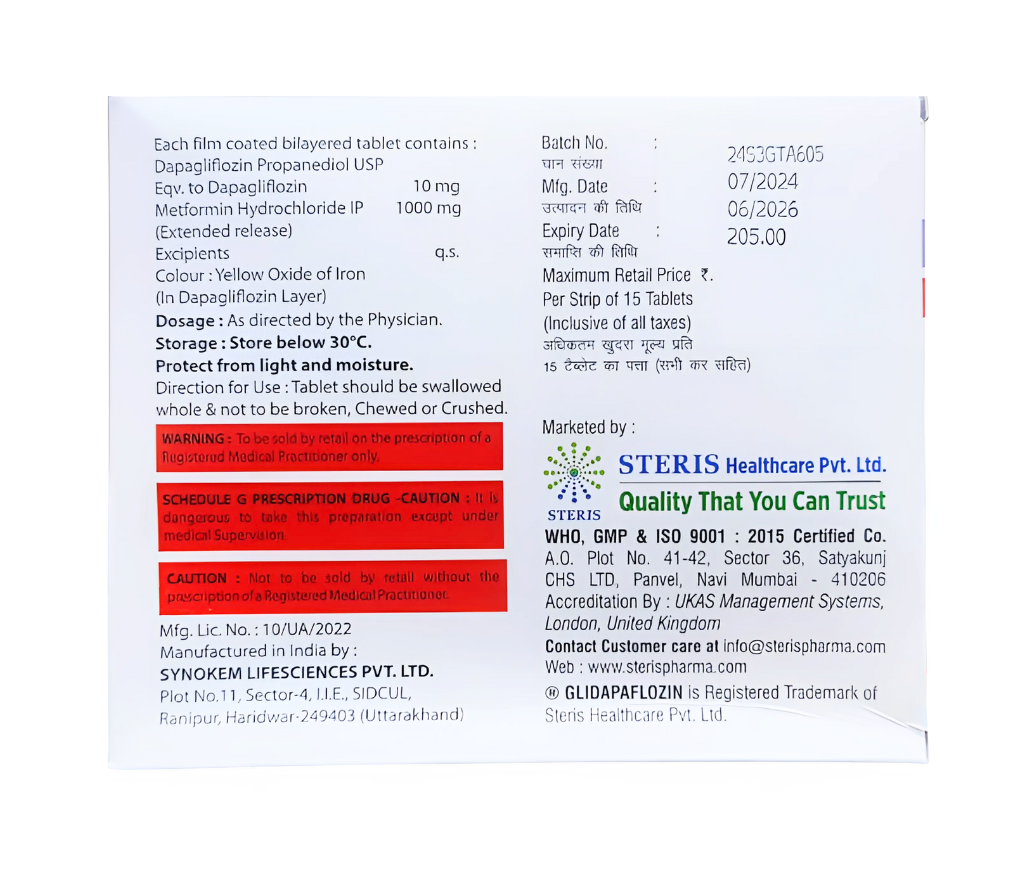
Manufactured By Steris Healthcare Pvt Ltd
Composition dapagliflozin and metformin
Rs 134.53
MRP Rs 192.19
(30% OFF)
Includes all taxes
Package SIZE
( For 15 Tablets )

100% Authentic
Products

Free
Shipping*

Products
Return Policy
Description:
Glidapaflozin M 10/1000 is a rational fixed-dose combination (FDC) bringing together two of the most widely used and well-established classes in modern Type 2 Diabetes management — an SGLT2 inhibitor and metformin, the long-standing first-line antidiabetic agent. By combining these two complementary mechanisms into a single tablet, this formulation supports comprehensive glycemic control while simplifying the treatment regimen for patients who require more than metformin alone can offer.
Manufactured by Steris Healthcare, this combination is prescribed by physicians, endocrinologists, and diabetologists across India as an effective, evidence-based approach for patients whose blood glucose remains inadequately controlled on metformin monotherapy, or who require a comprehensive first-line combination approach from the outset.
Product Information
| Attribute | Detail |
|---|---|
| Brand Name | Glidapaflozin M 10/1000 |
| Composition | Dapagliflozin 10mg + Metformin Hydrochloride 1000mg |
| Manufacturer/Marketer | Steris Healthcare Pvt. Ltd. |
| Product Form | Tablet |
| Pack Size | 15 Tablets |
| Target Market | India |
| Drug Category | SGLT2 Inhibitor + Biguanide (Antidiabetic Combination) |
| Prescription Status | Schedule H — Prescription Required |
Why It's Important
Type 2 Diabetes Mellitus continues to represent one of India's most significant chronic disease burdens, with metformin remaining the universally recommended first-line therapy due to its proven efficacy, safety, and low cost. However, a substantial proportion of patients do not achieve or maintain adequate glycemic targets on metformin alone, and treatment intensification is frequently required as the disease progresses over time.
This is precisely why combination therapies like Glidapaflozin M 10/1000 hold such significant clinical importance. Rather than requiring patients to manage multiple separate tablets, this fixed-dose combination brings together metformin's well-established mechanism of reducing hepatic glucose production and improving peripheral insulin sensitivity with Dapagliflozin's insulin-independent action of promoting glucose excretion through the kidneys. This dual mechanism allows for more comprehensive glycemic control while maintaining the low hypoglycemia risk that has made both individual agents so widely trusted in clinical practice.
Beyond glucose control, SGLT2 inhibitors like Dapagliflozin have demonstrated additional cardiovascular and renal protective benefits in landmark clinical outcome trials, making this combination particularly relevant for the many Indian diabetic patients who also carry elevated cardiovascular and chronic kidney disease risk. Simplifying what would otherwise be a two-tablet regimen into a single fixed-dose combination also meaningfully improves medication adherence — a critical factor in achieving sustained long-term glycemic control and reducing the risk of diabetes-related complications such as neuropathy, retinopathy, and nephropathy..
Key Benefits
What Are the Benefits of Glidapaflozin M 10/1000?
Dapagliflozin 10mg + Metformin Hydrochloride 1000mg, as formulated in Glidapaflozin M 10/1000, offers several clinically meaningful advantages:
- Dual, complementary mechanism of action: Combining an SGLT2 inhibitor with metformin addresses glucose control through two independent pathways — reduced hepatic glucose production and increased urinary glucose excretion — often achieving greater HbA1c reduction than either drug alone.
- Low hypoglycemia risk: Both Dapagliflozin and metformin work through mechanisms that are largely insulin-independent or glucose-dependent, resulting in a comparatively low risk of hypoglycemia compared to sulfonylurea-based regimens.
- Modest weight reduction: Dapagliflozin promotes glucose and calorie loss through urine, which, combined with metformin's typically weight-neutral or modestly weight-reducing profile, offers a valuable secondary benefit for overweight Type 2 diabetic patients.
- Cardiovascular and renal benefit potential: SGLT2 inhibitors like Dapagliflozin have shown benefits in reducing heart failure hospitalization and slowing progression of chronic kidney disease in various patient populations, making this combination clinically relevant beyond glucose control alone.
- Simplified once-daily or twice-daily dosing: Combining both agents into a single tablet reduces the total pill burden compared to taking metformin and Dapagliflozin separately, improving convenience and adherence.
- Blood pressure benefit: Dapagliflozin's mild diuretic-like effect can contribute to modest reductions in blood pressure, offering an additional benefit for many Type 2 diabetic patients who also have hypertension.
- Well-established individual safety profiles: Both metformin and Dapagliflozin have extensive individual clinical use, providing physicians with a strong evidence base for combining them in appropriate patients.
- Trusted manufacturing standards: Glidapaflozin M 10/1000 is manufactured by Steris Healthcare, a WHO-GMP and ISO 9001:2018 certified pharmaceutical company, ensuring consistent potency and reliable quality across every batch.
Side Effects
Because this is a combination product, side effects may arise from either or both components. Commonly reported side effects include:
- Gastrointestinal disturbances such as nausea, diarrhea, abdominal discomfort, or bloating, particularly associated with the metformin component during treatment initiation
- Urinary tract infections, due to increased glucose concentration in urine from Dapagliflozin
- Genital fungal infections (such as vaginal or penile yeast infections), also related to glucosuria
- Increased urination frequency
- Metallic taste in the mouth, occasionally reported with metformin
- Mild headache
- Reduced appetite
Most gastrointestinal side effects associated with metformin tend to improve with continued use or can be minimized by taking the tablet with food, while genitourinary side effects related to Dapagliflozin are generally manageable with adequate hydration and hygiene practices.
Precautions & Warnings
Before starting Glidapaflozin M 10/1000, patients and prescribers should consider the following precautions:
- Renal Impairment: Both components require careful renal function assessment; metformin is generally contraindicated in significant renal impairment due to lactic acidosis risk, while Dapagliflozin's glucose-lowering efficacy decreases with declining kidney function.
- Lactic Acidosis Risk Factors: Caution is required in patients with conditions predisposing to lactic acidosis, including significant liver disease, heavy alcohol use, or conditions causing tissue hypoxia.
- Volume Depletion: Patients who are elderly, on diuretics, or have low blood pressure should be monitored for signs of dehydration, particularly during treatment initiation.
- Genital and Urinary Infections: Patients should be counseled on genital hygiene practices to reduce the risk of fungal and urinary tract infections associated with glucosuria.
- Diabetic Ketoacidosis Risk: Patients should be aware of the signs of ketoacidosis and should temporarily discontinue therapy and seek medical advice during acute illness, surgery, or significantly reduced food/fluid intake ("sick day rules").
- Vitamin B12 Levels: Long-term metformin use has been associated with reduced vitamin B12 absorption; periodic monitoring may be advised, particularly in patients with anemia or peripheral neuropathy.
- Contrast Dye Procedures: Metformin-containing medications are typically withheld before and after procedures involving iodinated contrast dye, as directed by the physician.
- Pregnancy and Lactation: This combination is generally not recommended during pregnancy or breastfeeding; alternative diabetes management should be discussed with the treating physician.
- Drug Interactions: Caution is required when combining with diuretics, other antihyperglycemic agents, and certain medications affecting renal function, due to potential additive effects.
Mechanism of Action
Glidapaflozin M 10/1000 works through two independent, complementary mechanisms:
Dapagliflozin (SGLT2 Inhibitor):
- Inhibition of Renal Glucose Reabsorption: Dapagliflozin selectively inhibits the sodium-glucose co-transporter 2 (SGLT2) in the proximal renal tubule, which is responsible for the majority of glucose reabsorption from the kidney's filtrate.
- Increased Urinary Glucose Excretion: By blocking SGLT2, Dapagliflozin causes excess glucose to be excreted in urine rather than reabsorbed into the bloodstream, lowering blood glucose levels independent of insulin secretion or action.
- Additional Metabolic Effects: This glucose excretion is accompanied by modest calorie loss, contributing to weight reduction, along with mild osmotic diuresis that can modestly lower blood pressure.
Metformin Hydrochloride (Biguanide):
- Reduced Hepatic Glucose Production: Metformin's primary mechanism is the suppression of hepatic gluconeogenesis, reducing the amount of glucose released by the liver into the bloodstream.
- Improved Peripheral Insulin Sensitivity: Metformin enhances the sensitivity of peripheral tissues, particularly skeletal muscle, to insulin, improving glucose uptake and utilization.
- Reduced Intestinal Glucose Absorption: Metformin also modestly reduces glucose absorption from the intestine, contributing to its overall glucose-lowering effect.
- AMPK Activation: At a cellular level, metformin activates AMP-activated protein kinase (AMPK), a key regulator of cellular energy metabolism that underlies many of its metabolic effects.
Combined Effect: Together, these two mechanisms — insulin-independent renal glucose excretion and reduced hepatic glucose production with improved insulin sensitivity — provide broader, complementary glycemic control than either agent alone, addressing multiple facets of the pathophysiology underlying Type 2 Diabetes Mellitus.
Frequently Asked Questions
1. Where can I buy Dapagliflozin and Metformin Hydrochloride online?
You can purchase Dapagliflozin and Metformin Hydrochloride through licensed online pharmacies or authorized pharmaceutical suppliers. Check the strength, manufacturer, batch number, expiry date, and packaging before purchasing.
2. What is the price of Dapagliflozin and Metformin Hydrochloride?
The price may vary depending on the brand, strength, formulation, pack size, manufacturer, seller, and applicable pharmacy charges. Check the current listed price before placing an order.
3. Can I order Dapagliflozin and Metformin Hydrochloride online?
Yes, it can be ordered online where legally available. Since it is a prescription medicine, purchase it through a licensed pharmacy and provide a valid prescription when required.
4. Is Dapagliflozin and Metformin Hydrochloride available from Steris Healthcare?
Availability depends on Steris Healthcare's current product range and stock status. Contact Steris Healthcare or an authorized distributor to confirm availability, strength, pack size, and ordering details.
5. What is Dapagliflozin and Metformin Hydrochloride used for?
Dapagliflozin and Metformin Hydrochloride are used together to help control blood glucose levels in adults with type 2 diabetes mellitus, along with diet and exercise. Dapagliflozin helps the kidneys remove excess glucose through urine, while metformin reduces glucose production by the liver and improves insulin sensitivity.
6. What is the composition of Dapagliflozin and Metformin Hydrochloride?
The combination contains Dapagliflozin and Metformin Hydrochloride as active pharmaceutical ingredients. The exact strengths and formulation may vary depending on the specific product.
7. Is a prescription required?
Yes, Dapagliflozin and Metformin Hydrochloride are generally prescription medicines and should be used under the supervision of a qualified healthcare professional. Follow the prescribed strength and dosage.
8. How should Dapagliflozin and Metformin Hydrochloride be taken?
Take the medicine exactly as prescribed by your doctor. It is generally taken with food to reduce stomach-related side effects, but the exact schedule depends on the formulation and prescribed dose. Swallow extended-release tablets whole if applicable, and do not change or stop treatment without medical advice.
9. What should I know before buying Dapagliflozin and Metformin Hydrochloride?
Before purchasing, verify the exact strength, formulation, manufacturer, batch number, expiry date, packaging, and storage instructions. Inform your healthcare professional about kidney or liver problems, dehydration, heart conditions, pregnancy or breastfeeding, and other medicines you take. Kidney function may need to be assessed before and during treatment.
10. How can I order Dapagliflozin and Metformin Hydrochloride online?
Order through a licensed online pharmacy or authorized pharmaceutical supplier. Select the prescribed strength and pack size, provide a valid prescription if required, and verify the manufacturer, batch number, expiry date, and delivery details before completing your order.