


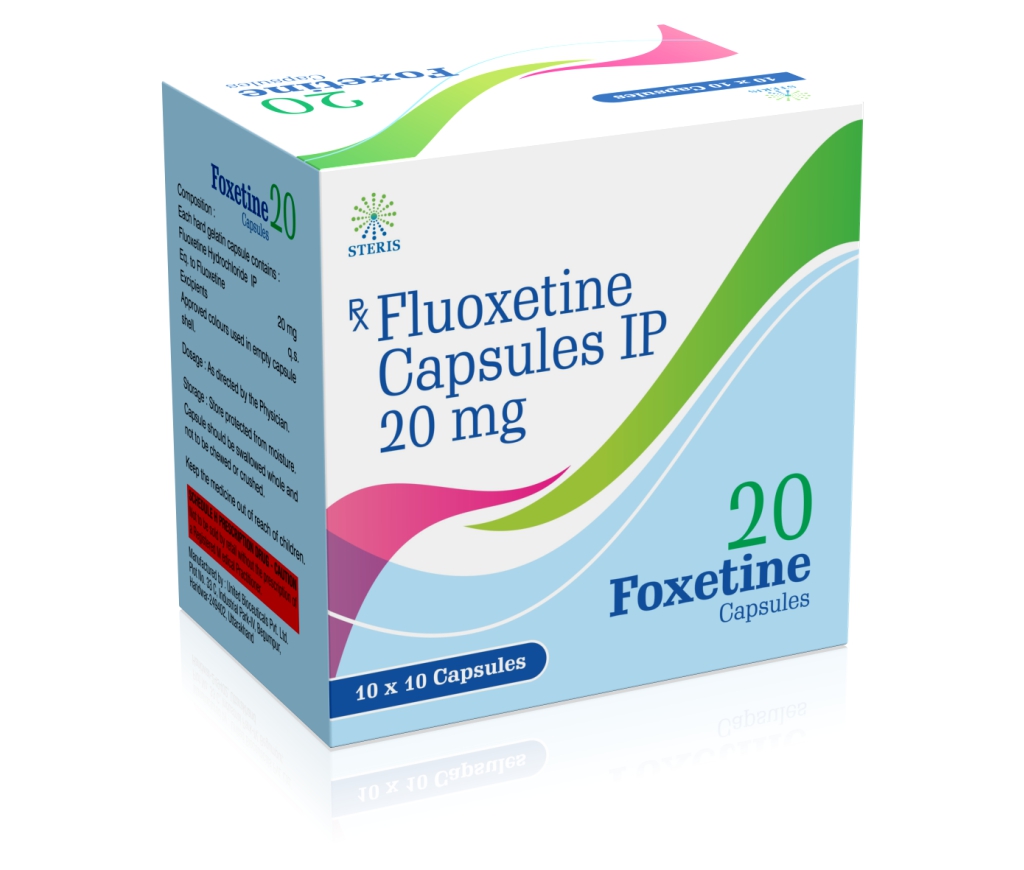
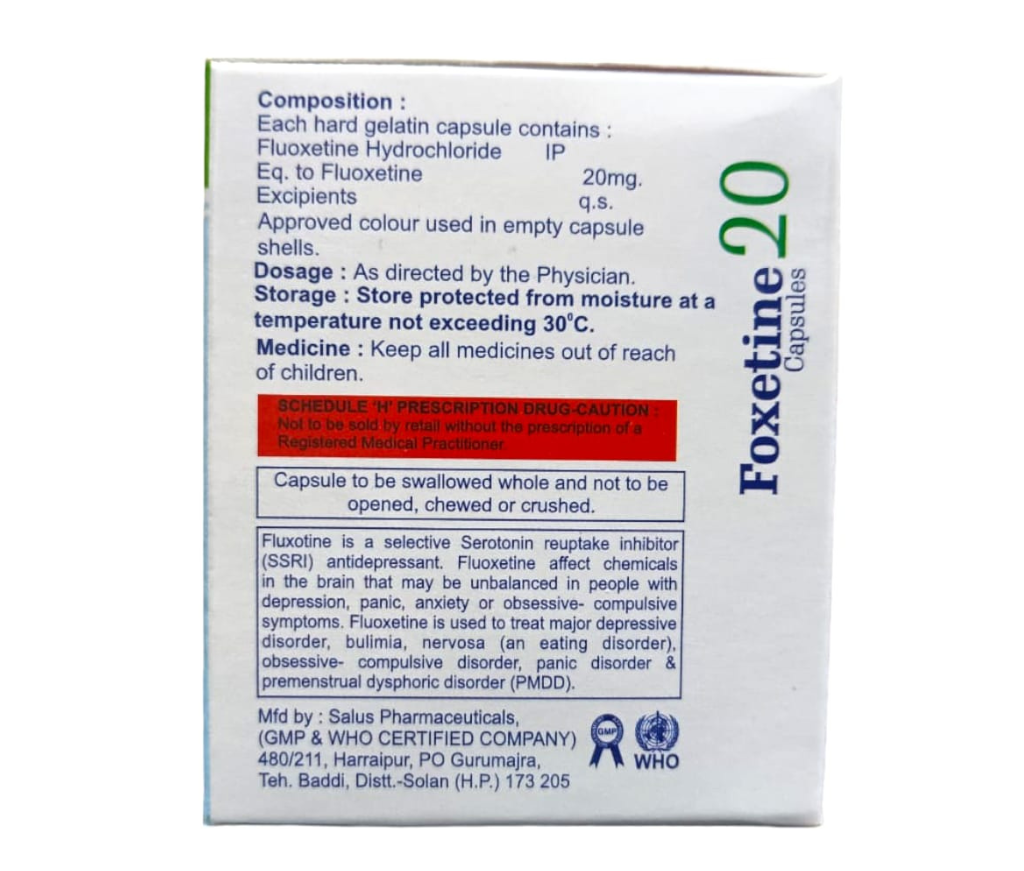
Foxetine 20
 Item requires a valid prescription
Manufactured By Steris Healthcare Pvt Ltd
Composition Fluoxetine (20mg)
Rs 25.14
MRP Rs 35.91
(30% OFF)
Includes all taxes
Package SIZE
( For 10x10 Tablets )

100% Authentic
Products

Free
Shipping*

Products
Return Policy
Description:
Fluoxetine 20 mg is a commonly prescribed dose of fluoxetine, a selective serotonin reuptake inhibitor (SSRI) antidepressant. It is used to treat several mental health conditions, including major depressive disorder, obsessive-compulsive disorder (OCD), panic disorder, and bulimia nervosa. Depending on the condition and the patient's response, a healthcare professional may adjust the dose.
If you are researching fluoxetine 20 mg before starting treatment, the most important questions are usually: What is fluoxetine 20 mg used for, how does it work, what are its benefits, how long does it take to work, and what side effects should you know about? This guide provides an evidence-based overview using current prescribing information and established patient-health resources.
What Is Fluoxetine 20 mg?
Fluoxetine 20 mg contains 20 milligrams of fluoxetine, an SSRI antidepressant. SSRIs work primarily by increasing the availability of serotonin, a neurotransmitter involved in mood and emotional regulation. Fluoxetine is available in different formulations and strengths, so the exact product prescribed should always be checked against the prescription and medicine label.
Fluoxetine has been used clinically for decades and remains an established treatment option for several psychiatric conditions. Current U.S. prescribing information lists major depressive disorder, OCD, bulimia nervosa, and panic disorder among its approved indications.
What Is Fluoxetine 20 mg Used For?
The appropriate dose depends on the condition being treated. Fluoxetine 20 mg may be used as an initial or target dose for some adults, but it is not the correct dose for everyone.
1. Depression
Fluoxetine is approved for major depressive disorder (MDD). For adults with depression, 20 mg once daily in the morning is an established initial dose, and many patients can respond satisfactorily at this dose. The full antidepressant effect may take several weeks.
2. Obsessive-Compulsive Disorder
Fluoxetine is also used for OCD, a condition involving unwanted recurring thoughts and repetitive behaviors or mental rituals. For adults, 20 mg once daily is an established starting dose, although the prescriber may adjust the dose according to response and tolerability. The full therapeutic effect can take five weeks or longer.
3. Panic Disorder
For panic disorder, treatment commonly begins at a lower dose before increasing to 20 mg. This gradual approach can help some patients tolerate early treatment effects. The exact schedule should be determined by the prescribing clinician.
4. Bulimia Nervosa
Fluoxetine is approved for bulimia nervosa in adults. Importantly, the labeled treatment dose for this condition is 60 mg daily, not 20 mg daily. This illustrates why patients should not assume that a particular fluoxetine strength is appropriate for every condition.
Key Benefits of Fluoxetine 20 mg
The potential benefits of fluoxetine 20 mg depend on the condition being treated and the individual's response. Possible benefits include:
-
Reduction of depressive symptoms
-
Improvement in mood and emotional functioning
-
Reduction in obsessive thoughts and compulsive behaviors
-
Reduction in panic symptoms
-
Improvement in certain symptoms associated with approved eating-disorder treatment
-
A once-daily dosing option for many patients
-
An established SSRI treatment with extensive clinical experience
Fluoxetine should not be viewed as a medicine that produces an immediate mood boost. Antidepressant treatment generally takes time, and the full benefit may be delayed for several weeks.
How Does Fluoxetine 20 mg Work?
Fluoxetine belongs to the SSRI class. It affects serotonin signaling in the brain by inhibiting serotonin reuptake, increasing serotonin availability between nerve cells.
The goal is not simply to increase serotonin immediately and produce instant symptom relief. Clinical improvement develops over time as treatment affects symptoms and brain signaling. This is why taking fluoxetine consistently as prescribed is important.
How to Take Fluoxetine 20 mg
If your doctor has prescribed fluoxetine 20 mg, take it exactly as directed.
For many adults, fluoxetine is taken once daily, often in the morning. It can generally be taken with or without food. Taking it at approximately the same time each day can make it easier to maintain a consistent routine.
If you forget a dose, take it when you remember unless it is nearly time for the next dose. Do not take two doses together to make up for a missed dose.
Never change from 20 mg to a higher or lower dose simply because symptoms have not improved quickly. Your clinician may need to assess the diagnosis, duration of treatment, side effects, other medicines, and overall response before changing the dose.
How Long Does Fluoxetine 20 mg Take to Work?
One of the most common questions about fluoxetine 20 mg is how quickly it works.
Some people notice early changes before the full therapeutic benefit develops, but antidepressant effects generally take several weeks. The prescribing information notes that the full effect for depression may be delayed until four weeks or longer, while the full therapeutic effect for OCD may take five weeks or longer.
Therefore, feeling little improvement during the first few days does not necessarily mean the medicine is ineffective.
Common Side Effects of Fluoxetine 20 mg
Like other prescription medicines, fluoxetine can cause side effects. Not everyone experiences them, and some may become less troublesome as the body adjusts.
Reported side effects include:
-
Nausea or feeling sick
-
Diarrhea or other digestive symptoms
-
Headache
-
Trouble sleeping or insomnia
-
Anxiety or nervousness
-
Dry mouth
-
Sweating
-
Tremor or shaking
-
Tiredness or weakness
-
Changes in appetite or weight
-
Dizziness or drowsiness
-
Sexual side effects, including reduced libido or difficulty with orgasm or ejaculation
Current prescribing information and MedlinePlus both identify gastrointestinal symptoms, sleep-related effects, nervousness, sweating, tremor, and sexual dysfunction among reported adverse effects.
If a side effect is persistent, severe, or interfering with daily life, contact your doctor or pharmacist rather than stopping the medicine yourself.
Serious Fluoxetine Side Effects and Warnings
Some reactions require urgent medical attention.
Fluoxetine carries a boxed warning concerning an increased risk of suicidal thoughts and behaviors in children, adolescents, and young adults. People of any age starting antidepressant treatment should be monitored for worsening symptoms or new suicidal thoughts.
Other potentially serious problems include serotonin syndrome, mania or hypomania, seizures, abnormal bleeding, severe allergic reactions, angle-closure glaucoma, low sodium levels, and certain heart-rhythm problems.
Seek urgent medical help for symptoms such as severe agitation or confusion, fever with sweating and muscle rigidity, seizures, fainting, severe allergic swelling or breathing difficulty, or thoughts of self-harm.
Fluoxetine 20 mg Drug Interactions
Fluoxetine can interact with other medicines and supplements. Particularly important interactions involve MAO inhibitors and other serotonergic medicines.
The prescribing information specifically warns against combining fluoxetine with certain MAO inhibitors and lists important interaction concerns involving serotonergic medicines, drugs affecting blood clotting, some psychiatric medicines, and medicines associated with QT prolongation.
Tell your doctor and pharmacist about all prescription medicines, over-the-counter medicines, vitamins, and herbal supplements you use. St. John's wort and some pain-relieving medicines such as NSAIDs may require particular attention.
Alcohol may also increase unwanted effects such as drowsiness, so discuss alcohol use with your healthcare professional.
Can You Stop Fluoxetine 20 mg Suddenly?
Stopping fluoxetine should be discussed with your healthcare professional first.
Although fluoxetine has a relatively long half-life compared with many antidepressants, stopping treatment can still be associated with discontinuation symptoms. MedlinePlus lists possible symptoms including mood changes, irritability, agitation, dizziness, anxiety, sweating, headache, and sleep difficulties.
Your clinician can determine whether treatment should continue and, when appropriate, how it should be discontinued safely.
Who Should Talk to a Doctor Before Taking Fluoxetine?
Tell your healthcare professional if you have a history of bipolar disorder or mania, seizures, heart problems, bleeding problems, liver or kidney disease, glaucoma, or other significant medical conditions.
You should also discuss pregnancy, plans for pregnancy, or breastfeeding before taking fluoxetine. Certain risks may require individualized assessment and monitoring.
Fluoxetine 20 mg: Bottom Line
Fluoxetine 20 mg is an established SSRI dose used for several mental health conditions, particularly depression and OCD, and it may be part of treatment for panic disorder depending on the prescribed regimen. Its benefits usually develop gradually rather than immediately.
The most important safety points are to take it exactly as prescribed, allow adequate time for therapeutic effects, check for drug interactions, monitor for significant mood changes or serious adverse reactions, and consult a healthcare professional before changing or stopping treatment.
Because the appropriate dose varies by condition and individual circumstances, fluoxetine 20 mg should be considered a prescription treatment plan—not a one-size-fits-all dose.
Frequently Asked Questions
1. What is fluoxetine 20 mg used for?
Fluoxetine 20 mg is commonly used in treatment plans for depression and OCD and can be used as part of treatment for panic disorder. The appropriate dose depends on the condition and the patient's clinical response.
2. Is fluoxetine 20 mg a strong dose?
Twenty milligrams is an established dose of fluoxetine, but whether it is appropriate or “strong” depends on the condition, age, medical history, and treatment response.
3. How long does fluoxetine 20 mg take to work?
It usually takes several weeks to experience the full therapeutic benefit. For depression, the prescribing information notes that the full effect may be delayed for four weeks or longer.
4. Is fluoxetine 20 mg used for anxiety?
Fluoxetine may be prescribed for certain anxiety-related conditions, including panic disorder. Whether it is appropriate for a particular type of anxiety should be determined by a healthcare professional.
5. Can fluoxetine 20 mg help with depression?
Yes. Fluoxetine is an approved treatment for major depressive disorder, and 20 mg once daily is an established adult starting dose.
6. Can fluoxetine 20 mg treat OCD?
Yes. Fluoxetine is approved for OCD, and 20 mg once daily is an established adult starting dose. The full therapeutic effect may take five weeks or longer.
7. Does fluoxetine 20 mg make you sleepy?
Some people may experience drowsiness, while others may experience insomnia or increased nervousness. Individual reactions vary.
8. What are the most common side effects of fluoxetine 20 mg?
Commonly reported effects include nausea, diarrhea, sleep problems, anxiety or nervousness, sweating, tremor, headache, appetite or weight changes, and sexual side effects.
9. Can fluoxetine 20 mg cause weight loss?
Changes in appetite and weight can occur. The prescribing information specifically warns that significant weight loss has occurred in some patients.
10. Can I take fluoxetine 20 mg with alcohol?
Alcohol can increase certain side effects, such as drowsiness. It is best to discuss alcohol use with your doctor or pharmacist while taking fluoxetine.
11. Can I stop taking fluoxetine 20 mg suddenly?
Do not stop fluoxetine without discussing it with your healthcare professional. Stopping treatment can cause discontinuation symptoms in some people.
12. What happens if I miss a fluoxetine 20 mg dose?
Take the missed dose when remembered unless it is nearly time for your next dose. Do not double the next dose.
13. Is fluoxetine 20 mg available with a prescription?
Yes. Fluoxetine is a prescription antidepressant. Availability, formulations, and dispensing requirements can vary by country.
14. Can fluoxetine 20 mg cause sexual side effects?
Yes. Reduced sexual desire and difficulties with orgasm, ejaculation, or erections have been reported with fluoxetine.
15. Can fluoxetine 20 mg cause nausea?
Yes. Nausea is a commonly reported side effect of fluoxetine. If nausea is severe or persistent, speak with your healthcare professional.
16. Is fluoxetine 20 mg safe for everyone?
No medicine is appropriate for everyone. Medical history, age, other medicines, pregnancy status, and individual risk factors can affect whether fluoxetine is suitable.
17. What medicines should not be taken with fluoxetine?
Important interactions include MAO inhibitors and certain serotonergic medicines. Fluoxetine can also interact with medicines affecting bleeding, heart rhythm, and several medicines metabolized through CYP2D6. Always provide your complete medication list to your doctor or pharmacist.
18. Does fluoxetine 20 mg work immediately?
No. Fluoxetine generally does not provide immediate antidepressant effects. Improvement may take several weeks, and the full benefit can take longer.
19. What should I do if fluoxetine 20 mg causes severe side effects?
Contact your healthcare professional promptly. For emergency symptoms such as seizures, severe allergic reactions, fainting, severe confusion or agitation, or thoughts of self-harm, seek urgent medical care.
20. Should I take fluoxetine 20 mg in the morning or at night?
Fluoxetine is often taken in the morning, particularly when prescribed once daily, but the best timing depends on how it affects you and your prescription instructions. Follow the directions provided by your clinician or pharmacist.