


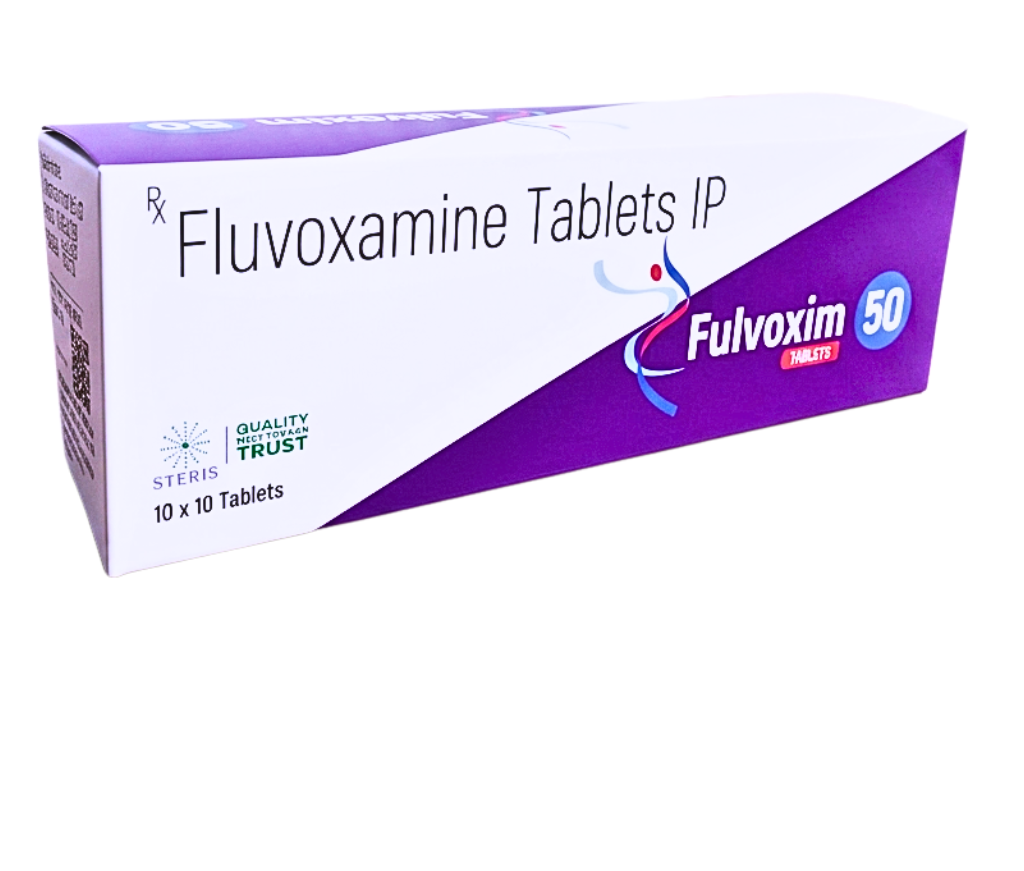
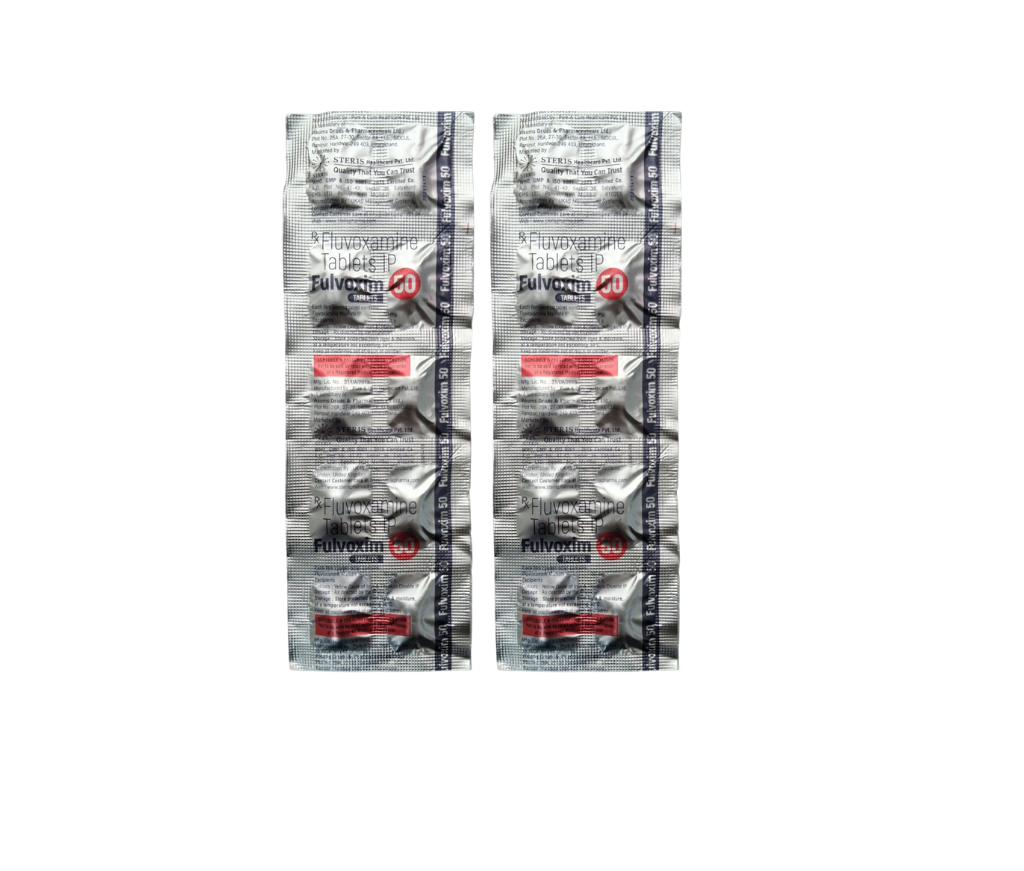
Fluvoxamine 50 mg | FULVOXIM 50
 Item requires a valid prescription
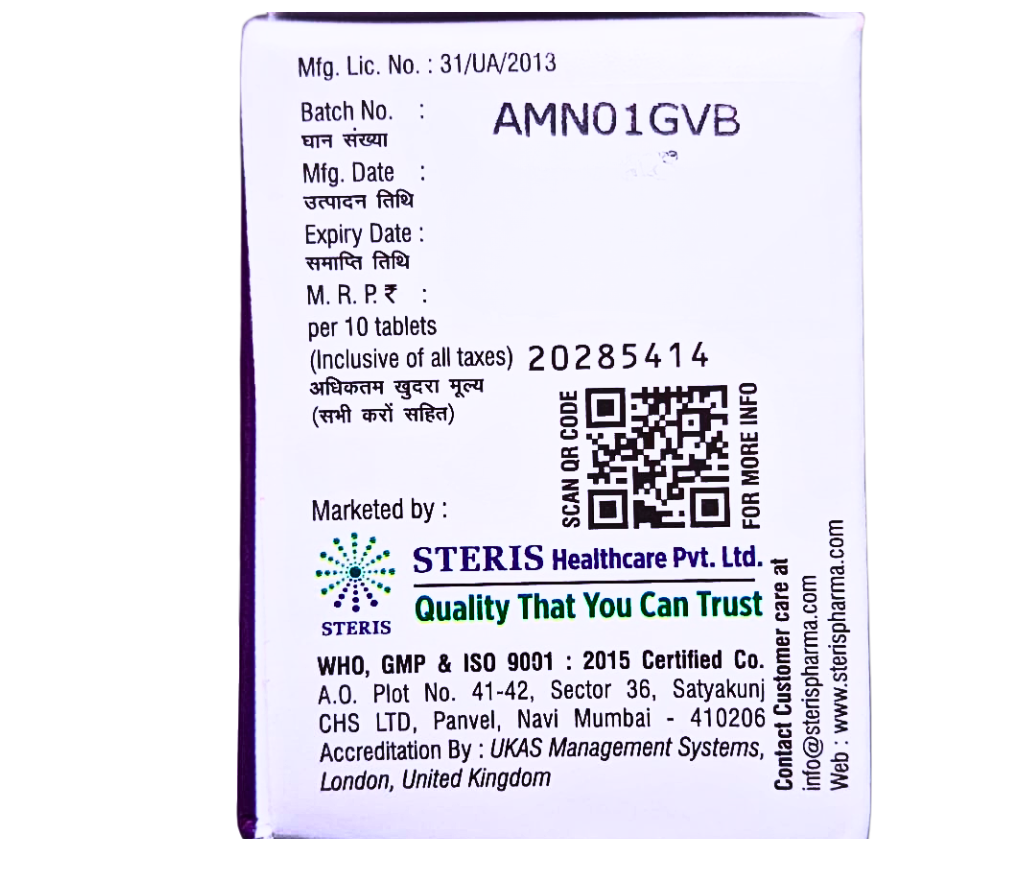
Manufactured By Steris Healthcare Pvt Ltd
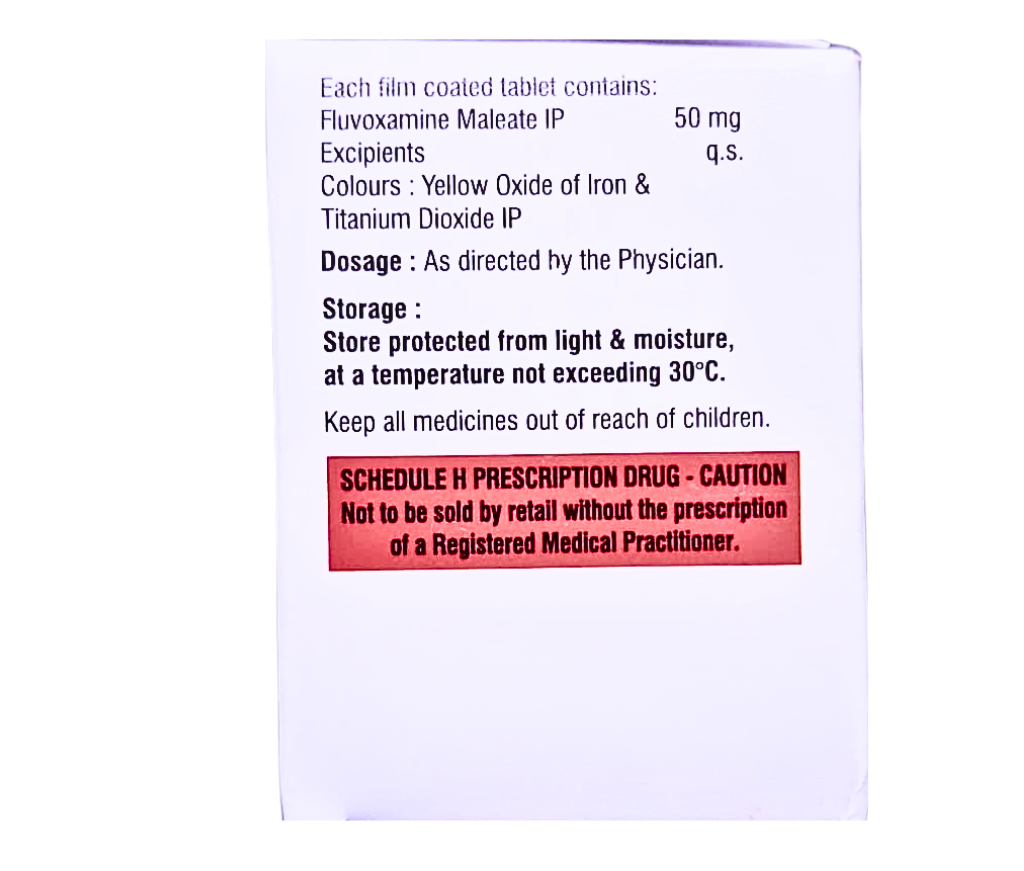
Composition fluvoxamine 50 mg
Rs 91.22
MRP Rs 130.31
(30% OFF)
Includes all taxes
Package SIZE
( For 10x10 Tablets )

100% Authentic
Products

Free
Shipping*

Products
Return Policy
Description:
FULVOXIM 50 contains Fluvoxamine, a medicine belonging to the Selective Serotonin Reuptake Inhibitor (SSRI) class. It is primarily prescribed for Obsessive-Compulsive Disorder (OCD), a condition marked by persistent intrusive thoughts (obsessions) and repetitive behaviors or mental rituals (compulsions) that a person feels compelled to carry out to reduce distress. Fluvoxamine is also used in the treatment of depression and certain anxiety disorders, based on individualized psychiatric assessment.
The medicine works by blocking the reuptake of serotonin, a neurotransmitter central to mood regulation, at nerve endings in the brain. This increases the amount of serotonin available for signaling between nerve cells, which over time helps restore more balanced activity in brain circuits linked to mood, anxiety, and compulsive thought patterns.
The 50 mg strength is especially significant in clinical practice because SSRIs are typically introduced at a lower starting dose and gradually increased based on how well the patient tolerates and responds to treatment. This gradual titration approach helps minimize early side effects — which tend to be more noticeable when treatment begins — while still allowing the psychiatrist to build up to a dose that provides meaningful symptom control. FULVOXIM 50 is therefore commonly used both as an initiation dose for newly diagnosed patients and as a maintenance dose for patients who respond well at this level without needing to progress to higher strengths.
Product Information
| Attribute | Details |
|---|---|
| Brand Name | FULVOXIM 50 |
| Composition | Fluvoxamine 50 mg |
| Therapeutic Class | Selective Serotonin Reuptake Inhibitor (SSRI) — Antidepressant/Anti-OCD agent |
| Manufacturer/Marketer | Steris Healthcare Pvt. Ltd. |
| Product Form | Tablet |
| Pack Size | 10x10 Tablets (100 Tablets per box) |
| Prescription Status | Schedule H — Prescription drug only |
| Price (MRP) | ₹[Placeholder — insert price] |
| SKU / Batch Ref. | [Placeholder — insert SKU] |
| Storage | Store below 25°C, in a cool, dry place, protected from light and moisture |
Why FULVOXIM 50 Is Important
OCD, depression, and anxiety disorders are genuine medical conditions rooted in changes to brain chemistry and neural signaling — they are not simply a matter of willpower or mindset. Left untreated, these conditions can significantly disrupt daily functioning: OCD can consume hours each day through rituals and intrusive thoughts, depression can drain motivation and energy, and anxiety disorders can make ordinary situations feel overwhelming.
FULVOXIM 50 is clinically important because it:
- Offers a carefully calibrated starting dose, allowing psychiatrists to introduce SSRI therapy gradually and reduce the likelihood of early treatment discontinuation due to side effects
- Provides continued symptom control for OCD in patients who respond well without needing dose escalation
- Supports mood stabilization in depression, helping restore emotional balance, energy, and interest in daily activities over consistent use
- Helps manage symptoms of certain anxiety disorders, improving day-to-day functioning
- Enables flexible dose titration — since Fluvoxamine is available in multiple strengths, treatment can be fine-tuned to the lowest effective dose for each individual, minimizing unnecessary side effects
Because SSRIs affect the central nervous system and require gradual introduction and monitoring, FULVOXIM 50 is strictly a prescription medicine. Using the correct starting strength under a psychiatrist's guidance is a key part of ensuring the treatment is both effective and well-tolerated over the weeks it takes to show full benefit.
Key Benefits
- Commonly used as a safe, gradual starting dose when initiating SSRI therapy for OCD, depression, or anxiety
- Helps reduce obsessive thoughts and compulsive behaviors in patients with OCD
- Supports improved mood and emotional stability in patients with depression
- Assists in managing symptoms of certain anxiety disorders, including social anxiety
- Allows for precise dose titration, helping psychiatrists find the lowest effective dose for each patient
- Generally well-tolerated, with a favorable side-effect profile relative to older antidepressant classes
- Non-habit-forming when used as prescribed
- Works effectively as part of a combined treatment plan alongside psychotherapy such as CBT
Precautions
- Should only be used under the supervision of a qualified psychiatrist, with regular follow-up, especially during the initial titration period
- Never stop abruptly — sudden discontinuation can cause withdrawal-like symptoms such as dizziness, irritability, or flu-like sensations
- Use with caution in patients with a history of liver disease, as Fluvoxamine is metabolized in the liver
- Should not be combined with MAO inhibitors; adequate washout periods are required when switching between these drug classes due to risk of serotonin syndrome
- Caution advised in patients with a history of seizures, bleeding disorders, or those on blood-thinning medication
- Use cautiously in patients with a personal or family history of bipolar disorder, as SSRIs can occasionally trigger manic episodes
- Close monitoring recommended in children, adolescents, and young adults, as SSRIs carry a class caution regarding mood or behavioral changes during early treatment — any worsening distress should be reported to the doctor promptly
- Use in pregnancy or breastfeeding only under direct psychiatric and medical guidance
- Avoid alcohol, as it may increase sedation and interfere with treatment response
- Inform the doctor of all other medicines, including over-the-counter drugs and herbal supplements
Side Effects
- Nausea (most common, especially during the first weeks of treatment)
- Drowsiness or, alternatively, difficulty sleeping
- Dry mouth
- Headache
- Dizziness
- Constipation or diarrhea
- Decreased appetite
- Sweating
- Sexual dysfunction (reduced libido or difficulty with sexual function)
- Rarely: agitation, restlessness, or unusual mood changes, particularly early in treatment
Frequently Asked Questions
1. Where can I buy Fluvoxamine 50 mg online?
You can buy Fluvoxamine 50 mg through licensed online pharmacies or authorized pharmaceutical suppliers in India. Verify the manufacturer, strength, batch number, expiry date, and packaging before purchasing.
2. What is the price of Fluvoxamine 50 mg?
The price may vary depending on the brand, manufacturer, pack size, seller, taxes, and delivery charges. Check the current price with a licensed pharmacy or authorized supplier.
3. Can I order Fluvoxamine 50 mg online?
Yes, Fluvoxamine 50 mg can be ordered online where legally available. It is generally a prescription medicine, so a valid prescription may be required. Purchase only through a licensed pharmacy or authorized supplier.
4. Is Fluvoxamine 50 mg available from Steris Healthcare?
Availability depends on Steris Healthcare's current product range and stock status. Contact Steris Healthcare or an authorized distributor to confirm the available strength, pack size, price, and ordering details.
5. What is Fluvoxamine 50 mg used for?
Fluvoxamine 50 mg is an SSRI (selective serotonin reuptake inhibitor) primarily used to treat obsessive-compulsive disorder (OCD). It may also be prescribed for certain other conditions based on a healthcare professional's assessment.
6. What is the composition of Fluvoxamine 50 mg?
Fluvoxamine 50 mg contains Fluvoxamine Maleate equivalent to Fluvoxamine 50 mg as the active ingredient. Other inactive ingredients may vary depending on the manufacturer and formulation.
7. Is a prescription required?
Yes, Fluvoxamine 50 mg is generally a prescription medicine and should be used under the supervision of a qualified healthcare professional. Follow the applicable prescription requirements.
8. How should Fluvoxamine 50 mg be taken?
Take Fluvoxamine 50 mg exactly as prescribed by your doctor. It is taken orally and may be taken with or without food, depending on the formulation. Take it at the recommended time and do not change the dose or stop treatment suddenly without medical advice.
9. What should I know before buying Fluvoxamine 50 mg?
Before buying, verify the strength, formulation, manufacturer, batch number, expiry date, packaging, and storage instructions. Tell your doctor about other medicines or supplements you take, particularly antidepressants or medicines that affect serotonin, and any relevant medical conditions.
10. How can I order Fluvoxamine 50 mg online?
To order Fluvoxamine 50 mg online, choose a licensed pharmacy or authorized supplier, select the prescribed strength and pack size, provide a valid prescription if required, verify the product and expiry details, and complete the purchase.