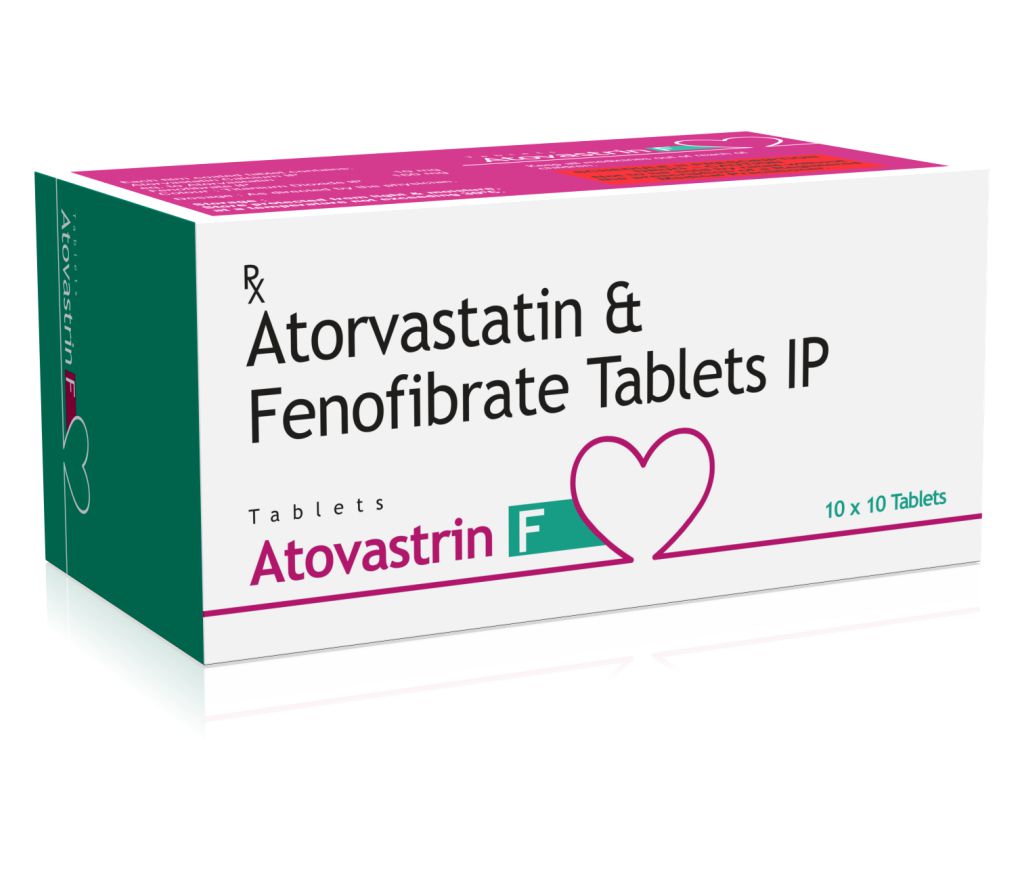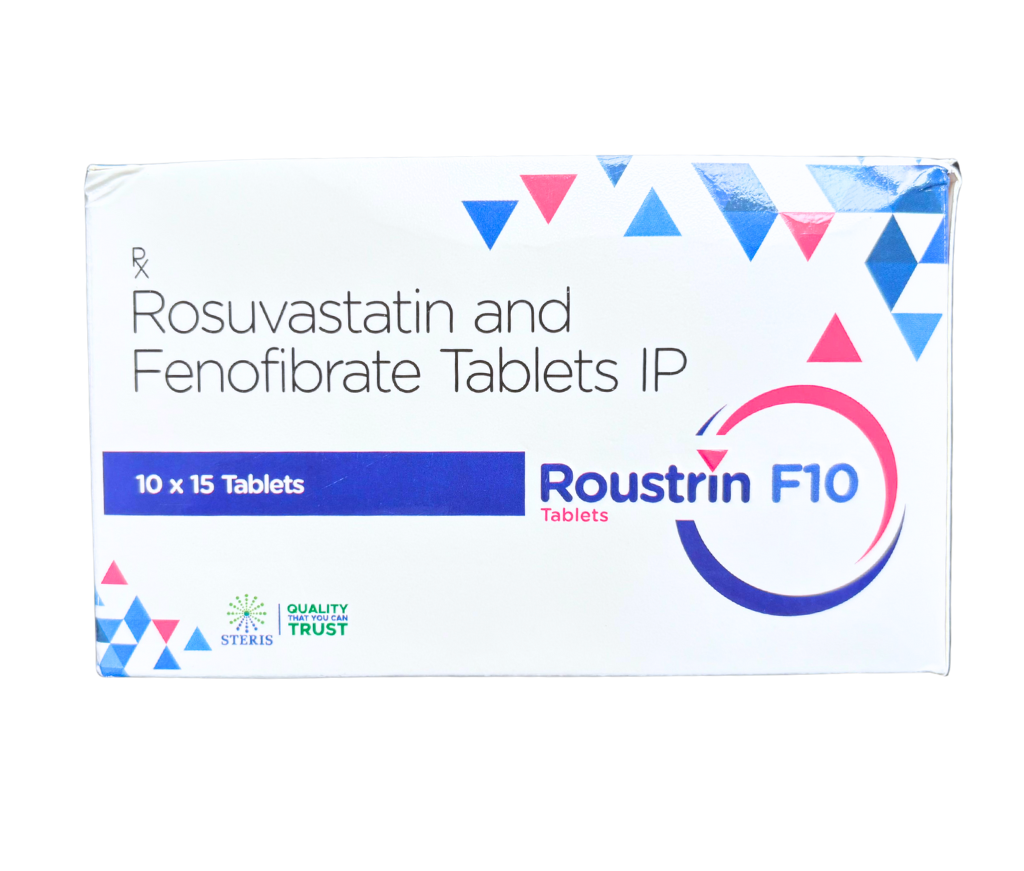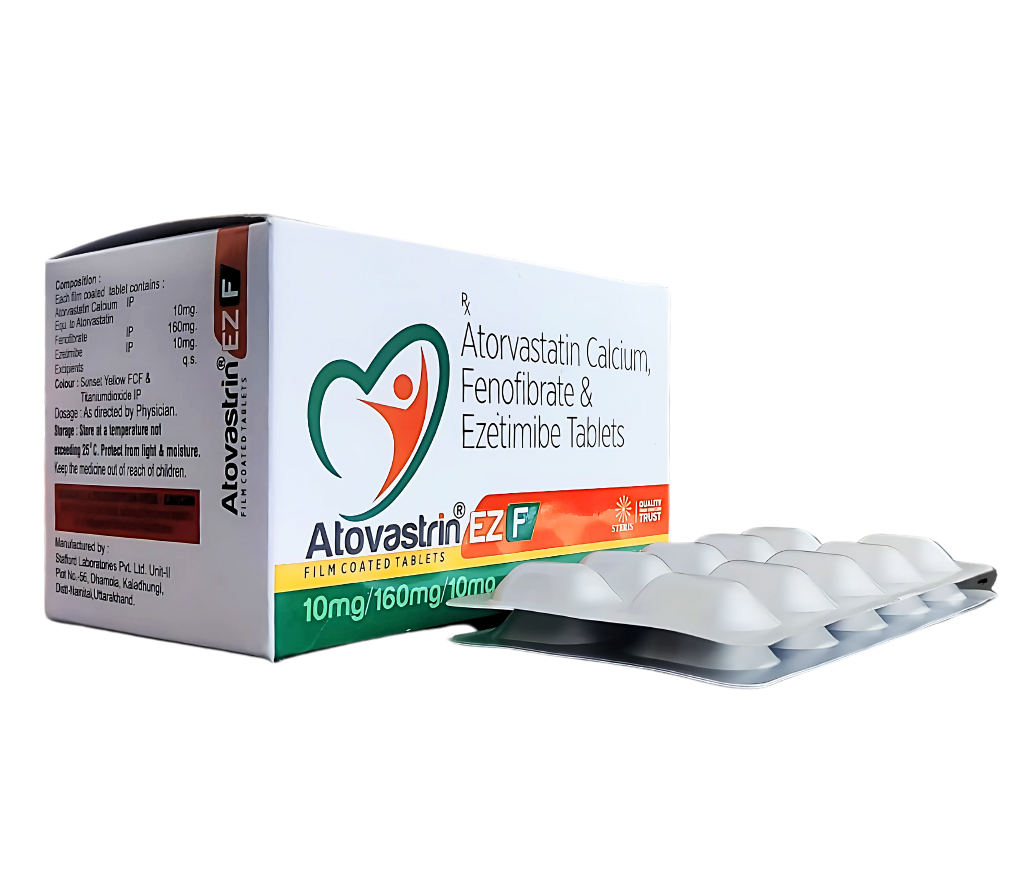



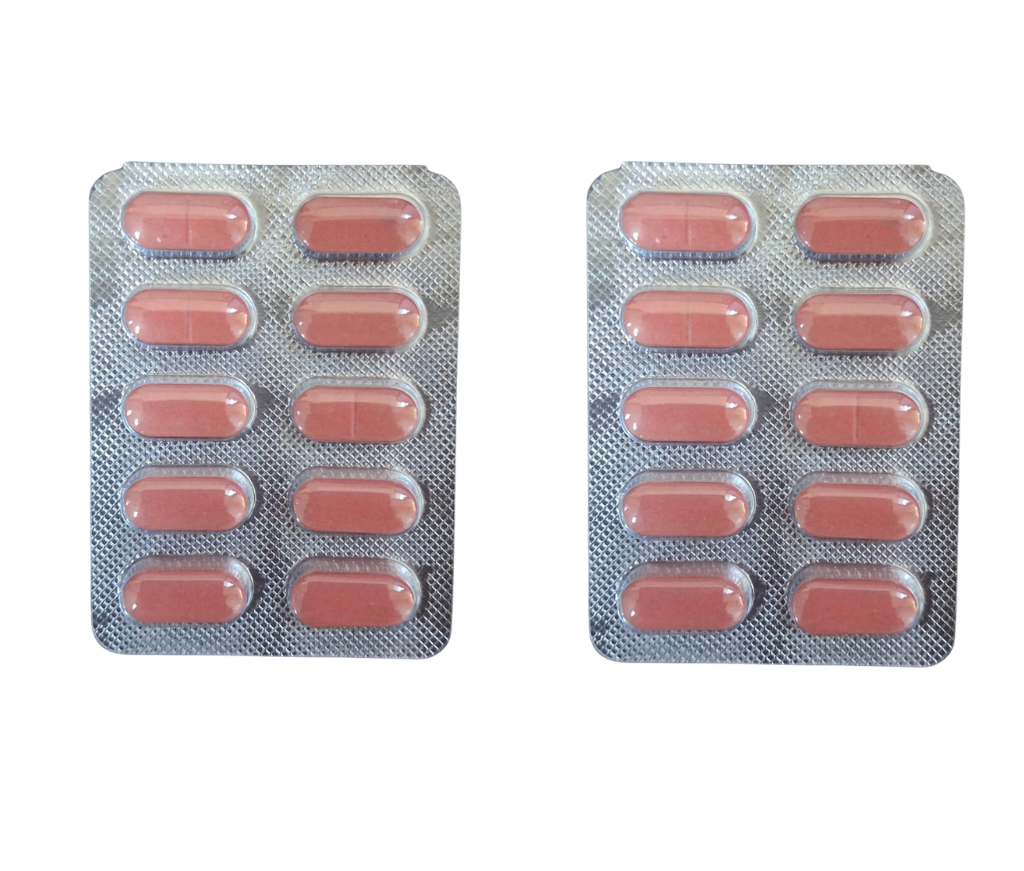
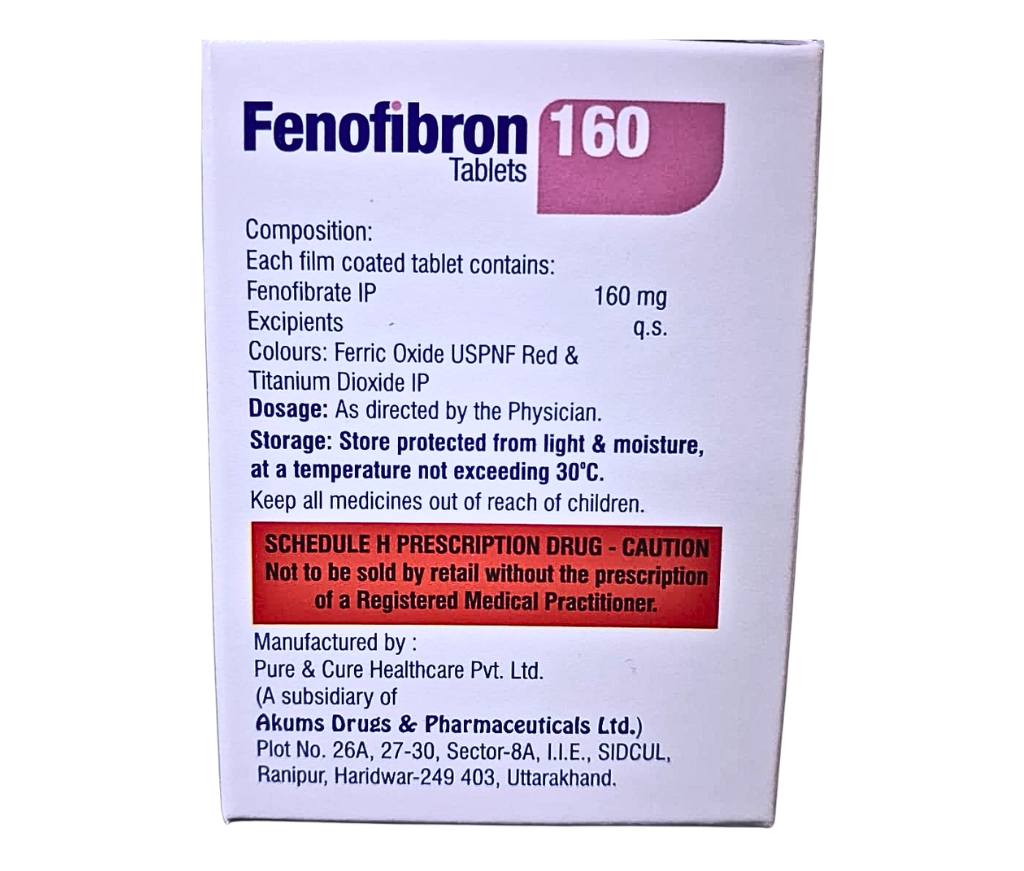
Fenofibrate 160 mg |FENOFIBRON 160
 Item requires a valid prescription
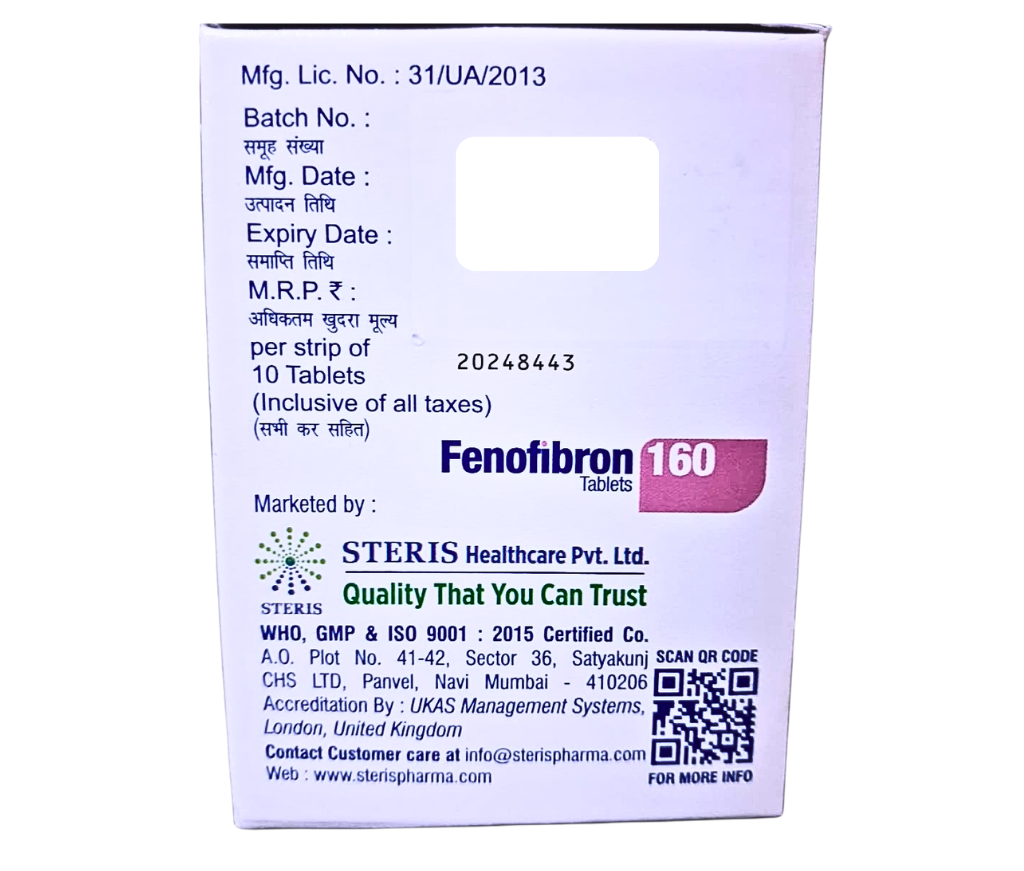
Manufactured By Steris Healthcare Pvt Ltd
Composition Fenofibrate 160mg
Rs 79.41
MRP Rs 113.44
(30% OFF)
Includes all taxes
Package SIZE
( For 10 Tablet )

100% Authentic
Products

Free
Shipping*

Products
Return Policy
Description:
What is Fenofibrate 160 mg?
Fenofibrate 160 mg is a prescription medicine used to help control abnormal blood lipid levels, particularly high triglycerides and certain types of high cholesterol. It is one of a class of drugs called fibrates that work by improving the body's metabolism of fats. Fenofibrate can be important in reducing high triglyceride levels and improving the overall lipid profile, together with a healthy diet, regular physical activity, weight management and other lifestyle modifications.
Healthcare professionals can prescribe Fenofibrate 160 mg for the treatment of adults with severe hypertriglyceridemia or mixed dyslipidemia when lifestyle changes alone are insufficient. The medicine should be used under medical supervision as regular monitoring of cholesterol levels, liver function and kidney function may be required during treatment.
How Fenofibrate 160 mg Works
Fenofibrate is a peroxisome proliferator-activated receptor alpha (PPAR-α) agonist. PPAR-α is a receptor involved in the regulation of fat metabolism. This receptor activation aids in the breakdown and clearance of triglyceride-rich lipoproteins and increases the production of high-density lipoprotein (HDL) or “good cholesterol.”
Fenofibrate lowers triglyceride levels by doing these things . Fenofibrate may also modestly lower low-density lipoprotein ( LDL ) cholesterol in patients for whom it is appropriate and it may increase HDL cholesterol . The drug is most effective when used in conjunction with dietary changes, routine exercise, smoking cessation and control of other cardiovascular risk factors.
Fenofibrate 160 mg Uses
Doctors may prescribe Fenofibrate 160 mg for selected patients with lipid disorders, including:
- Severe hypertriglyceridemia
- Mixed dyslipidemia
- Primary hypercholesterolemia in selected patients
- Elevated triglycerides associated with increased risk of pancreatitis
- Lipid disorders requiring fibrate therapy after clinical evaluation
Treatment decisions depend on laboratory findings, cardiovascular risk assessment, and the patient's overall health.
Fenofibrate 160 mg Benefits
When prescribed appropriately and combined with healthy lifestyle changes, Fenofibrate may provide the following benefits:
Benefits
- Helps lower elevated triglyceride levels.
- Improves the overall blood lipid profile.
- May increase HDL ("good") cholesterol.
- Can help reduce the risk of complications associated with very high triglyceride levels, such as pancreatitis.
- Supports long-term lipid management as part of a comprehensive cardiovascular risk reduction plan.
- Convenient once-daily dosing for many patients.
How to Take Fenofibrate 160 mg
Take Fenofibrate exactly as prescribed by your healthcare provider. Swallow the tablet whole with water. Follow your healthcare provider's instructions regarding whether to take it with or without food, as recommendations may vary depending on the specific formulation.
Continue following a cholesterol-lowering diet and exercise program while taking the medicine. Regular blood tests may be recommended to monitor cholesterol, triglycerides, liver function, kidney function, and treatment response.
Do not stop taking Fenofibrate without consulting your healthcare provider, even if your cholesterol or triglyceride levels improve.
Fenofibrate 160 mg Side Effects
Like all medicines, Fenofibrate may cause side effects, although not everyone experiences them.
Common Side Effects
- Headache
- Stomach discomfort
- Nausea
- Indigestion
- Back pain
- Mild muscle pain
- Increased liver enzyme levels
- Diarrhea
Serious Side Effects
Seek immediate medical attention if you experience:
- Severe muscle pain or weakness
- Dark-colored urine
- Severe abdominal pain
- Yellowing of the skin or eyes
- Difficulty breathing
- Swelling of the face, lips, or throat
- Chest pain
- Signs of gallstones or pancreatitis
Precautions and Warnings
Before starting Fenofibrate, inform your healthcare provider if you have liver disease, kidney disease, gallbladder disease, thyroid disorders, diabetes, or a history of muscle-related problems.
Patients taking statins together with Fenofibrate may have an increased risk of muscle injury, particularly in older adults or those with kidney impairment. Your healthcare provider will determine whether combination therapy is appropriate and may recommend periodic monitoring.
Fenofibrate is generally not recommended during pregnancy or breastfeeding unless the potential benefits clearly outweigh the risks. Always discuss treatment options with your healthcare provider.
Drug Interactions
Fenofibrate may interact with several medicines, including:
- Statins (such as atorvastatin or rosuvastatin)
- Blood thinners (e.g., warfarin)
- Cyclosporine
- Bile acid sequestrants
- Certain diabetes medicines
- Other lipid-lowering medications
Inform your healthcare provider about all prescription medicines, over-the-counter products, vitamins, and herbal supplements you are taking before starting treatment.
Who Should Not Take Fenofibrate 160 mg?
Fenofibrate may not be suitable for everyone. It is generally avoided or used with special caution in people with:
- Severe liver disease
- Severe kidney impairment
- Active gallbladder disease
- Allergy to Fenofibrate or fibrates
- History of severe photosensitivity reactions to fibrates
- Certain inherited lipid disorders where fibrate therapy is not appropriate
Only a qualified healthcare professional can determine whether this medicine is suitable for your condition.
Storage Instructions
Store Fenofibrate 160 mg tablets at room temperature in a cool, dry place away from direct sunlight and moisture. Keep the medicine in its original packaging and out of the reach of children and pets. Do not use the tablets after the expiry date shown on the package.
Frequently Asked Questions
1. What is Fenofibrate 160 mg used for?
Fenofibrate 160 mg is prescribed to help lower high triglyceride levels and improve certain cholesterol abnormalities when lifestyle changes alone are insufficient.
2. How long does Fenofibrate take to work?
Improvements in lipid levels are usually seen over several weeks, but your healthcare provider will monitor your response with periodic blood tests.
3. Can Fenofibrate 160 mg be taken every day?
Yes, if prescribed by your healthcare provider. Take it exactly as directed and continue recommended diet and exercise measures.
4. Can Fenofibrate be taken with a statin?
In some patients, a healthcare provider may prescribe both medicines together, but this combination requires careful monitoring because it may increase the risk of muscle-related side effects.
5. Does Fenofibrate lower cholesterol?
Fenofibrate primarily lowers triglycerides and may improve HDL cholesterol. Its effects on LDL cholesterol can vary depending on the individual's lipid profile.
6. Should I continue a low-fat diet while taking Fenofibrate?
Yes. Fenofibrate is most effective when used alongside a healthy diet, regular physical activity, and other lifestyle measures recommended by your healthcare provider.
7. Can Fenofibrate cause muscle pain?
Yes. Muscle pain or weakness can occur, although it is uncommon. Seek medical attention promptly if these symptoms are severe or accompanied by dark urine.
8. What should I do if I miss a dose?
Take the missed dose as soon as you remember unless it is nearly time for your next scheduled dose. Do not take two doses together.
9. Are regular blood tests necessary during treatment?
Yes. Your healthcare provider may recommend monitoring your lipid levels, liver function, kidney function, and, when appropriate, muscle-related laboratory tests.
10. Is Fenofibrate 160 mg available without a prescription?
Prescription requirements vary by country. Fenofibrate should be used only under the guidance of a qualified healthcare professional.
11. Fenofibrate 160 mg tablet when to take ?
Fenofibrate 160 mg: Take once daily with or immediately after a meal, preferably at the same time each day.