


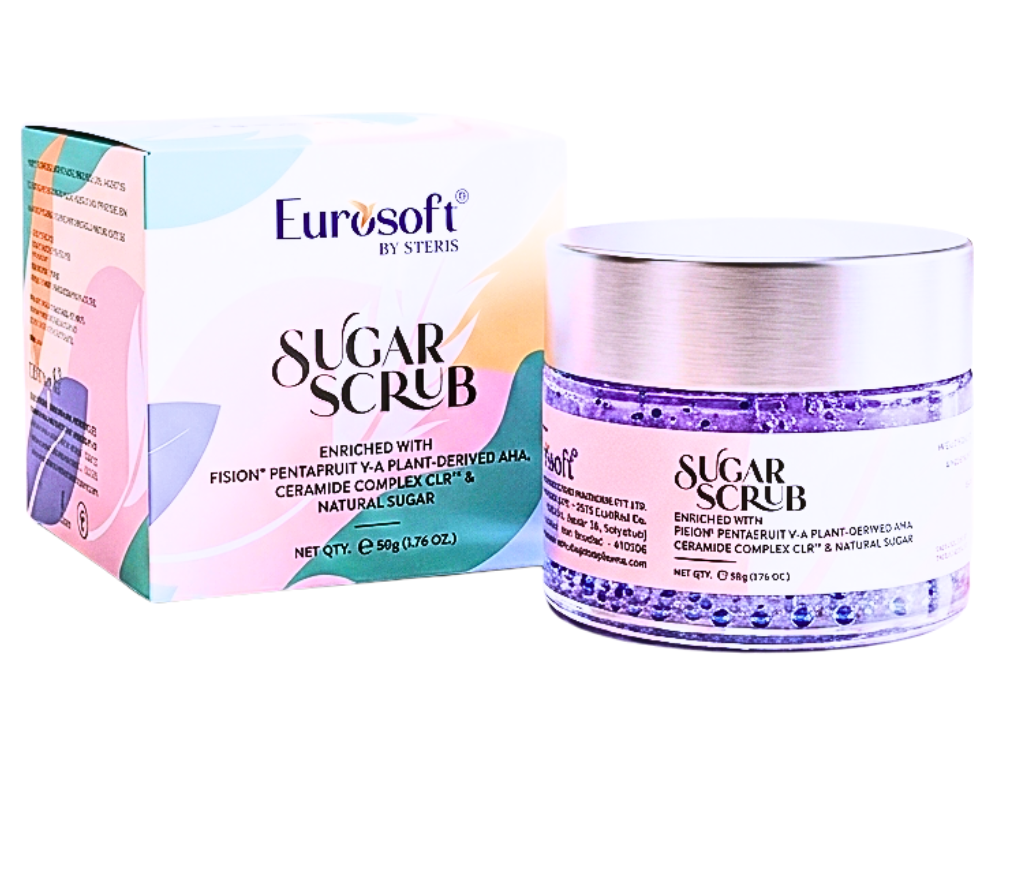
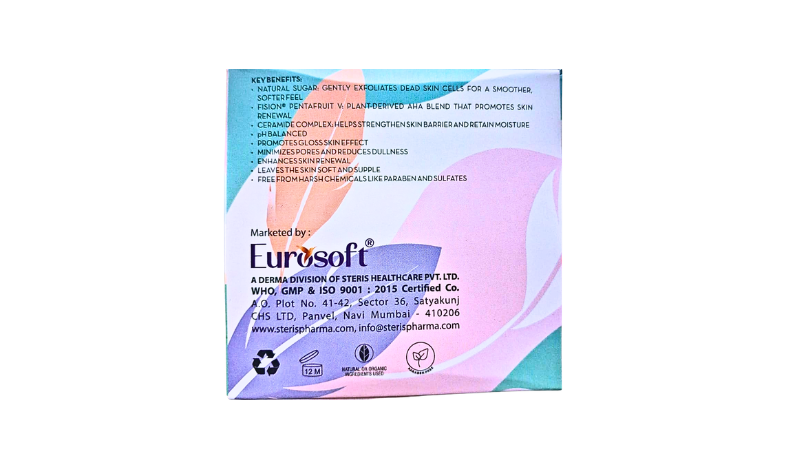
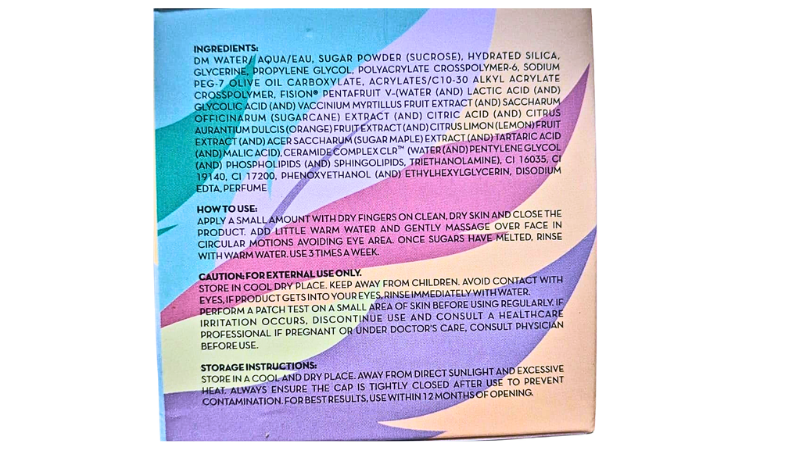
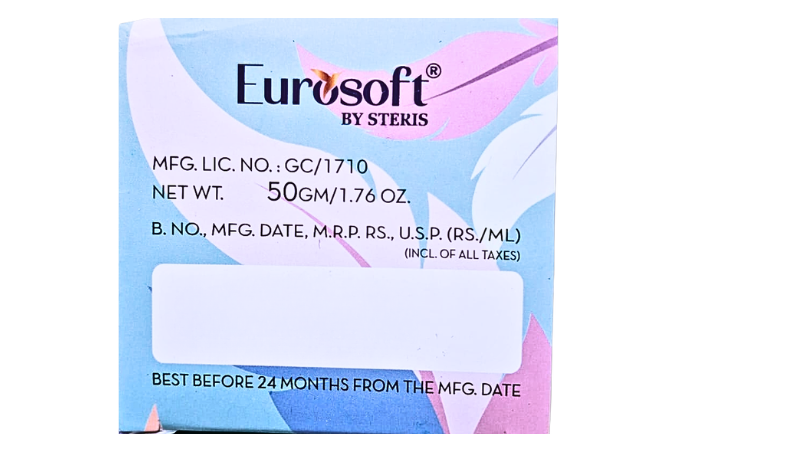
EUROSOFT SUGAR SCRUB
Manufactured By Steris Healthcare Pvt Ltd
Composition Sugar Scrub
Rs 559.30
MRP Rs 799.00
(30% OFF)
Includes all taxes
Package SIZE
( 50GM )

100% Authentic
Products

Free
Shipping*

Products
Return Policy
Description:
Sugar scrub is a granulated body and face exfoliant made from natural sugar crystals blended with nourishing oils, butters, or humectants. It works by physically lifting away dead skin cells, unclogging pores, and boosting circulation, leaving skin smoother, softer, and more radiant. Dermatology-informed use recommends 1–3 times a week for the body and 1–2 times a week for the face, using gentle circular motions on damp skin. It is best suited for normal, dry, or rough skin and should be avoided on broken, sunburned, or actively inflamed skin. Buy sugar scrub online today for visibly softer, glowing skin in your very first week of consistent use.
What Is a Sugar Scrub?
A sugar scrub is a physical (mechanical) exfoliant that combines granulated sugar — typically cane sugar, brown sugar, or demerara sugar — with a carrier base such as coconut oil, olive oil, shea butter, or almond oil. Unlike chemical exfoliants (AHAs/BHAs) that dissolve dead skin cells using acids, a sugar scrub works by manually buffing away the outer layer of dull, dead skin through gentle friction.
Sugar granules are naturally smaller and softer-edged than salt crystals, which makes sugar scrub a popular entry point for people who are new to exfoliation or who have relatively sensitive skin. Sugar also contains glycolic acid, a naturally occurring alpha-hydroxy compound, which means a sugar scrub offers a light dual-action benefit: physical buffing plus a mild chemical assist.
Key Benefits of Sugar Scrub
1. Removes Dead Skin Cells and Unclogs Pores
The primary function of any scrub is exfoliation. Sugar scrub physically lifts dead, flaky skin cells that build up on the surface, which can otherwise make skin look dull, patchy, or rough to the touch. Regular use also helps unclog pores that trap oil and dirt, which is one reason sugar scrub is frequently used on areas prone to bumps — elbows, knees, back, and underarms.
2. Improves Skin Texture and Softness
Because dead skin is being continuously buffed away, the fresh skin underneath is exposed sooner. Most users report noticeably softer, smoother skin after just one or two uses, particularly on rough zones like heels, elbows, and knees.
3. Boosts Blood Circulation
The massaging motion required to apply a scrub increases localized blood flow. Better circulation is associated with a healthier surface glow and can support faster skin cell turnover over time.
4. Helps Prevent Ingrown Hairs
Sugar scrub is widely used before and after shaving or waxing because it helps clear the path for hair to grow out normally instead of curling back under the skin—a common cause of ingrown hairs and razor bumps.
5. Enhances Absorption of Moisturizers and Serums
Once the dead skin barrier is buffed away, moisturizers, body lotions, and serums penetrate more effectively, meaning your regular skincare products can work harder and faster.
6. Natural, Gentle Alternative to Harsh Exfoliants
Because sugar granules dissolve in water and have softer edges than salt or synthetic microbeads, sugar scrub is generally considered a gentler, more skin-friendly exfoliation option—including for people who find salt scrubs too harsh or drying.
7. Relaxing, Spa-Like Self-Care Ritual
Beyond the physical benefits, sugar scrub has become a staple of at-home spa routines, valued for its sensory, stress-relieving self-care appeal—a major driver of repeat purchase and gifting-intent searches.
How to Use Sugar Scrub
- Wet your skin first. Apply sugar scrub in the shower or bath on damp (not soaking) skin for the best grip and glide.
- Take a small amount and massage in gentle, circular motions for 30–60 seconds per area. Avoid pressing hard — let the granules do the work.
- Focus on rough zones: elbows, knees, heels, back, and underarms typically need the most attention.
- Rinse thoroughly with lukewarm water.
- Pat dry and moisturize immediately while skin is still slightly damp to lock in hydration.
- Frequency: 1–3 times per week for body; 1–2 times per week for face (only if the product is labeled face-safe).
Sugar Scrub Side Effects and Precautions
- Over-exfoliation: Using scrub too frequently (daily) can strip the skin barrier, leading to redness, dryness, tightness, or micro-tears.
- Not for broken or inflamed skin: Avoid using sugar scrub on cuts, active acne, eczema flare-ups, sunburned skin, or freshly waxed/shaved areas.
- Facial use caution: Not all sugar scrubs are formulated fine enough for facial skin. Coarse body-grade sugar scrub can cause micro-abrasions if used on the face.
- Allergic reaction risk: Depending on added essential oils or fragrance, some users may experience contact irritation or allergic reactions. A patch test is recommended before first use.
- Not a substitute for medical treatment: Sugar scrub is a cosmetic exfoliant, not a treatment for underlying dermatological conditions such as psoriasis, eczema, or fungal infections. [Reviewer placeholder: any comparative efficacy or dermatologist-recommendation statistic to be confirmed by medical/QA team before publishing.]
- Sun sensitivity: Freshly exfoliated skin can be more sensitive to sun exposure; apply sunscreen on exposed areas after use.
Sugar Scrub vs Salt Scrub vs Other Exfoliants
| Factor | Sugar Scrub | Salt Scrub | Chemical Exfoliant (AHA/BHA) |
|---|---|---|---|
| Texture | Fine, rounded granules | Coarse, sharp crystals | No granules (liquid/gel) |
| Best for | Normal, dry, sensitive skin | Tough, thick-skinned areas (feet, elbows) | Oily, acne-prone skin |
| Face-safe | Yes (fine-grain formulas) | Rarely recommended | Yes |
| Moisture level | Higher (oil/butter base) | Lower, can be drying | Varies |
| Sting on broken skin | Minimal | Can sting due to salt content | N/A |
Who Should Buy Sugar Scrub?
- Anyone wanting a natural, at-home alternative to salon exfoliation treatments
- People with dry, dull, or rough skin looking to improve texture
- Those prepping skin before self-tanning, waxing, or shaving
- Buyers researching gift sets, bridal prep kits, or spa-day routines
- People switching from harsher physical exfoliants seeking a gentler formula
This content is prepared for informational and product-marketing purposes by the Steris Healthcare content team and is intended for review by qualified skincare/QA personnel prior to publishing. All ingredient function claims (exfoliation, moisturization, circulation) reflect generally accepted cosmetic science; no comparative statistics, clinical percentages, or dermatologist-endorsement claims have been included and any such data must be added only after medical/QA sign-off with verifiable sourcing.
Conclusion
Sugar scrub remains one of the most trusted, beginner-friendly exfoliants for anyone looking to improve skin texture, remove dullness, and add a relaxing self-care ritual to their routine. Its gentle granule structure, natural glycolic acid content, and moisturizing oil base make it a safer daily-life alternative to harsher scrubs — provided it's used at the right frequency and avoided on compromised skin. Whether you're shopping for smoother elbows and heels, prepping skin before shaving, or simply want that fresh post-spa glow, a good-quality sugar scrub is a small investment with visible, fast results.
Frequently Asked Questions
1. Is sugar scrub actually good for your skin?
Yes. Sugar scrub gently removes dead skin cells, improves texture, and boosts circulation, making skin feel smoother and look more radiant when used 1–3 times a week.
2. How can I make sugar scrub?
A basic DIY version combines 1 cup of sugar with ½ cup of a carrier oil (like coconut or olive oil), mixed to a wet-sand consistency. Store-bought formulas typically add extra actives like vitamin E or shea butter for better skin benefits and shelf stability.
3. Is sugar scrub good for the face?
Only fine-grain, face-formulated sugar scrubs should be used on facial skin, as coarser body scrubs can cause micro-tears. Face-safe sugar scrub can gently exfoliate 1–2 times a week.
4. What is a sugar scrub used for?
Sugar scrub is used to exfoliate dead skin cells, smooth rough patches (elbows, knees, heels), prevent ingrown hairs, boost circulation, and prep skin for shaving, waxing, or self-tanning.
5. Can I use sugar scrub every day?
No, daily use is not recommended. Over-exfoliating can strip the skin barrier and cause dryness or irritation. 1–3 times a week for the body and 1–2 times a week for the face is the general guideline.
6. Which is better, a sugar or salt scrub?
Sugar scrub is generally gentler and more moisturizing, making it better for daily body care and sensitive skin. Salt scrub is coarser and better suited for occasional deep exfoliation on tougher areas like feet and elbows.
7. What do Koreans use for body scrub?
Korean-style body exfoliation traditionally uses an "Italy towel" (a textured exfoliating cloth) alongside gentle scrub products, often followed by rich moisturizers — a routine focused on layering hydration after exfoliation rather than harsh scrubbing.
8. What is the healthiest body scrub?
The healthiest body scrub typically contains natural exfoliating particles (like sugar) combined with nourishing oils or butters, free from synthetic microbeads, added dyes, or harsh fragrance — supporting the skin barrier while exfoliating.
9. Does sugar scrub lighten skin?
Sugar scrub does not lighten skin in the pigmentation sense. It removes dead, dull surface cells, which can make skin appear brighter and more even-toned simply because fresher skin is revealed — not because of any skin-lightening or bleaching action.
10. Which scrub is best for glowing skin?
A sugar scrub with moisturizing oils (like almond or coconut oil) is widely favored for glowing skin, since it exfoliates while replenishing hydration, unlike drier, harsher scrubs that can leave skin looking flat.
11. Can sugar scrub help with ingrown hairs?
Yes, regular use before and after shaving or waxing helps clear dead skin that traps hairs, reducing the likelihood of ingrown hairs and razor bumps.
12. How long does a sugar scrub take to work?
Most users notice softer, smoother skin immediately after the first use, with continued improvement in texture and glow over 2–3 weeks of consistent use.
13. Is sugar scrub safe during pregnancy?
Sugar scrub is generally considered safe for external body use during pregnancy, but it's best to avoid scented or essential-oil-heavy formulas without checking with a doctor first, especially for facial or abdominal use.
14. Can sugar scrub be used on oily or acne-prone skin?
It can be used cautiously, but individuals with active acne should avoid scrubbing directly over breakouts, as friction can worsen inflammation and spread bacteria.
15. How do I store a sugar scrub for freshness?
Keep the container tightly sealed, away from direct water contact between uses, and stored in a cool, dry place to prevent the sugar from dissolving or the oils from turning rancid.
16. What's the difference between a scrub and an exfoliating cleanser?
A scrub uses physical granules for manual exfoliation, while an exfoliating cleanser typically uses mild chemical acids and requires no rubbing — both aim to remove dead skin, but through different mechanisms.

