


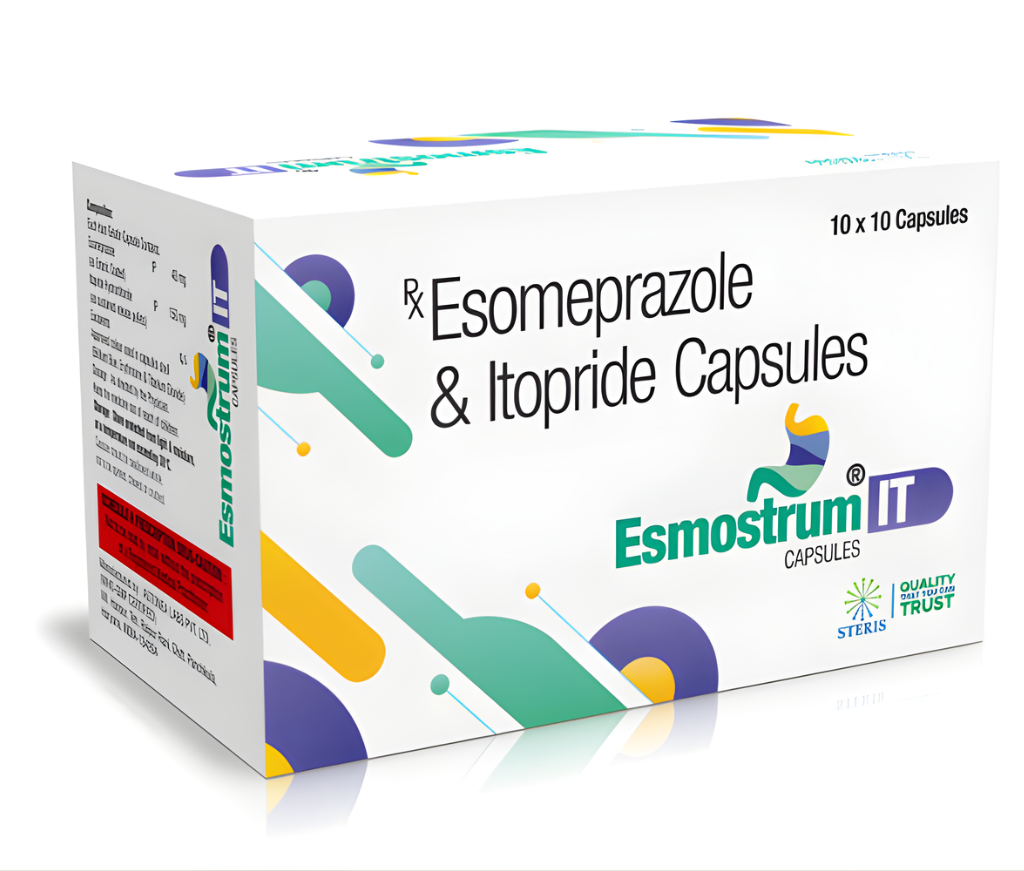
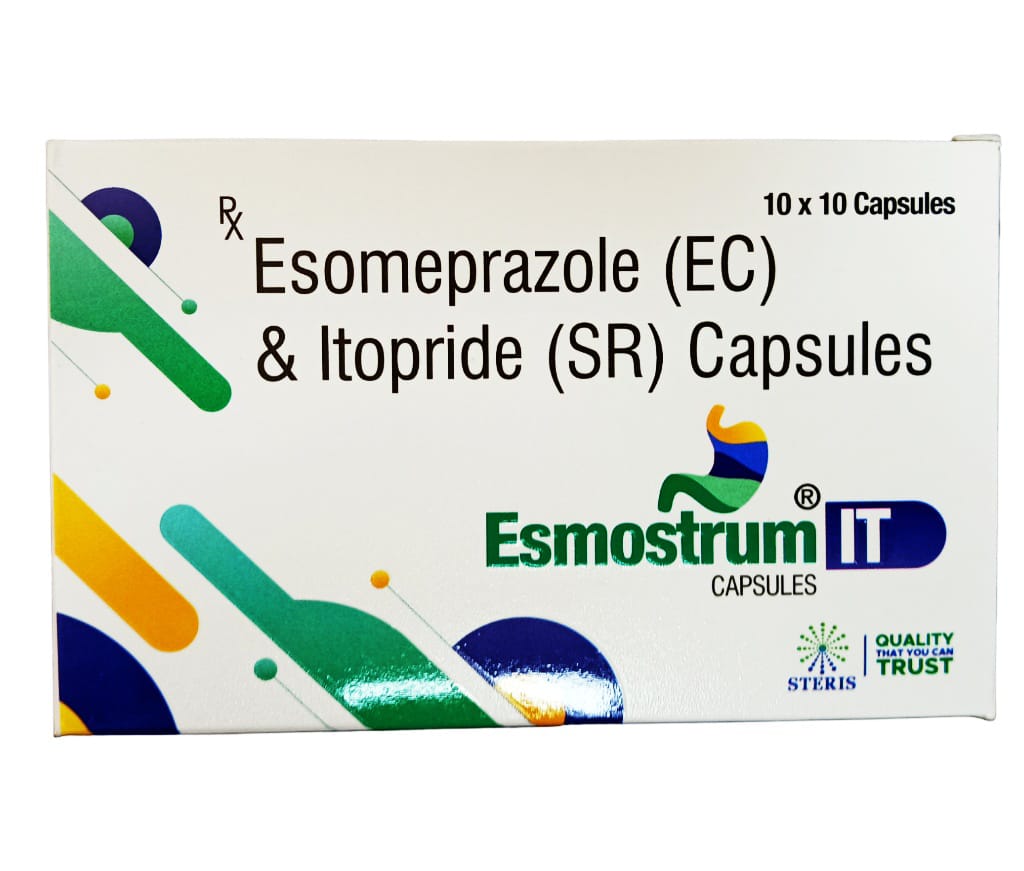
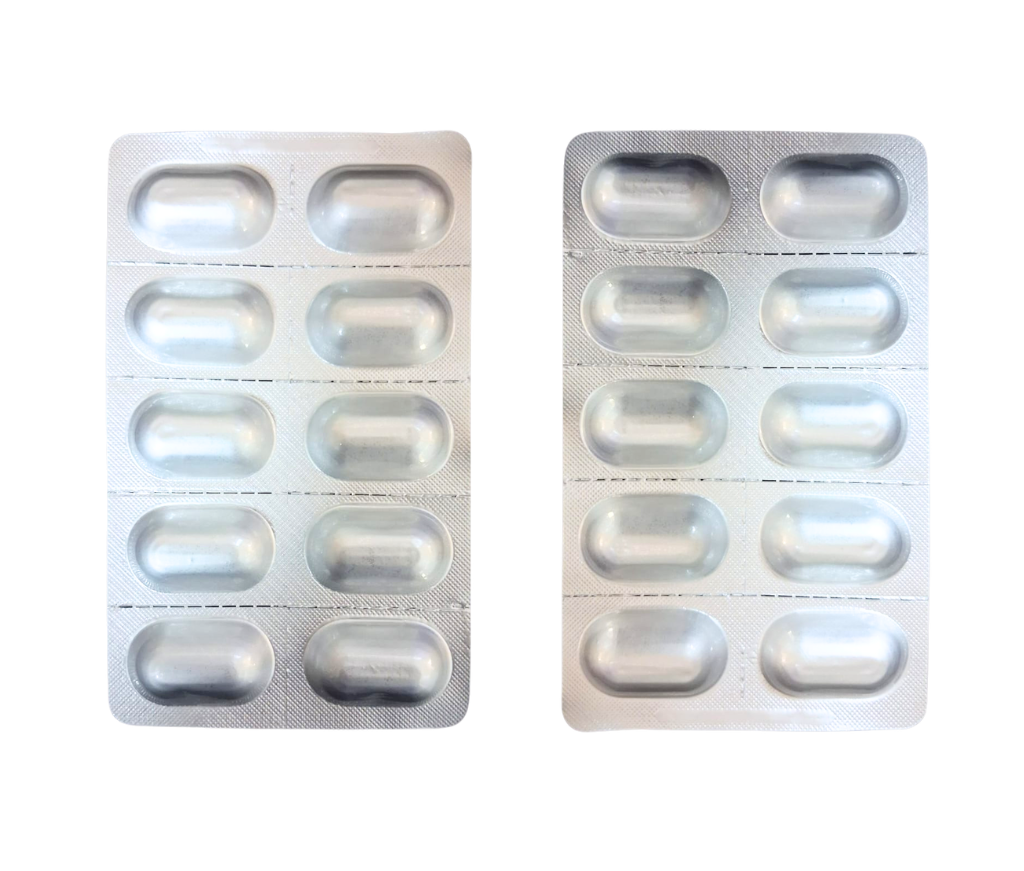
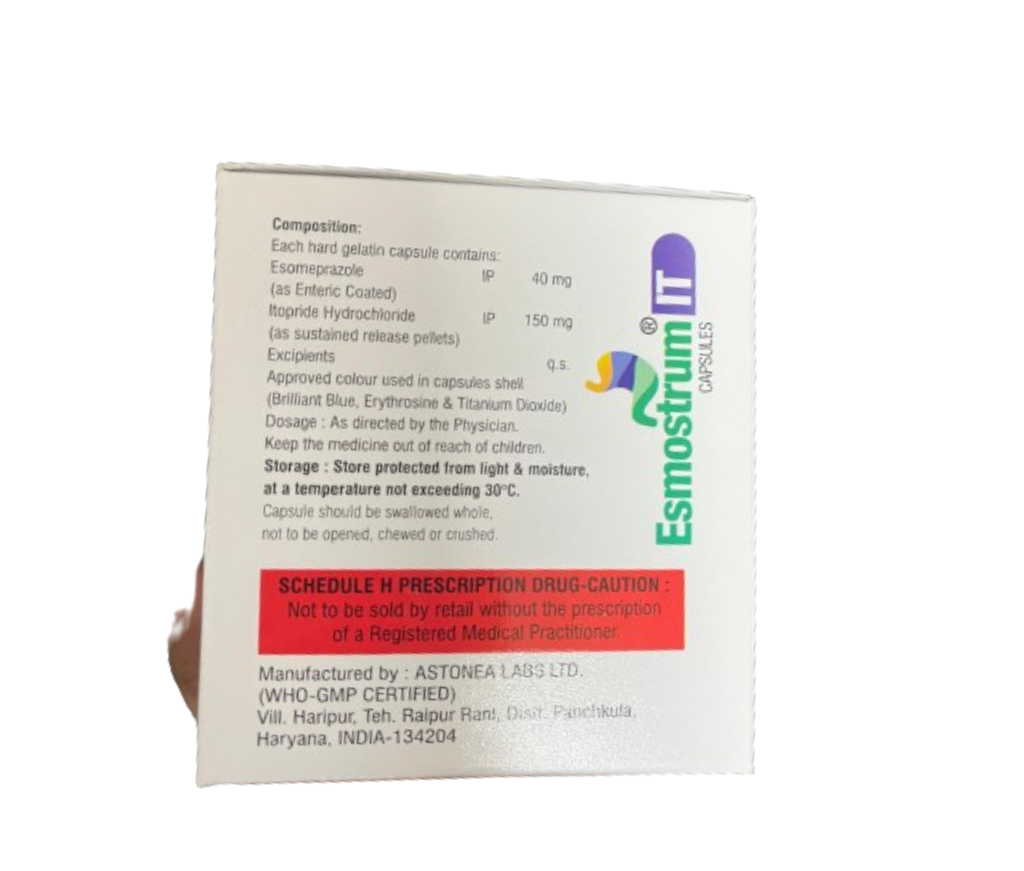
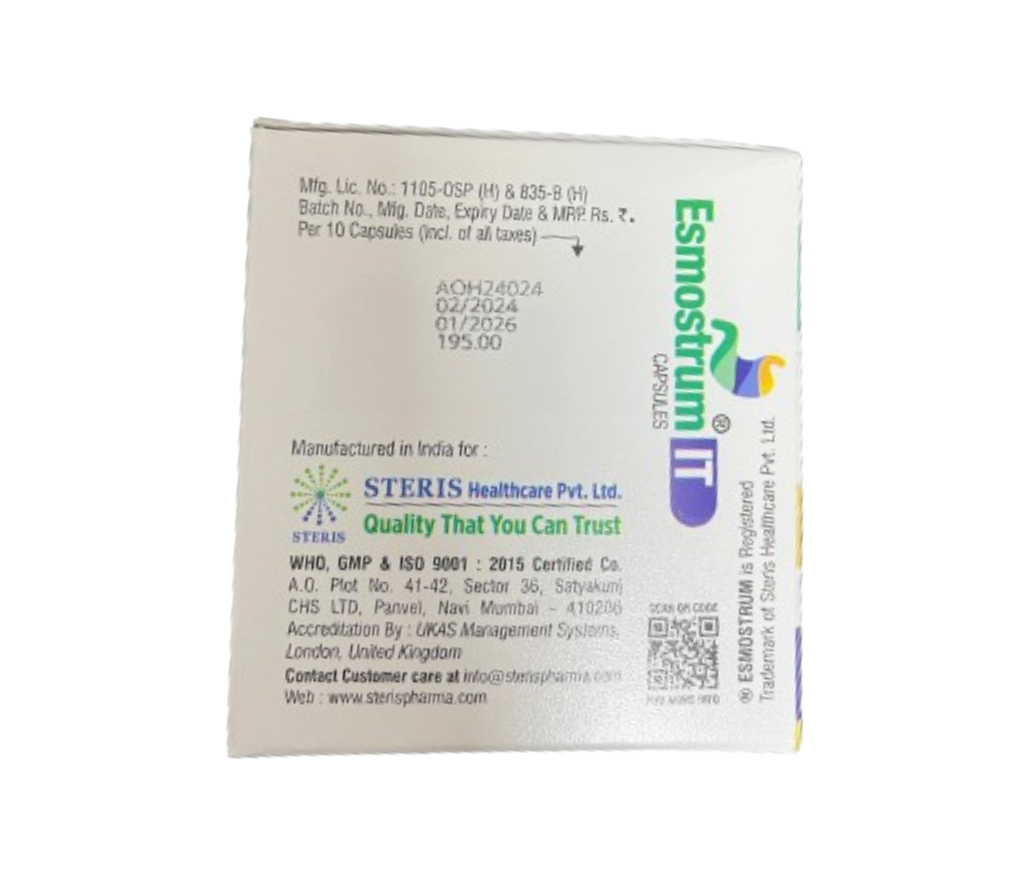
ESMOSTRUM IT
 Item requires a valid prescription
Manufactured By Steris Healthcare Pvt Ltd
Composition Esomeprazole (40mg) & Itopride (150mg)
Rs 127.97
MRP Rs 182.81
(30% OFF)
Includes all taxes
Package SIZE
( For 10 Capsule )

100% Authentic
Products

Free
Shipping*

Products
Return Policy
Description:
Esomeprazole tablet is a proton pump inhibitor (PPI) that reduces the production of stomach acid. It is commonly prescribed for GERD (acid reflux), heartburn, peptic ulcers, erosive esophagitis, Zollinger-Ellison syndrome, and as part of H. pylori eradication therapies. It works by blocking the acid-producing pumps in the stomach lining, offering relief typically within 1–4 days, with full effect over 1–2 weeks of continuous use. Esomeprazole is a Schedule H prescription medicine in India — it should only be taken under medical supervision, especially for long-term use. Common side effects include headache, nausea, diarrhea, and stomach pain; long-term use may carry risks such as vitamin B12 deficiency, bone fracture risk, and low magnesium levels. Always consult your doctor before starting or stopping esomeprazole.
What Is Esomeprazole Tablet?
Esomeprazole tablet belongs to a class of medicines called proton pump inhibitors (PPIs). It is the S-isomer of omeprazole and is widely regarded as one of the most effective acid-suppressing agents available for managing acid-related gastrointestinal disorders. Esomeprazole tablets are manufactured in strengths such as 20 mg and 40 mg, typically as delayed-release (enteric-coated) tablets or capsules designed to survive stomach acid and dissolve in the small intestine for optimal absorption.
Because excess gastric acid is the root cause of conditions like acid reflux, ulcers, and esophageal inflammation, esomeprazole works at the source—reducing acid production rather than simply neutralizing acid after it forms (as antacids do). This makes it a preferred, longer-acting option for people dealing with chronic or recurrent acid-related symptoms.
Clinical Indications: What Is Esomeprazole Used For?
|
Condition |
How Esomeprazole Helps |
|
GERD (Gastroesophageal Reflux Disease) |
Reduces acid reflux into the esophagus, relieving heartburn and regurgitation |
|
Erosive Esophagitis |
Promotes healing of the esophageal lining damaged by chronic acid exposure |
|
Peptic Ulcer Disease |
Lowers acid levels to allow gastric and duodenal ulcers to heal |
|
H. pylori Eradication (combination therapy) |
Used alongside antibiotics to treat Helicobacter pylori infection |
|
Zollinger-Ellison Syndrome |
Controls excessive acid secretion caused by gastrin-secreting tumors |
|
NSAID-Associated Ulcer Prevention |
Reduces risk of ulcers in long-term NSAID users |
|
Frequent Heartburn (OTC-strength use, under guidance) |
Provides sustained relief for recurrent heartburn episodes |
Key Benefits of Esomeprazole Tablet
-
Fast and Sustained Acid Suppression — Esomeprazole provides more consistent acid control across a 24-hour period compared to many other PPIs, helping reduce breakthrough symptoms.
-
Effective Healing of Esophageal and Ulcer Damage — Clinically used to promote healing of erosive esophagitis and peptic ulcers when combined with appropriate care.
-
Convenient Once-Daily Dosing — Most patients take one tablet daily, improving adherence to therapy.
-
Supports H. pylori Treatment Success — As part of combination regimens, it helps create the acid environment needed for antibiotics to work effectively.
-
Reduces Risk of NSAID-Induced GI Complications — Useful for patients who need long-term pain medication but are vulnerable to acid-related stomach damage.
-
Improves Quality of Life — By controlling reflux and heartburn symptoms, it can reduce sleep disruption, chest discomfort, and diet-related anxiety linked to chronic acidity.
Mechanism of Action
Esomeprazole works by irreversibly binding to the H+/K+ ATPase enzyme system (the "proton pump") located in the parietal cells of the stomach lining. This pump is the final step in gastric acid secretion. By blocking it, esomeprazole significantly reduces both basal and stimulated acid output, regardless of what triggered the acid release (food, gastrin, or histamine). Because the binding is long-lasting, acid suppression continues even after the drug itself has been cleared from the bloodstream, which is why once-daily dosing is usually sufficient for most patients.
Dosage Guidelines
(General reference only — actual dosage must be determined by a qualified physician based on the condition being treated, severity, and patient history.)
-
GERD (Symptomatic treatment): Typically 20 mg once daily for 4 weeks; may be extended if symptoms persist.
-
Erosive Esophagitis (Healing): Typically 40 mg once daily for 4–8 weeks.
-
H. pylori Eradication: Usually combined with two antibiotics as part of a 7–14 day regimen, per physician's prescription.
-
Administration: Preferably taken at least 1 hour before a meal. Tablets should be swallowed whole with water — not crushed or chewed, as this may affect the enteric coating.
-
Missed Dose: Take as soon as remembered; skip if the next dose is near. Do not double the dose.
Side Effects of Esomeprazole Tablet
Common Side Effects
-
Headache
-
Nausea or vomiting
-
Diarrhea or constipation
-
Abdominal pain or bloating
-
Dry mouth
-
Dizziness
Less Common but Notable Side Effects
-
Skin rash or itching
-
Fatigue
-
Flatulence
Serious Side Effects
-
Signs of allergic reaction: swelling of face/lips/throat, severe rash, difficulty breathing
-
Severe or watery diarrhea (possible C. difficile-associated diarrhea), especially with prolonged use
-
Signs of low magnesium: muscle spasms, irregular heartbeat, seizures (more common with use beyond 3 months)
-
Unusual bone pain or fracture (associated with long-term, high-dose use)
-
Signs of vitamin B12 deficiency with long-term use: fatigue, tingling in hands/feet
-
Severe stomach pain, or lupus-like symptoms (rare)
Precautions and Warnings
-
Inform your doctor if you have liver disease, osteoporosis, low magnesium levels, or a history of lupus.
-
Long-term use (beyond 1 year) may be associated with increased risk of bone fractures, vitamin B12 deficiency, and hypomagnesemia — periodic monitoring may be advised.
-
Esomeprazole may interact with medicines such as clopidogrel, methotrexate, warfarin, and certain HIV medications — share your full medication list with your doctor.
-
Not recommended for use during pregnancy or breastfeeding unless specifically advised by a physician.
-
Use in children should only be under pediatric medical supervision.
-
Avoid alcohol and excessive caffeine, which may aggravate acid-related symptoms despite treatment.
Esomeprazole vs Other PPIs: Substitutes Comparison
|
Parameter |
Esomeprazole |
Omeprazole |
Pantoprazole |
Rabeprazole |
|
Isomer type |
S-isomer (single) |
Racemic mixture |
Racemic mixture |
Racemic mixture |
|
Onset of action |
Fast |
Fast |
Fast |
Fast |
|
Acid suppression duration |
Longer, more consistent |
Moderate |
Moderate |
Moderate |
|
Common strengths |
20 mg, 40 mg |
20 mg, 40 mg |
40 mg |
20 mg |
|
Typical use case |
GERD, erosive esophagitis, H. pylori |
GERD, ulcers |
GERD, stress ulcer prophylaxis |
GERD, ulcers |
Substitution between PPIs should only be done under medical guidance, as individual response and interaction profiles vary.
AI Mode Summary
Esomeprazole tablet is a prescription proton pump inhibitor used to treat acid reflux, GERD, and stomach ulcers by reducing stomach acid production; it should be taken exactly as prescribed, and long-term use requires medical supervision due to potential side effects like bone and vitamin B12 concerns.
Conclusion
Esomeprazole tablet remains one of the most trusted and widely prescribed proton pump inhibitors for managing acid-related digestive conditions—from everyday heartburn to more serious concerns like erosive esophagitis and H. pylori infection. Its ability to provide steady, long-lasting acid control makes it a preferred choice among physicians for both short-term relief and structured treatment plans. However, like all PPIs, it is not meant for indefinite, unsupervised use—long-term therapy should always be periodically reviewed by a doctor to balance benefits against risks such as nutrient deficiencies and bone health concerns. If you are experiencing persistent acidity, reflux, or stomach discomfort, consult a qualified physician to determine whether esomeprazole is right for you at the correct strength and duration.
Frequently Asked Questions
1. What is the use of esomeprazole tablets?
Esomeprazole tablets are used to reduce stomach acid production and treat conditions such as GERD, acid reflux, heartburn, erosive esophagitis, and peptic ulcers. They are also used alongside antibiotics to treat H. pylori infection.
2. Is it bad to take esomeprazole every day?
Esomeprazole is often prescribed for daily use over a defined treatment period, and this is generally considered safe under medical supervision. However, continuous long-term daily use beyond the prescribed duration without medical review may increase the risk of side effects like vitamin B12 deficiency, low magnesium, and bone fractures — so it should always be taken under a doctor's guidance.
3. Does esomeprazole reduce gas?
Esomeprazole is primarily designed to reduce stomach acid, not gas directly. However, since it treats the underlying acid reflux that can contribute to bloating and gas-like discomfort, some patients notice reduced bloating as reflux symptoms improve. For gas relief alone, a doctor may recommend additional or alternative treatment.
4. What is esomeprazole used for?
It is used for treating GERD, heartburn, acid reflux, erosive esophagitis, stomach and duodenal ulcers, Zollinger-Ellison syndrome, and for preventing NSAID-related stomach ulcers. It's also part of combination therapy for H. pylori eradication.
5. What is the biggest side effect of esomeprazole?
The most commonly reported side effects are headache, nausea, diarrhea, and abdominal discomfort. With long-term use, the more significant concerns are vitamin B12 deficiency, low magnesium levels, and increased risk of bone fractures — these are the effects doctors monitor most closely during extended therapy.
6. Is esomeprazole safe to use?
Esomeprazole is considered safe when taken exactly as prescribed by a doctor, for the recommended duration and dose. It is a prescription (Schedule H) medicine, so it should not be self-prescribed or used beyond the advised period without medical review.
7. How long does it take for esomeprazole to start working?
Many people notice symptom relief within 1–4 days, though full acid-suppressing effect and healing of conditions like esophagitis may take 1–4 weeks of continuous use.
8. Can esomeprazole be taken on an empty stomach?
Yes, it is generally recommended to take esomeprazole at least one hour before a meal, typically in the morning, for optimal absorption and effectiveness.
9. Can I take esomeprazole and antacids together?
Antacids can generally be used alongside esomeprazole for immediate relief, but timing and combination should be confirmed with your doctor or pharmacist to avoid reducing absorption.
10. What happens if I stop taking esomeprazole suddenly?
Stopping abruptly after prolonged use can sometimes cause "rebound acid hypersecretion," where acid symptoms temporarily worsen. Your doctor may recommend a gradual tapering approach for long-term users.
11. Can esomeprazole be taken for a long time?
It can be used long-term for certain chronic conditions, but this requires periodic medical review due to potential risks like nutrient deficiencies and bone health effects with extended use.
12. Is esomeprazole the same as omeprazole?
Esomeprazole is the S-isomer of omeprazole and tends to offer more consistent acid suppression, but both belong to the same PPI drug class and are used for similar conditions.
13. Can esomeprazole cause weight gain or weight loss?
Weight changes are not a common reported effect of esomeprazole, though improved digestion and reduced reflux discomfort may indirectly affect appetite in some individuals. Any significant weight change should be discussed with a doctor.
14. Does esomeprazole interact with other medicines?
Yes, it may interact with medicines such as clopidogrel, methotrexate, and certain antifungal or HIV medications. Always share your complete medication list with your doctor before starting esomeprazole.
15. Can pregnant or breastfeeding women take esomeprazole?
Esomeprazole should only be used during pregnancy or breastfeeding if specifically advised by a doctor, after weighing potential benefits and risks.
16. What is the difference between 20 mg and 40 mg esomeprazole tablets?
The dosage strength prescribed depends on the condition being treated — 20 mg is often used for symptomatic GERD, while 40 mg is typically prescribed for erosive esophagitis or more severe acid-related conditions, as determined by your doctor.
17. Can esomeprazole be taken with food?
While it can be taken with or without food, taking it about an hour before a meal — especially breakfast — is generally recommended for the best acid-control effect.
If You Need More Information About ESMOSTRUM IT Click here