


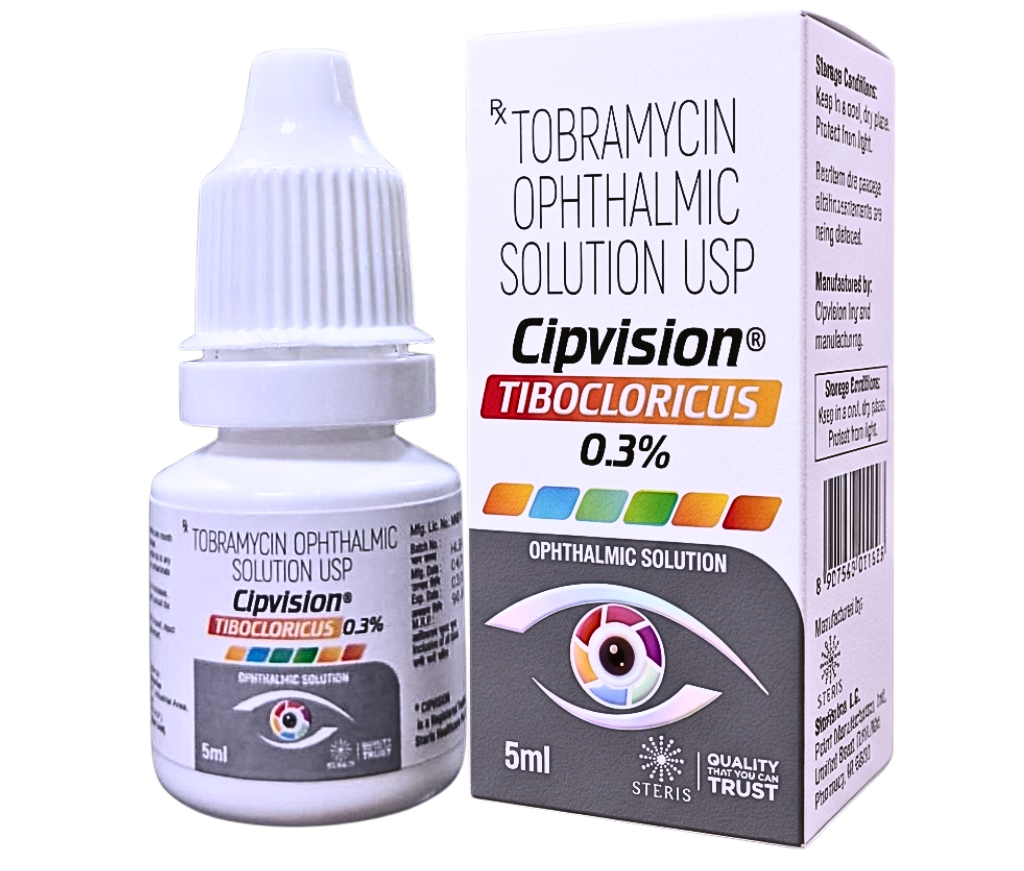
CIPVISION TIBOCLORICUS 0.3%
 Item requires a valid prescription
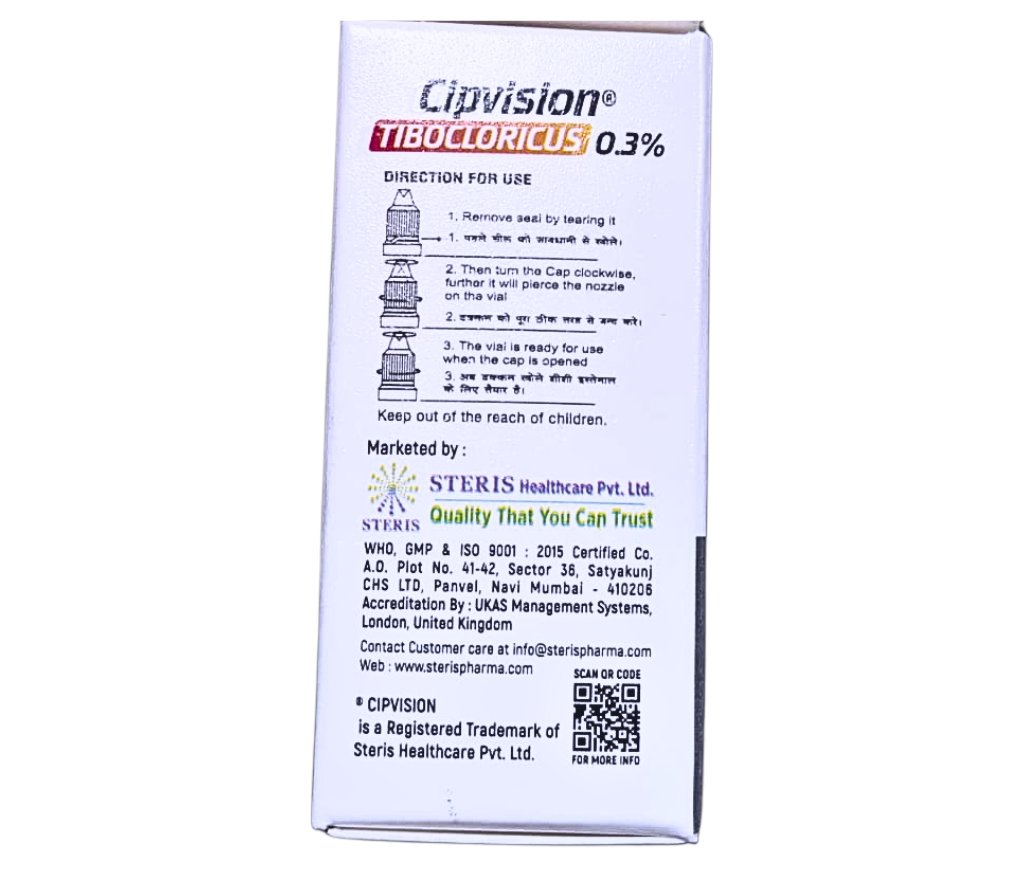
Manufactured By Steris Healthcare Pvt Ltd
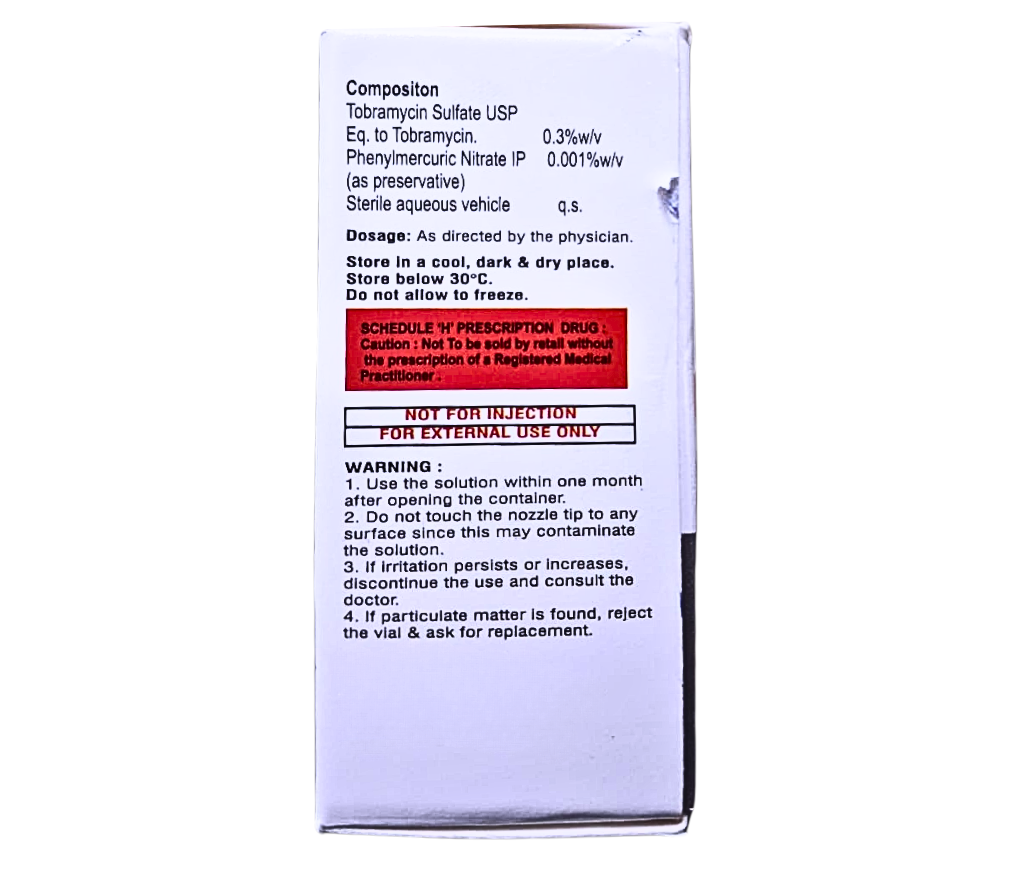
Composition Tobramycin Ophthalmic Solution USP
Rs 63.00
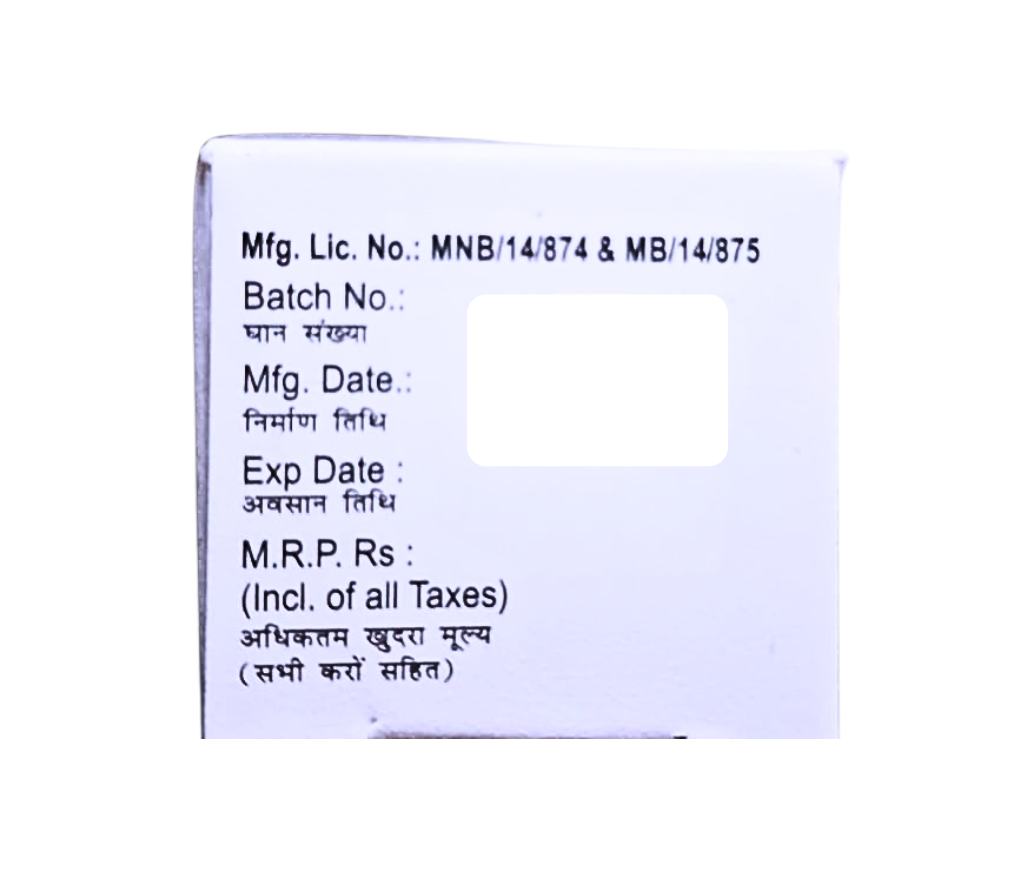
MRP Rs 90.00
(30% OFF)
Includes all taxes
Package SIZE
( For 5 ml )

100% Authentic
Products

Free
Shipping*

Products
Return Policy
Description:
Tobramycin Ophthalmic Solution USP is a prescription antibiotic eye drop used for the treatment of certain bacterial infections of the eye. It contains tobramycin, an aminoglycoside antibacterial medicine that works against susceptible bacteria responsible for ocular infections.
For patients, caregivers, pharmacies, and healthcare buyers searching for tobramycin ophthalmic solution USP, understanding the medicine's composition, indications, benefits, dosage, side effects, precautions, and purchasing considerations is important. Choosing an ophthalmic antibiotic based only on price or online recommendations is not advisable because different eye conditions—including viral, allergic, fungal, and non-infectious causes—can produce similar symptoms.
A commonly marketed formulation is tobramycin ophthalmic solution 0.3%, equivalent to 3 mg/mL of tobramycin. Current U.S. labeling describes this formulation as a sterile ophthalmic solution indicated for the treatment of external infections of the eye and its adnexa caused by susceptible bacteria.
What Is Tobramycin Ophthalmic Solution USP?
Tobramycin ophthalmic solution USP is a topical antibacterial medicine formulated specifically for application to the eye. Tobramycin belongs to the aminoglycoside class of antibiotics and has activity against various susceptible Gram-negative and Gram-positive organisms.
The commonly available 0.3% ophthalmic solution contains tobramycin 0.3%, equivalent to 3 mg/mL. The solution is supplied as a sterile ophthalmic preparation for topical use.
The term USP refers to the United States Pharmacopeia standards. For a pharmaceutical product, USP standards can address aspects such as identity, strength, quality, purity, and performance. Buyers should still check the individual manufacturer's label, registration information, batch number, and expiry date rather than assuming that every product with a similar name is identical.
Tobramycin works by interfering with bacterial protein synthesis, ultimately inhibiting the growth and survival of susceptible bacteria. Because antibiotic activity depends on the organism involved, tobramycin is not appropriate for every cause of eye redness or irritation.
Uses of Tobramycin Ophthalmic Solution USP
The primary use of tobramycin ophthalmic solution USP is treating susceptible external bacterial infections of the eye and its surrounding structures.
Depending on the diagnosis, an ophthalmologist may prescribe topical tobramycin for bacterial ocular conditions such as certain forms of bacterial conjunctivitis or infections involving the eyelids and ocular adnexa.
The product's labeled use is specifically directed toward infections caused by susceptible bacteria.
Potential treatment objectives include:
- Treating susceptible bacterial eye infections.
- Reducing bacterial load in the affected eye.
- Helping resolve infection-related redness, discharge, and irritation when these symptoms are caused by susceptible bacteria.
- Providing topical antibiotic therapy directly to the affected ocular surface.
It is important to distinguish bacterial eye infections from other conditions. Tobramycin does not treat viral or fungal eye infections, and using an antibiotic when it is not indicated can expose the patient to unnecessary medicine and may contribute to antimicrobial resistance.
If symptoms include severe eye pain, substantial light sensitivity, sudden vision changes, significant swelling, or injury, prompt professional assessment is more appropriate than self-treating with an antibiotic.
Key Benefits of Tobramycin Ophthalmic Solution
The main benefit of tobramycin ophthalmic solution USP is targeted antibacterial treatment for susceptible ocular infections.
Direct topical application
The medicine is applied directly to the affected eye, providing local antibiotic treatment for appropriate external ocular infections.
Broad activity against susceptible bacteria
Tobramycin has antibacterial activity against various organisms. However, the exact effectiveness depends on whether the bacteria causing the infection are susceptible to tobramycin.
Established ophthalmic antibiotic
Tobramycin ophthalmic solution has been used clinically as an ocular antibiotic for many years. Current product labeling continues to recognize its role in treating susceptible external ocular bacterial infections.
Convenient liquid formulation
The ophthalmic solution allows administration as measured drops, making it practical for outpatient treatment when prescribed.
May reduce infection-related symptoms
When redness, discharge, irritation, or discomfort are caused by susceptible bacteria, effective antibacterial treatment may help these symptoms improve as the infection resolves.
However, an important E-E-A-T consideration is that tobramycin should not be marketed as a universal eye-redness treatment. Its value depends on the correct diagnosis and bacterial susceptibility.
Dosage and How to Use Tobramycin Ophthalmic Solution
Dosage depends on the severity of the infection and the specific product.
For the commonly labeled tobramycin ophthalmic solution USP 0.3%, current prescribing information states that for mild-to-moderate disease, one or two drops should be instilled into the affected eye(s) every four hours. For severe infections, the labeled regimen is two drops hourly until improvement, followed by reduction of treatment before discontinuation.
These instructions are product-label information and should not replace an individual prescription. Your ophthalmologist may recommend a different schedule depending on the infection, age, medical history, and clinical response.
For safe administration:
- Wash your hands before using the eye drops.
- Check the bottle and solution before administration.
- Do not touch the dropper tip to your eye, eyelashes, eyelids, or fingers.
- Gently pull down the lower eyelid.
- Apply the prescribed number of drops.
- Close your eye gently after administration.
- Replace the cap securely.
If you use other eye medicines, ask your doctor or pharmacist about appropriate spacing between products.
Do not use more drops than prescribed. If you miss a dose, follow the instructions supplied with your prescription rather than doubling the next dose.
Side Effects of Tobramycin Ophthalmic Solution USP
Like other medicines, tobramycin ophthalmic solution USP can cause adverse reactions.
The current product label reports the most frequent reactions as hypersensitivity and localized ocular toxicity, including eyelid itching, eyelid swelling, and conjunctival redness. These reactions occurred in fewer than three out of 100 patients in the cited product information.
Possible ocular side effects may include:
- Eye irritation.
- Redness.
- Itching.
- Eyelid swelling.
- Temporary discomfort or burning.
- Increased tearing.
- Other signs of localized sensitivity.
Some patients may experience an allergic reaction to topical aminoglycosides. If significant swelling, severe redness, breathing difficulty, or other symptoms of a serious allergic reaction occur, seek immediate medical attention.
The risk of adverse effects may be more relevant with prolonged or inappropriate use. Do not continue an antibiotic eye drop beyond the prescribed course without medical advice.
Precautions and Warnings
Before using tobramycin ophthalmic solution USP, tell your healthcare professional if you have previously experienced an allergic reaction to tobramycin or another aminoglycoside antibiotic.
Avoid contaminating the bottle. The dropper tip should never touch the eye or another surface because contamination can introduce microorganisms into the medicine.
Prolonged use of topical antibiotics can permit overgrowth of nonsusceptible organisms, including fungi. If the infection does not improve or becomes worse, the diagnosis and treatment should be reassessed rather than simply extending antibiotic treatment. The product labeling also emphasizes monitoring when topical ocular tobramycin is used together with systemic aminoglycosides because total systemic exposure may require consideration.
Tell your doctor about other medicines you are taking, especially other aminoglycoside antibiotics.
Pregnant or breastfeeding patients should discuss tobramycin use with their healthcare professional before treatment.
Pediatric use also requires appropriate medical supervision. Current labeling for one 0.3% formulation states that safety and effectiveness have not been established in infants younger than two months.
Buying Tobramycin Ophthalmic Solution USP Online
If your search intent is to buy tobramycin ophthalmic solution USP, product quality and pharmacy authenticity should be prioritized over the lowest advertised price.
Before purchasing, verify:
- Active ingredient: Tobramycin.
- Strength: Commonly 0.3%, but confirm the exact label.
- Dosage form: sterile ophthalmic solution.
- Manufacturer and regulatory information.
- Batch or lot number.
- Manufacturing and expiry dates.
- Bottle seal and packaging integrity.
- Storage requirements.
- Prescription requirements in your location.
A legitimate pharmacy or authorized pharmaceutical supplier should provide clearly labeled medicine with traceable product information.
Avoid products with missing expiry dates, damaged packaging, unclear manufacturer information, suspiciously low pricing, or uncertain storage history.
Buyers should also distinguish tobramycin ophthalmic solution from tobramycin products intended for other routes of administration. Tobramycin is available in different formulations, and an inhalation or injectable product must never be substituted for an ophthalmic preparation. Current DailyMed information, for example, separately identifies tobramycin inhalation solution as a product for oral inhalation, illustrating why the dosage form and route must be verified carefully.
Conclusion
Tobramycin ophthalmic solution USP is an established topical aminoglycoside antibiotic used for susceptible external bacterial infections of the eye and its adnexa. A commonly labeled 0.3% formulation contains 3 mg/mL of tobramycin and is administered according to the severity of the infection and the prescribing professional's instructions.
Its key benefit is antibacterial treatment delivered directly to the affected eye. However, it is not suitable for every red or irritated eye because symptoms can result from allergies, viruses, trauma, dry eye, or other ocular diseases.
For buyers, the safest approach is to verify the active ingredient, strength, dosage form, manufacturer, batch information, expiry date, packaging, and storage requirements, and to purchase from a legitimate pharmacy. Because inappropriate antibiotic use can cause adverse reactions and contribute to resistance, tobramycin should be used only when clinically appropriate.
Frequently Asked Questions
1. What is Tobramycin Ophthalmic Solution USP used for?
It is used to treat certain external bacterial infections of the eye and its adnexa caused by susceptible bacteria.
2. Is tobramycin ophthalmic solution an antibiotic?
Yes. Tobramycin is an aminoglycoside antibiotic that works against susceptible bacteria.
3. What is the common strength of tobramycin ophthalmic solution USP?
A commonly marketed ophthalmic formulation is 0.3%, equivalent to 3 mg/mL of tobramycin. Always verify the strength printed on your specific product.
4. How often should tobramycin eye drops be used?
For the commonly labeled 0.3% formulation, mild-to-moderate infections may be treated with one or two drops every four hours, while severe infections may initially require more frequent administration. The exact schedule should be determined by your healthcare professional.
5. What are the side effects of tobramycin ophthalmic solution?
Possible side effects include eye redness, eyelid itching, eyelid swelling, irritation, and hypersensitivity reactions. The labeled product information reports localized ocular toxicity and hypersensitivity among the most frequent adverse reactions.
6. Can tobramycin eye drops treat viral conjunctivitis?
No. Tobramycin is an antibacterial medicine and does not treat viral infections. A healthcare professional should determine the cause of conjunctivitis before antibiotic treatment is started.
7. Can I use tobramycin eye drops for any red eye?
No. Redness can have many causes, including allergy, dry eye, viral infection, injury, and bacterial infection. Tobramycin should be used when a bacterial infection is diagnosed or considered clinically appropriate.
8. Can I buy Tobramycin Ophthalmic Solution USP online?
Where legally permitted, it should be purchased through a legitimate pharmacy or authorized supplier. Check the product's strength, manufacturer, batch number, expiry date, packaging, and storage requirements before use.
9. What should I do if tobramycin eye drops make my eye more irritated?
Mild temporary irritation can occur, but significant or worsening redness, swelling, pain, vision changes, or symptoms of an allergic reaction require prompt medical assessment.
10. Can tobramycin ophthalmic solution be used with other eye drops?
It may be used with other ophthalmic medicines when prescribed. Ask your pharmacist or ophthalmologist about the appropriate order and spacing between different eye drops.
11. Can children use tobramycin ophthalmic solution?
Children may receive tobramycin when a healthcare professional determines that it is appropriate. However, safety and effectiveness have not been established for infants younger than two months for the referenced 0.3% product.
12. Is tobramycin ophthalmic solution safe for long-term use?
It should not be used longer than prescribed. Prolonged topical antibiotic use can encourage growth of organisms that are not susceptible to the medicine, including fungi. Persistent symptoms should be reassessed by an eye-care professional rather than treated with an extended antibiotic course.

