


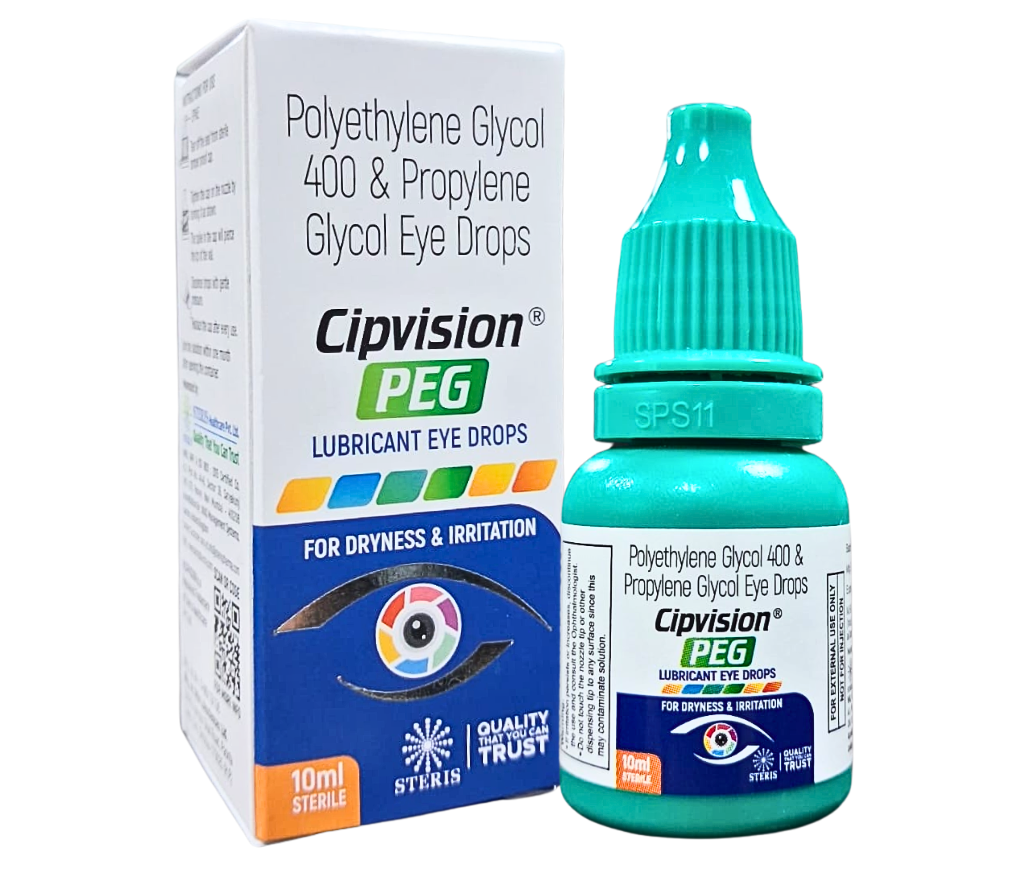
CIPVISION PEG
 Item requires a valid prescription
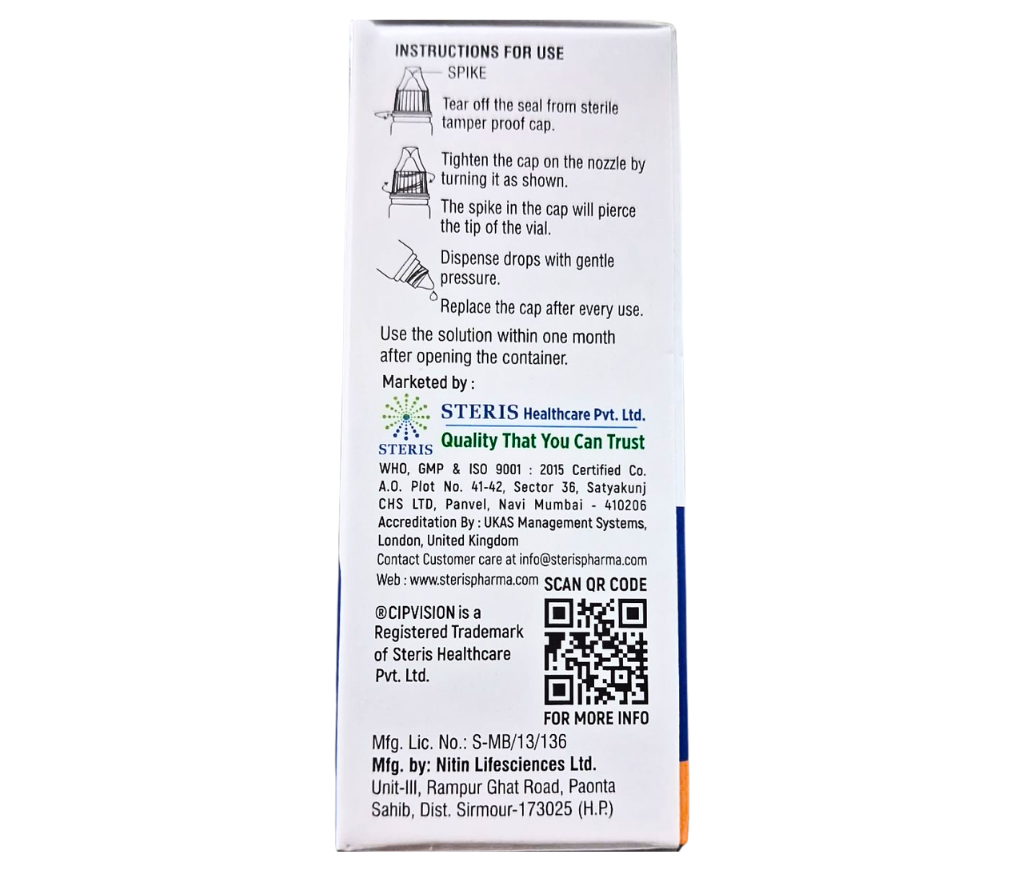
Manufactured By Steris Healthcare Pvt Ltd
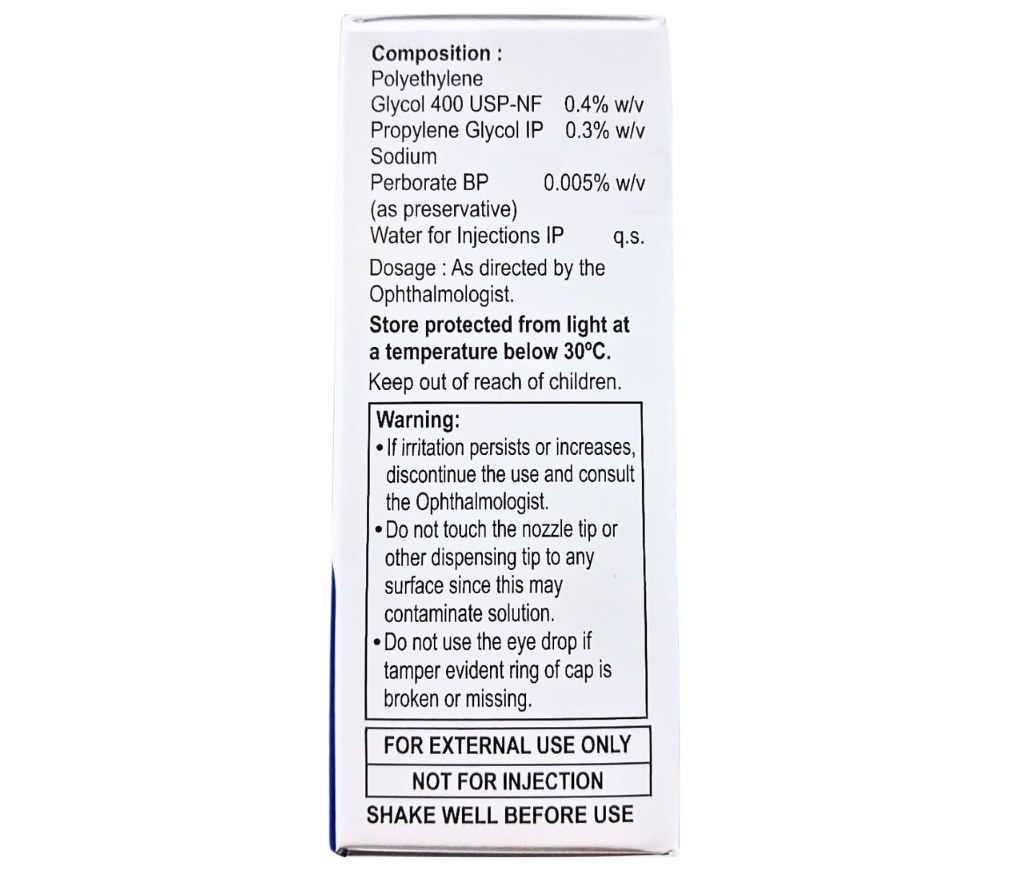
Composition Polyethylene Glycol 400 & Propylene Glycol Eye Drops
Rs 265.30
MRP Rs 379.00
(30% OFF)
Includes all taxes
Package SIZE
( For 10 ml )

100% Authentic
Products

Free
Shipping*

Products
Return Policy
Description:
Dry eyes can make everyday activities uncomfortable, like reading, driving, using electronic devices, and working in air-conditioned environments. Polyethylene Glycol 400 and Propylene Glycol Eye Drops are A combination artificial tear solution formulated to provide temporary relief from burning, irritation, and discomfort associated with dry eyes. These artificial tear eye drops help to restore the natural tear film and provide effective relief for dry eye symptoms caused by environmental factors, aging or decreased tear production.
Product Information
Brand name: CIPVISION PEG (STERIS HEALTHCARE PVT LTD)
Composition Name: Polyethylene Glycol 400 & Propylene Glycol Eye Drops
Pack size: For 10 ml
Marketed By: Steris Healthcare Pvt Ltd
Regulatory standard: WHO-GMP certified
Schedule: Valid Prescription Required (prescription only) please create in this manner.
What Are Polyethylene Glycol 400 and Propylene Glycol Eye Drops?
Ophthalmic solutions that lubricate the eye, such as Polyethylene Glycol 400 and Propylene Glycol Eye Drops, are commonly used to ease dry eye symptoms. They act as artificial tears to hydrate the surface of the eye and stabilize the tear film helping to reduce irritation and discomfort.
The composition includes:
- Polyethylene Glycol 400 – lubricant that works to keep moisture on the surface of the eye and reduces the friction when blinking.
- Propylene Glycol – An eye lubricant that hydrates the eyes and protects the corneal surface from dryness and irritation.
Together, these ingredients offer effective lubrication and reduce overall eye discomfort for those with occasional or chronic dry eye symptoms.
How Do Polyethylene Glycol 400 and Propylene Glycol Eye Drops Work?
These eye drops are designed to supplement the natural tear film and reduce moisture loss from the eye surface.
Polyethylene Glycol 400 Helps By:
- Retaining moisture on the eye surface
- Reducing friction during blinking
- Supporting tear film stability
- Providing prolonged lubrication
Propylene Glycol Helps By:
- Hydrating dry eyes
- Protecting the corneal surface
- Reducing irritation and burning
- Supporting healthy ocular lubrication
Together, they create a protective, lubricating layer that helps relieve dryness and improve eye comfort throughout the day.
Polyethylene Glycol 400 And Propylene Glycol Eye Drops Uses
Healthcare professionals commonly recommend Polyethylene Glycol 400 and Propylene Glycol Eye Drops for:
- Dry eye syndrome
- Eye irritation
- Burning or stinging sensations
- Gritty or sandy feeling in the eyes
- Computer vision syndrome
- Eye dryness caused by prolonged screen use
- Environmental dryness from air conditioning, wind, or dust
- Age-related tear deficiency
- Mild discomfort following certain eye procedures, when recommended by an eye care professional
These eye drops are intended for symptomatic relief and should be used according to your healthcare provider's advice or product labeling.
Key Benefits
These lubricating eye drops offer several important benefits:
- Long-lasting eye lubrication
- Fast relief from dry eye symptoms
- Helps reduce burning and irritation
- Supports a stable tear film
- Protects the corneal surface
- Improves comfort during blinking
- Easy-to-use sterile ophthalmic solution
- Suitable for routine dry eye management
- Helps maintain healthy eye moisture
Side Effects
Like all ophthalmic medicines, Polyethylene Glycol 400 and Propylene Glycol Eye Drops may cause side effects, although many users tolerate them well.
Common Side Effects
- Temporary blurred vision
- Mild eye irritation
- Burning or stinging immediately after application
- Watery eyes
- Sticky feeling for a short period
Precautions Before Using
Before using these eye drops, inform your healthcare provider if you have:
- Eye infections
- Recent eye surgery
- Eye injuries
- Contact lens use
- Chronic eye disorders
- Allergies to ophthalmic medications
- Pregnancy or breastfeeding
Do not use the eye drops if the solution appears cloudy, discolored, or if the seal has been broken before first use.
Frequently Asked Questions
1. What are Polyethylene Glycol 400 and Propylene Glycol Eye Drops used for?
They are used to relieve dry eyes, burning, irritation, and discomfort by lubricating the eye surface and supporting the natural tear film.
2. How do Polyethylene Glycol 400 and Propylene Glycol Eye Drops work?
They provide moisture, reduce friction during blinking, and help stabilize the tear film to relieve dry eye symptoms.
3. Can I use these eye drops every day?
Yes. They are commonly used for daily dry eye management when used according to the product instructions or your healthcare provider's recommendations.
4. Are these eye drops safe for long-term use?
Many people use lubricating eye drops for long-term symptom relief. If your symptoms persist, consult an eye care professional for further evaluation.
5. Can I use these eye drops with contact lenses?
Some formulations are compatible with contact lenses, while others require lens removal before use. Always read the product label or consult your eye care professional.
6. Why is my vision blurry after using the eye drops?
Temporary blurred vision may occur immediately after application and usually clears within a few minutes.
7. Can children use Polyethylene Glycol 400 and Propylene Glycol Eye Drops?
Some products may be suitable for children under medical supervision. Follow the guidance of a healthcare professional.
8. Can these eye drops be used after eye surgery?
They may be recommended after certain eye procedures to improve lubrication. Use them only as directed by your ophthalmologist.
9. What should I do if I miss an application?
Apply the eye drops when needed or according to your prescribed schedule. Do not use extra drops to compensate for a missed application.
10. Can I use multiple eye medications together?
Yes, if prescribed. Wait at least 5–10 minutes between different eye medications to ensure proper absorption.