



Cipvision onlyax Dexa
 Item requires a valid prescription
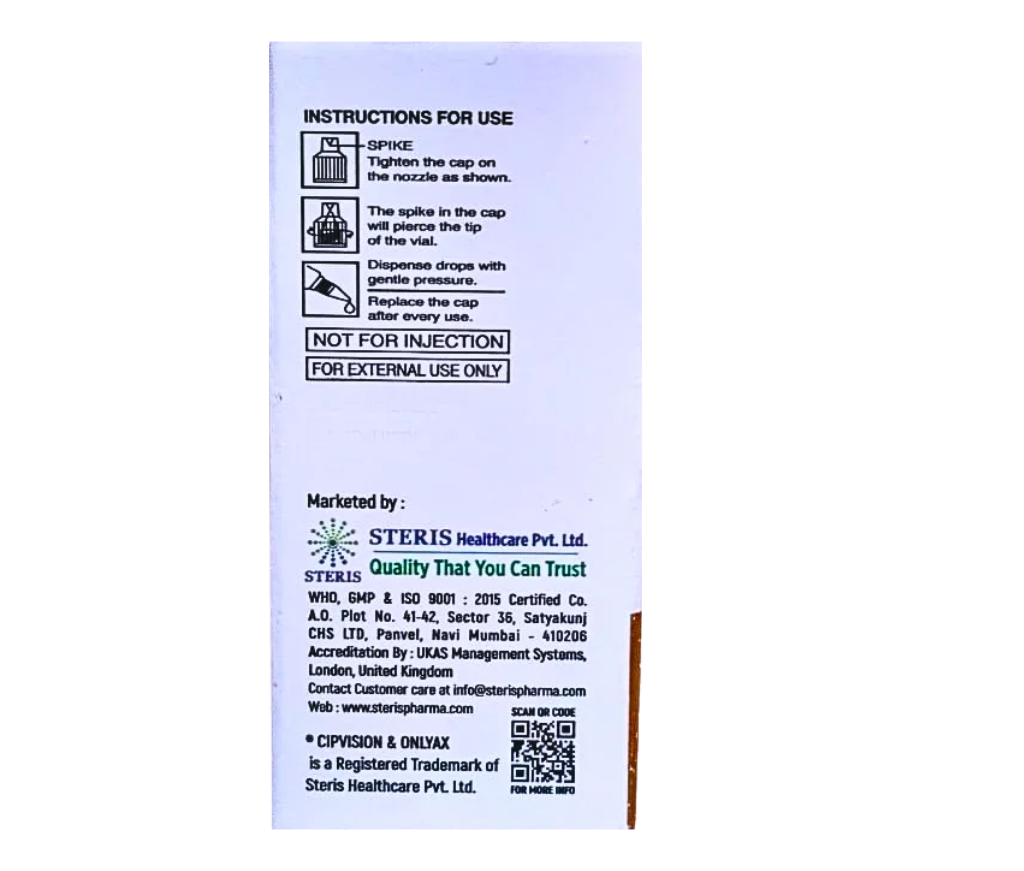
Manufactured By Steris Healthcare Pvt. Ltd.
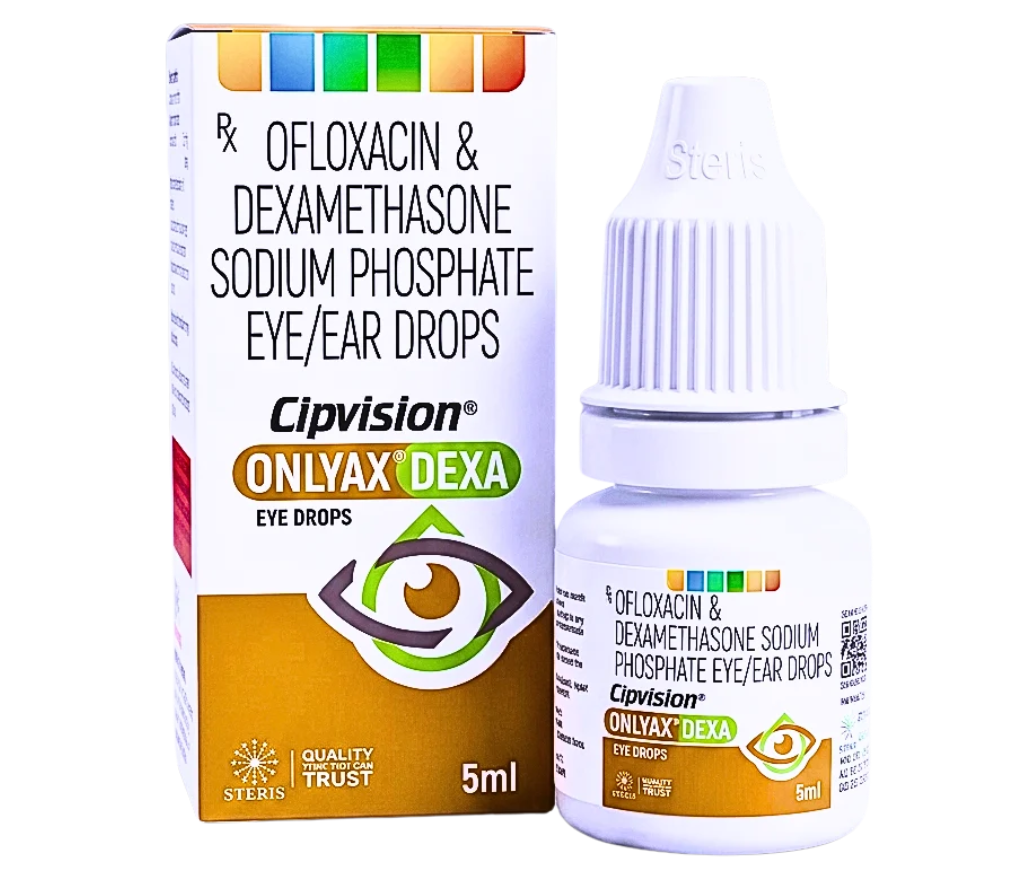
Composition ofloxacin & dexamethasoneone sodium phosphate eye/ear
Rs 35.00
MRP Rs 50.00
(30% OFF)
Includes all taxes

100% Authentic
Products

Free
Shipping*

Products
Return Policy
Description:
Ofloxacin and Dexamethasone Sodium Phosphate is a prescription combination of an antibiotic and a corticosteroid, commonly supplied as sterile eye/ear drops. Ofloxacin kills the bacteria causing the infection, and Dexamethasone reduces the redness, swelling, pain and irritation that come with it. It is used for bacterial infections of the eye or ear where inflammation is also present. It must be used only on a doctor’s prescription, for the shortest time needed, and never for viral or fungal infections.
What Is Ofloxacin and Dexamethasone Sodium Phosphate?
This is a fixed-dose combination (FDC) of two active ingredients that work together:
- Ofloxacin is a broad-spectrum fluoroquinolone antibiotic that acts against many Gram-positive and Gram-negative bacteria.
- Dexamethasone Sodium Phosphate is a potent corticosteroid that reduces inflammation and allergic response.
Infections often cause both a bacterial problem and an inflammatory one. Treating only the bacteria may leave pain and swelling behind. Treating only inflammation can let the infection worsen. The combination handles both with one product.
| Detail | Information |
|---|---|
| Product name | Ofloxacin and Dexamethasone Sodium Phosphate |
| Common dosage form | Sterile eye/ear drops (solution) |
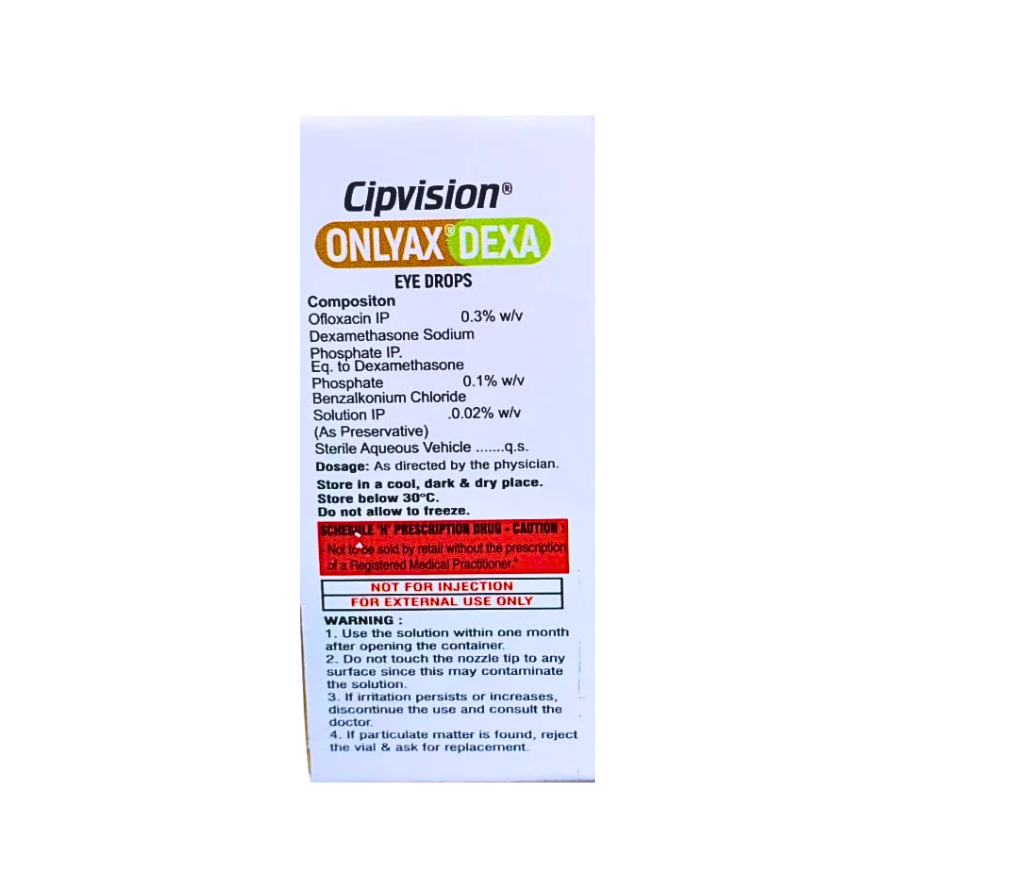
| Typical strength | Ofloxacin 0.3% w/v + Dexamethasone Sodium Phosphate 0.1% w/v (strength varies by brand) |
| Drug classes | Fluoroquinolone antibiotic + Corticosteroid |
| Therapeutic category | Anti-infective with anti-inflammatory (Ophthalmic/Otic) |
| Product type | Prescription (Rx) only |
| Route | Topical (into the eye or ear, as labelled) |
How Does It Work?
Ofloxacin: the antibacterial action
Ofloxacin blocks bacterial DNA gyrase and topoisomerase IV, enzymes bacteria need to copy their DNA and multiply. Without them, the bacteria cannot survive. Applied directly as a drop, it reaches high local concentrations at the site of infection with very little reaching the rest of the body.
Dexamethasone sodium phosphate: the anti-inflammatory action
Dexamethasone suppresses the chemicals and immune responses behind redness, swelling, itching and pain. It relieves discomfort quickly and helps protect delicate tissue from inflammation-related damage.
Why the combination helps
- Ofloxacin treats the cause (bacteria).
- Dexamethasone treats the symptoms and tissue reaction (inflammation).
- One bottle replaces two separate products, which supports convenience and adherence.
Uses of Ofloxacin and Dexamethasone Sodium Phosphate
A doctor may prescribe it for the following, depending on whether it is the eye or ear product:
Eye uses
- Bacterial conjunctivitis with significant inflammation
- Blepharitis (inflammation of the eyelid margins) with bacterial involvement
- Bacterial keratoconjunctivitis under specialist supervision
- After eye surgery (such as cataract surgery) where infection prevention and inflammation control are both needed, as decided by the eye surgeon
- Eye injuries or inflammation with suspected or confirmed bacterial infection, under medical advice
Ear uses
- Otitis externa (swimmer’s ear) with swelling and pain
- Otitis media with a perforated eardrum or ear tubes, only if the labelled product and your doctor allow it
Key Benefits of Ofloxacin and Dexamethasone Sodium Phosphate
1. Treats infection and inflammation together
The antibiotic clears the bacteria while the steroid calms redness, swelling and pain, often giving faster comfort than an antibiotic alone.
2. Broad antibacterial coverage
Ofloxacin is active against many common eye and ear pathogens, including organisms such as Staphylococcus, Streptococcus, Pseudomonas and Haemophilus.
3. Good local penetration
Drops deliver the medicine directly where it is needed, so the drug concentration at the infection site is high and systemic exposure is low.
4. Convenience of one product
A single bottle simplifies the routine, which can reduce missed doses and improve treatment completion.
5. Useful after eye procedures
Surgeons may choose it when both infection control and inflammation control are required in the healing period.
6. Short, targeted course
It is designed for short-term use. A typical course is brief, which limits steroid exposure when used as directed.
How to Use the Drops Correctly
- Wash your hands before and after use.
- Do not touch the dropper tip to the eye, ear, fingers or any surface, to avoid contamination.
- Eye drops: tilt the head back, pull down the lower eyelid to form a small pocket, instil the prescribed drops, close the eye gently, and press lightly on the inner corner for about a minute to limit drainage.
- Ear drops: lie on your side with the affected ear up, instil the drops, and stay in position for a few minutes. Gently warming the bottle in your hand first can reduce dizziness.
- Remove contact lenses before eye use. Do not wear them during the infection unless your doctor allows it.
- If you use other eye drops, wait at least 5 to 10 minutes between products.
- Complete the course prescribed by your doctor, but do not use it for longer than advised.
- Shake the bottle only if the label tells you to.
- Discard the bottle after the period stated on the label once opened (commonly about 28 days).
Side Effects of Ofloxacin and Dexamethasone Sodium Phosphate
Common side effects (eye)
- Temporary burning, stinging or irritation on application
- Mild redness or watering
- Temporary blurred vision
- Eye discomfort or a feeling of something in the eye
Common side effects (ear)
- Itching or mild irritation in the ear
- Dizziness (especially if drops are cold)
- Altered taste after instillation (if the eardrum is perforated)
- Mild earache
Serious side effects (stop and contact your doctor)
- Increased eye pressure (glaucoma risk) with prolonged steroid use, which can damage the optic nerve
- Cataract formation (posterior subcapsular) with long-term use
- Delayed wound healing or corneal thinning
- Worsening or new infection, including fungal or viral infection, because steroids can mask or promote it
- Allergic reaction: swelling of eyelids, face or lips, rash, itching, or breathing difficulty
- No improvement or worsening symptoms after 2 to 3 days
- Severe eye pain, sudden vision changes, or discharge that increases
Precautions and Who Should Avoid It
Do not use if you have:
- A viral infection of the eye (such as herpes simplex keratitis, chickenpox or vaccinia)
- A fungal or mycobacterial eye or ear infection
- Known allergy to ofloxacin, other quinolones, dexamethasone or any ingredient
- An undiagnosed red eye or unexplained ear discharge (see a doctor first)
Use with caution and only under medical advice if you:
- Have glaucoma or a family history of raised eye pressure
- Have thin cornea or corneal ulcers
- Have diabetes, since steroids can affect healing and infection risk
- Are pregnant, planning pregnancy or breastfeeding. Your doctor will weigh risks and benefits.
- Are treating a child. Age suitability depends on the product (eye or ear) and must be confirmed by a doctor.
- Have a history of tendon problems with quinolone antibiotics. Risk with drops is low but your doctor should know.
- Have been using other steroid medicines for a long time
Other points
- Do not share the bottle with anyone, even family members with similar symptoms.
- Do not self-prescribe or reuse leftover drops for a new episode.
- Prolonged use may cause overgrowth of non-susceptible organisms.
- Avoid driving or operating machinery if your vision is blurred after use.
Antibiotic Stewardship and Good Practice
Using antibiotics only when needed protects their future effectiveness. Do not stop early because you feel better, and do not restart old bottles. If symptoms do not improve within a few days, your doctor may change the treatment or take a swab to identify the cause.
Buying Guide: How to Purchase Safely
- A valid prescription is mandatory. Reputable pharmacies, online or offline, will ask for it because this product contains both an antibiotic and a steroid.
- Confirm the product type. Check whether the pack is for eye, ear or both, and match the strength your doctor prescribed (for example, Ofloxacin 0.3% + Dexamethasone Sodium Phosphate 0.1%).
- Buy from licensed pharmacies with a verifiable drug licence and registered pharmacist.
- Read the label for brand name, composition, batch number, manufacturing and expiry dates, and manufacturer address.
- Prefer manufacturers with quality certifications such as WHO-GMP and ISO, especially for sterile products.
- Inspect the pack. Look for an intact seal, clear printing, and no leakage or cloudiness in the solution.
- Check pack size and in-use shelf life. Opened drops should be discarded as per the label, even if some remains.
- Compare value properly. Look at cost per millilitre and quality standards, not just the lowest price. Price varies by brand, pack size and seller.
- Avoid unverified sellers and deep discounts, which raise the risk of counterfeit or contaminated sterile products.
- Confirm current availability and pricing with your pharmacist or the manufacturer’s authorised distributor, as these can change.
- For bulk, institutional or distributor enquiries, contact the company through its official channels for current stock and terms.
Why Trust This Information?
This guide summarises the established pharmacology, labelled uses and safety considerations of ofloxacin and dexamethasone sodium phosphate as described in standard drug references and product information. It is written for educational purposes and should be reviewed by a qualified medical professional, ideally an ophthalmologist or ENT specialist, before publishing.
Conclusion
Ofloxacin and Dexamethasone Sodium Phosphate drops combine a proven antibiotic with a powerful anti-inflammatory steroid to treat bacterial infections of the eye or ear that come with swelling, redness and pain. Ofloxacin clears the bacteria, while dexamethasone brings fast relief from inflammation, all in one convenient product. Safe use matters as much as the medicine itself: use it only with a prescription, keep the course short, avoid it in viral or fungal infections, keep the dropper clean, and never share or reuse the bottle. Prolonged steroid exposure can raise eye pressure and harm vision, so follow-up with your doctor is important if treatment continues. When buying, choose licensed pharmacies, match the exact product and strength, and check batch and expiry details. If symptoms worsen or do not improve within a few days, see your doctor promptly.
Frequently Asked Questions
1. What is Ofloxacin and Dexamethasone Sodium Phosphate used for?
It is used to treat bacterial infections of the eye or ear that also involve inflammation, such as bacterial conjunctivitis, blepharitis and otitis externa, as prescribed by a doctor.
2. How does Ofloxacin and Dexamethasone work?
Ofloxacin kills bacteria by blocking enzymes they need to multiply, while dexamethasone reduces redness, swelling and pain.
3. Are these drops for the eye, the ear, or both?
It depends on the brand. Many products are labelled for both, but always check your pack and your doctor’s instructions.
4. Is a prescription required to buy it?
Yes. It contains an antibiotic and a steroid and should be bought only with a valid prescription from a licensed pharmacy.
5. How many days can I use Ofloxacin and Dexamethasone drops?
Use only for the duration your doctor prescribes, usually a short course of about 5 to 7 days. Longer use needs medical monitoring.
6. What are the common side effects?
Common effects include temporary burning or stinging, mild irritation, watering, blurred vision, and, in the ear, itching or dizziness.
7. Can long-term use of these drops cause glaucoma?
Yes. Prolonged steroid use can raise eye pressure and may lead to glaucoma or cataract, so never use it longer than advised.
8. Can I use these drops for viral conjunctivitis or pink eye?
No. Antibiotics do not work on viruses, and steroids can worsen some viral infections. See a doctor to find the cause.
9. Can I wear contact lenses while using these drops?
Remove lenses before using the drops and avoid wearing them during the infection unless your doctor says otherwise.
10. Is it safe during pregnancy and breastfeeding?
Use only if your doctor decides the benefit outweighs the risk. Always consult your doctor first.
11. Can children use Ofloxacin and Dexamethasone drops?
Only under a doctor’s advice, as age suitability depends on the product and whether it is for eye or ear use.
12. What should I do if I miss a dose?
Use it as soon as you remember. If it is almost time for the next dose, skip the missed one. Do not double up.
13. How soon will I feel better?
Many people notice relief within 24 to 48 hours. If there is no improvement in 2 to 3 days or symptoms worsen, contact your doctor.
14. Can I use it with other eye drops?
Yes, if your doctor approves. Leave a gap of at least 5 to 10 minutes between different drops.
15. How should I store the drops?
Store in a cool, dry place away from sunlight with the cap closed, and discard the bottle after the period stated on the label once opened.
16. Can I share my bottle with a family member who has similar symptoms?
No. Sharing can spread infection, and they may need a different diagnosis or treatment.
17. Can I use leftover drops from an old prescription?
No. Leftover or expired drops may be contaminated or wrong for a new problem. Get a fresh diagnosis and prescription.
18. Can I use these drops if I have a perforated eardrum?
Only if the product is labelled for ear use and your doctor approves. Do not use any ear drops with a perforation without medical advice.
19. What is the difference between Ofloxacin alone and Ofloxacin with Dexamethasone?
Ofloxacin alone only treats the bacterial infection. The combination also reduces inflammation, pain and swelling, but needs closer medical supervision because of the steroid.
20. How can I identify a genuine product when buying online?
Buy from licensed pharmacies, check the manufacturer details, batch number and expiry date, inspect the seal, and be cautious of sellers who do not ask for a prescription or offer unusually low prices.

