


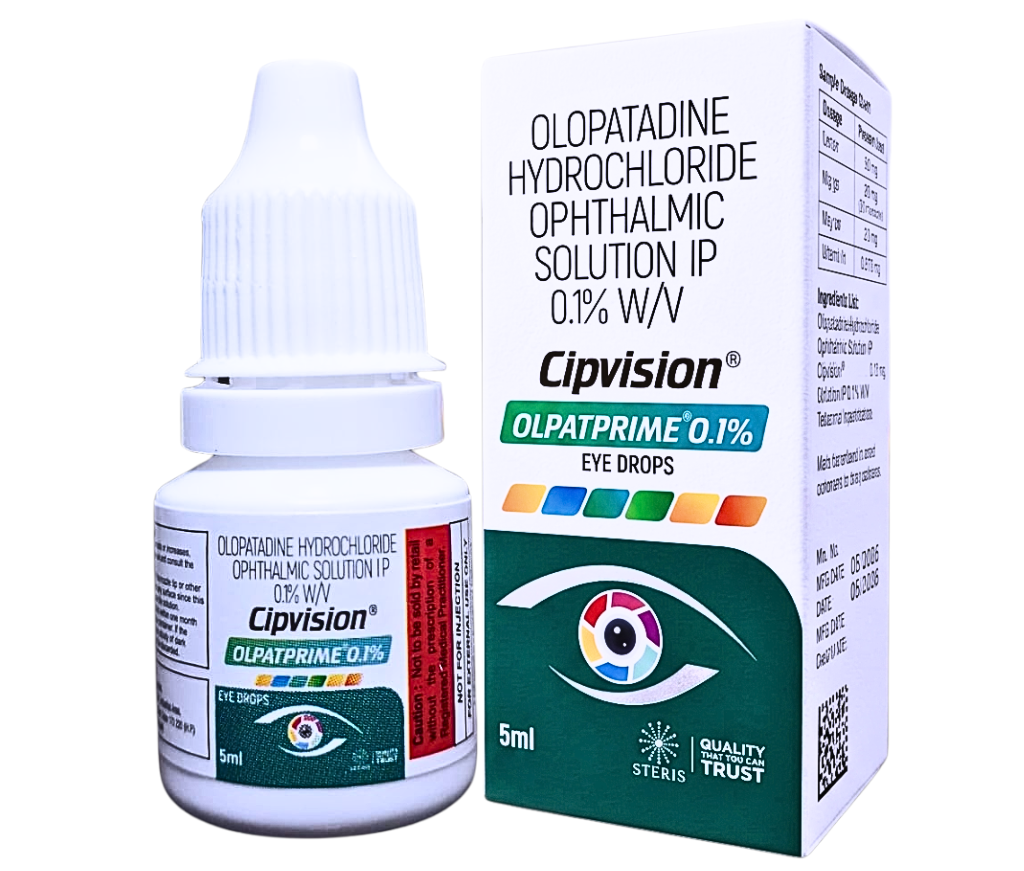
CIPVISION OLPATPRIME 0.1%
 Item requires a valid prescription
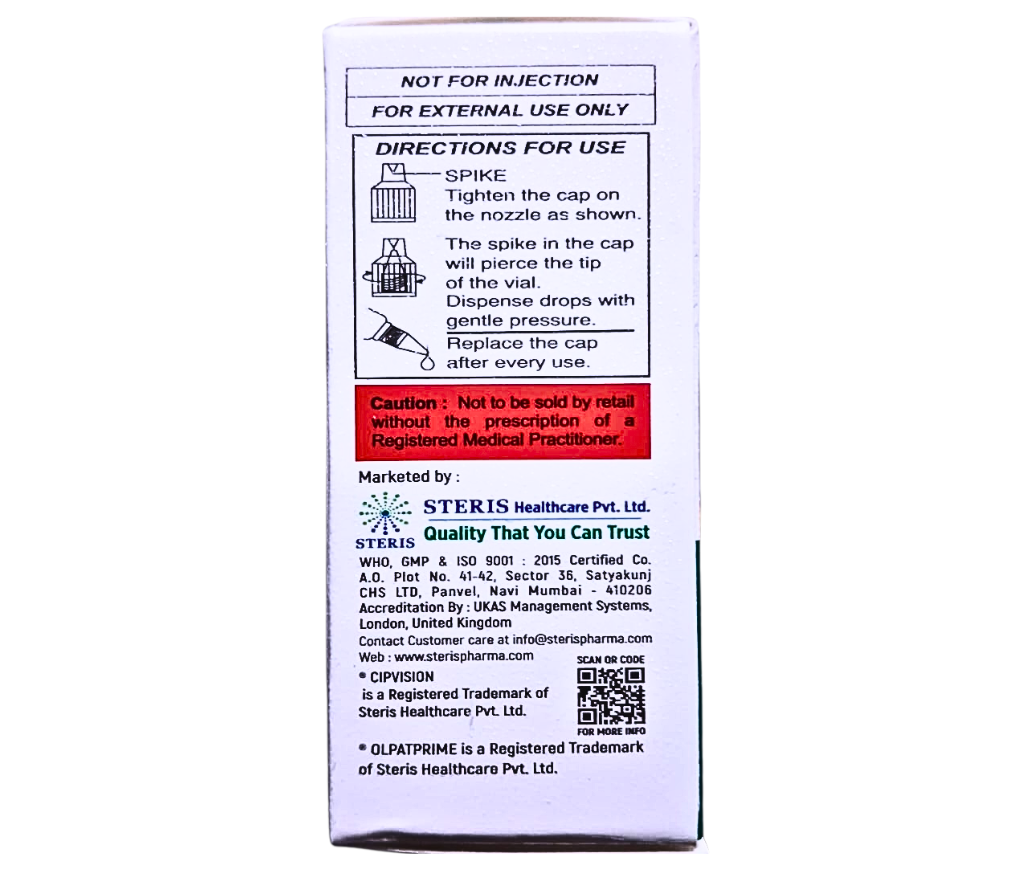
Manufactured By Steris Healthcare Pvt Ltd
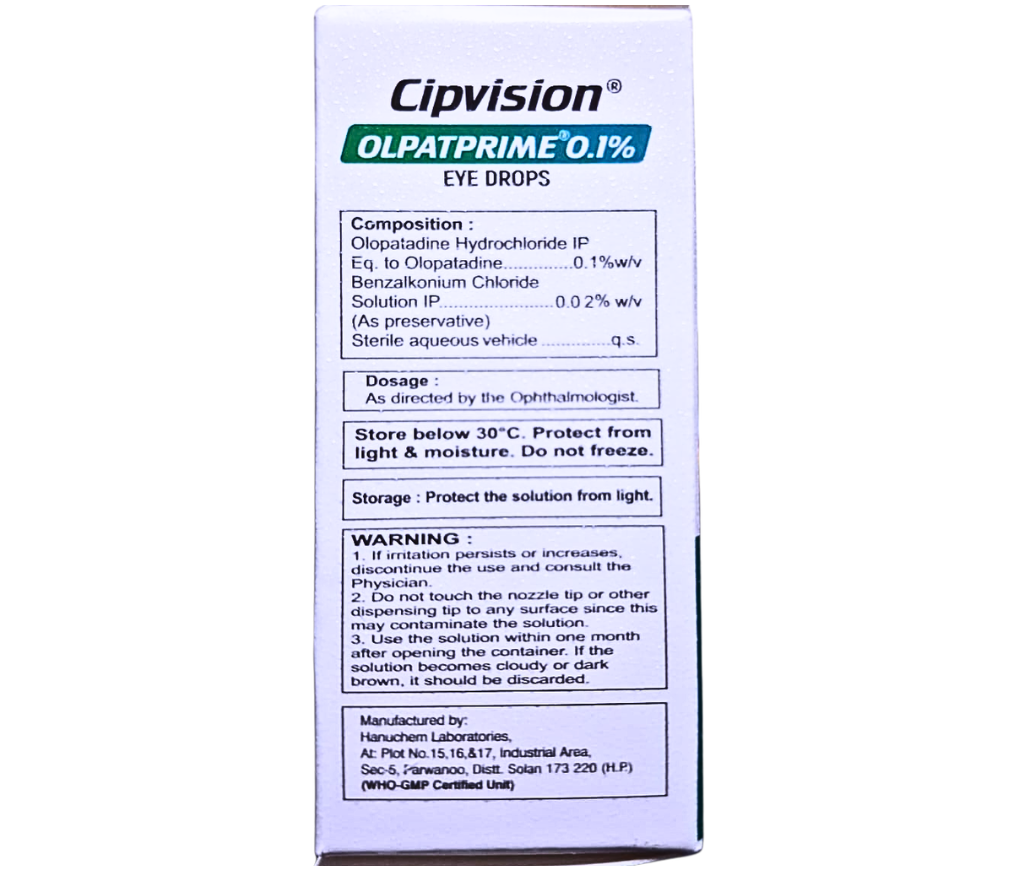
Composition Olopatadine Hydrochloride Ophthalmic Solution IP 0.1% W/V
Rs 98.00
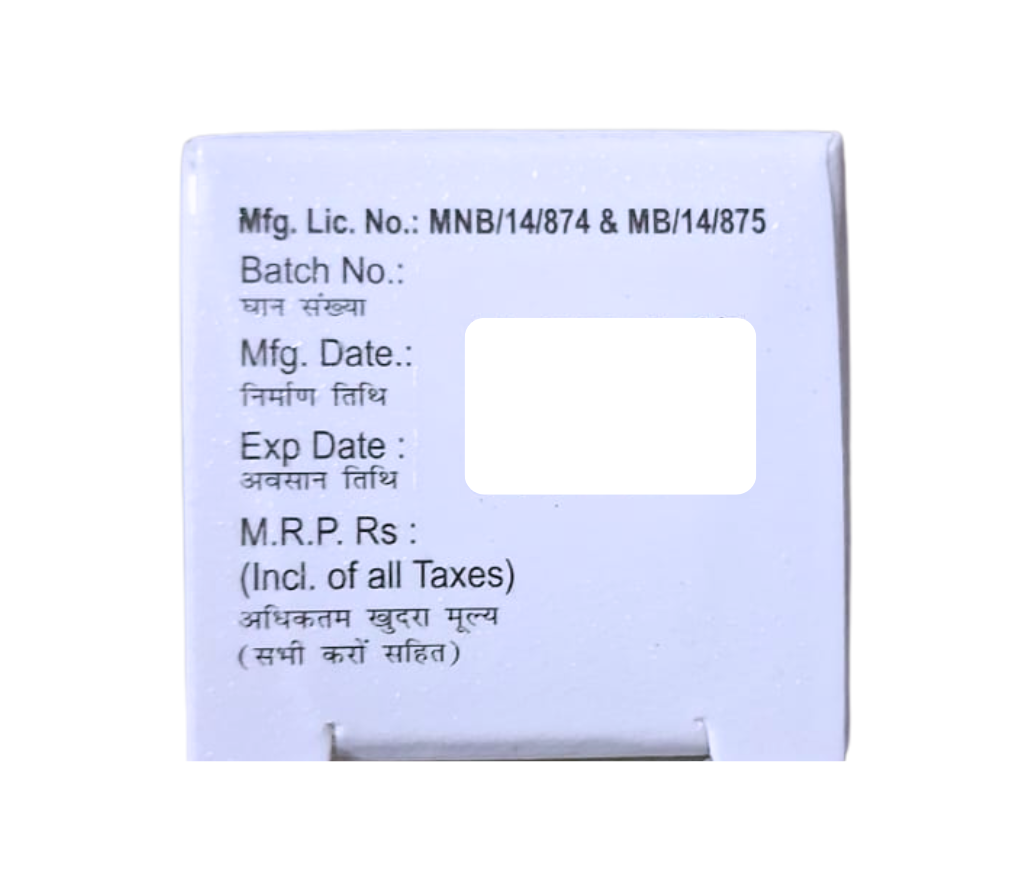
MRP Rs 140.00
(30% OFF)
Includes all taxes
Package SIZE
( For 5 ml )

100% Authentic
Products

Free
Shipping*

Products
Return Policy
Description:
Olopatadine hydrochloride ophthalmic solution IP is a topical antihistamine eye medicine used to relieve symptoms associated with allergic eye conditions, particularly itching and redness caused by exposure to allergens. Olopatadine works primarily by blocking histamine activity and stabilizing mast cells, helping reduce the allergic response on the ocular surface.
For patients, caregivers, pharmacies, and healthcare buyers searching for olopatadine hydrochloride ophthalmic solution IP, understanding its active ingredient, indications, benefits, dosage, side effects, precautions, and purchasing considerations is important. The medicine is intended for use in the eye and should be selected according to the patient's symptoms, age, medical history, and the exact strength and formulation.
Recent official U.S. labeling shows that olopatadine ophthalmic solutions are available in different strengths, including 0.1%, 0.2%, and 0.7%, with dosing schedules that vary by formulation. For example, current labeling for a 0.1% product recommends one drop in the affected eye(s) twice daily, while a 0.7% product is labeled for once-daily use in adults and children aged 2 years and older.
What Is Olopatadine Hydrochloride Ophthalmic Solution IP?
Olopatadine hydrochloride ophthalmic solution IP contains olopatadine hydrochloride as the active pharmaceutical ingredient and is formulated as a sterile solution for topical ophthalmic use.
Olopatadine is an antihistamine and mast-cell stabilizer. Histamine is one of the major chemical mediators involved in allergic reactions. When allergens such as pollen, grass, ragweed, animal hair, or dander trigger an allergic response, histamine can contribute to itching, redness, watering, and other eye symptoms.
Olopatadine helps control this response by acting on histamine pathways and reducing the release of inflammatory mediators from mast cells.
The exact concentration matters. Current labeling includes 0.1% olopatadine hydrochloride ophthalmic solution as an antihistamine/redness reliever, while 0.2% and 0.7% formulations are also available with different administration schedules.
The term “IP” generally refers to the Indian Pharmacopoeia, India's official standards framework for medicines. When purchasing an IP-labeled product, buyers should still verify the manufacturer, strength, batch information, expiry date, packaging, and applicable regulatory details.
Uses of Olopatadine Hydrochloride Ophthalmic Solution IP
The primary use of olopatadine hydrochloride ophthalmic solution IP is the temporary relief of allergic eye symptoms.
Official labeling for commonly marketed olopatadine ophthalmic solutions identifies uses such as relief of itchy and red eyes associated with allergens, including pollen, ragweed, grass, animal hair, and dander.
Depending on the exact formulation and local approval, olopatadine may be used to help manage:
- Allergy-related eye itching.
- Redness associated with allergic eye irritation.
- Seasonal allergic conjunctival symptoms.
- Ocular discomfort caused by exposure to common environmental allergens.
- Recurrent allergy-related eye symptoms during periods of high allergen exposure.
It is important to understand that olopatadine is not an antibiotic. It does not treat bacterial eye infections. It is also not an appropriate treatment for every cause of red eye. Viral conjunctivitis, bacterial infections, dry eye, corneal injuries, glaucoma, and other ocular disorders may require different treatments.
If eye redness is accompanied by significant pain, sensitivity to light, discharge, swelling, injury, or changes in vision, professional evaluation is more appropriate than relying on an allergy eye drop alone.
Key Benefits of Olopatadine Hydrochloride Ophthalmic Solution
Targeted allergy symptom relief
The primary benefit of olopatadine ophthalmic solution is targeted relief of allergy-associated ocular symptoms. Current labeling specifically identifies relief of itchy eyes, with some formulations also labeled for redness relief.
Antihistamine activity
Olopatadine blocks histamine-mediated allergic activity, helping reduce the symptoms produced when susceptible individuals encounter environmental allergens.
Mast-cell stabilization
In addition to antihistamine activity, olopatadine has mast-cell-stabilizing properties. This dual pharmacological profile can help control allergic responses on the ocular surface.
Convenient topical treatment
Eye drops deliver the medicine directly to the affected eye, making them convenient for patients experiencing localized allergic symptoms.
Different strengths and dosing options
One practical benefit for healthcare professionals is the availability of different olopatadine strengths. Current labeling includes 0.1%, 0.2%, and 0.7% formulations, although these products should not be considered interchangeable without appropriate professional guidance.
Dosage and How to Use Olopatadine Eye Drops
The correct dosage depends on the strength and exact formulation.
For example, current labeling for olopatadine hydrochloride ophthalmic solution 0.1% recommends adults and children aged 2 years and older use one drop in the affected eye(s) twice daily, with approximately 6 to 8 hours between doses and no more than twice daily.
A current 0.7% formulation is labeled for adults and children aged 2 years and older at one drop in the affected eye(s) once daily.
These examples demonstrate why consumers should not transfer dosage instructions from one concentration to another.
For proper administration:
- Wash your hands before handling the bottle.
- Check that the solution is clear and that the packaging is intact.
- Avoid touching the dropper tip against your eye, eyelashes, eyelid, or another surface.
- Gently pull down the lower eyelid.
- Instill the prescribed number of drops.
- Close your eye gently.
- Replace the cap securely after use.
If you use other ophthalmic products, current labeling for these formulations recommends waiting at least five minutes between products.
Do not use more drops than directed. If you miss a dose, follow your product instructions or ask a pharmacist rather than routinely doubling the next dose.
Side Effects of Olopatadine Hydrochloride Ophthalmic Solution
Olopatadine ophthalmic products are generally designed for localized treatment, but side effects can occur.
Potential ocular reactions may include:
- Temporary burning or stinging.
- Eye irritation.
- Dryness or discomfort.
- Blurred vision immediately after application.
- Abnormal eye sensation.
- Redness or watering.
- Headache or other reactions in some users.
Individual tolerability can vary by concentration and formulation.
Patients should also be alert to symptoms that may indicate the need for medical evaluation rather than simply continuing treatment. Current labeling for a 0.7% product instructs patients to stop use and consult a doctor if they experience eye pain, vision changes, increased eye redness, or worsening/persistent itching lasting more than 72 hours.
A serious allergic reaction is uncommon but requires urgent attention if symptoms such as substantial swelling, difficulty breathing, or widespread allergic symptoms occur.
Precautions and Warnings
Before using olopatadine hydrochloride ophthalmic solution IP, check the exact product label and tell your healthcare professional about relevant eye conditions, allergies, medicines, and contact-lens use.
Current olopatadine labeling includes several important precautions. The solution should not be used if it becomes cloudy or changes color, or if the patient is sensitive to an ingredient. The container tip should not touch surfaces because contamination can compromise the product.
Contact lenses
Contact-lens users should pay particular attention to the instructions for their specific formulation. Current labeling for several olopatadine products states that lenses should be removed before use and reinserted after an appropriate interval; some current labels specify waiting at least 10 minutes. Patients should also avoid wearing contact lenses when the eye is red.
Children
Age recommendations vary according to the formulation. Current labels for several products permit use in children aged 2 years and older, while children younger than 2 years should be evaluated by a healthcare professional before use.
Persistent symptoms
An allergy eye drop should not mask a potentially serious eye condition. If symptoms worsen, persist despite treatment, or are accompanied by pain or vision changes, an eye-care professional should evaluate the patient.
Pregnancy and breastfeeding
Patients who are pregnant, planning pregnancy, or breastfeeding should discuss the use of ophthalmic medicines with their healthcare professional before treatment.
Buying Olopatadine Hydrochloride Ophthalmic Solution IP Online
If your search intent is to buy olopatadine hydrochloride ophthalmic solution IP, product authenticity and the correct formulation should be prioritized over the lowest price.
Before purchasing, verify:
- Active ingredient: Olopatadine hydrochloride/olopatadine.
- Exact concentration, such as 0.1%, 0.2%, or another prescribed strength.
- Manufacturer and regulatory information.
- Batch or lot number.
- Manufacturing and expiry dates.
- Bottle size.
- Sterile ophthalmic dosage form.
- Packaging and seal integrity.
- Storage requirements.
- Prescription or pharmacy requirements applicable to your location.
Do not assume that 0.1%, 0.2%, and 0.7% products have identical dosing instructions. Current official labeling demonstrates that dosing can vary significantly between strengths.
Avoid purchasing eye drops with damaged packaging, missing expiry information, unclear labeling, or questionable storage history. Because ophthalmic medicines are applied directly to the eye, product integrity and contamination control are particularly important.
For online purchases, choose a legitimate pharmacy or authorized pharmaceutical supplier where permitted by local law. A reliable seller should provide clear product information rather than making unsupported claims such as “guaranteed cure” or suggesting that prescription eye drops are suitable for every red or itchy eye.
Conclusion
Olopatadine hydrochloride ophthalmic solution IP is an antihistamine ophthalmic medicine primarily used to relieve allergy-related eye itching and, depending on the formulation, redness. It works by reducing histamine-mediated allergic activity and stabilizing mast cells on the ocular surface.
Current official labeling confirms that multiple strengths are available, including 0.1%, 0.2%, and 0.7%, with different dosing instructions. For example, 0.1% products may be used twice daily, while a current 0.7% product is labeled for once-daily administration in adults and children aged 2 years and older.
From a buyer-intent perspective, the most important factors are not simply price or availability. Consumers should confirm the exact concentration, manufacturer, expiry date, packaging, storage requirements, and applicable pharmacy or prescription requirements before purchasing.
Olopatadine can be useful for allergic eye symptoms, but it should not be treated as a universal eye-redness medicine. Severe pain, visual changes, increasing redness, significant swelling, or persistent symptoms require professional assessment. Current labeling specifically advises medical evaluation when symptoms such as eye pain, vision changes, increased redness, or persistent/worsening itching occur.
Frequently Asked Questions
1. What is olopatadine hydrochloride ophthalmic solution IP used for?
It is primarily used to provide relief from allergy-related eye symptoms, particularly itching and, for certain formulations, redness caused by allergens such as pollen, grass, ragweed, animal hair, and dander.
2. Is olopatadine hydrochloride an antibiotic?
No. Olopatadine is an antihistamine with mast-cell stabilizing activity. It is intended for allergic eye symptoms and does not treat bacterial eye infections.
3. What is the usual strength of olopatadine eye drops?
Olopatadine ophthalmic products are available in multiple strengths. Current official labeling includes 0.1%, 0.2%, and 0.7% formulations. The correct strength and dosing schedule depend on the specific product.
4. How often should olopatadine hydrochloride eye drops be used?
The frequency depends on the strength. A current 0.1% formulation is labeled for one drop twice daily, whereas a current 0.7% formulation is labeled for one drop once daily in adults and children aged 2 years and older. Always follow your specific product label or prescription.
5. What are the side effects of olopatadine eye drops?
Possible reactions include temporary eye irritation, burning or stinging, discomfort, watering, dryness, and other local ocular symptoms. If eye pain, vision changes, increased redness, or worsening symptoms occur, medical advice should be sought.
6. Can olopatadine eye drops be used for red eyes?
Certain olopatadine formulations are labeled for temporary relief of itchy and red eyes associated with allergies. However, redness can have many causes, including infection, injury, dry eye, and other eye diseases, so unexplained or severe redness should be assessed professionally.
7. Can I wear contact lenses while using olopatadine eye drops?
Follow the instructions for your exact formulation. Current labels for several products require contact lenses to be removed before administration and specify waiting before reinsertion. Some labels also advise against wearing lenses when the eye is red.
8. Can I buy olopatadine hydrochloride ophthalmic solution IP online?
Where legally permitted, it should be purchased from a legitimate pharmacy or authorized supplier. Verify the exact strength, manufacturer, batch number, expiry date, packaging, and storage requirements before use.
9. Is olopatadine safe for children?
Age recommendations depend on the formulation. Current labels for several products permit use in children aged 2 years and older, while younger children should be evaluated by a healthcare professional before use
10. How long does olopatadine take to work?
The onset and duration of relief depend on the formulation and individual response. Patients should use the medicine according to the product directions rather than increasing the dose in an attempt to obtain faster relief.
11. Can olopatadine treat an eye infection?
No. Olopatadine is an allergy medicine, not an antibacterial or antiviral treatment. If an eye is painful, has significant discharge, becomes increasingly red, or develops vision changes, professional assessment is important.
12. When should I stop using olopatadine eye drops and see a doctor?
Seek medical advice if you experience eye pain, vision changes, increased redness, or worsening/persistent itching, particularly when symptoms do not improve as expected. Current labeling specifically highlights these symptoms as reasons to stop self-treatment and consult a doctor