

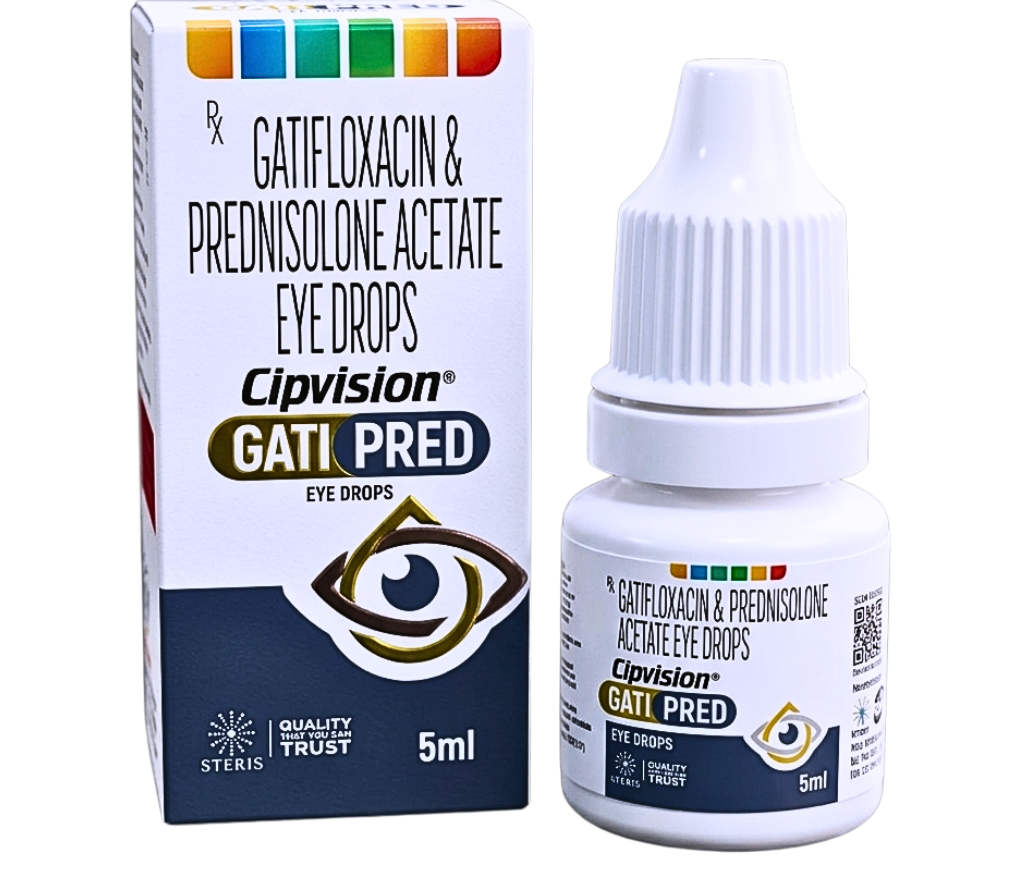
CIPVISION GATIPRED
 Item requires a valid prescription
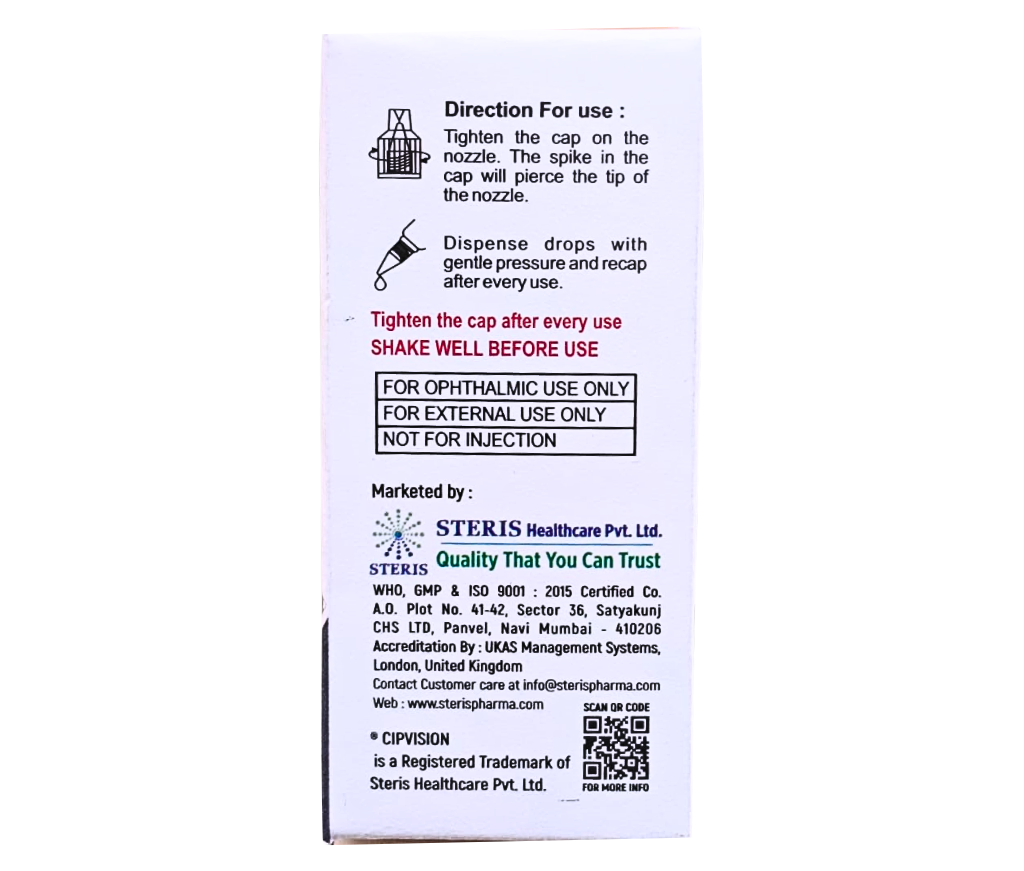
Manufactured By Steris Healthcare Pvt Ltd
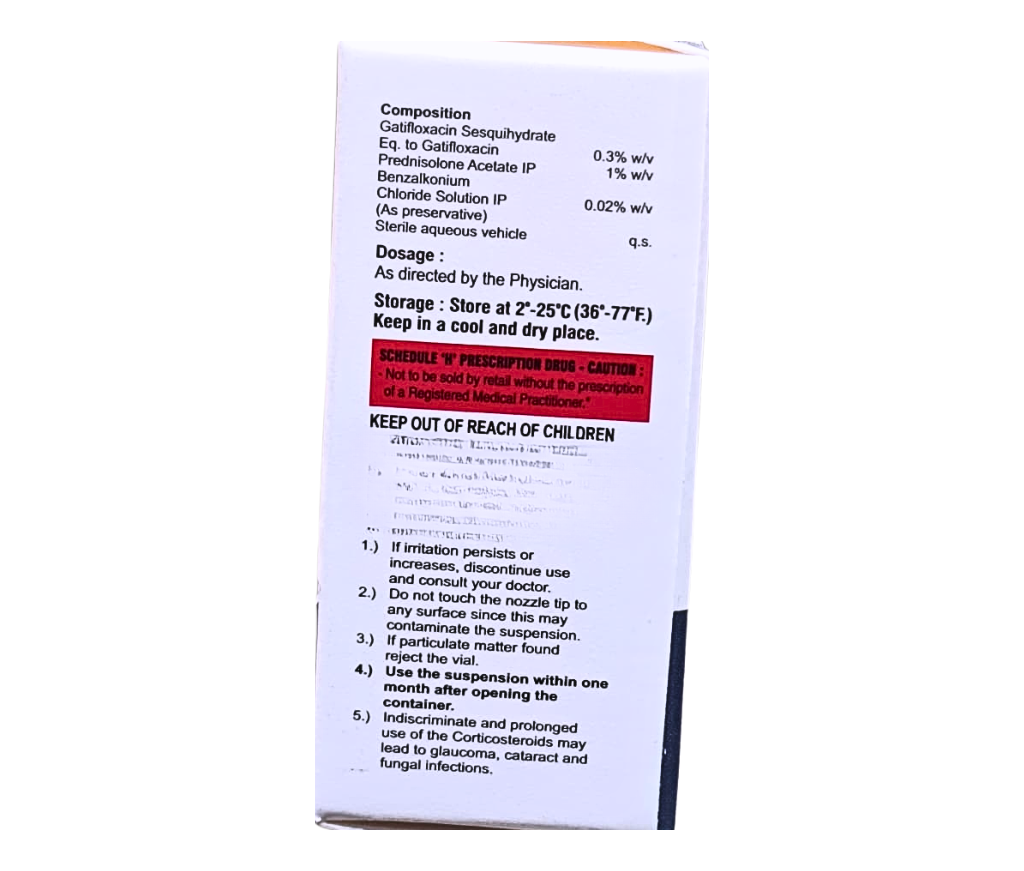
Composition Gatifloxacin & Prednisolone Acetate Eye Drops
Rs 108.50
MRP Rs 155.00
(30% OFF)
Includes all taxes
Package SIZE
( For 5 ml )

100% Authentic
Products

Free
Shipping*

Products
Return Policy
Description:
Gatifloxacin Prednisolone Acetate Eye Drops are prescription ophthalmic medicines that combine an antibiotic with a corticosteroid. The combination is generally used when an eye condition involves bacterial infection or the risk of susceptible bacterial infection together with significant inflammation. Gatifloxacin provides antibacterial activity, while prednisolone acetate helps reduce inflammation, redness, and swelling.
Some Indian pharmaceutical manufacturers market combinations such as gatifloxacin 0.3% with prednisolone acetate 1%, although the exact strength and formulation can vary between products. Current Indian product listings also describe gatifloxacin-plus-prednisolone combinations as prescription ophthalmic medicines.
Because this product contains a corticosteroid, it should not be used as an ordinary eye-redness drop or self-treatment for an undiagnosed eye infection. Steroid-containing eye drops can worsen or mask certain infections and can cause important complications when used incorrectly or for too long.
What Are Gatifloxacin Prednisolone Acetate Eye Drops?
Gatifloxacin prednisolone acetate eye drops contain two active medicines with different purposes:
- Gatifloxacin: a fluoroquinolone antibiotic that acts against susceptible bacteria.
- Prednisolone acetate: a corticosteroid that reduces inflammatory responses in the eye.
Gatifloxacin works by interfering with bacterial enzymes involved in DNA replication, while prednisolone suppresses inflammatory processes.
This combination therefore provides antibacterial + anti-inflammatory action in a single ophthalmic formulation.
The combination may be prescribed for selected bacterial eye conditions accompanied by inflammation, but the precise indication depends on the patient's diagnosis and the ophthalmologist's assessment. Indian pharmacy references currently describe gatifloxacin + prednisolone as being used for bacterial eye infections accompanied by inflammation or swelling.
Gatifloxacin Prednisolone Acetate Eye Drops Uses
1. Bacterial eye infections with inflammation
One of the principal reasons this combination may be prescribed is a bacterial eye condition in which inflammation is also clinically important.
Gatifloxacin provides antibacterial treatment against susceptible organisms, while prednisolone acetate is intended to control the inflammatory component.
2. Inflammatory eye conditions where antibiotic coverage is appropriate
An ophthalmologist may prescribe an antibiotic-steroid combination when inflammation requires corticosteroid treatment and there is a specific reason for antibacterial coverage.
This is different from treating simple allergic redness or routine dry eye.
3. Selected postoperative ophthalmic treatment
Ophthalmologists may use antibiotic-steroid preparations in particular postoperative situations. However, not every patient undergoing cataract, corneal, or other eye surgery needs the same medication.
The surgeon should determine the appropriate postoperative treatment, including the antibiotic, steroid, strength, and duration.
How Do Gatifloxacin and Prednisolone Acetate Work?
The two components perform different jobs.
Gatifloxacin: antibacterial action
Gatifloxacin belongs to the fluoroquinolone antibiotic class. It interferes with bacterial DNA gyrase and topoisomerase IV, enzymes bacteria need for DNA replication and survival.
This helps reduce susceptible bacterial organisms responsible for certain eye infections.
Prednisolone acetate: anti-inflammatory action
Prednisolone acetate is an ophthalmic corticosteroid. It suppresses inflammatory responses and can therefore reduce symptoms such as inflammation, redness, and swelling when those symptoms are steroid-responsive.
The combination is therefore not simply a "stronger antibiotic." It is a two-component ophthalmic treatment designed to address both bacterial and inflammatory components when clinically appropriate.
Key Benefits of Gatifloxacin Prednisolone Acetate Eye Drops
The potential benefits of this combination include:
Dual-action treatment
The biggest practical advantage is that the product contains an antibiotic and corticosteroid in one ophthalmic formulation.
Antibacterial activity
Gatifloxacin targets susceptible bacteria responsible for certain bacterial eye infections.
Reduces ocular inflammation
Prednisolone acetate can suppress inflammation and associated redness and swelling when the condition is responsive to corticosteroids.
Convenient formulation
When both ingredients are genuinely required, a combination product can reduce the need to administer two separate eye drops.
Potential usefulness after selected eye procedures
In appropriate patients, an ophthalmologist may use an antibiotic-steroid combination as part of postoperative management. The actual choice depends on the surgical procedure and individual risk factors.
How to Use Gatifloxacin Prednisolone Acetate Eye Drops
Use this medicine exactly as prescribed by your ophthalmologist. Dosing can differ according to the product, concentration, diagnosis, and severity of inflammation.
General administration steps include:
- Wash your hands before using the eye drops.
- Shake the bottle if the product is a suspension and the label instructs you to shake it.
- Tilt your head backward and gently pull down the lower eyelid.
- Instill the prescribed number of drops.
- Do not allow the dropper tip to touch the eye, eyelashes, or skin.
- Close the eye gently after administration.
- Replace the cap immediately.
- Wash your hands after use if required by the product instructions.
If you use other ophthalmic medicines, ask your doctor or pharmacist how much time should be left between products.
Do not increase the number of drops or continue treatment longer than prescribed. Corticosteroid-containing eye drops require particular care because prolonged or inappropriate use can produce serious ocular complications.
Gatifloxacin Prednisolone Acetate Eye Drops Side Effects
Possible side effects can include:
- Temporary burning or stinging
- Eye irritation
- Redness
- Watery eyes
- Blurred vision
- Eye discomfort
- Itching or foreign-body sensation
Current Indian medicine information also lists local irritation and other ocular effects as possible adverse reactions.
Important steroid-related risks
Prednisolone acetate requires more caution than a simple antibiotic eye drop.
With prolonged corticosteroid use, intraocular pressure can increase, potentially contributing to steroid-induced glaucoma. Long-term ophthalmic corticosteroid treatment can also increase the risk of cataract formation and may delay healing.
Corticosteroids can also suppress the body's response to infection. Official corticosteroid ophthalmic labeling warns that prolonged use may increase the risk of secondary infections and that steroids can mask or worsen certain infections.
Therefore, persistent or worsening symptoms should be evaluated rather than treated by simply extending the course.
When Should You Stop and Contact an Eye Doctor?
Seek prompt medical attention if you experience:
- Severe or increasing eye pain
- Sudden or significant vision changes
- Severe swelling
- Marked worsening of redness
- New halos around lights
- Significant light sensitivity
- Symptoms that continue to worsen despite treatment
- Signs of an allergic reaction such as facial swelling or difficulty breathing
Gatifloxacin and prednisolone ophthalmic information specifically warns about potentially serious symptoms such as significant visual changes, eye pain, and halos around lights.
Who Should Avoid Self-Using This Eye Drop?
Do not self-treat an undiagnosed red eye with a gatifloxacin-prednisolone combination.
Particular caution is required in people with:
- Previous allergy to gatifloxacin, other fluoroquinolones, or corticosteroids
- Glaucoma or elevated intraocular pressure
- Herpes simplex or other viral eye infections
- Fungal eye infections
- Certain mycobacterial eye infections
- Corneal thinning or other significant corneal disease
- Recent eye surgery
Steroid-containing ophthalmic preparations can be inappropriate for several viral and fungal infections. Current medicine references specifically list viral, fungal, and certain mycobacterial ocular infections among contraindications or situations requiring avoidance.
Gatifloxacin Prednisolone Acetate vs. Gatifloxacin Alone
These products should not automatically be substituted for one another.
Gatifloxacin alone provides antibiotic treatment.
Gatifloxacin + prednisolone acetate provides antibiotic treatment plus corticosteroid-mediated anti-inflammatory action.
If the eye has a bacterial infection but does not require steroid treatment, an ophthalmologist may choose an antibiotic-only product. Conversely, if substantial inflammation is present and steroid treatment is appropriate, the combination may be selected.
The "best" product, therefore, depends on the diagnosis—not simply on which medicine has more ingredients.
Gatifloxacin Prednisolone Acetate Eye Drops Price in India
The price of gatifloxacin prednisolone acetate eye drops in India varies according to brand, manufacturer, strength, bottle size, pharmacy, and current discounts.
Current Indian listings demonstrate that pricing can vary significantly. For example, one current supplier listing identifies a gatifloxacin 0.3% + prednisolone 1% ophthalmic product, while another Indian pharmaceutical listing identifies a product price around ₹108 for a combination product. T
Retail pharmacy prices can differ from manufacturer or wholesale prices, so buyers should check the current MRP and selling price before placing an order.
What should buyers check before purchasing?
If you are buying this product online or through a pharmacy, verify:
- Gatifloxacin concentration
- Prednisolone acetate concentration
- Bottle size, commonly 5 mL for some products
- Manufacturer and marketer
- Batch number
- Manufacturing date
- Expiry date
- Storage instructions
- Prescription requirements
- Current MRP
- Pharmacy/supplier authenticity
Do not select a product based only on the words "gatifloxacin" and "prednisolone." Different strengths and formulations may exist.
Buyer-Intent Guide: Which Gatifloxacin + Prednisolone Product Should You Buy?
For a consumer, the safest purchasing approach is to match the product exactly to the ophthalmologist's prescription.
If your prescription specifies gatifloxacin 0.3% + prednisolone acetate 1%, verify that both ingredients and strengths appear on the package.
If your prescription specifies gatifloxacin alone, do not automatically purchase the combination.
If your doctor prescribed a different antibiotic-steroid combination, such as moxifloxacin + prednisolone, do not substitute it with gatifloxacin + prednisolone without professional advice.
For distributors, hospitals, and pharmaceutical buyers, additional checks should include batch documentation, manufacturer credentials, sterile manufacturing standards, regulatory compliance, MOQ, storage conditions, and current quotation.
Storage and Handling
Follow the storage instructions printed on the specific product label. Some formulations are suspensions and need to be shaken before use.
Keep the bottle properly closed and avoid contamination of the dropper tip.
Never share prescription eye drops with another person.
Do not use an expired bottle.
Because ophthalmic products must remain sterile, contamination can create an additional risk of eye infection.
Conclusion
Gatifloxacin Prednisolone Acetate Eye Drops are a prescription antibiotic-steroid ophthalmic combination intended for selected eye conditions involving susceptible bacterial infection together with inflammation. Gatifloxacin provides antibacterial activity, while prednisolone acetate reduces inflammation.
The main benefit is the dual-action formulation, which can be convenient when both antibacterial and anti-inflammatory treatments are medically appropriate. However, the presence of a corticosteroid means this product should not be treated as a routine eye drop for redness, itching, or irritation.
Long-term or inappropriate steroid use can increase intraocular pressure, contribute to other ocular complications, and potentially mask or worsen certain infections.
For buyers in India, verify the exact strength, formulation, manufacturer, pack size, expiry date, prescription requirements, and current price before purchasing. Current market listings show that prices and product availability vary between suppliers.
The safest approach is simple: use gatifloxacin prednisolone acetate eye drops only when prescribed for your specific eye condition and follow the ophthalmologist's dosage and duration instructions.
Frequently Asked Questions
1. What are gatifloxacin prednisolone acetate eye drops used for?
They are used for selected eye conditions in which bacterial infection and inflammation occur together or where an ophthalmologist determines that both antibacterial and corticosteroid treatment are appropriate. Gatifloxacin treats susceptible bacteria, while prednisolone acetate reduces inflammation.
2. Are gatifloxacin and prednisolone acetate eye drops an antibiotic?
They contain an antibiotic—gatifloxacin—and a corticosteroid—prednisolone acetate. Therefore, they are an antibiotic-steroid combination rather than an antibiotic-only eye drop.
3. What are the side effects of gatifloxacin prednisolone acetate eye drops?
Possible side effects include temporary burning or stinging, irritation, redness, watery eyes, discomfort, and blurred vision. Prolonged corticosteroid use can carry more serious risks, including increased intraocular pressure and other eye complications.
4. Can gatifloxacin prednisolone eye drops be used for red eyes?
Not every red eye should be treated with this medicine. Redness can result from allergy, viral infection, dry eye, injury, or other conditions. Because prednisolone can worsen or mask some infections, an ophthalmologist should determine whether a steroid-containing eye drop is appropriate.
5. Can I use gatifloxacin prednisolone acetate eye drops after cataract surgery?
An ophthalmologist may prescribe an antibiotic-steroid eye drop as part of postoperative treatment in selected patients, but the exact medicine and duration depend on the surgery and individual clinical circumstances. Do not start or change postoperative eye drops without your surgeon's instructions.
6. Is gatifloxacin prednisolone better than gatifloxacin alone?
Neither is universally better. Gatifloxacin alone provides antibacterial treatment, whereas the combination adds a corticosteroid to control inflammation. The combination should be selected only when the inflammatory component warrants steroid treatment.
7. Can I use gatifloxacin prednisolone eye drops for viral conjunctivitis?
They should not be self-used for suspected viral conjunctivitis. Ophthalmic corticosteroids can suppress immune responses and may worsen or mask certain viral infections. An ophthalmologist should diagnose the cause of conjunctivitis before prescribing a steroid-containing combination.
8. How long should I use gatifloxacin prednisolone acetate eye drops?
The duration depends on the diagnosis, severity, and response to treatment. Because the product contains prednisolone acetate, treatment should not be prolonged or repeated without medical supervision.
9. What is the price of gatifloxacin prednisolone acetate eye drops in India?
There is no single fixed price. Current Indian listings show different prices depending on brand, formulation, and supplier; examples available online include products around the ₹100 range, but the actual retail price can change.
10. Can I buy gatifloxacin prednisolone acetate eye drops without a prescription?
Because this is an antibiotic-corticosteroid ophthalmic medicine, it should be used under appropriate medical supervision. Pharmacy supply requirements can vary, so check the current requirements with a licensed pharmacy.