


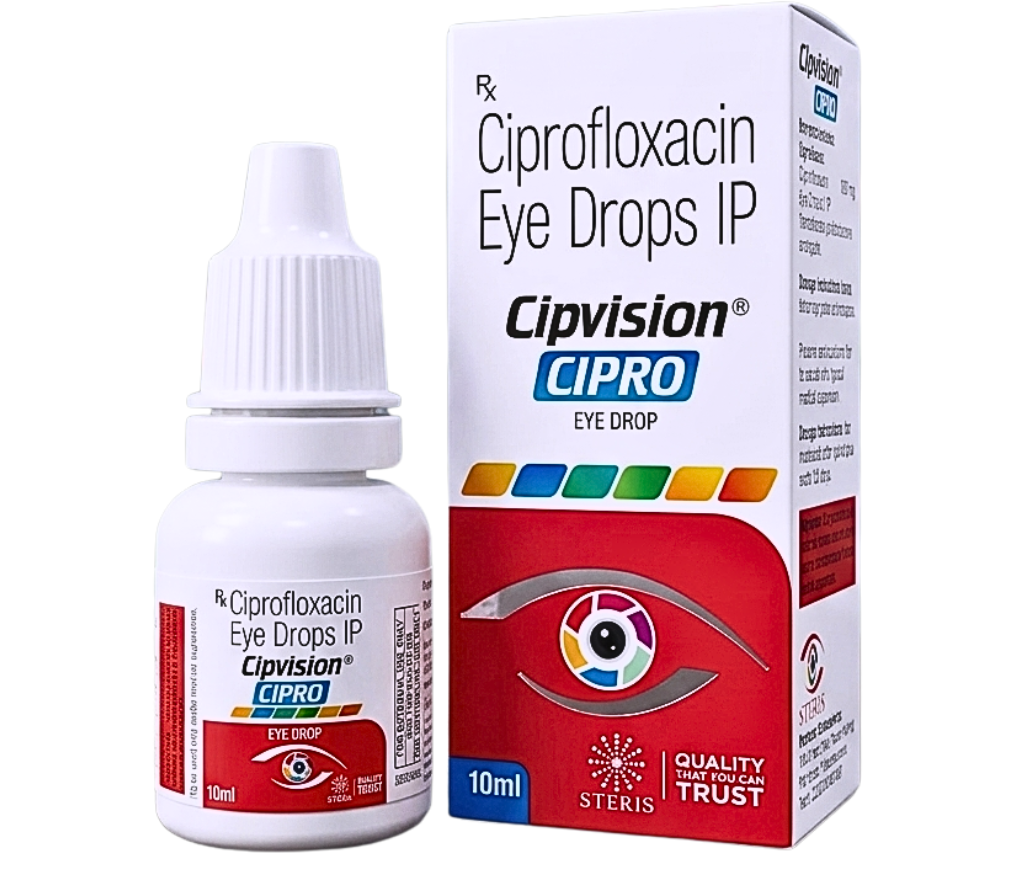
CIPVISION CIPRO
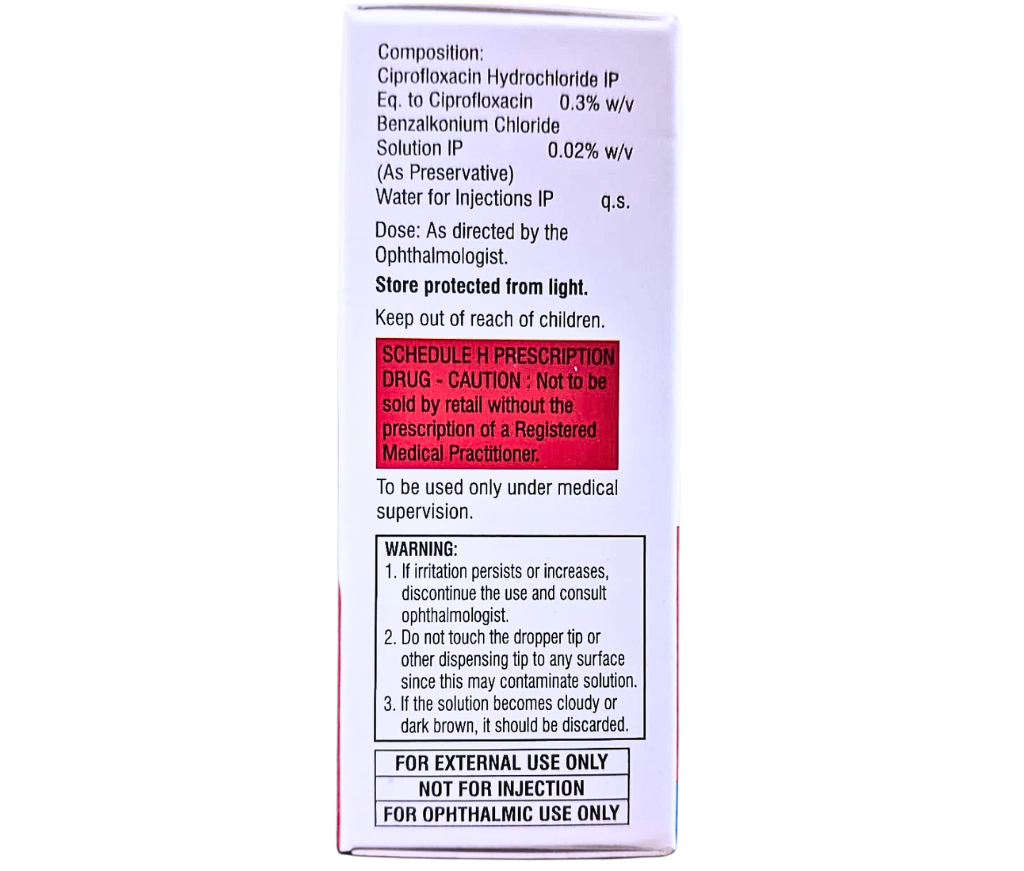
 Item requires a valid prescription
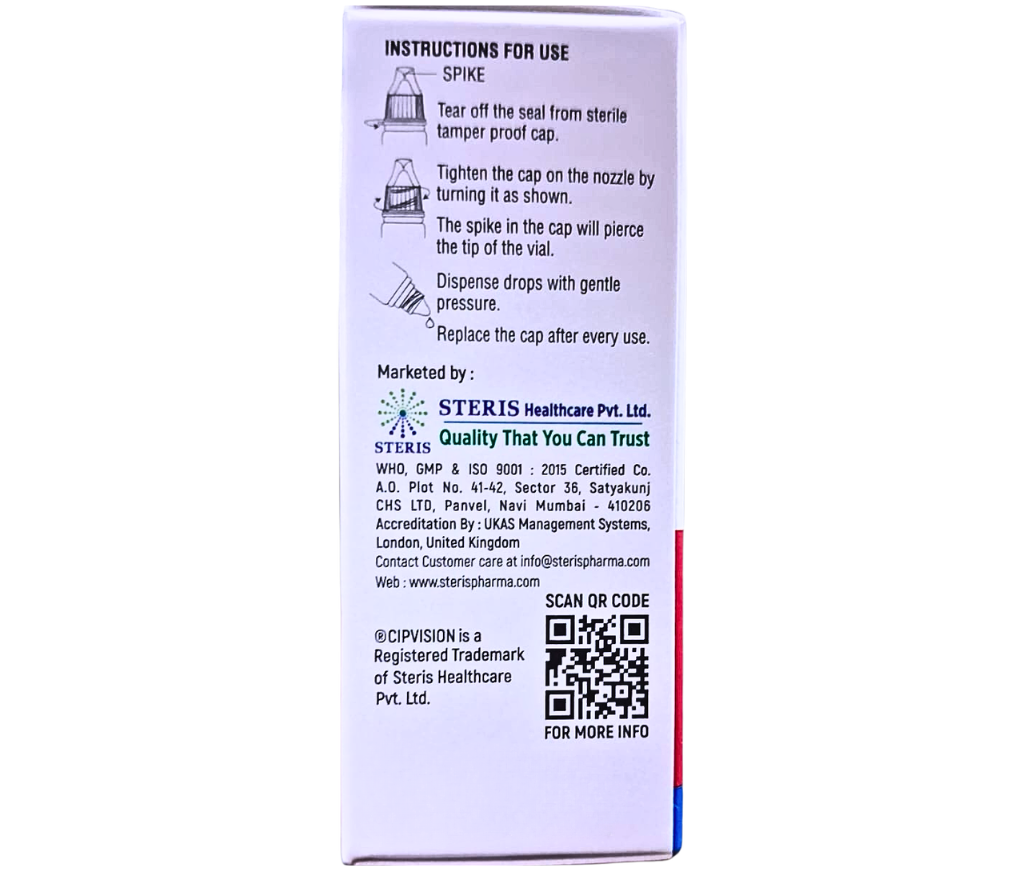
Manufactured By Steris Healthcare Pvt Ltd
Composition Ciprofloxacin Eye Drops IP
Rs 8.20
MRP Rs 11.71
(30% OFF)
Includes all taxes
Package SIZE
( For 10 ml )

100% Authentic
Products

Free
Shipping*

Products
Return Policy
Description:
Hypromellose eye drops are lubricating eye drops commonly used to relieve the symptoms of dry eyes, including dryness, burning, irritation, and discomfort. Hypromellose, also known as hydroxypropyl methylcellulose (HPMC), works as an artificial-tear ingredient by helping provide moisture and lubrication to the surface of the eye.
For people looking for an eye lubricant for everyday dry-eye symptoms, hypromellose eye drops can be a practical option. They are particularly relevant when the eyes feel dry because of reduced tear production or excessive tear evaporation. Several currently listed Indian products contain hypromellose/hydroxypropylmethylcellulose 0.3% w/v, although the exact formulation, preservatives, bottle size, directions, and availability can differ between brands.
What Are Hypromellose Eye Drops?
Hypromellose eye drops belong to the category of ocular lubricants or artificial tears. Instead of treating an eye infection or reducing inflammation like an antibiotic or steroid, their primary purpose is to lubricate the eye and temporarily relieve discomfort associated with dryness.
When the tear film does not adequately protect the eye surface, you may experience a gritty or sandy sensation, burning, irritation, redness, or fluctuating comfort while reading or using a screen. A lubricating eye drop can help restore moisture and improve comfort.
Hypromellose is described as an artificial-tear ingredient that can relieve dryness and irritation associated with reduced tear flow. It may also be used in some ophthalmic applications involving artificial eyes or contact lenses, depending on the specific product and medical advice.
Hypromellose Eye Drops Uses
The primary use of hypromellose eye drops is dry-eye relief.
They may be recommended or used for temporary relief of:
- Dry or uncomfortable eyes
- Burning associated with eye dryness
- Mild irritation caused by dryness
- A gritty or foreign-body sensation associated with dry eyes
- Discomfort related to reduced tear lubrication
- Minor eye irritation, depending on the specific formulation and its approved labeling
Dry-eye symptoms can be associated with environmental exposure, prolonged screen use, reduced blinking, dry air, wind, and other factors. However, persistent or severe symptoms should be evaluated by an eye-care professional rather than treated indefinitely with lubricating drops.
Some hypromellose products are prescription products in certain markets, while product status can vary by formulation and country. Always check the product label and follow the advice of your doctor or pharmacist.
Key Benefits of Hypromellose Eye Drops
1. Helps lubricate dry eyes
The principal benefit is lubrication. Hypromellose acts similarly to artificial tears and helps provide temporary moisture to the ocular surface.
2. Provides temporary relief from burning and irritation
Dryness can cause burning, irritation, and general eye discomfort. Lubricating drops can help soothe these symptoms by improving moisture on the eye surface.
3. Supports everyday eye comfort
People exposed to dry indoor air, wind, dust, or prolonged visual tasks may experience occasional dry-eye symptoms. A suitable artificial tear may provide temporary comfort when used according to the product instructions.
4. Available in multiple formulations and brands
The Indian market currently has several products containing hydroxypropylmethylcellulose 0.3%, including different branded formulations. Product prices, availability, and packaging can vary by seller and batch. For example, current listings include products such as ITR Eye Drops, Miletears, Hyprolife 0.3%, and other HPMC formulations.
5. Convenient for symptomatic dry-eye relief
Depending on the specific product, hypromellose eye drops may be used when needed or according to a clinician's instructions. Always follow the directions supplied with the particular product rather than assuming that every hypromellose formulation has identical dosing instructions.
How to Use Hypromellose Eye Drops
Before applying hypromellose eye drops, wash your hands. Avoid touching the dropper tip against your eye, eyelids, or other surfaces because contamination can introduce microorganisms into the bottle.
Generally, the drop is placed into the lower eyelid while looking upward. After application, gently close the eye without squeezing tightly. Follow the exact dosage and frequency stated on the product label or prescribed by your healthcare professional.
If you use more than one eye medicine, spacing products apart can help prevent one drop from washing out another. Some Indian product guidance recommends waiting approximately 5–10 minutes between different eye medicines, but the instructions for your particular products should take priority.
If you wear contact lenses, check the specific product instructions. Some formulations may require lenses to be removed before use and reinserted only after the recommended interval.
Hypromellose Eye Drops Side Effects
Most people use lubricating eye drops without serious problems, but temporary eye-related effects can occur.
Reported or listed effects with hypromellose ophthalmic preparations can include:
- Temporary blurred or altered vision
- Mild eye irritation
- Stinging or burning immediately after application
- Eye redness
- Eye pain
- Foreign-body sensation
Product information notes that some of these effects are generally temporary. MMedicines.org.uk+1
Temporary blurred vision is particularly important because it can affect driving or operating machinery. Do not drive until your vision has returned to normal and you can see clearly.
Seek medical advice if symptoms are persistent, severe, worsening, or different from your usual dry-eye symptoms. Significant eye pain, substantial redness, vision changes, or other concerning symptoms should not simply be assumed to be ordinary dry-eye symptoms.
Who Should Be Careful When Using Hypromellose Eye Drops?
Before using a hypromellose product, tell your doctor or pharmacist if you have an existing eye condition, including glaucoma or another chronic eye problem. Product-specific precautions can differ.
Check the packaging before use. Do not use an eye-drop solution if the product has changed color, become cloudy when it should be clear, or if the packaging indicates that it should not be used. Some product guidance also recommends using the bottle within a specified period after opening. Follow the individual product's instructions rather than applying a universal expiry-after-opening rule.
Buying Hypromellose Eye Drops: What Should You Check?
If you are ready to buy hypromellose eye drops, compare the following before ordering:
- Active ingredient: Check whether the product contains hypromellose/hydroxypropylmethylcellulose and verify its concentration.
- Bottle size: Common products may be available in different pack sizes.
- Preservatives: Check the full formulation, particularly if you need frequent long-term lubrication or have sensitivity to preservatives.
- Prescription status: Requirements can vary according to the product and market.
- Expiry date: Check the batch and expiry information before purchasing.
- Seal and packaging: Do not use a product if its seal is broken when received.
- Storage: Follow the storage instructions on the package; current Indian product listings for several HPMC products specify storage below 25–30°C, depending on the formulation.
- Price and seller: Online prices can differ by brand, seller, discounts, and location, so compare the final price and product authenticity before ordering.
For example, current Indian listings show 0.3% HPMC products at different prices, demonstrating why consumers should compare the exact brand, pack size, and seller rather than assuming that all hypromellose eye drops cost the same.
Are Hypromellose Eye Drops Right for You?
If your main concern is occasional or persistent dry-eye symptoms, hypromellose eye drops may offer temporary lubrication and symptomatic relief. They are not a universal treatment for every cause of red, painful, or irritated eyes.
If you frequently need eye drops, symptoms continue despite lubrication, or your vision changes, an eye examination can help identify the underlying cause. The best eye drop depends on the cause of dryness, symptom severity, frequency of use, other medicines, and your overall eye health.
Conclusion
Hypromellose eye drops are artificial-tear lubricants designed primarily to relieve dry-eye symptoms such as dryness, burning, and irritation. Their key advantage is straightforward: they help lubricate the ocular surface and provide temporary comfort. Products containing hypromellose/HPMC 0.3% are currently available in multiple Indian brands, but formulations, prices, availability, and usage instructions differ.
For buyers, the safest approach is to compare the active ingredient, concentration, formulation, expiry date, storage requirements, and seller authenticity before purchasing. If you experience persistent pain, significant redness, ongoing blurred vision, or worsening symptoms, consult an eye-care professional rather than relying solely on lubricating drops.
Frequently Asked Questions
1. What are hypromellose eye drops used for?
Hypromellose eye drops are primarily used as artificial tears to lubricate the eyes and provide temporary relief from dry-eye symptoms, including dryness, burning, and irritation.
2. Can hypromellose eye drops help with dry eyes?
Yes. Hypromellose is an ocular lubricant that can help moisturize the eye surface and temporarily relieve discomfort caused by dry eyes.
3. What are the side effects of hypromellose eye drops?
Possible effects include temporary blurred vision, stinging, irritation, redness, eye pain, or a foreign-body sensation. If symptoms persist or become severe, seek medical advice. MMedicines.org.uk+1
4. Can I use hypromellose eye drops every day?
The appropriate frequency depends on the specific product and your eye condition. Follow the label or your healthcare professional's instructions. If you need lubricating drops very frequently or symptoms continue, discuss this with an eye-care professional.
5. Can I use hypromellose eye drops while wearing contact lenses?
It depends on the formulation. Check the product label because some eye drops require contact lenses to be removed before application and may specify when they can be reinserted.
6. Do hypromellose eye drops cause blurred vision?
Temporary blurred or altered vision can occur immediately after applying some hypromellose preparations. Wait until your vision is clear before driving or operating machinery.
7. How long do hypromellose eye drops take to work?
As lubricating eye drops, they are intended to provide temporary symptomatic relief from dryness and irritation. The speed and duration of relief can vary depending on the severity and cause of dry-eye symptoms and the individual formulation.
8. Can I buy hypromellose eye drops online in India?
Several hypromellose/HPMC eye-drop products are currently listed by Indian online pharmacies, although availability, prescription requirements, and prices vary by product and seller. Always verify the exact formulation, packaging, expiry date, and seller before purchasing.
9. Are hypromellose eye drops the same as artificial tears?
Hypromellose is an ingredient used in artificial tear/ocular-lubricant products. Therefore, a hypromellose eye drop can function as an artificial tear, but not every artificial tear contains hypromellose; other lubricants such as carmellose are also available.
10. When should I see a doctor instead of using hypromellose eye drops?
Seek professional eye care if you have persistent or severe eye pain, significant redness, worsening symptoms, persistent visual changes, or symptoms that do not improve with appropriate lubrication. These signs may indicate an underlying condition that requires diagnosis and specific treatment.

