


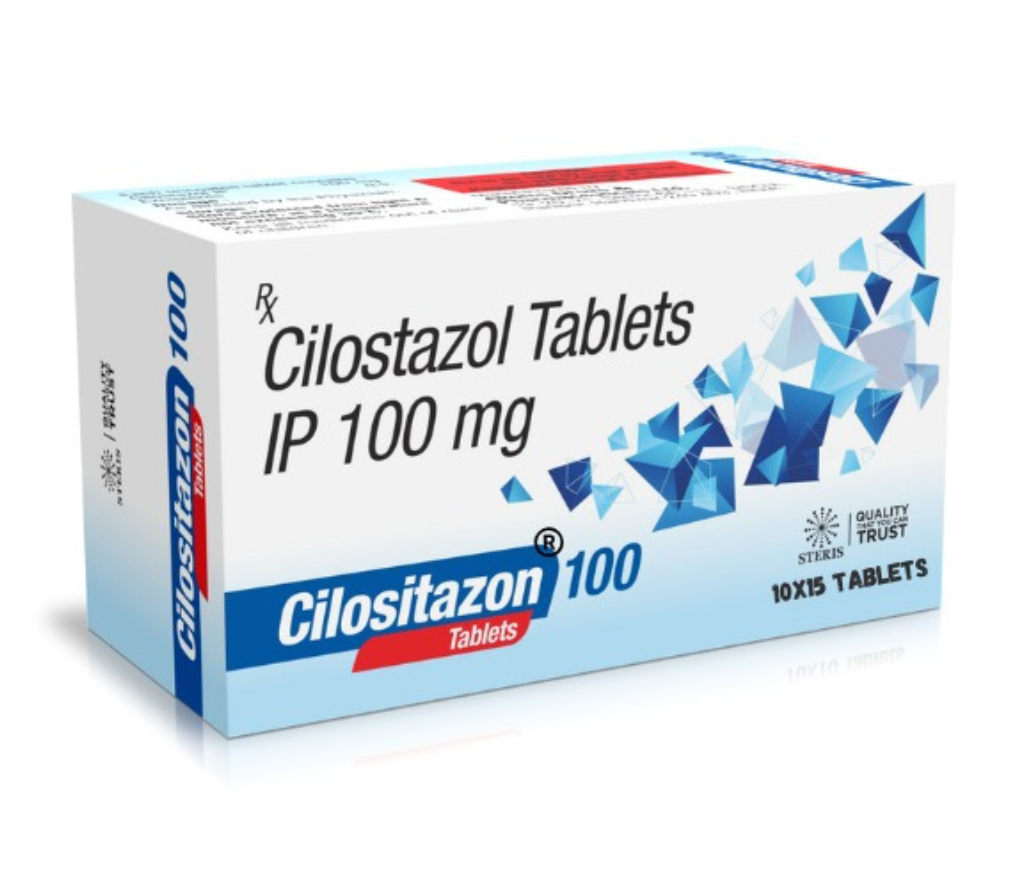
Cilostazol 100 mg Tablet | CILOSITAZON 100
 Item requires a valid prescription
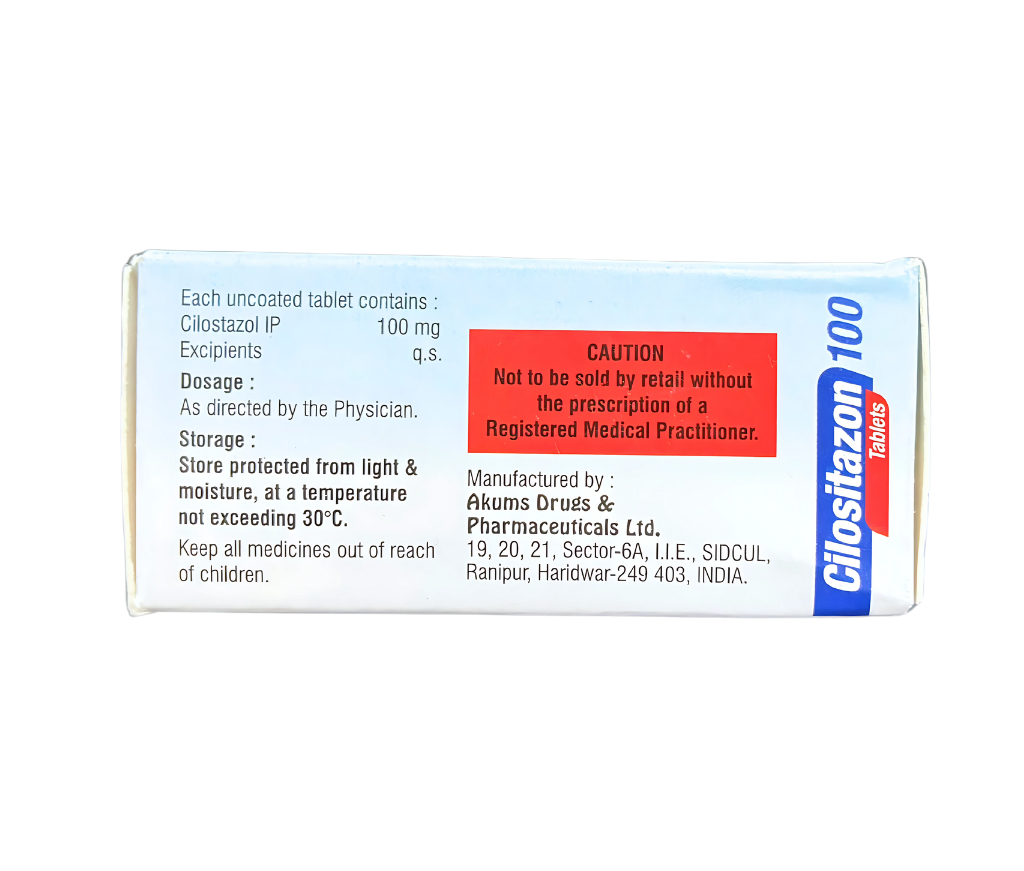
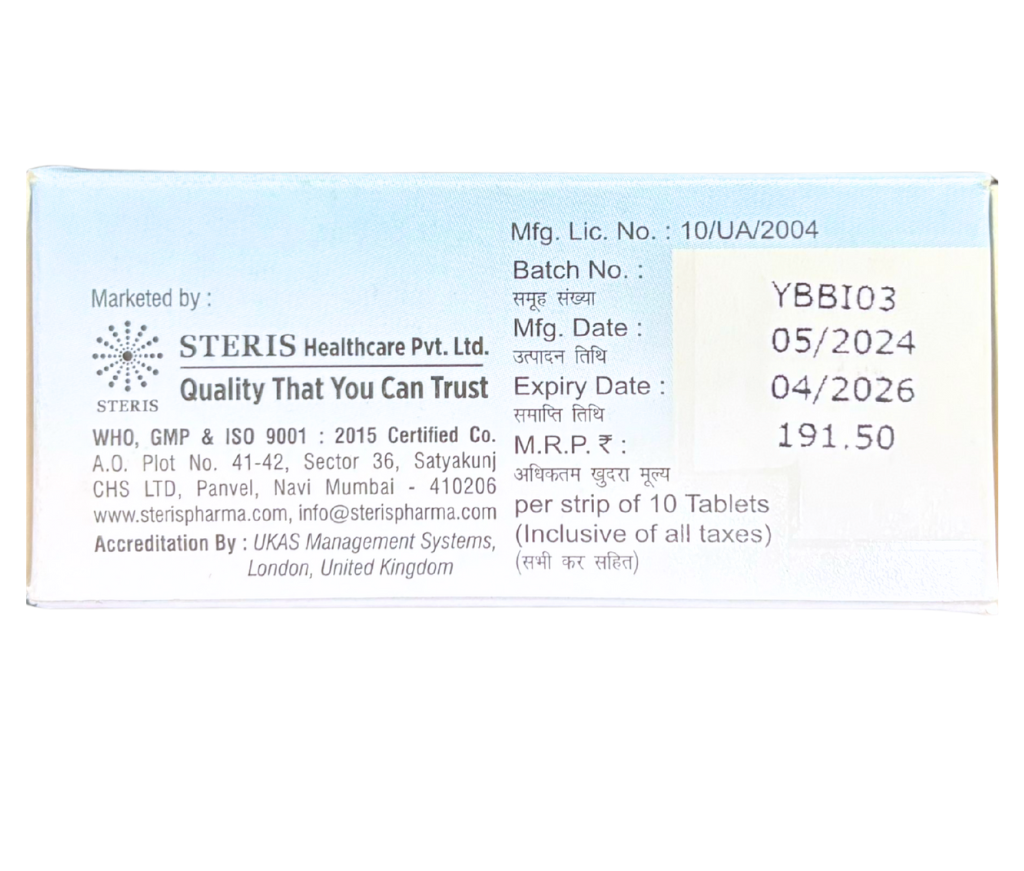
Manufactured By Steris Healthcare Pvt Ltd
Composition Cilostazol 100 mg Tablet
Rs 125.67
MRP Rs 179.53
(30% OFF)
Includes all taxes
Package SIZE
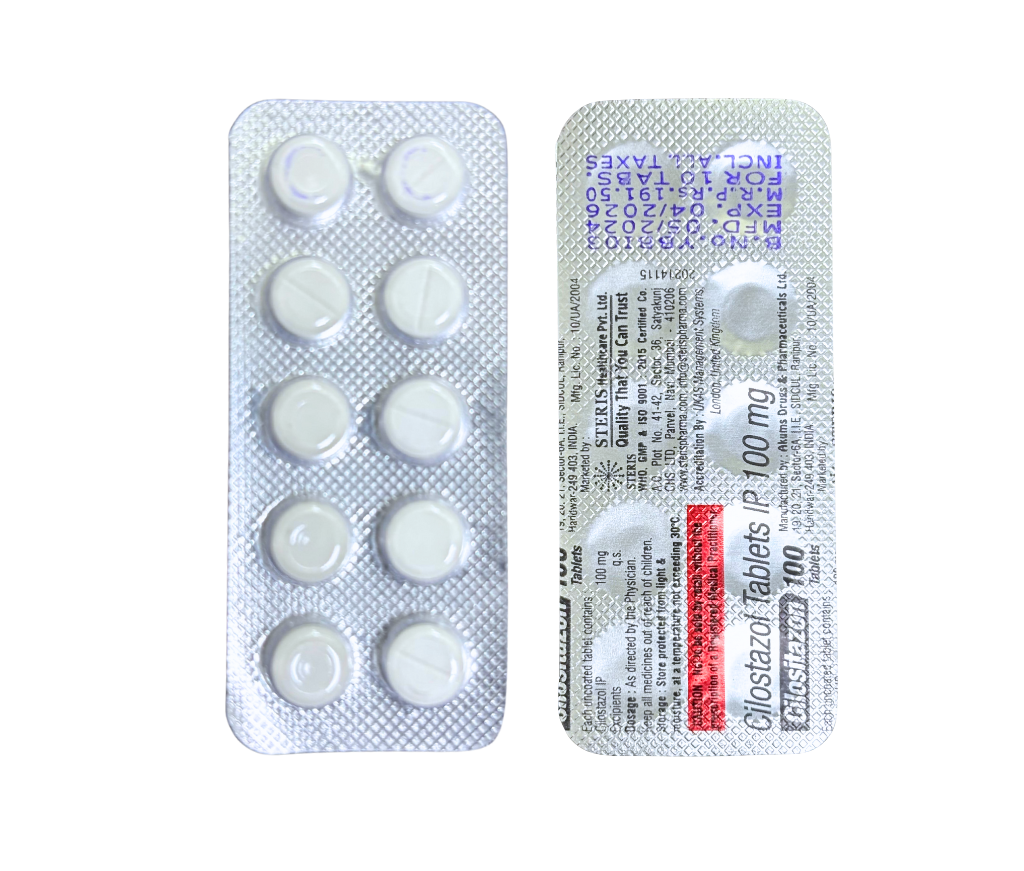
( For 10 Tablets )

100% Authentic
Products

Free
Shipping*

Products
Return Policy
Description:
What Is Cilositazon 100?
Cilositazon 100 contains Cilostazol 100mg as its active ingredient. Cilostazol belongs to a class of medicines called phosphodiesterase III (PDE3) inhibitors. In simple terms, it works in two ways at once — it helps widen blood vessels (vasodilation) and helps prevent platelets from clumping together (antiplatelet action). Together, these effects improve blood flow, particularly to the legs, which is why cilostazol is most commonly associated with treating a condition called intermittent claudication.
If you've been experiencing cramping, aching, or fatigue in your legs while walking — pain that eases with rest but returns with activity — your doctor may have identified this as a circulation issue linked to narrowed arteries, and prescribed cilostazol specifically to help you walk further with less discomfort.
Product Information
| Detail | Information |
|---|---|
| Brand Name | Cilositazon 100 |
| Composition | Cilostazol 100mg |
| Product Form | Tablet |
| Pack Size | 10 x 15 (150 tablets per box) |
| Manufacturer/Marketer | Steris Healthcare Pvt. Ltd. |
| Therapeutic Class | Phosphodiesterase III (PDE3) Inhibitor |
| Prescription Status | Rx — Prescription Required |
| Primary Use | Intermittent Claudication (Peripheral Arterial Disease) |
| Storage | Store below 30°C, in a cool, dry place, away from direct sunlight |
What Is Cilostazol 100mg Used For?
Cilostazol is primarily prescribed for:
Intermittent Claudication — This is the main, well-established use of cilostazol. It's the leg pain or cramping that occurs during walking or exercise due to reduced blood flow from peripheral arterial disease (PAD). Cilostazol helps improve walking distance and reduce the frequency of symptoms by improving circulation to the affected limbs.
Supporting Peripheral Blood Flow — Beyond symptom relief, cilostazol's dual action of dilating blood vessels and reducing platelet clumping helps support overall circulation in patients with PAD.
Other doctor-directed uses — In some cases, cilostazol may be used off-label or as part of a broader cardiovascular management plan, always based on your specific doctor's assessment.
It's worth noting that cilostazol is generally not recommended for patients with any degree of heart failure, so your doctor will have already factored in your full cardiac history before prescribing it.
How Cilostazol Works in the Body
Cilostazol inhibits an enzyme called phosphodiesterase III, which plays a role in regulating blood vessel tone and platelet activity. By inhibiting this enzyme, cilostazol achieves two things simultaneously: it relaxes and widens blood vessels, allowing more blood to flow through, and it reduces the tendency of platelets to stick together and form clots. This combination is particularly effective for conditions like intermittent claudication, where narrowed arteries restrict blood flow to the legs during physical activity. Over consistent use, many patients notice they're able to walk longer distances with less pain before needing to stop and rest.
Dosage and How It Should Be Taken
While your prescribing doctor's instructions always come first, general guidance for cilostazol typically includes:
- Usually taken twice daily, roughly 30 minutes before or 2 hours after meals, as food can affect how the medicine is absorbed
- Swallow the tablet whole with a glass of water — don't crush or chew it unless your doctor specifically advises otherwise
- Avoid grapefruit or grapefruit juice while on this medication, as it can interfere with how the drug is processed in your body
- It may take several weeks (often up to 12 weeks) of consistent use before you notice a meaningful improvement in walking distance — this is normal, so don't stop early expecting instant results
- Don't discontinue the medicine on your own without consulting your doctor, even if you don't feel immediate symptom relief
What You Should Know Before Buying Cilostazol 100mg
- This is a prescription-only medicine. A valid prescription from a registered doctor is legally required before purchase in India.
- Disclose your full medical history, especially any history of heart failure, bleeding disorders, or liver/kidney conditions, as cilostazol may not be suitable for everyone.
- Mention other medications you're taking, since cilostazol can interact with certain blood thinners, antifungals, and other drugs.
- Buy only from verified, authorized sellers — circulation and cardiovascular medicines are sensitive to quality, and authenticity matters.
- Check the pack size and expiry date on delivery to confirm you've received a genuine, correctly sealed 10x15 box.
Cilostazol 100mg Price in India — Buy Cilositazon 100 Online
Cilositazon 100 from Steris Healthcare offers competitive, transparent pricing without compromising on manufacturing quality. Since cilostazol is typically taken over an extended period to see full benefit, getting clarity on pricing upfront — and buying from a consistent, reliable source — genuinely matters for your treatment continuity.
Pricing can vary slightly by seller, location, and pack size, so for the most accurate and current cilostazol 100 mg price, we'd recommend checking the live listing on our website or with your nearest Steris Healthcare partner pharmacy.
Why buy Cilositazon 100 from Steris Healthcare?
- Reliable manufacturing quality, batch after batch
- Transparent, regulation-compliant pricing
- Consistent stock availability for uninterrupted long-term treatment
- Secure, discreet packaging for safe delivery across India
- Support team available for prescription verification and order assistance
Ready to order? Upload your valid prescription, select your required quantity from the 10x15 pack, and place your order online. Our team verifies your prescription and ensures your medication is dispatched securely and promptly.
Note: Cilostazol is a prescription medicine. A valid doctor's prescription is mandatory before purchase, in compliance with Indian drug regulations.
Frequently Asked Questions
Where can I buy cilostazol 100 mg tablet online?
You can buy Cilositazon 100 (Cilostazol 100mg) online through Steris Healthcare's official website and its network of authorized partner pharmacies across India, by uploading a valid prescription.
What is the price of cilostazol 100 mg tablet?
The price of Cilositazon 100 may vary slightly depending on the seller, location, and current pricing norms. Check the live listing on our website or with an authorized pharmacy partner for the most accurate price.
Can I order cilostazol 100 mg tablet online?
Yes, you can order it online with a valid prescription from a registered doctor, and have it delivered securely across India.
Is cilostazol 100 mg tablet available from Steris Healthcare?
Yes, Cilositazon 100 is manufactured and marketed by Steris Healthcare Pvt. Ltd. and is available through their authorized online and offline pharmacy network.
What is cilostazol 100 mg tablet used for?
It's primarily used to treat intermittent claudication — leg pain or cramping caused by reduced blood flow during walking — by improving circulation and reducing platelet clumping.
What is the composition of cilostazol 100 mg tablet?
Each Cilositazon 100 tablet contains Cilostazol 100mg as its active pharmaceutical ingredient.
Is a prescription required?
Yes. Cilostazol is a prescription-only medicine in India, and a valid prescription from a registered medical practitioner is required before purchase.
How should cilostazol 100 mg tablet be taken?
It's typically taken twice daily, about 30 minutes before or 2 hours after meals, exactly as directed by your doctor. Improvement in symptoms may take several weeks of consistent use.
What should I know before buying cilostazol 100 mg tablet?
Ensure you have a valid prescription, inform your doctor of any heart, liver, or bleeding-related conditions, avoid grapefruit juice while on treatment, and buy only from a verified seller like Steris Healthcare.
How can I order cilostazol 100 mg tablet online?
Upload your prescription on our website, select the 10x15 pack size, complete checkout, and your order will be verified and dispatched through our secure pharmacy network.
Cilostazol 100 mg price in india?
Cilostazol 100 mg tablet for price please contact at steris healthcare.