


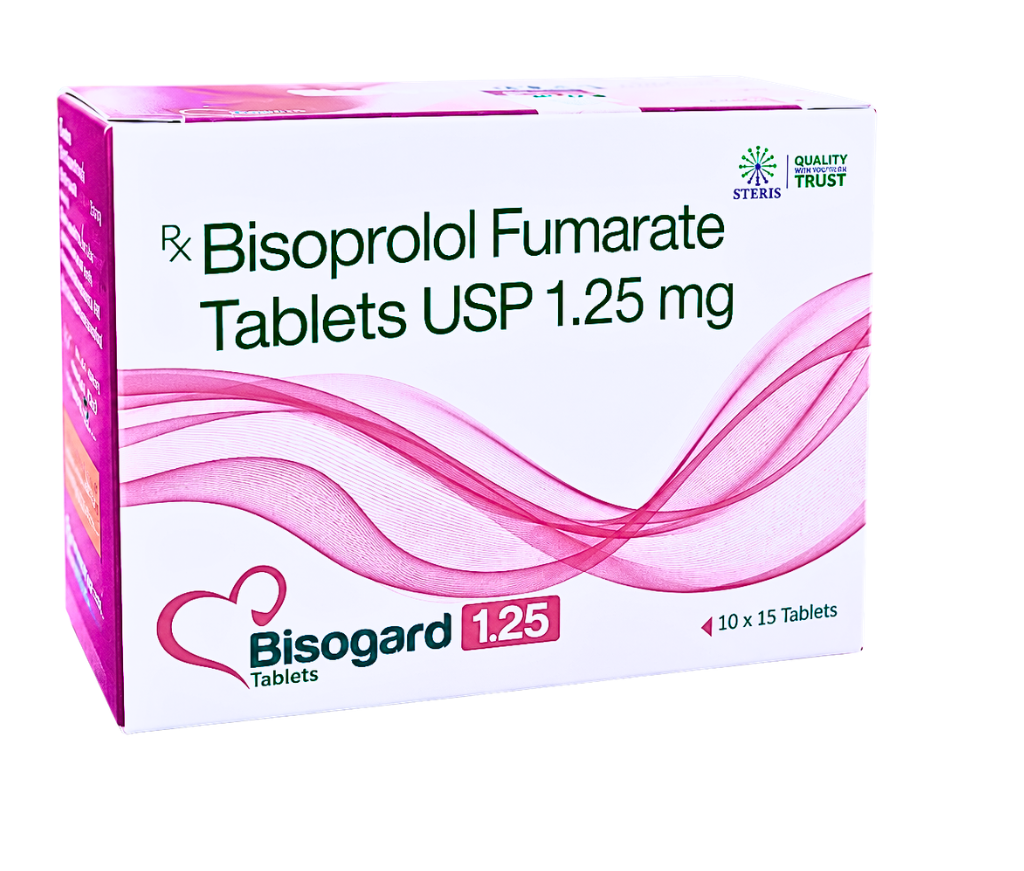
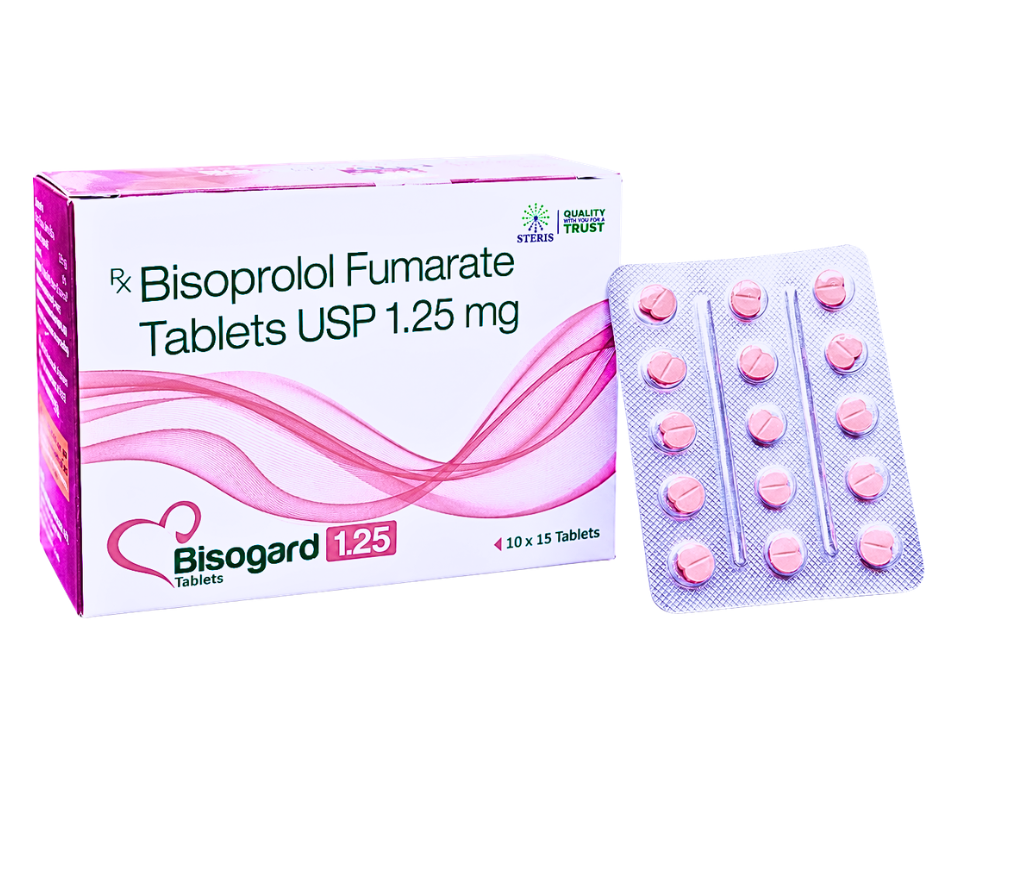
Bisogard 1.25
 Item requires a valid prescription
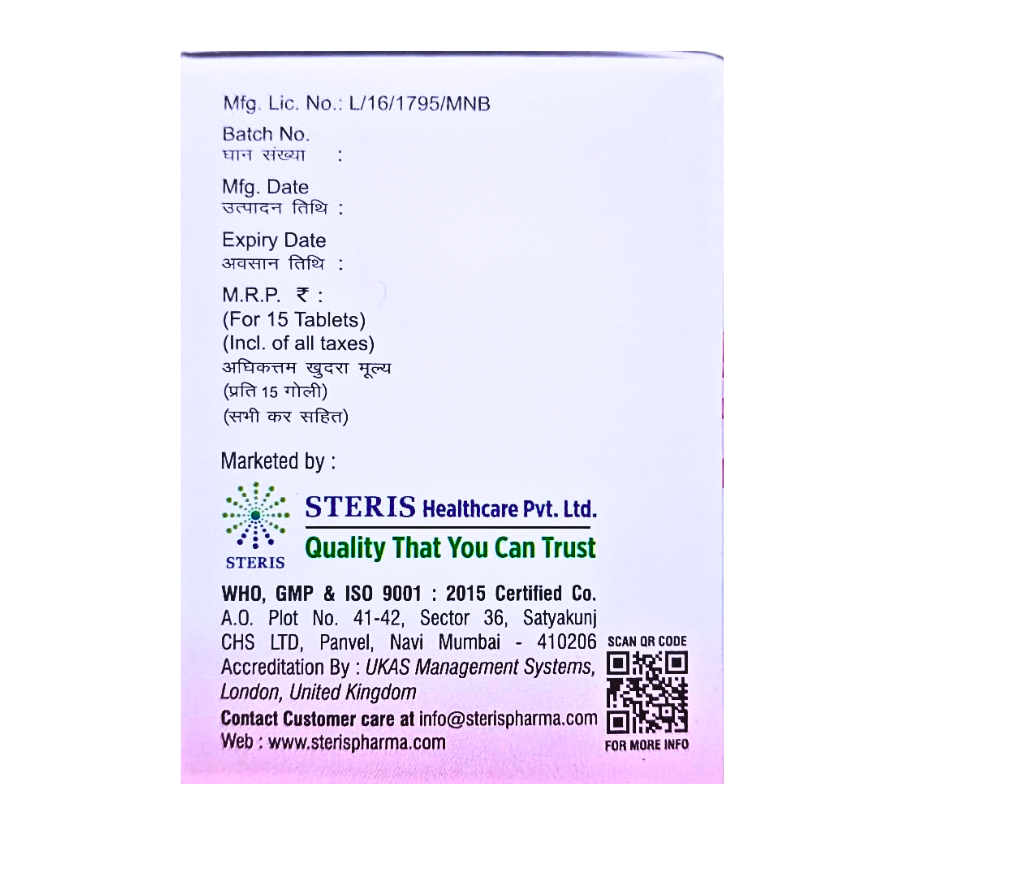
Manufactured By Steris Healthcare Pvt Ltd
Composition Bisoprolol 1.25mg
Rs 27.30
MRP Rs 39.00
(30% OFF)
Includes all taxes
Package SIZE
( For 15 Tablet )

100% Authentic
Products

Free
Shipping*

Products
Return Policy
Description:
Bisoprolol 1.25mg is the lowest available strength of bisoprolol, a cardioselective beta-1 blocker most often used as a starting or titration dose for people beginning treatment for high blood pressure, chronic stable heart failure, or heart rhythm control — particularly elderly patients, those with mild heart failure, or anyone especially sensitive to beta-blockers. It works by slowing the heart rate and reducing the force of each heartbeat, which lowers the overall workload on the heart. BISOGARD 1.25, manufactured by Steris Healthcare Pvt. Ltd., is available in a pack of 15 tablets and is a Schedule H prescription-only medicine — it should only be started, adjusted, or stopped under a doctor's supervision.
BISOGARD 1.25 (Bisoprolol 1.25mg Tablets)
- Manufacturer/Marketer: Steris Healthcare Pvt. Ltd. — WHO-GMP & ISO-certified pharmaceutical manufacturer, India
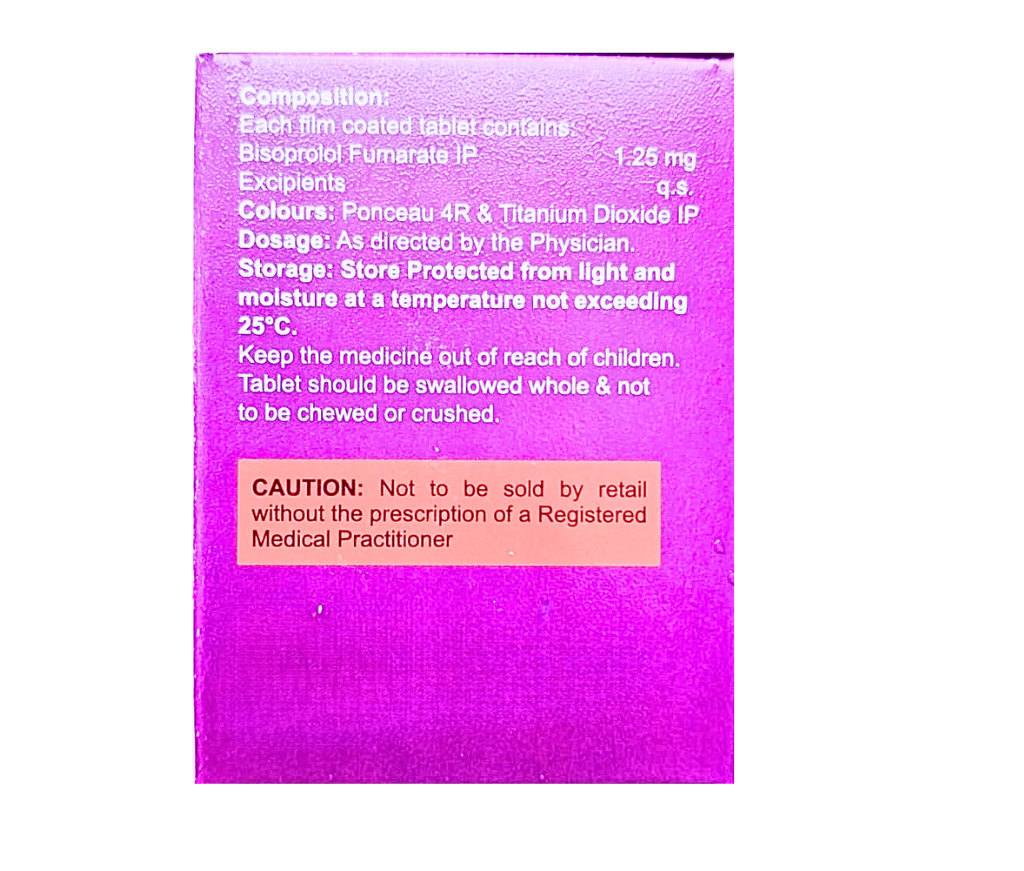
- Composition: Bisoprolol Fumarate 1.25mg
- Product Form: Tablet
- Pack Size: 15 Tablets
- Category: Cardioselective Beta-1 Blocker
- Schedule: Schedule H — Prescription Required
- Availability: Available through Steris Healthcare's authorized pharmacy and B2B PCD franchise network across India
What Is Bisoprolol 1.25mg?
If you've just been prescribed Bisoprolol 1.25mg, chances are your doctor is starting you on the smallest possible dose of a beta-blocker — and there's a good clinical reason for that. Bisoprolol belongs to a class of medicines called cardioselective beta-1 blockers, which means it primarily targets receptors in the heart rather than the lungs or blood vessels elsewhere in the body. This selectivity is one of the reasons bisoprolol is favored over older, non-selective beta-blockers, especially in patients who also have mild respiratory conditions.
The 1.25mg strength isn't a "weaker" version of the drug meant for milder disease — it's a precision starting dose. In conditions like chronic heart failure, an already-weakened heart can react poorly to a sudden drop in heart rate or blood pressure. So cardiologists follow a "start low, go slow" titration protocol: begin at 1.25mg, monitor the patient's response over one to two weeks, and gradually increase the dose (often to 2.5mg, then 3.75mg, 5mg, 7.5mg, and eventually up to 10mg) as the heart adjusts. This is why BISOGARD 1.25 is frequently the very first tablet a newly diagnosed heart failure patient will take.
What Is 1.25 mg of Bisoprolol Used For?
Bisoprolol 1.25mg is primarily prescribed for:
- Chronic Heart Failure (HFrEF) — as the initial titration dose in patients with reduced ejection fraction, used alongside ACE inhibitors/ARBs and diuretics
- Hypertension (High Blood Pressure) — particularly in elderly patients, those with low body weight, or patients who are sensitive to blood-pressure-lowering medicines
- Stable Angina Pectoris — to reduce the heart's oxygen demand and ease chest discomfort
- Post-Myocardial Infarction Care — in select patients recovering from a heart attack, under cardiology supervision
- Rate Control in Certain Arrhythmias — sometimes used off-label at low dose to gently manage elevated heart rate
It's important to understand that at 1.25mg, bisoprolol is rarely intended as a long-term standalone treatment dose for hypertension in an otherwise healthy adult — it's most commonly the entry point of a dose-titration schedule, or a maintenance dose for patients who are unusually sensitive to beta-blockers (elderly, low body weight, or those with borderline low blood pressure/heart rate).
How Does Bisoprolol Work?
Bisoprolol selectively blocks beta-1 adrenergic receptors, which are concentrated in the heart muscle. By blocking these receptors, bisoprolol:
- Slows the heart rate (negative chronotropic effect) — giving the heart more time to fill and rest between beats
- Reduces the force of contraction (negative inotropic effect) — lowering the oxygen and energy demand of heart muscle
- Suppresses excess renin release from the kidneys, indirectly helping to lower blood pressure over time
- Reduces the heart's overall workload, which is especially valuable in a heart already struggling to pump efficiently (as in heart failure)
Key Benefits of BISOGARD 1.25
- Gentle, low-risk starting dose — ideal for titration protocols in fragile or elderly patients
- Cardioselective action — targets the heart with less impact on lungs and peripheral blood vessels compared to non-selective beta-blockers
- Once-daily dosing — supports better long-term adherence
- Well-established heart failure outcomes data — bisoprolol is one of the guideline-recommended beta-blockers for HFrEF (evidence-based use — [Reviewer note: insert specific outcome statistics/trial citation pending medical sign-off])
- Manufactured under WHO-GMP and ISO-certified standards by Steris Healthcare Pvt. Ltd.
Dosage Guidance
- Typical starting dose (Heart Failure): 1.25mg once daily, taken in the morning
- Titration: Doses are usually increased every 1–2 weeks (to 2.5mg, 3.75mg, 5mg, 7.5mg, up to a maximum of 10mg/day) based on tolerance, heart rate, and blood pressure
- Hypertension (sensitive patients): 1.25mg–5mg once daily, adjusted by your doctor
- Administration: Take at the same time each day, with or without food, swallowed whole with water
- Missed dose: Take as soon as remembered unless it's close to the next dose — never double up
- Do not stop abruptly: Sudden discontinuation can cause a dangerous rebound in heart rate, blood pressure, or chest pain (rebound phenomenon); dose must be tapered down gradually under medical supervision
Is It Better to Take Bisoprolol in the Morning or at Night?
Most doctors recommend taking bisoprolol in the morning. This is because bisoprolol lowers heart rate and blood pressure, and taking it earlier in the day helps align its effect with your body's natural waking activity levels, rather than compounding the natural nighttime dip in blood pressure (which could otherwise increase the risk of dizziness on standing at night). That said, some patients — particularly those who experience fatigue during the day — are advised by their doctor to switch to an evening dose. Never change your dosing time without your doctor's confirmation.
Side Effects of Bisoprolol 1.25mg
Common Side Effects
- Fatigue or tiredness
- Dizziness or lightheadedness (especially when standing up quickly)
- Cold hands or feet
- Slow heart rate (bradycardia)
- Headache
- Mild gastrointestinal upset (nausea, diarrhea)
- Sleep disturbances
Serious Side Effects (Seek Medical Attention)
- Severe bradycardia (very slow heartbeat) or fainting
- Worsening shortness of breath or swelling in the legs/ankles (signs of worsening heart failure)
- Signs of an allergic reaction (rash, swelling of the face/throat, difficulty breathing)
- Cold, numb, or bluish fingers/toes (possible peripheral vasospasm)
- Wheezing or new breathing difficulty, particularly in those with asthma/COPD
- Mood changes, unusual depression, or confusion
What Are the Bad Side Effects of Bisoprolol?
The more serious, "bad" side effects to watch for include a dangerously slow heart rate, fainting spells, worsening heart failure symptoms (swelling, breathlessness), severe allergic reactions, and bronchospasm in people with underlying lung disease. These are uncommon at the low 1.25mg dose but require immediate medical attention if they occur. [Reviewer note: specific incidence rates pending clinical/medical sign-off]
Substitutes & Comparable Beta-Blockers
| Molecule | Selectivity | Typical Use Case |
|---|---|---|
| Bisoprolol | Highly cardioselective | Heart failure titration, hypertension |
| Metoprolol Succinate ER | Cardioselective | Hypertension, angina, heart failure |
| Atenolol | Cardioselective (older) | Hypertension |
| Carvedilol | Non-selective + alpha-blocking | Heart failure (with additional vasodilation) |
| Propranolol | Non-selective | Migraine prophylaxis, anxiety-related tachycardia, essential tremor |
Precautions & Who Should Avoid Bisoprolol
- Not recommended in patients with severe bradycardia, certain heart blocks (without a pacemaker), decompensated/unstable acute heart failure, or severe untreated asthma
- Use with caution in diabetics, as beta-blockers can mask signs of low blood sugar (hypoglycemia)
- Caution advised in patients with peripheral vascular disease (may worsen cold extremities/claudication)
- Should not be stopped suddenly — always taper under medical supervision
- Inform your doctor of all other medications, especially other blood-pressure-lowering drugs, calcium channel blockers, and certain antiarrhythmics
- Pregnancy and breastfeeding: only to be used if clearly advised by your doctor after weighing risks and benefits
Is Bisoprolol Safe for Kidneys?
Bisoprolol is primarily metabolized by the liver and kidneys in roughly equal proportion, and it is generally considered safe for most patients with normal to mildly impaired kidney function. However, in patients with significant renal impairment, your doctor may need to adjust the dose or monitor more closely, since reduced kidney clearance can lead to higher drug levels in the blood. Always share your complete kidney function history and any existing kidney disease with your prescribing doctor before starting bisoprolol.
Is Bisoprolol a High-Risk Medication?
Bisoprolol is not classified as a narrow therapeutic index (NTI) or "high-risk" drug in the way medicines like tacrolimus or warfarin are, but it does require careful, doctor-supervised use because of its direct effects on heart rate and blood pressure. The main risks come from abrupt discontinuation (which can trigger rebound cardiac events) and use in patients with certain pre-existing heart rhythm problems. When taken exactly as prescribed and monitored regularly, it has a long, well-established safety record.
Does 1.25mg Bisoprolol Lower Blood Pressure?
Yes. Even at the lowest 1.25mg dose, bisoprolol produces a measurable reduction in heart rate and blood pressure by easing the heart's workload and reducing renin-driven vasoconstriction. However, at this low dose the blood-pressure-lowering effect is generally modest — which is exactly why it's chosen as a safe starting point, particularly for elderly patients or those beginning heart failure therapy, before the dose is gradually increased to achieve full therapeutic effect.
Frequently Asked Questions
1. What is 1.25 mg of bisoprolol used for?
It's primarily used as a low starting dose for chronic heart failure titration and for hypertension in patients who are especially sensitive to beta-blockers, such as the elderly.
2. What are the bad side effects of bisoprolol?
The more serious effects include very slow heart rate, fainting, worsening heart failure symptoms (swelling, breathlessness), severe allergic reactions, and breathing difficulty in those with lung conditions.
3. What are the common side effects of taking bisoprolol fumarate tablets of 1.25 mg?
Common effects include tiredness, dizziness, cold hands and feet, mild headache, and a slightly slower heart rate.
4. Is it better to take bisoprolol in the morning or at night?
Morning is generally preferred to match its heart-rate-lowering effect with daytime activity, but your doctor may advise an evening dose in certain cases.
5. What is the cost of bisoprolol?
Pricing varies by strength, pack size, and brand. Use the "Check Price" option above for current BISOGARD 1.25 pricing from Steris Healthcare.
6. Does 1.25 mg bisoprolol lower blood pressure?
Yes, even at this low dose it produces a modest blood-pressure-lowering effect, which is often increased gradually as the dose is titrated upward.
7. Is bisoprolol safe for kidneys?
It is generally safe for patients with normal to mildly reduced kidney function, but those with significant kidney impairment need dose adjustment and monitoring.
8. Is bisoprolol a high-risk medication?
It isn't classified as a narrow therapeutic index drug, but it must never be stopped abruptly and requires medical supervision due to its direct cardiac effects.
9. Can I take bisoprolol 1.25mg for the rest of my life?
Some patients, especially those with chronic heart failure or hypertension, do take bisoprolol long-term, but the dose is usually increased over time as tolerated; long-term use should always be reviewed periodically by your doctor.
10. What happens if I miss a dose of bisoprolol?
Take it as soon as you remember, unless it's almost time for your next dose — in that case, skip the missed one. Never take two doses together.
11. Can bisoprolol 1.25mg cause weight gain?
Weight gain is not a commonly reported effect at this low dose, though fluid retention related to underlying heart failure should be monitored and reported to your doctor.
12. Is bisoprolol safe for diabetic patients?
It can be used in diabetics but with caution, as beta-blockers may mask typical warning signs of low blood sugar, such as a racing heartbeat.
13. Can I stop taking bisoprolol suddenly if I feel fine?
No. Stopping suddenly can cause a rebound increase in heart rate, blood pressure, or chest pain. Always taper the dose gradually under medical guidance.
14. Does bisoprolol interact with other blood pressure medicines?
Yes, combining it with other rate- or pressure-lowering drugs (like calcium channel blockers) can increase the risk of very low heart rate or blood pressure — always inform your doctor of all medicines you take.
15. Is BISOGARD 1.25 available without a prescription?
No. Bisoprolol is a Schedule H medicine in India and requires a valid doctor's prescription for purchase.
16. How long does it take for bisoprolol 1.25mg to start working?
Some heart-rate-lowering effects can be seen within hours, but the full benefit for blood pressure or heart failure symptom control typically develops over several weeks of consistent use.
17. Can pregnant women take bisoprolol?
Bisoprolol should only be used during pregnancy if clearly necessary and prescribed by a doctor, as it may affect fetal heart rate and growth.