


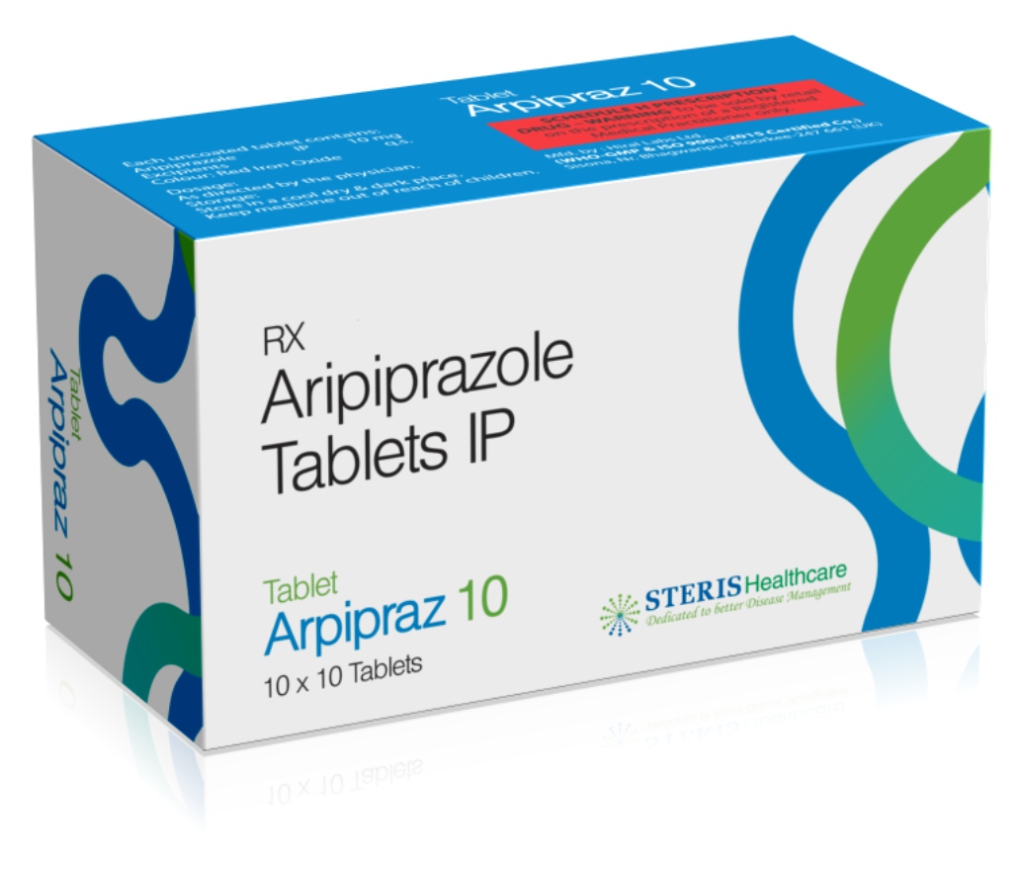
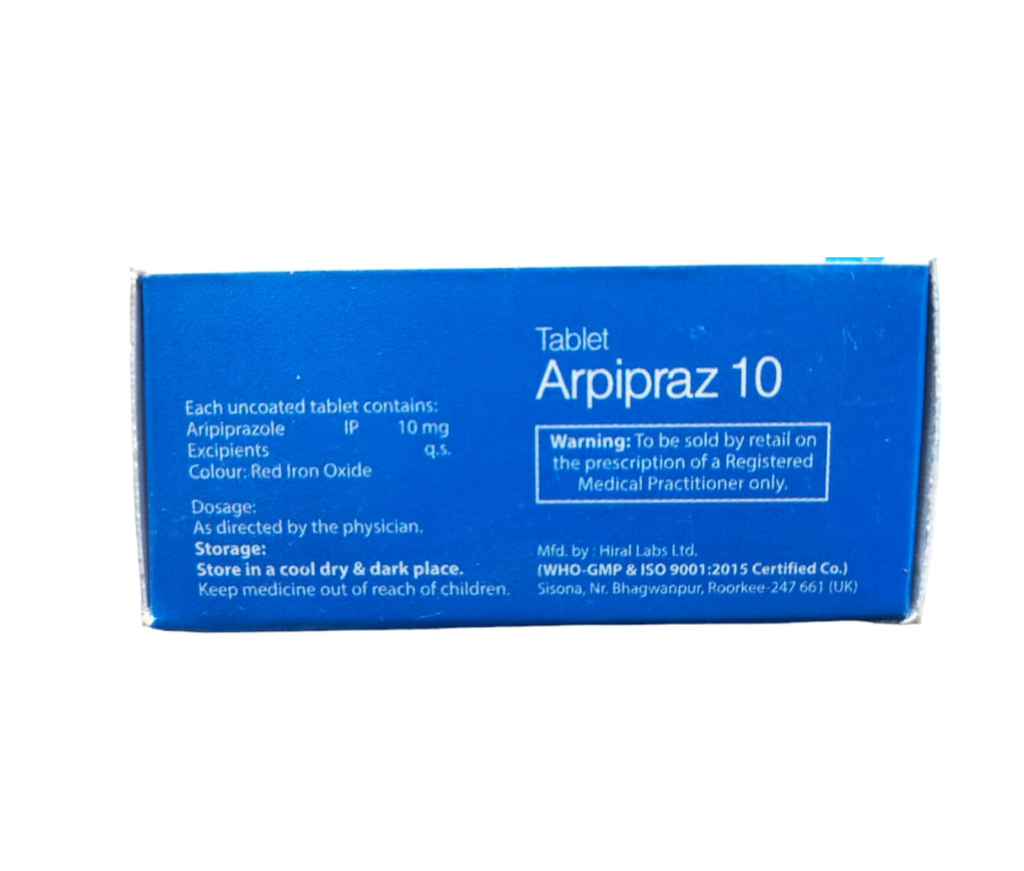
Aripiprazole | ARPIPRAZ 10
 Item requires a valid prescription
Manufactured By Steris Healthcare Pvt Ltd
Composition Aripiprazole 10 mg
Rs 63.00
MRP Rs 90.00
(30% OFF)
Includes all taxes
Package SIZE
( For 10 Tablets )

100% Authentic
Products

Free
Shipping*

Products
Return Policy
Description:
Aripiprazole 10 mg is an atypical antipsychotic medicine used to manage certain mental health and neurodevelopmental conditions. Depending on the patient's age, diagnosis, formulation, and local regulatory approvals, aripiprazole may be prescribed for conditions including schizophrenia, bipolar I disorder, major depressive disorder as an add-on treatment, irritability associated with autistic disorder, and Tourette's disorder. Current U.S. prescribing information lists these oral uses, although approved indications can differ between countries.
Aripiprazole affects neurotransmitter activity in the brain, particularly dopamine and serotonin. Unlike a conventional sedating medicine, it has a distinctive pharmacological profile and is often described as a dopamine-system stabilizing or modulating antipsychotic.
The 10 mg strength is an established tablet strength and is used for some patients depending on the condition being treated. However, 10 mg is not automatically the correct dose for everyone. Dosage depends on the diagnosis, age, other medicines, response to treatment, and individual risk factors.
What Is Aripiprazole 10 mg Used For?
The specific use of aripiprazole 10 mg depends on the patient's diagnosis and the prescribing information applicable in their country.
1. Schizophrenia
Aripiprazole is used to treat schizophrenia, a psychiatric condition that can involve hallucinations, delusions, disorganized thinking, and other changes in perception or behavior.
For adults with schizophrenia, current U.S. prescribing information lists 10 mg/day or 15 mg/day as recommended starting and target doses, with once-daily administration.
Treatment is individualized, and a doctor may use a different dose depending on the patient's circumstances.
2. Bipolar I Disorder
Some aripiprazole oral formulations are approved for the acute treatment of manic and mixed episodes associated with bipolar I disorder.
The goal is to help control symptoms such as unusually elevated or irritable mood, excessive energy, reduced need for sleep, impulsive behavior, and other manic symptoms.
3. Add-On Treatment for Major Depression
Certain approved aripiprazole tablet formulations are used as an adjunctive treatment for major depressive disorder (MDD) when an antidepressant alone has not provided sufficient improvement.
This means aripiprazole is added to an antidepressant rather than necessarily replacing it.
4. Irritability Associated With Autism
Aripiprazole is also approved in certain settings for treating irritability associated with autistic disorder, particularly in pediatric patients.
The medicine is not a cure for autism. Rather, it may be prescribed to help manage specific behavioral symptoms when clinically appropriate.
5. Tourette's Disorder
Some oral aripiprazole formulations are indicated for the treatment of Tourette's disorder, where it can help reduce certain motor and vocal tic symptoms.
How Does Aripiprazole 10 mg Work?
Aripiprazole works by modifying the activity of neurotransmitters involved in mood, thought, perception, and behavior.
Its principal pharmacological activity involves dopamine D2/D3 and serotonin 5-HT1A and 5-HT2A receptors. It acts differently from many traditional antipsychotics, which is part of the reason it has a distinct clinical profile.
NHS patient information explains that aripiprazole affects chemical messengers such as dopamine and serotonin and helps control symptoms of conditions such as schizophrenia and bipolar disorder.
It is important to understand that aripiprazole does not usually produce an immediate therapeutic effect. Some symptoms may begin improving after several days or weeks, while the full benefit can take considerably longer.
Key Benefits of Aripiprazole 10 mg
When appropriately prescribed, aripiprazole can provide several therapeutic benefits.
1. Helps control psychotic symptoms
In schizophrenia, aripiprazole can help reduce symptoms such as hallucinations, delusions, and disorganized thinking.
2. Helps manage manic symptoms
For appropriate patients with bipolar I disorder, aripiprazole can help control acute manic or mixed episodes.
3. May support mood treatment
When prescribed as an adjunct to an antidepressant, aripiprazole can help some patients with major depressive disorder who have not responded adequately to antidepressant treatment alone.
4. Can help manage certain behavioral symptoms
In approved pediatric indications, aripiprazole can help reduce irritability associated with autistic disorder.
5. Can reduce certain tic symptoms
For appropriate patients with Tourette's disorder, aripiprazole may reduce motor and vocal tics.
What aripiprazole does not do
Aripiprazole is not:
-
A general sleeping pill
-
A general anxiety medicine
-
A recreational drug
-
A cure for schizophrenia, bipolar disorder, autism, or Tourette's disorder
-
A medicine that should be started or stopped without medical supervision
Its role depends on the diagnosis and treatment plan.
Aripiprazole 10 mg Dosage
One of the most important points when searching for aripiprazole 10 mg is that the strength printed on the tablet does not tell you whether it is the appropriate dose for a particular person.
For adult schizophrenia, current U.S. prescribing information lists 10–15 mg/day as the recommended starting and target range, while the maximum is 30 mg/day. However, other indications and age groups have different dosing recommendations.
For example, pediatric dosing may start considerably lower, and specific adjustments may be necessary depending on other medicines or metabolic factors.
Aripiprazole is generally taken once daily, with or without food.
Important dosage rules
-
Take aripiprazole exactly as prescribed.
-
Do not increase the dose because symptoms have not improved immediately.
-
Do not take an extra tablet to compensate for a missed dose unless instructed.
-
Do not stop treatment suddenly without speaking with your doctor.
-
Tell your healthcare professional about all medicines and supplements you take.
Some patients require dosage adjustments because of interactions with medicines that affect aripiprazole metabolism.
Aripiprazole 10 mg Side Effects
Like all medicines, aripiprazole can cause side effects. Not everyone experiences them, and the likelihood can depend on dose, duration, age, diagnosis, and other medicines.
Common side effects may include:
-
Restlessness
-
Difficulty sleeping
-
Anxiety
-
Headache
-
Nausea
-
Constipation
-
Sleepiness or tiredness
-
Dizziness
-
Blurred vision
-
Movement-related symptoms
NHS guidance specifically lists insomnia, anxiety/restlessness, headache, sleepiness and blurred vision among common side effects.
One particularly important adverse effect is akathisia, which can feel like intense internal restlessness or an inability to sit still.
If restlessness becomes severe or interferes with daily life, tell your doctor rather than changing the dose yourself.
Serious Side Effects of Aripiprazole 10 mg
Some adverse effects require prompt medical attention.
1. Uncontrolled movements
Long-term treatment with antipsychotic medicines can be associated with abnormal involuntary movements, including tardive dyskinesia.
Symptoms can include repetitive movements of the mouth, tongue, face, arms, or legs. NHS guidance recommends discussing uncontrolled movements with a doctor.
2. High blood sugar or diabetes
Aripiprazole and other antipsychotics can be associated with metabolic changes.
Seek medical advice if you develop symptoms such as:
-
Excessive thirst
-
Frequent urination
-
Unusual tiredness
-
Unexplained weight loss
These can be warning signs of high blood sugar or diabetes.
Doctors may monitor weight, blood glucose and cholesterol during treatment.
3. Impulse-control problems
An important and sometimes overlooked adverse effect is new or increased difficulty controlling impulses.
Patients may develop unusual urges involving:
-
Gambling
-
Excessive shopping or spending
-
Binge eating
-
Increased sexual activity
-
Other repetitive or risky behaviors
NHS guidance specifically warns about these impulse-control changes.
Tell your doctor promptly if you or your family notice a significant behavioral change.
4. Neuroleptic malignant syndrome
Rarely, antipsychotic medicines can cause neuroleptic malignant syndrome, a serious reaction associated with symptoms such as high fever, severe muscle stiffness, confusion, sweating, and changes in heart rate or blood pressure.
This requires emergency medical assessment.
5. Severe allergic reaction
Swelling of the face, lips, tongue, or throat, difficulty breathing, or a severe allergic reaction requires urgent medical treatment.
Aripiprazole 10 mg and Weight Changes
Weight changes can occur during aripiprazole treatment, although the degree varies among individuals.
NHS information notes that aripiprazole may cause either weight loss or weight gain and recommends paying attention to increased hunger and maintaining a healthy, balanced diet.
If you experience significant weight change, discuss it with your healthcare professional. Regular monitoring of weight and metabolic health can be useful during long-term treatment.
Aripiprazole 10 mg and Alcohol
It is generally best to avoid alcohol while taking aripiprazole unless your doctor advises otherwise.
Alcohol can increase sleepiness or unsteadiness and may worsen symptoms of the underlying mental health condition.
If aripiprazole makes you sleepy or dizzy, do not drive or operate machinery until you know how the medicine affects you.
Can Aripiprazole 10 mg Be Stopped Suddenly?
Do not stop aripiprazole suddenly unless your healthcare professional specifically tells you to do so.
Stopping treatment can allow symptoms to return. NHS guidance notes that when discontinuation is appropriate, a doctor may reduce the dose gradually.
If you have severe side effects, contact your doctor promptly rather than independently deciding whether to continue or stop the medicine.
Aripiprazole 10 mg Drug Interactions
Aripiprazole can interact with other medicines, including medicines that affect the enzymes responsible for metabolizing aripiprazole.
Tell your doctor or pharmacist about:
-
Antidepressants
-
Antipsychotics
-
Sleeping medicines
-
Anti-anxiety medicines
-
Seizure medicines
-
Blood-pressure medicines
-
Herbal supplements
-
Recreational substances
-
Alcohol use
Certain CYP2D6 or CYP3A4 inhibitors and inducers can alter aripiprazole exposure, potentially requiring a dose adjustment. Current prescribing information includes specific recommendations for some metabolic interactions.
Do not assume that an over-the-counter or herbal product is automatically safe with aripiprazole.
Aripiprazole 10 mg in Older Adults
A particularly important safety issue concerns elderly patients with dementia-related psychosis.
The current U.S. prescribing information carries a boxed warning that elderly patients with dementia-related psychosis treated with antipsychotic drugs have an increased risk of death. Aripiprazole is not approved for treating dementia-related psychosis.
This is different from using aripiprazole for an approved psychiatric indication in an older adult. The diagnosis and treatment circumstances matter.
Aripiprazole 10 mg and Suicidal Thoughts
The current U.S. prescribing information also includes a warning about increased risk of suicidal thinking and behavior in children, adolescents, and young adults taking antidepressant drugs. Patients starting or changing antidepressant therapy should be monitored for worsening symptoms and emerging suicidal thoughts or behaviors.
Because aripiprazole can be used as an adjunct to antidepressant treatment in major depressive disorder, patients and caregivers should follow the prescriber's monitoring instructions carefully.
Any immediate risk of self-harm or harm to another person requires urgent emergency assistance.
Buying Aripiprazole 10 mg Online: What Should You Check?
If your search intent is transactional—for example, “buy aripiprazole 10 mg,” “aripiprazole 10 mg price,” or “aripiprazole 10 mg online”—the safest approach is to prioritize authenticity and legitimate dispensing rather than simply choosing the lowest price.
Before purchasing, verify:
-
Medicine name: aripiprazole
-
Strength: 10 mg
-
Manufacturer
-
Batch/lot number
-
Expiry date
-
Packaging condition
-
Prescription requirements
-
Pharmacy or seller legitimacy
-
Storage instructions
Avoid websites that offer prescription medicines without appropriate verification or make exaggerated claims such as “instant cure,” “100% safe,” or “no prescription required.”
Prescription requirements and approved indications vary between countries, so local pharmacy and regulatory requirements should be followed.
Aripiprazole 10 mg: Key Takeaways
-
Aripiprazole 10 mg is an atypical antipsychotic medicine.
-
It may be prescribed for schizophrenia and, depending on formulation and country, other conditions such as bipolar I disorder, adjunctive major depression, autism-associated irritability, and Tourette's disorder.
-
It affects dopamine and serotonin signaling in the brain.
-
It does not usually work immediately; improvement may take days or weeks.
-
Restlessness, insomnia, headache, sleepiness and nausea can occur.
-
Impulse-control problems are an important warning to understand.
-
Metabolic monitoring may be appropriate during treatment.
-
Do not stop the medicine suddenly without medical advice.
-
Avoid alcohol unless your doctor says it is appropriate.
-
Aripiprazole is prescription-only in many markets.
-
Elderly patients with dementia-related psychosis have an increased mortality risk with antipsychotic treatment.
Frequently Asked Questions
1. What is aripiprazole 10 mg used for?
Aripiprazole 10 mg may be prescribed for schizophrenia and, depending on the formulation and local approval, conditions such as bipolar I disorder, adjunctive treatment of major depressive disorder, irritability associated with autistic disorder, and Tourette's disorder.
2. Is aripiprazole 10 mg a sleeping tablet?
No. Aripiprazole is an antipsychotic medicine. Although some people may feel sleepy while taking it, it is not primarily a sleeping medicine.
3. How does aripiprazole 10 mg work?
It modifies the activity of neurotransmitter systems, particularly dopamine and serotonin, helping regulate symptoms associated with certain psychiatric and neurological conditions.
4. How long does aripiprazole 10 mg take to work?
Some symptoms may begin improving within several days or weeks, but the full therapeutic effect can take longer. Do not increase the dose simply because you do not feel better immediately.
5. Is aripiprazole 10 mg a high dose?
Not necessarily. Ten milligrams is a standard tablet strength and is within the recommended dosing range for some indications. The appropriate dose depends on the diagnosis, age, response, interactions, and individual circumstances.
6. Can aripiprazole 10 mg be taken every day?
Aripiprazole oral tablets are generally prescribed on a regular once-daily schedule for many indications. Take it exactly as prescribed by your healthcare professional.
7. Can I take aripiprazole 10 mg with food?
Yes. Oral aripiprazole can generally be taken with or without food. Try to take it around the same time each day unless your prescriber gives different instructions.
8. What are the common side effects of aripiprazole 10 mg?
Common side effects can include insomnia, restlessness, anxiety, headache, sleepiness, nausea, constipation and blurred vision.
9. Does aripiprazole 10 mg cause weight gain?
Weight changes can occur. Some people gain weight while others may lose weight. Increased appetite and metabolic changes should be discussed with a healthcare professional.
10. Can aripiprazole 10 mg cause restlessness?
Yes. Restlessness or akathisia can occur and may feel like an inability to sit still or an intense internal urge to move. Tell your doctor if it is severe or persistent.
11. Can aripiprazole 10 mg affect sexual behavior?
It can. Some people may experience changes in impulse control, including increased sexual urges or other unusual repetitive behaviors. Tell your doctor if you notice a significant change in your behavior.
12. Can I drink alcohol while taking aripiprazole 10 mg?
It is generally best to avoid alcohol because it can increase sleepiness or unsteadiness and may worsen psychiatric symptoms.
13. Can aripiprazole 10 mg be stopped suddenly?
Do not stop it suddenly without medical advice. Your doctor may reduce the dose gradually when discontinuation is appropriate.
14. Can aripiprazole 10 mg treat anxiety?
Aripiprazole is not generally a first-line treatment for ordinary anxiety. Its use depends on the diagnosed condition and the specific treatment plan established by a healthcare professional.
15. Can aripiprazole 10 mg treat depression?
Certain oral formulations of aripiprazole are approved as an adjunctive treatment for major depressive disorder, meaning it may be added to an antidepressant when appropriate.
16. Can aripiprazole 10 mg be used for bipolar disorder?
Certain formulations are approved for the acute treatment of manic and mixed episodes associated with bipolar I disorder.
17. Is aripiprazole 10 mg addictive?
Aripiprazole is not considered an addictive drug in the way substances of abuse are. However, it is a prescription medicine that should be taken and discontinued under medical supervision. NHS patient information states that aripiprazole is not addictive.
18. What happens if I miss an aripiprazole 10 mg dose?
Follow the instructions provided with your prescription. Do not take a double dose unless your healthcare professional specifically tells you to. If you frequently miss doses, ask your pharmacist or doctor about strategies to improve adherence.
19. What happens if I take too much aripiprazole 10 mg?
An overdose can cause serious symptoms, including sleepiness, fast heartbeat, nausea, vomiting, diarrhea, muscle spasms and unusual movements. Seek urgent medical advice if you take more than prescribed.
20. Can aripiprazole 10 mg cause diabetes?
Antipsychotic treatment can be associated with high blood sugar and metabolic changes. Excessive thirst, frequent urination, unusual tiredness or unexplained weight loss should be medically assessed.
21. Is aripiprazole 10 mg safe for elderly people?
Aripiprazole may be prescribed to some older adults for appropriate indications, but it is not approved for dementia-related psychosis in the U.S. and antipsychotic treatment in elderly patients with dementia-related psychosis carries an increased mortality risk.
22. Can aripiprazole 10 mg cause uncontrolled movements?
Yes. Antipsychotic treatment can cause movement disorders, including tardive dyskinesia. Report new or persistent involuntary movements to your doctor.
23. Can I buy aripiprazole 10 mg online?
Availability and prescription rules vary by country. If purchasing online, use a legitimate pharmacy and verify the medicine's manufacturer, strength, expiry date, packaging and prescription requirements.
24. Is aripiprazole 10 mg the same as Abilify 10 mg?
Abilify is a brand name for aripiprazole. Generic aripiprazole contains the same active ingredient, although inactive ingredients, appearance and manufacturer can differ.
25. What is the most important safety warning for aripiprazole 10 mg?
Important warnings include increased mortality in elderly patients with dementia-related psychosis, metabolic changes, movement disorders, impulse-control problems, and other serious adverse effects. A new severe behavioral change, uncontrolled movement, severe allergic reaction, or symptoms of serious illness should receive prompt medical attention.