


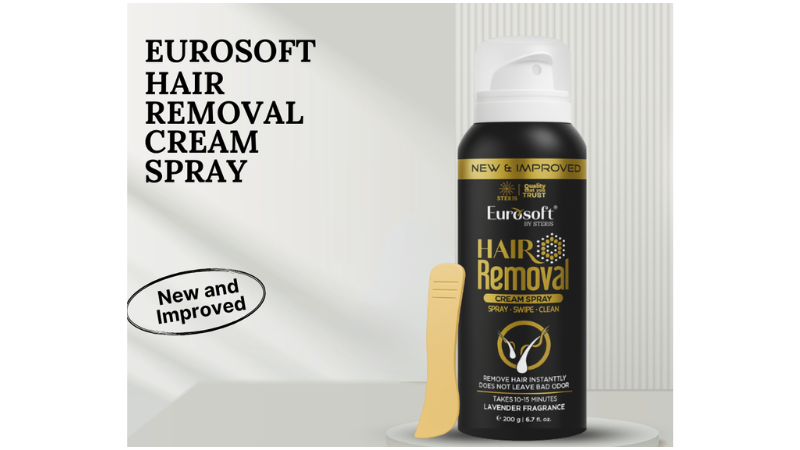



The Science Behind Hair Removal Cream Spray: How It Works Wonders
Nov 22, 2024
Hair removal cream spray is a no-touch depilatory formula delivered in a spray-on bottle instead of a tub or tube. It works by breaking down the keratin protein structure in hair shafts so hair can be wiped away painlessly within 3–10 minutes, without razors or wax strips. It's best suited for larger body areas like legs, arms, and back, and typically lasts 3–7 days longer at the skin surface than shaving, though regrowth timing still depends on individual hair density and growth cycle.
What Is Hair Removal Cream Spray?
Hair removal cream spray is a depilatory product that dissolves unwanted body hair at the skin's surface using a chemical reaction rather than a blade or adhesive. Unlike traditional tub-based depilatory creams that require fingers or a spatula for application, the spray format dispenses the formula as a fine, even mist or foam directly onto the skin, making it easier to cover larger or hard-to-reach areas such as the back, legs, and underarms without direct hand contact.
The "active" ingredient in almost all depilatory sprays is a thioglycolate compound — most commonly calcium thioglycolate or potassium thioglycolate — combined with a high-pH buffering system. This combination physically and chemically weakens the disulfide bonds that give hair its strength, causing the hair shaft to soften to the point that it can be wiped or rinsed away rather than pulled out at the root.
How Hair Removal Cream Spray Works
The science behind hair removal cream spray is straightforward keratin chemistry, but the spray delivery mechanism changes how the product performs compared to creams.
- Spray application: The formula is dispensed through a pump or aerosol nozzle, distributing a thin, even layer across the target area without rubbing the product in.
- Keratin breakdown: The thioglycolate compound penetrates the visible hair shaft and begins breaking the disulfide bonds that hold hair's protein structure together.
- Softening phase: Within 3–10 minutes (formula-dependent), the hair becomes soft, swollen, and gel-like at the surface.
- Removal: The dissolved hair is wiped away using a spatula, washcloth, or simply rinsed off with water — no pulling, plucking, or cutting involved.
- Surface-level result: Because the hair is dissolved rather than pulled from the follicle, the technique removes hair only at the skin's surface, similar to shaving in terms of regrowth depth, but without nicks, razor bumps, or ingrown hairs caused by blade contact.
This is fundamentally different from waxing or epilating, which physically extract the hair from the root, and from shaving, which uses a blade to cut hair at the surface. The spray format's main advantage over cream-in-a-tub products is even coverage on large areas and reduced direct skin contact with the chemical formula during application.
Benefits of Choosing a Spray Format
- Touch-free, even application: A mist or foam spray distributes product uniformly, reducing the chance of missed patches that are common when spreading thick cream by hand.
- Faster coverage of large areas: Legs, arms, and back hair can be treated in a fraction of the time it takes to manually spread cream with a spatula.
- Reduced mess: Less direct hand contact with the depilatory chemical means cleaner application and easier rinse-off.
- Painless compared to waxing or epilating: Since hair is chemically dissolved rather than ripped from the follicle, there's no pulling sensation.
- No blade-related skin trauma: Eliminates the risk of razor cuts, nicks, and many cases of razor burn.
- Good for back and shoulder hair: The spray nozzle allows application to areas that are difficult to reach with hands, a common challenge with tub-based creams for men.
How to Use Hair Removal Cream Spray
- Patch test first. Apply a small amount to the inner forearm and wait 24 hours to check for redness, burning, or allergic reaction before treating larger areas.
- Cleanse and dry the area. Skin should be clean, dry, and free of deodorant, perfume, or other topical products.
- Shake the can or bottle if instructed by the manufacturer, then spray a thin, even layer over the area, holding the nozzle at the distance specified on the label.
- Wait the recommended time — usually 3 to 10 minutes, never longer than the maximum time stated on the packaging, even if hair appears not fully dissolved.
- Test a small section with the provided spatula or a finger (using a tissue, not bare skin if irritation is a concern) to check that hair wipes away easily.
- Wipe or rinse off the dissolved hair and residual product thoroughly with lukewarm water — never hot water, which can increase skin sensitivity.
- Moisturize afterward with a fragrance-free lotion to soothe the skin, since depilatory chemicals can leave skin temporarily dry.
Possible Side Effects and Skin Reactions
Most people tolerate depilatory sprays well when instructions are followed, but because the active ingredients are alkaline and chemically reactive, some skin reactions are possible:
- Redness or stinging: Mild, temporary redness is common, especially on first use or sensitive skin.
- Chemical burns: Leaving the product on beyond the maximum recommended time, or using it on broken or sunburned skin, can cause burns.
- Allergic contact dermatitis: Some individuals react to thioglycolate compounds or fragrance additives with itching, rash, or swelling.
- Strong odor sensitivity: The sulfur-based smell of thioglycolate can trigger headaches or nausea in sensitive individuals, particularly in poorly ventilated spaces — sprays can disperse more airborne particles than thick creams, so using them in a well-ventilated area is important.
- Folliculitis: In rare cases, irritated follicles can become inflamed after treatment, particularly with repeated use on the same area in a short timeframe.
Who Should Avoid It / Precautions
- Do not use on broken, sunburned, irritated, or recently waxed/shaved skin.
- Avoid contact with eyes, lips, eyebrows, genital mucosa, and inside the nostrils unless the product is specifically labeled safe for sensitive or intimate areas.
- Do not use immediately before or after sun exposure, as skin can be more reactive.
- People with known sensitivity to thioglycolates, eczema, or psoriasis should consult a dermatologist before use.
- Always ventilate the room when using a spray/aerosol format, and avoid spraying near the face or inhaling the mist directly.
- Pregnant individuals are generally advised to do a thorough patch test and consult a physician, as a precaution with any topical depilatory chemical, even though absorption through intact skin is considered minimal.
Hair Removal Cream Spray vs Other Methods
| Factor | Cream Spray | Razor/Shaving | Waxing | Epilator |
|---|---|---|---|---|
| Pain level | None to mild | None | High | High |
| Regrowth speed | 3–7 days (surface) | 1–3 days (surface) | 2–4 weeks (root) | 2–4 weeks (root) |
| Ingrown hair risk | Low | Moderate–High | Moderate | Moderate |
| Application time (large area) | 5–10 minutes | 10–15 minutes | 20–40 minutes | 15–30 minutes |
| Skin irritation risk | Moderate (chemical) | Moderate (cuts/burn) | Moderate–High | Moderate–High |
| Best suited for | Legs, arms, back | All areas | Legs, arms, bikini line | Legs, arms |
Frequently Asked Questions
Is hair removal cream spray as effective as waxing?
Not in terms of regrowth duration. Spray depilatories dissolve hair only at the surface, similar to shaving, so regrowth is typically visible within 3 to 7 days. Waxing removes hair from the root, which can keep skin smooth for 2 to 4 weeks. The spray format is chosen primarily for speed, painlessness, and convenience rather than longevity of results.
How long does hair removal cream spray take to work?
Most spray depilatories work within 3 to 10 minutes, depending on hair thickness and the specific formula's strength. Coarser hair on areas like the underarms or bikini line may need closer to the upper end of the time range, while finer hair on arms can dissolve faster. The product label always states a maximum safe time limit that should never be exceeded.
Can hair removal cream spray be used on the face?
Most standard body-formula sprays are not designed for facial use and should be avoided on the face unless the packaging explicitly states it is formulated and tested for facial hair. Facial skin is thinner and more reactive, so a separate, lower-strength facial depilatory product should be used if needed, always preceded by a patch test.
Does hair removal cream spray cause skin darkening?
Some users report temporary post-inflammatory hyperpigmentation, particularly on melanin-rich skin, if the product is left on too long or used on already-irritated skin. This is generally avoidable by following the recommended timing strictly, doing a patch test, and moisturizing immediately after rinsing.
Is it safe to use hair removal cream spray every week?
Frequency tolerance varies by skin sensitivity, but many users space out applications by 5 to 10 days to avoid cumulative irritation, since the chemical process can be drying and mildly abrasive to the skin barrier with frequent repeated use. Listening to how skin responds after each use is the most reliable guide.
What's the difference between cream and spray depilatory formats?
Both use the same core thioglycolate chemistry, but the spray format is dispensed as a mist or foam through a nozzle for even, touch-free coverage of larger areas, while cream is a thicker, denser formula applied by hand or spatula. Sprays are often preferred for back, leg, and arm hair removal because they reach awkward areas more easily, while creams may offer more precise control for smaller or contoured areas.
How does hair removal spray work ?
Hair removal sprays work by using chemicals that break down the protein (keratin) in hair, weakening it so it can be easily wiped or rinsed away from the skin's surface.
Disclaimer: This article is for general informational purposes and is not a substitute for professional dermatological advice. Always perform a patch test and follow the manufacturer's instructions before use. Individuals with sensitive skin, known allergies, or pre-existing skin conditions should consult a dermatologist before using any depilatory product.
How hair removal spray works?
Hair removal sprays use chemicals that break down keratin in hair, weakening it so hair can be wiped or rinsed away.
Recent Post
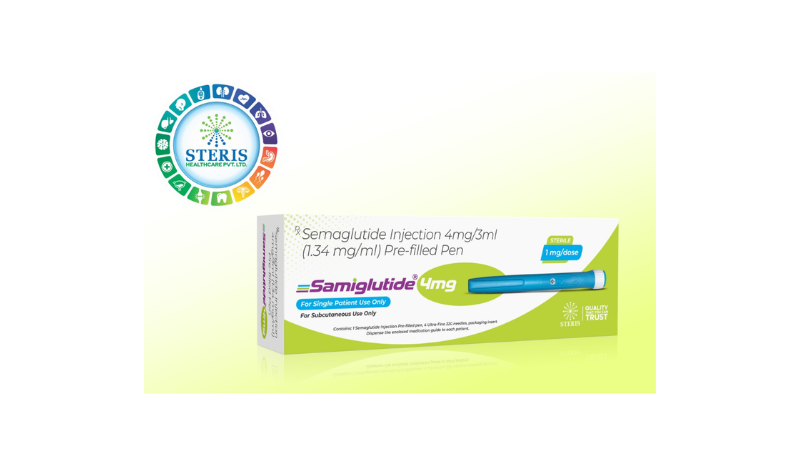
Semaglutide 4mg vs Pancreatitis Risk: What Doctors Want You to Know
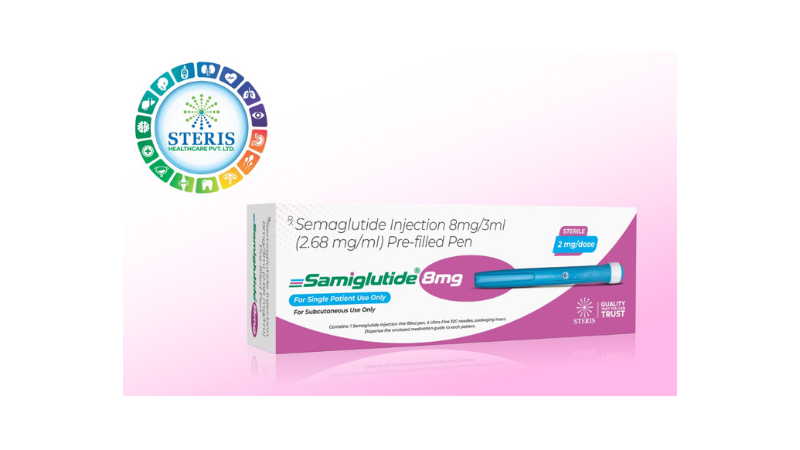
Semaglutide 8mg Injection: Frequently Asked Questions Answered by Experts
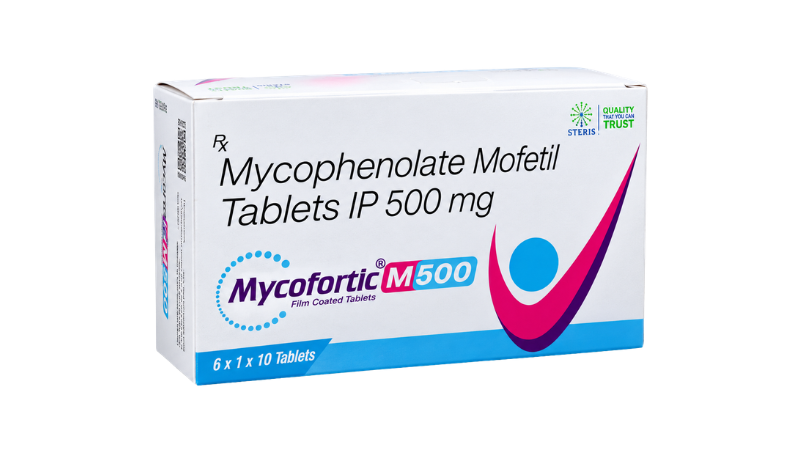
Mycophenolate Mofetil 500mg (Mycofortic M 500): Uses, Benefits & Precautions – Complete Guide
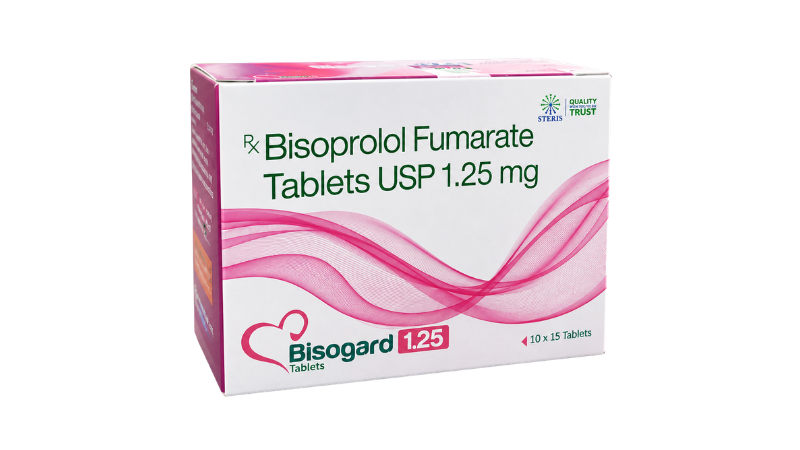
What is Bisogard 1.25? Bisoprolol 1.25mg Uses, Dosage & Side Effects Explained
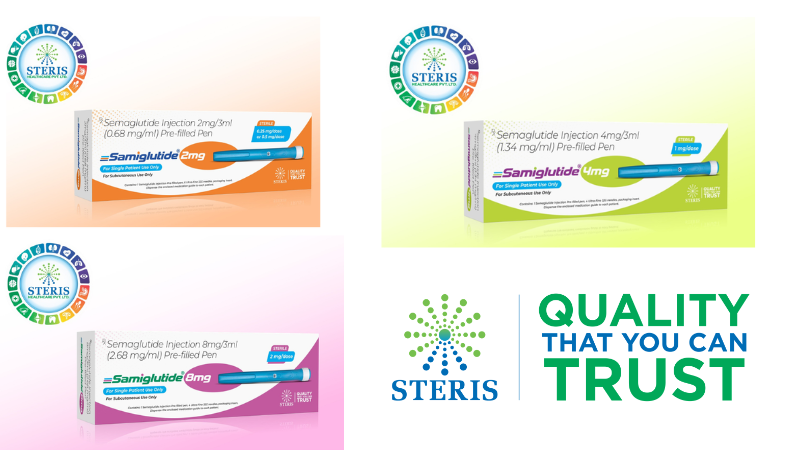
Can Semaglutide Injection Be Used Without Diabetes?
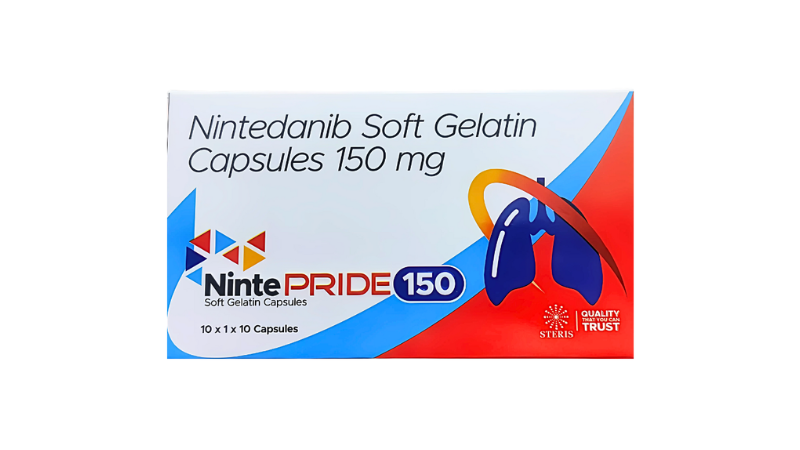
What Are Nintedanib Soft Gelatin Capsules Used For? Complete Guide
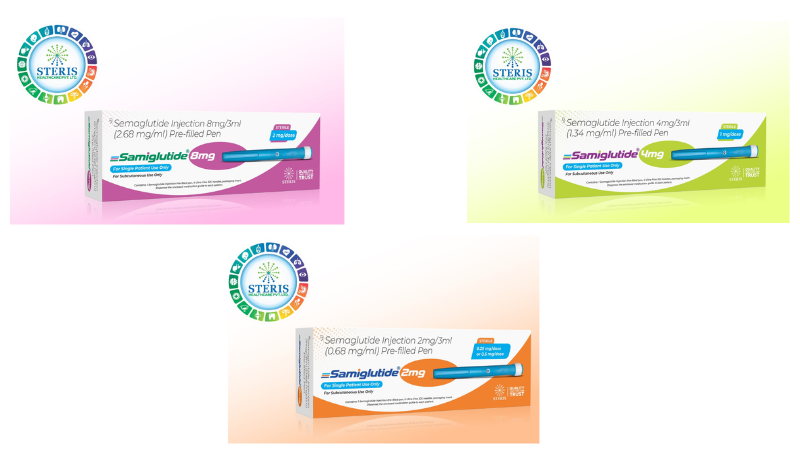
Where to Buy Semaglutide Injection in India: Price, Pen & Prescription Guide
ERITOCOX BENZ 60/5 Dosage Guide: How to Take Etoricoxib & Cyclobenzaprine Tablets Safely
Gabapentin and Methylcobalamin Tablets Side Effects: What Patients Should Know
Thyroxine sodium tablets IP: उपयोग, फायदे और साइड इफेक्ट्स

