





PROPENOL 40: Exploring Propranolol (40mg)......
Jul 12, 2024
In today’s fast-paced lifestyle, heart-related problems, stress, and anxiety-driven symptoms are becoming increasingly common across all age groups. Managing cardiovascular health effectively requires scientifically proven medicines that offer reliable control over heart rate, blood pressure, and stress response.
PROPENOL 40, containing Propranolol 40Mg is a well-established beta-blocker widely prescribed by healthcare professionals for multiple cardiac and neurological conditions. Known for its consistent therapeutic performance, it helps maintain heart stability and supports overall cardiovascular wellness.
This detailed guide provides a complete overview of PROPENOL 40, including its uses, working mechanism, benefits, dosage guidance, side effects, and precautions in a simple yet medically accurate manner.
What is PROPENOL 40?
PROPENOL 40 is a pharmaceutical formulation of Propranolol Hydrochloride 40 mg, belonging to the class of non-selective beta-adrenergic blockers.
It is primarily used to manage conditions where the heart is overactive or under excessive stress. By reducing the effects of adrenaline on the body, it helps slow down the heart rate, stabilize rhythm, and reduce blood pressure.
This makes PROPENOL 40 a trusted medicine in both cardiac care and stress-related symptom management.
Composition
Each tablet of PROPENOL 40 contains:
- Propranolol Hydrochloride IP – 40 mg
This active ingredient is widely recognized for its long-standing clinical use and proven safety profile when taken under medical supervision.
How PROPENOL 40 Works
PROPENOL 40 works by blocking beta-adrenergic receptors present in the heart, lungs, and blood vessels. These receptors are responsible for responding to stress hormones like adrenaline.
When Propranolol blocks these receptors, it leads to several beneficial effects:
- Reduces heart rate
- Lowers blood pressure
- Decreases force of heart contraction
- Reduces oxygen demand of the heart
- Helps control irregular heartbeats
- Calms physical symptoms of stress and anxiety
By reducing the overall workload on the heart, PROPENOL 40 helps improve cardiovascular efficiency and stability.
Therapeutic Uses of PROPENOL 40
PROPENOL 40 is prescribed for a wide range of medical conditions, especially those related to heart function and stress response.
1. Hypertension (High Blood Pressure)
It helps control elevated blood pressure by relaxing blood vessels and reducing heart workload, lowering the risk of stroke and heart disease.
2. Angina Pectoris (Chest Pain)
PROPENOL 40 reduces chest pain caused by reduced oxygen supply to the heart muscles.
3. Cardiac Arrhythmia
It helps regulate abnormal heart rhythms, ensuring a steady and controlled heartbeat.
4. Anxiety-Related Physical Symptoms
Propranolol is commonly used to manage physical symptoms such as:
- Rapid heartbeat
- Sweating
- Tremors
- Palpitations
It is especially useful in performance anxiety and situational stress.
5. Migraine Prevention
Regular use may help reduce the frequency and severity of migraine attacks in susceptible individuals.
6. Essential Tremors
It is effective in controlling involuntary shaking, especially in hands.
7. Post-Heart Attack Care
PROPENOL 40 helps reduce the risk of future cardiac events by stabilizing heart function after a heart attack.
Key Benefits of PROPENOL 40
PROPENOL 40 offers multiple health benefits when used as prescribed:
- Maintains healthy blood pressure levels
- Improves heart rhythm stability
- Reduces cardiac stress and workload
- Helps manage anxiety-related physical symptoms
- Supports migraine prevention therapy
- Enhances overall heart efficiency
- Reduces risk of cardiovascular complications
Its multi-functional role makes it a widely trusted option in cardiac and neurological care.
Dosage and Administration
The dosage of PROPENOL 40 varies depending on the patient’s medical condition, severity, and response to treatment.
General guidelines include:
- Usually taken 1 to 2 times daily
- Can be taken with or without food
- Dosage adjustments must be done only by a physician
It is very important not to stop the medicine suddenly, as it may cause rebound effects such as increased heart rate or blood pressure.
Possible Side Effects
Like all medications, PROPENOL 40 may cause side effects in some individuals. Most are mild and temporary.
Common side effects:
- Fatigue or tiredness
- Dizziness
- Cold hands or feet
- Slow heart rate
- Mild stomach discomfort
Less common but serious effects:
- Shortness of breath
- Severe bradycardia (very low heart rate)
- Sleep disturbances
- Mood changes or depression
Precautions Before Using PROPENOL 40
Before starting PROPENOL 40, patients should inform their doctor if they have:
-
Asthma or breathing disorders
- Diabetes
- Liver or kidney disease
- Low blood pressure
- Heart conduction disorders
Special caution is required in patients with respiratory conditions, as beta-blockers may affect breathing in sensitive individuals.
Drug Interactions
PROPENOL 40 may interact with certain medicines, including:
- Anti-hypertensive drugs
- Anti-diabetic medications
- Anti-arrhythmic drugs
- Antidepressants
- Painkillers (NSAIDs)
To ensure safety, always inform your healthcare provider about all ongoing medications.
Who Should Avoid PROPENOL 40?
This medicine may not be suitable for everyone. It should be avoided in:
- Patients with severe asthma
- Individuals with very slow heart rate
- Patients with certain heart block conditions
- People with uncontrolled heart failure
Only a qualified doctor can determine its suitability based on individual health conditions.
Lifestyle Recommendations for Better Results
Along with PROPENOL 40, adopting a healthy lifestyle can significantly improve treatment outcomes:
- Follow a heart-healthy diet low in salt and fat
- Engage in regular physical activity (as advised by a doctor)
- Avoid smoking and alcohol consumption
- Manage stress through yoga or meditation
- Monitor blood pressure regularly
These habits help improve cardiovascular health and enhance the effectiveness of the treatment.
Why PROPENOL 40 is Widely Trusted
PROPENOL 40 is preferred by healthcare professionals because:
- It has proven long-term clinical effectiveness
- Provides reliable control over heart rate and blood pressure
- Helps in both cardiac and anxiety-related conditions
- Offers predictable and stable therapeutic results
- Has a well-established safety profile under supervision
Its versatility makes it a key medicine in modern cardiovascular therapy.
Frequently Asked Questions (FAQs)
1. What is PROPENOL 40 used for?
It is used to treat high blood pressure, angina, irregular heartbeat, anxiety symptoms, and migraine prevention.
2. Can PROPENOL 40 help with anxiety?
Yes, it helps control physical symptoms of anxiety such as rapid heartbeat and tremors.
3. Can I stop taking PROPENOL 40 suddenly?
No, sudden discontinuation may worsen heart conditions. Always consult your doctor first.
4. Does PROPENOL 40 cause drowsiness?
It may cause mild fatigue in some patients, especially at the beginning of therapy.
Conclusion
PROPENOL 40 (Propranolol 40 mg) is a reliable and clinically proven beta-blocker that plays an important role in managing cardiovascular conditions and stress-related symptoms. Its ability to regulate heart activity, control blood pressure, and reduce physical symptoms of anxiety makes it a valuable part of modern medical treatment.
Recent Post
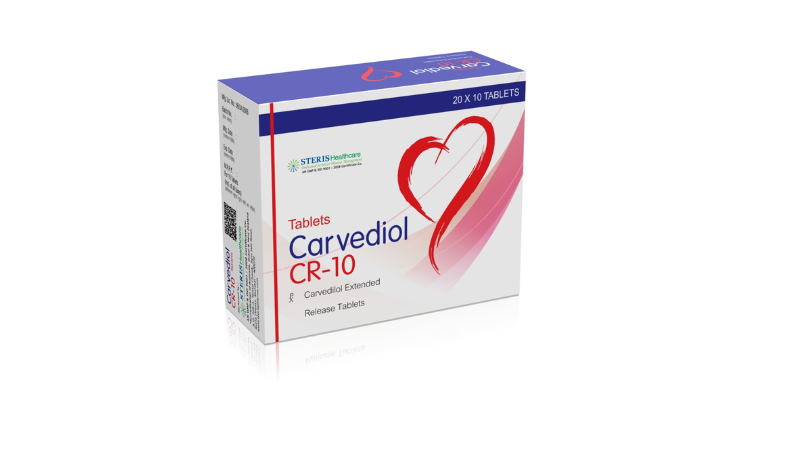
Carvedilol 10mg क्या है? जानें उपयोग, खुराक और साइड इफेक्ट्स
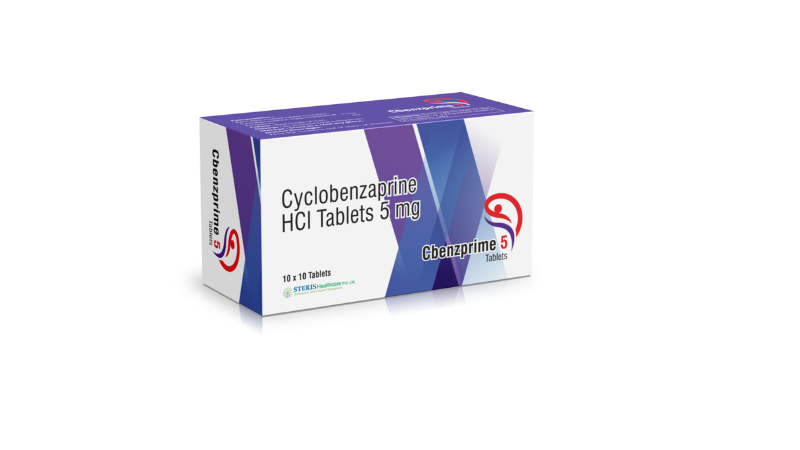
Cyclobenzaprine 5mg Tablet: उपयोग, फायदे और कीमत की पूरी जानकारी
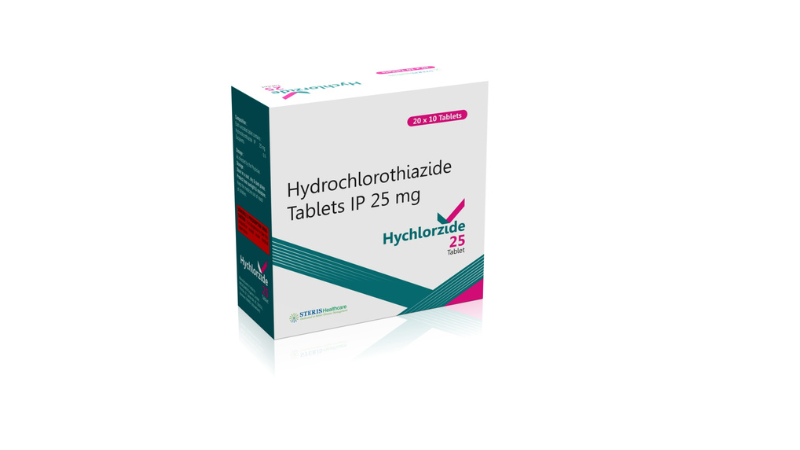
Hydrochlorothiazide 25mg Tablet: उपयोग, फायदे और कीमत की पूरी जानकारी
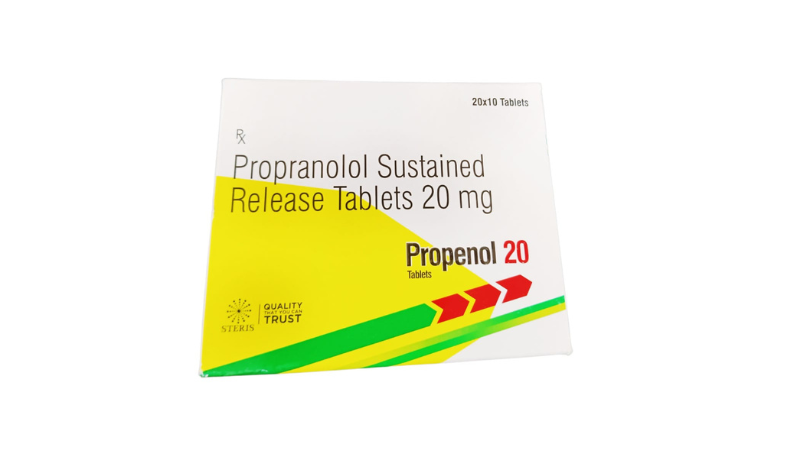
हाई ब्लड प्रेशर और माइग्रेन से राहत के लिए Propranolol 20mg Tablet
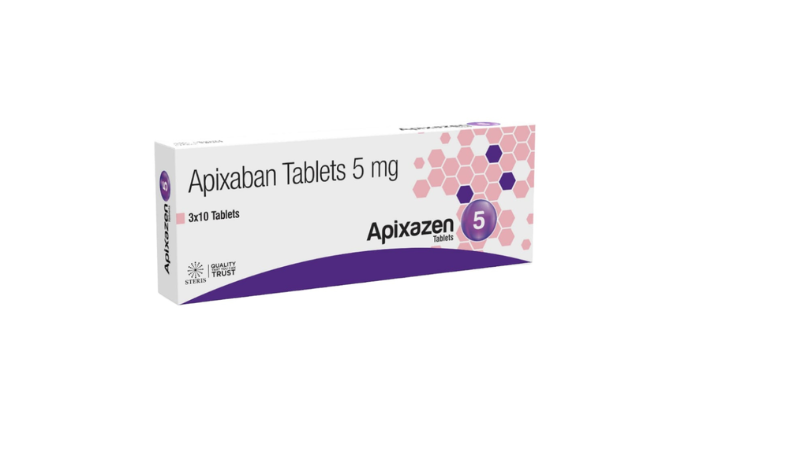
Apixaban 5mg क्या है? जानें उपयोग, खुराक और साइड इफेक्ट्स
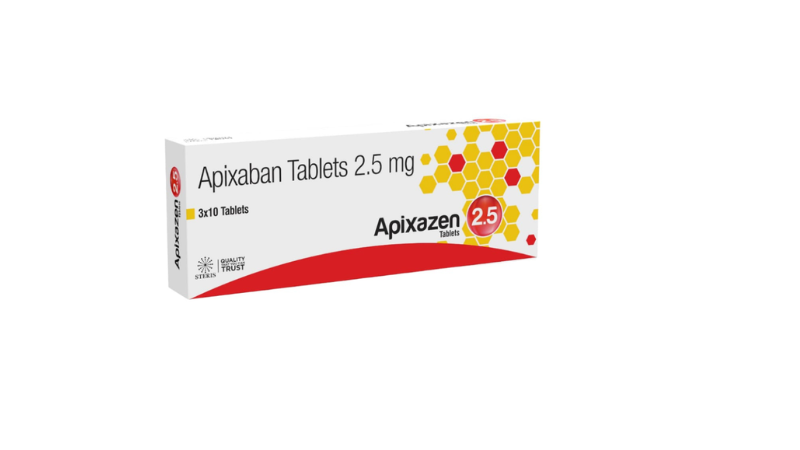
Apixaban 2.5mg Tablet: उपयोग, फायदे और कीमत की पूरी जानकारी
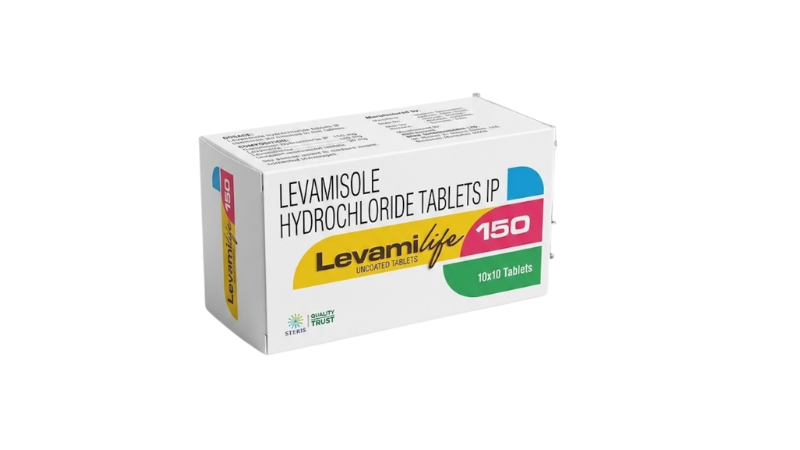
Levamisole Hydrochloride Tablet – उपयोग, साइड इफेक्ट्स और विकल्प
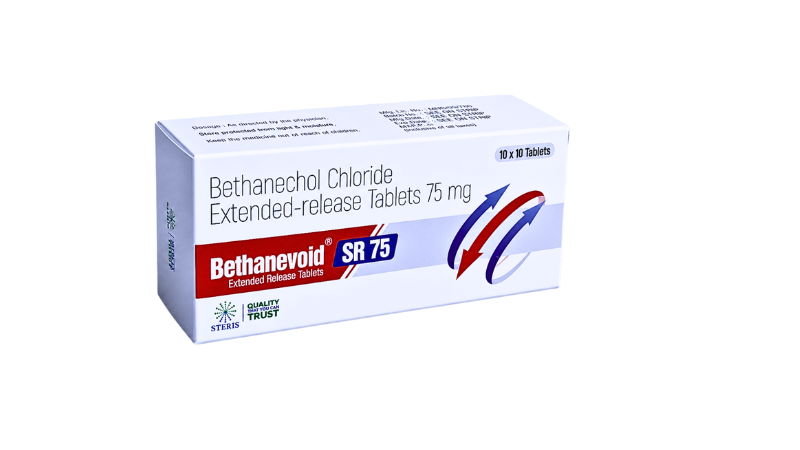
Bethanechol chloride के उपयोग, खुराक और फायदे
Carbamazepine Tablet के फायदे, नुकसान और सही इस्तेमाल का तरीका

Lactobacillus Rhamnosus GG 6 Billion CFU: उपयोग और सावधानियां

